This Huge California Music Festival Packs 100-Plus Artists Across Eight Downtown Stages
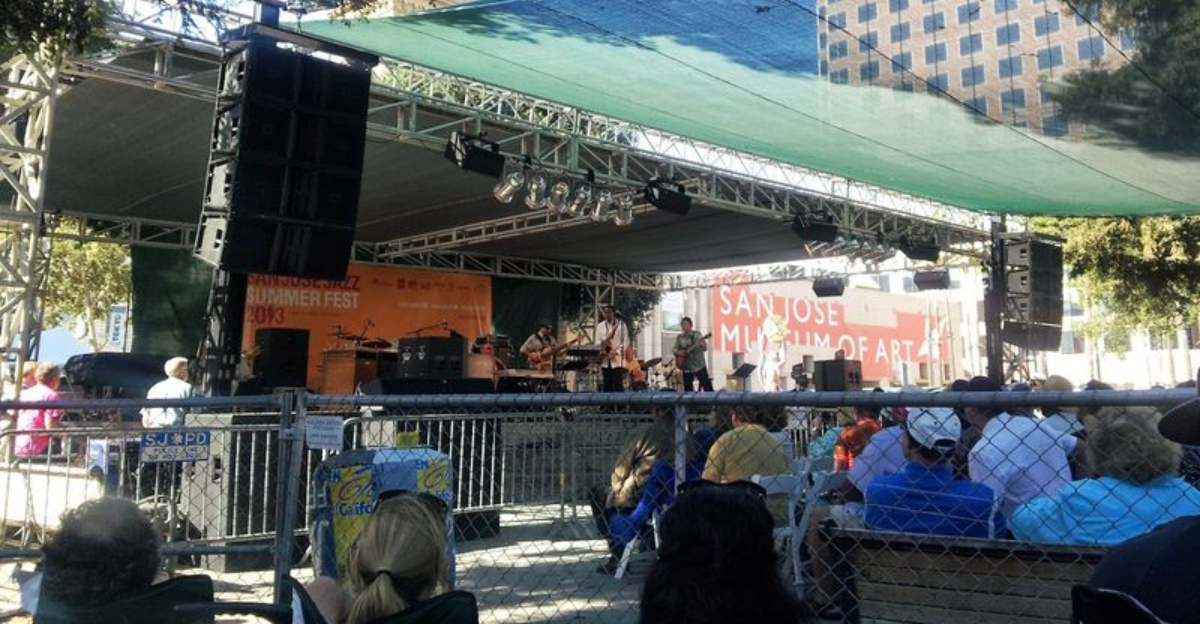
Downtown changes character quickly when music starts spilling from eight different stages.
A quiet corner becomes a crowd magnet. One block pulls listeners toward brass and rhythm, while another sends an entirely different sound drifting through the streets.
Even a carefully planned schedule may fall apart after the first unexpected performance catches your attention.
For three lively days, this part of California turns into one enormous open-air soundtrack.
More than 100 artists make it almost impossible to experience the festival the same way twice.
One visitor may build the weekend around favorite performers. Another may wander between stages and discover something completely new without meaning to.
How do you choose where to stand when several great sets are happening at once? You probably do not.
The fun comes from moving with the crowd, following whatever sounds best in the moment, and accepting that no one will see everything.
Eight Stages Keep Downtown Moving
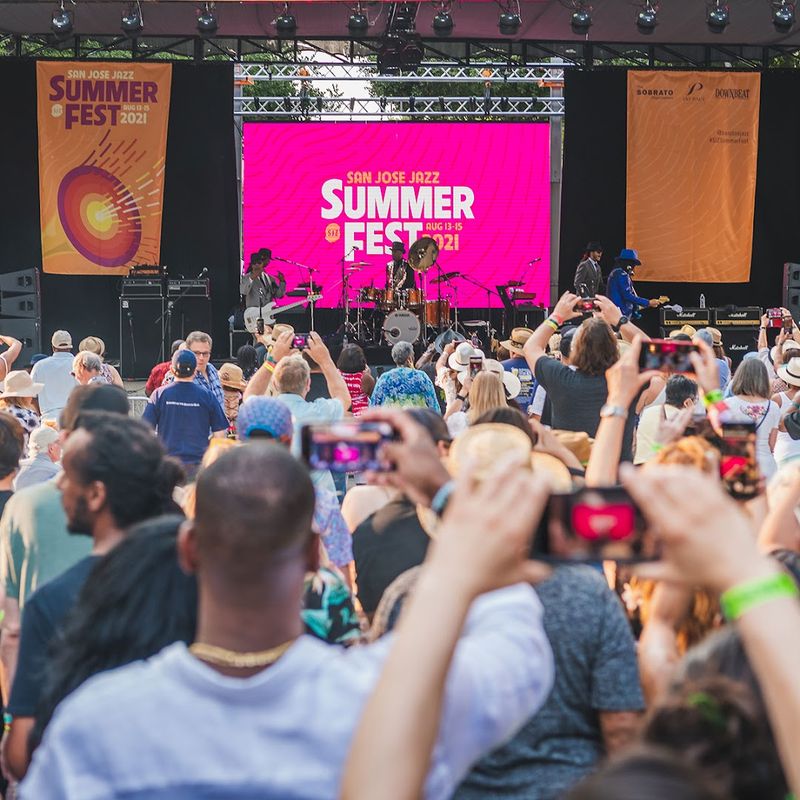
Spread across several city blocks, the San Jose Jazz Summer Fest uses eight distinct stages to keep the energy moving from morning to late night.
Some stages are fully outdoors while others are tucked inside air-conditioned venues, giving attendees a range of environments to enjoy throughout the day.
The central anchor is the Jay Paul Company Main Stage at Plaza de César Chávez Park, where the largest crowds tend to gather.
From that central point, other stages radiate outward in walkable directions, making it easy to drift from one performance to the next without a long trek.
The McDonald’s Blues/Big Easy Stage sits at the south end of the main plaza in a shaded grove, offering a more relaxed setting for blues and New Orleans-style music.
Indoor stages at the Montgomery Theater and the San Jose Museum of Art provide a quieter, seated contrast to the open-air energy outside.
The Applied Materials Community Swing Stage at San Pedro Square Market adds a neighborhood feel to the mix, surrounded by food stalls and casual seating.
Each stage has its own character and sound focus, so the eight-stage setup functions less like a single event and more like a small city of music happening all at once.
The Festival Runs August 7 Through August 9
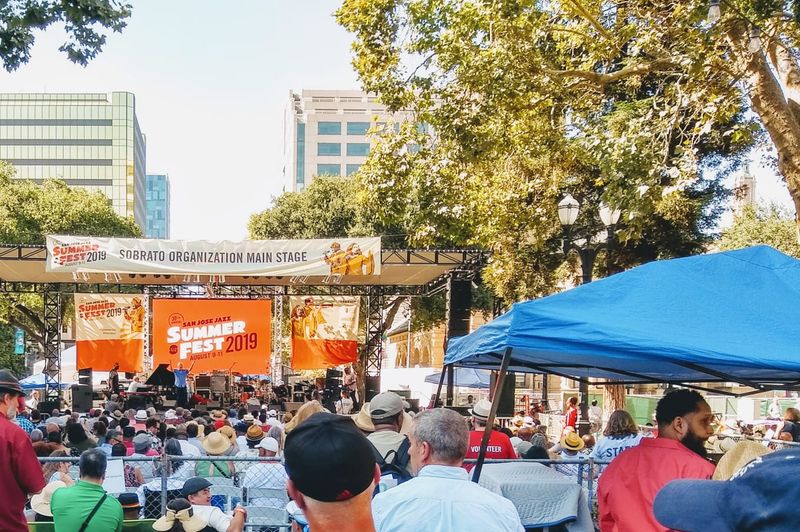
The 2026 San Jose Jazz Summer Fest will take over downtown San Jose from Friday, August 7, through Sunday, August 9.
The main festival entrance sits near Plaza de César Chávez at Market and San Carlos streets, with Friday gates opening at 5 p.m., Saturday at 12:30 p.m., and Sunday at 11 a.m.
Individual indoor stages follow their own schedules, so checking the daily lineup before arriving is strongly recommended.
Visitors can choose from four ticket levels. General Admission covers the outdoor stages, while the All Stages option adds entry to the air-conditioned indoor venues.
Priority Access includes special Main Stage seating and earlier entry to smaller indoor stages.
VIP passes add access to the shaded pavilion, private bar, premium seating, special events, refreshments, and other extras.
Advance-purchase pricing remains available through midnight on July 31, with prices scheduled to increase on August 1.
Tickets can still be purchased online afterward or at the festival’s cashless ticket booth, subject to availability.
Children four and younger enter free, while children ages five through 12 can receive daily General Admission for $10. Anyone 13 or older needs an adult ticket.
Online buyers must exchange their emailed QR codes for wristbands at the festival ticket booth and should bring photo identification.
Patti LaBelle Brings Legendary Star Power
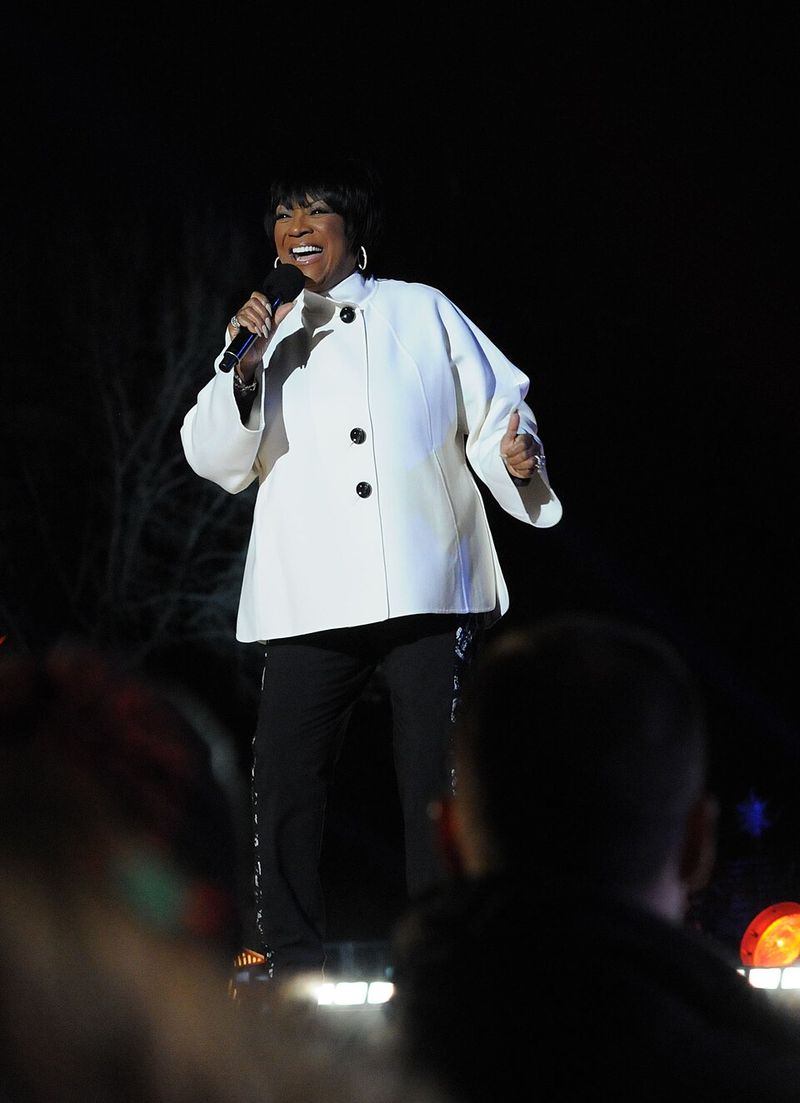
There are headliners and then there are legends, and Patti LaBelle belongs firmly in the second category.
Her appearances at the San Jose Jazz Summer Fest represent the kind of star power that draws attendees who might not otherwise consider themselves festival-goers.
The combination of her decades-long career in R&B and soul with the open-air energy of Plaza de César Chávez creates a genuinely electric atmosphere.
Known for a voice that carries extraordinary range and emotional depth, her live performances tend to be unpredictable in the best possible way, often stretching songs and connecting directly with the crowd in ways that feel spontaneous.
Festival attendees who arrive early for a good spot near the main stage are typically rewarded with a full sensory experience, from the warm summer air to the powerful sound system projecting across the plaza.
Her presence on the lineup signals the overall ambition of the festival, which consistently pursues artists with real cultural weight rather than simply chasing current chart trends.
For many attendees, seeing a performer of her stature in an open, accessible festival setting rather than a ticketed arena makes the moment feel unusually personal and memorable.
Trombone Shorty Turns Sunday Into A New Orleans Party
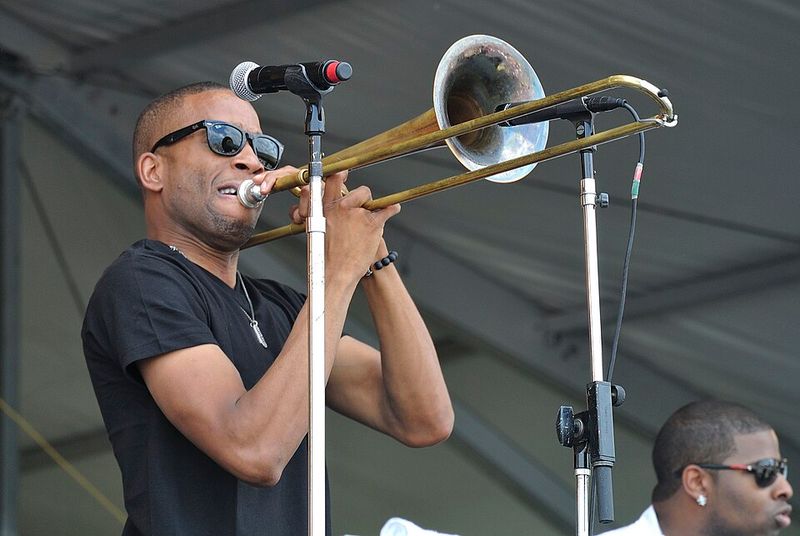
Sunday at the San Jose Jazz Summer Fest has a reputation for finishing strong, and performances by artists like Trombone Shorty are a big reason why.
Born and raised in the Tremé neighborhood of New Orleans, Trombone Shorty has built a career that fuses traditional brass band music with funk, rock, hip-hop, and Caribbean rhythms, producing a live show that rarely sits still.
The energy his band generates tends to spread through a crowd quickly, turning a plaza full of standing listeners into something closer to a second-line parade.
His performances often include extended improvisational stretches where the horns trade phrases back and forth, building intensity in waves that keep the audience fully locked in.
The combination of tight musicianship and genuine showmanship makes his sets feel less like a concert and more like a communal celebration.
For festival attendees who have never experienced New Orleans brass music in a live setting, a Trombone Shorty performance serves as an ideal introduction.
The sound is immediate, physical, and joyful in a way that translates across all ages and musical backgrounds, making Sunday afternoon one of the most anticipated time slots of the entire weekend.
Zapp And Tuxedo Bring The Funk
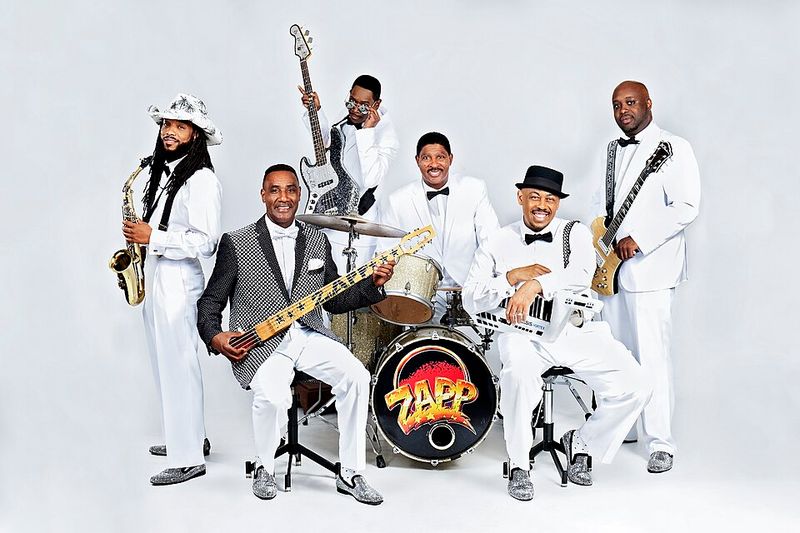
Funk has always thrived on the kind of shared physical energy that a festival crowd provides, and acts like Zapp and Tuxedo understand exactly how to channel that dynamic.
Zapp, the pioneering Ohio funk group known for popularizing the talk box vocoder sound, brings a deep catalog of groove-heavy recordings to the live stage with a rawness that studio recordings can only partially capture.
Their influence on R&B, hip-hop, and contemporary funk is substantial, and hearing those songs performed live adds a new layer of appreciation for the genre’s history.
Tuxedo, on the other hand, represents a more modern take on the same tradition, blending classic funk and soul references with a sleek, contemporary production style.
The contrast between the two acts on the same festival bill creates an interesting generational conversation about where funk has been and where it continues to go.
Both groups prioritize rhythm and groove above all else, which means their sets are built around keeping bodies moving rather than sitting still.
For attendees who enjoy music that demands a physical response, these performances are a reliable highlight.
The bass-heavy sound carries well in an outdoor setting, and the crowd reaction tends to be immediate and enthusiastic from the opening notes.
The Latin Tropical Stage Becomes A Dance Floor
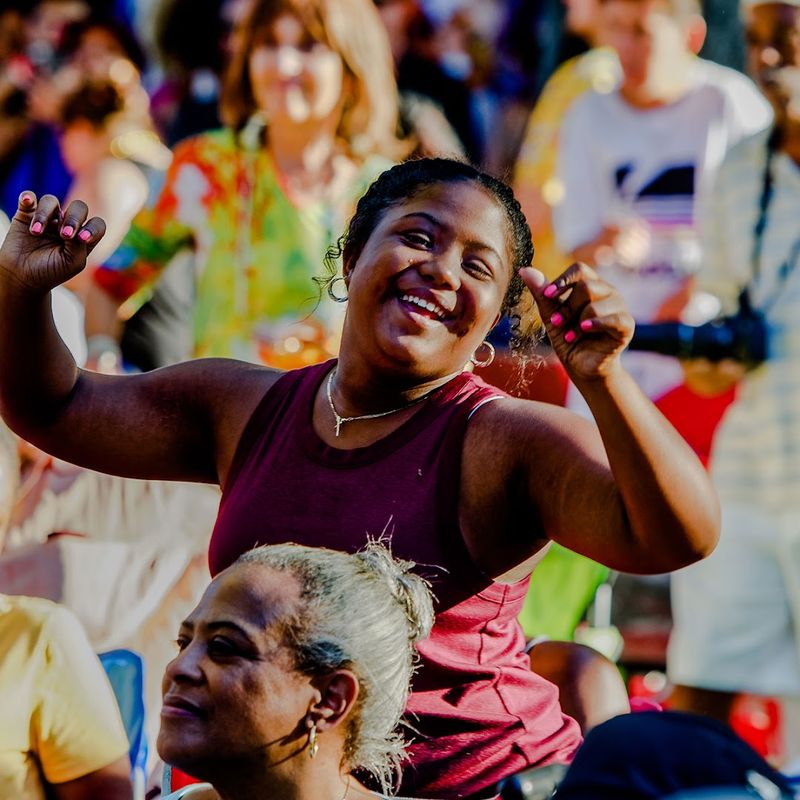
The PG&E Latin Tropical Stage operates for all three days of the San Jose Jazz Summer Fest, and it functions less like a traditional concert stage and more like an outdoor dance hall that happens to be free and open to the street.
The stage draws a crowd that arrives ready to move rather than simply watch, with salsa and cumbia rhythms pulling people onto the pavement almost immediately.
Friday nights typically open with Latin soul sets that ease into the weekend’s energy, while Saturday shifts toward full salsa programming and Sunday brings cumbia artists who carry the festival to its close with high-speed rhythmic intensity.
The stage features a shade structure overhead that makes afternoon sets significantly more comfortable, allowing the dancing to continue even during the warmest parts of the day.
Surrounding the stage, food vendors and nearby restaurants provide easy access to refreshments without requiring a long walk away from the music.
For attendees who enjoy participatory concert experiences where the audience is as much a part of the show as the performers, the Latin Tropical Stage delivers something genuinely distinctive.
The intergenerational crowd that gathers here reflects the deep cultural roots of Latin music in the broader San Jose community.
Blues And Zydeco Get Their Own Corner
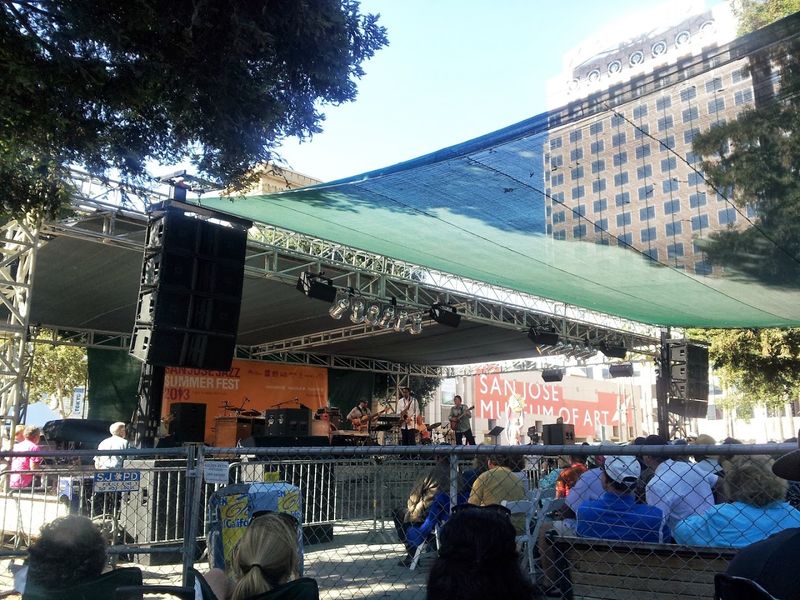
Tucked into a grove of trees at the south end of the main plaza area, the McDonald’s Blues/Big Easy Stage offers one of the most comfortable and characterful spots at the entire San Jose Jazz Summer Fest.
The natural shade from the surrounding trees creates a noticeably cooler microclimate compared to the open main stage area, making it a popular destination during the warmest afternoon hours when the sun is at its highest.
The programming at this stage leans heavily into blues, R&B, and New Orleans-influenced sounds, with zydeco acts frequently appearing to bring Louisiana-rooted accordion-driven rhythms to the California crowd.
The combination of these genres in a single stage lineup creates a musical conversation between traditions that share common roots but have developed distinct regional identities over generations.
Artists performing here often carry deep personal connections to the music they play, which comes through clearly in the texture and commitment of their live performances.
The stage’s more intimate scale compared to the main plaza stages gives performances here a different quality, with the crowd able to get closer and the sound feeling more contained and direct.
For attendees who prefer a slightly lower-key environment without sacrificing musical quality, this corner of the festival consistently delivers some of the weekend’s most satisfying sets.
Rising Artists Share Space With Music Legends
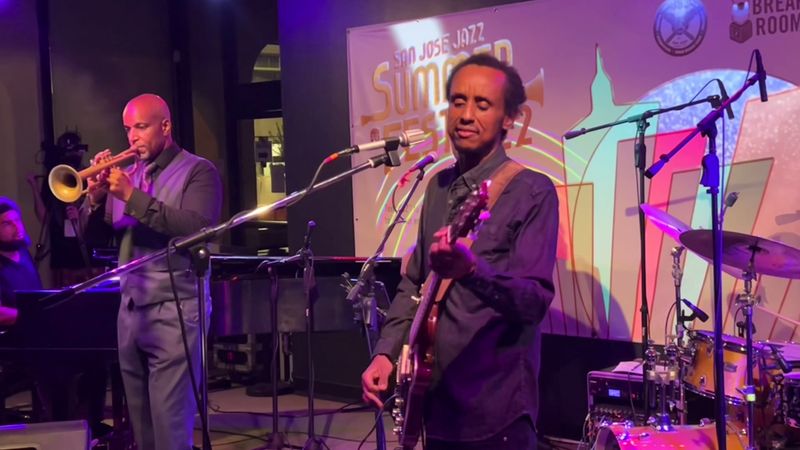
One of the more quietly meaningful aspects of the San Jose Jazz Summer Fest is the way it creates genuine space for emerging artists alongside its marquee headliners.
The ASML Next Gen Stage, hosted inside the San Jose Museum of Art at 110 S Market St, San Jose, CA 95113, is specifically designed to platform new talent including student bands from across the Bay Area.
The museum setting provides an air-conditioned, gallery-lined environment that makes attending a set feel like a dual cultural experience.
Student groups and early-career musicians performing here benefit from the same professional sound infrastructure and audience attention that the festival extends to its more established acts.
Watching a student jazz ensemble play in the same festival weekend as a legendary headliner communicates something important about how musical traditions sustain themselves across generations.
For festival attendees, the Next Gen Stage offers a chance to witness something genuinely unscripted and evolving, where the stakes feel real and the performances carry a kind of earnest energy.
Stopping in for a set between headliner performances is an easy way to extend the day while also discovering artists who may become familiar names in the years ahead.
An Open Jazz Jam Celebrates John Coltrane
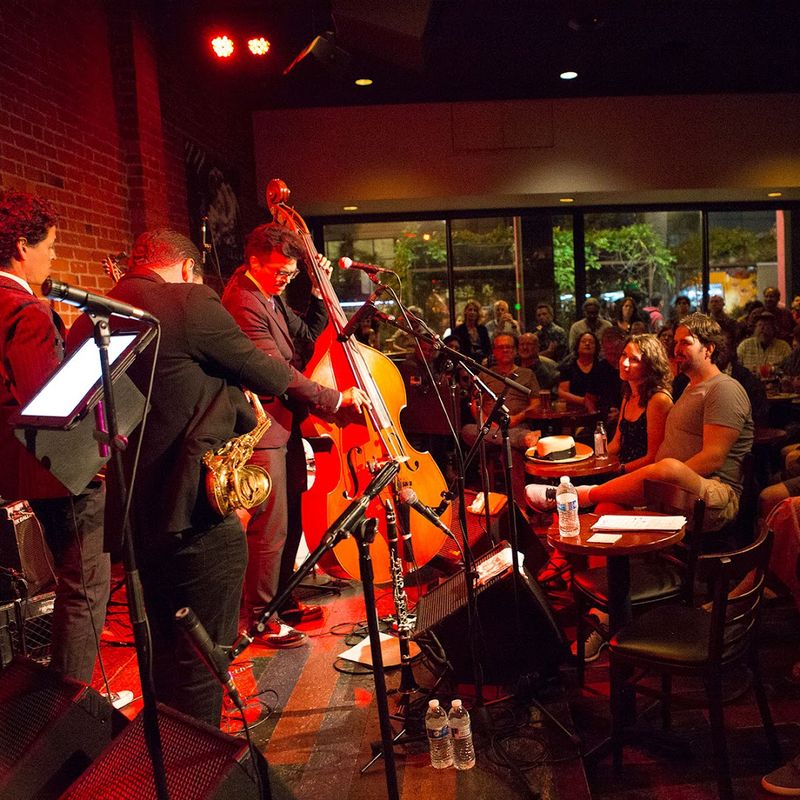
Jazz has always had a communal dimension that formal concerts can only partially capture, and the open jam sessions at the San Jose Jazz Summer Fest tap directly into that tradition.
The SJZ Jazz Jam offers a Summer Fest edition that has centered on the music of John Coltrane, one of the most transformative figures in jazz history.
Local saxophone quartets preside over extended open sessions that invite musicians from the audience to join in.
These sessions typically run for several hours and carry a loose, exploratory energy that feels distinct from the structured sets happening on the main stages.
The format encourages spontaneous musical conversation rather than polished presentation, which means every session unfolds differently depending on who shows up and what they bring.
For jazz musicians attending the festival, the jam session is often a highlight precisely because it offers a chance to play rather than simply listen.
For non-musicians in the audience, watching an open jam provides a window into how jazz actually works as a living practice built on listening, responding, and risk-taking in real time.
Coltrane’s music serves as a particularly rich framework for this kind of exploration because of its harmonic complexity and emotional depth, giving participants plenty of territory to move through across an extended session.