This Italian Food Hall In California Feels Like A Walk Through Europe
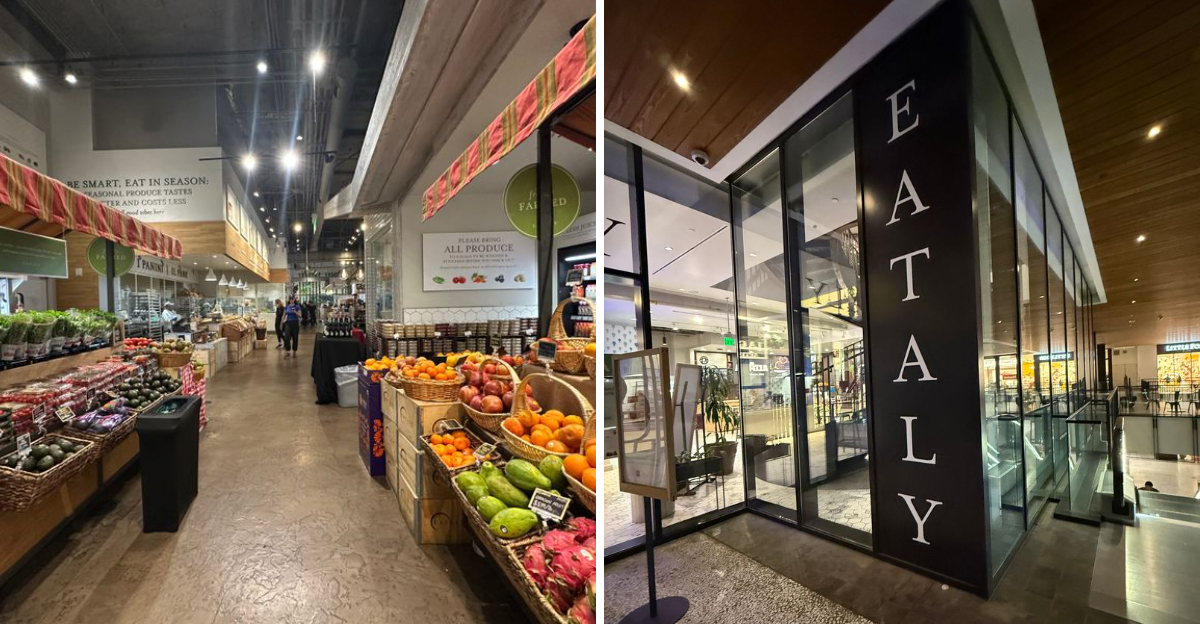
The senses take over immediately. Bread crackles, espresso machines hiss, and conversations carry a warm rhythm that encourages lingering. A quick errand starts to feel unrealistic within minutes.
How often does a market invite you to slow down instead of rushing you along?
Places like this change how people move through food. Browsing becomes tasting, and tasting turns into conversation.
Eataly Los Angeles brings together cafés, restaurants, and specialty counters in a way that feels generous rather than overwhelming.
Mozzarella is pulled by hand, pasta stations stay busy, and shelves highlight tradition over shortcuts. The scale impresses, yet the craftsmanship keeps attention focused.
California food experiences reach another level when a single marketplace turns shopping, dining, and culture into one long reason to stay.
The setting at Westfield Century City adds contrast without breaking the illusion. Rooftop dining opens toward the Hollywood Hills, offering a pause that feels intentional rather than planned.
There are many places in California that celebrate food, yet few create such an immersive escape. Why leave when every corner offers another flavor, another conversation, and another excuse to linger just a bit longer?
1. A Massive Space That Feels Like A European Market
Eataly Los Angeles stretches across 67,000 square feet, making it the largest Eataly location in the entire United States.
The space occupies three full levels inside Westfield Century City at 10250 Santa Monica Blvd, Los Angeles, CA 90067, creating an experience that feels more like wandering through a traditional European market than shopping in a typical American mall.
High ceilings, natural light streaming through large windows, and open floor plans give the marketplace an airy, welcoming atmosphere that encourages exploration.
The layout mirrors the design of Italian food halls, where different stations and counters invite guests to move freely from one area to another.
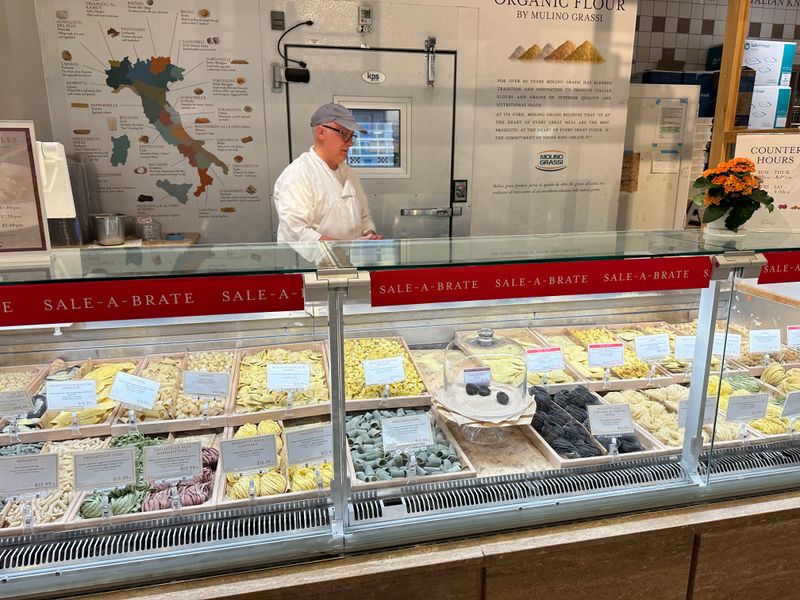
Fresh pasta hangs in one section while wheels of aged cheese sit nearby, and the aroma of baking bread drifts from the bakery counter.
Communal tables scattered throughout the space create gathering spots where strangers become neighbors over shared meals.
This intentional design choice helps recreate the social aspect of Italian marketplaces, where food shopping becomes a leisurely activity rather than a rushed errand.
The sheer size of the location means there’s always something new to discover, whether it’s a specialty olive oil from a small producer or a seasonal vegetable display arranged like artwork.
Every visit can feel different depending on which level or section catches attention first.
2. Four Distinct Restaurants Under One Roof
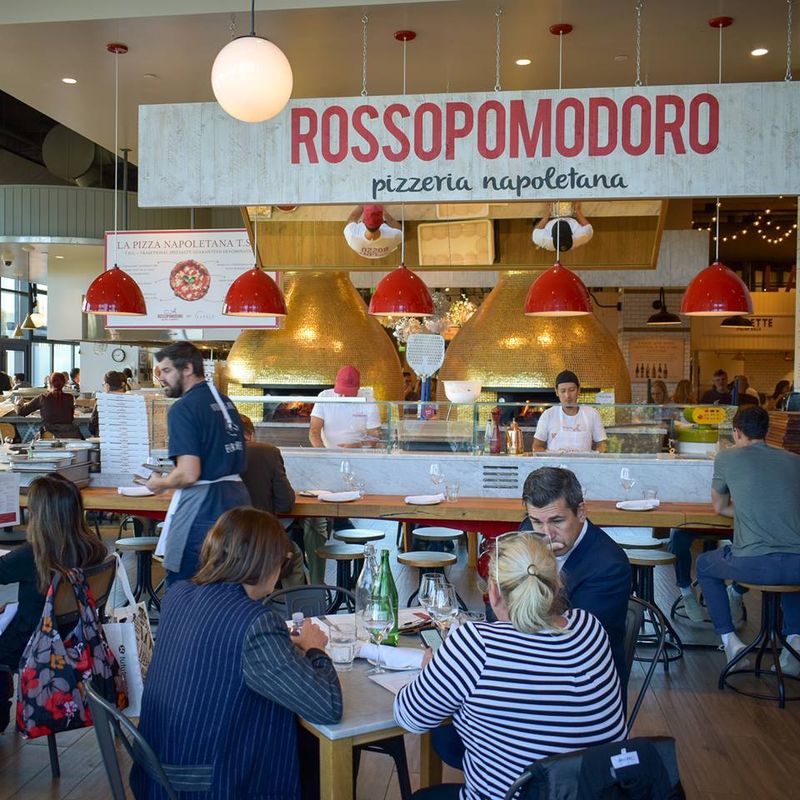
La Pizza & La Pasta anchors the dining experience with traditional Italian pizzas baked in wood-fired ovens and fresh pasta made throughout the day.
The open kitchen design lets diners watch pizzaiolos stretch dough and toss it with practiced ease, while pasta chefs work at their stations creating ribbons of fettuccine and delicate ravioli.
The atmosphere stays casual and lively, with the sounds of conversation mixing with the clatter of plates and the occasional burst of flame from the pizza oven.
La Piazza focuses on Italian street food, offering quick bites that capture the spirit of eating on the go in Rome or Florence.
Il Pesce Cucina brings sustainable seafood to the table, with dishes that highlight the ocean’s bounty prepared using Italian techniques and flavor profiles.
The restaurant emphasizes responsible sourcing, working with suppliers who prioritize environmental practices.
Terra sits on the rooftop, providing an al fresco dining experience with panoramic views stretching toward the Hollywood Hills.
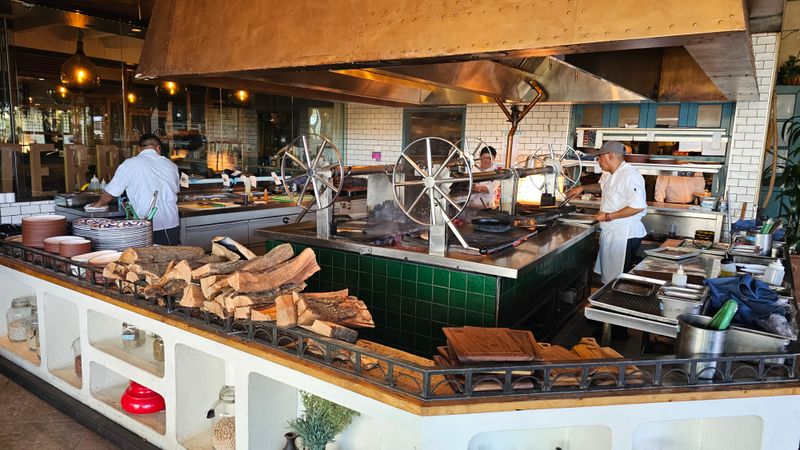
The restaurant features a wood-burning grill and incorporates herbs and vegetables from its own botanical garden into seasonal dishes.
Dining under the California sky while enjoying Italian-inspired cuisine creates a unique blend of both cultures that feels special without being overly formal.
3. Fresh Mozzarella Made Before Your Eyes
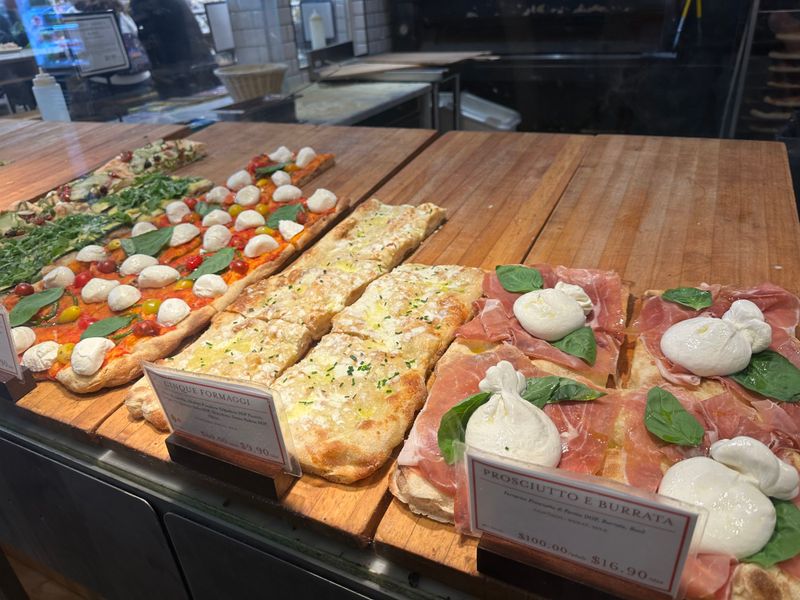
The mozzarella lab operates daily, transforming fresh curds into creamy balls of cheese right in front of visitors.
Skilled cheese-makers work behind glass walls, stretching and pulling the warm mozzarella with practiced hands until it reaches the perfect texture.
The process takes only minutes, but watching it unfold reveals the craft and timing required to create this Italian staple.
Steam rises from the warm water baths where the cheese gets shaped, and the finished mozzarella gets packaged while still slightly warm.
This means customers can purchase cheese that was literally made moments before, experiencing a level of freshness that’s hard to find anywhere else.
The difference in taste between mozzarella made that morning and cheese that’s been sitting on a shelf for days becomes immediately apparent.
Children often press their faces against the glass, fascinated by the transformation happening before them.
The demonstration serves as both entertainment and education, showing how traditional Italian cheese-making techniques remain relevant in a modern setting.
Staff members sometimes answer questions about the process, sharing details about the milk sources and the importance of temperature control in creating that signature soft texture and mild flavor.
4. Cooking Classes Led By Trained Chefs
Renowned chef Lidia Bastianich started the cooking school at Eataly Los Angeles, bringing decades of culinary expertise to students of all skill levels.
The classes cover various aspects of Italian cuisine, from basic pasta-making techniques to more advanced regional specialties.
Each session takes place in a professional-grade kitchen equipped with everything needed to recreate authentic Italian dishes.
Students work at individual stations, following along as instructors demonstrate proper knife skills, sauce preparation, and plating techniques.
The hands-on approach means everyone leaves with practical knowledge they can apply in their own kitchens at home.
Class sizes stay small enough that instructors can offer personalized guidance and answer specific questions about ingredients or methods.
The curriculum changes seasonally, reflecting the Italian philosophy of cooking with what’s fresh and available.
A spring class might focus on dishes featuring asparagus and peas, while autumn sessions could explore hearty braises and root vegetables.
Many students return multiple times, building their repertoire of Italian recipes and techniques.
The classes conclude with everyone sitting down to enjoy the meal they’ve prepared together, creating a communal dining experience that mirrors the Italian tradition of gathering around the table.
5. Environmental Commitment Through Water Conservation
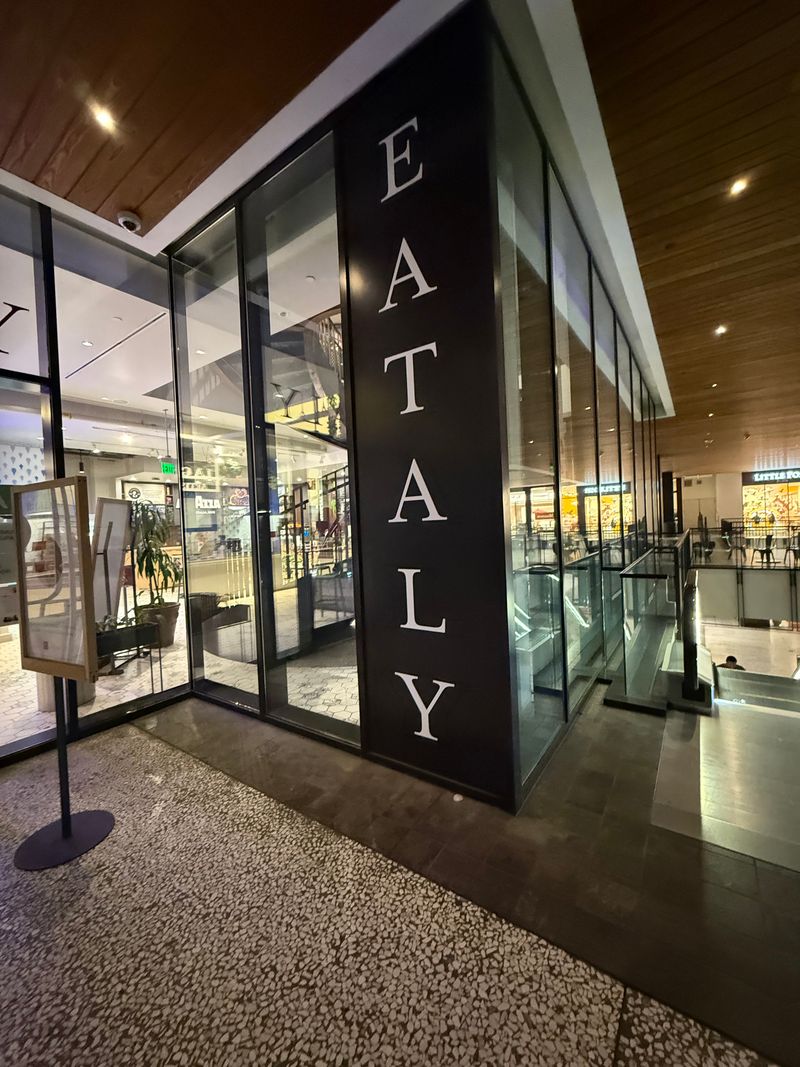
Eataly Los Angeles installed an in-house greywater system designed to recycle water throughout the facility, saving nearly millions of gallons annually.
This commitment to environmental responsibility reflects a growing awareness in the food industry about the importance of sustainable practices.
The system captures water from sinks and other sources, treats it, and repurposes it for uses like irrigation and toilet flushing.
While most visitors never see this infrastructure working behind the scenes, its impact extends far beyond the marketplace itself.
In a state where water conservation remains a critical concern, this proactive approach demonstrates how commercial establishments can operate more responsibly.
The system required significant upfront investment and careful planning during the construction phase, but the long-term benefits justify the effort.
This focus on sustainability extends to other aspects of the operation as well, from sourcing practices to waste management.
The marketplace works to minimize food waste by carefully managing inventory and donating excess food when possible. Packaging choices favor recyclable and compostable materials over single-use plastics.
These efforts align with the Italian cultural value of respecting ingredients and avoiding unnecessary waste, creating a connection between environmental stewardship and culinary tradition that feels authentic rather than performative.
6. Over 10,000 Italian And California Products
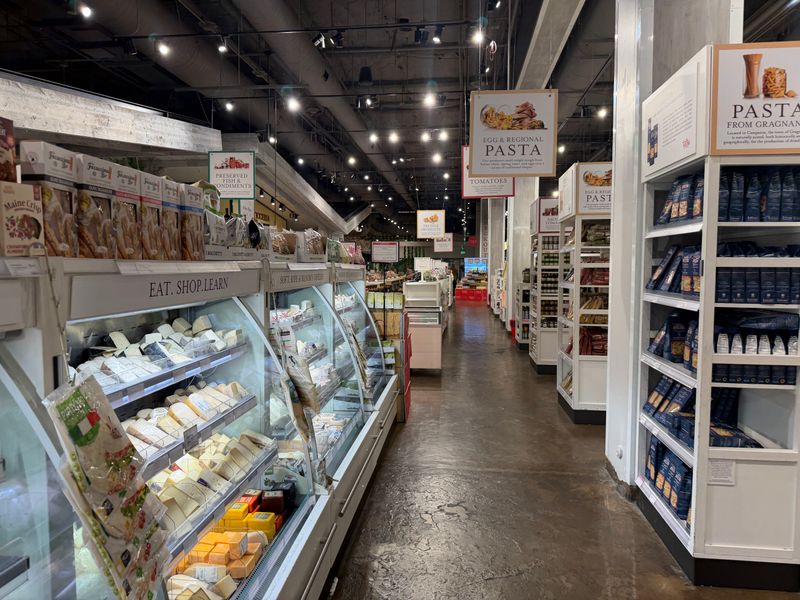
The marketplace stocks more than 10,000 different products, creating an almost overwhelming array of choices for shoppers.
Shelves hold imported Italian olive oils from small family producers alongside locally made California versions, inviting direct comparisons.
Pasta comes in dozens of shapes and sizes, from familiar spaghetti to regional specialties that many American shoppers have never encountered before.
The cheese selection alone could occupy an entire visit, with aged Parmigiano-Reggiano, creamy burrata, sharp pecorino, and countless other varieties available for sampling.
Knowledgeable staff members can guide customers through the options, explaining the differences between similar products and suggesting pairings.
The wine section showcases Italian regions from Piedmont to Sicily, with selections ranging from everyday table wines to special occasion bottles.
California products receive equal attention, highlighting the state’s agricultural bounty and artisanal food movement.
Local honey, preserves, chocolates, and other specialty items share shelf space with their Italian counterparts, creating a dialogue between two food-loving cultures.
This blend of imported and local goods gives shoppers the chance to explore Italian traditions while supporting California producers, making each shopping trip both an international journey and a celebration of regional flavors.
7. Rooftop Dining With Hollywood Hills Views
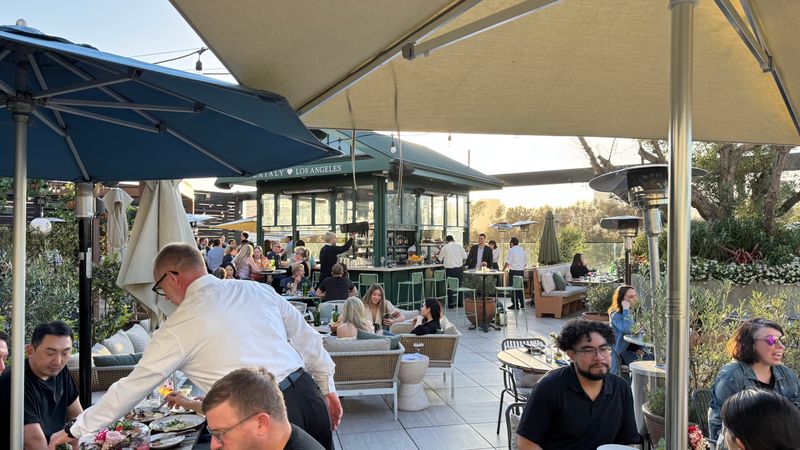
Terra, the rooftop restaurant, transforms dining into an experience that engages all the senses beyond just taste.
The open-air setting provides views of the Hollywood Hills, creating a backdrop that changes throughout the day as light shifts and shadows move across the landscape.
Tables arranged across the terrace give most diners a chance to enjoy the scenery while they eat, though the exact view varies depending on seating location.
A wood-burning grill serves as the centerpiece of the kitchen, imparting smoky flavors to vegetables, fish, and meats.
The botanical garden growing on the rooftop supplies fresh herbs and some produce, allowing chefs to harvest ingredients just steps from where they’ll be prepared.
This garden-to-table approach happens on a smaller scale than a full farm operation, but it adds a special touch to certain dishes.
The atmosphere shifts between lunch and dinner service, with daytime visits offering bright sunshine and relaxed energy while evening meals bring cooler temperatures and a more intimate mood.
Weekend afternoons can get busy, with families and groups gathering for leisurely meals.
The rooftop location also means weather plays a role in comfort levels, with some days feeling perfectly pleasant while others might be warmer or breezier than expected.
8. Regular Culinary Events And Seasonal Celebrations
Throughout the year, Eataly hosts cooking demonstrations, wine tastings, and seasonal festivals that deepen the connection to Italian food culture.
These events range from casual drop-in tastings where participants sample a few products to structured classes that require advance registration.
Wine tastings might focus on a specific Italian region, walking participants through several bottles while explaining the characteristics of local grape varieties and winemaking traditions.
Seasonal celebrations bring special energy to the marketplace, with decorations, limited-time menu items, and themed activities.
A truffle festival in autumn might feature dishes highlighting these prized fungi, while summer could bring celebrations of tomatoes or stone fruits.
These events create reasons for repeat visits, as the marketplace experience evolves throughout the year rather than staying static.
Some events cater specifically to beginners who want to learn more about Italian food without feeling intimidated by formal classes.
Others attract serious food enthusiasts looking to expand their knowledge of specific topics like regional pasta shapes or traditional preservation techniques.
The variety ensures there’s usually something appealing on the calendar, whether someone wants hands-on participation or simply enjoys watching skilled professionals work while picking up tips and information.
9. Authentic Italian Marketplace Atmosphere
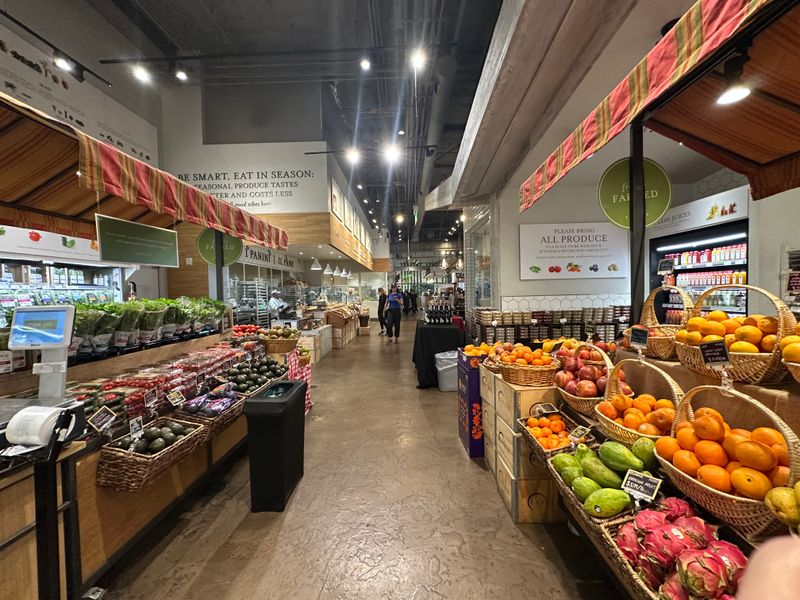
Every design decision at Eataly Los Angeles aims to recreate the feeling of shopping in Italy, where food markets serve as social gathering places rather than just retail spaces.
The open floor plan encourages wandering, with different stations and counters arranged to invite exploration rather than following a prescribed path.
This layout mirrors how Italian markets often sprawl organically through streets and squares, revealing new discoveries around each corner.
Communal seating areas appear throughout the space, creating opportunities for strangers to share tables during busy times.
This setup might feel unusual to Americans accustomed to private restaurant tables, but it reflects the Italian comfort with communal dining and casual social interaction.
The arrangement also helps manage crowds during peak hours without making the space feel cramped or rushed.
High-quality ingredients sit on open display rather than hidden behind closed doors, emphasizing freshness and visual appeal.
Whole fish rest on ice, vegetables get arranged in colorful pyramids, and cured meats hang from overhead racks.
The presentation treats food as something beautiful worth admiring, not just fuel to be consumed.
This aesthetic approach combined with the bustle of activity creates an atmosphere that feels alive and engaging, where shopping becomes an experience rather than a chore.
10. Supporting Local California Producers And Artisans
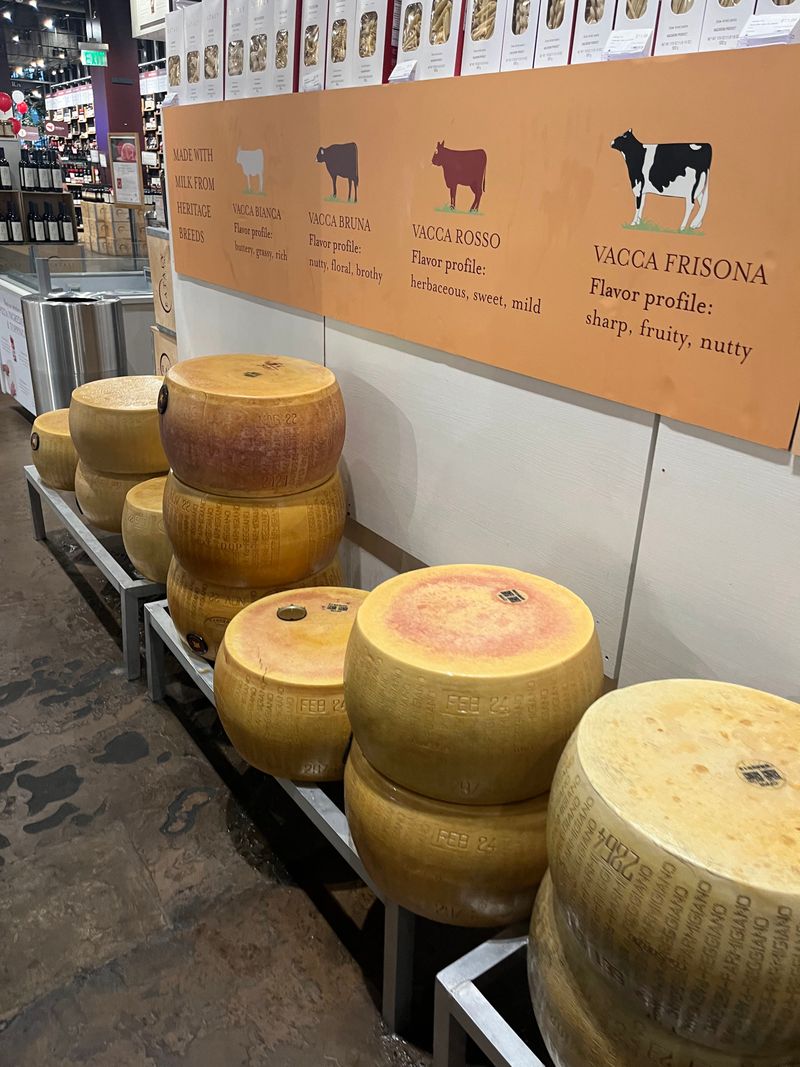
Eataly collaborates with California farmers, producers, and artisans, creating relationships that benefit both the marketplace and the local food community.
These partnerships ensure a steady supply of fresh, seasonal ingredients while providing small producers with access to a large customer base.
The arrangement reflects the Italian value of knowing where food comes from and maintaining connections with the people who grow and make it.
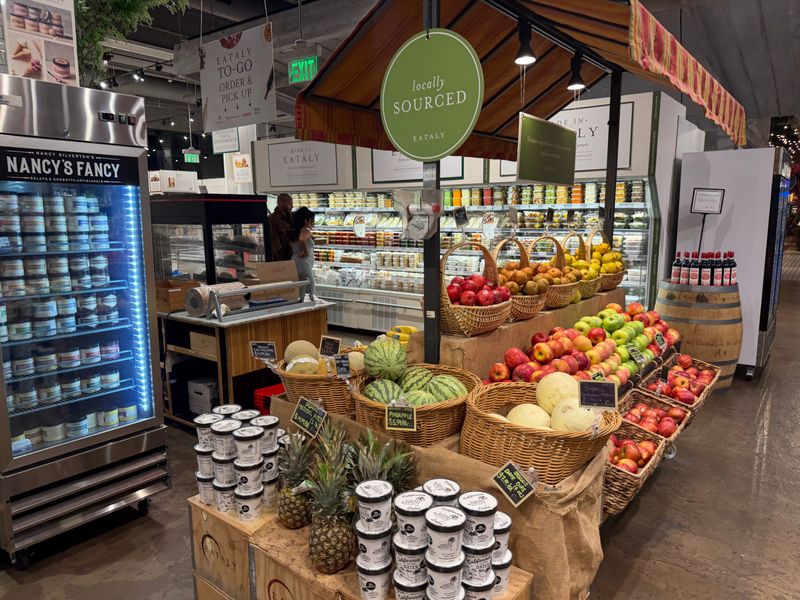
Local produce fills the vegetable section during peak seasons, with items sometimes arriving the same day they were harvested.
California olive oils compete for shelf space with Italian imports, giving customers the chance to taste and compare different styles and flavor profiles.
Artisanal bread bakers, jam makers, and other specialty producers gain visibility they might not achieve selling only at farmers markets or through their own small retail operations.
This farm-to-table approach extends beyond just stocking local products to actively participating in California’s food economy.
The marketplace becomes a bridge between Italian culinary traditions and California’s agricultural abundance, showing how these two food cultures can complement rather than compete with each other.
Shoppers benefit from access to both imported Italian specialties and the best of what California produces, creating a unique selection that couldn’t exist anywhere else.