This Little-Known Connecticut Horse Sanctuary Gives Retired Horses A Peaceful Place To Spend Their Golden Years
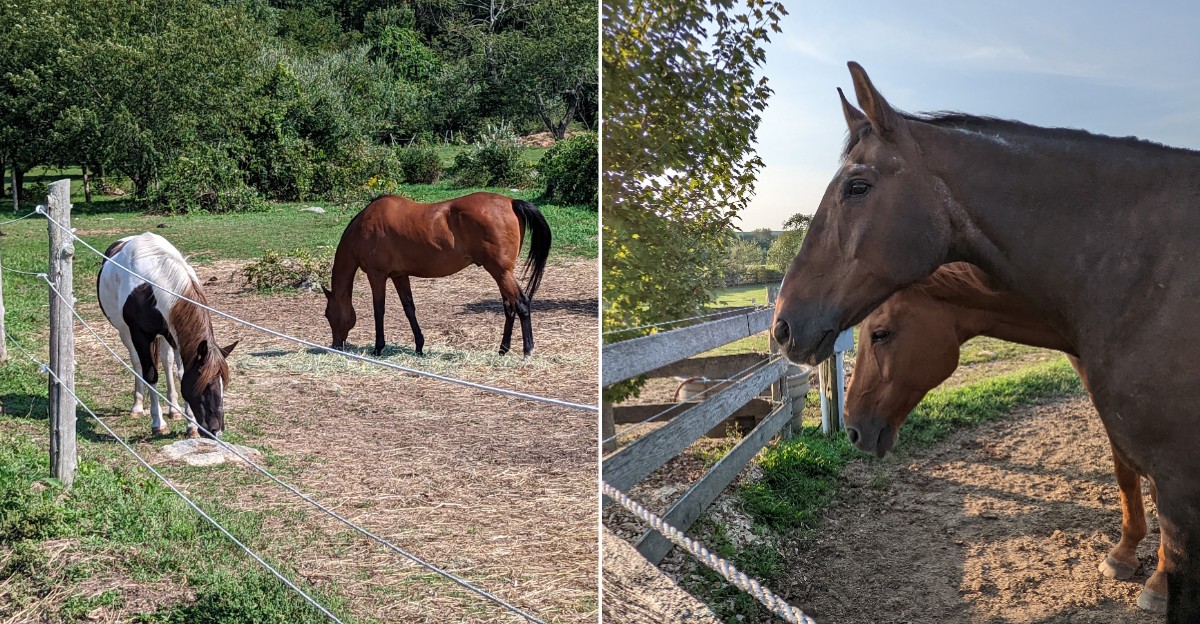
What happens to a horse when its working years are over?
It’s a question that doesn’t always get much attention, even though these animals can live long after their riding or working careers end.
At a peaceful Connecticut sanctuary, retired horses receive care and a place to enjoy their later years.
And retirement looks a little different when your days involve grazing in a pasture instead of following a busy schedule.
Older horses can have changing needs, making proper nutrition and attentive care especially important.
There’s something touching about the idea of animals spending their remaining years somewhere dedicated to their well-being.
The sanctuary’s purpose also raises awareness about the responsibility that comes with owning horses.
After all, caring for an animal shouldn’t end simply because it can no longer do the work it once did.
1. A Retirement Home Where The Youngest Resident Is Already 20
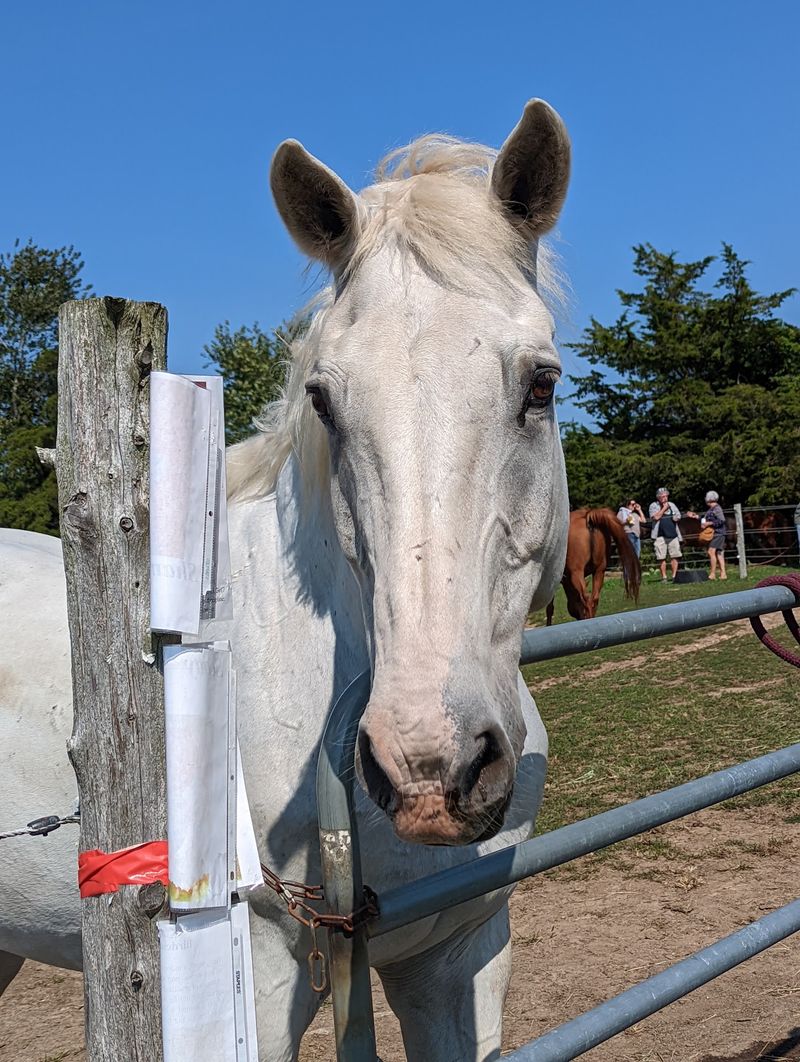
Twenty is the magic number here. No youngsters allowed!
This peaceful retirement community has a rather unusual membership rule. Every resident must have four hooves and plenty of years behind them.
That’s how things work at Mitchell Farm Equine Retirement, where older horses get to enjoy a slower pace of life.
The farm welcomes horses aged 20 and older, but age isn’t the only requirement. New arrivals must be mares or geldings, healthy enough to live comfortably on pasture, and up to date on vaccinations.
A veterinarian also needs to confirm that each horse is in suitable health before joining the herd.
These requirements help maintain a comfortable environment for horses enjoying their later years.
But the most meaningful part of the farm’s approach is its commitment to lifelong care.
Once accepted, horses remain at Mitchell Farm for the rest of their lives. They aren’t moved between owners or sent elsewhere when their needs change.
Some may have spent years giving riding lessons, competing in shows, or keeping families company.
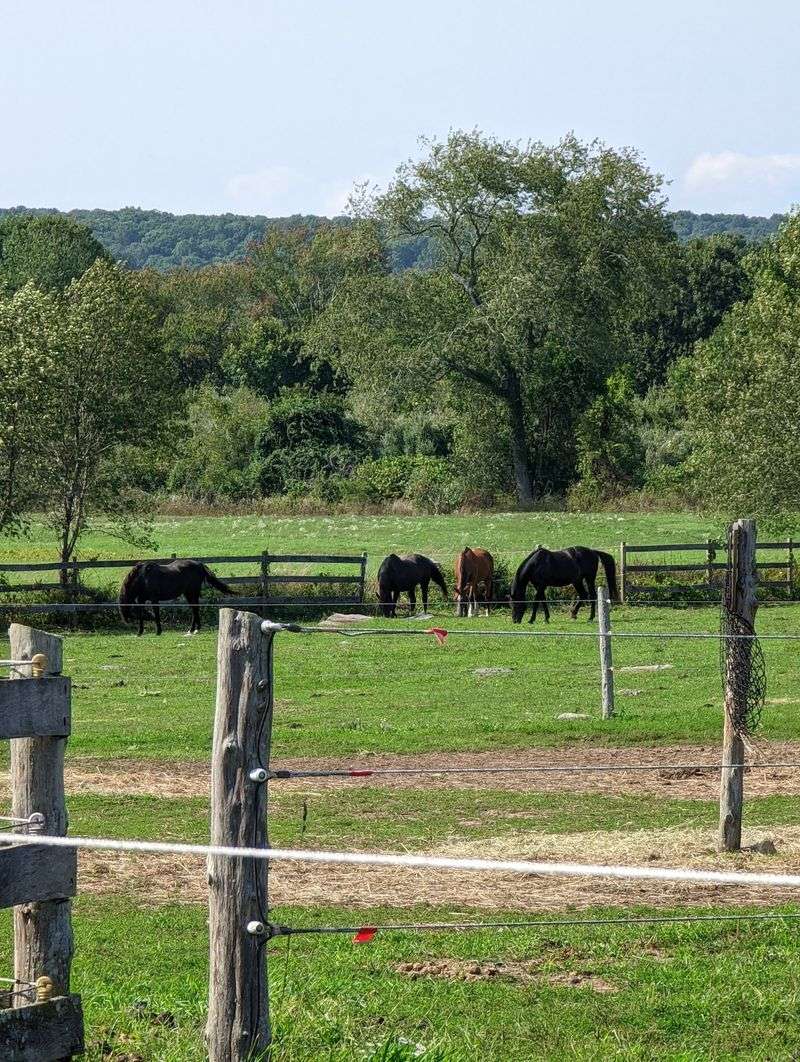
Now their days revolve around grazing and enjoying the company of other horses.
The farm’s guiding vision, “A Dignified Life For All Equines,” feels especially fitting when you see its older residents enjoying their well-earned retirement.
2. Room Service For Horses Includes A Dentist Twice A Year
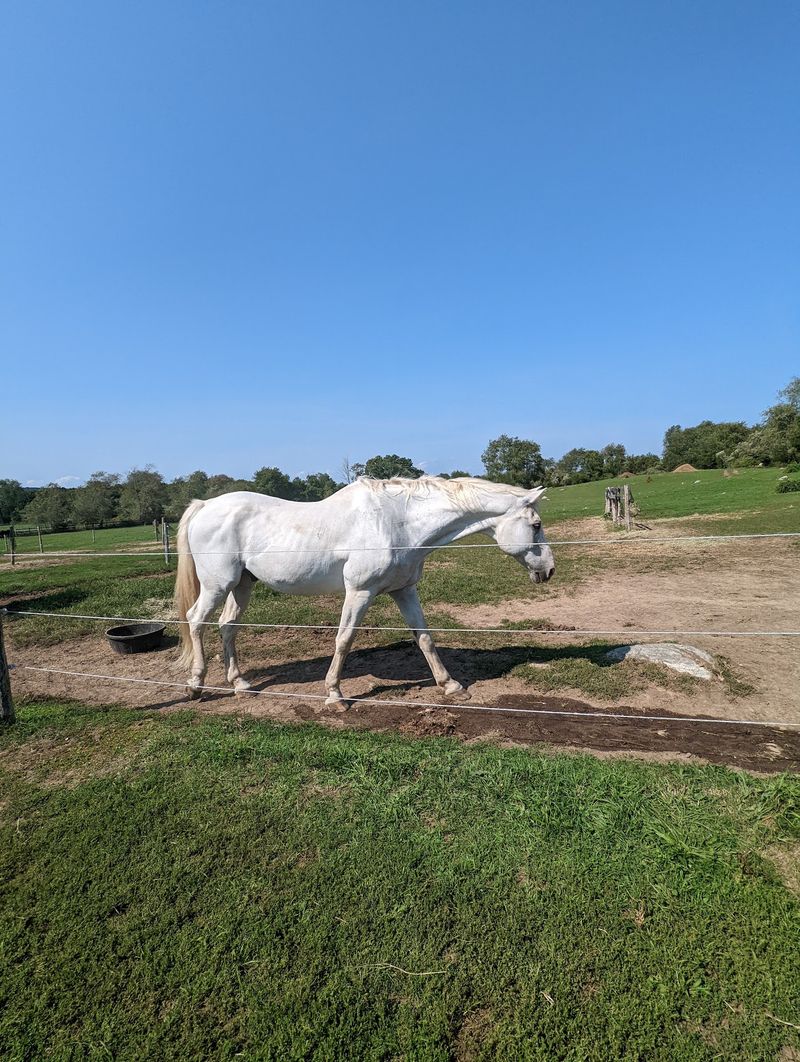
Most of us dread the dentist. These horses get one every six months, and nobody has to bribe them with a sticker.
Older horses often have trouble with their teeth. Regular dental care helps them chew properly and keep up their strength.
That’s only one slice of the care plan, though. The farm provides nutritious feed, safe shelter, regular vet visits, and farrier service for hoof care.
Each horse also gets its own stall. After a long career, a private room seems like the least they deserve.
Pasture access is part of daily life too. The horses graze in Connecticut’s Salem Valley, which sounds like a pretty great retirement view.
I like how practical all of this is. Fancy perks aren’t the goal here.
Good food, healthy teeth, sound hooves, and space to roam are the real luxuries for an aging horse. Get those right, and comfort follows.
If you’ve ever cared for an older pet, you’ll understand. Small, steady attention adds up to a much happier life.
3. Fifty Acres Of Pasture That Will Stay Farmland For Good
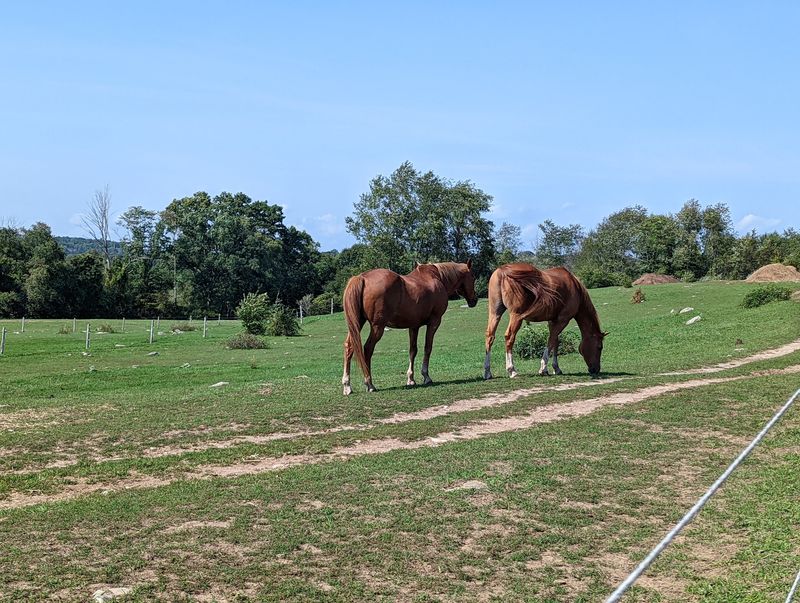
What does a horse’s dream retirement home look like? How about 50 acres of peaceful countryside?
Plenty of grass to munch on and room to wander sounds pretty good. Especially when that land is protected for the future.
That’s part of what makes Mitchell Farm Equine Retirement in Salem such an interesting place.
The farm occupies roughly 50 acres of rural land, giving its senior horses plenty of space to enjoy their slower years. There’s no need to hurry when your daily schedule revolves around grazing.
But here’s something even more interesting about the property.
The land is leased and protected by a permanent conservation easement for agricultural use. That means its future is tied to farming rather than commercial development.
It’s an important detail in a region where open countryside can gradually disappear as communities grow.
For the horses, that protection means their peaceful surroundings are intended to remain farmland for years to come.
The farm stretches across a rural section of 300 East Haddam Road, also known as Route 82, in Salem.
Even the drive feels like part of the experience, with countryside replacing busier streets.
And while the horses enjoying these pastures will change over time, the land itself has a lasting purpose.
4. Book Ahead Before You Show Up With Carrots
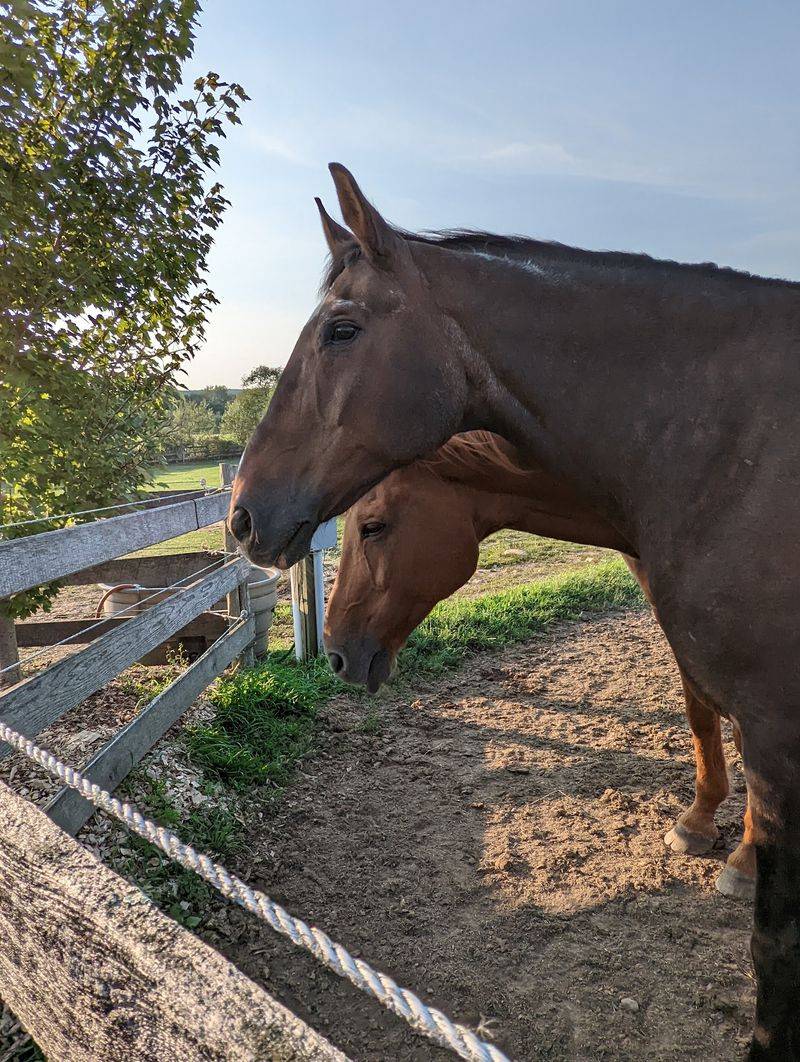
Good news first: you can visit. Just don’t roll up unannounced and expect a tour.
Mitchell Farm welcomes visitors by appointment only. That keeps things calm for the residents and organized for the staff.
Every visitor is escorted around the grounds. Any time you interact with a horse, a staff member keeps watch.
Some folks might see that as strict. I see it as smart.
Older horses can have health issues, special diets, or quirky moods. A guide knows which horse likes a scratch and which one prefers a little space.
It also means you’ll learn more. Who better to introduce the herd than someone who sees them every day?
A few practical tips help, too. Wear sturdy closed-toe shoes, since you’re visiting a working farm.
Ask before offering any treats, because diets vary from horse to horse. And keep your voice relaxed around the barn.
Plan ahead, follow the guide, and you’ll get a peaceful visit. The horses will appreciate your good manners, even if they won’t say thanks.
5. Hayrides And Scavenger Hunts Make Open Barn Day A Family Favorite
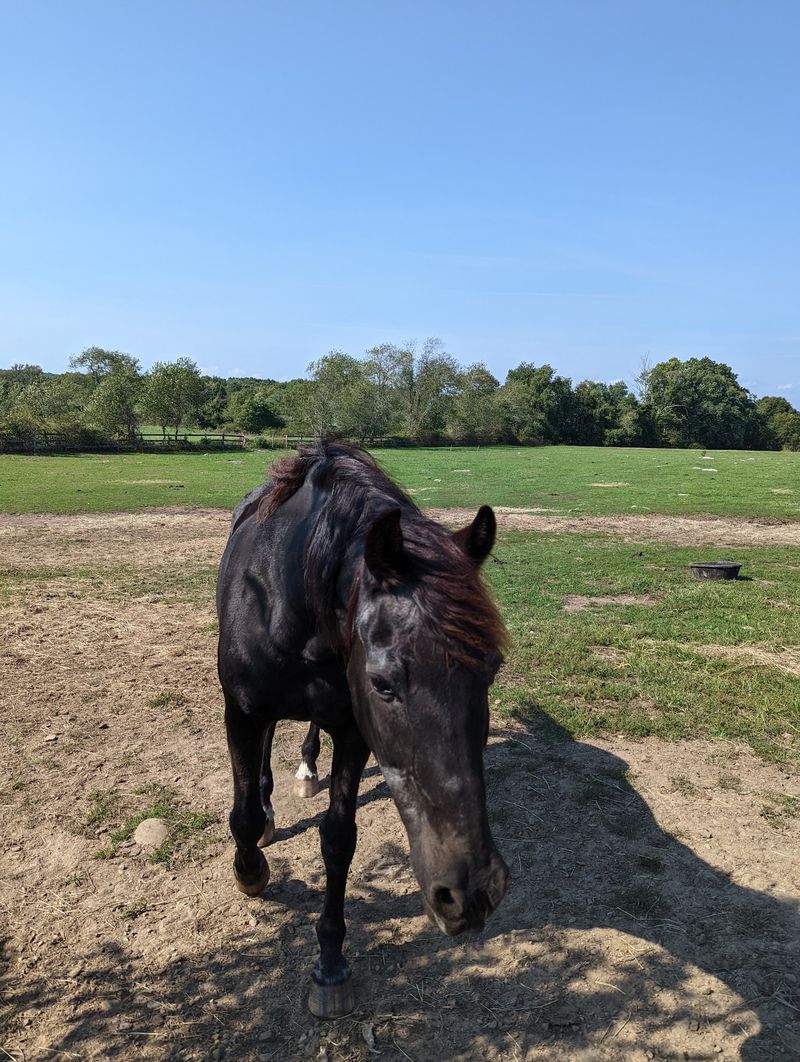
Tractor-pulled hayrides through the pastures? Count me in.
That’s one highlight of the farm’s Open Barn and Fun Day. It’s a public event built for curious families and horse fans of all ages.
Along with the hayrides, there’s a scavenger hunt. Kids get a reason to explore, and parents get a reason to slow down.
Events like this are a smart way to see the farm. Since regular visits need an appointment, an open day makes things easy.
You can meet the herd, ride through the fields, and learn how a sanctuary actually works. Not bad for one afternoon.
Younger kids will probably remember the tractor most. Older kids might remember the horses that are older than they are.
That’s a fun fact to share on the ride home. Some residents here have been around for more than three decades.
Watch the farm’s announcements for upcoming dates. Then pack sunscreen, wear shoes that can handle a pasture, and bring your sense of adventure.
6. First Graders, Seniors, And Firefighters All Come Here To Learn
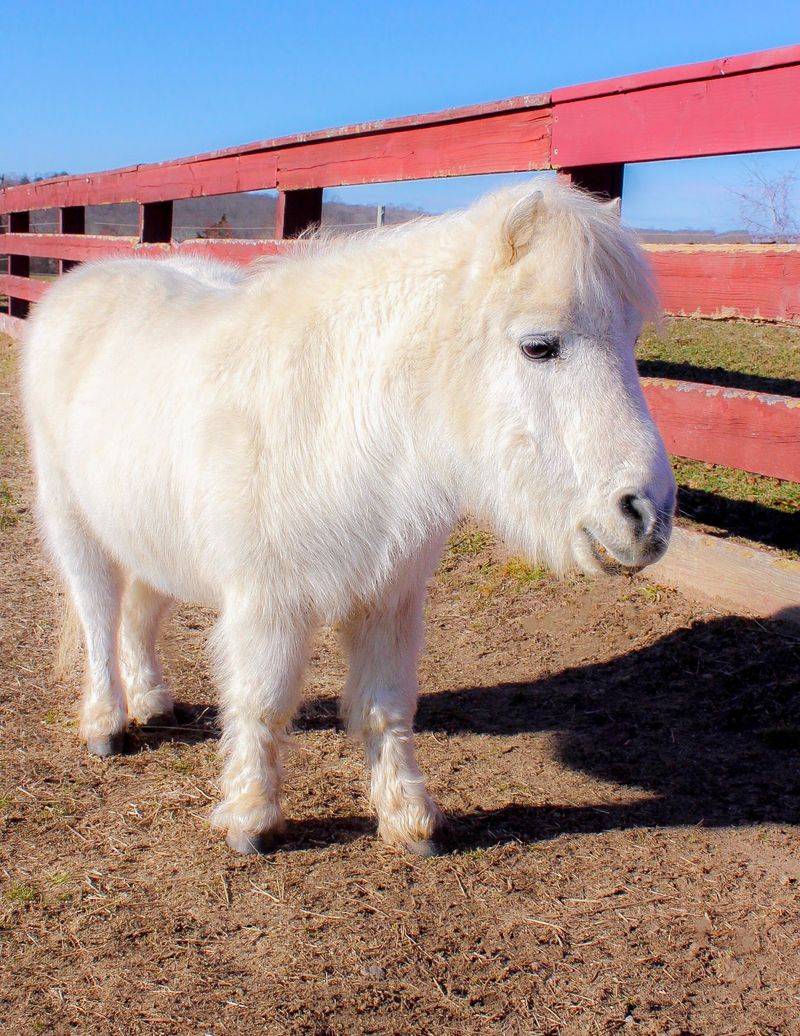
Education is baked into the farm’s mission. Caring for horses is only half the job.
Mitchell Farm hosts school trips for a surprisingly wide range of groups. Visitors have ranged from first-grade students to seniors in memory care.
That range says a lot. Horses can spark wonder in a six-year-old and comfort in an elder.
Then there’s the training most people never think about. The farm teaches equine handling to first responders.
Picture a horse loose on a road or trapped during a barn emergency. A firefighter who knows how to approach a horse can make a real difference.
I find this part especially clever. The sanctuary helps horses far beyond its own fences.
The farm also shares knowledge about horse welfare and management with the public. Owners can learn what good care looks like as their horses age.
So a visit isn’t just cute photos. It’s a chance to leave smarter about animals that share our roads, trails, and backyards.
7. One Woman Started It In 2004, And The Honors Kept Coming
Dee Doolittle founded Mitchell Farm Equine Retirement in August 2004. By September 2005, it earned official 501(c)(3) nonprofit status.
Since then, the farm has given permanent care to more than 127 horses. That’s a lot of happy retirements.
Recognition followed the hard work. In 2012, the farm became fully accredited by the Global Federation of Animal Sanctuaries.
That seal means the farm meets strict standards for animal care. It’s not handed out casually.
Since 2024, Mitchell Farm has also held the EQUUS Foundation Mentor Seal. The farm sets an example other horse groups can follow.
My favorite honor is a little more unusual. In 2018, a Governor’s Proclamation named the third week in May as Connecticut Older Horse Week.
Yes, senior horses in this state have their own week. I can’t think of a better reason to mark the calendar.
It all started with one person’s idea about old horses. Two decades later, that idea has its own official spot on the calendar.
8. Your Help Can Keep A Senior Horse Comfortable
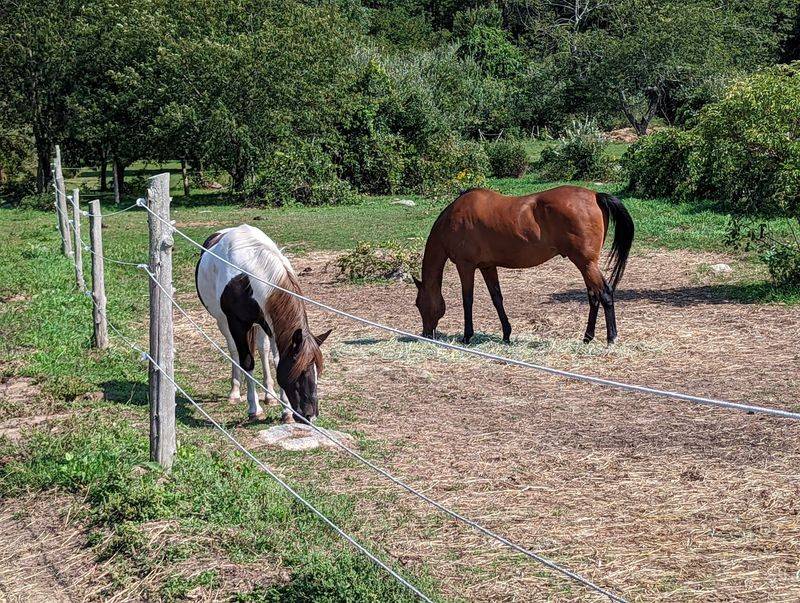
Thirty-two horses lived at the farm as of February 2026. The barn can hold 35, so space is almost always tight.
The farm’s admissions information estimates a waiting period of two to four years, reflecting the demand for this kind of retirement care.
Behind the scenes, a strong volunteer program keeps things running. Chores on a horse farm never really end.
Donations matter a lot too. Feed, vet visits, hoof care, and dental checkups all cost money every single month.
The farm also offers a horse sponsorship program. You can support the care of a resident and feel connected to one specific animal.
I love that idea for families. Kids especially enjoy having “their” horse to cheer for.
Not able to volunteer in person? Attending an event or donating still helps in a big way.
Mitchell Farm in Salem proves that kindness works best as a team effort. A little help from many people adds up to many peaceful years for these horses.