This Massive California Flea Market Feels Like A Treasure Hunt That Never Ends
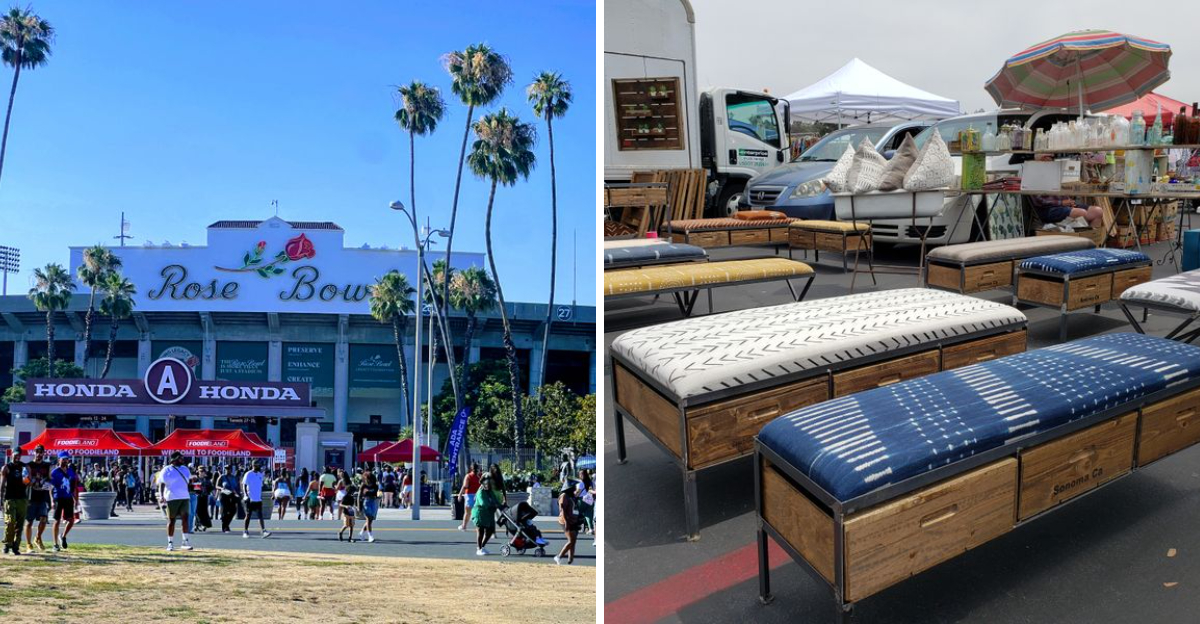
Every second Sunday of the month, a legendary marketplace comes alive in Pasadena, drawing treasure hunters from around the world.
The Rose Bowl Flea Market has been a beloved tradition for over half a century, transforming the iconic stadium’s parking lots into a sprawling wonderland of vintage finds, handmade crafts, and unexpected discoveries.
With thousands of vendors setting up shop before dawn and shoppers arriving in waves throughout the day, the energy builds into something magical.
The sheer scale of this event makes it one of the most impressive flea markets in California, offering everything from mid-century furniture to retro fashion and quirky collectibles.
Whether someone is searching for a specific antique or simply wandering to see what catches the eye, the experience feels different every single visit.
The mix of seasoned collectors, casual browsers, and celebrity shoppers adds to the unique atmosphere.
There’s something about walking row after row of carefully curated stalls that makes time disappear and the hunt feel endless.
1. Historic Venue At The Rose Bowl Stadium
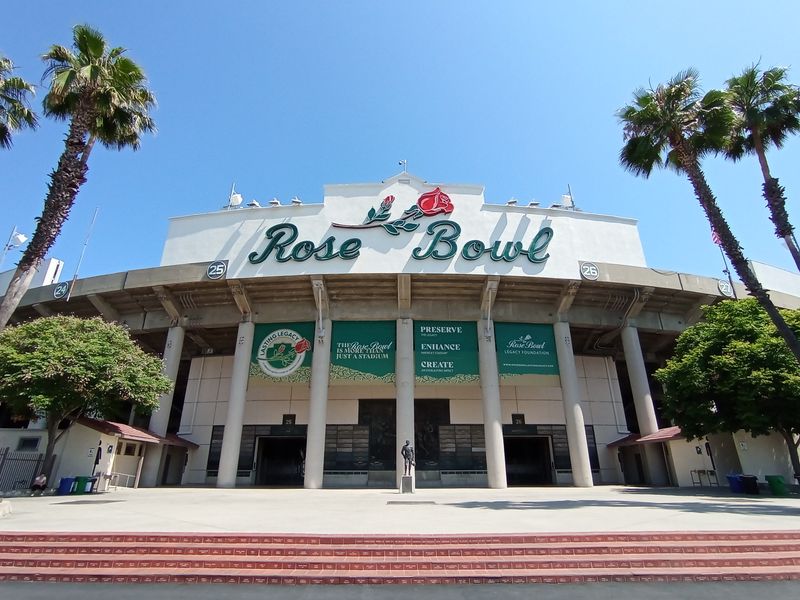
The Rose Bowl Stadium at 1001 Rose Bowl Dr, Pasadena, CA 91103 stands as one of the most recognizable landmarks in Southern California, and once a month it becomes the backdrop for an entirely different kind of spectacle.
Built in 1922, this historic venue has hosted countless football games, concerts, and major events, but the flea market brings a different kind of energy to the grounds.
The stadium’s massive parking lots provide the perfect canvas for vendors to spread out and create a marketplace that feels both organized and wonderfully chaotic.
Walking through the aisles feels like exploring a small city dedicated entirely to vintage goods and handmade treasures.
The backdrop of the stadium’s distinctive architecture adds a sense of grandeur to the experience.
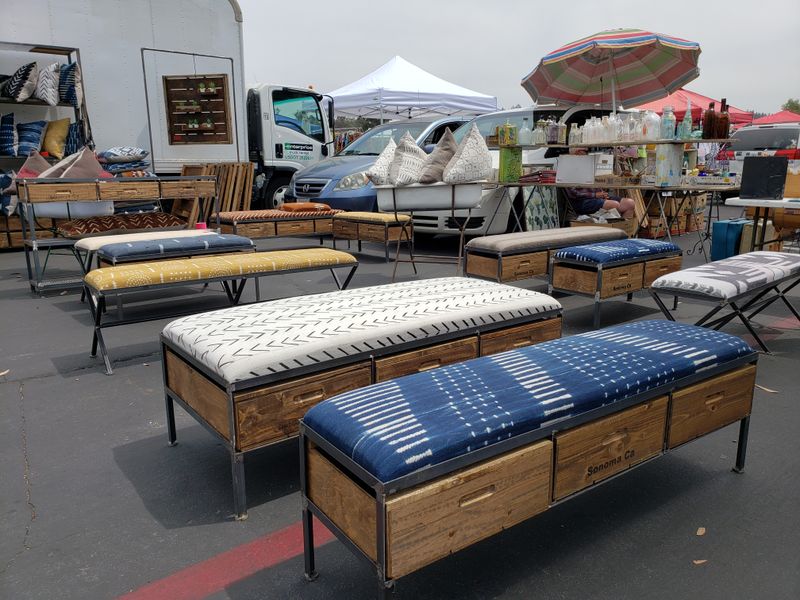
Vendors arrange their booths with care, creating mini galleries that range from rustic farmhouse displays to sleek modern setups.
The location itself makes the market accessible from multiple directions, with clear signage guiding shoppers to different sections.
The open-air setting allows natural light to illuminate the goods throughout the day.
The combination of historic significance and practical layout makes this venue ideal for hosting such a large-scale event month after month without losing its charm or functionality.
2. Monthly Tradition On Second Sundays
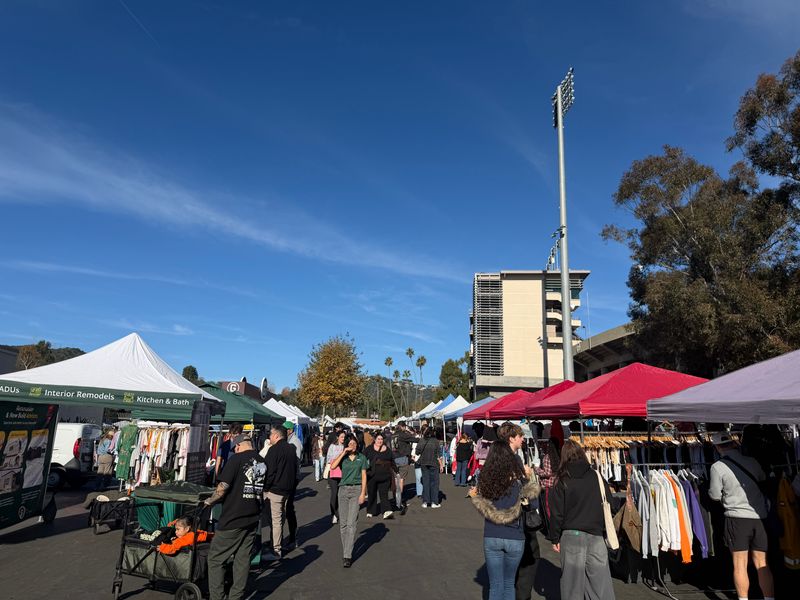
Rain or shine, the second Sunday of every month brings the same anticipation for thousands of shoppers and vendors alike.
This consistency has built a rhythm into the lives of regular attendees who plan their weekends around the market.
Some people mark their calendars months in advance, especially when they’re hunting for specific items or looking to sell seasonal goods.
The reliability of this schedule means vendors can build relationships with customers who return month after month.
Shoppers develop strategies based on the calendar, knowing which months tend to bring the best selection of certain items.
The rain-or-shine policy means the market has developed a reputation for resilience, with vendors prepared with tarps and covered displays when weather threatens.
Early risers can arrive before dawn to catch the VIP hours, while more casual visitors know they can show up mid-morning and still have hours of browsing ahead.
The monthly frequency strikes a perfect balance, giving vendors enough time to restock and shoppers enough time to save up for their next treasure hunt.
This predictable pattern has helped the market become a dependable fixture in the community calendar for decades.
3. Over 2,500 Vendors Participating
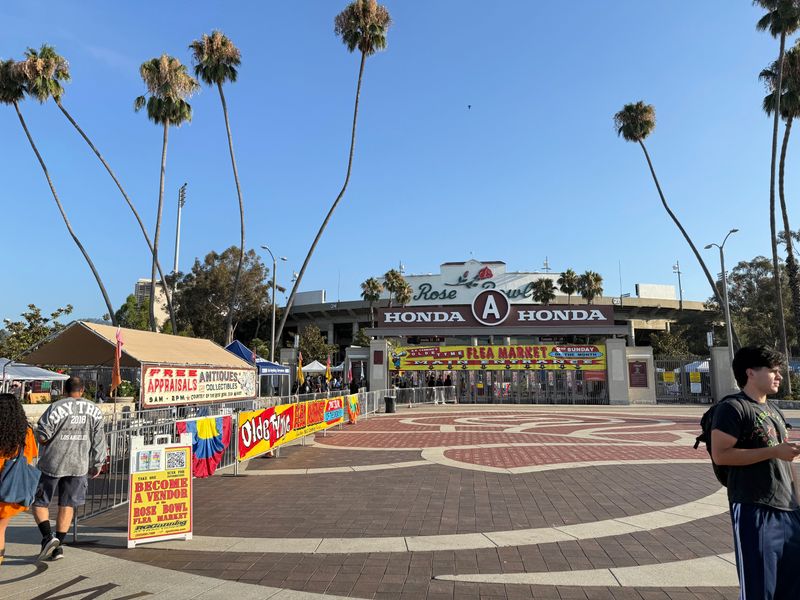
The scale of vendor participation at this market sets it apart from nearly every other flea market in the country.
More than 2,500 sellers set up shop each month, bringing goods that range from professionally curated antique collections to quirky personal finds.
Each vendor brings a different specialty, which means the variety available on any given Sunday is staggering.
Some vendors have been participating for decades, building loyal followings and becoming known for specific types of items.
Others are newcomers testing the waters with handmade crafts or vintage clothing they’ve collected over time.
The mix creates an ecosystem where professional dealers exist alongside hobbyists and casual sellers.
Walking through the market, shoppers encounter booths dedicated entirely to vinyl records, others filled with mid-century furniture, and still others showcasing handmade jewelry or vintage kitchenware.
The sheer number of vendors means that even if someone visits monthly, they’re unlikely to see everything in a single trip.
This abundance turns browsing into a genuine adventure, where the next booth might hold exactly what someone didn’t know they were looking for until they spotted it.
4. 20,000 Buyers Every Month
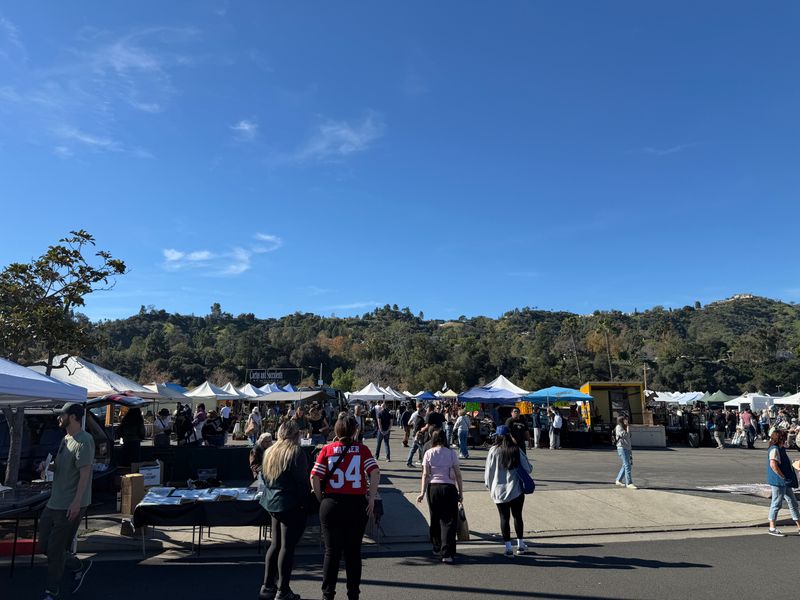
Approximately 20,000 people flow through the market gates each month, creating a bustling atmosphere that peaks during mid-morning hours.
The crowd includes everyone from serious collectors carrying detailed shopping lists to families making it a Sunday outing.
International visitors often make the market a must-see destination when traveling to Southern California.
The crowd size means the market never feels empty, but the sprawling layout prevents it from feeling uncomfortably packed in most sections.
Different areas attract different types of shoppers, with the furniture section drawing interior designers and home decorators, while the vintage clothing aisles attract fashion enthusiasts and costume designers.
The demographic range is impressive, with young couples hunting for apartment furnishings alongside retirees searching for nostalgic items from their youth.
Peak hours typically see the densest crowds, while early morning and late afternoon offer more breathing room for those who prefer a calmer browsing experience.
The size of the crowd also creates a social atmosphere where strangers strike up conversations about finds and share tips about which vendors have the best deals.
This monthly gathering has become a community event as much as a shopping destination.
5. Diverse Range Of Merchandise
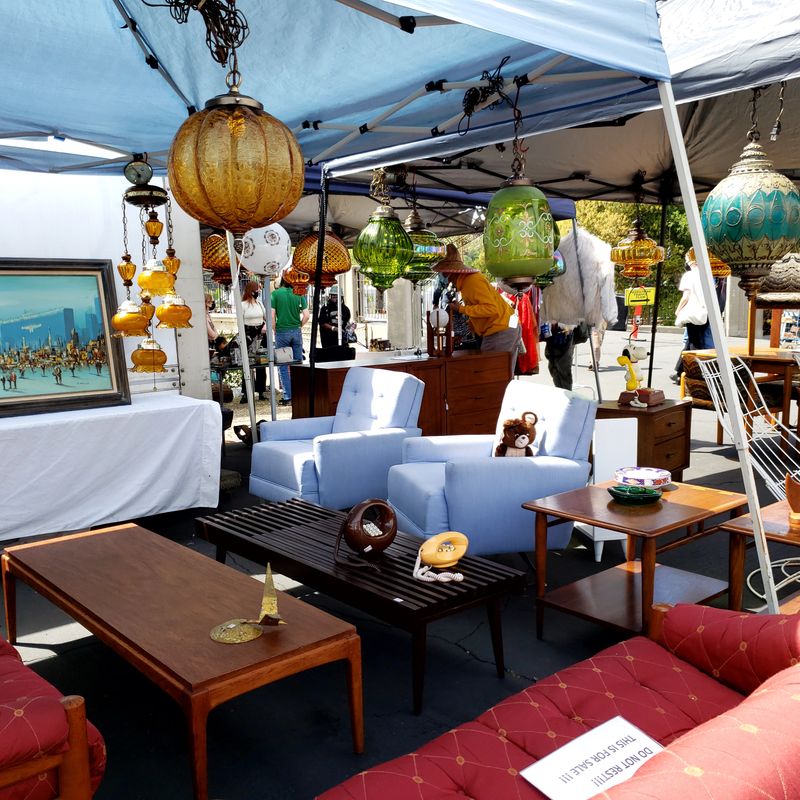
The variety of goods available on any given Sunday defies simple categorization.
Vintage furniture from multiple decades fills entire sections, with mid-century modern pieces sitting alongside Victorian dressers and industrial-style shelving.
Clothing racks overflow with everything from 1950s dresses to 1990s denim, carefully curated by vendors who understand fashion history.
Collectibles range from old advertising signs and vintage toys to rare books and antique tools. Art lovers find original paintings, prints, and handmade sculptures created by local artists.
Jewelry booths showcase pieces from different eras, with Art Deco brooches displayed near bohemian beaded necklaces.
Home goods include everything from Depression-era glassware to retro kitchen appliances that still work.
The diversity means different shoppers can pursue completely different goals and all find success. Someone furnishing a new apartment can find dishes, lamps, and accent furniture in one trip.
A vintage fashion enthusiast can build an entire wardrobe from different eras. Collectors hunting specific items often find exactly what they need after months of searching.
This range keeps the market fresh and ensures that no two visits feel the same, even for monthly regulars.
6. Celebrity Spotting Opportunities
Dubbed the “Flea Market of the Stars,” this Pasadena gathering has attracted celebrity shoppers for years, adding an extra layer of excitement to the treasure hunt.
Angelina Jolie, Cameron Diaz, and Taylor Swift have all been spotted browsing the aisles, drawn by the same unique finds that attract everyone else.
The market’s reputation for high-quality vintage goods and one-of-a-kind pieces makes it a favorite among stylists and celebrities furnishing homes or searching for distinctive wardrobe pieces.
The presence of famous faces adds to the market’s mystique without changing its fundamental character.
Celebrities typically blend into the crowd, wearing casual clothes and sunglasses, shopping just like everyone else.
Vendors treat all customers with the same attention, whether they’re household names or first-time visitors. This democratic atmosphere is part of what makes the market special.
The possibility of spotting someone famous adds a spark of excitement, but the real stars are the incredible items waiting to be discovered.
The celebrity connection has helped raise the market’s profile internationally, but the quality of goods and the experience itself are what keep people coming back month after month, famous or not.
7. Early Bird VIP Access
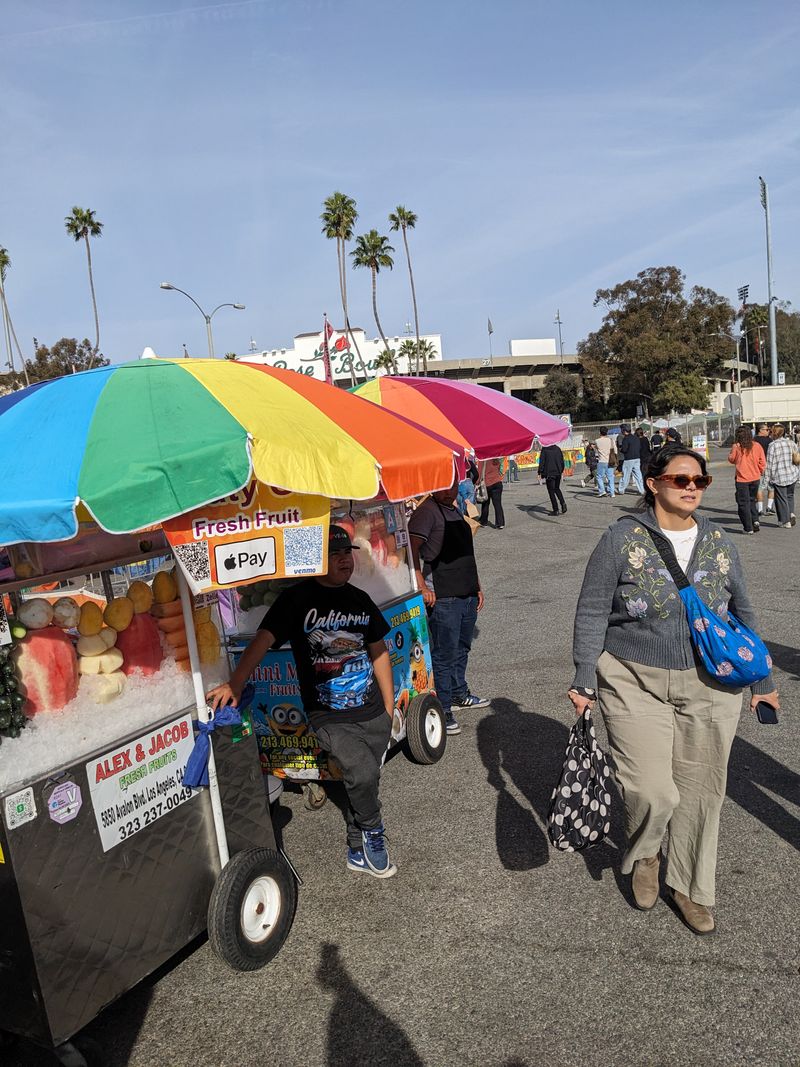
For the most dedicated treasure hunters, the market opens its gates at five in the morning for VIP admission.
This early access comes with a higher ticket price, but serious shoppers consider it worth every penny.
Arriving before dawn means getting first pick of newly arrived merchandise before the general crowd enters at nine.
The pre-dawn atmosphere has its own unique energy, with vendors still arranging displays and unpacking boxes as early shoppers browse with flashlights.
Professional dealers and interior designers often opt for this early entry, knowing that the best pieces typically get claimed in these first hours.
The quiet morning hours allow for more meaningful conversations with vendors, who have time to share stories about their items before the rush begins.
Watching the sunrise over the Rose Bowl while hunting for treasures creates a memorable experience that regular attendees cherish.
The temperature stays cooler during these early hours, making it more comfortable to cover serious ground before the California sun climbs higher.
Many early birds complete their shopping and head home before most people finish breakfast, having secured the best finds of the day.
8. Family-Friendly Admission Pricing
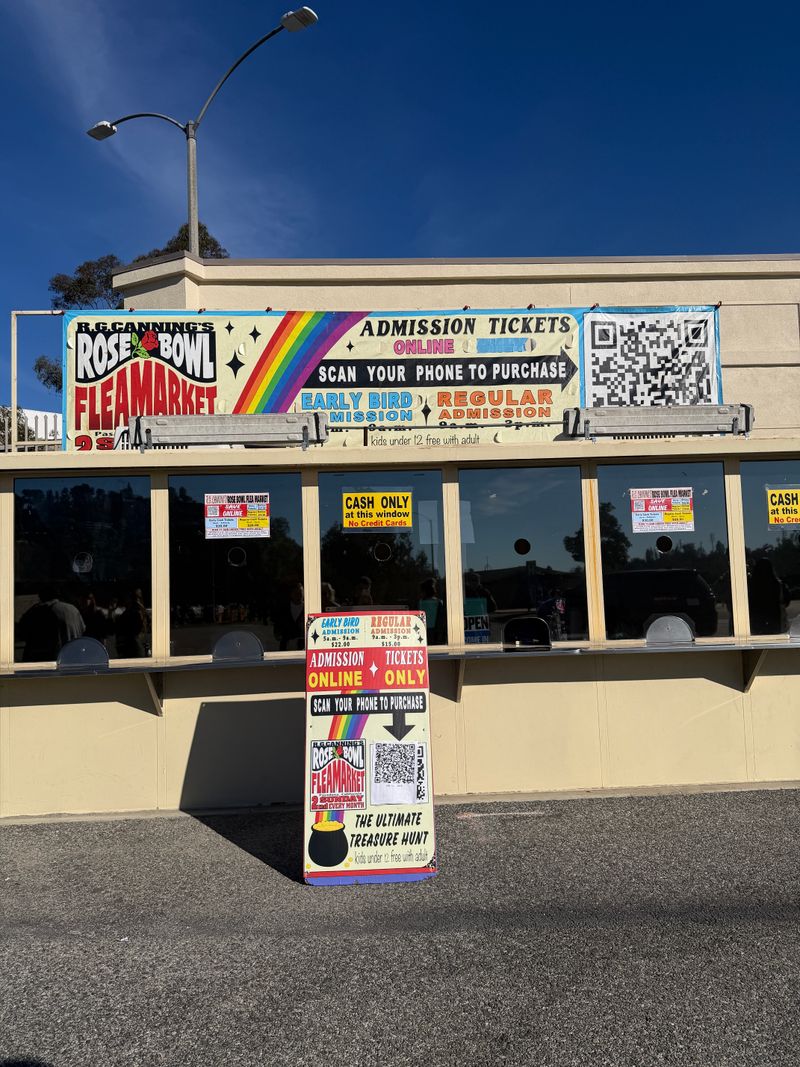
General admission tickets are priced affordably, making the market accessible to a wide range of visitors rather than serving only wealthy collectors.
The pricing structure encourages families to make the market a regular outing without straining budgets.
Children under twelve enter free when accompanied by a paying adult, which makes it easier for parents to bring kids along and introduce them to the joy of treasure hunting.
This family-friendly pricing has helped build a multigenerational community of market enthusiasts. Parents who attended as children now bring their own kids, creating traditions that span decades.
The reasonable admission cost means people can visit monthly without feeling like they’re spending too much before even making a purchase.
The accessibility extends the market’s reach beyond serious collectors to casual browsers who might discover a new hobby or interest.
Students, young professionals, and retirees can all afford to spend a Sunday morning exploring without worrying about breaking the bank.
This democratic pricing philosophy aligns with the market’s overall character, where the focus remains on the thrill of discovery rather than exclusivity or luxury.
9. Food Concessions Throughout The Market
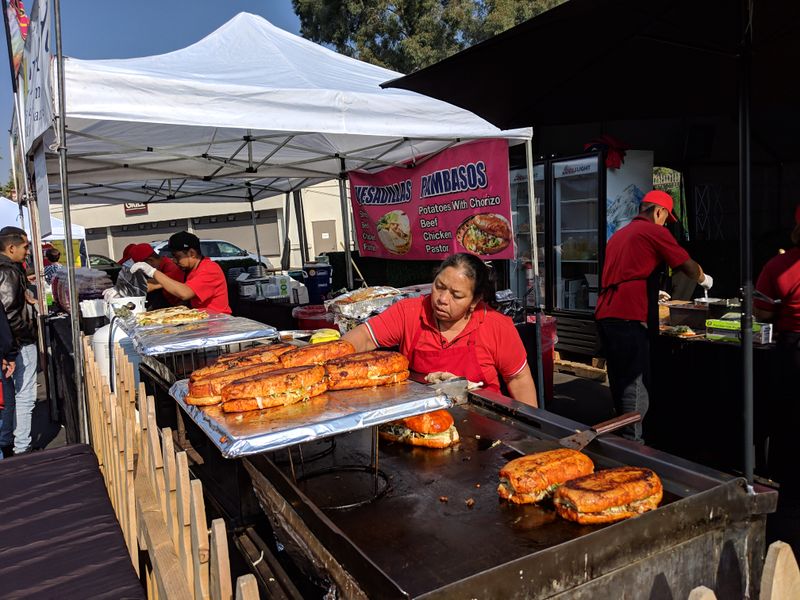
Scattered throughout the market grounds, concession stands offer a variety of food and drinks to keep shoppers fueled during their treasure hunt.
The food options range from breakfast items perfect for early arrivals to lunch fare for those who stay through the afternoon.
Coffee stands do brisk business in the morning hours, providing much-needed caffeine to shoppers who started their day before dawn.
The presence of food vendors means visitors can spend the entire day at the market without needing to leave for meals.
Breakfast burritos, pastries, and fresh fruit provide morning energy, while tacos, sandwiches, and other handheld foods make easy lunch options.
The casual dining setup encourages people to eat while they browse or take quick breaks at shaded seating areas.
Having refreshments readily available transforms the shopping experience from a quick errand into an all-day event. Families can pace themselves, taking snack breaks when kids get tired or hungry.
The food quality has improved over the years, with vendors offering fresh, tasty options rather than just basic carnival fare.
This attention to the complete visitor experience shows why the market has maintained its popularity for so many decades.
10. Five Decades Of Community Legacy
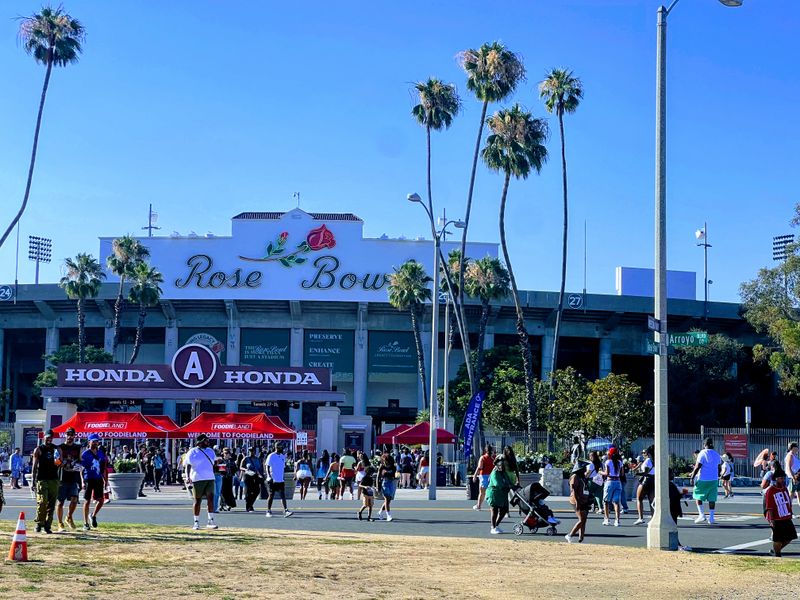
Celebrating over fifty years of operation, the Rose Bowl Flea Market has become woven into the fabric of Pasadena and greater Los Angeles culture.
What started as a modest gathering has grown into an institution that has witnessed and reflected decades of changing tastes and trends.
Long-time vendors have watched their customers grow from young adults to parents bringing their own children to browse.
The market has survived economic downturns, changing retail landscapes, and the rise of online shopping by staying true to its core mission of connecting buyers with unique, quality goods.
The longevity speaks to something deeper than just commerce.
People form genuine connections here, whether between vendors and regular customers or among shoppers who strike up conversations while examining the same booth.
Stories abound of people who found the perfect piece to complete a collection they’d been building for years, or stumbled upon an item that brought back powerful childhood memories.
The market has become a place where memories are made and traditions are born.
This sense of community and continuity ensures that even as new generations discover the market, the essential spirit that made it special five decades ago remains intact and thriving.