This Massive Idaho Playground Is Packed With Rugged Trails And Mountain Views
A main street that runs for nearly thirty-three miles? Wow, and that is just the start.
This mountain town perches high above six thousand feet among volcanic plateaus and glass-clear rivers.
Idaho built one outdoor playground so massive that even a long first visit feels laughably incomplete.
Fly-fishers chase trout the size of small dogs on a famously wild, ice-cold river. Pine forests, snowmobile routes, and endless backcountry keep adrenaline junkies grinning all year long.
Who needs a passport when a single town holds this much raw, roaring wilderness? This oversized playground quietly begs for a slow, greedy, take-your-sweet-time exploration.
A City Like No Other
Most cities have a downtown block or two.
Island Park has a main street that runs for nearly 33 miles, making it one of the longest in the entire United States. That single fact tells you everything about the scale of this place.
The city sits in Fremont County, nestled at an elevation of roughly 6,000 feet above sea level. That height means cooler summers, heavy snowfall in winter, and air that feels noticeably crisp and clean.
Despite its enormous footprint, the population here is surprisingly small. The 2020 census counted just 193 residents, giving the area a quiet, uncrowded feel that bigger destinations simply cannot offer.
What you get instead of crowds is space, silence, and scenery that rewards every direction you look.
The surrounding landscape of volcanic plateaus and old-growth forest gives this city a character that no urban grid could replicate. Visiting here feels less like a city trip and more like stepping into a working wilderness.
The Henry’s Fork Story
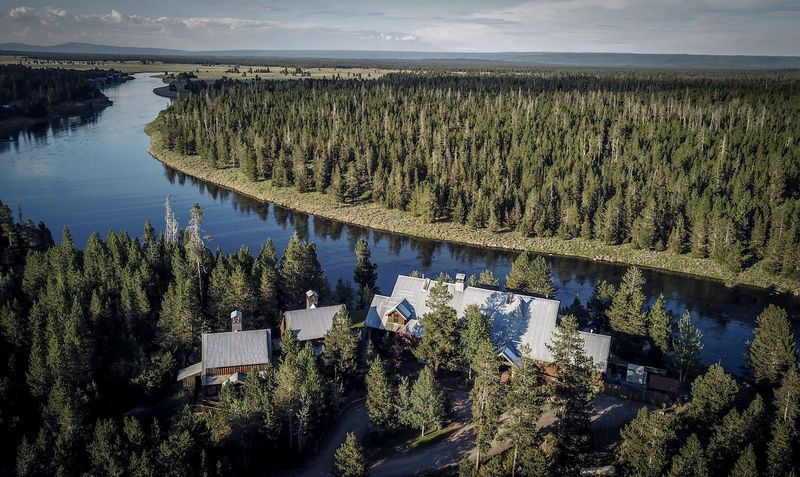
There are rivers, and then there is the Henry’s Fork.
This legendary waterway flows right through Island Park, drawing fly fishers from across the country who come specifically for its wild rainbow trout population. The clarity of the water is almost unreal on a calm morning.
The Henry’s Fork originates from Big Springs, one of the largest freshwater springs in the world. The spring pumps out millions of gallons of water daily at a near-constant temperature, which creates ideal habitat for trout year-round.
Standing beside it, you can actually watch massive fish holding steady in the current below the surface.
Fly fishing on this river is considered a serious pursuit. The hatches are complex, the fish are selective, and the rewards are hard-earned.
Anglers often spend days studying the water before they even cast a line. But even if fishing is not your thing, simply walking the banks of the Henry’s Fork is its own reward.
The river winds through meadows and forest edges, offering views that feel painted rather than real.
Trails That Test Your Limits
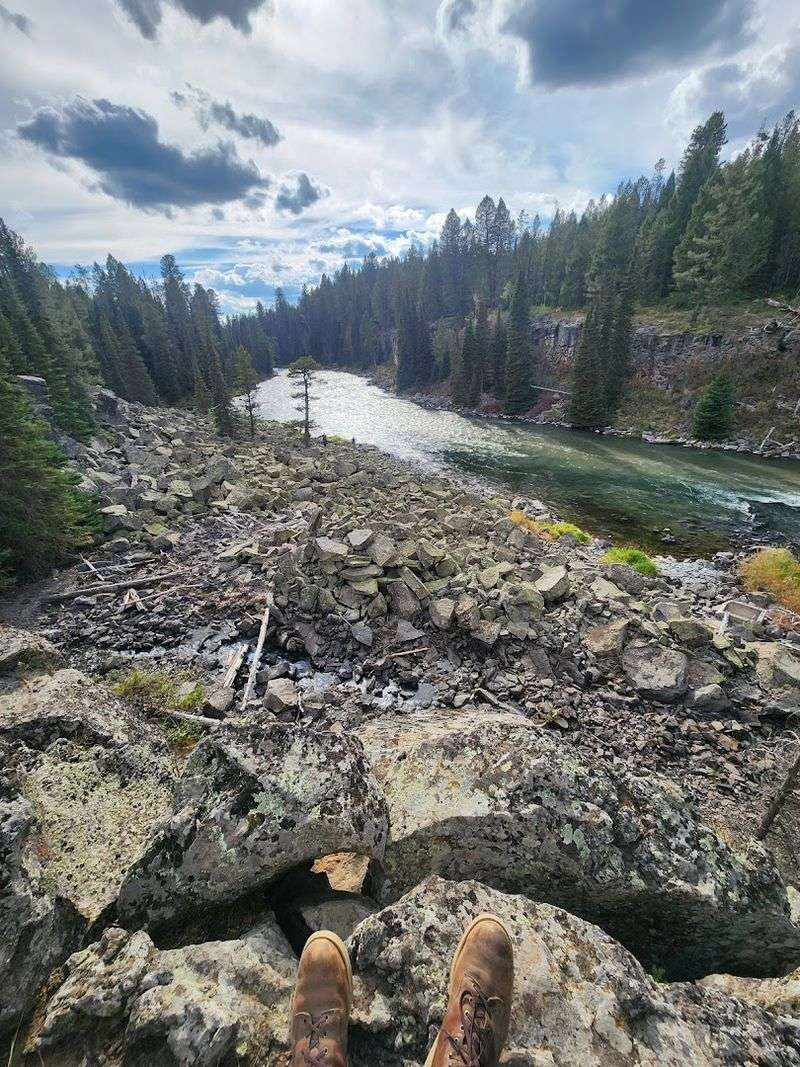
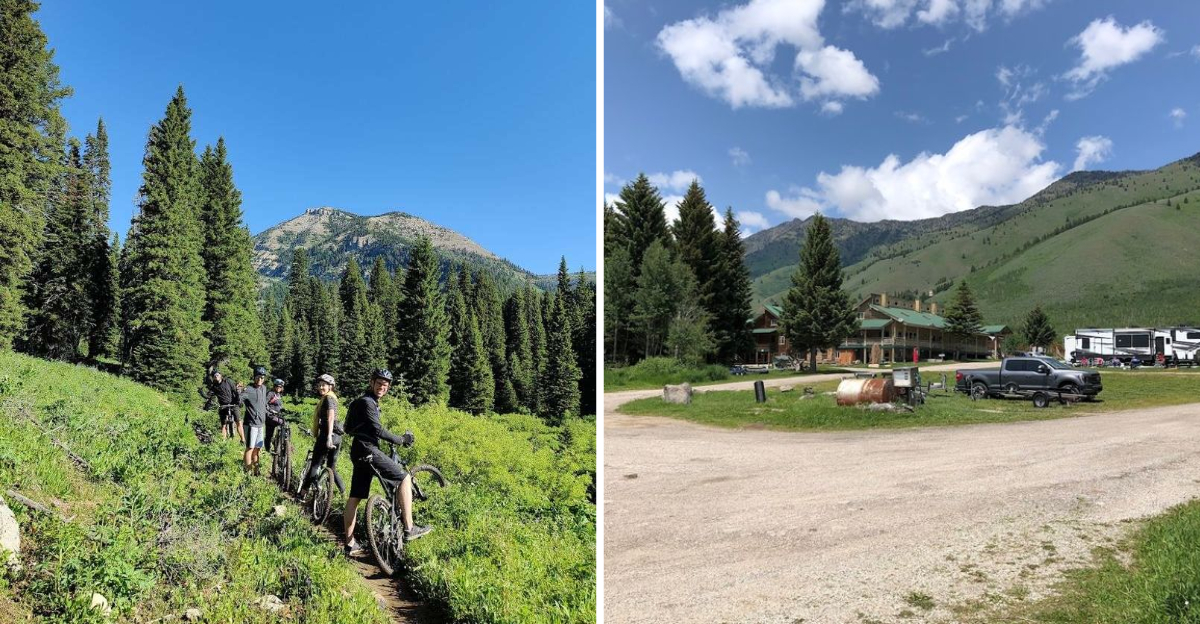
Lace up your boots tight because the trail system around Island Park does not ease you in gently.
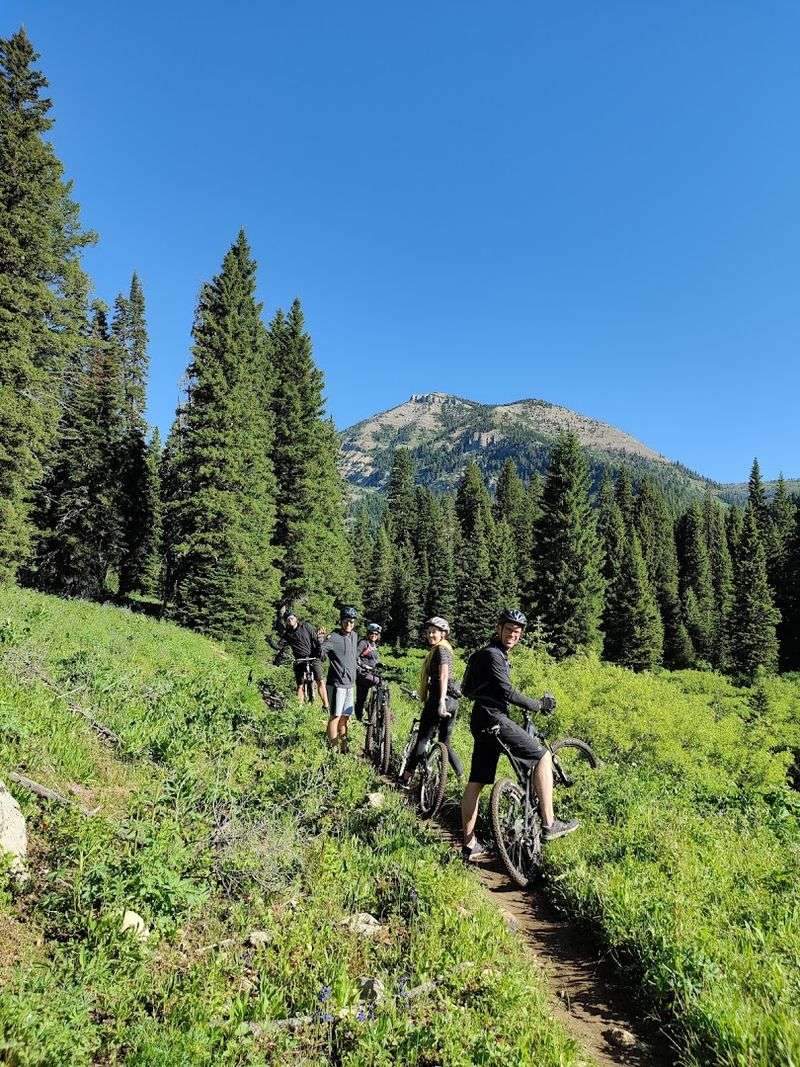
The terrain here is shaped by ancient volcanic activity, meaning you will encounter lava rock fields, steep ridgelines, and forested switchbacks that keep your legs and your attention fully engaged.
The Centennial Trail is one of the most popular routes in the area.
It stretches across a wide range of terrain, offering hikers a chance to move through meadows, forests, and open ridges with sweeping views of the Henrys Lake Mountains.
On a clear day, the sight lines stretch far into neighboring Wyoming and toward Yellowstone country.
For those who prefer something less demanding, there are gentler paths along the river corridors and through the lodgepole pine stands that surround the area. Birdwatchers find these lower trails especially rewarding during migration season.
Trumpeter swans, osprey, and sandhill cranes are all regular visitors. If you push hard for summit views or take a slow, observant stroll through the pines, the trail network here offers enough variety to fill an entire week without repeating yourself.
Idaho rewards the curious hiker generously.
Winter Turns Everything Wild
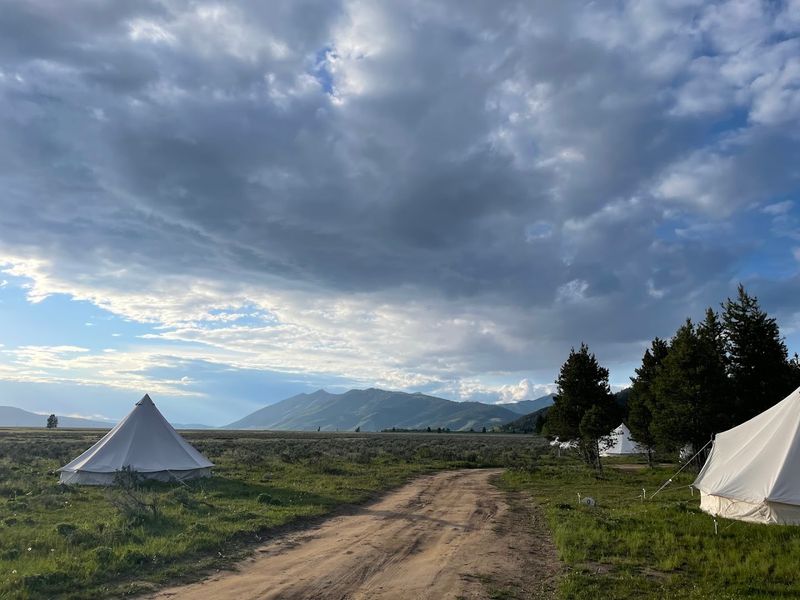
When snow blankets the plateau each November, Island Park transforms into one of the premier snowmobile destinations in the entire country.
The trail network expands dramatically in winter, with hundreds of miles of groomed paths connecting lodges, meadows, and backcountry terrain that would be inaccessible any other time of year.
The snowfall here is no joke. Annual accumulations can exceed 200 inches in some locations, creating a deep, powdery base that riders chase from across the West.
Grooming crews work regularly to keep the main corridors fast and safe, while the off-trail terrain stays wild for those who want a challenge.
Cross-country skiing and snowshoeing are also popular, particularly around the calmer meadow areas near the river. The quiet of a winter morning in the pines here is a specific kind of peace that is hard to describe without experiencing it firsthand.
Ice fishing on Henrys Lake adds another layer of cold-weather adventure for those willing to drill a hole and wait with patience.
Henrys Lake, A Hidden Trophy
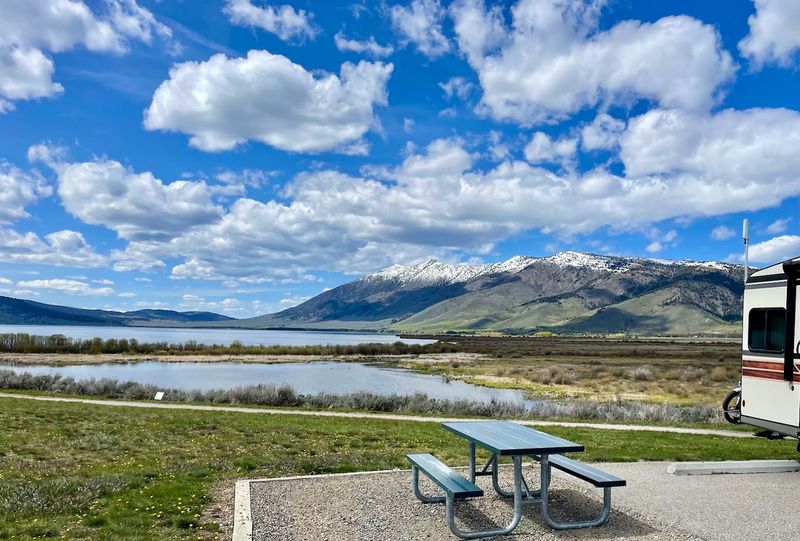
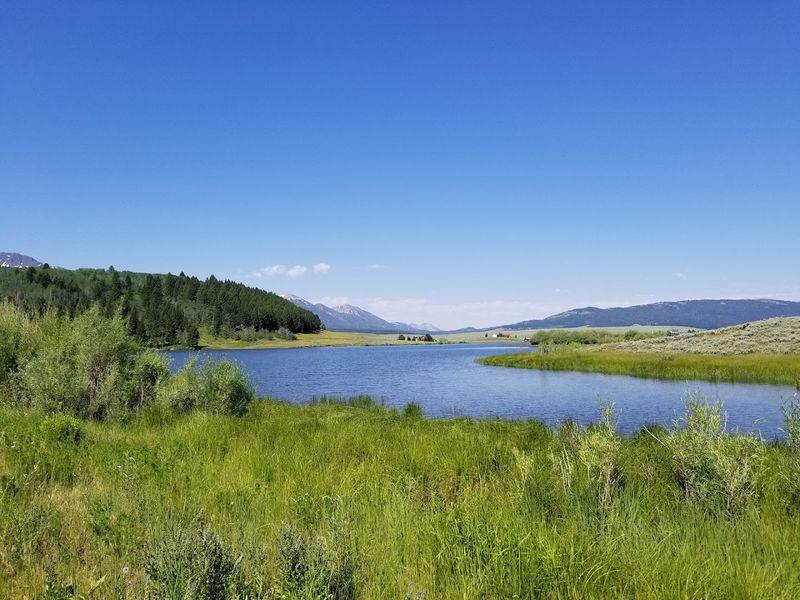
Just a short drive through the plateau brings you to Henrys Lake, a high-elevation body of water that sits at around 6,472 feet.
The lake is famous among anglers for producing some of the largest cutthroat and hybrid trout catches in all of Idaho. Word travels fast in fishing circles about a lake this productive.
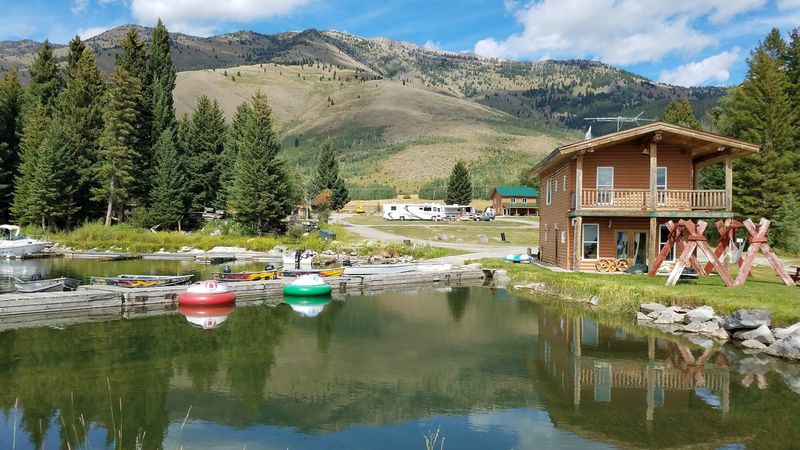
The surrounding state park offers camping, boat launches, and shoreline access that makes a full day on the water easy to plan.
Early mornings on the lake are especially rewarding, when the surface sits glassy and still and the mountains reflect perfectly in the water. Photographers often set alarms just to catch that light.
Wildlife activity around the lake is impressive. Moose wade through the shallows at dawn, ospreys dive for fish throughout the day, and elk graze on the grassy margins in the evening hours.
The whole ecosystem feels actively alive in a way that reminds you how intact this part of Idaho remains. Even a quiet afternoon sitting on the shore, watching clouds build over the mountains, qualifies as a genuinely memorable experience.
Henrys Lake earns its reputation with every visit.
Yellowstone’s Lesser-Known Neighbor
Sitting just a few miles from the western entrance of Yellowstone National Park, Island Park benefits from one of the most spectacular geographic positions in the American West.
Many travelers rush past this area on their way to the park without realizing what they are leaving behind.
The proximity to Yellowstone means the wildlife corridor extends directly through Island Park.
Grizzly bears, wolves, bison, and pronghorn all move through the region as part of the greater Yellowstone ecosystem. Spotting large wildlife along the roads here is not a rare occurrence.
It is practically part of the daily routine.
Using Island Park as a base for Yellowstone day trips is a smart strategy. Accommodations here tend to be quieter and more spacious than those found closer to the park’s busy entrances.
You can explore the geysers and hot springs during the day and return to the calm of the plateau each evening. The drive between the two areas passes through spectacular high-country scenery that is worth slowing down for on its own.
Camping Under Volcanic Skies
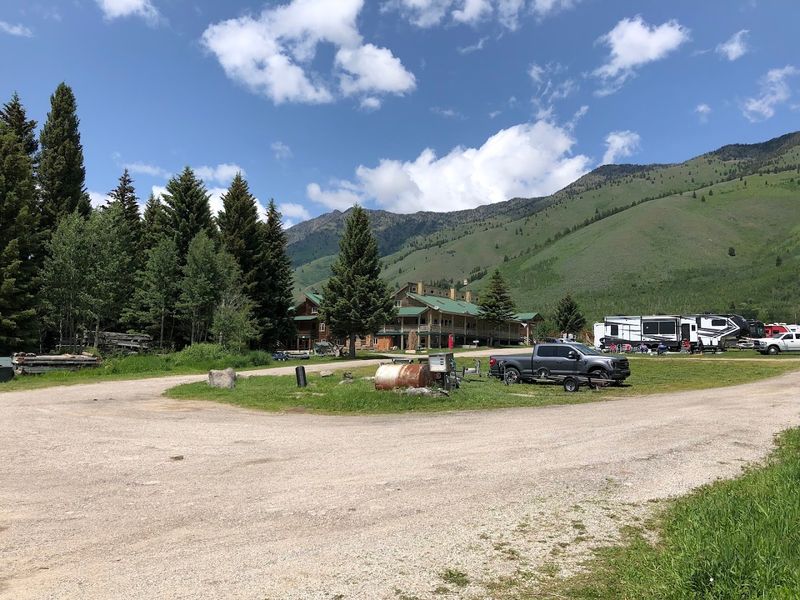
The Caribou-Targhee National Forest wraps around much of Island Park, offering an enormous public land base for camping, dispersed recreation, and quiet forest exploration.
This is not a place where you fight for a campsite in a crowded loop. Space here is measured in square miles, not square feet.
Dispersed camping is allowed in many sections of the forest, meaning you can set up far from roads and other visitors with relatively simple permits.
Established campgrounds like Box Canyon and McCrea Bridge offer spots right along the Henry’s Fork River, where the sound of moving water replaces any need for a white-noise machine.
Night skies in this area are extraordinary. The low population density and distance from major cities means light pollution is minimal, and on clear nights the Milky Way stretches fully overhead in a way that genuinely stops conversation.
Sitting around a fire under that kind of sky, with pines swaying gently in the evening breeze, resets something in you that city life tends to wear down.
Planning Your Visit Right
Timing matters when you plan a trip to Island Park.
Summer runs from roughly late June through early September, offering the best conditions for hiking, fishing, and wildlife viewing. The shoulder months of May and October bring fewer visitors and dramatic seasonal changes in color and light.
Accommodations range from full-service lodges and cabin rentals to basic campgrounds within the national forest.
Booking early is essential for summer stays, especially during peak fishing season or holiday weekends when demand spikes significantly. Many lodges also offer winter packages built around snowmobile access and guided outdoor experiences.
Gear up before you arrive because services in the area are limited by design. A small number of local outfitters, gas stations, and general stores serve the community, but major shopping is not available nearby.
Cell service can be spotty in parts of the plateau, so downloading offline maps before departure is a practical habit worth forming.