This 1928 Michigan Theater Still Screens Films On 35mm With A Live Pipe Organ Below The Screen
What if movie night started with a pipe organ shaking the room before the film even began?
Michigan still has a 1928 theater where classic movies roll on 35mm beneath a ceiling painted like a night sky.
The whole place feels deliciously dramatic!
Pagoda details, glowing clouds, real butter on the popcorn, and that organ rising below the screen make streaming at home seem painfully boring.
The best part is how alive it still feels after nearly a century.
This is not just watching a movie. It is stepping into the kind of night that makes you wish every theater still had an overture.
Lights Up On 1928
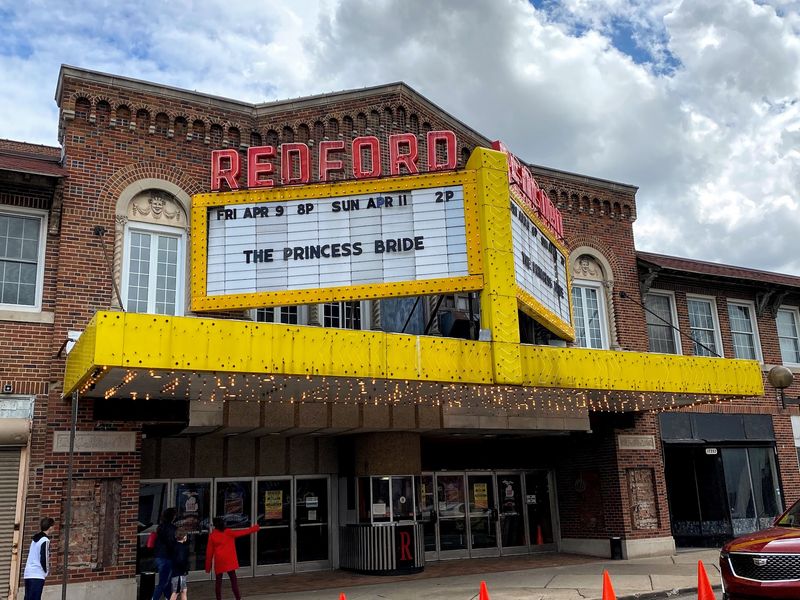
The curtain first rose here on January 27, 1928. Back then, the Redford was promoted as America’s Most Unique Suburban Playhouse.
The surrounding part of Redford Township had become part of Detroit only a short time earlier, during the city’s 1926 annexation.
A local architectural firm designed the theater as an elaborate neighborhood movie palace rather than a simple screening room.
The theatre began as part of the Kunsky Theatres chain. That company ran a long list of movie houses across Michigan.
In the 1930s, ownership passed to the Goldberg family’s Community Theatre chain. They continued operating the building until the regular commercial operation ended in 1974.
The Redford Theatre has stayed in continuous operation since opening night.
That continuity helped preserve both the auditorium and its original theater organ while many other large movie houses were altered or demolished.
The surviving building now carries nearly a century of moviegoing history within the Old Redford neighborhood.
Before going inside, the exterior and marquee are worth a closer look. You can find this classic at 17360 Lahser Rd in Detroit.
A Japanese Garden Under Stars
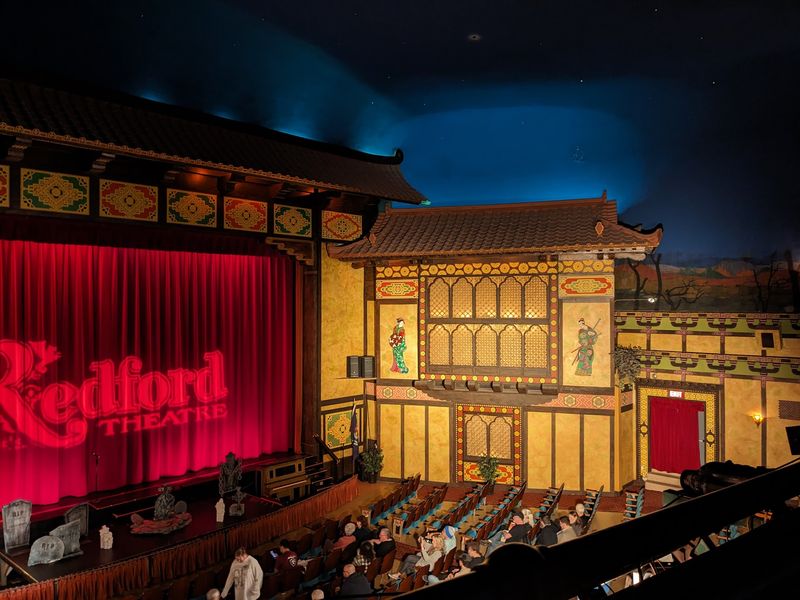
Look up before the lights go down. The ceiling is a deep blue sky filled with lighted stars and drifting cloud effects.
The Redford Theatre is an atmospheric theatre. That style was built to make you feel like you were sitting outdoors somewhere magical.
Here, the setting is a Japanese garden. Pagoda-style tile roofs crown the proscenium arch and the organ chambers on each side.
Japanese figures, murals, and stenciled designs continue the theme across the auditorium and surrounding spaces.
Asian-inspired details also appear on the black-and-gold organ console, including decorative dragons.
The decor has a dramatic backstory of its own. During World War II, much of it was removed, painted over, or covered up.
Anti-Japanese sentiment after the attack on Pearl Harbor led to major changes inside the theater.
For decades, substantial parts of the original decorative scheme remained hidden beneath later finishes.
Restoration efforts underway since 1980 gradually uncovered and recreated those features. Original stencils, figures, grille work, and other details have returned through years of volunteer preservation.
Meet The Golden-Voiced Barton
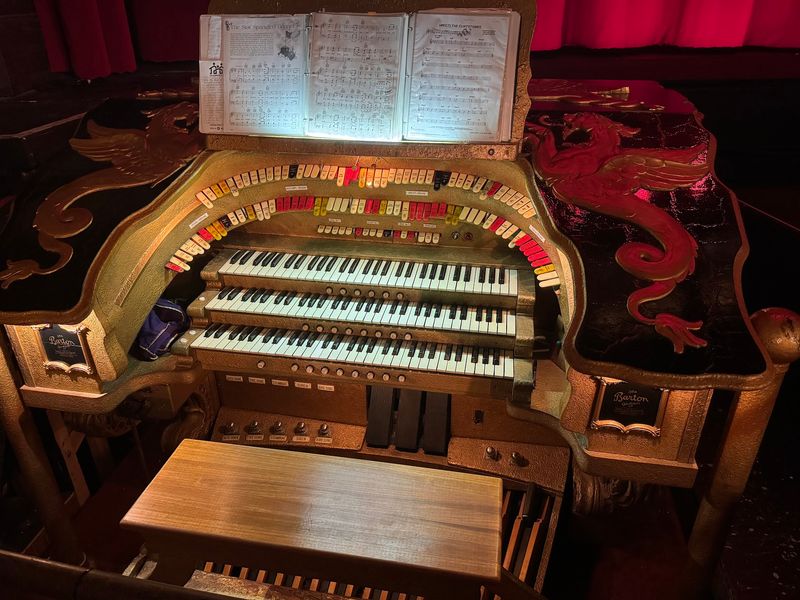
Very few Barton theater organs remain in the venues where they were originally installed. The Redford still has its original instrument in the orchestra pit.
It is a 3-manual, 10-rank organ installed for the theater’s 1928 opening. That means three keyboards control ten ranks of pipes along with percussion and sound effects.
The distinctive sound of instruments from this manufacturer earned them the nickname Golden-Voiced Bartons.
The Redford’s instrument remains largely original, although a piano and an extension to the tuba rank were added later.
The Redford and the Fox are among the rare metro Detroit theaters that still retain original theater organs in their historic settings.
Do not skip a close look at the console itself. Its black-and-gold finish carries Asian-inspired decoration that connects it to the surrounding auditorium.
The organ plays overtures before many film presentations. It also accompanies silent movies and appears in organ concerts and other special events.
Its modern revival began when the Motor City Theatre Organ Society restored the instrument during the mid-1960s. The organization began presenting public programs at the Redford later that decade.
Real Film, Reel Magic
Ever noticed how film looks a little warmer than digital? The Redford still gives audiences chances to see movies from real film prints.
The projection booth holds two Norelco projectors. They can run both 35mm and 70mm prints. The motto here is The Way Movies Were Meant To Be Seen.
The sound system can support as many as six discrete channels, backed by theater speakers onstage and around the auditorium.
Digital projection is part of the modern setup too. The building now has equipment for both traditional film and digital presentations.
Real film remains an active part of the schedule. Several recent programs have included 35mm screenings alongside digitally presented movies.
Programming spans many eras and styles. Silent films, classic Hollywood titles, cult favorites, musicals, and newer features all appear on the calendar.
Many programs include a short intermission, and the Barton organ may return during the break depending on the event.
Special screenings can also include guest appearances, discussions, live performances, or other added programming.
For film lovers in Michigan, the combination of original theater architecture and working film projection remains increasingly unusual.
Powered Entirely By Volunteers
Nobody here collects a paycheck. The theater is operated by member volunteers rather than paid employees.
They belong to the Motor City Theatre Organ Society, often called MCTOS. The organization entered a land contract to purchase the theater and related property in 1977.
By 1985, the society had completed the contract and owned the property outright.
Volunteers now handle everything from ticketing and concessions to projection, stage operations, lighting, maintenance, and restoration.
Proceeds from theater programs help support the continuing restoration and maintenance of the building.
The theatre also anchors the Old Redford neighborhood. Preservation of the property is part of a broader mission to support arts activity and neighborhood development.
Education is part of the mission as well. Programs are intended for both children and adults interested in film, performing arts, preservation, and theater organs.
The society also encourages the education and training of new performers on the pipe organ.
Members can serve on operating committees, including the film selection committee. That volunteer structure directly shapes what appears on the screen.
Restoration That Never Takes Intermission
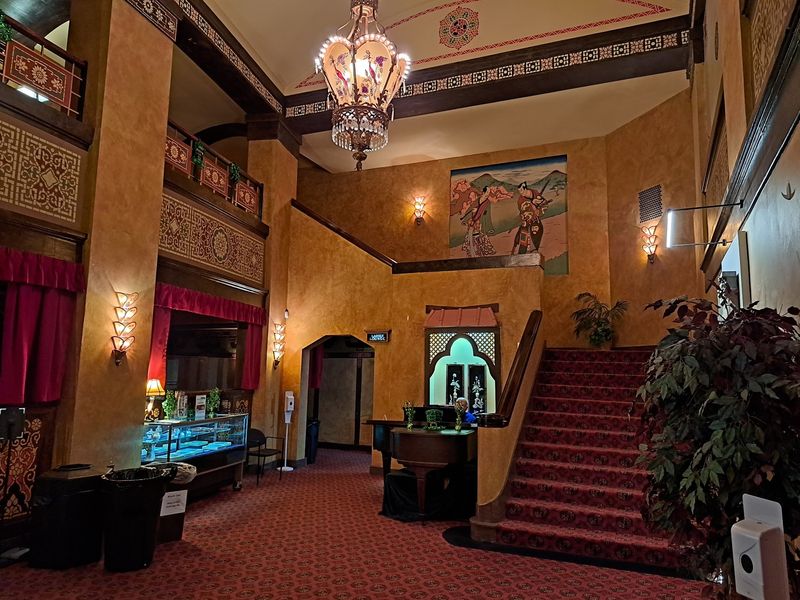
Old Michigan buildings need lots of attention, and restoration here has remained ongoing since 1980.
During 2002 and 2003, volunteers tackled a giant project. They replaced the main-floor and lower-balcony seating with roughly 1,200 reproduction seats inspired by the 1928 originals.
Floors were resurfaced, and new electrical service went in at the same time. State and federal grants helped support that major phase of work.
The remainder of the auditorium seating was replaced in 2013, along with carpeting and new flooring near the concession area.
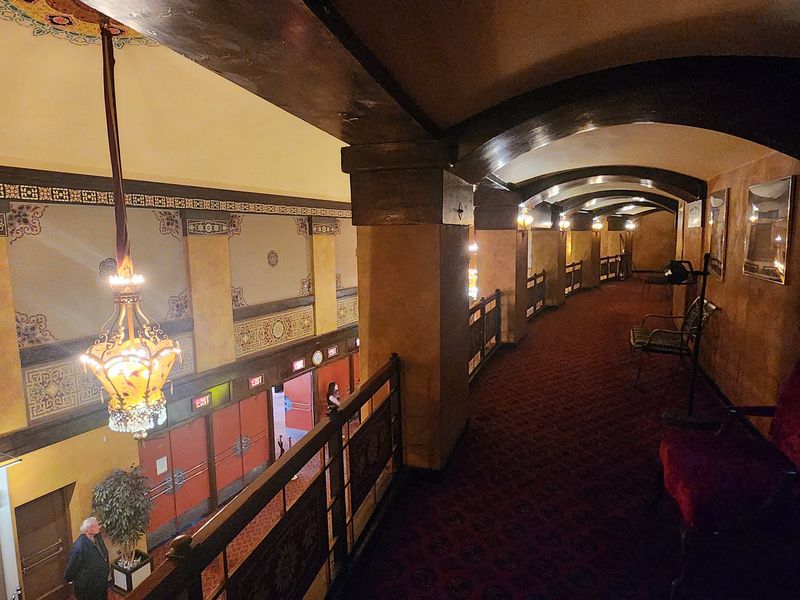
The outer lobby received its own makeover beginning in 2005. Crews uncovered original architectural features hidden behind later paneling and dropped ceilings.
Plenty of work happens where guests rarely look. Furnaces, the roof, carpeting, electrical systems, and parking areas have all received attention over the years.
The original 1928 house-lighting controls eventually retired too. A computerized lighting system took over their job.
Historic windows are part of the current preservation effort. A 2026 grant-funded project targets 28 original steel-frame windows for rehabilitation.
That project also includes a three-day training workshop focused on traditional steel-window repair techniques.
Festivals, Ballets, And Candlelit Nights
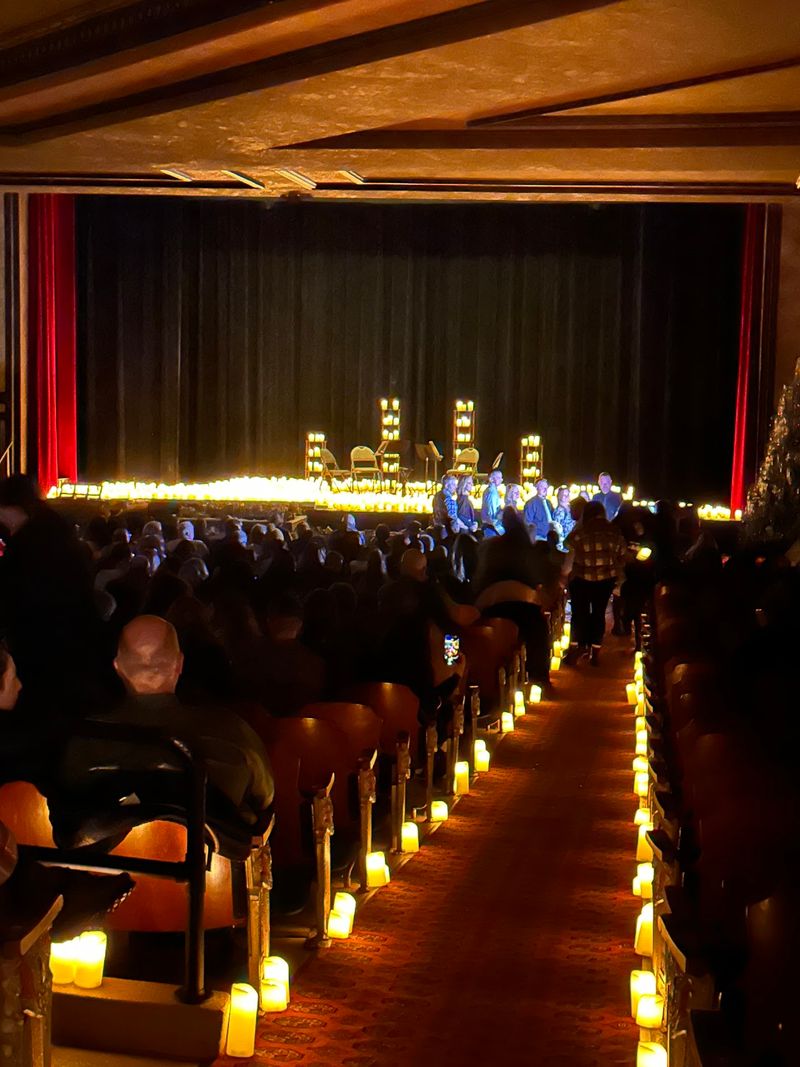
Movies are only part of the calendar. The theater regularly mixes film programming with live and special events.
A classic movie series remains central to the schedule, with screenings generally spread across Fridays, Saturdays, and selected Sundays.
The Three Stooges Festival returned in 2026 with a program of vintage comedy shorts.
Silent-film presentations preserve another part of the theater’s original purpose, pairing movies from the silent era with live Barton organ accompaniment.
Film festivals also remain part of the schedule. NOIR CITY Detroit returned in September 2026 with multiple classic crime films, including several shown in 35mm.
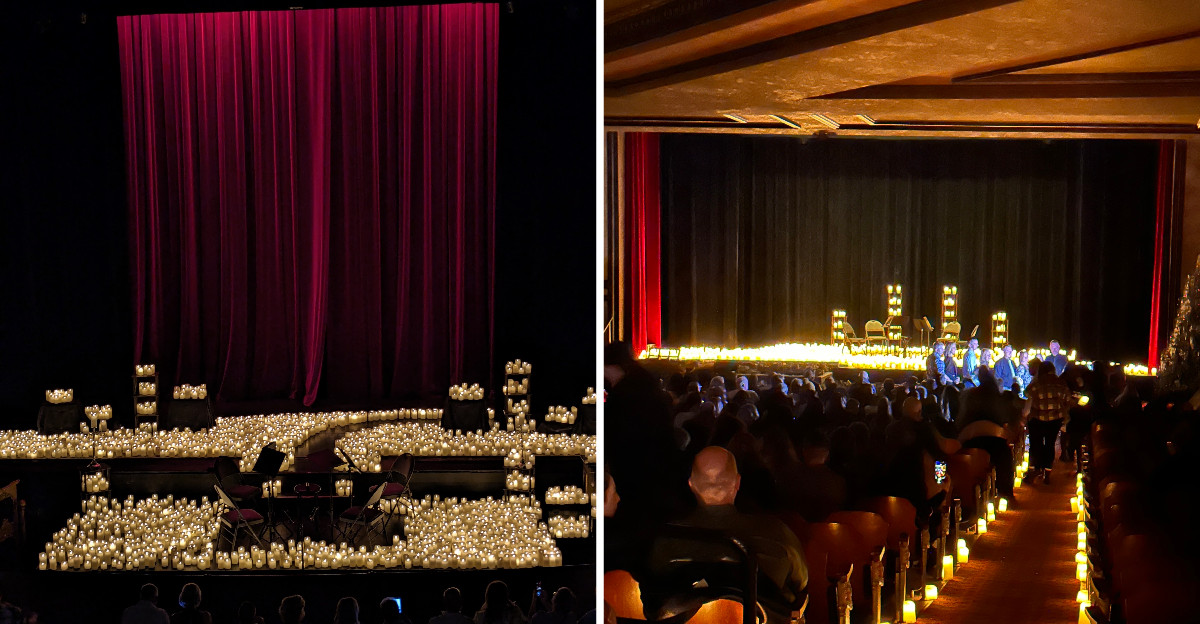
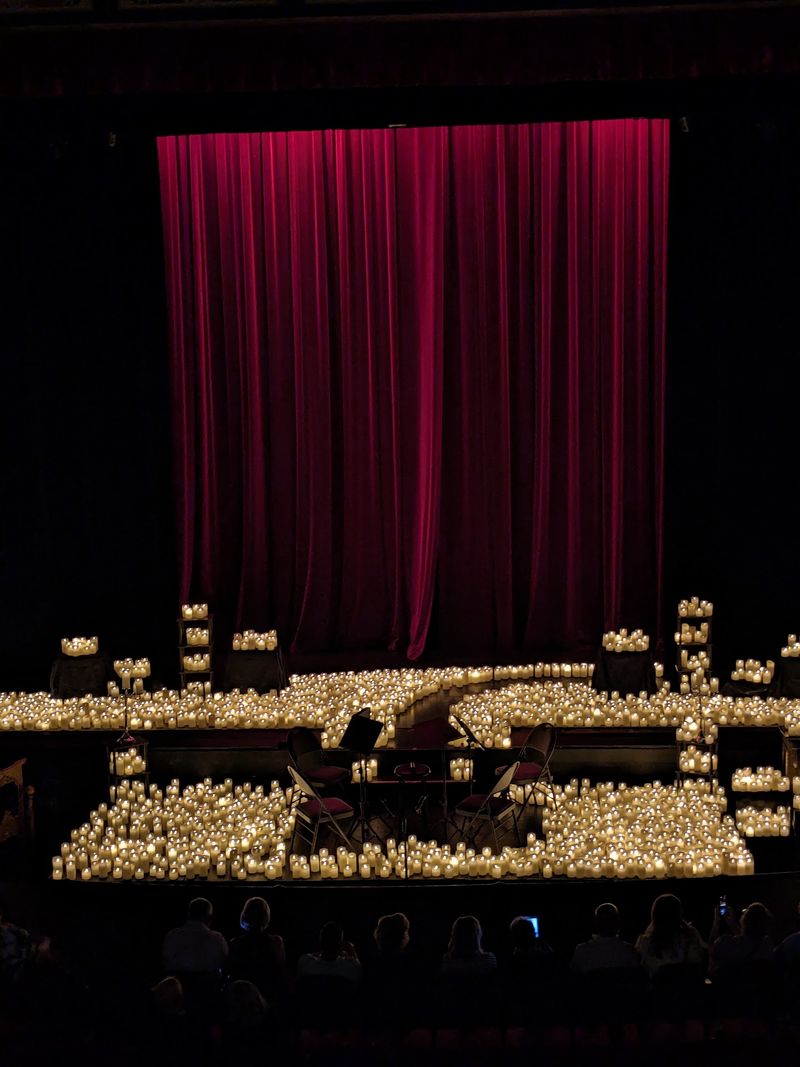
Live performances fill the stage too. Ballet, dance programs, organ concerts, comedy, theatrical productions, and candlelight concerts have all used the auditorium.
The building is available for private events as well. Weddings, graduations, reunions, business events, and other gatherings can use the historic space.
Special film events sometimes add live music, themed activities, guest discussions, or performances before or during the screening.
The theatre also keeps its long tradition of classic and vintage screenings while mixing in newer titles.
Smart Tips Before Showtime
A little planning goes a long way here. Event details can vary, but several routines remain consistent.
The doors and box office typically open one hour before each event. For the classic film series, an organ overture generally begins thirty minutes before the movie.
Arriving before the posted film time leaves room to park, visit concessions, find a seat, and hear the Barton.
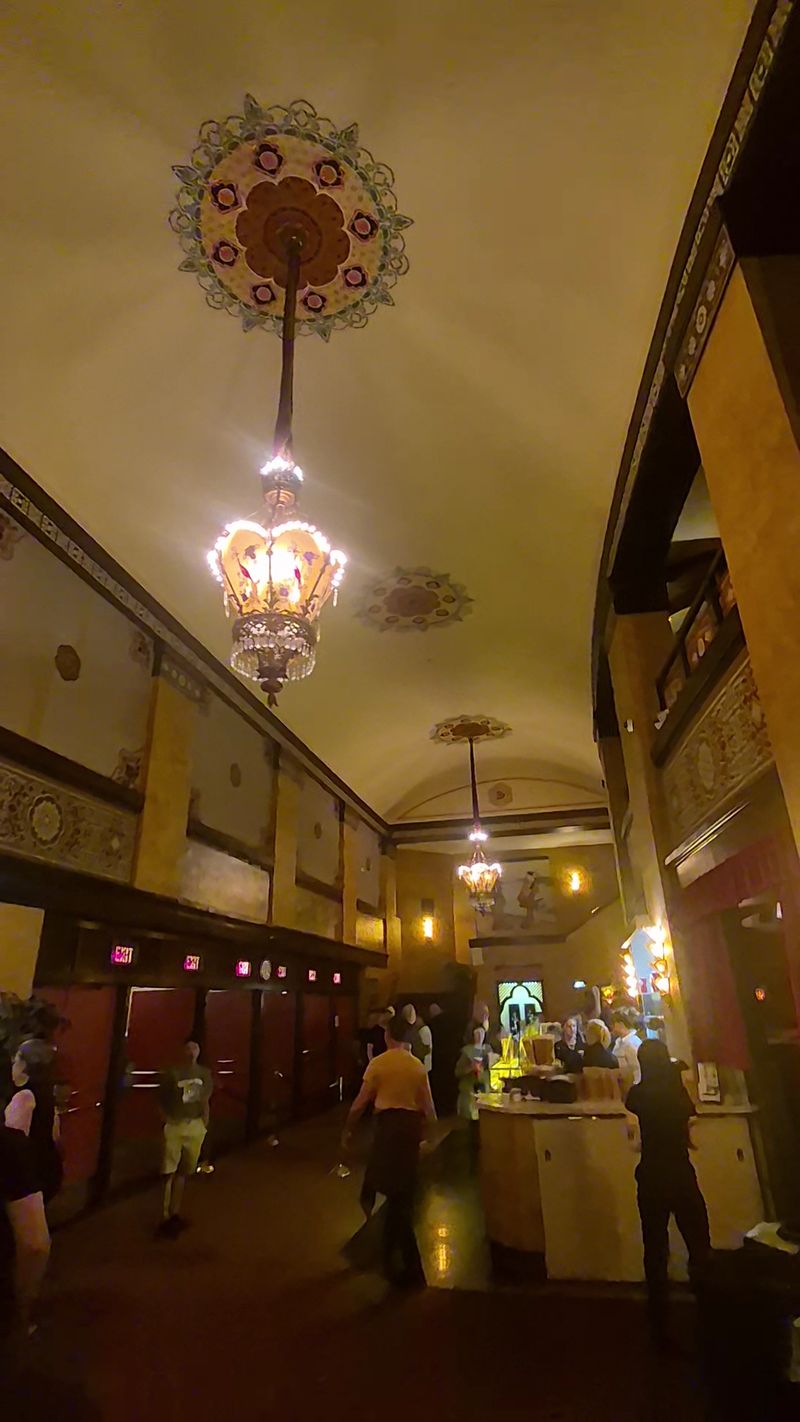
The concession counter offers more than 50 kinds of treats. The popcorn comes with real butter.
Cash remains the recommended option at concessions, so having some available can keep the stop simple.
Tickets can be purchased online or at the box office before an event.
Ticket sales are final, with no refunds or exchanges, so checking the date and showtime before purchasing matters.
The auditorium can hold about 1,610 guests, including 17 wheelchair-accessible spaces. The theater does not have an elevator between the main floor and balcony.
Parking is available in theater lots and nearby designated areas. Signs and attendants help direct drivers during events.
A visit combines elements that have survived since 1928 with equipment and programming that continue to evolve.