This Nebraska Festival Sends More Than 50 Colorful Balloons Floating Across The Western Sky This August
There are not many mornings worth setting an alarm for before sunrise. Watching dozens of hot air balloons lift off together is one of them.
The first glow comes from the burners. Then the envelopes begin to rise, colors spread across the field, and what looked like a quiet stretch of open ground turns into a skyline full of floating giants.
Cameras come out, conversations pause, and everyone instinctively looks up.
Western Nebraska gets an unforgettable splash of color each August when balloon crews from around the region gather for this long-running celebration.
Beyond the launches, the festival packs the schedule with evening balloon glows, food vendors, family activities, and live entertainment.
Weather always has the final say, which only makes a successful launch feel more special.
How many balloons can you spot before they drift beyond the horizon?
By the time the last one becomes a tiny dot against the morning sky, the day already feels like it started with something extraordinary.
The Festival Returns In August 2026
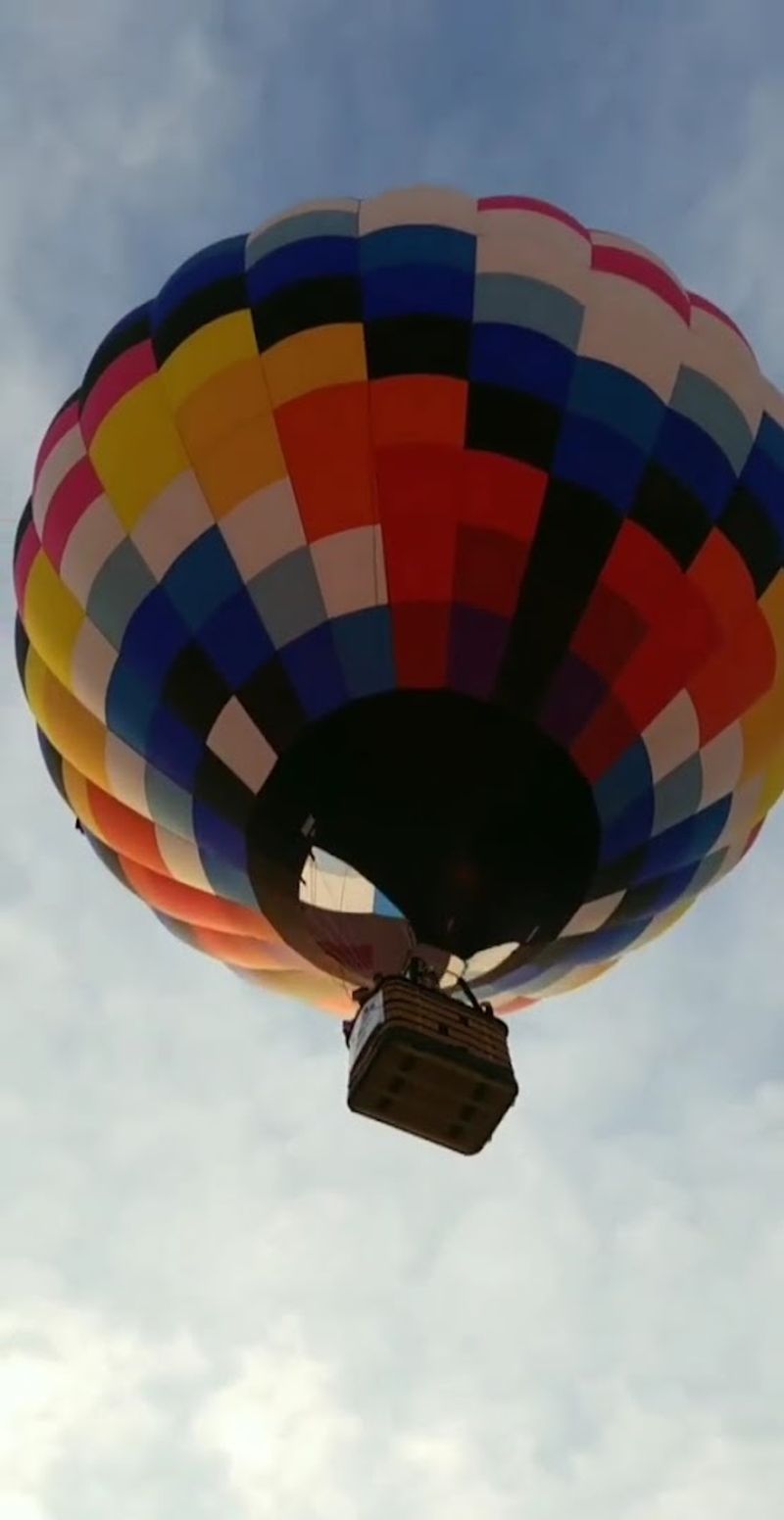
Marking its 12th anniversary since being revived in 2015, the Old West Balloon Fest is returning to western Nebraska with a full week of events from August 10 through 16, 2026.
The festival originally had roots in the regional balloon gatherings of the 1980s, and its modern revival has grown steadily into one of the most anticipated summer events in the Panhandle region.
Most of the major public activities are concentrated toward the end of the week.
Mitchell Airfield, located at 60653 Mitchell South Road in Mitchell, Nebraska, serves as the primary hub for launches, competitions, the craft fair, and evening entertainment.
Arriving with a flexible mindset helps, since weather plays a significant role in how the schedule unfolds each day.
Planning to stay for at least two or three days gives visitors the best chance of catching both morning ascensions and an evening glow without feeling rushed.
The festival has maintained a community-centered atmosphere even as it has grown in scale and national recognition.
Pilots from well beyond Nebraska travel to compete and fly here, yet the event still carries the relaxed, friendly energy of a hometown summer celebration that locals genuinely look forward to each year.
Sunrise Brings The Most Spectacular Launches
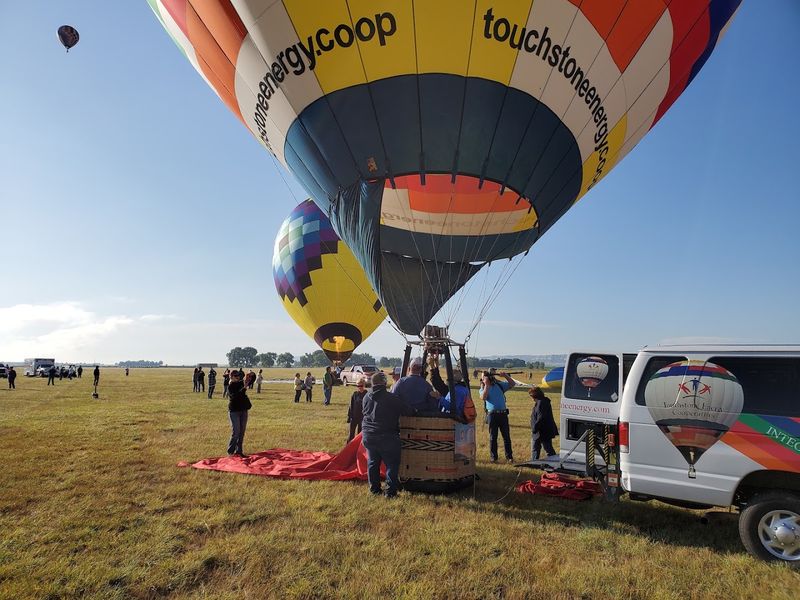
The alarm goes off before most people would ever choose to wake up on a vacation morning, but the reward waiting at the airfield makes the sacrifice feel completely worthwhile.
Gates for the morning mass ascensions are scheduled to open at 5:30 a.m., with balloon launches typically beginning shortly after sunrise when wind and visibility conditions are suitable for safe flight.
Watching the sky shift from dark purple to orange while enormous envelopes slowly fill with air is an experience that tends to stay with people long after they drive home.
Pilots and ground crews begin their preparation well before the first balloon leaves the ground, so arriving at gate opening allows spectators to observe the entire inflation process up close.
Surface winds above 7 to 8 miles per hour can delay or prevent launches, which means early morning hours with calm air are genuinely the most favorable window for flying. No two mornings look exactly alike out here.
The quality of light during a prairie sunrise adds something to the scene that photographs rarely capture fully.
Balloons glow with reflected color as they climb, and the quiet of early morning makes the sound of the burners surprisingly dramatic against the stillness of the open field.
More Than 50 Balloons Can Fill The Sky
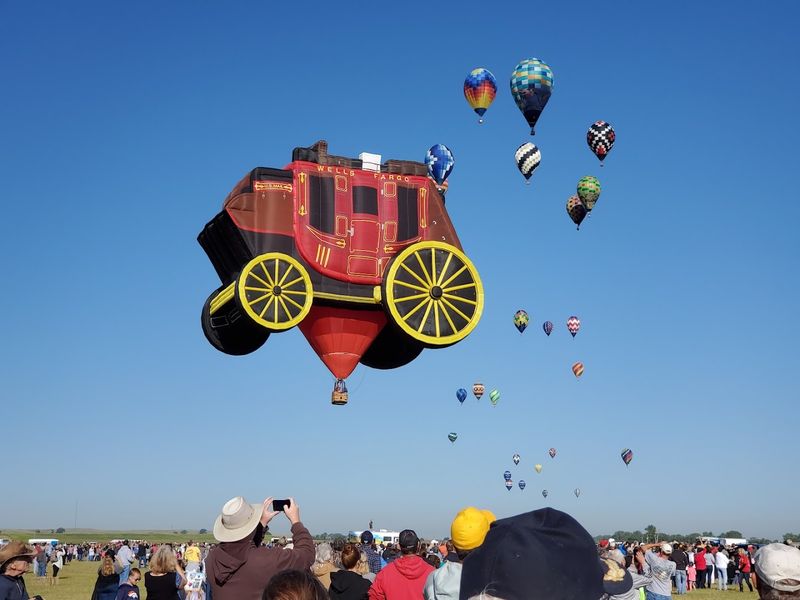
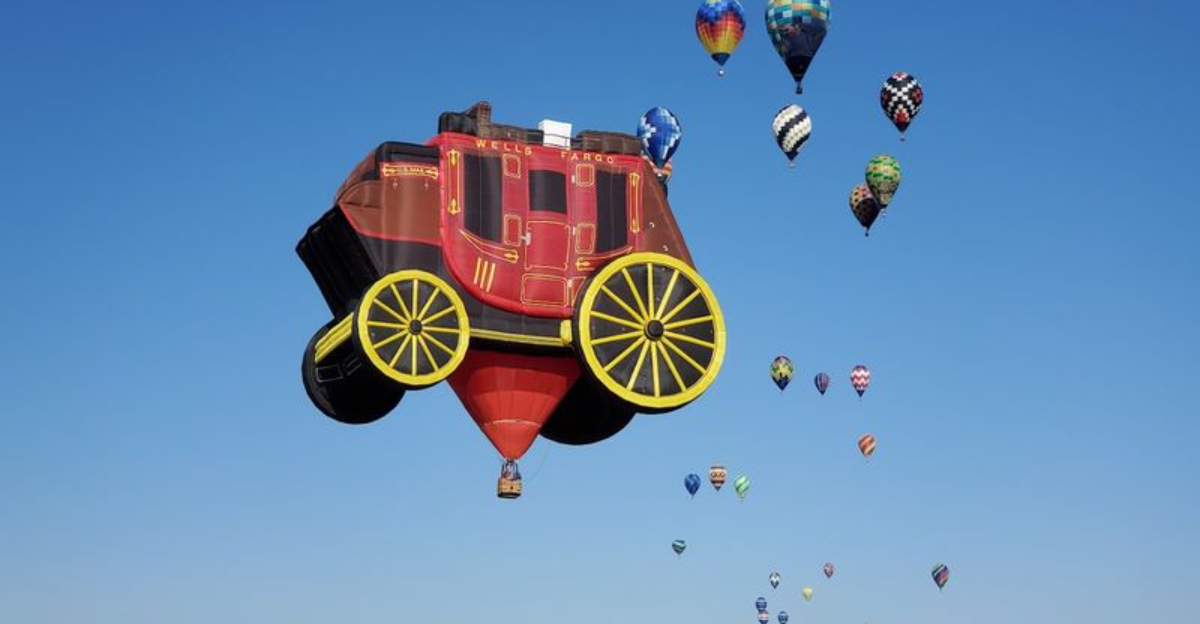
Seeing a single hot air balloon drift overhead is already a striking sight, but watching more than 50 of them rise together from the same field pushes the experience into an entirely different category.
The festival welcomes a large collection of pilots whose aircraft feature everything from bold checkerboard patterns and vivid stripes to specialty shapes and custom artwork that turn the sky into something resembling a moving gallery.
The sheer variety of designs means that no matter where a visitor stands on the field, there is always something new and visually interesting directly overhead or on the horizon.
Some balloons drift close enough that the heat from the burners is briefly noticeable, while others climb high and shrink to bright dots against the blue.
The open prairie setting removes any visual clutter that a city or wooded landscape would introduce.
Western Nebraska’s wide airspace allows the balloons to spread out naturally as they climb, creating a panoramic display rather than a clustered one.
Photographers and casual observers alike tend to find that no single vantage point captures everything, which makes wandering the field an active and rewarding way to spend the morning hours.
National-Level Pilots Compete Here
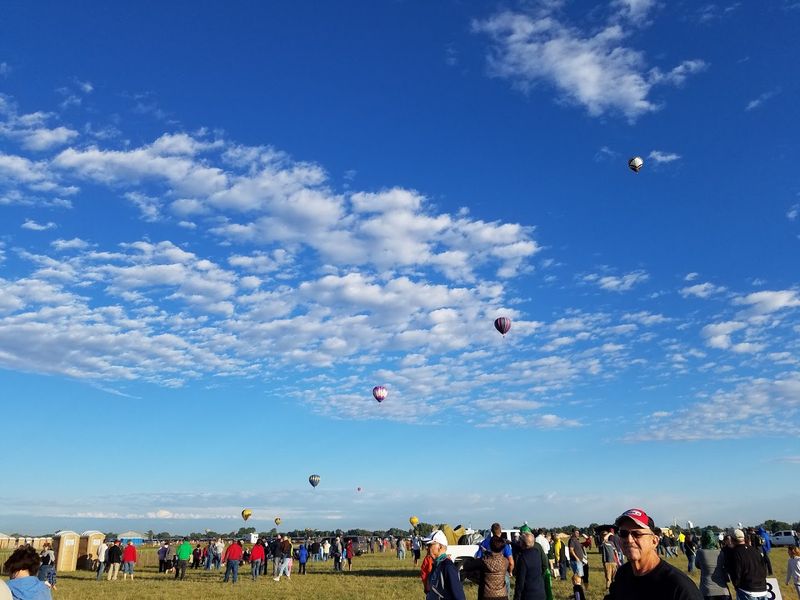
Beyond the visual spectacle, the Old West Balloon Fest carries genuine competitive weight.
Scotts Bluff County is scheduled to host the BFA U.S. National Hot Air Balloon Championship from 2026 through 2028, meaning the pilots arriving here are not simply enjoying a scenic float across the countryside.
They are executing precision flying tasks that require careful control, accurate navigation, and strategic timing across multiple competition flights.
Tasks during the championship involve flying toward specific targets, dropping markers with accuracy, and navigating designated courses where scoring zones reward precision over speed.
The wind-driven nature of hot air ballooning means pilots must read atmospheric conditions with a high level of skill, making small adjustments to altitude in order to catch favorable air currents that guide them toward their objectives.
Watching a competition flight with this context in mind adds a layer of appreciation that casual observers might otherwise miss.
Competition flights happen alongside the public mass ascensions, so spectators often get to see both the coordinated group launches and the more focused individual performance flights during the same morning.
Checking the official festival schedule ahead of time helps visitors understand when and where specific competition events are taking place so nothing gets missed.
The Mass Ascension Is The Essential Experience
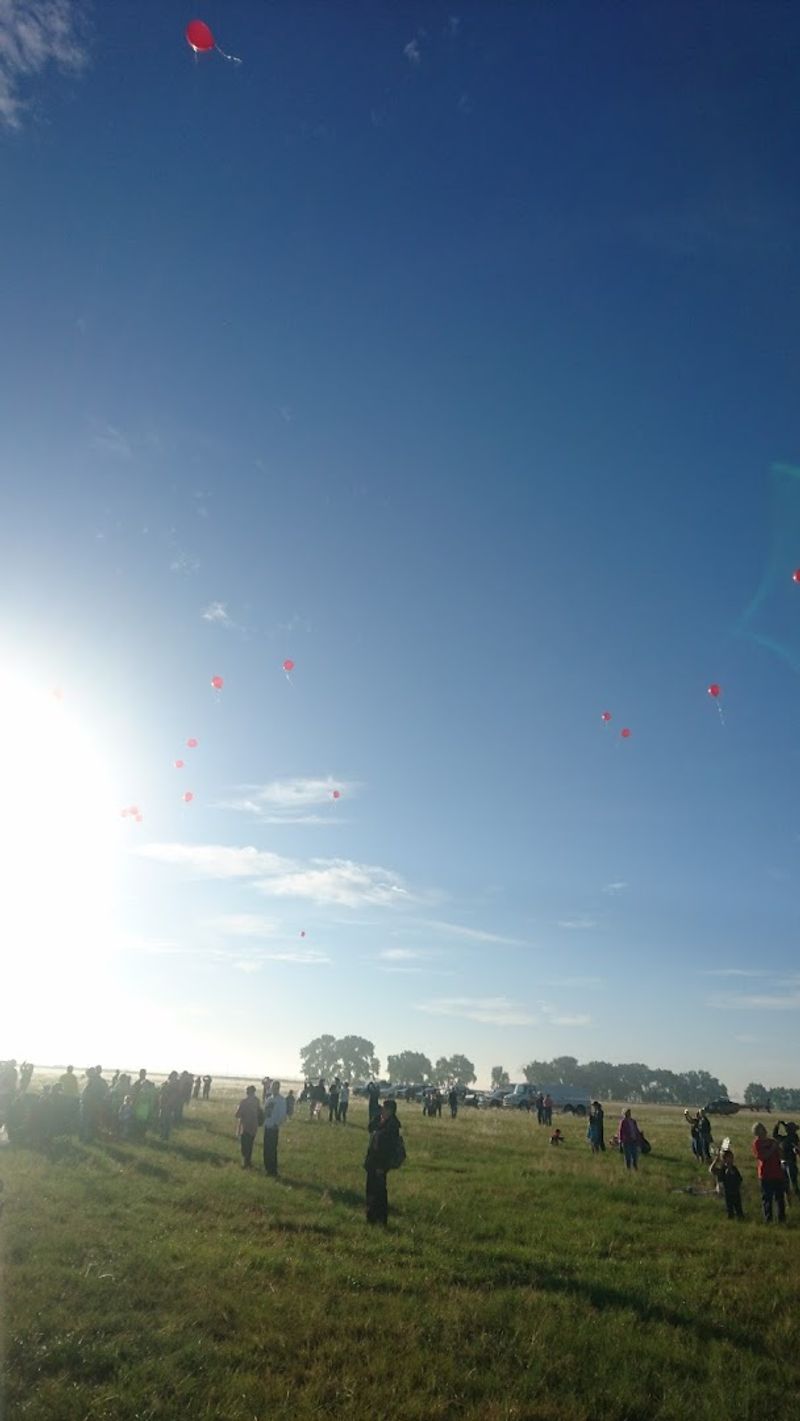
Among all the events packed into the festival week, the morning mass ascensions stand apart as the experience most visitors remember longest.
Balloon crews work together across the field to inflate their envelopes simultaneously, filling the air with the roar of burners and the slow, dramatic rise of dozens of enormous aircraft preparing to leave the ground together.
The organized chaos of a busy launch site, with ground crews holding tethers and pilots monitoring their instruments, gives the scene an energy that is hard to describe without having stood inside it.
Spectators at Mitchell Airfield are often able to walk among the balloons during inflation, getting close enough to feel the warmth radiating from the burners and to appreciate just how large these aircraft actually are when viewed from ground level.
Once the launches begin, the crowd naturally shifts attention upward as the balloons rise and begin drifting over the North Platte River Valley in the distance.
The whole sequence from inflation to liftoff can unfold over the course of an hour or more depending on how many balloons are participating.
Bringing a wide-angle camera lens or simply using a phone camera in landscape orientation tends to capture the scale of the scene better than zooming in on individual balloons during the launch phase.
An Evening Balloon Glow Lights Up The Field
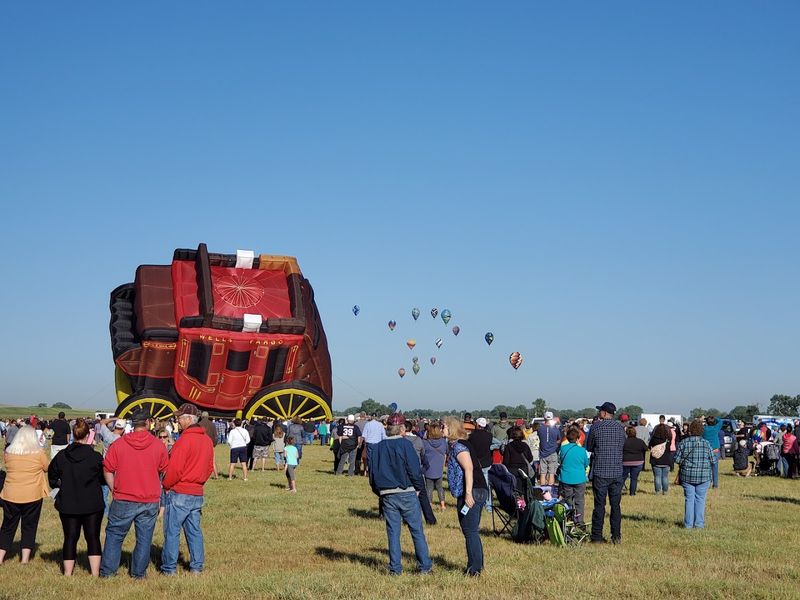
Daytime launches are breathtaking, but the evening balloon glows offer something quieter and arguably more magical.
After sunset, pilots keep their balloons tethered to the ground while firing the burners in coordinated bursts, causing the envelopes to light up from within like enormous paper lanterns scattered across a darkened field.
The effect is particularly striking when multiple balloons glow simultaneously, turning the airfield into a softly illuminated scene that feels completely different from anything happening earlier in the day.
For 2026, a public welcome-back glow is planned at Western Nebraska Community College in Scottsbluff on August 13, running from 5:30 p.m. to 9:30 p.m. and also celebrating the college’s 100th anniversary.
A second night glow featuring music and food trucks is scheduled for August 15 at Mitchell Airfield, giving attendees two separate opportunities to experience this particular kind of evening entertainment during the festival week.
Evening glows are still subject to weather conditions, so checking official updates before heading out is always a good idea.
Bug spray is genuinely useful for the outdoor evening events, and arriving before the scheduled start time helps secure a comfortable viewing spot before the crowd fills in around the field.
The Prairie Landscape Makes The Views Even Better
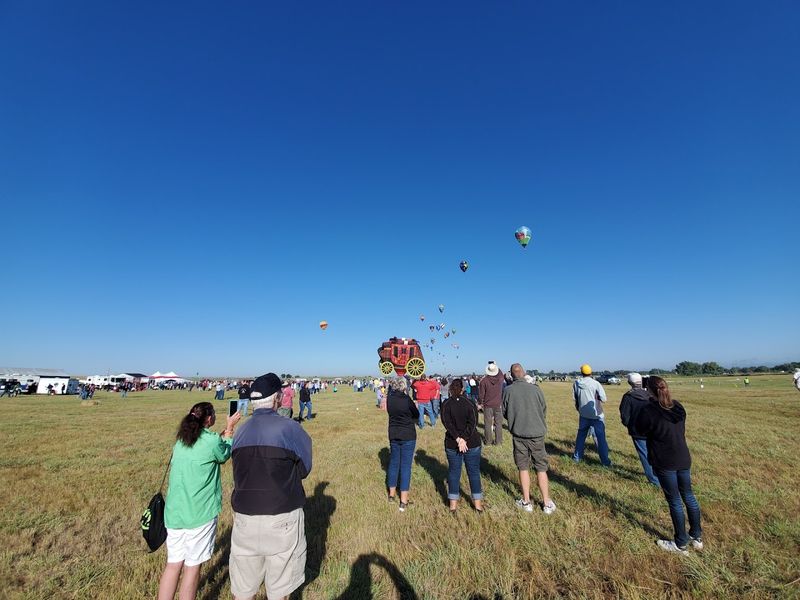
Few balloon festivals anywhere in the country can claim a backdrop quite like the one surrounding Mitchell, Nebraska.
Balloons rise above patchwork farmland and the winding corridor of the North Platte River Valley while the distinctive sandstone formations of Scotts Bluff National Monument loom on the horizon.
The combination of wide-open airspace and layered western landscape creates a visual experience that feels genuinely cinematic without any effort from the viewer.
The lack of tall buildings, dense tree lines, or other obstructions means balloons remain visible from almost any point on the festival grounds for the full duration of their flight.
On clear mornings, some balloons can be tracked by eye for a considerable distance after liftoff, drifting slowly across a sky that seems larger here than it does almost anywhere else.
Early light catches the colors of the envelopes in a way that midday sunshine does not, which is another reason the sunrise timing of the launches matters so much to the overall experience.
Even visitors who have attended other balloon festivals often note that the western Nebraska setting brings something distinctive to the atmosphere, partly because the landscape itself tells a story that connects to the history of the region.
Weather Controls Every Balloon Flight
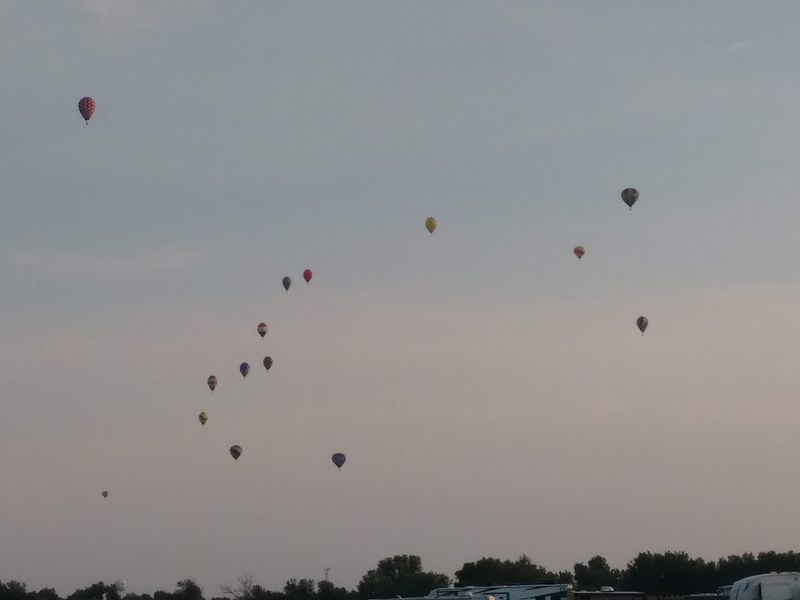
Hot air ballooning is fundamentally a weather-dependent activity, and the Old West Balloon Fest operates within those real-world constraints without exception.
Surface winds above approximately 7 to 8 miles per hour can make launching unsafe, and poor visibility or unstable atmospheric conditions will ground the fleet regardless of what the printed schedule says.
Launches, competition flights, and evening glows can all be delayed, modified, or canceled entirely based on conditions that develop in the hours before each event.
Pilots and festival organizers hold weather briefings each morning and evening before scheduled events, and decisions about whether flying will proceed are made at those briefings rather than in advance.
Following the festival’s official Facebook page and tuning to Rural Radio 94.1 are two of the most reliable ways to get real-time updates during the event week.
Treating the published schedule as a general guide rather than a firm guarantee makes the experience considerably less stressful when conditions shift unexpectedly.
Building flexibility into travel plans pays off significantly at events like this one.
Visitors who commit to staying for multiple days rather than arriving for a single morning have a much better chance of witnessing at least one successful mass ascension, since conditions often improve after an initially unfavorable start to the week.