This Nebraska Observatory Still Opens Its Telescopes To The Public On Clear Saturday Nights, And Looking Costs Nothing
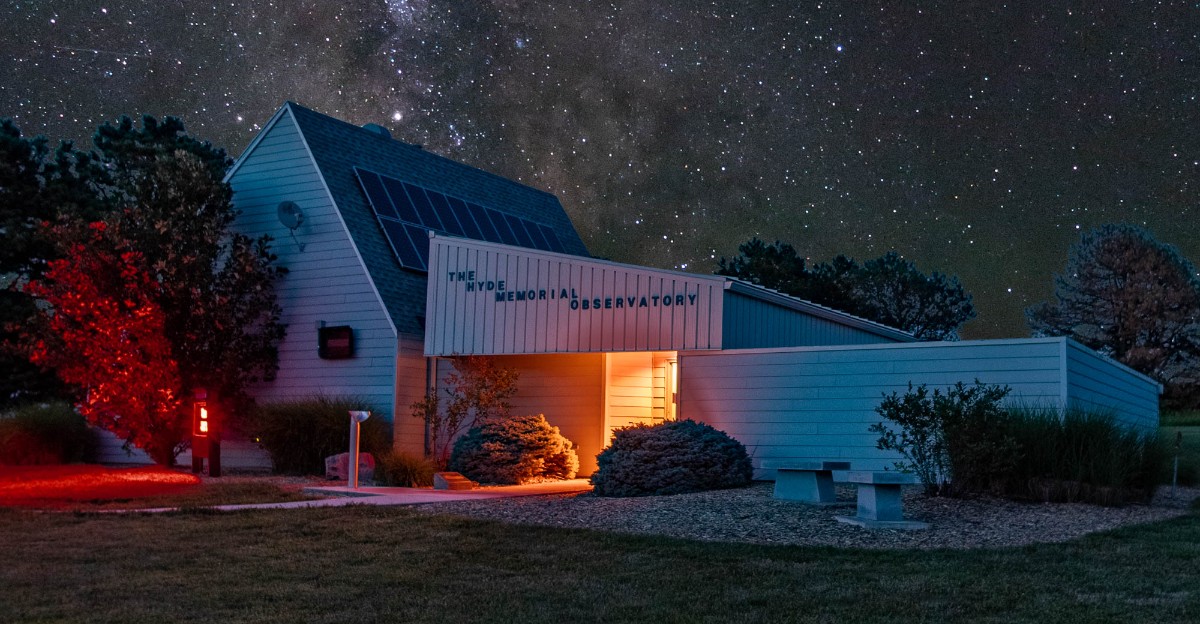
Saturn’s rings, a lakeside parking lot, and zero admission on a Saturday night. That’s the whole pitch, and I think it’s a great one.
Volunteers set up telescopes for anyone who shows up when the sky cooperates. You don’t need a ticket, a class, or a science degree.
You only need a clear evening and a little patience while you wait your turn at the eyepiece.
I like how simple the whole thing is. The moon stops being a flat white circle and turns into a rugged, cratered landscape.
Galaxies stop being textbook pictures and become faint smudges of real, ancient light.
This Nebraska observatory has been sharing the night sky since the late 1970s. It still asks nothing from you except curiosity.
So when was the last time you saw another planet with your own eyes?
A Free Window On The Universe Sits Right Beside A City Lake
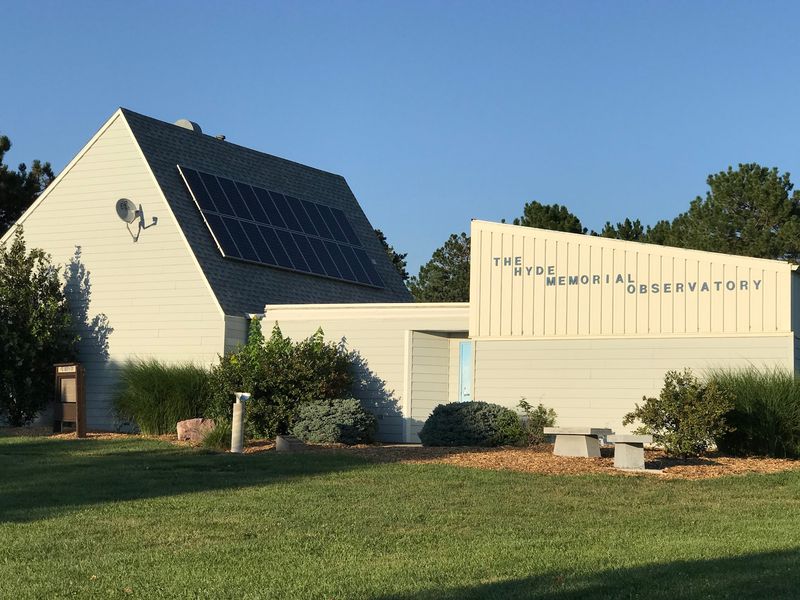
Hyde Observatory at Holmes Park sits on the edge of Holmes Lake in Lincoln. It’s a public observatory, built for regular people who want to look up and actually see something.
The setup is refreshingly direct. On scheduled Saturday evenings, telescopes come out and the public gets a turn at the eyepiece.
Admission is free. Not discounted, not free with a membership, just free.
That matters more than it sounds. Plenty of families skip science outings because the costs add up fast before anyone even parks.
Here, the night sky is the main attraction, and the sky doesn’t charge. The observatory leans into that idea with telescopes, short films, and people ready to explain what you’re seeing.
The location helps too. You’re in a city park, not on a remote ranch road, so getting here takes minutes for most of Lincoln.
Holmes Lake adds a calm backdrop to the whole evening. Water, open sky, and a building dedicated to stars make a tidy little combination.
Nebraska may be famous for its wide horizons. This spot simply hands you a closer look at what sits above them.
Nearly Five Decades Of Sharing The Sky With Lincoln
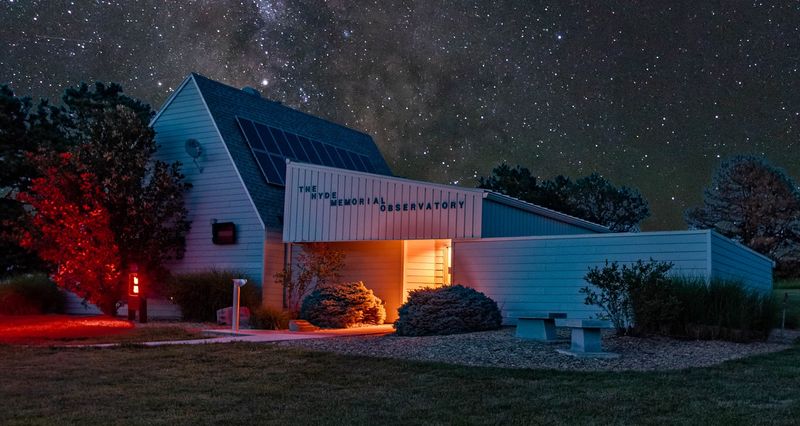
The observatory opened in 1977, which makes it a fixture for more than one generation of Lincoln stargazers. Some kids who first peeked through its telescopes now bring kids of their own.
That kind of staying power is rare for a free attraction. It says a lot about the people who keep the doors open week after week.
The goal from the start was public viewing. Instead of locking telescopes behind university research schedules, the place invites the whole community to share them.
Over the years, the equipment has changed. An original 8-inch reflector eventually gave way to newer instruments with more reach.
The mission hasn’t really moved, though. Point the telescopes at something remarkable, then let people see it for themselves.
I love that simplicity. In a world of screens and space photos, a live view through glass still feels like a small miracle.
It also gives Nebraskans a homegrown connection to astronomy. You don’t have to travel to a famous mountaintop observatory to see Saturn’s rings.
You just head to Holmes Lake on a Saturday night. Lincoln has been doing exactly that since the late 1970s.
Saturn, The Moon, And Andromeda Can Share One Evening
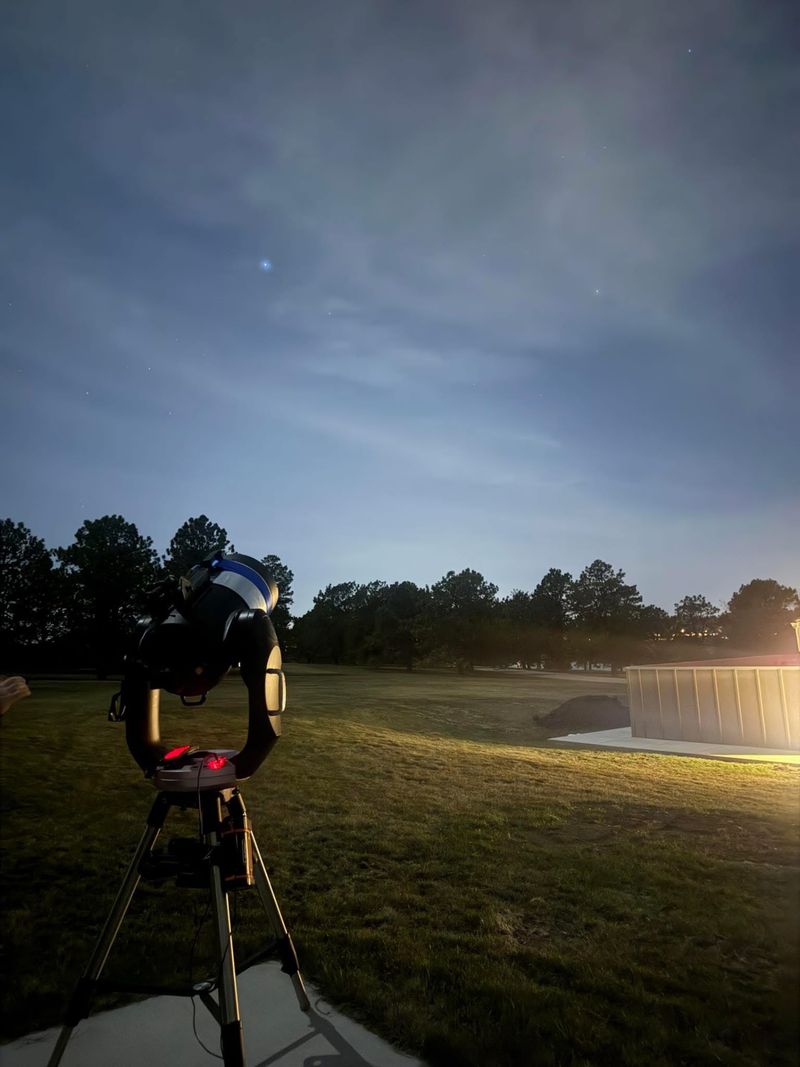
Three telescopes in one courtyard is a generous lineup for a free night out. On clear Saturdays, volunteers often set them up outside so visitors can move between them.
Each one may be aimed at something different. One evening could offer the moon, Saturn, and the Andromeda Galaxy in a single visit.
The moon is usually the crowd-pleaser. Craters and shadows along its edge look surprisingly sharp through a good eyepiece.
Saturn is the showstopper. Those rings look almost too neat to be real, like someone drew them on with a compass.
Andromeda is quieter but just as wild. That faint glow is an entire galaxy, sending light that left it millions of years ago.
Jupiter shows up on the schedule when it’s well placed in the sky. Its bands and bright little moons can be a treat even through light clouds.
What you see depends on the season and the weather. That unpredictability is part of the fun, honestly.
Every Saturday becomes its own small surprise package. The sky decides the menu, and the telescopes serve it up.
Serious Glass Waiting For Curious Eyes
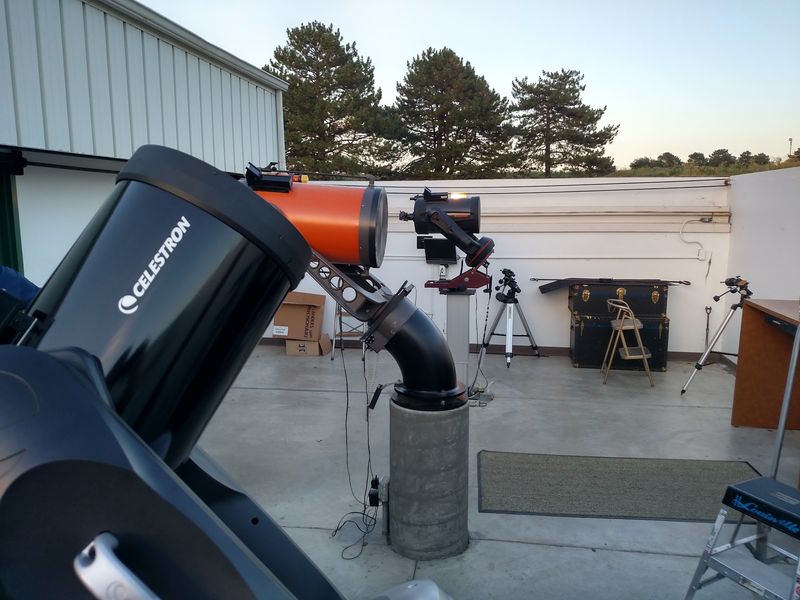
Inches matter in astronomy, and bigger mirrors gather more light. The observatory’s lineup includes a 14-inch Celestron and an 11-inch NexStar.
Those numbers refer to the width of the light-collecting optics. More width means fainter objects become visible and bright ones look crisper.
The 11-inch NexStar replaced the original 8-inch reflector. It’s a nice upgrade story for a place that has been running since 1977.
Telescopes like these aren’t something most households keep in the garage. They’re bulky, pricey, and take skill to aim at the right spot.
That’s the beauty of a public observatory. Someone else handles the alignment, the tracking, and the focusing while you simply lean in and look.
Lighting gets special attention too. Dim red lights help everyone’s eyes stay adjusted to the dark, which is why bright flashlights aren’t welcome.
It’s also a good reason to leave pets at home. Expensive equipment and wagging tails in the dark don’t mix well.
Treat the gear kindly and it rewards you. A gentle touch and a steady eye are all the skills required here.
The Volunteers Make The Stars Feel Approachable
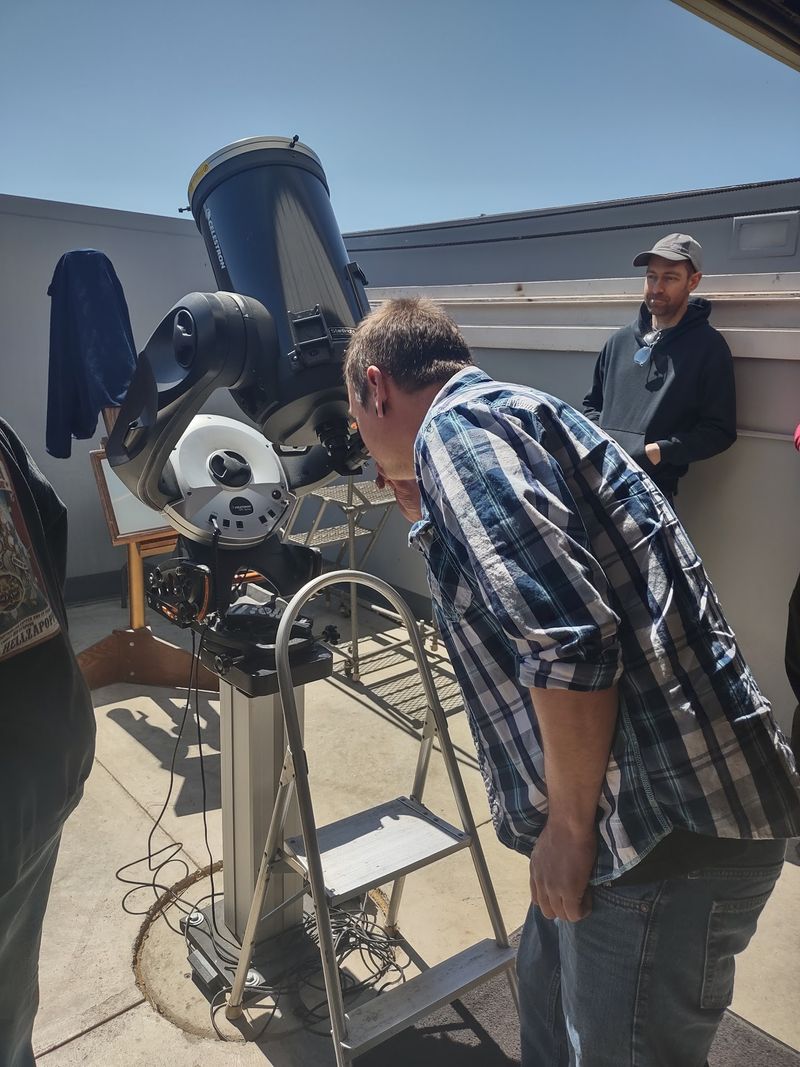
Behind every great view is someone who found it first. At Hyde, that someone is usually a volunteer who gave up a Saturday night to help strangers see space.
Volunteers run the telescopes, answer questions, and explain what’s in the eyepiece. They know their stuff, from planets to galaxies to the basics of how telescopes work.
Sometimes the lesson comes with a simple tool. A pointed beam of light can trace a constellation across the sky in seconds.
That kind of guidance changes the whole evening. A random dot becomes a named star with a story, and the sky starts to feel familiar.
Questions are part of the deal. Ask why Saturn has rings or how far away Andromeda sits, and expect a real answer.
Nobody needs to feel silly asking something basic. The whole operation exists because people wanted to share what they love about the night sky.
That enthusiasm is the secret ingredient. Telescopes show you objects, but people turn those objects into something you remember.
It’s community service with a cosmic twist. Lincoln is lucky to have folks willing to staff the universe every week.
Cloudy Skies Don’t Cancel The Show Inside
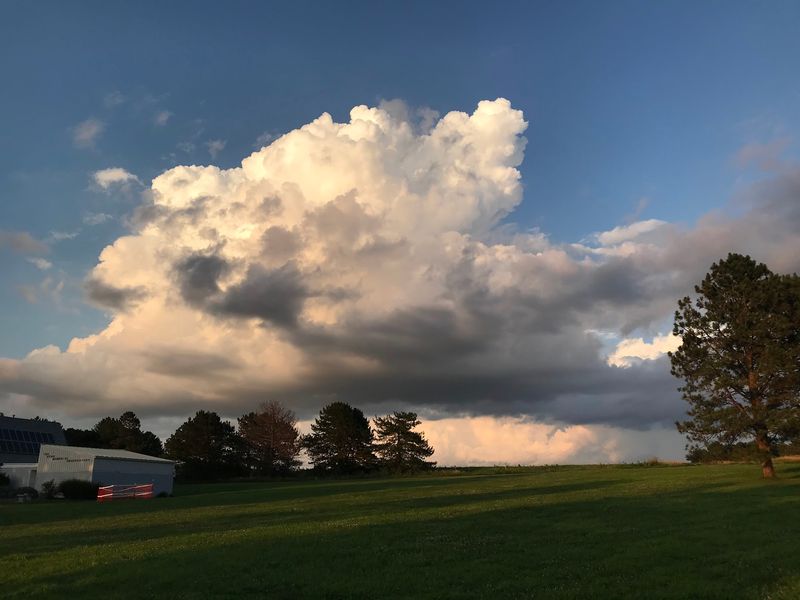
Nebraska weather has opinions. A perfect forecast at noon can turn into a gray blanket by sundown.
The observatory plans for that. Telescopes are weather dependent, so drizzle or heavy clouds keep the delicate equipment covered.
The evening doesn’t fall flat, though. A classroom area shows short space films and hosts talks for visitors who still show up.
Topics can range widely. One night might feature the Cassini mission to Saturn, while another explores a planet or a seasonal sky event.
Volunteers stick around for questions too. A cloudy night can turn into a relaxed astronomy chat with people who really know the subject.
Partly cloudy nights can still surprise you. Gaps in the clouds sometimes open just long enough for Jupiter or Saturn to slip into view.
Checking the forecast before leaving home is smart. A clear sky gives you the full telescope experience, which is the real headline here.
Still, I like that bad weather doesn’t mean a wasted trip. You leave knowing more about space either way, and the stars will wait until next Saturday.
Daylight Belongs To Holmes Lake And Its Trails
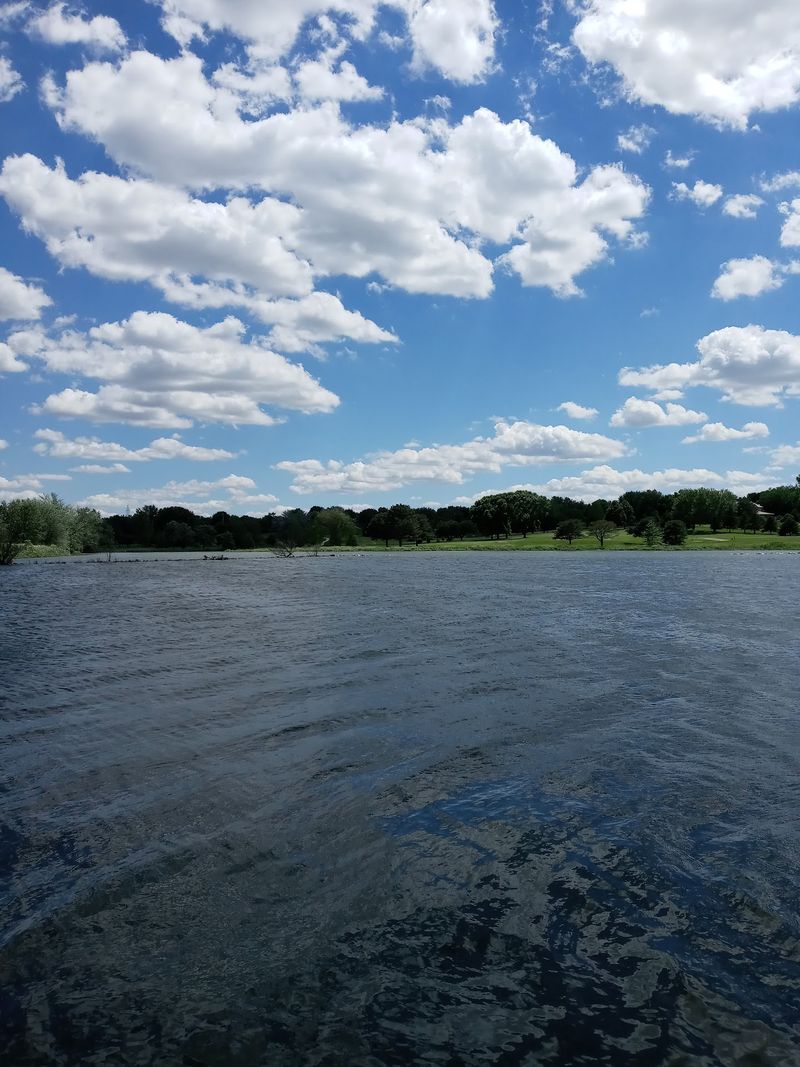
Stargazing happens after dark, but Holmes Park doesn’t sit idle all day. The lake surrounding the observatory gives the area a whole separate personality in daylight.
A dock sits near this part of the park. Fishing at Holmes Lake is a popular pastime, and it pairs nicely with an evening of telescopes.
Walking trails wind through the area too. They offer an easy stroll with lake views and open sky stretching overhead.
Wildlife sometimes makes an appearance along the way. Keep your eyes open and you might spot something interesting near the water.
Mornings and evenings tend to feel calmer around the lake. It’s a good place to slow down before the sun sets.
The park also has a summer bonus. It’s a solid spot for watching Lincoln’s Fourth of July fireworks light up the sky.
Planning a full afternoon makes sense here. Fish or walk while it’s light, grab dinner, and come back once the telescopes roll out.
That turns a short visit into a full Nebraska outing. Lake by day, planets by night, and not much driving in between.
Date Nights, Curious Kids, And First-Time Stargazers All Fit
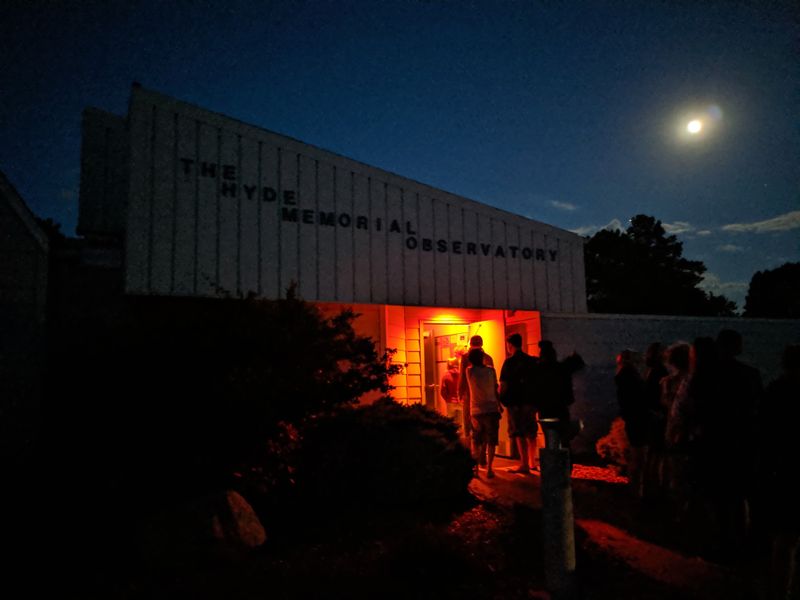
Dinner and a movie is fine. Dinner and Saturn is better.
The observatory makes a clever date night. It’s free, low-key, and offers plenty to talk about on the drive home.
Families fit right in as well. Kids are welcome, and seeing the moon up close can spark a love of science that sticks around for years.
Keep bedtimes in mind, though. Viewing starts after dark, so very young children may be fading by the time the best objects rise.
Older kids and adults usually get the most from the talks. The presentations are pitched for curious minds who like a little detail.
Space fans will feel at home immediately. Casual visitors who barely know a planet from a star still get a fun, easy evening.
The pace is relaxed. You move between telescopes, wait your turn, and drift inside for a film when you want a break.
Winter visits deserve a mention too. Cold Nebraska nights often bring crisp skies, so dress warmly and the views can be striking.
Leave pets at home for this one. The dark courtyard and costly equipment work best without four-legged guests.
Plan Your Saturday Around The Sky, Then Go
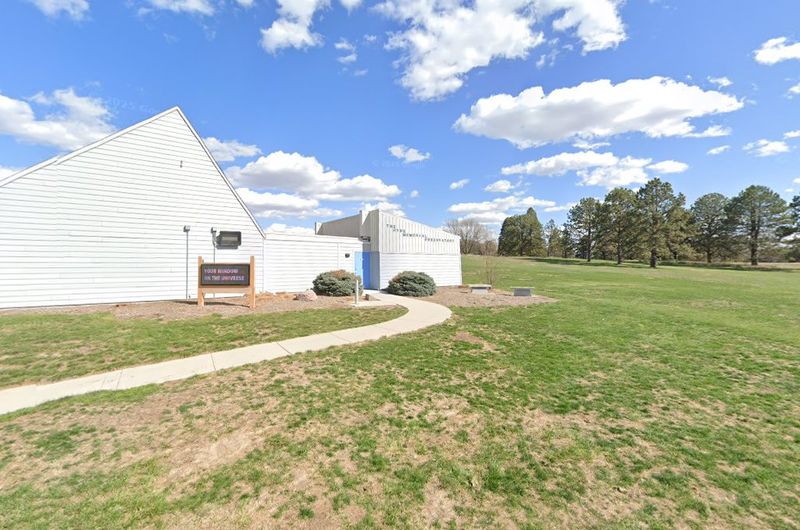
Saturday is the magic word here. Public viewing happens on Saturday evenings, and the rest of the week the observatory stays closed to drop-in visitors.
You’ll find it at 3701 S 70th St, Lincoln, NE 68506, inside Holmes Park. Most of Lincoln can reach it with a quick drive.
Admission is free, which still feels a little unreal. That makes it an easy add-on after dinner or a lake walk.
Check the schedule and forecast before heading out. Clear skies mean telescopes, while cloudy nights shift the focus to films and talks.
Arriving after sunset gives you the best chance at the main event. Planets and the moon need darkness to really shine.
Dress for the weather, since viewing often happens outside. A jacket in spring and fall is a smart move.
Bring patience and questions, and leave the bright flashlight in the car. The volunteers will handle the rest.
My verdict is simple. Hyde Observatory at Holmes Park ranks among the best free evenings in Nebraska, and Saturn has never been easier to visit.