This Nebraska’s Panhandle Leads You To A Fossil Quarry Where 20 Million Year Old Bones Still Sit In The Hill
Fossilized spiral burrows dug by ancient land beavers still twist through a hillside in western Nebraska. Scientists once called them Devil’s Corkscrews, and nobody could explain them at first.
Those corkscrews are only part of the story. Nearby hills gave up complete skeletons of mammals that roamed here around 20 million years ago.
Picture a rhino the size of a pony. Now picture whole herds of them.
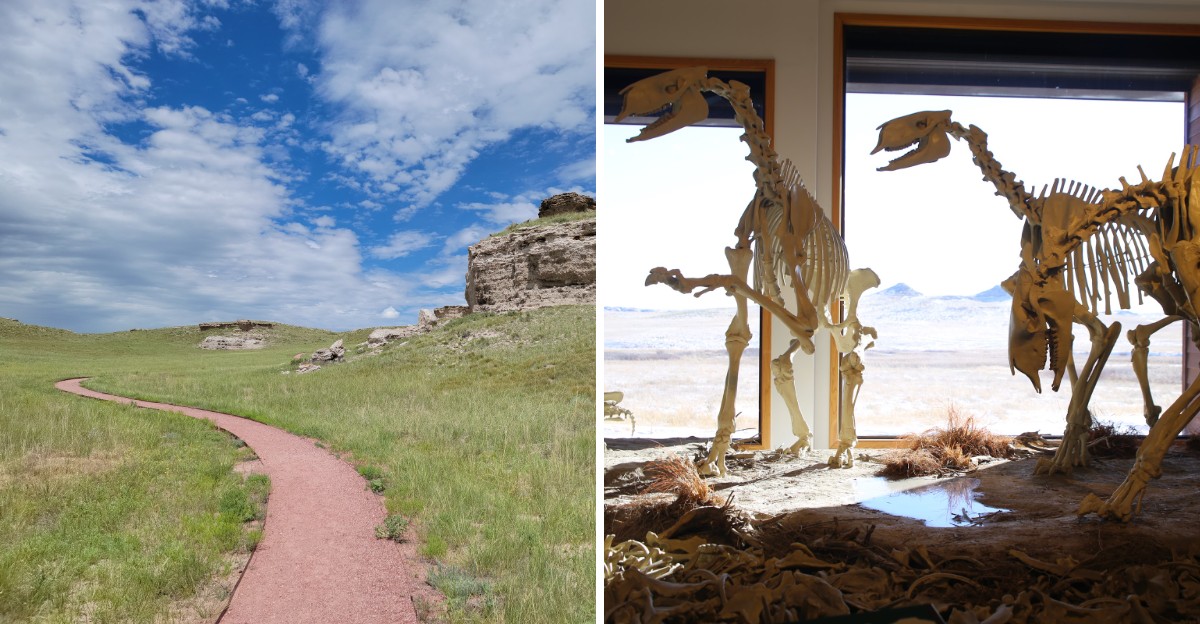
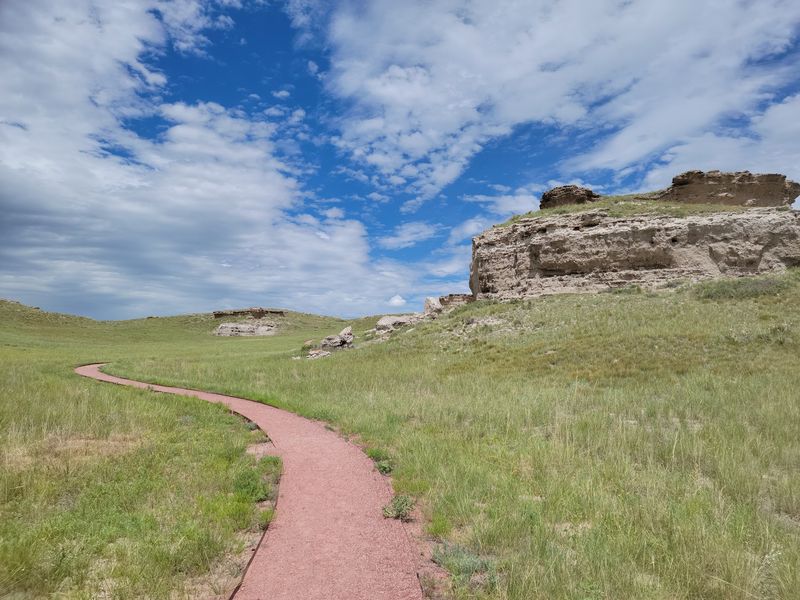
I like how this place refuses to hide its past behind glass alone. You can walk a prairie trail and see fossils resting right where they formed.
The ground itself becomes the museum.
There’s another surprise waiting indoors, too. It involves a rancher, a famous Lakota chief, and a friendship that lasted decades.
How many places can connect deep time and real human history in one afternoon?
A National Monument Built On Bones In The Remote Panhandle
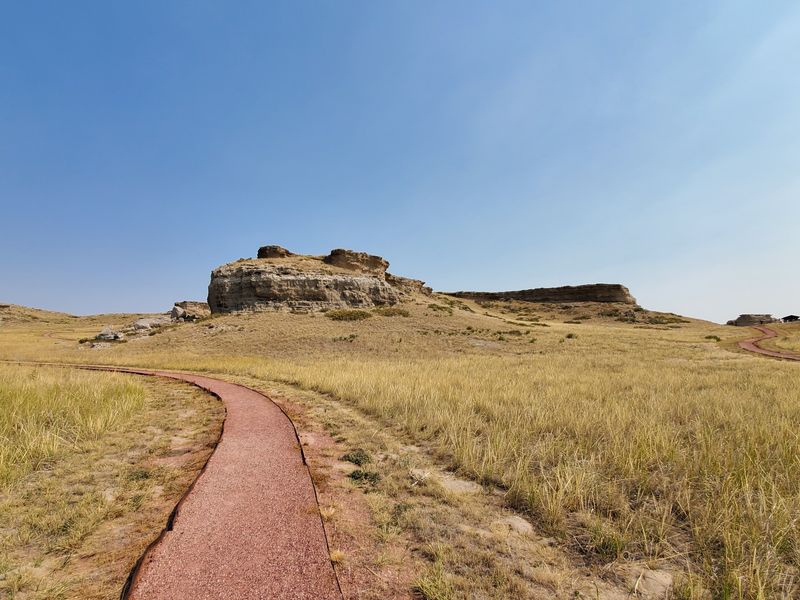
Out in Sioux County, far from any busy highway, sits Agate Fossil Beds National Monument. The National Park Service protects it as one of the richest windows into the Age of Mammals anywhere in North America.
Most fossil parks lean on dinosaurs to pull people in. Agate goes a different direction, focusing on Miocene mammals that lived roughly 20 million years ago, long after the dinosaurs were gone.
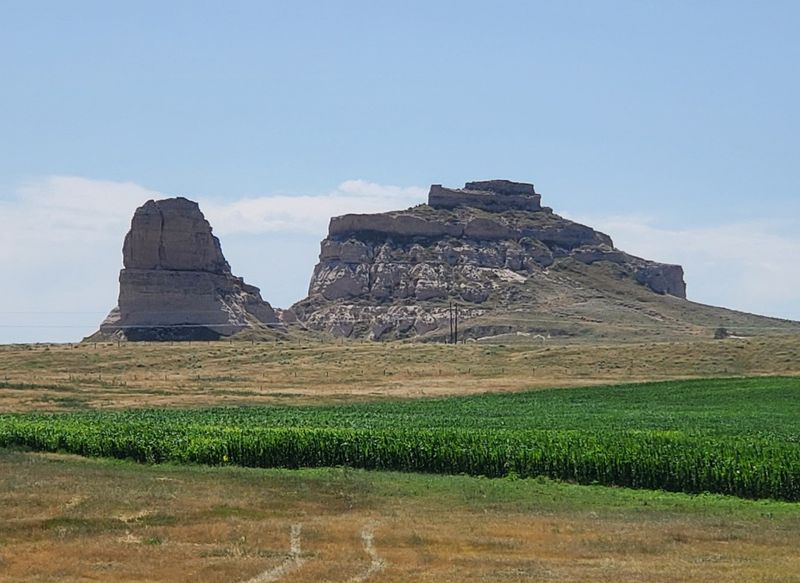
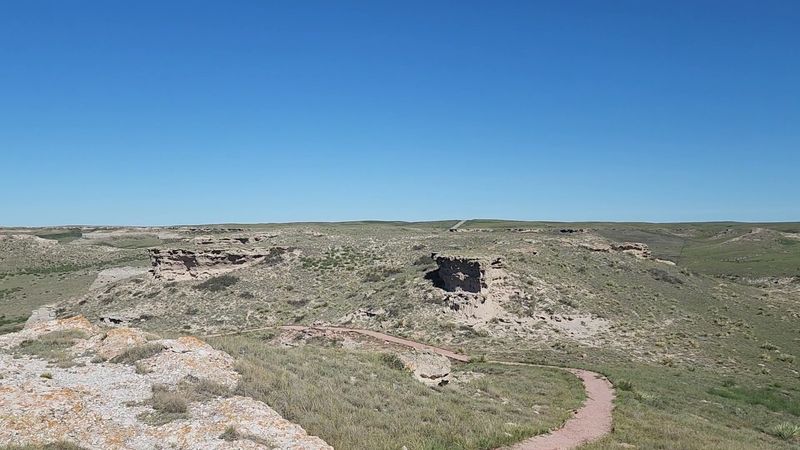
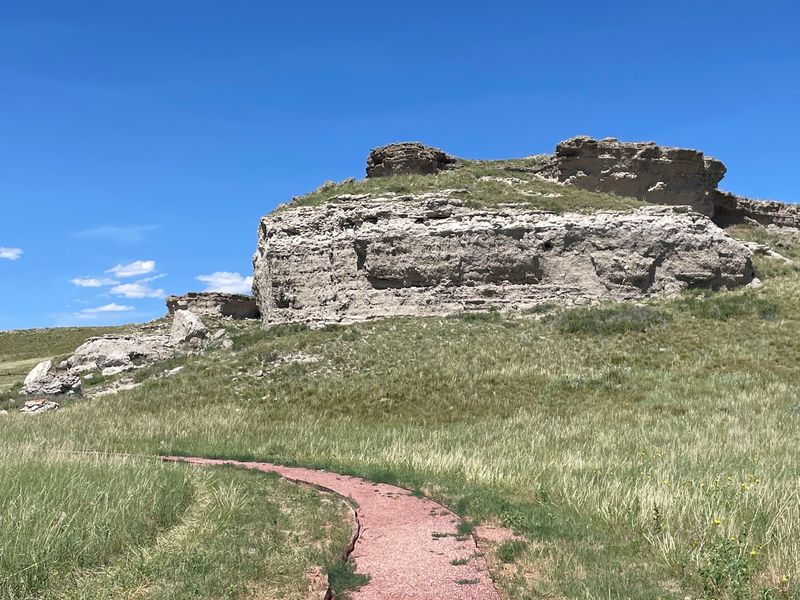
The setting is classic panhandle Nebraska. Grass-covered plains roll toward flat-top buttes, and the Niobrara River winds through the valley below.
Paleontologists started digging here in the early 1900s. Their work turned up species that had been known only from scraps before, and some of the skeletons rank among the most complete ever found.
That’s a big claim for a quiet patch of prairie. Yet the hills themselves back it up, and two trails let you see the evidence firsthand.
Visitors get two collections in one building, plus walking paths that reach the original dig sites. It’s a small monument by national standards.
What it packs into that small footprint, though, could fill a much bigger park.
Pony-Sized Rhinos And Other Miocene Oddballs
Rhinos once roamed Nebraska in herds. Not giant ones, either.
Menoceras stood about the size of a pony, and its bones turned up here in remarkable numbers.
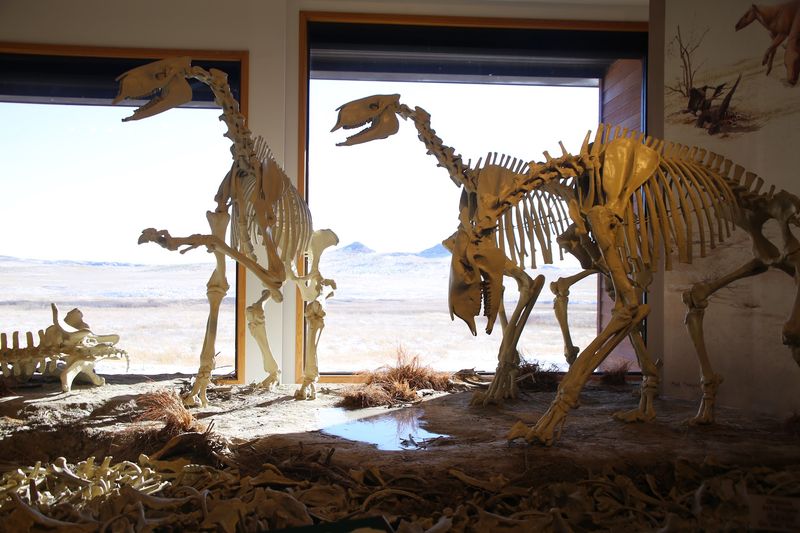
The neighbors were even stranger. Moropus looked a bit like a horse, stood around eight feet tall, and carried claws instead of hooves.
Picture that grazing next to your fence line.
Then came Dinohyus, often nicknamed the terrible pig. It wasn’t truly a pig, but the hulking build earned it the comparison.
It probably wasn’t winning any beauty contests either.
Bear dogs round out the cast. These predators blended features of bears and dogs, and the monument teaches plenty about them.
All of these animals lived during the Miocene Epoch, roughly 20 to 16.3 million years ago. The landscape back then resembled an open savanna, quite different from today’s prairie.
Why does this matter so much to scientists? The skeletons here are unusually complete and well preserved.
Instead of guessing from a single tooth or bone, researchers could study whole animals. That kind of detail helped rewrite what we know about mammal life in the Miocene.
Devil’s Corkscrews You Can See Right In The Hillside
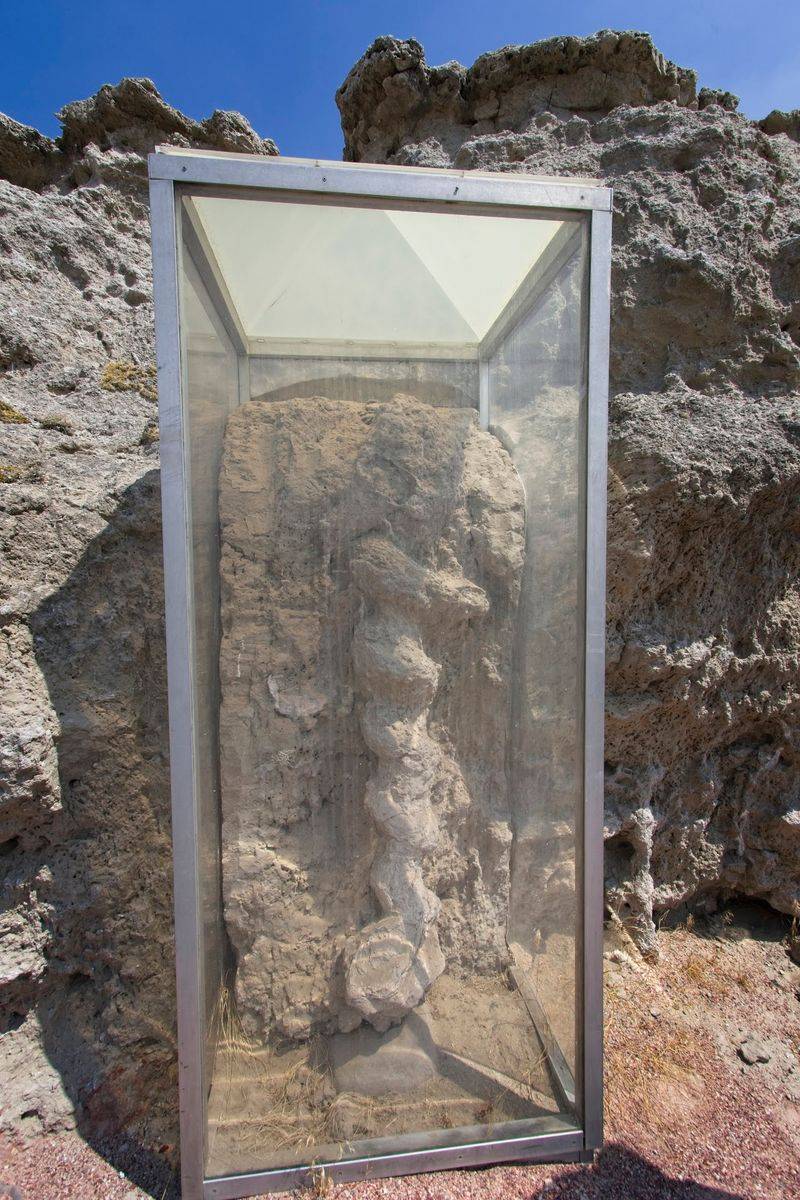
Early fossil hunters scratched their heads over giant stone spirals poking out of the hills. Some guessed they were plants.
The nickname that stuck was Devil’s Corkscrews.
The real answer turned out to be ancient beavers. Palaeocastor, a land-dwelling beaver, dug those spiral burrows millions of years ago, and they hardened into stone over time.
The Daemonelix Trail lets you see them in place. It’s a manageable one-mile loop that starts near the entrance, and the fossils remain in the hillside where they formed.
That’s the magic of an in situ exhibit. Nothing got hauled off to a lab and propped on a stand.
The burrows sit exactly where the beavers left them.
Families tend to like this shorter walk because it delivers a payoff quickly. A slow pace takes about 30 minutes, and sunset makes the hills glow.
Keep an eye on the ground, too. Small wildlife like horned lizards can appear along the edges.
Rattlesnakes live here as well, so stick to the path and watch your step. A corkscrew beats a snake surprise any day.
The Long Walk Out To Carnegie And University Hills
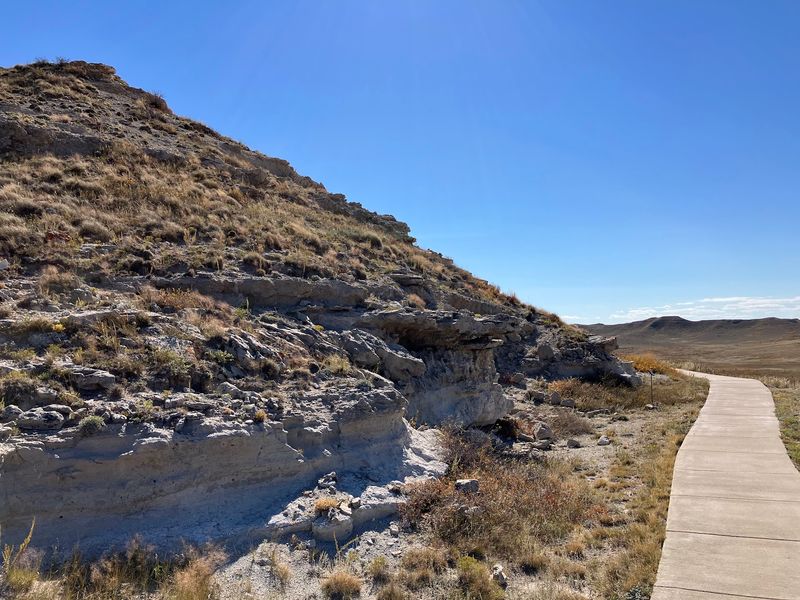
About 2.7 miles round trip, the Fossil Hills Trail heads straight toward history. It crosses the Niobrara River and climbs toward University Hill and Carnegie Hill, the famous early dig sites.
Those names point to the institutions behind the digs. Crews from universities and museums pulled extraordinary bones from these slopes in the early twentieth century.
You won’t spot exposed skeletons along this route. Interpretive signs fill in the story instead, explaining who dug where and what they found.
The path itself is surprisingly friendly. Concrete slabs run the whole way, though a few spots have heaved up a bit over time.
Shade is the scarce resource out here. A few shaded benches offer a break, but summer sun beats down on open prairie with little cover.
Pack water, sunscreen, and a hat before heading out. An hour is a reasonable estimate if you stop to read every sign.
The reward feels bigger than the distance. Standing near the quarry hills, you’re looking at ground that helped shape modern paleontology.
Not bad for a stroll through the grass.
Life-Size Dioramas Waiting Inside The Visitor Center
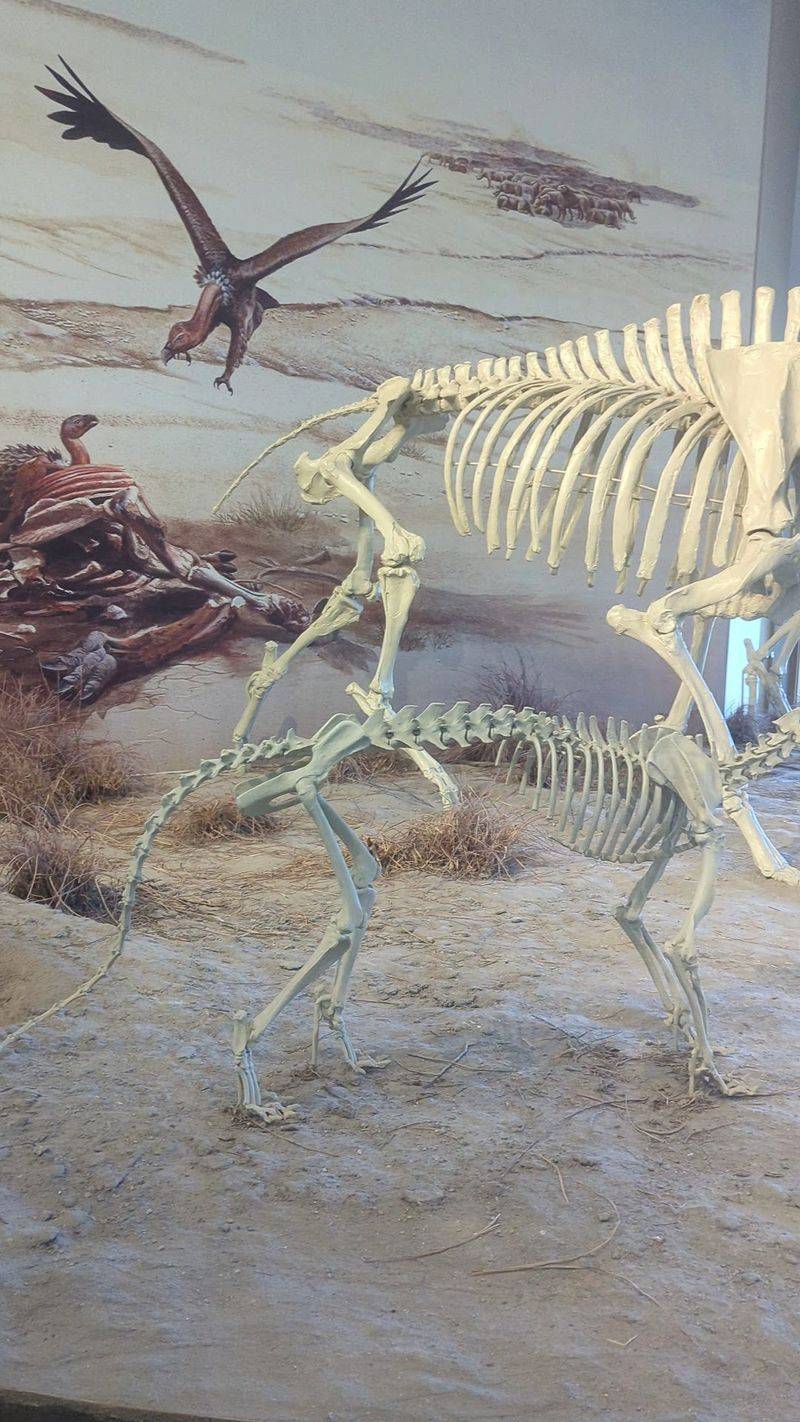
Cool air and fossils make a winning combo after a sunny hike. The visitor center at Agate Fossil Beds National Monument brings the Miocene world indoors.
Exhibits mix real fossils with replicas, so you can compare the actual bones with full reconstructions. Life-size dioramas show how these creatures may have looked on the ancient savanna.
A 12-minute orientation film sets the stage nicely. It explains how so many animals ended up preserved in one place, which helps everything outside make sense.
Watching the film first is a smart move. The trails feel richer once you know the backstory behind those quiet hills.
Bear dogs, tiny rhinos, and clawed browsers all get their moment here. Kids can get up close enough to study teeth and claws without any digging required.
The building also holds a theater and a gift shop. It’s not huge, but it’s thoughtfully packed, and the space is accessible for wheelchairs.
Think of it as the trailhead for your brain. A short stop here turns a pleasant walk into an actual time-travel lesson, minus the time machine.
A Rancher, Red Cloud, And A Friendship Kept In Glass
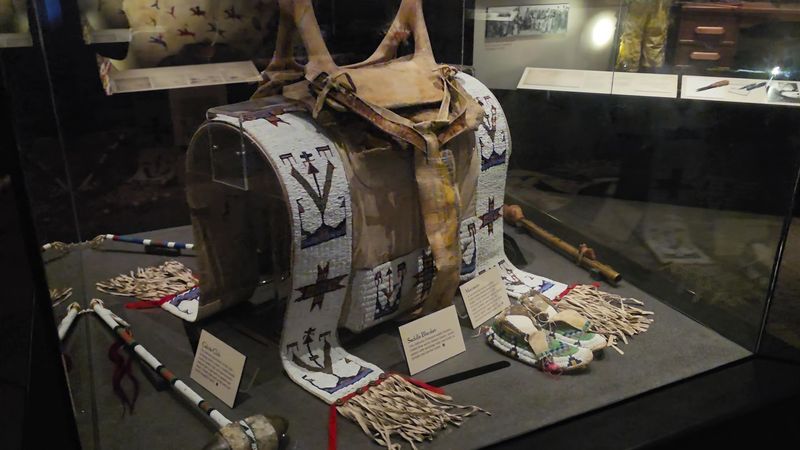
James H. Cook ran the ranch here long before the National Park Service arrived.
He also built a lasting friendship with leaders of the Oglala Lakota and Cheyenne.
Chief Red Cloud visited the ranch, and gifts passed between the men over decades. Those gifts became the James H.
Cook Collection, with more than 500 Plains Indian artifacts.
Red Cloud’s shirt and moccasins are among the highlights. The collection sits in a climate-controlled gallery inside the visitor center.
Many people arrive for the fossils and leave talking about this room. It’s a different kind of history, measured in generations rather than millions of years.
The pairing feels unusual at first. Then it clicks, because the same land holds both stories, one ancient and one surprisingly recent.
Cook’s ranch also played a role in the fossil discoveries themselves. Scientists came to dig on property tied to his family, which links the two collections even more.
For anyone curious about Lakota history, this gallery alone justifies the drive. It’s a rare chance to see items connected to well-known leaders, displayed with care in the Nebraska panhandle.
Prairie Quiet, Eagles, And A Sky That Goes Forever
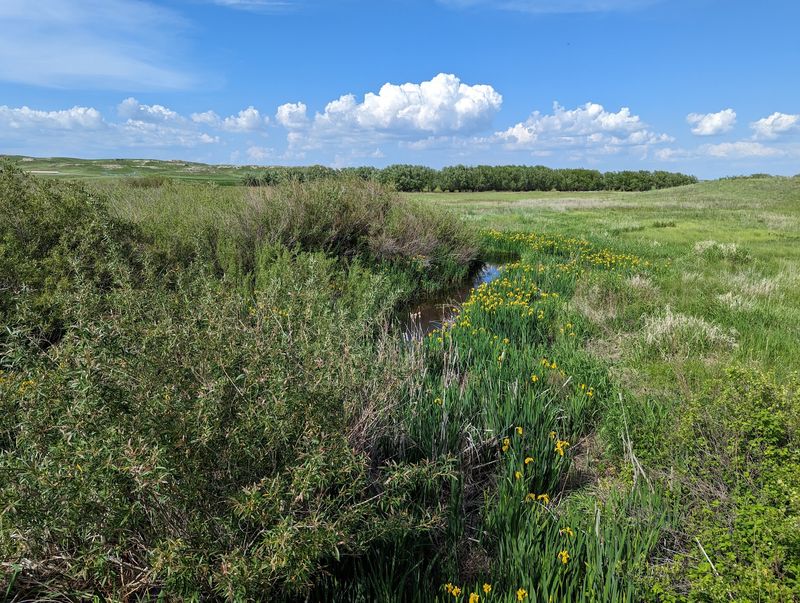
Silence is one of the main features here. With no town next door and wide grassland in every direction, the monument feels calm and uncrowded.
Wildlife fills in the gaps. Deer move across distant slopes, and bald eagles have been spotted along the Niobrara River corridor.
Wildflowers can linger late into the season, even toward the end of September. The mixed-grass prairie shifts color as the months roll along.
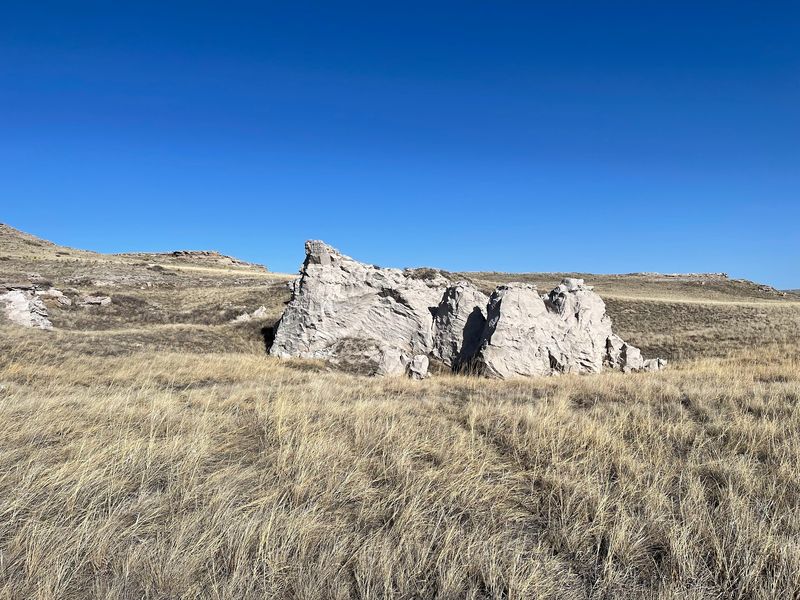
Geology adds drama to the scene. Flat-top buttes rise above the river valley, and this region largely escaped the glaciers that reshaped other areas.
That missing ice matters for the fossils. It helped leave the ancient layers intact, so the hills could keep their secrets for scientists to find.
Evenings bring their own show out on the plains. Sunsets stretch wide over the grass, and coyotes may start calling as the light fades.
If you crave space to breathe, this place delivers in bulk. Phones won’t be much of a distraction anyway.
Out here, the prairie gets your full attention, and honestly, it earns it.
Junior Rangers, Touchable Fossils, And Picnic Tables
Kids get a real mission at this monument. The Junior Ranger program hands them activities to complete, and finishing earns an official badge.
Rangers and volunteers often help young visitors work through it. Some families have gotten the chance to handle different types of fossils, which beats any textbook.
Bear dogs tend to steal the show with younger crowds. A name like that sells itself, really.
Both trails work for families with a range of ages. The one-mile Daemonelix loop suits shorter legs, while older kids can tackle the longer Fossil Hills walk.
Dogs are welcome on the trails too. Keep them close, since rattlesnakes share the prairie and summer heat builds quickly.
Food planning matters out here. The nearest services sit at least 30 miles away, so bring lunch from home.
Picnic tables near the visitor center make a packed meal feel like part of the adventure. Add sandwiches, a fossil lesson, and a badge, and you’ve got an affordable family day out in western Nebraska that kids may still talk about at school.
Gas Up First Because The Map Gets Empty Fast
Fuel gauges deserve your attention on this trip. The nearest gas stations sit roughly 30 to 50 miles from the monument, so fill the tank beforehand.
Snacks and water belong on the checklist too. Nothing nearby sells them, and the prairie doesn’t offer convenience stores.
Cell coverage gets spotty around the park. A paper map or standalone GPS makes a handy backup, though the visitor center offers free Wi-Fi once you arrive.
Some routes include dirt or gravel stretches near the end. Allow extra time and drive at a comfortable pace.
Harrison is the closest town, about 30 minutes away. Scottsbluff and Chadron make bigger bases for longer stays in the region.
Camping isn’t allowed inside the monument. Nearby state parks provide lodging and campground options for overnight travelers.
RVs can still visit, with parking available by the visitor center. Towing setups have managed it without much trouble.
A little preparation turns a remote drive into a relaxing one. Treat the trip like a small expedition, and the empty miles start to feel like part of the charm.
Free Admission, Dawn-To-Dusk Trails, And Seasonal Hours
Good news for budget-minded travelers: entry to the park costs nothing. That makes Agate Fossil Beds National Monument one of the friendliest bargains in the state.
The official address is 301 River Road, Harrison, NE 69346. Plug it in before you lose signal along the way.
Trails stay open from dawn until dusk every day of the year. That gives early risers and sunset chasers plenty of freedom.
The visitor center keeps seasonal hours, with longer days in summer. It closes on major federal holidays, so checking the schedule ahead of time is wise.
Plan for about two hours to cover the exhibits and one trail. Doing both trails plus the film can easily fill half a day.
Summer brings serious sun with very little shade. Spring and early fall can feel more comfortable for longer hikes.
Visiting when the building is open makes a real difference. Water, restrooms, exhibits, and rangers all sit inside.
Arriving after hours leaves you with the trails only, which is lovely, but you’d miss half the magic of the place.
Pairing The Monument With A Panhandle Road Trip
Western Nebraska rewards travelers who string stops together. Agate fits neatly into a longer swing through the panhandle.
Scotts Bluff National Monument lies to the south, with towering bluffs and trail history. Toadstool Geologic Park and Fort Robinson State Park sit to the north and northeast.
That turns one fossil stop into a full weekend loop. Deep time, frontier history, and rugged badlands all land within a reasonable drive.
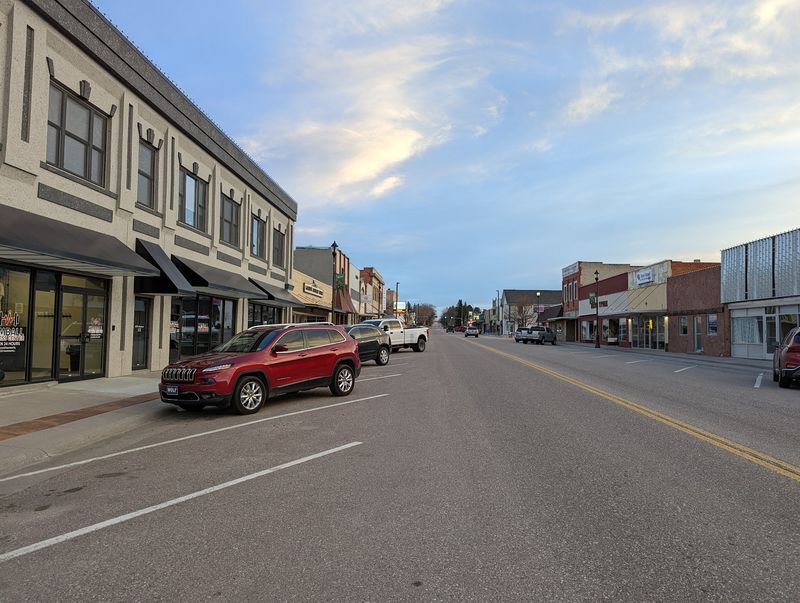
Harrison itself is a tiny ranching town near the monument. It makes a handy reference point while planning your route.
Fort Robinson offers lodging and wide open spaces. It works well as a base, especially since camping isn’t allowed at Agate.
Keep the fuel and food rules in mind across the whole region. Distances between towns can stretch longer than expected.
Starting at Agate early in the day makes sense too. Mornings tend to be cooler for the trails, leaving afternoons for driving.
Then the panhandle opens up like a storybook, one butte at a time, with plenty of highway to enjoy in between.
Why These Hills Earn A Spot On Your Nebraska List
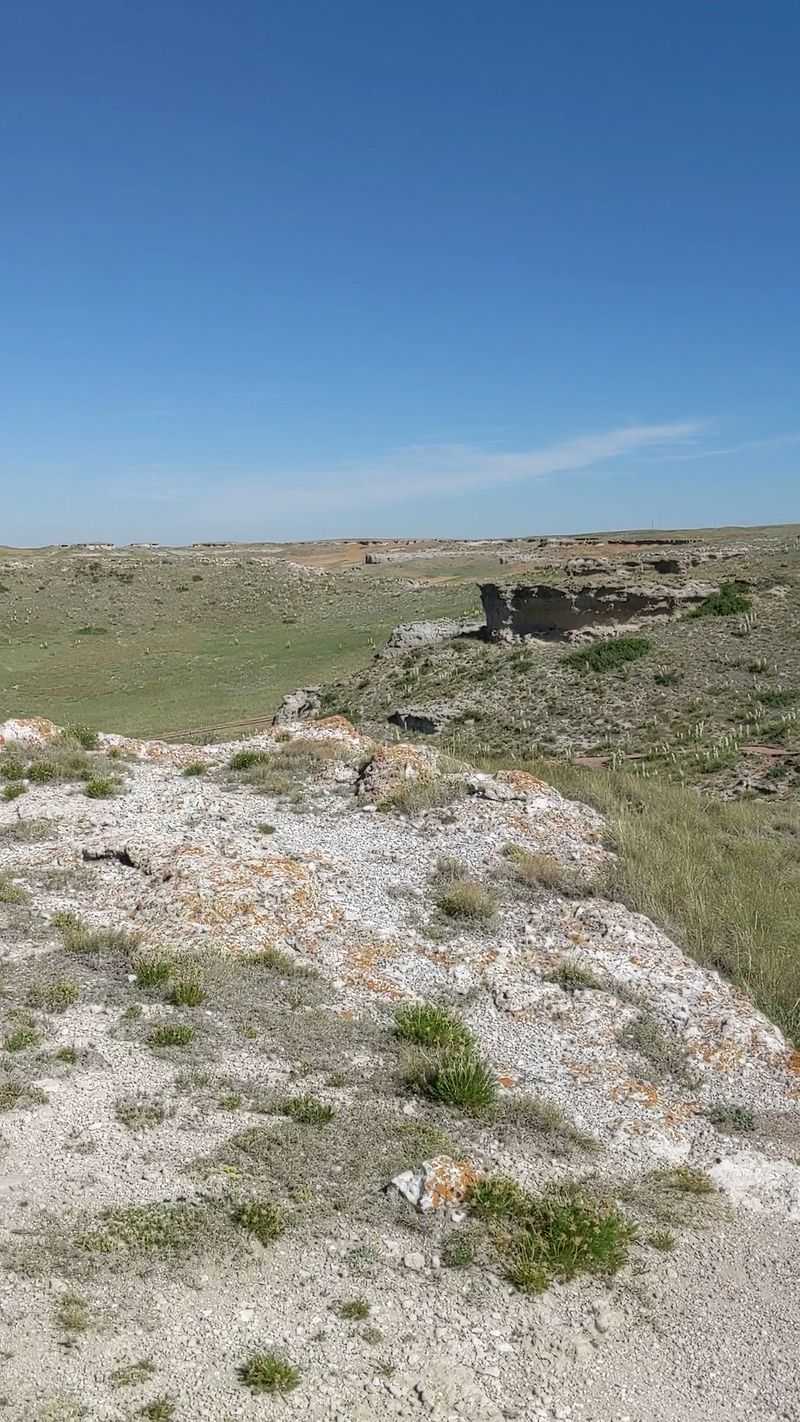
Few places let you hold two kinds of history in one afternoon. Agate Fossil Beds National Monument pulls it off without fuss.
Outside, burrows and quarry hills point back about 20 million years. Inside, Red Cloud’s gifts to James Cook tell a story barely 150 years old.
The monument stays modest in size. Some travelers expect more exposed fossils, and that’s fair to know before you go.
Still, the payoff comes from context. Knowing that famous skeletons came out of these very hills changes how the grass looks.
Costs stay low, crowds stay light, and the trails stay easy enough for most visitors. That’s a rare mix for a national site.
It suits curious kids, history fans, and anyone happy to trade cell service for wide skies. Hikers who love quiet will feel right at home.
Nebraskans who grew up hearing about the panhandle may find new pride here. This corner of the state helped shape what the world knows about ancient mammals.
Fill the tank, pack a picnic, and go meet the rhinos.