This North Carolina City Was Just Named The Most Underrated City In America
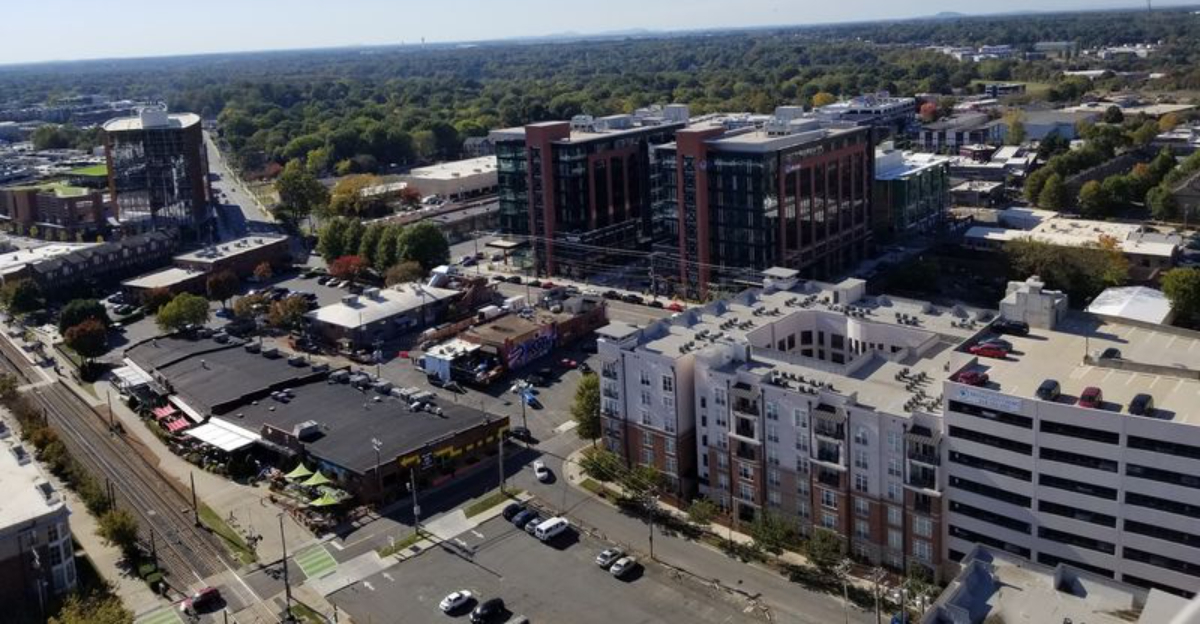
America’s most underrated city has apparently been hiding behind a skyline everyone thought they already understood.
That is almost rude. A recent ranking handed the title to North Carolina’s biggest city, yet plenty of travelers still treat it like a business stop rather than somewhere worth lingering.
They are missing quite a bit.
Beyond the towers, the city loosens its tie fast. Greenways disappear into leafy stretches, neighborhoods develop their own personalities, and entire afternoons can vanish without anyone setting foot near an office building.
That contrast may be the secret. It looks serious from a distance.
Spend a weekend here and the personality starts leaking out everywhere.
Maybe “underrated” really means people have been looking at the skyline and forgetting to look behind it.
The Queen City Just Took The No. 1 Spot For America’s Most Underrated City
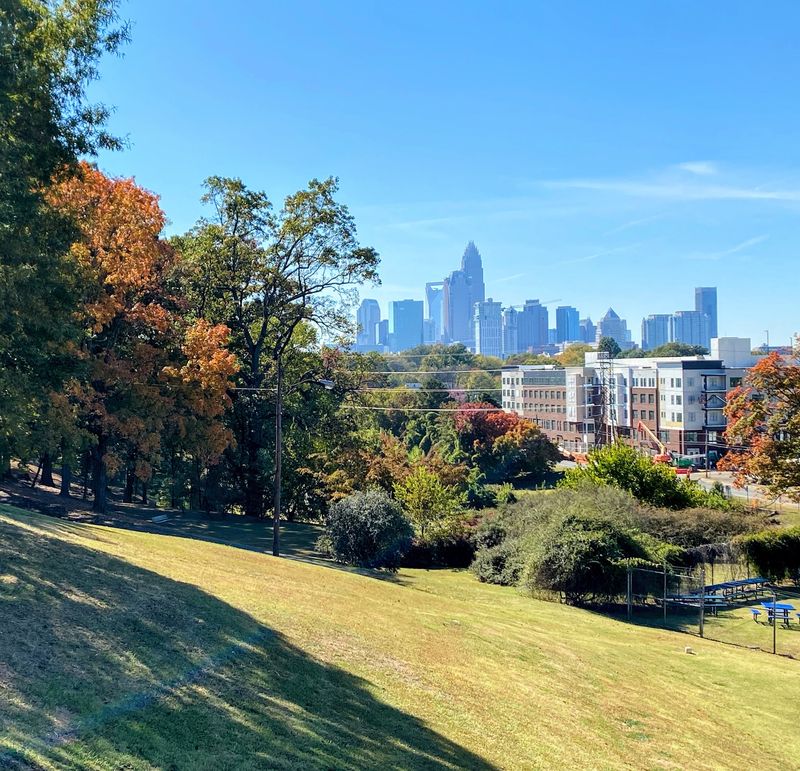
Rankings come and go, yet this one lands differently for anyone who has strolled Uptown on a warm Saturday morning.
A national survey asking Americans which places deserve more credit than they get placed Charlotte in the number one position.
The nickname Queen City goes back to the 1700s, when the settlement was named for Queen Charlotte, and the royal touch still shows up in street names, museum exhibits, and the crown logos you spot around town.
What makes the title fit is the gap between reputation and reality. Visitors often arrive expecting only bank towers and leave talking about greenway walks, hands-on science at Discovery Place, and slow-cooked Southern breakfasts.
The Levine Museum of the New South tells the region’s post-Civil War story in plain, human terms, while the NASCAR Hall of Fame turns racing history into something you can touch and hear. Neither feels like a consolation prize for a city skipped over on travel lists.
Take the ranking as an invitation rather than a verdict, and give yourself an extra day here.
More Than 1 In 5 Americans Think It Deserves More Attention
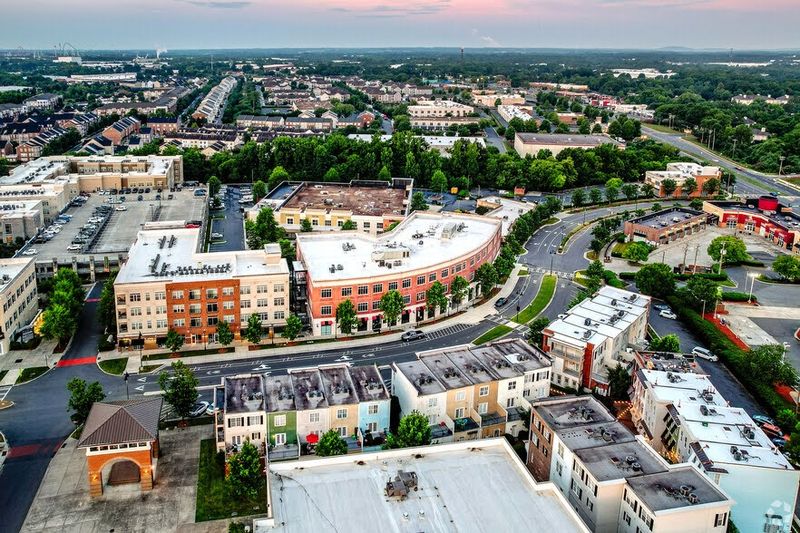
Numbers rarely capture a feeling, but this one comes close. More than one in five Americans surveyed said Charlotte deserves more attention than it currently receives, a share large enough to lift it above flashier, better-marketed cities.
Word of mouth explains part of it. Friends visit for a wedding or a conference, wander into a neighborhood coffee shop, and come home surprised by how easy the city feels.
Population growth backs up that impression, with new residents arriving from across the country and bringing their recipes, accents, and weekend habits with them.
For travelers, the practical takeaway is simple: crowds here stay manageable. You can usually get a table at a popular restaurant, find parking near a museum, and walk a greenway without weaving through a wall of people.
Longtime residents tend to shrug at the underrated label. They already know what a Sunday afternoon in Freedom Park sounds like, all rustling oaks, distant laughter, and the squeak of sneakers on the basketball court.
The rest of the country is only now catching up to that quiet confidence.
A Strong Job Market Keeps Pulling Newcomers Toward The City
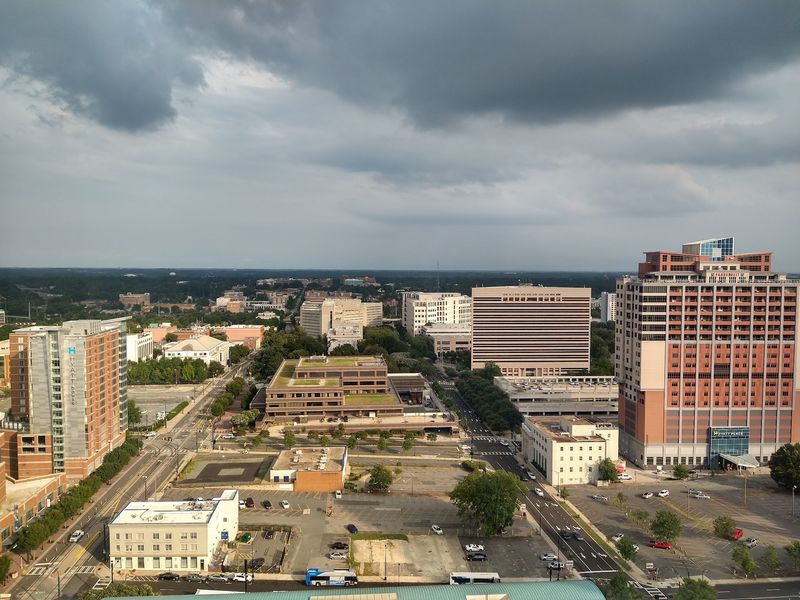
Job listings tell a story about a city long before the guidebooks do. In 2025, Charlotte ranked second in the nation for job growth, adding 37,600 positions and outpacing metros several times its size.
Growth spread across many fields rather than piling into one. Private education and health services, leisure and hospitality, construction, and professional business services all added workers.
Unemployment in the metro area sits near 3.5 to 3.6 percent, close to the North Carolina statewide average and comfortably under the national figure.
Visitors feel this energy even without reading a spreadsheet. Construction cranes swing above Uptown, hotel lobbies buzz with conference badges, and lunch counters fill quickly at noon.
If you are scouting a possible move, spend a weekday here instead of a weekend. Ride the light rail during rush hour, sit in a coworking cafe, and notice how many conversations involve someone who arrived last year.
Ambition and friendliness rarely share a zip code this comfortably. That mix of steady paychecks and open doors is a big reason newcomers keep unpacking boxes here.
Big-City Amenities Come Without The Price Tag Of Many Major Metros
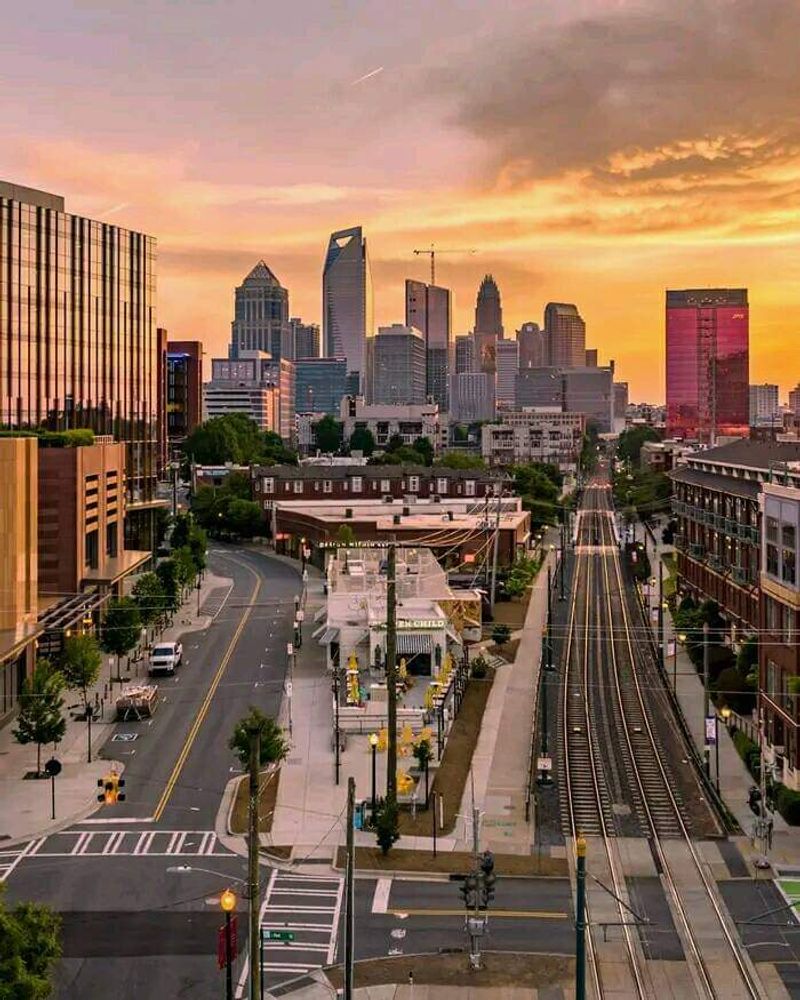
Big cities usually ask for a painful trade: culture and convenience in exchange for a rent payment that never stops climbing. Here the math softens considerably.
The overall cost of living index runs just slightly above the national average, and housing across the metro area stands out as the most approachable piece of the picture.
Everyday spending follows the same pattern. Dinner for two at a mid-range restaurant often lands around $75, which leaves room for dessert somewhere else.
Getting around costs less than you might guess, too. A monthly pass covering the light rail and bus network runs roughly $88, and the train makes short work of trips between Uptown, museums, and stadium gates.
None of that comes at the expense of city life. Skyline views, live music, art galleries, and a real dining scene are all part of the deal.
Travelers on a budget can build a full weekend around a transit pass, a walkable hotel, and a couple of memorable meals. The savings usually show up as extra experiences rather than an emptier wallet.
Greenways And Parks Give Everyday Life More Breathing Room
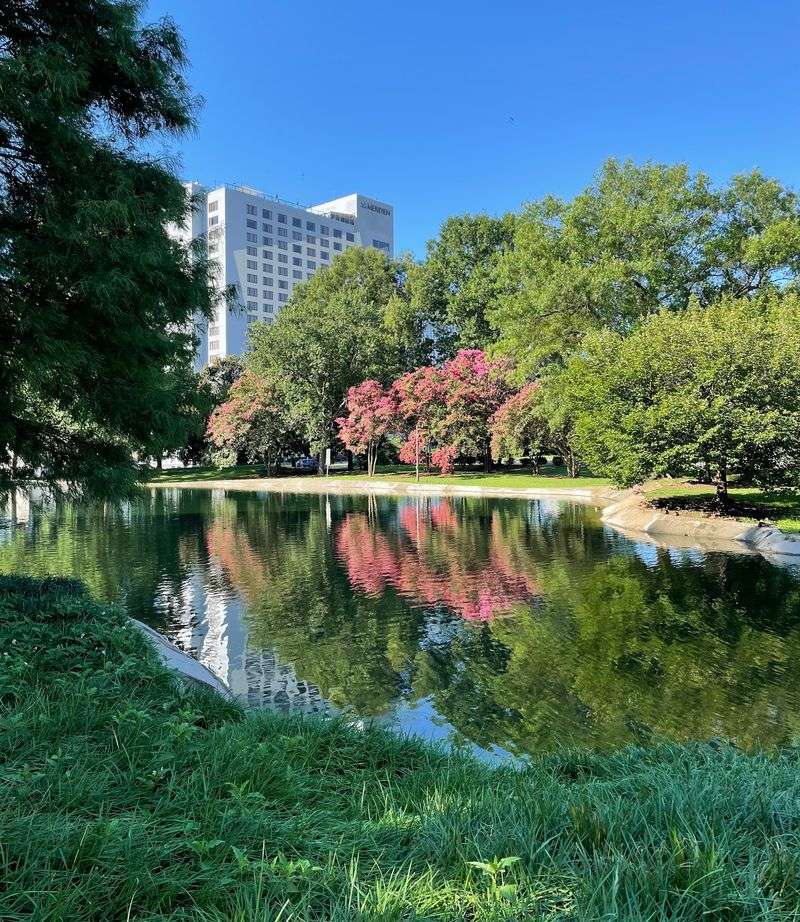
Shade, birdsong, and the soft crunch of gravel underfoot are easier to find here than most skyline photos suggest. Mecklenburg County maintains 85.5 miles of developed greenway, threading quiet corridors between busy roads.
Little Sugar Creek Greenway is the local favorite, curling through the eastern side of the city for more than 19 miles on its way toward the Catawba River.
Paved the whole way, it links parks, schools, ball fields, and restaurants where you can stop mid-walk for iced tea.
History hides along these trails as well. McAlpine Creek Greenway opened in 1978 as North Carolina’s first public greenway in the western Piedmont, and it joins the tree-shaded Campbell Creek Greenway to form a 6.2-mile route.
For a bigger outing, Reedy Creek Park and Nature Preserve spreads across 850 acres with athletic fields, playgrounds, fishing ponds, and 10 miles of forest trails. Deer step out near dusk, unbothered by the city a few miles away.
Bring water, comfortable shoes, and patience for July humidity. Mornings and early evenings are the kindest hours for walking.
The Food Scene Is Quietly Building A Much Bigger National Reputation
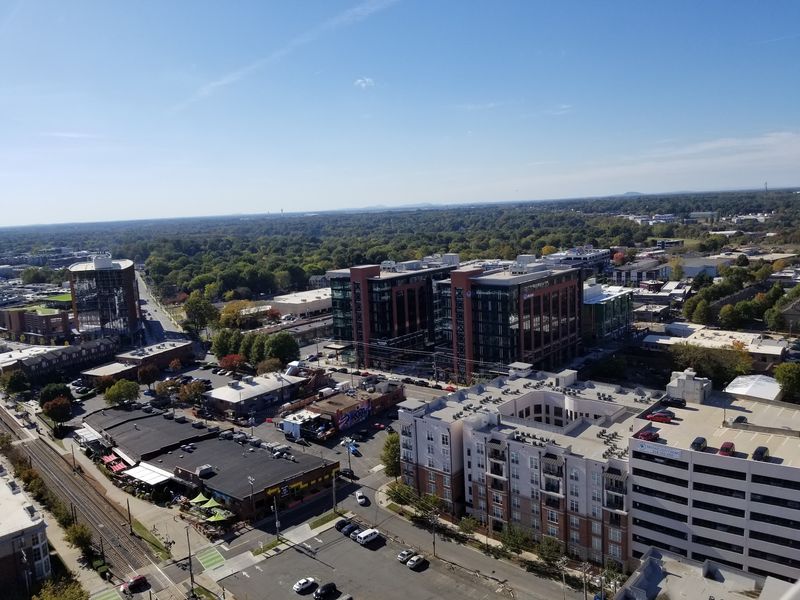
Dinner here rarely happens in a single downtown strip. Neighborhoods carry the flavor instead, each block offering a slightly different accent.
Southern cooking forms the base layer: skillet cornbread, collards simmered soft, biscuits with crackly edges, and barbecue that tastes like North Carolina tradition. Global kitchens build on top of it.
Lang Van, in the Shannon Park neighborhood, has drawn diners for years with steaming bowls of pho, crisp spring rolls, and lemongrass-scented plates served by attentive staff. The broth arrives fragrant with star anise and ginger.
Food halls make sampling easy, letting a group split dumplings, tacos, and layer cake at one table. Chef-driven kitchens push further, plating local produce in ways that feel inventive without being fussy.
A useful strategy: pick two neighborhoods per visit and eat your way through both. Ask a shop owner where they go on their day off, then follow that advice.
National food writers have started paying attention, though tables still turn over quickly enough that a walk-in seat is realistic on most weeknights.
Professional Sports Make Weekends Feel Anything But Under-The-Radar
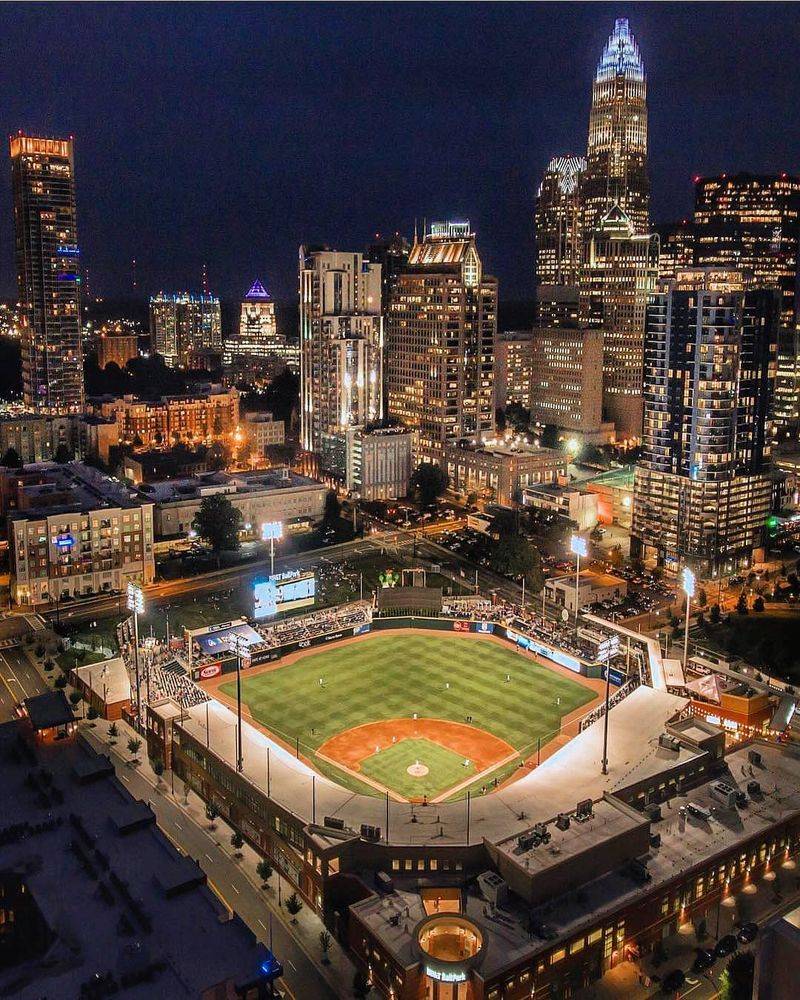
Few mid-sized cities pack this many teams into one calendar. Autumn Sundays belong to the NFL’s Carolina Panthers at Bank of America Stadium, where the noise rolls between the uptown towers.
The same field hosts Charlotte FC, the city’s Major League Soccer club, and match nights bring drums, scarves, and coordinated chants. Winter shifts the crowd indoors to the Spectrum Center for the NBA’s Charlotte Hornets.
Baseball offers the best value of the bunch. The Triple-A Charlotte Knights play at Truist Field, and the ballpark sits at 324 South Mint Street with the skyline framed beyond the outfield wall.
Peanuts, a breeze off the third-base line, and affordable seats make it an easy night out.
Motorsports round out the list at Charlotte Motor Speedway, where engines rattle your ribcage and the grandstands smell of hot rubber and grilled food.
Check schedules before booking, since overlapping home games can turn one weekend into a full sports itinerary. Tickets for the smaller venues often stay available late in the week.
That flexibility is part of the charm.
Charlotte May Not Stay Underrated For Much Longer
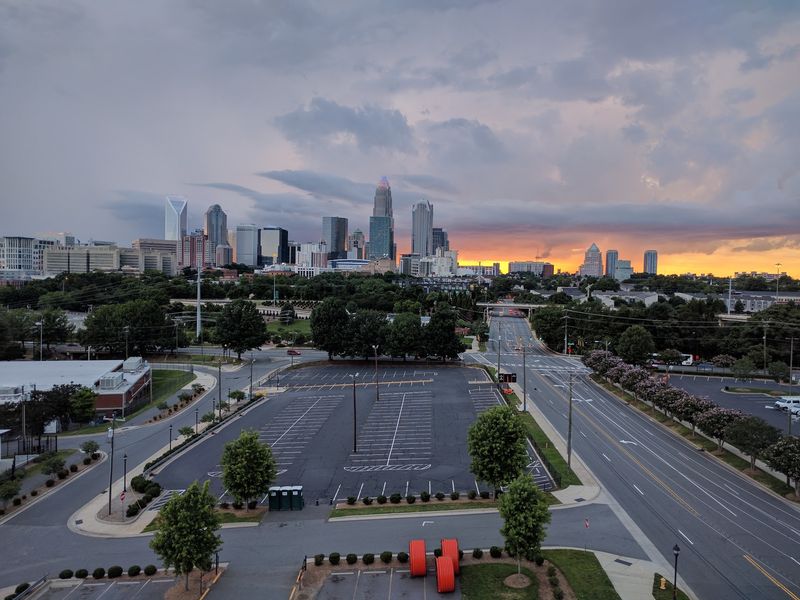
Momentum has a way of catching up with quiet places. Hotel rooms, restaurant tables, and greenway parking lots are all filling faster than they did five years ago.
New residents keep arriving, airport traffic keeps climbing, and national lists keep circling back to this corner of North Carolina. Recognition tends to snowball.
Visiting sooner rather than later has practical advantages. Prices remain reasonable, reservations remain possible, and a Saturday at a museum or ballpark still feels unhurried.
Plan three days if you can. One for uptown museums and skyline views, one for neighborhood food and shops, and one for trails, water, and open sky.
Change here has come gradually: a new mural on a brick wall, a restored mill building turned into shops, another greenway extension opening on a spring morning. Growth arrived steadily instead of all at once.
The underrated label may fade, and honestly, that seems fair. Cities this welcoming rarely stay secrets, and Charlotte has stopped trying to hide.