This Pennsylvania River Town Traded Its Name For An Olympic Legend And Still Packs A Century Of Stories Into A Few Steep Streets
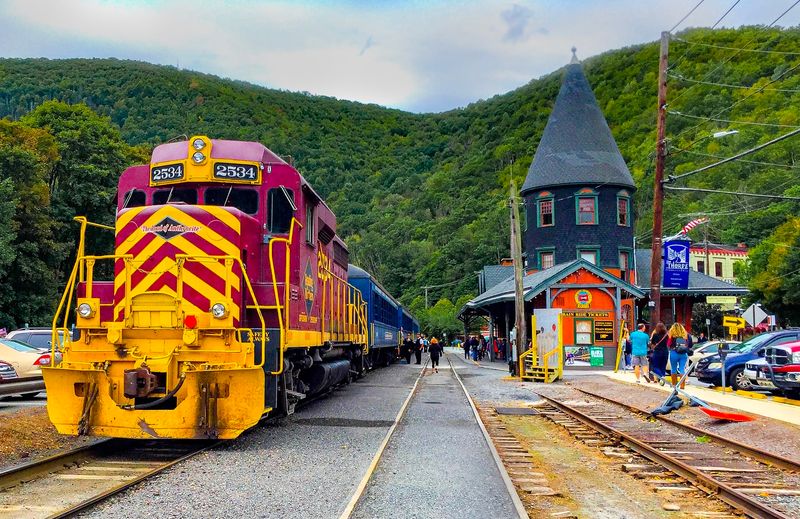
A Pennsylvania mountain town once gave up its own name and took the name of an Olympic legend. He never lived there.
Honestly, that is not even the strangest part of the story.
The swap happened in the 1950s, after two neighboring boroughs joined together. Leaders hoped a famous name and a memorial would pull travelers into the hills.
Decades later, the decision still sparks friendly debate.
Today the place looks like a page from an old travel guide. Brick storefronts line steep streets, a vintage train rolls toward a river gorge, and mansions built by coal barons watch from the hillside.
I like how much history fits into such a small footprint. I can’t imagine a better spot for an afternoon of wandering, train whistles, and odd local lore.
So how did a coal town end up with a sports hero’s name?
A Coal Town That Answers To A Famous Athlete’s Name
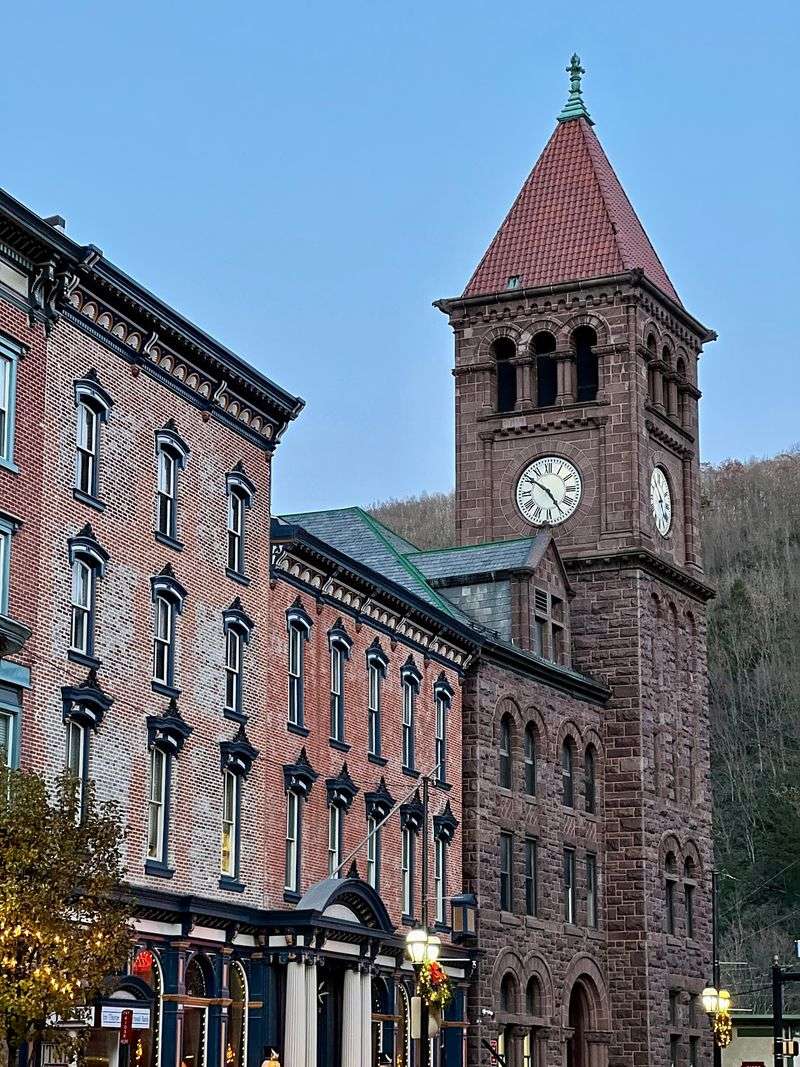
Jim Thorpe, Pennsylvania, sits in Carbon County along the Lehigh River, wrapped by steep, wooded mountains. For more than a century, though, nobody called it Jim Thorpe at all.
The town grew up as Mauch Chunk, a busy hub for shipping anthracite coal. Across the river stood its neighbor, East Mauch Chunk, a separate borough with its own identity.
By the 1950s, the coal economy had faded, and both communities needed a fresh start. The widow of Olympic champion Jim Thorpe was searching for a place to honor her late husband’s legacy.
The two boroughs merged in 1954 and took his name. A memorial to the athlete stands on the east side of town today, a short drive from the historic district.
Thorpe won gold medals in the pentathlon and decathlon at the 1912 Olympics. He also played professional football and baseball, which makes him one of the most versatile athletes in American history.
So the name is unusual, but it isn’t random. It reflects a gamble a struggling town made to keep its future alive.
Walking these streets today, you can judge for yourself how well that bet turned out.
Mountains So Steep They Earned A Swiss Nickname
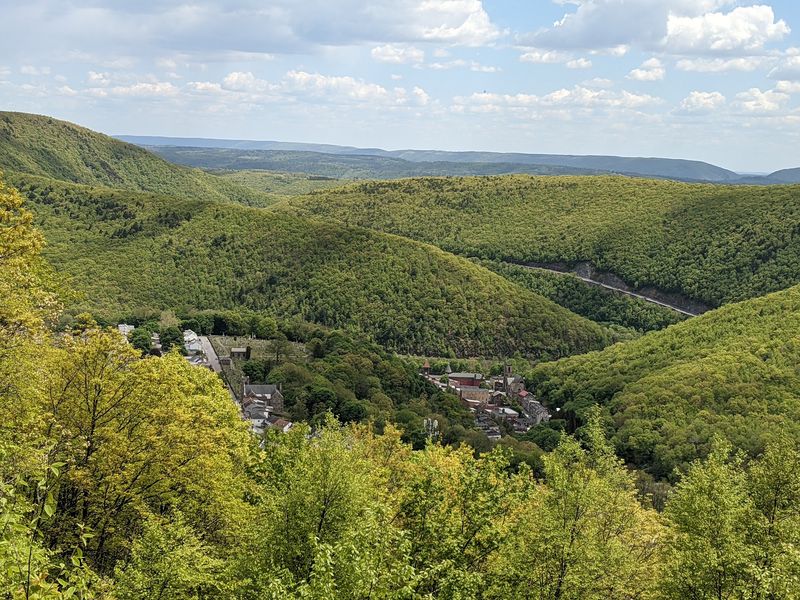
Few towns get compared to the Alps, yet this one picked up the nickname “Switzerland of America” long ago. One look at the valley explains why.
Houses and churches stack up the slopes as if someone squeezed a city into a narrow canyon. The Lehigh River curls past, framed by ridges that rise sharply on every side.
That dramatic setting wasn’t chosen for the view, at least not at first. Coal from nearby mines needed a route to market, and the river offered one.
Canal boats and later railroads carried fuel to growing cities in the East. Money from that trade built much of the downtown you see today.
The terrain also shapes how you’ll explore. Streets climb, bend, and dip, so comfortable shoes are a smart call before you start wandering.
Fall foliage drives draw extra attention to these hills, when the ridges turn orange and red. Even in summer, the green walls around town make the whole place feel tucked away from the busier parts of the state.
It’s a backdrop that turns a simple stroll into something closer to a scenic outing. Bring a camera, because the angles here change at nearly every corner.
Broadway Looks Like A Victorian Postcard Come To Life
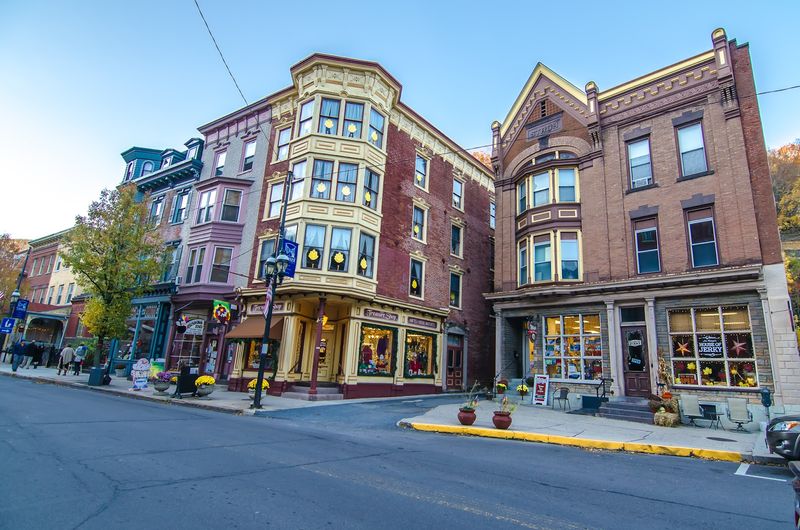
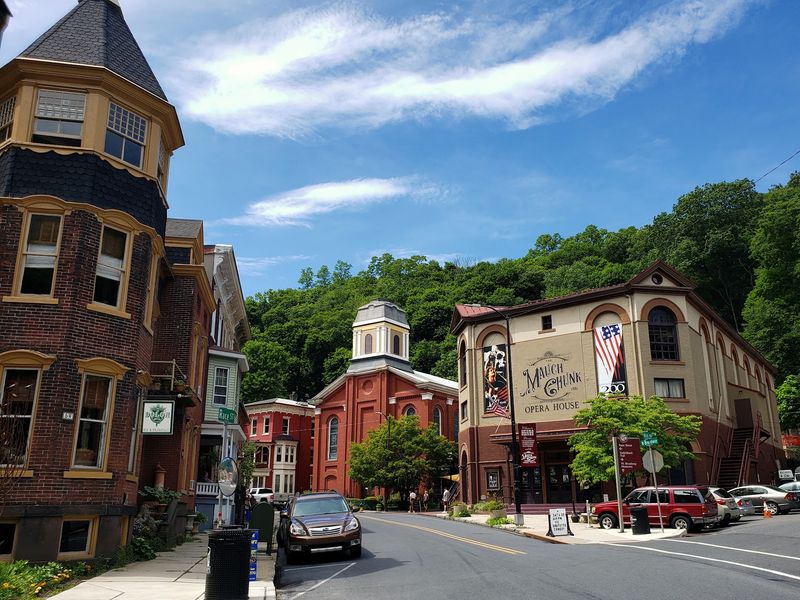
Brick facades, ornate trim, and narrow shopfronts give Broadway its old-time look. The street serves as the beating center of the historic district.
Many of these buildings date to the 1800s, when coal wealth poured into Mauch Chunk. Their tall windows and decorative details still line the climb up the hill.
Today the storefronts hold small shops, galleries, and places to grab a bite. Browsing here feels less like errands and more like a slow treasure hunt.
Look for the Mauch Chunk Opera House, built in 1881. It still hosts live performances, so a glance at the schedule could add a show to your visit.
Nearby, the Mauch Chunk Museum and Cultural Center explores the area’s coal mining past. It also tells the story of the town’s namesake, connecting the two halves of its identity.
Broadway doesn’t need much help to impress. The architecture does the heavy lifting, and every block seems to reveal another cornice or carved doorway.
Parking can be tight on a historic street like this one. Arriving earlier in the day usually makes finding a spot and enjoying the sidewalks a lot easier.
A Railroad Baron’s Mansion Still Holds Its Original Treasures
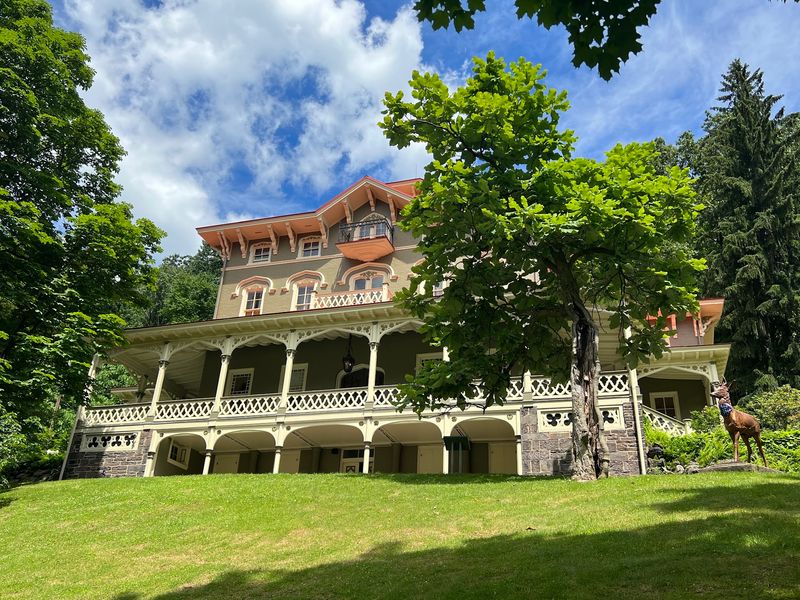
Asa Packer started out as a carpenter and became one of the richest men in America. His home still sits on the hillside above downtown Jim Thorpe.
The Asa Packer Mansion was completed in 1861 in the Italianate style. Packer built his fortune through the Lehigh Valley Railroad and also founded Lehigh University.
What makes the house special is how much of it survived. Many furnishings remain from the family’s time, so the rooms reflect their original look.
Guided tours walk you through the home and its story. You’ll learn how coal and rail money shaped this small Pennsylvania town into a powerhouse.
Next door stands the Harry Packer Mansion, built for Asa’s son. Its colorful Second Empire design makes the pair a striking sight from the street below.
The climb up to the mansions is short but steep. Consider it a warm-up for the grand staircases waiting inside.
Tour availability can vary through the year, especially in colder months. Checking ahead before you go helps you avoid arriving at a locked door with a lot of curiosity and nowhere to put it.
Stone Walls, Old Cells, And One Puzzling Handprint
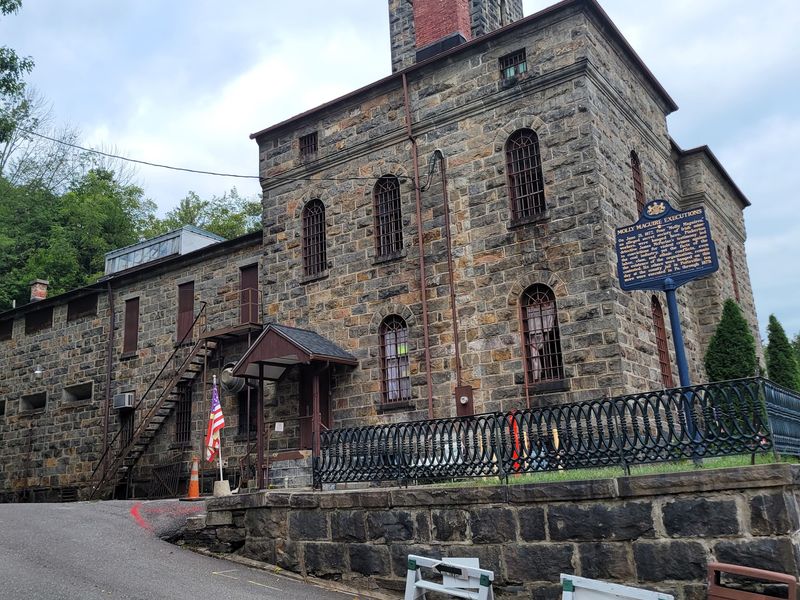
Here’s a building that looks like a castle and once worked as a county jail. The Old Jail Museum on West Broadway opened as a lockup in the early 1870s.
Thick stone walls and a fortress-style front make it hard to miss. Inside, guided tours lead visitors through cell blocks, a warden’s area, and a dungeon level below.
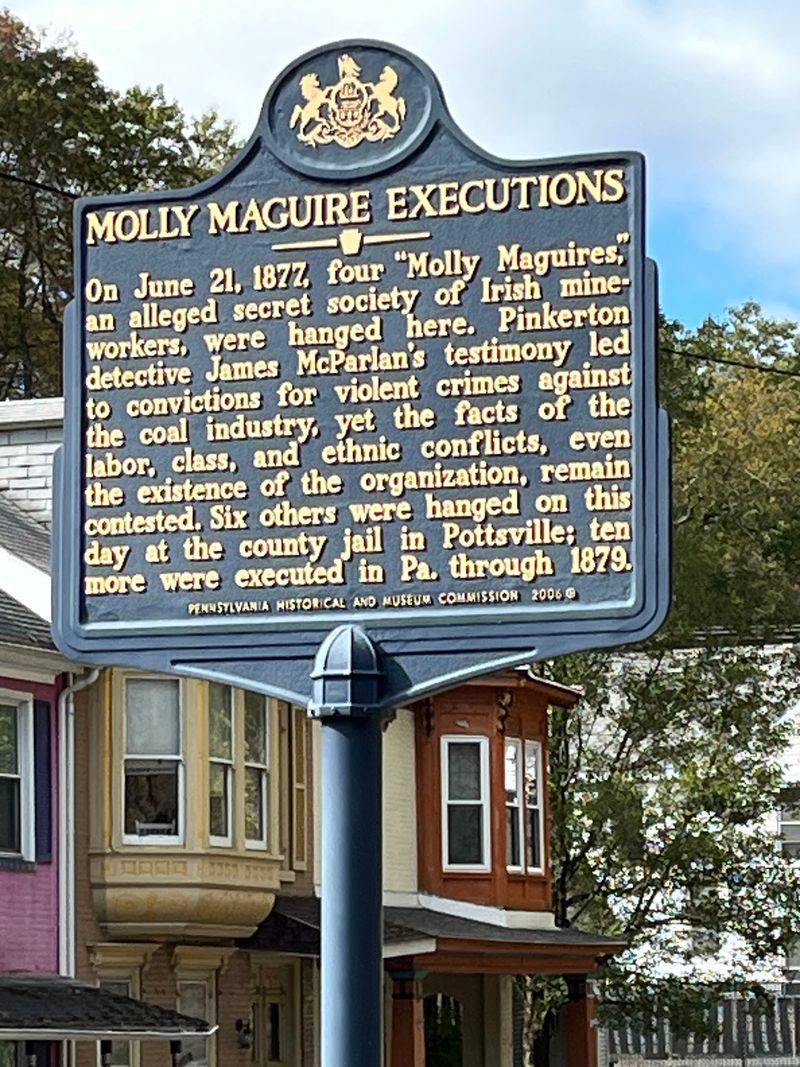
The jail is tied to the story of the Molly Maguires. That secretive group of Irish coal miners clashed with mine owners during a tense chapter of Pennsylvania labor history.
Several members were held here during their trials in the 1870s. Their story still draws historians, students, and curious travelers to this corner of Carbon County.
Then there’s Cell 17 and its famous handprint on the wall. Legend says it was left by a prisoner who insisted on his innocence, and it has resisted attempts to remove it.
Whether you believe the tale or not, it makes for a memorable stop. The building tells a bigger story about miners, owners, and the hard work that powered the region.
Tours follow a seasonal schedule. Check ahead for current times before planning your visit.
Century-Old Coaches Rolling Into The Lehigh Gorge
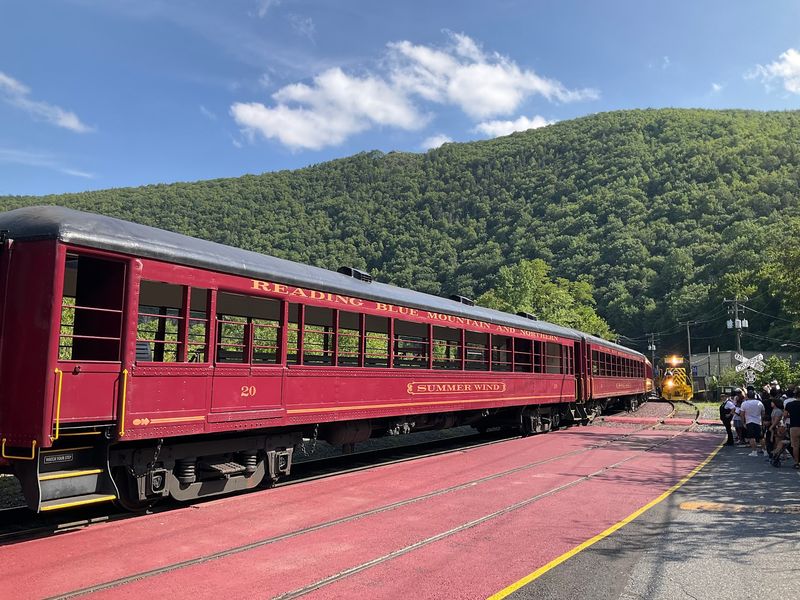
All aboard, and that’s meant literally. The Lehigh Gorge Scenic Railway departs from Jim Thorpe and heads into Lehigh Gorge State Park.
Passengers ride in coaches that are about a century old. Diesel engines do the pulling, while the windows frame the river and rocky cliffs.
The route follows the Lehigh River through a deep, forested gorge. It’s a relaxed way to see wild scenery without lacing up hiking boots.
Families tend to love the simple thrill of an old train. Retirees and day-trippers get an easy sightseeing ride that requires nothing more than a seat.
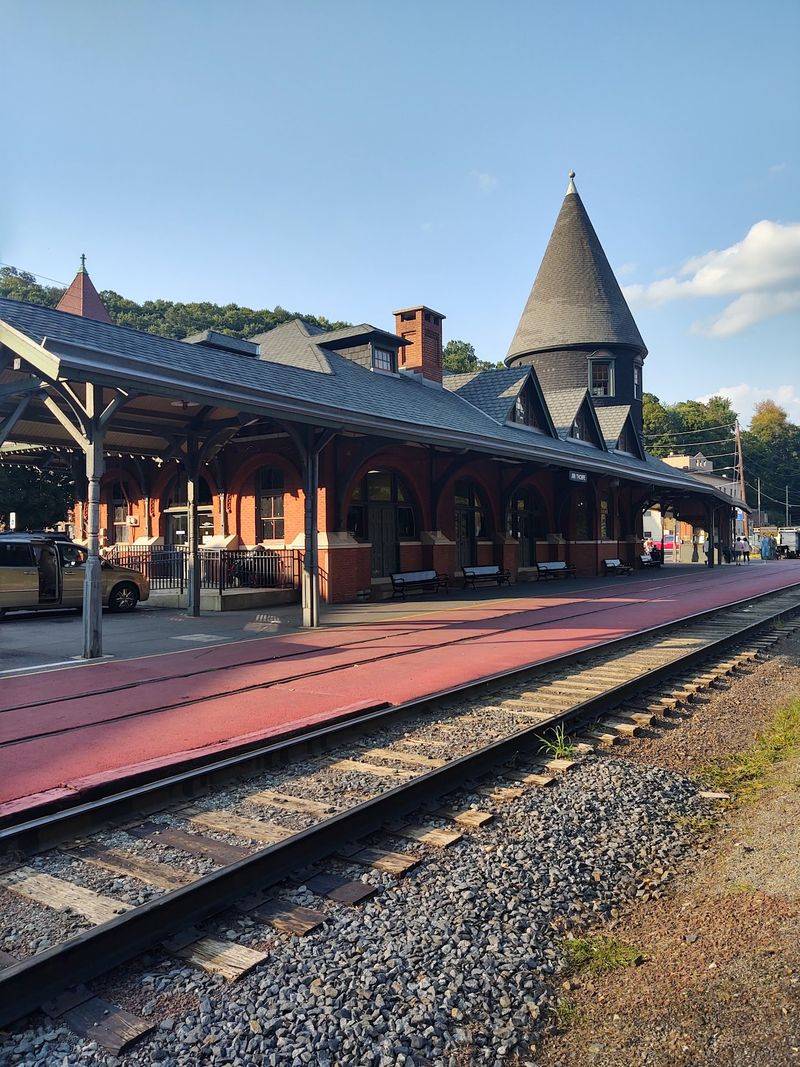
The station sits close to the historic downtown. That makes it simple to pair a train trip with lunch, shopping, or a museum stop.
Seasonal rides may change through the year, including special excursions around fall color. Schedules shift, so it’s smart to check before making the drive.
Few things match the sound of a train whistle bouncing between mountain walls. Add the river running alongside, and you’ve got a classic Pennsylvania outing that feels both old-fashioned and refreshing at the same time.
The Gravity Railroad Some Call A Roller Coaster Ancestor
Long before amusement parks, Mauch Chunk had a downhill ride people traveled to experience. The Mauch Chunk Switchback Gravity Railroad began in 1827 as a way to move coal.
Cars loaded with coal rolled downhill from the mines to the river using gravity. Mules then pulled the empty cars back up, and sometimes rode down with them.
Eventually, a newer system took over coal hauling. The old line found a second life carrying sightseers instead.
Visitors paid to coast down the mountain and enjoy the views. Many historians point to it as an early forerunner of the American roller coaster.
The ride stopped operating in the 1930s. Parts of its route survive today as a trail used by hikers and bikers.
That makes it a fun detail to share on the drive home. Your kids may not believe a coal track inspired the coasters they love.
The Mauch Chunk Museum and Cultural Center helps tell this story in more depth. It’s a good place to connect the switchback’s history to the town’s larger coal and transportation past.
Rafts, Bikes, And Trails Right Outside Downtown
Some towns offer scenery to look at. This one practically invites you to get out and use it.
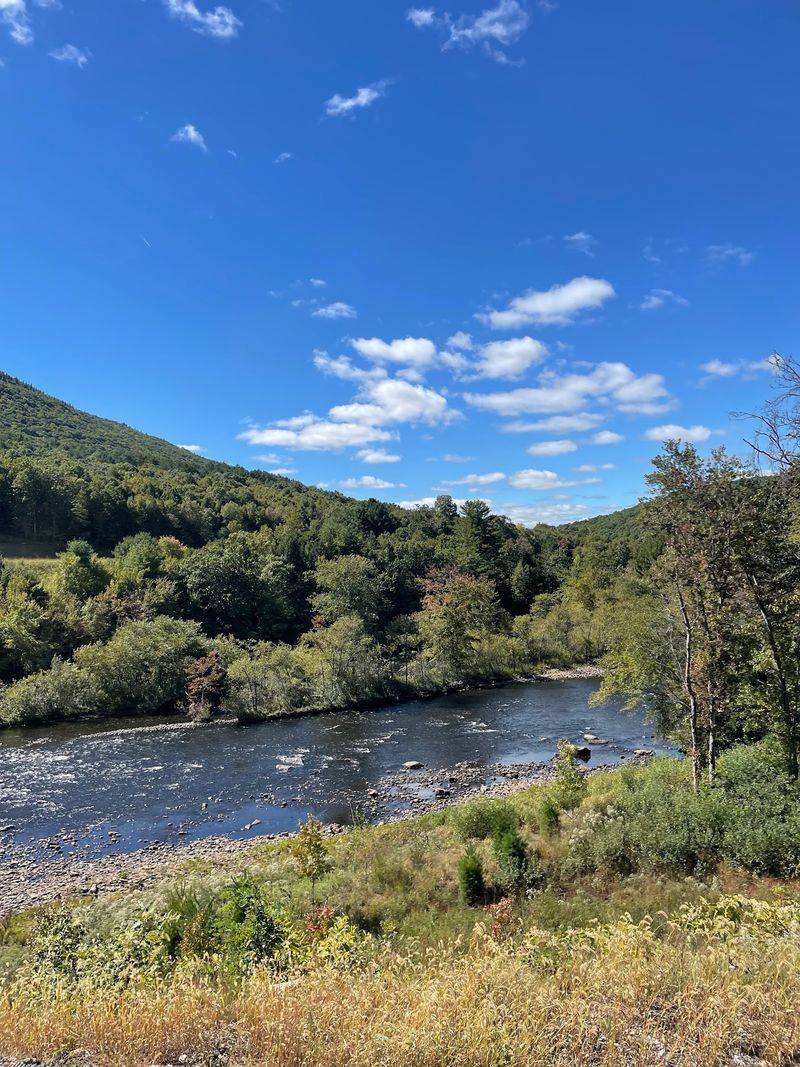
Lehigh Gorge State Park stretches north from the edge of Jim Thorpe. Its rail trail follows the river and suits biking and walking on a mostly gentle grade.
The Lehigh River also draws paddlers and whitewater rafters. Local outfitters run trips when water conditions allow, so plans can depend on the season.
Hikers have even more options nearby. Mauch Chunk Lake Park and the surrounding ridges add trails, water, and wide views to the mix.
Bike rentals and shuttle services operate in the area during warmer months. That lets you ride one direction and skip the long pedal back.
Outdoor fans can easily fill a full weekend here. Casual visitors can sample a short trail and still be back in town for an afternoon snack.
Weather in the mountains can change quickly. Pack layers and water, and check trail and river conditions before heading out.
Either way, the combination of history and outdoor play makes this town a rare two-for-one stop in the state.
Coal Country Stories Just A Short Drive Away
Curious how all that coal actually came out of the ground? A short drive from Jim Thorpe brings you to Lansford and the No. 9 Mine and Museum.
The site is set in a 19th-century anthracite coal mine. Visitors can learn about the miners, their tools, and the conditions they worked in underground.
Pairing it with downtown Jim Thorpe makes the story feel complete. The mansions show the wealth, while the mine shows the labor behind it.
That contrast gives a fuller picture of life in this part of Pennsylvania. It’s especially meaningful for anyone with family roots in coal country.
Back in town, the Jim Thorpe memorial is another worthwhile stop. It honors the athlete whose name changed the borough’s path in 1954.
For mapping purposes, the borough itself is listed simply as Jim Thorpe, Pennsylvania 18229. Most of the main attractions cluster within a short walk or drive of the historic district.
Seasonal hours apply at many of these sites. Checking ahead keeps your day running smoothly and saves a wasted trip down a mountain road.
Why This Mountain Town Deserves A Spot On Your Weekend Plans
Plenty of small towns have nice buildings. Not many pair them with a gravity railroad legend, a stone jail mystery, and an Olympic champion’s name.
Jim Thorpe pulls all of that into one compact valley. You can tour a mansion, ride a vintage train, and walk a river trail before dinner.
History lovers will find layers of coal, rail, and labor stories. Families get trains, trails, and a jail with a spooky-sounding handprint to talk about for weeks.
Day-trippers from across Pennsylvania can reach it in an afternoon drive. Retirees will appreciate how much there is to see without a packed itinerary.
Busy seasons, especially fall, can bring heavier traffic and fuller sidewalks. A weekday visit may feel calmer if you prefer a slower pace.
Prices and hours shift with the seasons, so check ahead before making the drive. A little planning goes a long way in a town with steep streets and limited parking.
The 1954 name change was a bold bet on the future. Judging by everything packed into these hills, it’s hard to argue the gamble didn’t pay off.