This Secret California Hot Spring Reaches Up To 109 Degrees And Is A Must-Visit This February
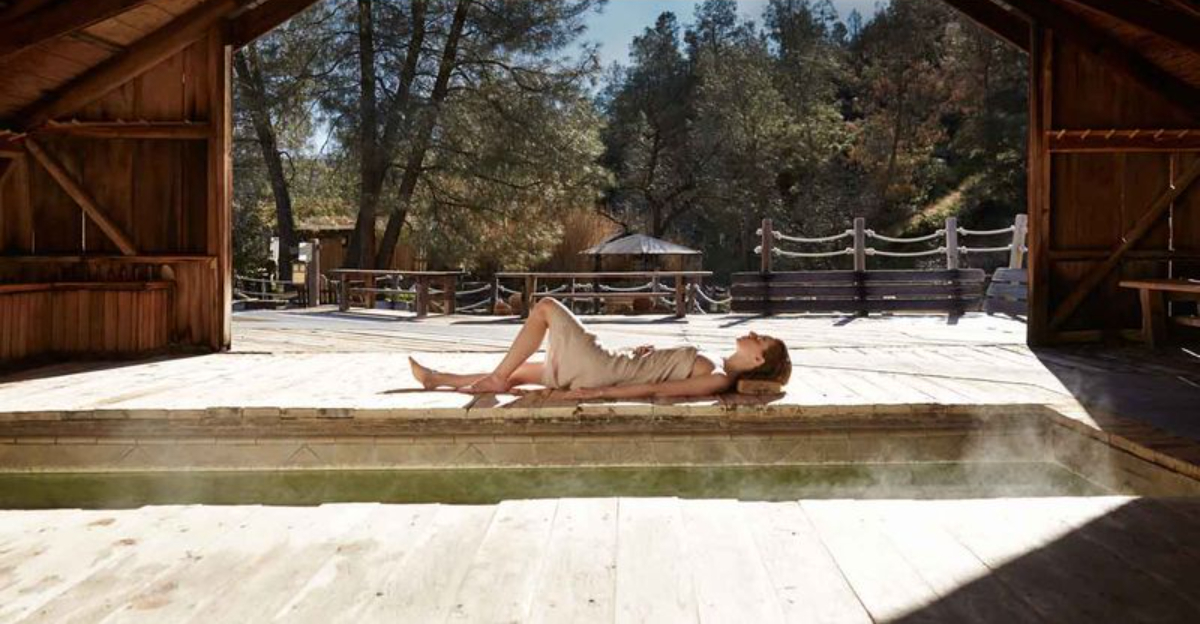
A remote stretch of Northern California wilderness hides one of the state’s most steamy and surreal soaking escapes.
Wilbur Hot Springs near Williams draws visitors in with mineral-rich waters that rise straight from the earth and fill rustic pools reaching up to 109 degrees.
February transforms the experience entirely. Cool winter air rolls across the hills while the springs stay intensely warm, creating that misty, open-air soaking atmosphere travelers dream about.
With fewer crowds this time of year, the setting feels quieter, more private, and far removed from everyday life.
The off-grid resort encourages guests to unplug and slow down. No city noise, no constant notifications, just rolling landscape and the steady comfort of geothermal heat.
Many visitors embrace the clothing-optional policy, easing into the springs and letting the mineral waters melt away months of built-up tension.
Surrounded by 1,800 acres of untouched land, the retreat feels less like a typical spa and more like discovering a secret sanctuary hidden deep in the California hills, one that makes the journey feel worthwhile before you even step into the water.
1. The Springs Reach Temperatures Up To 109 Degrees
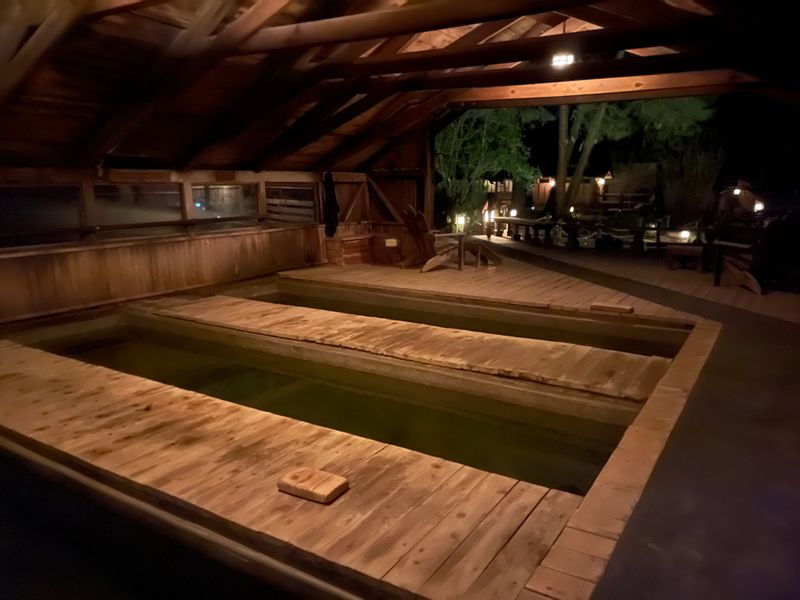
Water emerges from underground at scorching temperatures between 140 and 152 degrees before being channeled into the Fluminarium.
This Japanese-inspired bathing structure houses three separate flumes where the water cools to more comfortable soaking temperatures.
The three pools average 98, 105, and 109 degrees, allowing visitors to choose their preferred heat level. Guests often start in the coolest pool to acclimate their bodies before moving to warmer waters.
The hottest pool at 109 degrees provides intense therapeutic heat that can help relax tight muscles and improve circulation.
Some bathers alternate between pools to experience the contrast in temperatures. The geothermal source maintains consistent heat year-round without any artificial heating systems.
Winter visitors particularly appreciate the warmest pool when February temperatures drop to around 39 degrees at night.
Steam rises dramatically from the water surface during cooler months, creating an atmospheric experience that enhances the sense of being immersed in nature’s own heating system.
2. The Waters Contain Therapeutic Minerals
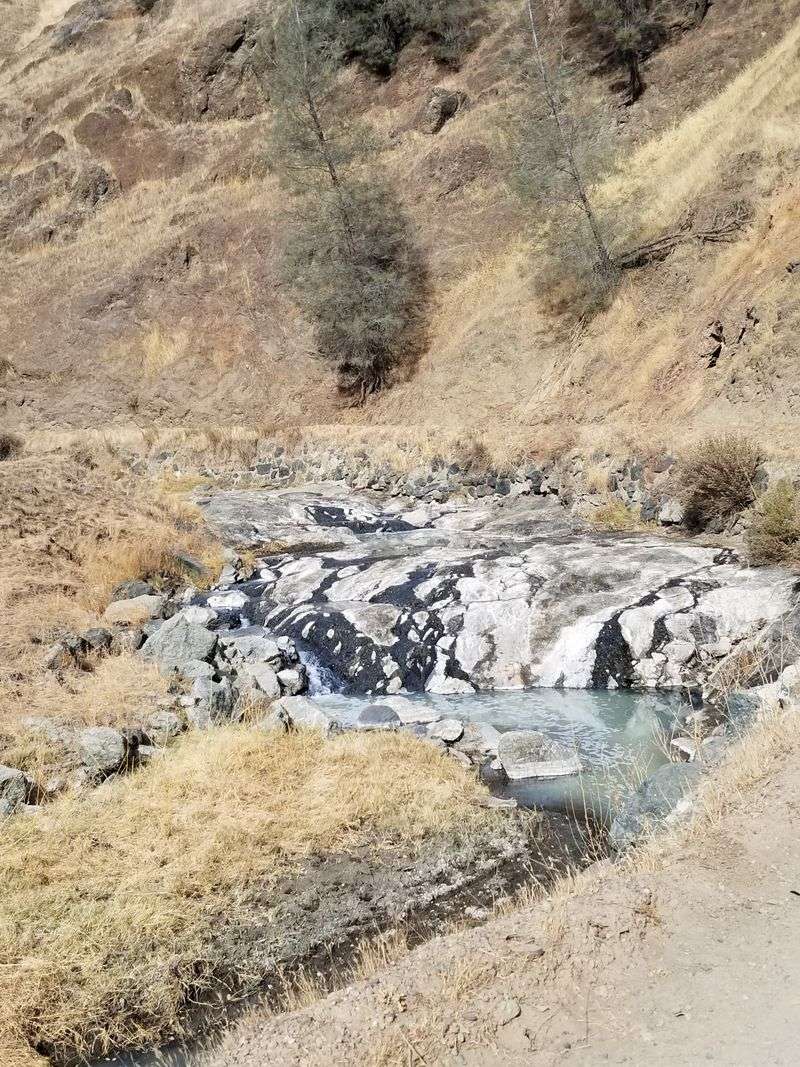
The springs contain a rich blend of minerals including calcium, magnesium, sulfates, lithium, and silica.
These elements dissolve into the water as it travels through underground rock formations before reaching the surface.
Many visitors seek out these mineral waters specifically for their reported health benefits. Calcium and magnesium may help support bone health and muscle function during soaking sessions.
Sulfates are commonly associated with skin health and detoxification processes. Lithium occurs naturally in the water and has been studied for its potential calming properties.
Silica contributes to the smooth texture of the water and may benefit skin and connective tissues. Regular bathers report feeling more relaxed and experiencing temporary relief from various physical discomforts.
The mineral content remains naturally consistent without any artificial additives or treatments, maintaining the springs’ authentic character that has attracted visitors for over a century to this remote location in Northern California.
3. The Resort Sits On 1,800 Acres Of Nature Preserve
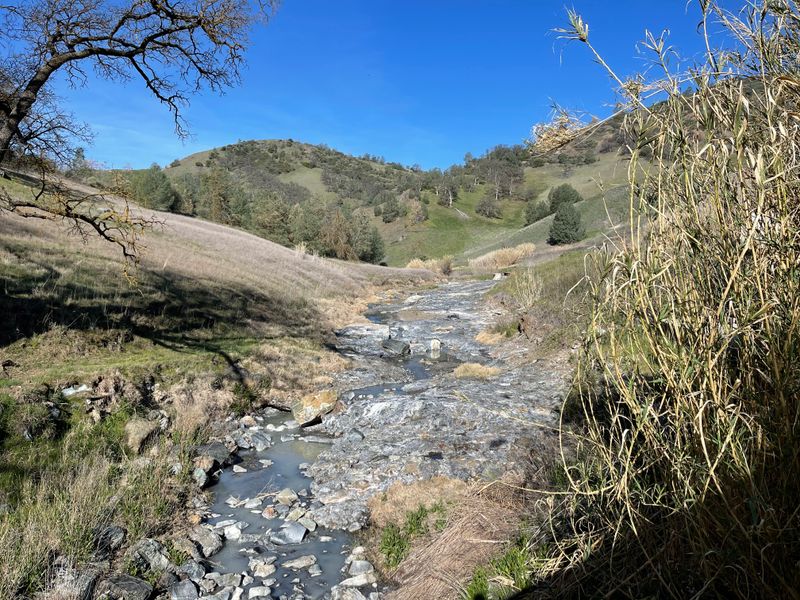
Wilbur Hot Springs occupies a vast protected landscape that extends far beyond the bathing facilities.
The 1,800-acre preserve includes rolling hills, native vegetation, and wildlife habitats that remain largely undisturbed.
Guests at 3375 Wilbur Springs Rd, Williams, CA 95987 can explore trails and quiet spaces throughout the property between soaking sessions.
The expansive acreage ensures privacy and tranquility that would be impossible in a more developed area. No sounds of traffic or urban activity penetrate this remote sanctuary.
Birds, deer, and other wildlife move freely through the preserve, occasionally visible to observant visitors.
The natural setting changes with the seasons, offering different visual experiences throughout the year.
February brings green hillsides from winter rains and cooler temperatures that make outdoor exploration comfortable during midday hours.
The preserve’s size means guests rarely feel crowded even when the resort reaches capacity, allowing everyone to find their own quiet corner of wilderness to enjoy during their stay at this historic Northern California retreat.
4. The Location Offers A Complete Digital Detox
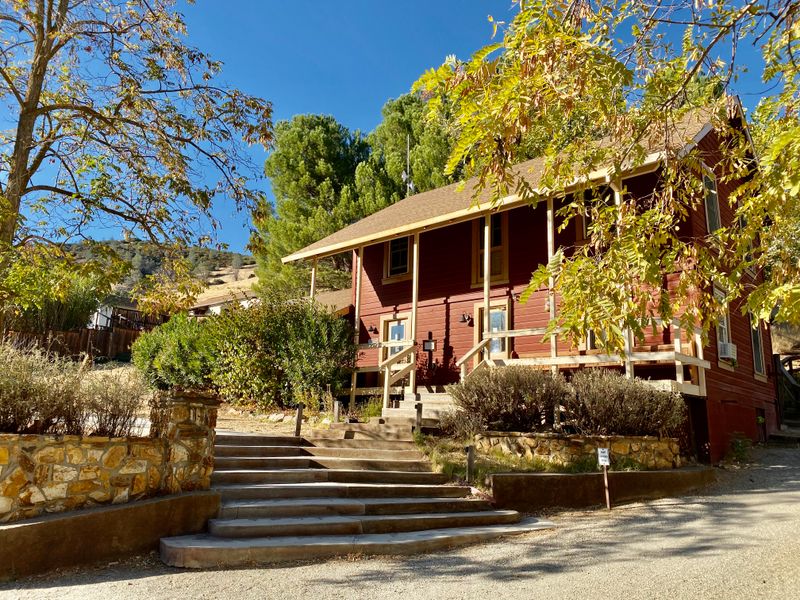
Cell phone signals do not reach the remote valley where Wilbur Hot Springs is located. The resort operates off-grid and provides no Wi-Fi access.
This absence of constant connectivity allows visitors to experience genuine disconnection from digital demands.
Most guests initially feel uncertain about being unreachable but soon report feeling liberated from constant notifications.
Without phones to check, conversations during meals and between soaks become more meaningful. The quiet evenings encourage early bedtimes and better sleep quality.
Reading, journaling, and simple observation of surroundings replace screen time for entertainment. The lack of digital distractions helps visitors become more aware of physical sensations and natural rhythms.
February’s shorter daylight hours naturally encourage this slower pace, as darkness falls earlier and encourages retreat to cozy indoor spaces or continued soaking under stars that shine brilliantly without light pollution to diminish their visibility in the clear rural sky.
5. Accommodations Range From Cabins To Camping
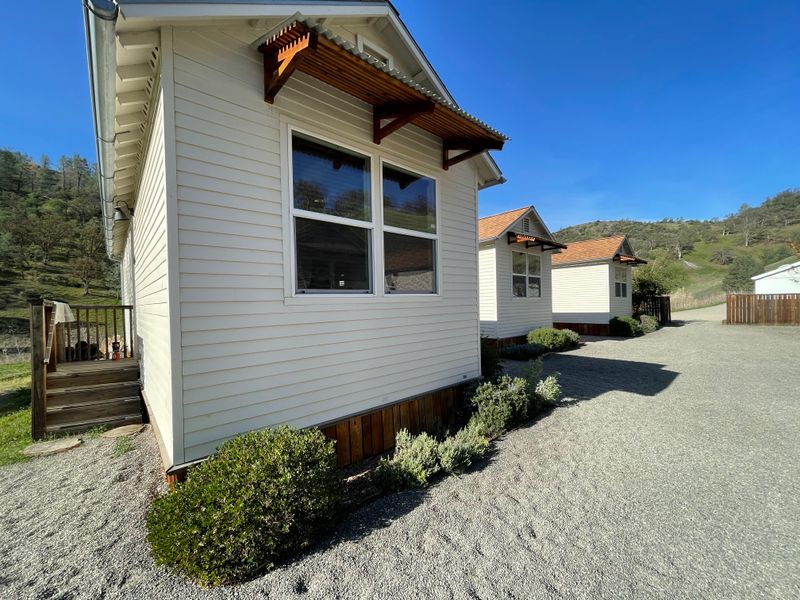
The resort provides several lodging styles to suit different preferences and budgets. Private cabins offer the most seclusion and comfort for couples or small groups.
The solar lodge contains individual rooms with shared common spaces for guests who want some privacy while remaining part of the community atmosphere.
A co-ed bunk room provides the most affordable overnight option for solo travelers or those comfortable with dormitory-style sleeping.
All indoor accommodations require a minimum two-night stay, encouraging guests to fully settle into the slower pace.
Camping becomes available seasonally from April through October for visitors who prefer sleeping under the stars.
Each accommodation type includes access to the hot springs and common areas throughout the property.
The simpler lodging options align with the resort’s overall philosophy of reducing unnecessary amenities in favor of natural experiences.
February visitors should book indoor accommodations since camping is not available during winter months when nighttime temperatures can drop significantly in this rural Northern California location.
6. Day Passes Allow Visits Without Overnight Stays
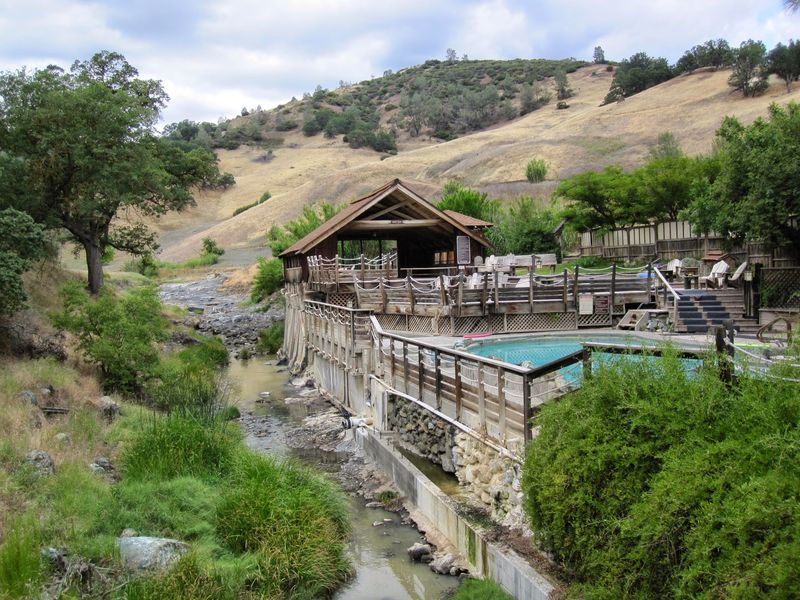
Visitors who cannot commit to an overnight stay can purchase day passes for access between 10:00 AM and 5:00 PM.
This seven-hour window provides ample time for multiple soaking sessions and exploration of the grounds. Day use requires advance reservations just like overnight stays due to the resort’s limited capacity.
Fees vary depending on the day of the week and whether the visit falls on a holiday. Weekday visits typically cost less than weekend passes when demand is higher. The pricing structure helps distribute visitors more evenly throughout the week.
Day guests should arrive prepared with towels, water bottles, and any snacks they might want since the remote location offers limited purchasing options. Many visitors pack lunches to enjoy on the grounds between soaks.
February day visits work well because the cooler air temperature makes the hot water especially appealing, and the winter sun provides pleasant warmth during breaks from the pools at this secluded Northern California destination.
7. The Bathing Area Is Clothing-Optional
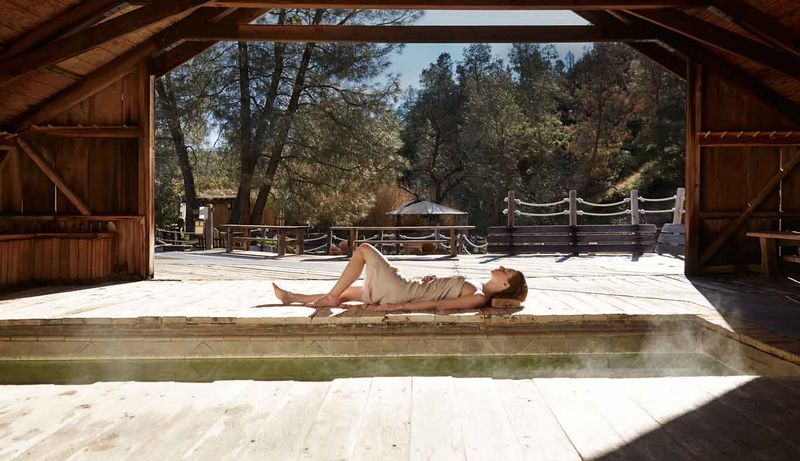
The hot springs bathing area operates under a clothing-optional policy that has been part of the resort’s tradition for decades.
This approach creates an environment where body acceptance and natural comfort are emphasized over conventional modesty standards. Guests can choose whether to wear swimwear or bathe without it.
First-time visitors sometimes feel hesitant about the policy but often find the experience less awkward than anticipated.
The respectful atmosphere and focus on relaxation rather than appearance help newcomers adjust quickly. Clothing remains required in all other areas of the property including dining spaces and pathways.
The policy aligns with the resort’s overall philosophy of returning to simpler, more natural ways of being.
Many regular visitors cite the clothing-optional aspect as contributing to their sense of freedom and stress relief.
February’s cooler air temperatures mean guests spend less time outside the warm water, making the transition between pools the primary time when the policy comes into play at this unique Northern California retreat.
8. The Drive From San Francisco Takes About 2.5 Hours
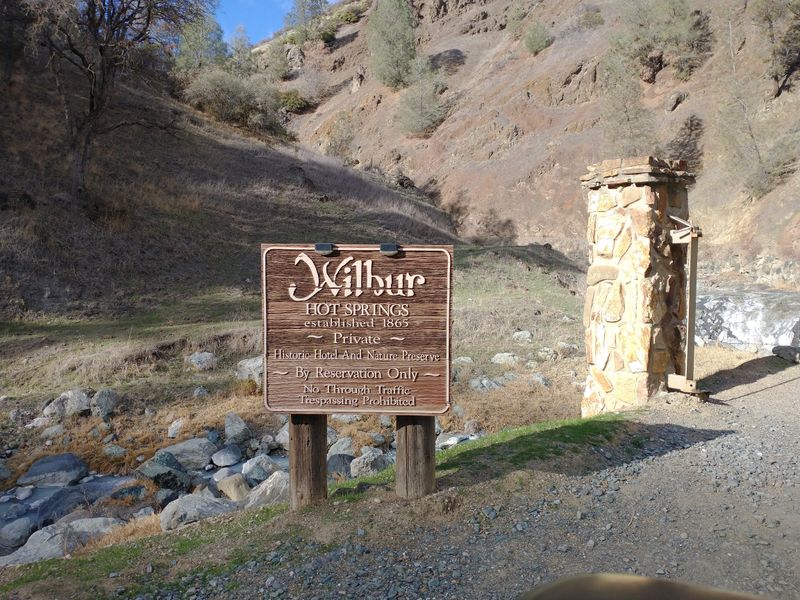
Wilbur Hot Springs sits approximately 130 miles north of San Francisco along a route that transitions from urban to rural landscapes.
The journey typically takes two and a half hours under normal traffic conditions. Visitors travel through increasingly quiet countryside as they approach the destination.
The drive itself becomes part of the retreat experience as cell service fades and open spaces replace development.
Interstate 5 carries travelers through the agricultural Central Valley before smaller roads lead into the hills. Clear signage helps guide visitors along the final stretches of the route.
February driving conditions are generally good though occasional winter storms can bring rain to the region.
The scenic route provides views of green hillsides and farmland that look particularly vibrant during winter months.
Visitors should fill gas tanks before leaving main highways since services become sparse near the resort, and arriving with a full tank ensures the ability to explore the Williams area or make the return journey without concerns about finding fuel in this remote part of Northern California.
9. February Offers Mild Days And Cool Evenings
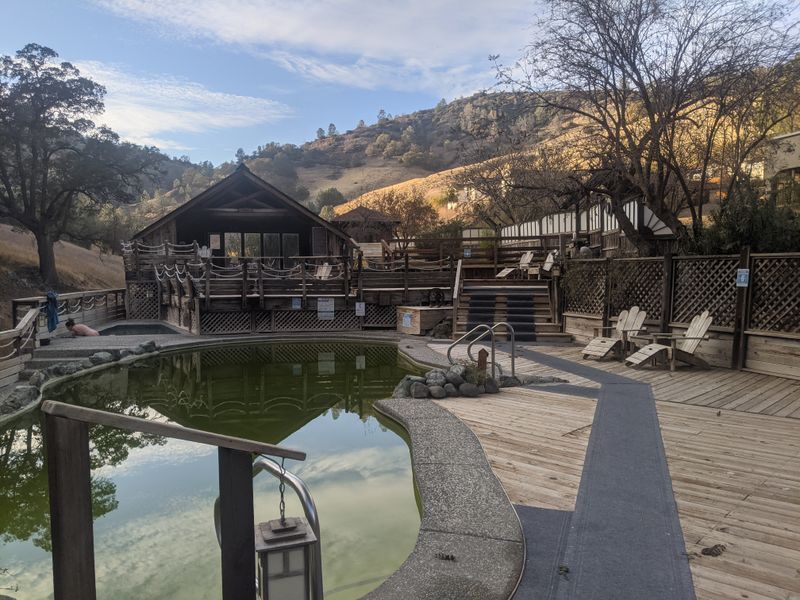
February brings comfortable daytime temperatures averaging around 61 degrees in the Williams area. These mild conditions make outdoor activities pleasant during midday hours.
Evenings cool down to approximately 39 degrees, creating ideal conditions for appreciating the hot springs’ warmth.
The temperature contrast between cool air and hot water reaches its peak during February nights. Steam rises dramatically from the pools when the sun sets and temperatures drop. The thermal waters feel especially soothing when surrounded by crisp winter air.
Winter months typically bring more rainfall to Northern California, keeping the surrounding hills green and lush. Occasional storms may pass through but rarely last long enough to significantly impact visits.
The season also attracts fewer visitors than summer, resulting in a quieter experience with more availability for last-minute bookings.
The combination of comfortable weather, smaller crowds, and dramatic steam rising from hot water makes February an excellent time to experience this historic geothermal retreat in rural Colusa County.
10. Reservations Are Required For All Visits
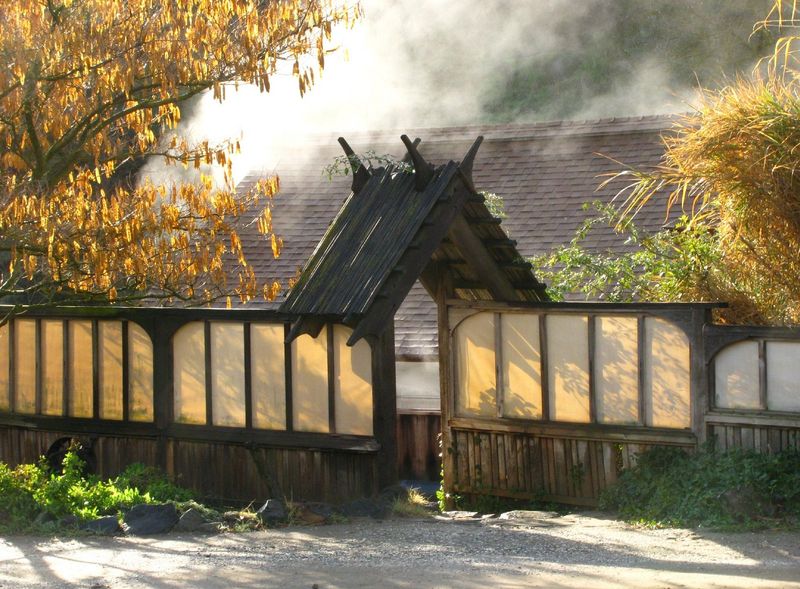
Both day passes and overnight stays require confirmed reservations made in advance. The resort’s limited capacity and remote location make walk-in visits impossible.
Booking ahead ensures that facilities do not become overcrowded and that each guest can enjoy the peaceful atmosphere.
Popular dates fill up quickly, especially during weekends and holiday periods. Visitors planning February trips should book several weeks in advance to secure their preferred dates.
The reservation system helps the small staff prepare appropriately for each day’s guests. Confirmation details include directions to the property and information about what to bring.
The reservation process also communicates important policies about the clothing-optional bathing area and digital detox environment. Guests who understand these aspects before arrival tend to have more satisfying experiences.
The advance booking requirement might seem inconvenient but ultimately contributes to the quality of each visit by preventing the overcrowding that affects many popular hot springs destinations throughout California and ensuring a more intimate connection with this special place.
11. Williams Provides The Nearest Town Services
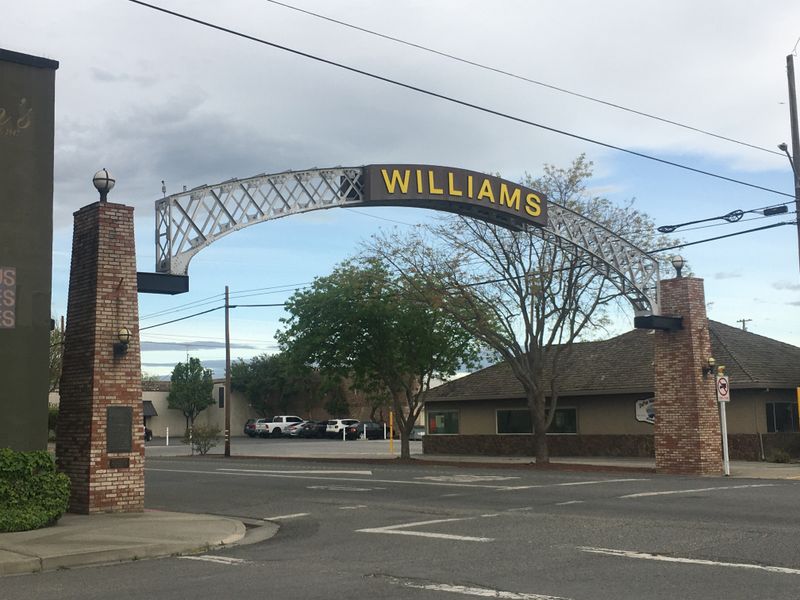
Williams serves as the closest community to Wilbur Hot Springs, located in Colusa County in Northern California. The town recorded a population of 5,538 residents in the 2020 census.
This small agricultural community provides basic services and supplies for visitors heading to the remote hot springs.
The town sits along Interstate 5, making it a convenient stop for travelers driving to the resort. Gas stations, grocery stores, and a few restaurants operate in Williams.
Visitors can purchase any forgotten items or stock up on snacks before making the final drive to the springs. Williams maintains the quiet, rural character typical of small Central Valley towns.
The community serves as a gateway to the more remote areas west of the interstate where Wilbur Hot Springs is located. February visitors might notice the agricultural surroundings showing winter green from recent rains.
The town provides a last connection to conventional services before guests enter the completely off-grid environment of the hot springs retreat nestled in the hills beyond.