This Small Idaho College With Just 1,000 Students Was Ranked The Best In The State
A college with barely more than 1,100 students is not supposed to keep turning up on statewide “best” lists.
Apparently, nobody told this campus.
Classes average just 18 students, and the student-faculty ratio sits at 10-to-1. That means disappearing quietly into the back row is considerably harder when the professor may actually notice you are there.
Then come the rankings.
The school has repeatedly earned major recognition within Idaho, while current U.S. News rankings place it among the leading regional colleges in the West and among the stronger choices for value.
Its schedule is unusual, too. A redesigned curriculum introduced in 2025 moved classes onto four days each week, giving this already small academic community another feature that separates it from the typical university experience.
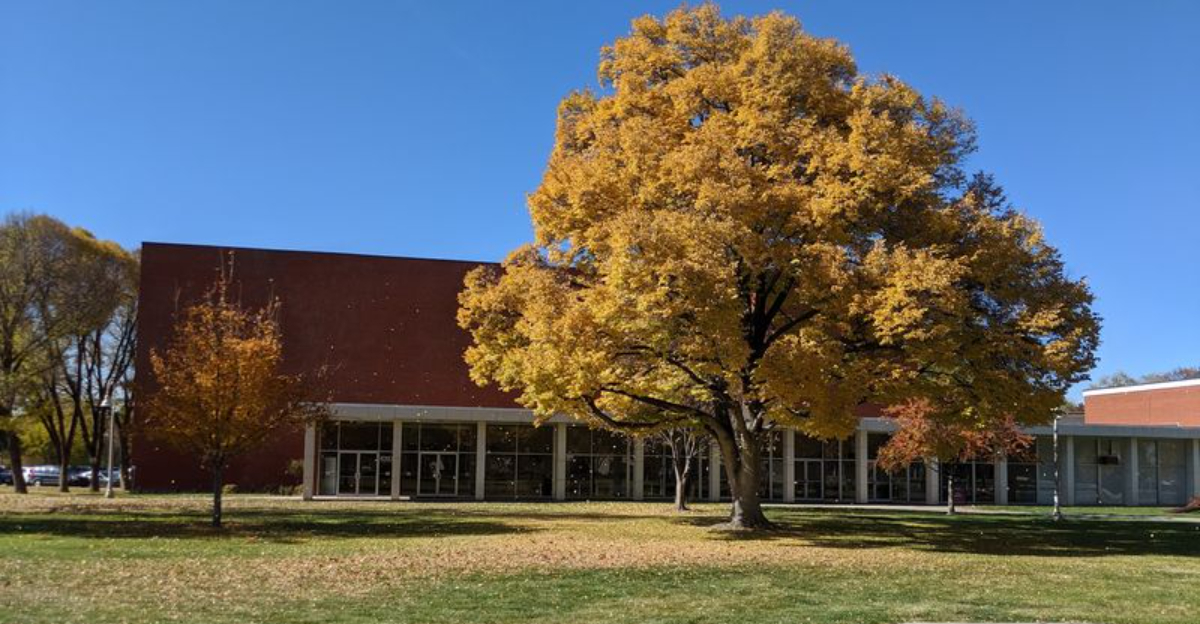
All of this happens on just 55 acres about half an hour from Boise.
Small enrollment? Absolutely.
Small résumé? Not even close.
Just Over 1,000 Students Give The Campus A Close-Knit Feel
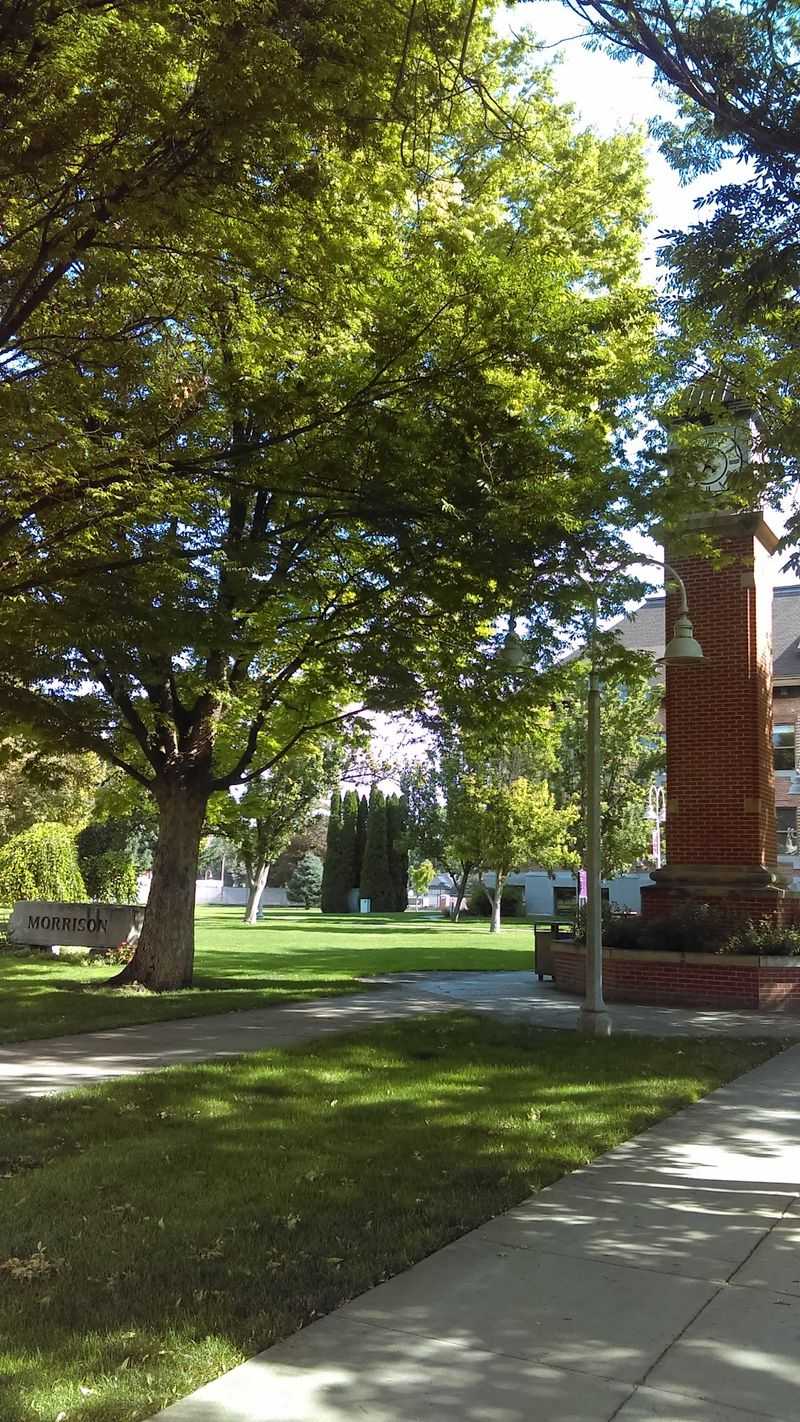
The numbers immediately separate this Caldwell campus from Idaho’s much larger universities. The College of Idaho describes its community as more than 1,100 students, while institutional statistics place undergraduate full-time-equivalent enrollment at just over 1,000.
That scale gives students a campus where repeated faces quickly become familiar rather than disappearing into crowds of thousands. Student life is still broad enough to keep the calendar busy.
More than 50 student groups cover athletics, performing arts, academics, student government, media, and other interests, and the school says 53 percent of students participate in one of its 23 varsity sports.
Students are known as Yotes, a shortened version of the Coyote mascot that appears throughout the college’s athletics and campus culture.
First-year students are also encouraged to get involved early, with opportunities to join existing organizations or start new ones.
The combination gives the school an interesting balance: small enough for individual students to be noticed, but large enough to support a surprisingly varied collection of clubs, teams, performances, and campus traditions.
A No. 1 State Ranking Put This Small College Ahead Of Much Bigger Schools
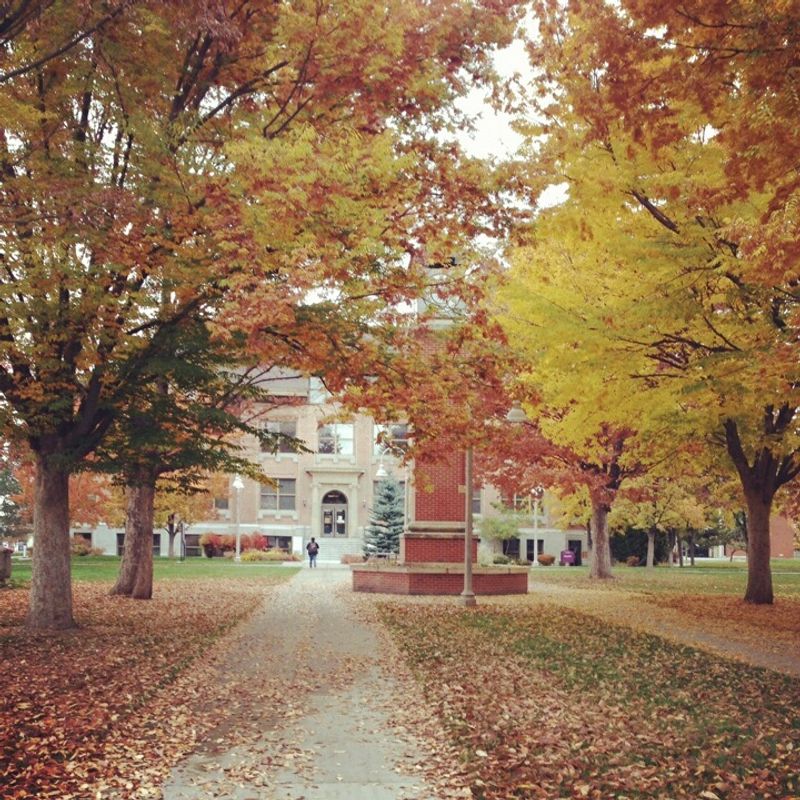
National rankings have repeatedly given this small Caldwell school an outsized profile.
The Wall Street Journal and Times Higher Education ranked The College of Idaho as the state’s top college for several consecutive editions. In the 2020 ranking, it placed No. 360 nationally while remaining first in Idaho.
Later Wall Street Journal rankings again placed the college first statewide. The distinction is still highlighted by the school today, although newer rankings provide additional ways to judge its standing.
Current 2026 rankings add another distinction: WalletHub named The College of Idaho the top college in the state. U.S.
News & World Report also places the school at No. 5 among Regional Colleges in the West and No. 8 among Best Value Schools. Its academic outcomes have attracted attention too, with the college promoting strong job placement and graduation results.
Those rankings are based on different methodologies, so no single list tells the whole story. Together, however, they help explain why a school with roughly a thousand students continues to appear alongside institutions many times its size.
The campus may be compact, but its reputation has traveled considerably farther than Caldwell.
Small Classes Keep Professors Much Closer To Everyday Student Life
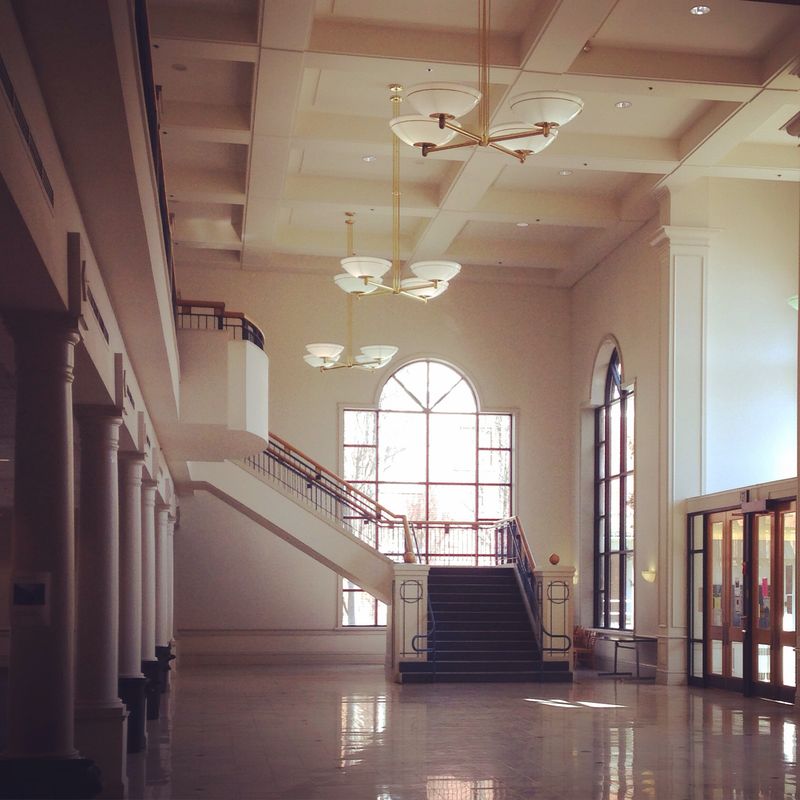
Eighteen students is the average class size here, and that number changes what a normal school day can look like. The College of Idaho also maintains a 10-to-1 student-faculty ratio, leaving far less room for students to become anonymous names on a long roster.
The academic model emphasizes direct participation rather than simply moving large groups through lecture halls.
Research, community-engaged learning, internships, study abroad, and applied coursework are all included among the high-impact practices the college says every student encounters during their education.
That can put undergraduates into projects that extend well beyond reading assignments and exams.
Faculty mentorship is also easier to build when professors routinely work with smaller groups, whether a student needs help shaping a research question or planning the next stage of a degree.
The school makes that personalized academic environment one of its central selling points rather than treating small enrollment as a limitation.
Prospective students visiting Caldwell can see the difference simply by looking at the scale of the classrooms.
At The College of Idaho, a class of 18 is normal, not a special upper-level seminar reserved for the final year.
The Liberal Arts Curriculum Encourages Students To Mix Fields Instead Of Staying In One Lane
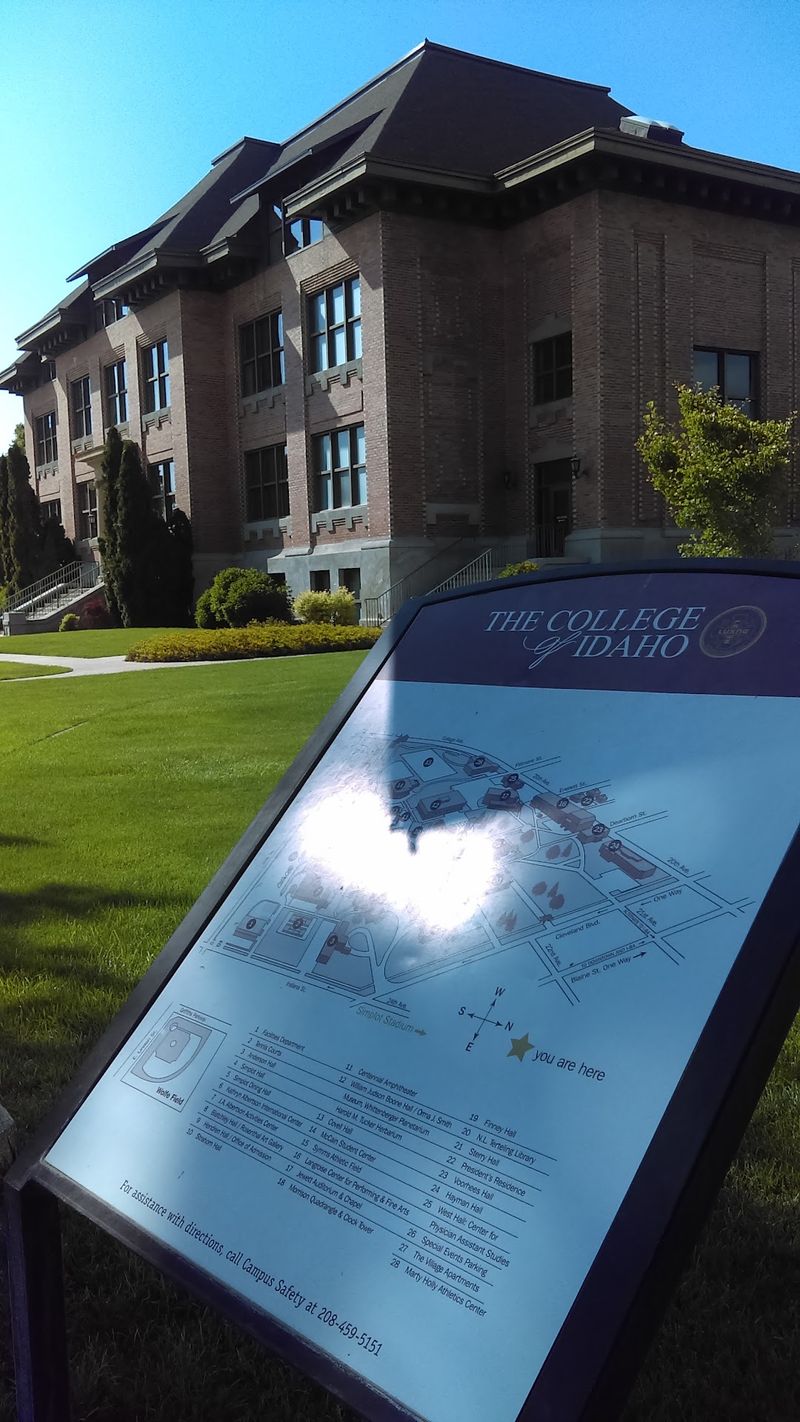
A major academic change arrived in fall 2025 when The College of Idaho replaced its long-running PEAK system with the new Do More in Four curriculum. PEAK had required students to complete one major and three minors, deliberately pushing them across several areas of study.
The newer model keeps the broad liberal-arts philosophy but gives students more flexibility to explore before locking themselves into a complicated collection of programs.
Classes now carry four credits, allowing students to take four courses each term rather than the five commonly required under a three-credit model.
That efficiency also lets the college schedule regular undergraduate classes Monday through Thursday, leaving Fridays open for research, internships, employment, extracurricular activities, collaborative projects, or other experiences. Accelerated 3+1 pathways add another possibility.
Eligible students in programs such as organizational leadership, accountancy, and data analytics can begin graduate coursework while completing their undergraduate degree. Some pathways allow the master’s degree to be finished after an additional summer session.
The structure has changed, but the underlying idea remains recognizable: students are encouraged to build an education broader than a single narrow subject.
Strong Graduation Rates Help The College Stand Out Across The State
Recent federal-data comparisons place The College of Idaho’s six-year graduation rate at about 62 to 64 percent, depending on the cohort. That puts the school above the national median and among the stronger performers in Idaho.
CollegeSimply’s latest statewide comparison lists the school first with a graduation rate of about 64 percent. The college itself continues to promote having the state’s strongest four-year and six-year graduation outcomes.
Those percentages matter because getting admitted is only the beginning of a college experience. Finishing a bachelor’s degree without adding several unplanned years can affect tuition costs and how quickly graduates move into employment or additional study.
The new four-course curriculum is designed partly around making degree progress easier to manage, while academic advisers help students connect majors and course choices with longer-term goals.
Small classes provide another layer of support because instructors have fewer students to keep track of during a semester.
Graduation rates naturally move from one cohort to another, but the broader pattern is clear: The College of Idaho has maintained completion results strong enough to distinguish it within the state.
A 10-To-1 Student-Faculty Ratio Keeps The Academic Experience Personal
One professor for every 10 students gives this campus much of its academic character.
The College of Idaho has a 10-to-1 student-to-faculty ratio and an average class size of 18. Those numbers support frequent interaction between students and instructors during regular coursework.
Students also have opportunities to work beyond conventional class assignments. The college says all students participate in high-impact experiences that can include collaborative research, internships, community-engaged learning, applied courses, or study-away programs.
The campus itself adds resources that are unusual for a school of this size. The Orma J.
Smith Museum of Natural History houses extensive scientific collections and is working to digitize millions of specimens, while the Whittenberger Planetarium has operated as a public astronomy facility since 1970 beneath a 24-foot dome.
Both connect students with research and public education while also welcoming visitors from beyond campus.
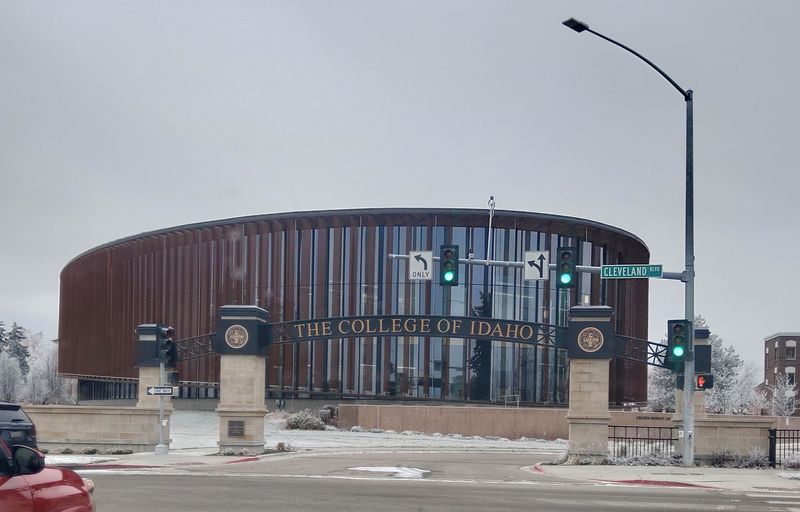
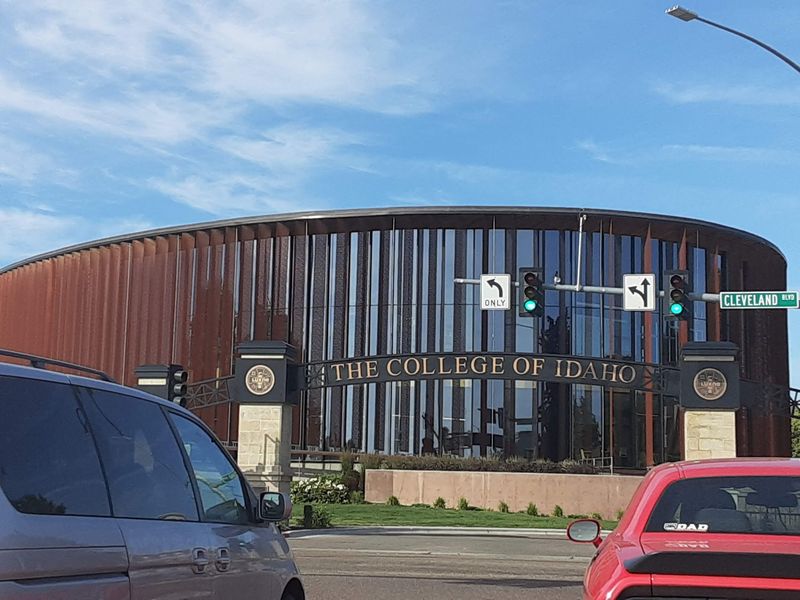
The main college address is 2112 Cleveland Blvd, Caldwell, ID 83605, making these academic resources part of a campus compact enough to cross on foot without losing the sense of a traditional residential college.
More Than 130 Years Of History Sit Behind The Modern Campus
The first class looked nothing like the college that stands in Caldwell today. On October 7, 1891, The College of Idaho began teaching just two students inside a Presbyterian church under founding president William Judson Boone.
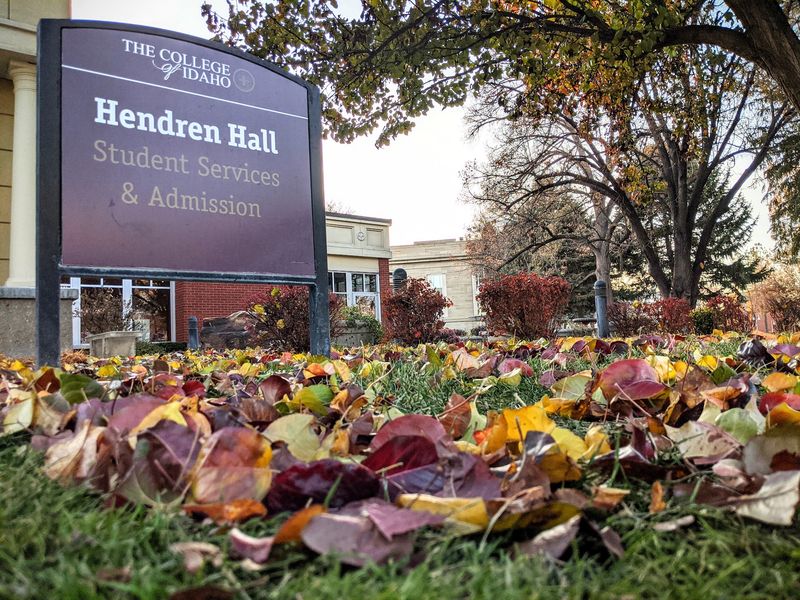
It was the first private liberal arts college established in Idaho and remains the state’s oldest private college. The school spent its early years in downtown Caldwell before donors provided 20 acres for the present campus in 1910.
Construction followed quickly, with Sterry Hall and Finney Hall completed that year and Voorhees Hall opening in 1912. Over time, the property expanded to about 55 acres with 26 structures.
That history still shares the grounds with modern academic programs and newer facilities rather than being confined to an archive.
The college has also produced eight Rhodes Scholars along with Truman, Fulbright, and Goldwater scholars, three governors, and a Pulitzer Prize winner among its alumni.
Public-facing resources add another layer to campus life, including the natural history museum and planetarium.
More than 130 years after those first two students met inside a church, the school remains remarkably small compared with most universities, yet far more developed than its enrollment number might suggest.
Caldwell Gives Students A Smaller-College Setting Within Easy Reach Of Boise
The location creates a useful middle ground between residential college life and access to Idaho’s largest metro area.
The College of Idaho sits in Caldwell at 2112 Cleveland Boulevard, roughly 30 miles from Boise, and the school describes the capital’s cultural and professional opportunities as about a 30-minute drive from campus.
That proximity can matter for internships, employment, airport trips, events, or simply a change of scenery without requiring students to live in the middle of a larger city. Caldwell provides its own activity closer to school.
Downtown has been reshaped around Indian Creek Plaza, where public events and seasonal programming give students another gathering place beyond campus.
The surrounding Treasure Valley also opens quickly into agricultural land and outdoor recreation, reinforcing the school’s combination of small-city living and access to a much larger region.
On campus, the four-day class schedule gives Fridays a new role under the Do More in Four model, leaving room for internships, work, research, athletics, or other commitments that can extend into Boise and the surrounding valley.
For students attracted to a small college but reluctant to feel isolated, Caldwell gives The College of Idaho a setting that keeps both possibilities within reach.