This Small Nebraska Town Is Emerging As A Creative Escape Worth Visiting
One village smaller than a single city block overflows with working, full-time artists. How great is that?
Old brick storefronts now hold pottery studios, folk-art museums, and cool independent galleries. Nebraska packs a startling amount of pure art into one pocket-sized riverbank town.
Live music spills from a proper local theatre on warm summer nights, pulling in happy crowds. Painters and potters claimed the fading main street and quietly turned it into a real scene.
This place skips the pretense, because it already is exactly what it so happily claims.
Turns out the tiniest dot on the map can hold the biggest creative surprise.
A Missouri River Town With Real Roots
Long before the galleries and the pottery wheels arrived, Brownville was already writing its own history.
Founded in 1854, it holds the distinction of being one of Nebraska’s oldest towns. It sits right along the Missouri River in Nemaha County, where the land flattens out and the water moves wide and slow past the eastern edge of the state.
The original settlers chose this spot for its river access, and trade once flowed through here with real momentum.
Brownville served as a key crossing point and supply hub during Nebraska’s early territorial days. Walking its streets today, you can still feel that old ambition underneath the quiet surface.
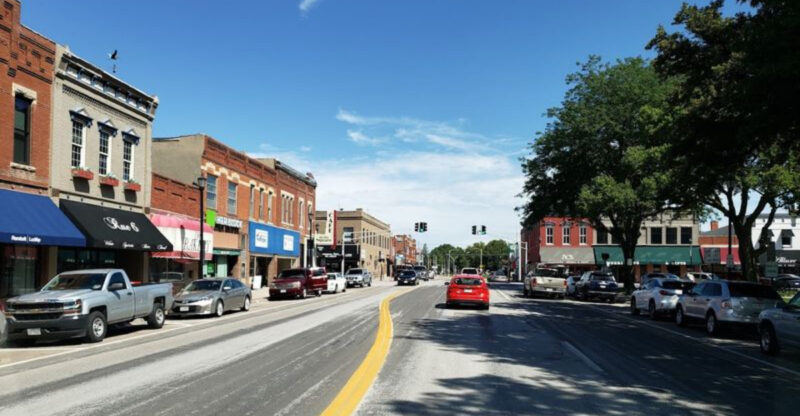
The brick storefronts are original, the sidewalks are uneven in the best possible way, and the river is still right there, unhurried and wide.
Brownville did not erase its past to make room for its creative present. It built the present on top of the past, and the combination is genuinely worth the drive.
New Earth Clay Pottery Studio
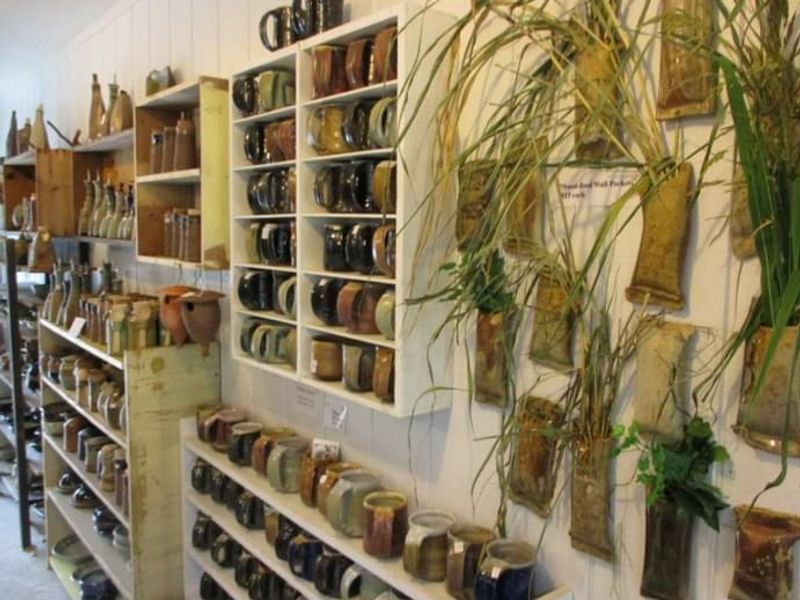
There is something quietly satisfying about watching a lump of earth become a bowl, a cup, or a sculptural form right before your eyes.
New Earth Clay Pottery is one of the anchor creative spaces in Brownville, and it draws visitors who are as curious about the process as they are about the finished pieces.
The studio has a relaxed, working atmosphere that feels nothing like a polished retail store. Shelves hold finished ceramics in earthy tones and organic shapes, and the smell of clay and kiln heat hangs lightly in the air.
Pottery made here reflects a clear connection to the natural world and the river landscape that surrounds this part of the state.
Each piece feels considered rather than mass-produced, and that distinction matters when you are choosing something to bring home.
If you are a serious collector or simply someone who appreciates handmade craft, this studio rewards a proper visit.
Brownville Village Theatre And Concert Hall
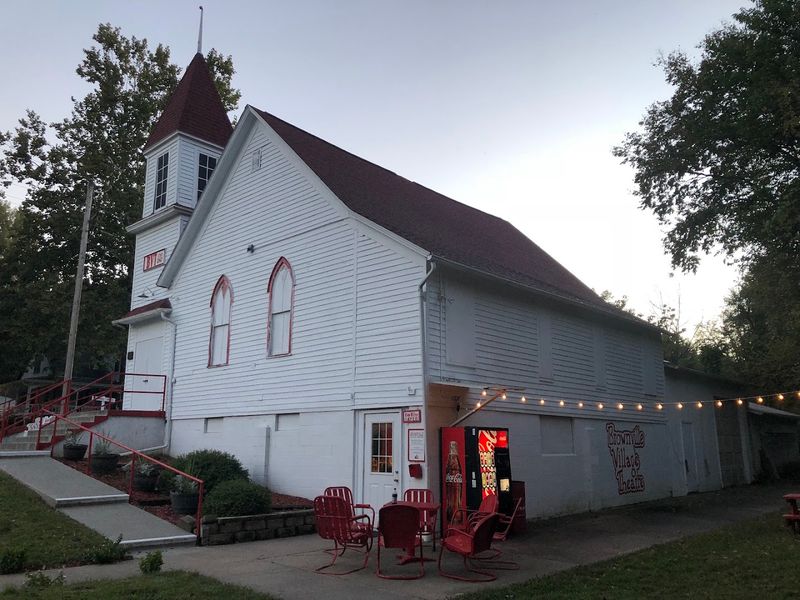
Not every town of 142 people can say it has a functioning theatre with a regular season of performances.
Brownville can, and that fact alone sets it apart from nearly every other small community in this state. The Brownville Village Theatre and Concert Hall brings live entertainment to this riverbank village in a way that feels both surprising and completely natural.
Summer performances are the main draw, with productions that range from classic plays to crowd-pleasing musicals.
Monthly concerts bring in musicians and performers throughout the warmer months, filling the hall with sound that carries through the surrounding streets on quiet evenings.
The experience of watching live theatre in a space this intimate is genuinely different from a big-city venue.
The hall itself has the kind of character that newer buildings simply cannot manufacture. The seats fill up, the lights dim, and suddenly this tiny town feels like the center of something culturally alive and purposeful.
Locals and visitors mix easily in the audience, and the communal energy of a shared performance in a small space is hard to replicate anywhere else.
The Missouri River Views Here
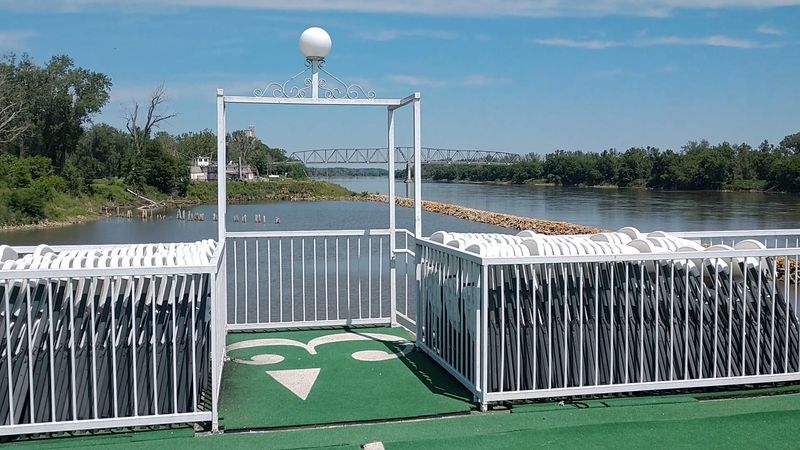
The river does not just sit quietly in the background here. It shapes the mood of the entire town, and spending time near the water is one of the more meditative things you can do during a visit to Brownville.
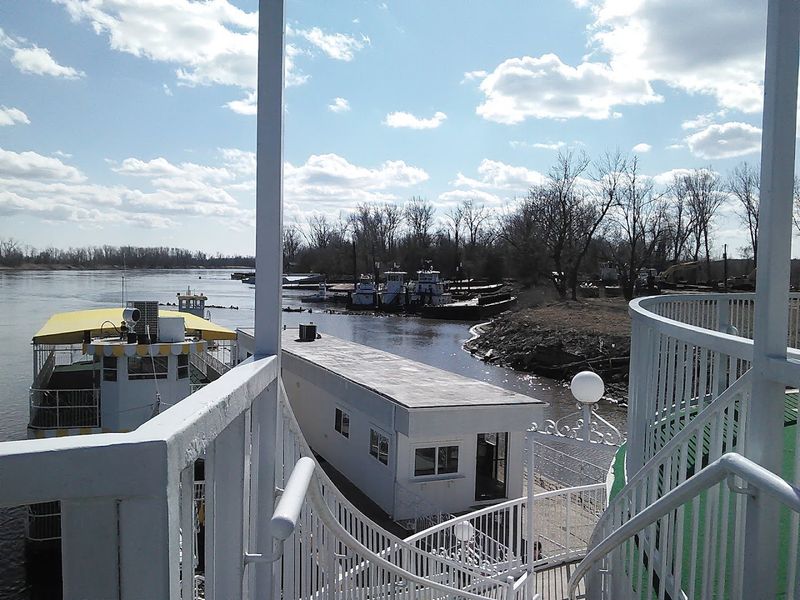
The Missouri runs wide and unhurried past the eastern edge of the village, and the views from the bank are genuinely calming.
There is a reason artists have been drawn to this stretch of Nebraska for generations. The quality of light along the river in the late afternoon is something that photographers and painters both notice immediately.
The way the water catches color and the way the trees along the bank shift with the seasons gives the whole landscape a painterly quality that feels almost deliberate.
Recreational access to the river is part of what makes Brownville a well-rounded destination rather than just a gallery stop.
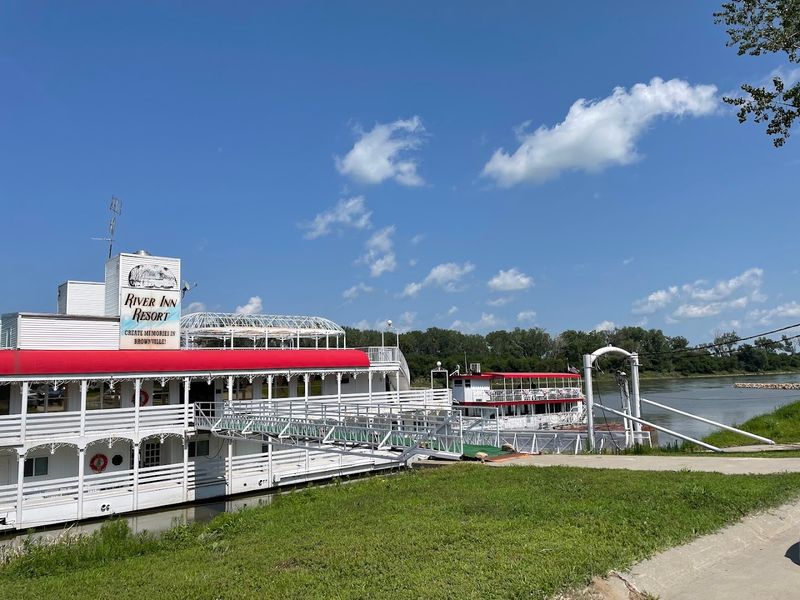
The Captain Meriwether Lewis Museum of Missouri River History, a retired dredge boat, sits nearby and adds a layer of river history to the experience.
Captain Meriwether Lewis Dredge Boat
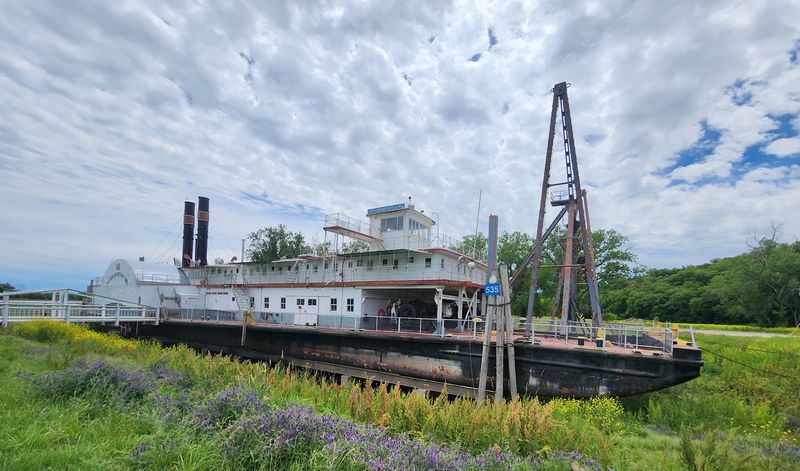
Moored along the Missouri River near the village, the Captain Meriwether Lewis is one of the most unusual historical attractions in all of Nebraska.
This retired steam-powered dredge boat once worked the river, keeping channels navigable and water routes open across the region. Today it serves as a floating museum dedicated to Missouri River history.
Boarding the vessel is an experience that connects you directly to the working river culture that once defined this part of the country.
The machinery on board is impressive in scale, and the exhibits trace the history of river navigation, dredging operations, and the communities that depended on the Missouri for commerce and survival.
For anyone with even a passing interest in American industrial history or river culture, this stop is genuinely rewarding.
The boat itself is a remarkable piece of engineering, and seeing it up close gives you a sense of the physical effort that went into managing a river as powerful and unpredictable as the Missouri.
Flatwater Folk Art Museum Explained
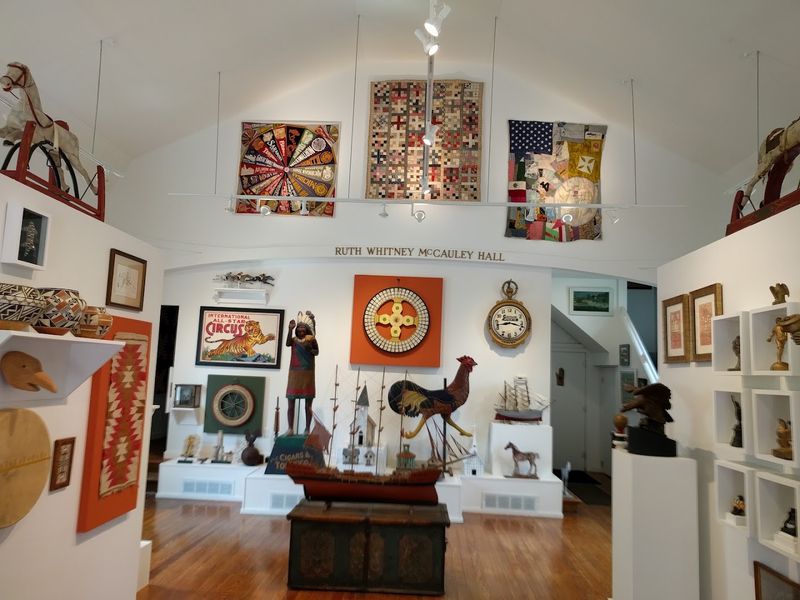
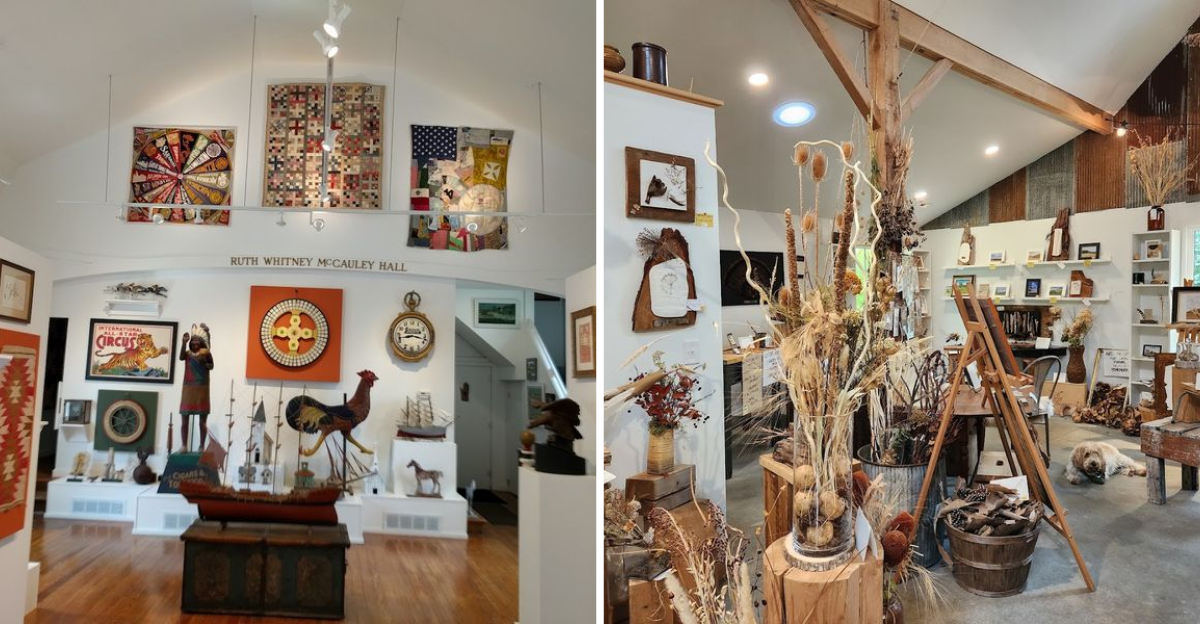
Folk art does not always get the spotlight it deserves, but the Flatwater Folk Art Museum in Brownville makes a strong case for why it should.
The museum celebrates American folk art traditions with a collection that feels personal, eclectic, and rooted in genuine creative expression rather than academic curation.
The name itself is a nod to the Missouri River, which flows with a certain flatwater calm along this stretch of Nebraska. That connection between place and art runs throughout the museum experience.
The pieces on display often reflect rural life, handcraft traditions, and the kind of creativity that emerges when people make things because they need to, not because a gallery told them to.
Visitors who wander in expecting a stuffy museum usually leave pleasantly surprised. The atmosphere is approachable and the collection is genuinely interesting, with works that range from painted wood carvings to textile pieces and beyond.
Environs Art Gallery And Small Studios
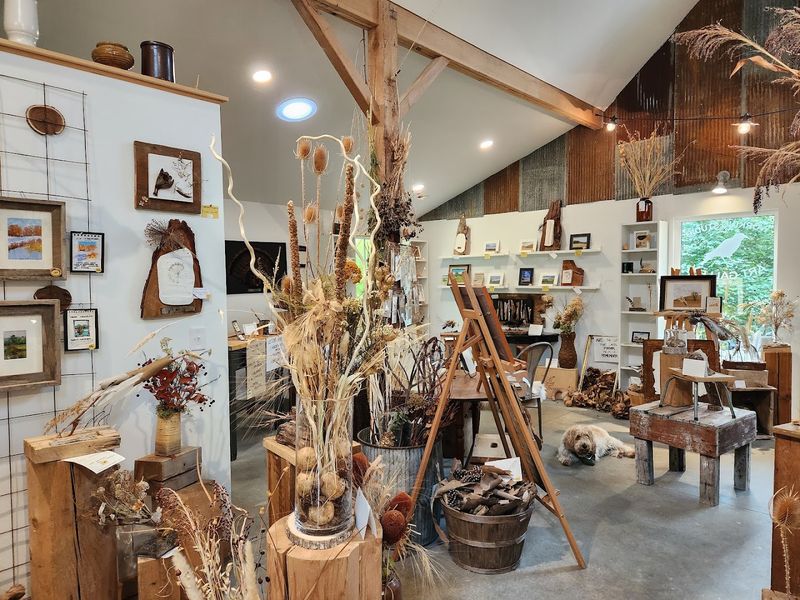
Environs Art is one of those gallery spaces that manages to feel both curated and casual at the same time.
Tucked into Brownville’s compact downtown, it represents the kind of independent creative presence that gives this village its distinctive artistic identity.
The work shown here tends toward the contemporary, though it never feels disconnected from its surroundings.
Beyond Environs, several smaller studios and artist-run spaces dot the streets of this Nebraska village, each one reflecting the personality of its maker.
Stopping into these spaces feels more like visiting someone’s creative world than browsing a commercial store. Artists are often present, willing to talk about their process and their work in a way that larger galleries rarely allow.
The concentration of creative spaces in such a small footprint is genuinely impressive. Within a few blocks, you can move from a ceramics studio to a folk art museum to a contemporary gallery without once getting back in your car.
Best Time To Plan Your Visit
Timing a trip to Brownville takes a little planning, and it is well worth the effort. The village comes fully alive in the warmer months, roughly from late spring through early fall.
That is when the theatre season runs, the concert hall fills up, the studios keep longer hours, and the river looks its most inviting from the bank.
Summer weekends are the sweet spot for first-time visitors. The galleries tend to be open, artists are more likely to be in their studios, and the outdoor atmosphere along the Missouri adds a natural layer of enjoyment to the whole experience.
Fall brings a different kind of beauty to this part of the state, with the trees along the river turning and the light shifting into something warmer and more golden.
Visiting in September or October means smaller crowds and a more contemplative pace, which suits the village’s artistic character well.
Checking the theatre’s performance schedule before booking travel is a smart move, since a show date can turn a pleasant visit into a genuinely memorable one.
Why Brownville Deserves Your Attention
Some places earn their reputation through marketing. Brownville earned its through actual work.
The artists, performers, and craftspeople who have made this village their home did not do so for convenience.
They came because the place itself has something genuine to offer, and that quality shows in everything from the pottery on the shelves to the performances on the theatre stage.
At just over 140 residents, Brownville is proof that creative culture does not require a large population to take root and flourish.
The density of what exists here, a working pottery studio, a folk art museum, a theatre, a concert hall, and multiple galleries, is remarkable by any measure. Visitors consistently leave with more than they expected to find.
The town’s scale makes it easy to experience everything in a single day, but the depth of what is here makes you want to stay longer.
If you come for the art, the river, the theatre, or simply the curiosity of it all, Brownville has a way of staying with you long after you have driven back down the highway.