This Turkish Market In Connecticut Serves Baklava, Turkish Pastries And Hard-To-Find Imported Treats
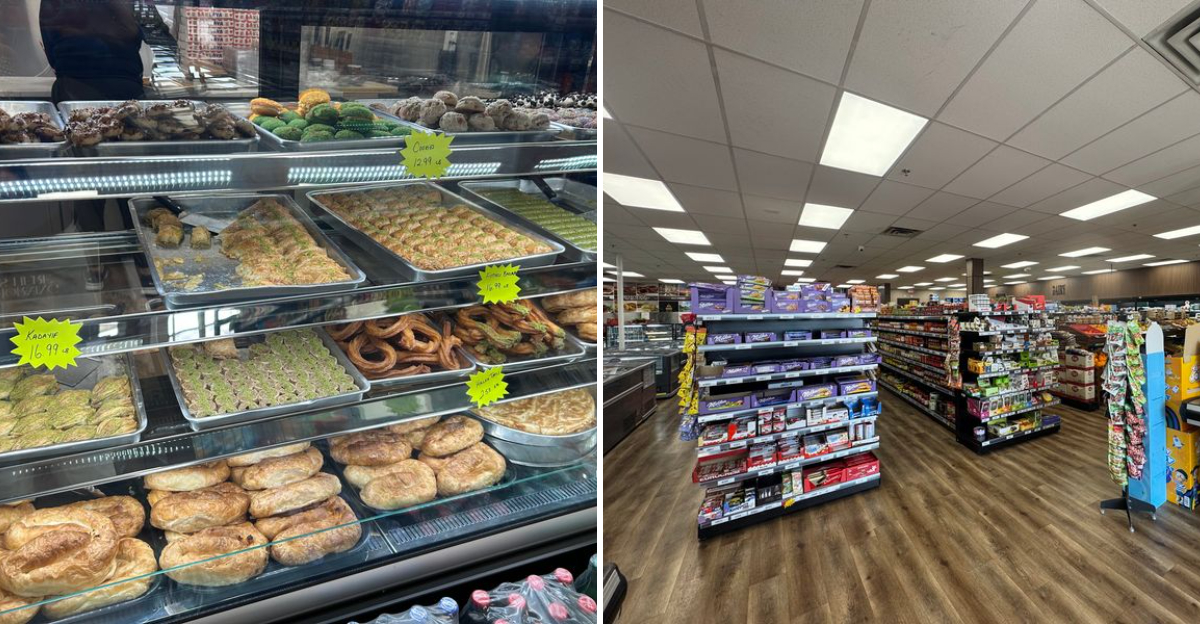
You know that little moment when you walk into a market for one thing and immediately realize your plan is already falling apart? That is the danger here.
The pastry case is packed with the sort of sweets that make “I’ll just look” sound completely unrealistic, especially once the baklava starts calling your name.
Imported snacks add another layer of temptation, with plenty of harder-to-find treats mixed into the shelves.
At this Connecticut Turkish market, dessert shopping can turn into a full-blown curiosity trip before you even reach the register.
The fun comes from spotting something unfamiliar and deciding it absolutely needs to come home with you. One box becomes two very quickly.
Between flaky pastries, rich syrupy bites, and shelves full of Turkish favorites, this is the kind of stop that makes a snack run feel far more exciting than it had any right to be.
1. Turkish Favorites Fill This Specialty Market
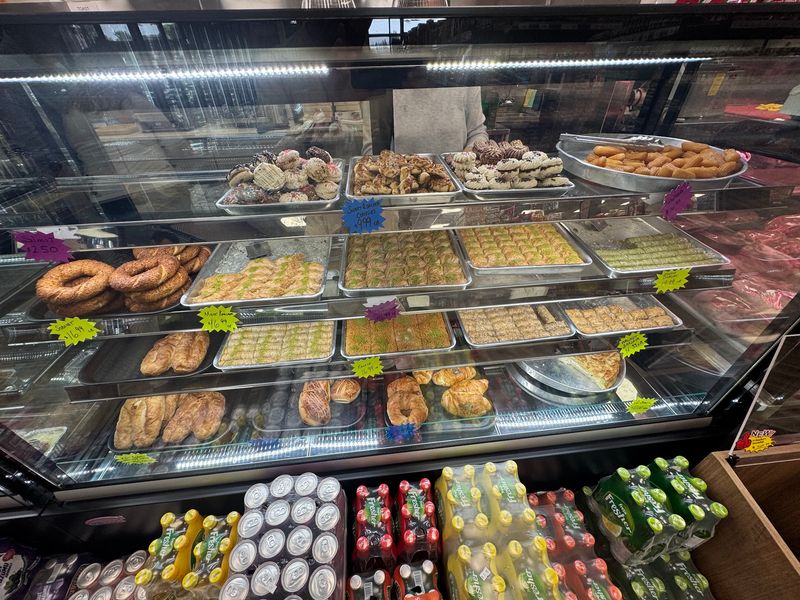
More than 6,000 square feet of floor space gives this Cromwell grocer room to spread out, and the layout uses nearly every inch of it. Fresh produce greets shoppers near the front, a halal meat counter anchors one side, and cheeses, prepared foods, and pastries fill the space between.
Shoppers frequently mention how clean and orderly everything looks, from tidy produce bins to neatly stacked jars. Aisles run wide enough for a cart and a curious pause, which matters when half the labels are worth reading twice.
The store describes its mission as bringing the true taste of home and the flavors of the world to the table, and the shelves back that up.
Turkish goods lead the way, though Middle Eastern, Balkan, and European items share the space, so a Bosnian cook and a Hungarian neighbor can shop the same aisle happily.
Doors open at 9 in the morning and stay open until 9 at night, every day of the week. That long window helps whether you want a quiet weekday browse or a quick after-work run for cheese and bread.
Staff are often described as helpful with unfamiliar products, and first-time shoppers may come away with a few unexpected recommendations.
2. An Istanbul-Born Idea Inspired The Shop
The name already hints at the inspiration. Istanbul plays a big role here.
Inside, Beyoglu Market brings that influence into everyday grocery shopping. The result feels colorful and distinctly international.
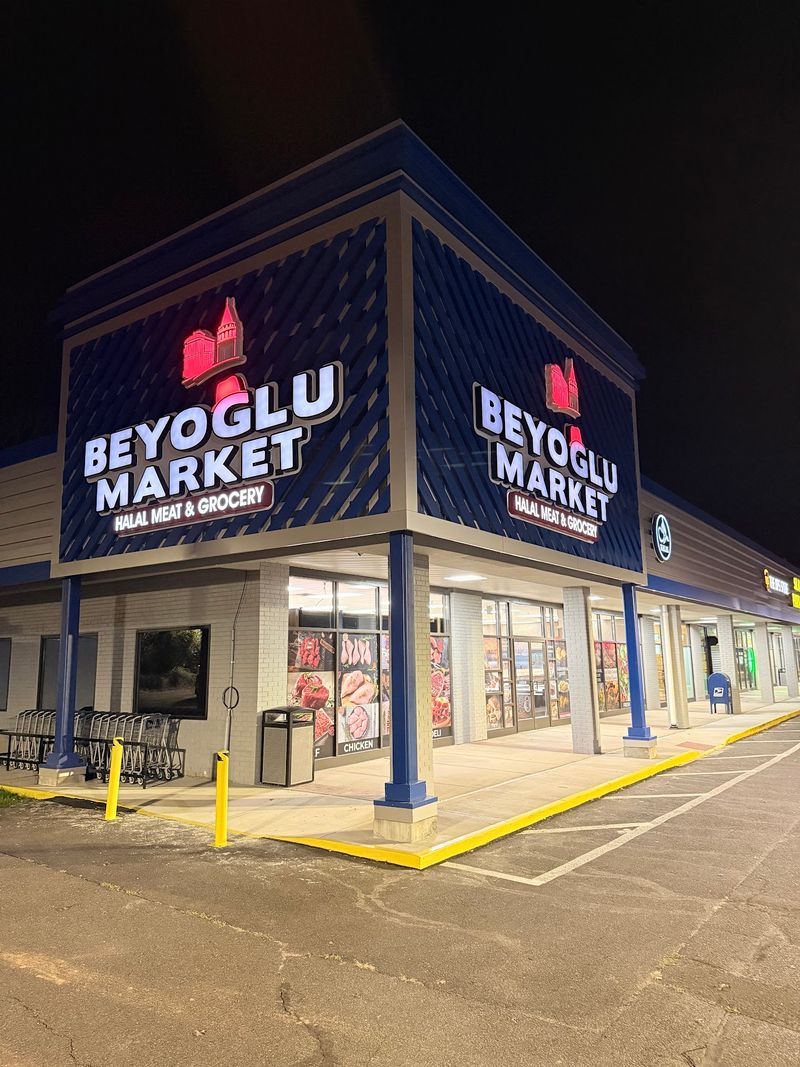
Much of the merchandise is imported, with Turkish products taking center stage. Shelves carry packaged foods that may be harder to spot in conventional supermarkets, while the bakery counter adds Turkish pastries and desserts to the mix.
Fresh produce, cheeses, frozen foods, and specialty groceries give shoppers plenty of reasons to explore beyond one familiar aisle.
The selection stretches beyond Turkey too. Products from countries including Bosnia, Albania, Germany, Italy, and India reflect the broader communities that shop here.
That variety gives this Connecticut market a wider international reach than its name might first suggest.
The mix works especially well for people searching for brands or ingredients they already know from home. Newcomers can browse just as comfortably and discover foods they may not normally see elsewhere.
Beyoglu Market was created as a substantial one-stop grocery store rather than a tiny specialty shop.
With imported staples sharing space with fresh foods and bakery treats, the experience feels both practical and exploratory, especially when the goal is finding something a little different from the usual supermarket run.
3. Its Central Location Makes Shopping Easy
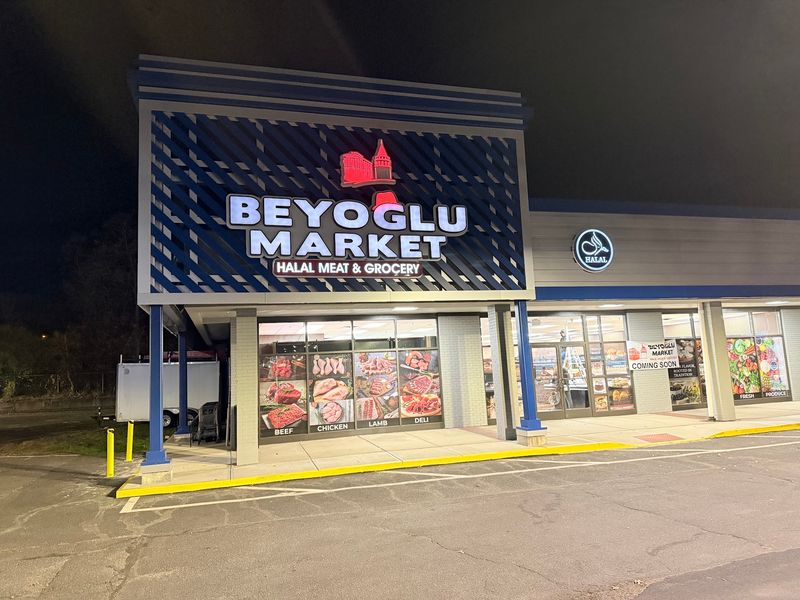
Convenience makes this grocery stop especially easy. Parking is right outside.
The doors stay open late. Beyoglu Market also sits within quick reach of two major highways.
Its Crossroads Plaza setting gives shoppers room to arrive and carry larger grocery hauls back to the car without dealing with downtown parking. That matters when a visit turns into more shopping than expected.
Cromwell’s central position also works in the market’s favor. Nearby access to Route 9 and I-91 makes the trip straightforward from communities around the middle of the state, which helps explain why the owners chose this spot for the store.
Hours are simple to remember too. The market currently opens every day from 9 a.m. to 9 p.m., leaving a generous window for an early grocery run or an evening visit after work.
There is no need to squeeze the trip into a narrow specialty-shop schedule.
Beyoglu Market operates in Crossroads Plaza at 34 Shunpike Road in Cromwell. The easy-access shopping center setting suits a store built around stocking up rather than grabbing one small item.
Give yourself extra browsing time, because unfamiliar brands and specialty foods can easily turn a planned grocery stop into a longer look around.
4. Baklava Brings Shoppers To The Sweet Counter
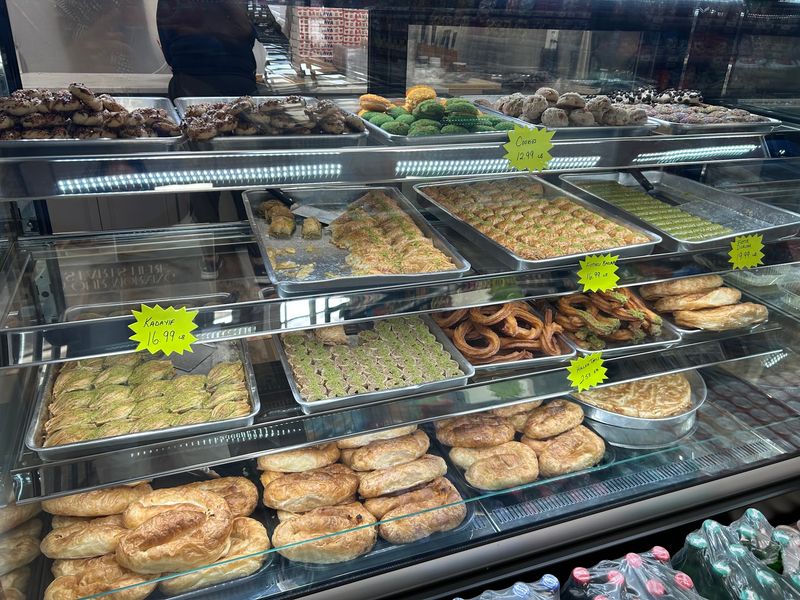
Layers, syrup, and patience. Baklava is one of those desserts that exposes sloppy work instantly, which is exactly why the sweet counter here pulls so much attention.
Sheets of phyllo are stacked thin enough to shatter under a fork, then sweetened with syrup that soaks in without turning the whole thing soggy. The classic pistachio version is the headliner, with crushed green nuts packed between golden layers.
Walnut baklava offers a deeper, slightly earthier flavor for anyone who finds pistachio too delicate. Creamier styles round out the case, adding a soft, milky contrast to all that crackle.
Buying by the piece is the smart move on a first visit. Pick three or four kinds, take them home, and decide which one you will order by the tray later.
Freshness is often praised when shoppers talk about the sweets, especially the crisp texture of the baklava. Baklava tastes best within a day or two, so plan to enjoy it soon rather than storing it for a week.
Turkish tea makes a natural partner, and the market sells that too. A small glass cuts the sweetness and stretches dessert into a slower, more sociable half hour.
That pairing is half the tradition.
5. Turkish Pastries Add Even More Temptation
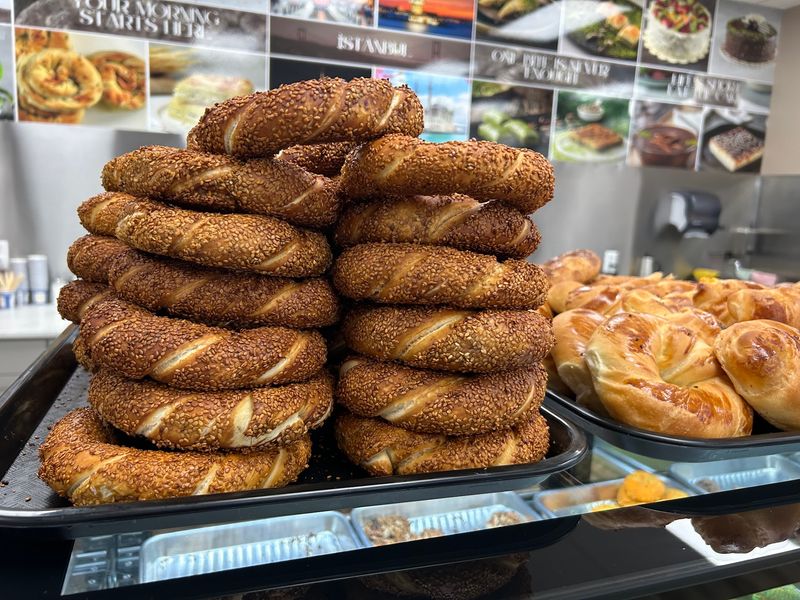
Baklava takes the spotlight, but the bakery case is where choosing gets genuinely difficult. Borek appears in several forms, including kol boregi, a spiral of thin dough rolled around cheese, spinach, potato, or meat.
Sweet options run long. Sutlac, the baked rice pudding with a browned top, sits near kazandibi and supangle, a chocolate pudding dessert that vanishes fast in most households.
Trilece, the Turkish take on tres leches cake, arrives soaked and caramel-topped. Homemade cookies, almond cookies known as aci badem kurabiyesi, and apple tart fill out the remaining trays.
Two breakfast favorites deserve their own mention. Ay coregi, the crescent-shaped moon roll, and tahinli corek, swirled with tahini, both pair beautifully with morning tea and reheat well the next day.
Then comes lahmacun from that imported oven, thin and blistered, meant to be squeezed with lemon, piled with parsley, and rolled up by hand.
Prepared foods and hot items widen the options if you are shopping for dinner rather than dessert. Ready-made trays make it easy to set a table without cooking, a quiet advantage on a busy weeknight.
Arrive earlier in the day for the widest choice, since popular items sell through and the case looks different by evening.
6. Imported Chocolates Hide Among The Aisles
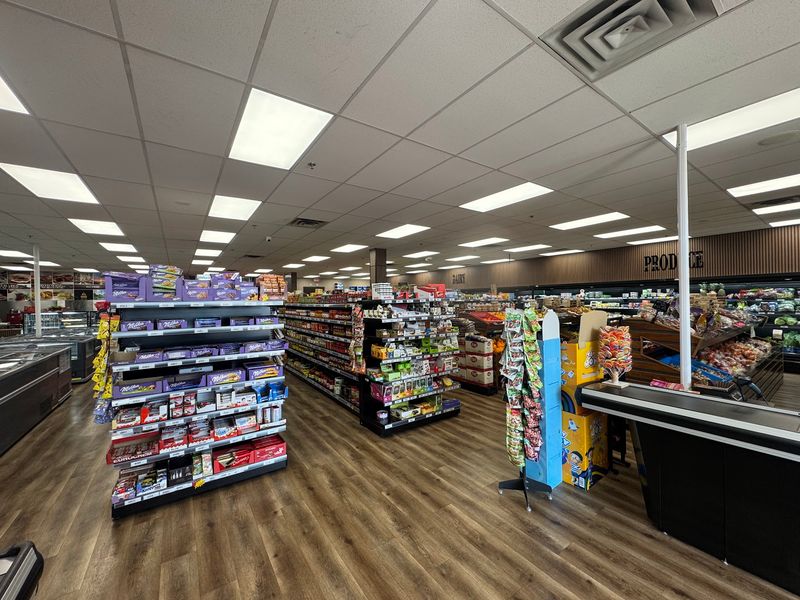
Candy hunters, this one is for you. Past the bakery, the shelves hold a surprisingly large spread of imported chocolate, including the pistachio and kadayif-filled bars that turned into a worldwide craze.
The market carries Dubai-style chocolates, including Beyoğlu-branded varieties made with pistachio and crispy kadayif. Bite into one and the crunch arrives first, followed by that thick, nutty center.
Texture is the whole point. Kataifi, the shredded pastry used in knafeh, keeps its snap inside the chocolate, which is why these bars feel nothing like a standard candy aisle purchase.
Shoppers with kids often report that this section becomes the highlight of the trip. Unfamiliar wrappers, unusual flavors, and imported brands give children something to debate happily on the ride home.
Prices can make trying a couple of specialty imports feel approachable, especially when you want to sample something unfamiliar. If you are assembling a gift box, a mix of chocolate bars and a small assortment of baklava travels well.
An ice cream freezer adds another layer of temptation nearby. Between the frozen case and the chocolate shelves, ten minutes can slip away unnoticed, which regulars seem to treat as a feature.
7. Rare Finds Make Browsing Worthwhile
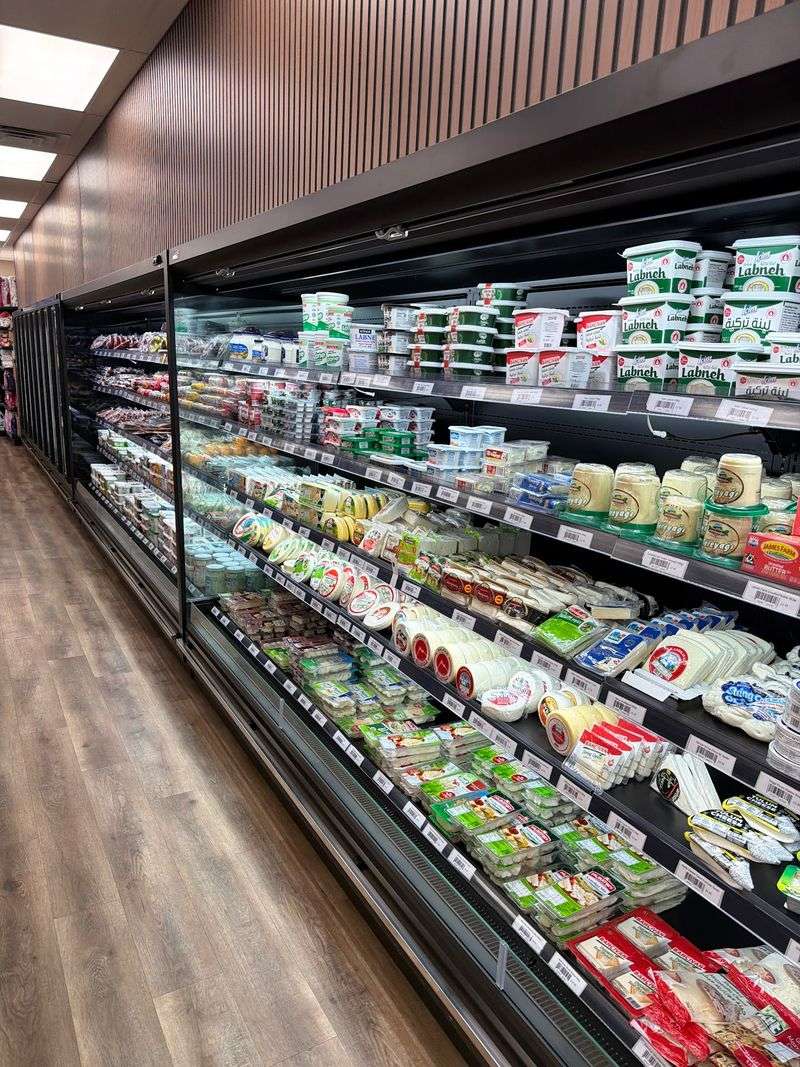
Some grocery runs feel like chores. This one plays more like a scavenger hunt, since the shelves carry items that rarely turn up in a standard supermarket.
Pantry basics come straight from the source: olive oil, several kinds of olives, jams, pickles, chickpeas, and bulgur in bags sized for real cooking. Turkish tea and coffee sit nearby, along with spices sold in quantities that make sense if you cook often.
The cheese selection earns steady praise, with varieties suited to breakfast spreads, borek fillings, and plain snacking. A halal butcher counter handles fresh cuts, and prepared kebabs make weeknight dinners almost effortless.
Vegan shoppers have reported finding clearly marked options, including stuffed cabbage and a hazelnut-style spread, which is not something every specialty market bothers to label carefully.
Frozen shelves hold borek, dumplings, and other items worth stocking up on. Staff tend to explain quickly what something is and how to use it, so unfamiliar jars do not have to stay mysteries.
Ask for recipe suggestions when you are unsure. The team welcomes questions, and a short conversation often turns a random purchase into a dish you repeat.
Budget an hour for a first visit, because discovery is the point of shopping here.
8. The Entire Market Follows Halal Standards
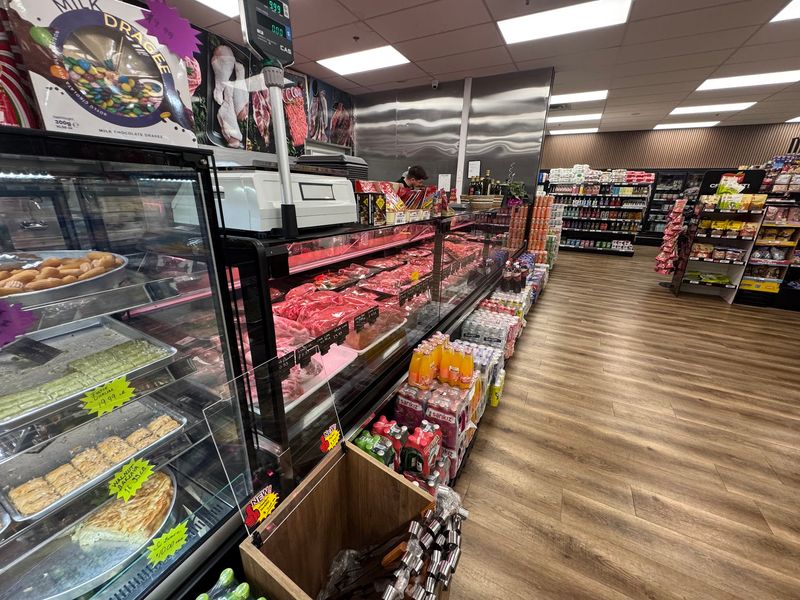
Shopping gets simpler when the labels stop being a puzzle. Every food item at Beyoglu Market is chosen to fit a fully halal grocery model.
That means shoppers following halal dietary guidelines can browse without checking each package for restricted ingredients. The idea was part of the plan from the beginning.
Before the Cromwell store opened, its founder had already imagined an entire market built around that convenience. She originally considered setting aside a separate area for products that did not meet halal requirements, then decided against it.
The goal was to create a place where customers could shop confidently throughout the store.
That approach reaches well beyond the butcher counter. Packaged groceries, sweets, bakery items, and other foods are selected with the same standard in mind.
Even marshmallows and gummy candies are available in versions made without animal collagen, giving shoppers more choices in categories that can require extra label reading elsewhere.
The concept has quickly filled a useful niche. For customers who previously traveled farther for comparable groceries, the market brings a much broader halal selection closer to central Connecticut.
That makes routine grocery shopping noticeably easier overall.