This Underground Mine Tour In North Carolina Feels Like Stepping Into A Forgotten World
Gold fever did not politely ask North Carolina for permission before changing American history, and that is exactly why this place deserves attention.
A quiet backroad leads to a site where the country’s first documented gold rush began, which already makes the visit feel bigger than a normal afternoon stop.
Then the underground tunnels enter the picture, and suddenly history stops sounding like homework.
Walking below ground gives the whole experience a cooler, stranger, more exciting edge, like the past decided to keep its best stories under your feet.
Gold panning adds just enough “what if I strike it rich?” energy to make everyone briefly overconfident.
This is not a look-around-and-leave kind of place.
It is the kind of North Carolina stop that makes readers say, “Wait, why have I not been there yet?”
Add it to the must-see list now, before gold fever starts charging emotional interest.
Step Underground Into America’s First Gold Rush Story On This Mine Tour
A quiet country road leads to one of the biggest origin stories in American mining history, and Reed Gold Mine wastes no time proving why it matters.
Long before the 1849 California Gold Rush became famous, this Cabarrus County site helped launch the first documented gold rush in the United States. That story began after Conrad Reed’s 1799 discovery in Little Meadow Creek.
The story feels almost unbelievable because it began with a child, a creek, and a heavy yellow rock that nobody in the family understood at first. That human detail gives the site more emotional pull than a typical history stop.
Visitors are not just learning about gold. They are following the strange moment when an ordinary farm became tied to a national rush for wealth, labor, and possibility.
The underground mine tour adds the strongest sense of atmosphere, taking people below the surface where the work became dark, cramped, and difficult. Exhibits above ground explain the timeline, while the tunnels make the story feel physical.
Reed Gold Mine works because it gives history weight, setting, and texture instead of leaving it trapped behind glass.
The 1799 Gold Discovery Gives The Site Its Big Historical Hook
Few North Carolina history stories start with a better twist than a 17-pound gold nugget being mistaken for an ordinary rock.
In 1799, Conrad Reed found the heavy yellow stone in Little Meadow Creek, and the family reportedly used it as a doorstop for three years before learning what it actually was.
In 1802, a Fayetteville jeweler identified it as gold and purchased it for $3.50, far below its value. That detail is what makes the Reed story stick.
It feels almost funny at first, then suddenly enormous once visitors understand what followed. The discovery helped spark gold mining across the region, putting North Carolina at the center of American gold history decades before western rushes became legendary.
Museum exhibits at the site help connect the famous doorstop story to the larger rush that followed, showing how one farm discovery changed local labor, money, and land use. For families, the tale is easy to grasp.
For history lovers, it opens into something much bigger. Reed Gold Mine proves that major American stories sometimes begin in surprisingly ordinary places, with one child noticing something unusual in a creek.
Guided Mine Tours Take Visitors Below The Surface
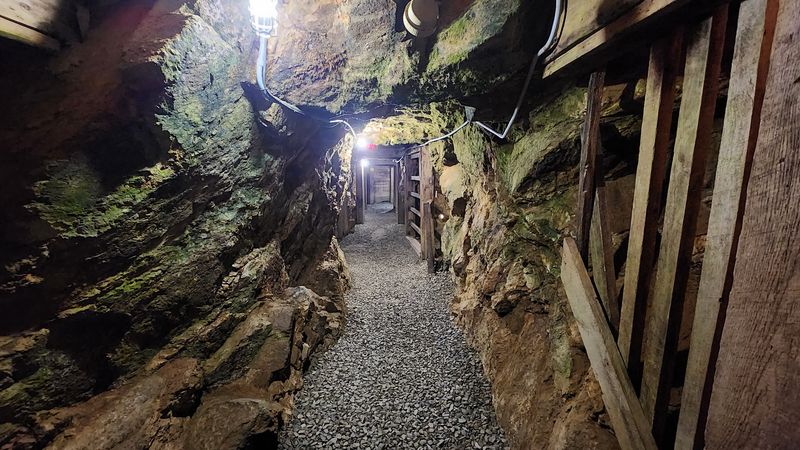
Going underground changes Reed Gold Mine from an interesting historic site into a full-body experience. Visitors can tour restored portions of the underground mine, but guided-tour availability and schedules should be confirmed before visiting.
Current official program information lists underground exploration tickets at $2.00 per person plus sales tax, but visitors should confirm the latest tour fees at the site before going.
That makes the tour one of the more accessible history experiences for families who want something memorable without turning the day into a big-ticket outing.
Guides help explain how miners worked, what they were searching for, and why the underground environment mattered so much to the story. Kids often connect with the tunnel experience quickly because it feels adventurous without needing a theme-park setup.
Adults may find the tight, cool, shadowy spaces more sobering, especially when imagining long workdays underground. Since tour schedules and availability can shift, checking before visiting is smart.
A few dollars and a few steps below ground can make North Carolina’s gold rush history feel suddenly real.
Restored Tunnels Make The Visit Feel Like A Forgotten World
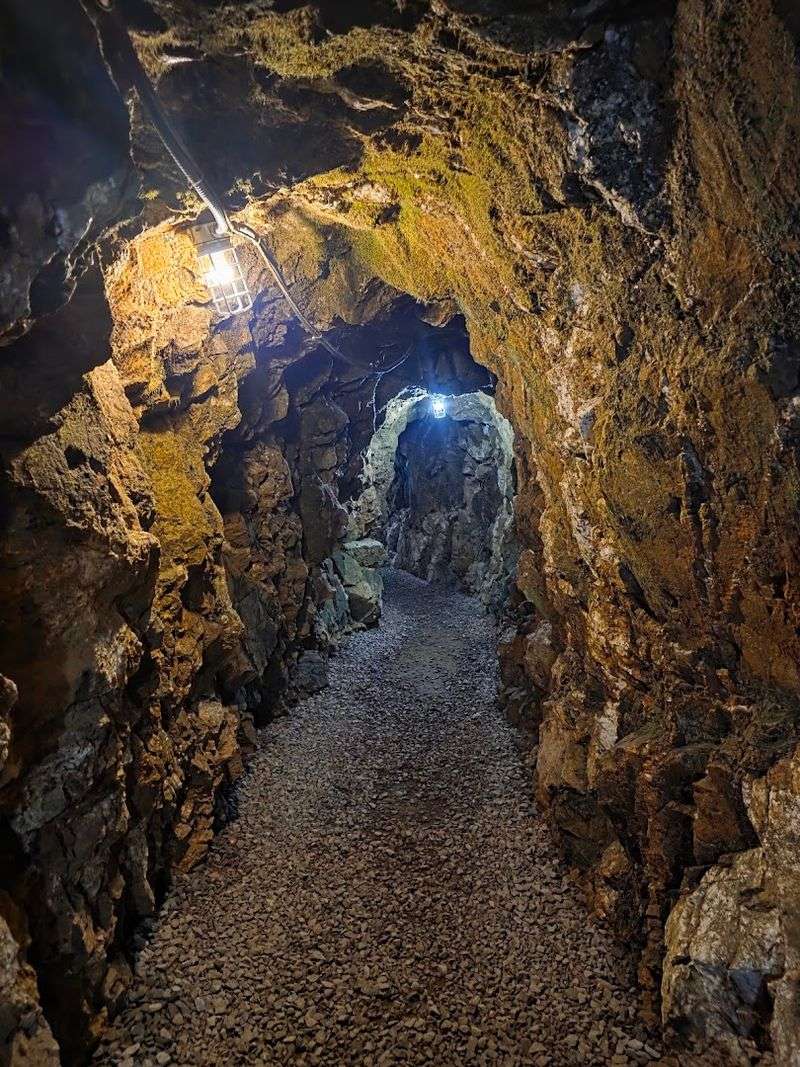
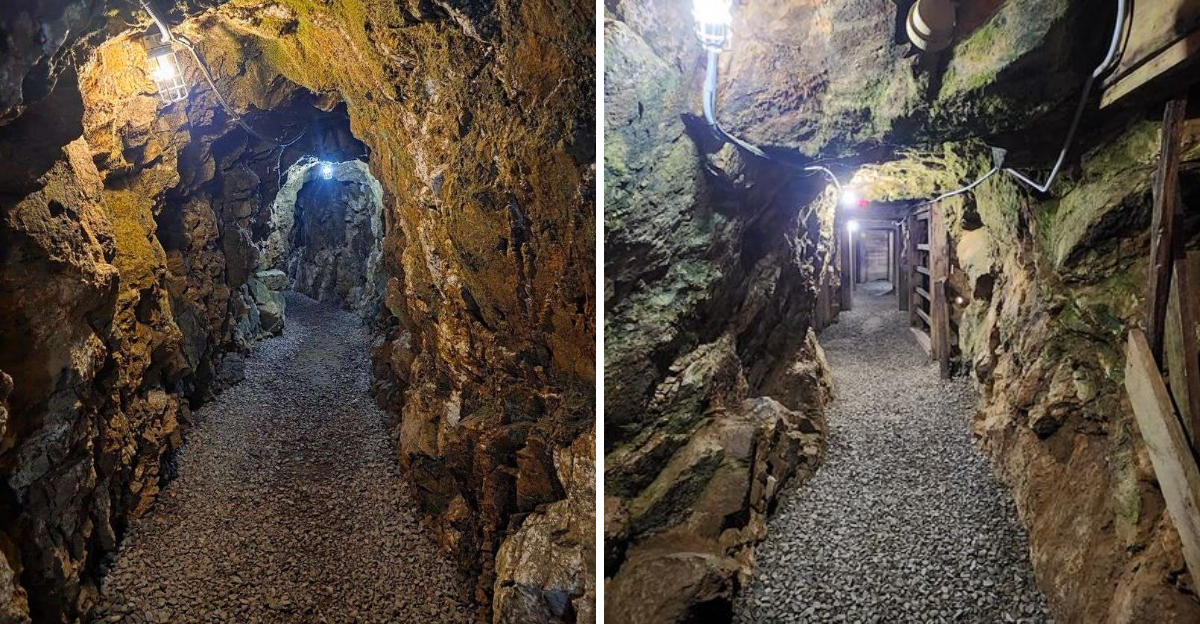
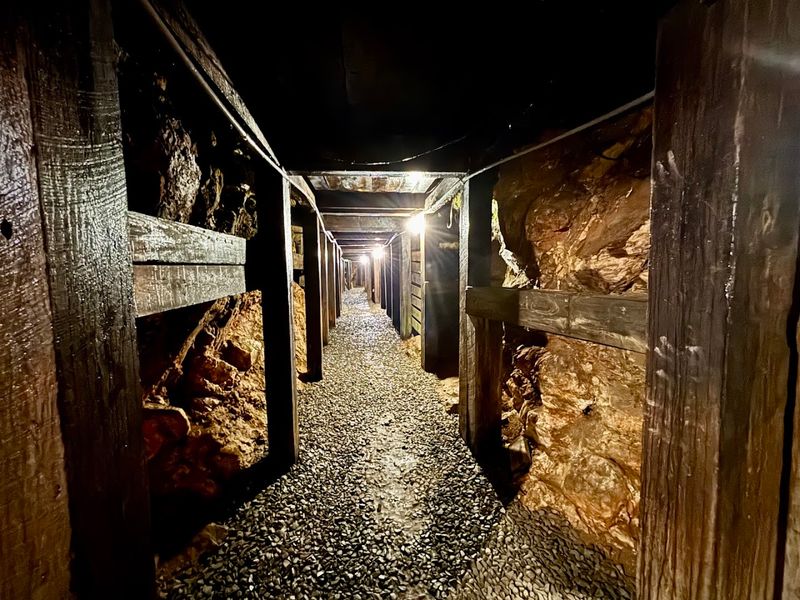
Cool air, rough walls, and lower light give the restored mine tunnels their strongest effect. Once visitors leave the surface behind, the experience stops feeling like a normal museum visit and starts feeling like a glimpse into a harder, older world.
The North Carolina Historic Sites page notes that the underground mine is part of the guided-tour experience, while VisitNC describes original tunnels dug by miners as part of what visitors can explore. That detail matters because the site is not simply telling people that mining happened here.
It lets them move through spaces connected to that work. The atmosphere is quieter than many visitors expect, with the outside world fading as the tunnel shape takes over.
Even short time underground can make the physical challenge of early mining easier to understand. Low ceilings, enclosed passages, and stone surfaces create a kind of historical pressure that no exhibit panel can fully match.
A light jacket may be useful because underground spaces can feel cooler than the weather outside. For anyone drawn to places that feel slightly hidden from modern life, Reed Gold Mine’s tunnel tour gives the article title its strongest proof.
Mining Equipment Adds Grit To The Visitor Center Exhibits
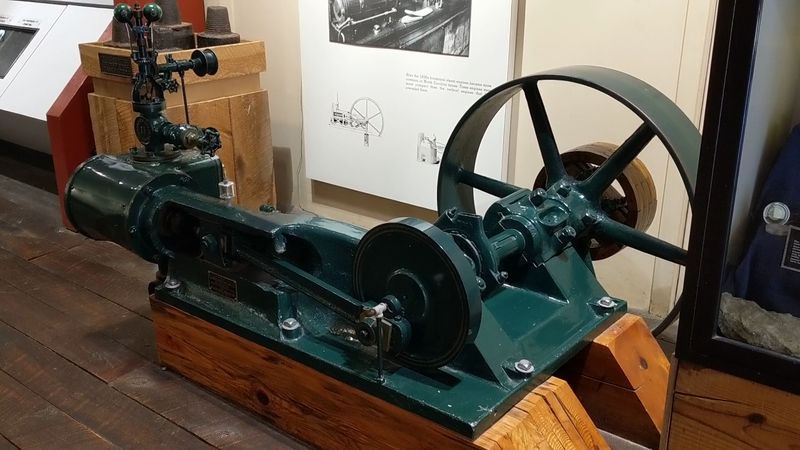
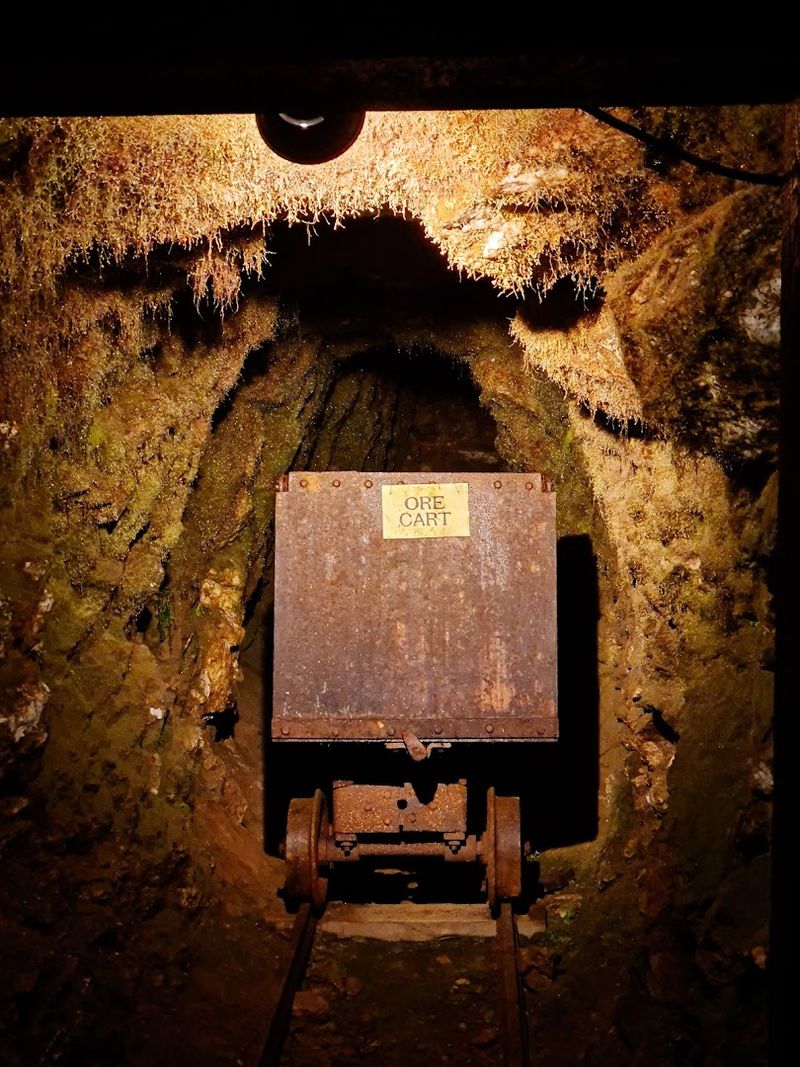
Old tools make the story feel less polished and more human. Reed Gold Mine’s visitor center includes exhibits on gold and historic mining equipment, according to VisitNC, giving visitors a better sense of what miners actually used before modern machinery changed the industry.
Pickaxes, drills, ore-related displays, and mining objects help translate the gold rush from a famous discovery into daily labor. That shift matters.
The story may begin with a boy and a lucky find, but the decades that followed involved hard work, risk, skill, and persistence. Equipment displays show that mining was not glamorous.
It was physical, repetitive, and often uncomfortable. For younger visitors, seeing real or representative tools can make the work easier to imagine than reading a long timeline.
For adults, the displays add respect for the people who spent long hours chasing small traces of gold through rock and soil. The visitor center also gives helpful context before or after the mine tour, making the underground experience easier to understand.
Reed Gold Mine succeeds when the exhibits and tunnels work together: one explains the history, while the other makes visitors feel the grit behind it.
Gold Panning Turns The History Into A Hands-On Stop
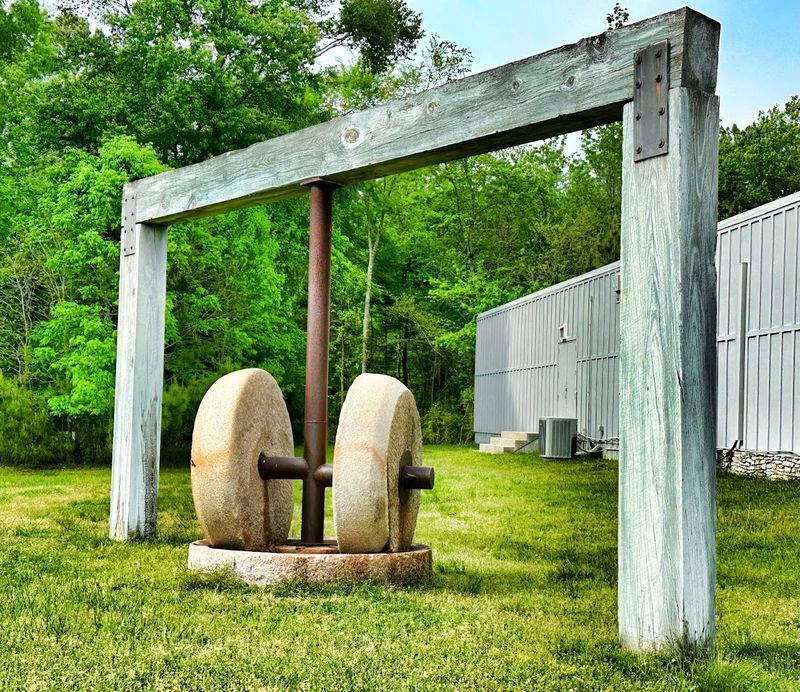
Swirling a pan makes the gold rush story more fun, especially for visitors who like history better when they can try something themselves. Reed Gold Mine offers gold panning for a fee, but availability depends on current site operations and weather.
Current official information lists panning Tuesday through Saturday at $5.00 per person plus tax, with closures possible for rain, thunder, lightning, or high heat. That hands-on piece is a major reason families enjoy the site.
Instead of only hearing about gold discoveries, visitors get to slow down, work the pan, watch the sediment shift, and hope for a tiny flash of something worth saving. The process sounds simple until someone tries to do it carefully, which is part of the appeal.
It gives modern visitors a tiny taste of the patience early prospectors needed. Finding even a small fleck can feel surprisingly exciting because the whole site has already explained why that glitter mattered so much.
The activity also balances the underground tour nicely. Tunnels bring the drama, exhibits bring the context, and panning brings the playful, tactile reward.
Since panning depends on season, staffing, and conditions, visitors should confirm availability before building a trip around it. When it is offered, it turns Reed Gold Mine from a history stop into a memory-making stop.
Walking Trails Cross The Old Mining Grounds
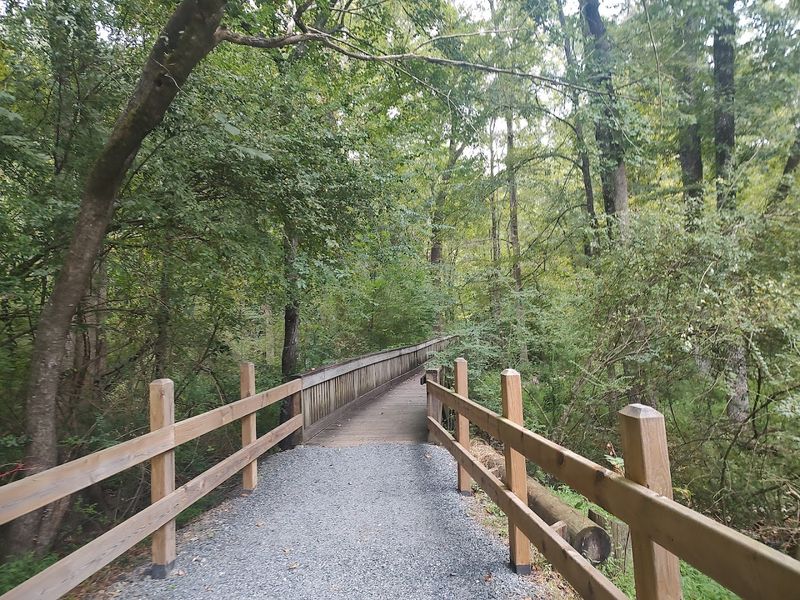
Outdoor paths give visitors a quieter way to understand the size and setting of Reed Gold Mine. VisitNC notes that the site includes trails crossing mining areas, while Explore Cabarrus also points to walking trails available on-site.
That matters because the story does not end at the visitor center or underground tunnel entrance. The land itself helps explain why the discovery happened here and how mining activity spread across the property.
Walking the grounds lets visitors move at their own pace, passing wooded areas, historic features, and places tied to earlier mining activity. The trails add breathing room to the visit after the darker, tighter underground tour.
Families can stretch their legs, kids can reset outside, and history lovers can think about the site as a landscape rather than a single exhibit. Comfortable shoes make the experience better, especially after rain or during warmer months.
Spring and fall are especially pleasant times to explore, when the weather is milder and the forested setting feels inviting. Reed Gold Mine may be known for what happened beneath the surface, but the above-ground trails help visitors see the wider place that carried the story.
Midland Gives The Mine A Quiet Backroads Setting
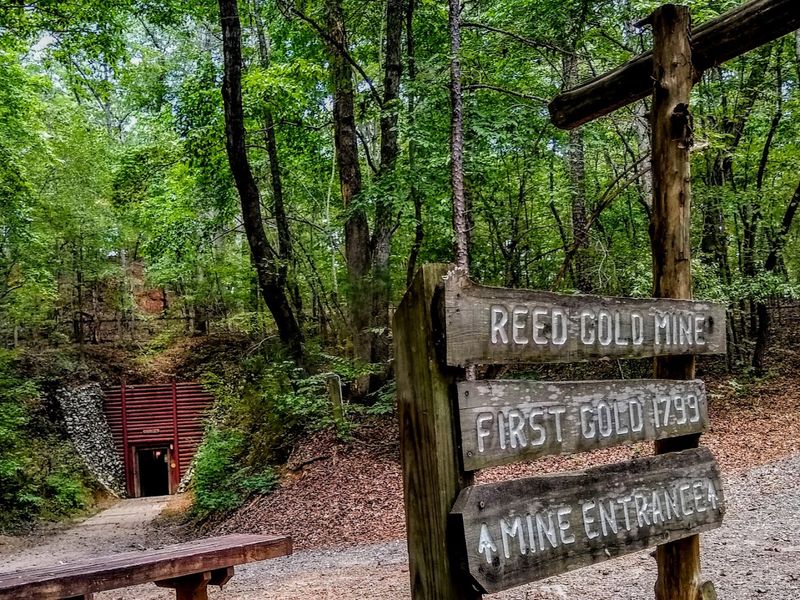
Rural Cabarrus County gives Reed Gold Mine the kind of setting that makes the visit feel like a discovery instead of a crowded attraction. Midland sits away from North Carolina’s bigger city centers, and the drive toward the site helps shift the mood before visitors even park.
Trees, backroads, and a quieter pace make it easier to imagine how different this landscape felt when Conrad Reed found that famous nugget in Little Meadow Creek. The site is close enough to Charlotte for a practical day trip, but it does not feel swallowed by city energy once visitors arrive.
That balance is part of its appeal. Families can reach it without planning an overnight trip, while history fans still get the feeling of arriving somewhere specific and rooted.
Current official information lists Reed Gold Mine as open Tuesday through Saturday, with no general admission fee and guided mine tour tickets sold separately at the front desk. That makes the stop accessible, educational, and easy to pair with other Cabarrus County plans.
For a place with national historical importance, Reed Gold Mine keeps a surprisingly humble backroads feel. The site is at 9621 Reed Mine Road, Midland, NC 28107.