West Virginia’s Old Italian Restaurants Still Tell A Story Coal Miners Started
I pulled off the road on a whim, drawn in by a hand-painted sign and the kind of smell that makes you immediately question every food decision you made earlier that day.
The place looked ordinary from the outside, no flashy signage, no queue of people consulting their phones before ordering.
Just a building that had clearly been feeding people for a very long time and felt completely comfortable with that fact.
The moment I sat down something shifted.
It happens in rooms that have absorbed decades of the same conversations, the same recipes, and the same particular combination of people who needed a good meal after a long day.
West Virginia coal country does not get nearly enough credit for what it produced culturally, and what it produced at the table is genuinely extraordinary.
Italian immigrant families came here for the mines and stayed for generations, and what they left behind in the kitchens of these small towns is one of the most unexpected and delicious food stories in the entire region.
1. Muriale’s Italian Kitchen
Some restaurants earn their reputation one plate at a time, and Muriale’s has been doing exactly that since 1969.
Located at 1742 Fairmont Ave in Fairmont, this place feels like it was built with the intention of feeding people well and making them come back.
The dining room has that comfortable weight to it, like a house that has hosted a thousand Sunday dinners.
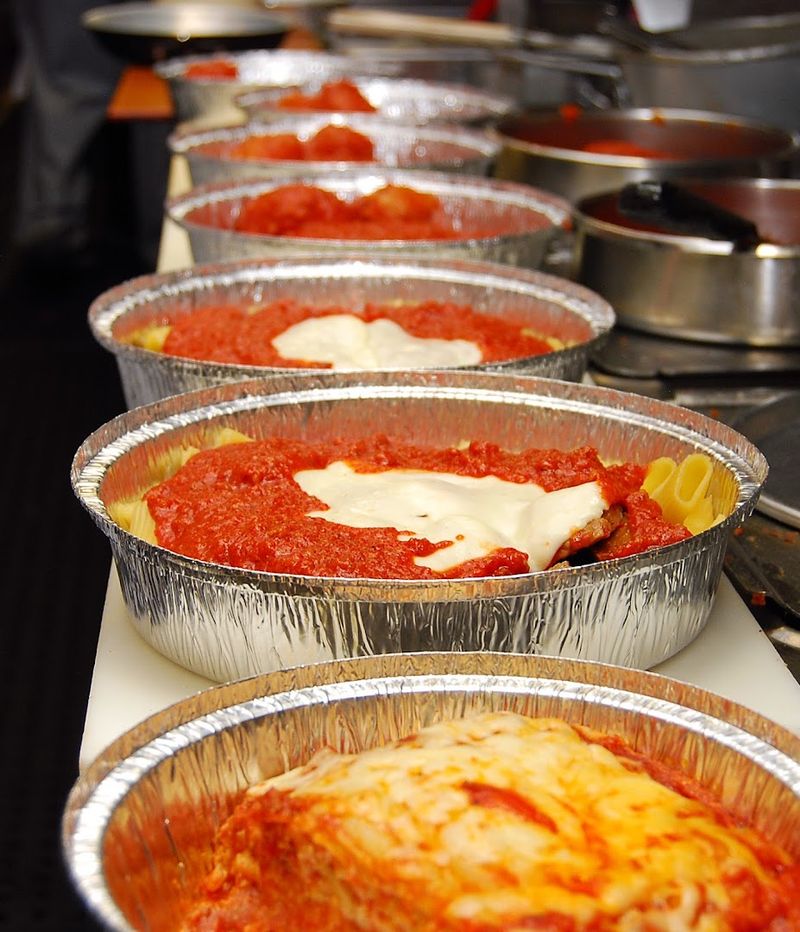
The menu leans into Italian-American classics done with real care. Pasta dishes arrive generous and saucy, the kind that demand bread to finish every drop.
Locals have been ordering the same things for decades, not because nothing changes, but because some things are just right the first time.
What makes Muriale’s stand out is how genuinely rooted it feels in the community.
This is not a place performing nostalgia. It is nostalgia, the real kind, built by a family that understood what the coal miners and steelworkers of Marion County needed after a long shift.
Good food, a familiar face, and a table that felt like home.
2. Minard’s Spaghetti Inn
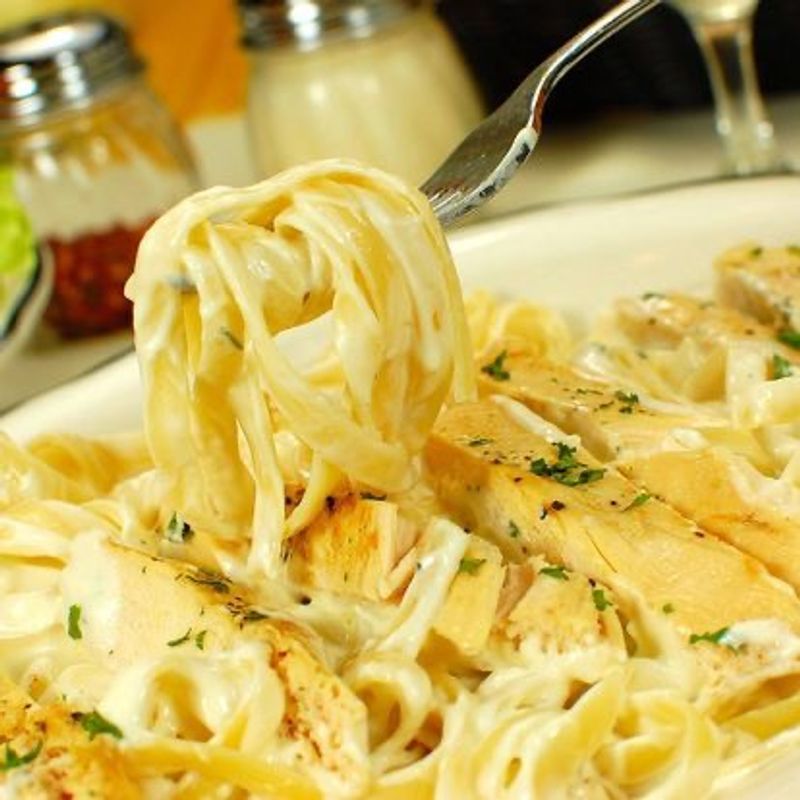
Clarksburg has been hiding one of the best plates of spaghetti in the entire state for over a century, and Minard’s Spaghetti Inn is the reason.
The restaurant opened in 1937, which means it has been feeding West Virginians longer than most people reading this have been alive. That kind of staying power is not an accident.
The sauce is the legend here. Thick, slow-cooked, and deeply seasoned, it has the kind of flavor that only comes from a recipe passed down with intention.
People drive from neighboring counties just for a bowl, and they leave without regrets. Every bite carries that particular satisfaction of food made without shortcuts.
Minard’s sits at 813 E Pike St in Clarksburg, right where it has always been. The room is unpretentious, the portions are honest, and the service feels like family rather than performance.
Italian immigrants who came to work in the Harrison County coal fields brought their food traditions with them, and Minard’s is one of the clearest living examples of that culinary legacy still operating today.
3. Julio’s Cafe
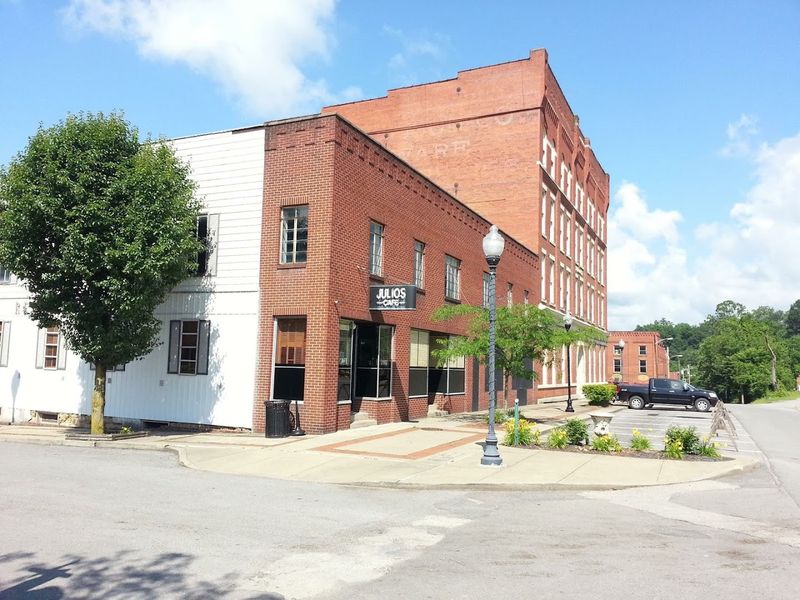
Not every great Italian restaurant in West Virginia announces itself loudly, and Julio’s Cafe on 501 Baltimore Ave in Clarksburg is proof of that.
It is the kind of spot that regulars guard like a personal secret, reluctantly sharing it only with people they trust to appreciate it properly. Once you go, you understand the protectiveness.
The food here is straightforward and honest. Homemade pasta, rich sauces, and portions that suggest someone in the kitchen actually wants you to leave satisfied.
There is no fuss, no pretense, just cooking that respects the ingredients and the people eating them. That simplicity is harder to pull off than it looks.
Julio’s carries the same immigrant spirit that shaped so many of West Virginia’s Italian eateries. Italian families who settled in the region brought their recipes, their rhythms, and their commitment to feeding people well.
Julio’s keeps that spirit alive in a way that feels completely natural, not curated for tourists or trend-chasers. It is a neighborhood cafe that earns its loyalty the old-fashioned way, one honest meal at a time.
4. Country Club Bakery
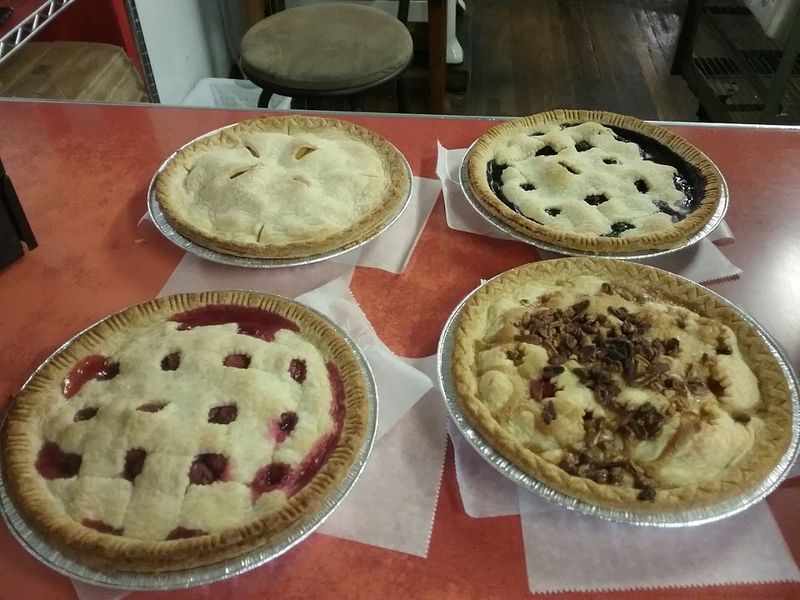
If you have never eaten a pepperoni roll, Country Club Bakery in Fairmont is the place to fix that immediately.
This bakery at 1211 Country Club Rd is widely credited as the birthplace of the pepperoni roll, a snack that became the unofficial food of West Virginia coal miners. It is soft, savory, portable, and completely addictive.
The story goes that Giuseppe Argiro, an Italian immigrant baker, created the pepperoni roll in the 1920s so miners could carry a filling, no-mess lunch underground.
It required no utensils, stayed fresh in a coat pocket, and delivered real energy for a hard day’s work. That practical genius is now a beloved state tradition.
Country Club Bakery still makes them the original way, no reinvention needed. The dough is pillowy, the pepperoni is tucked inside with just the right ratio, and the whole thing tastes like history you can hold in one hand.
Generations of West Virginians grew up eating these, and the bakery has never needed to chase trends to stay relevant. Some things are simply perfect from the start.
5. Oliverio’s Ristorante
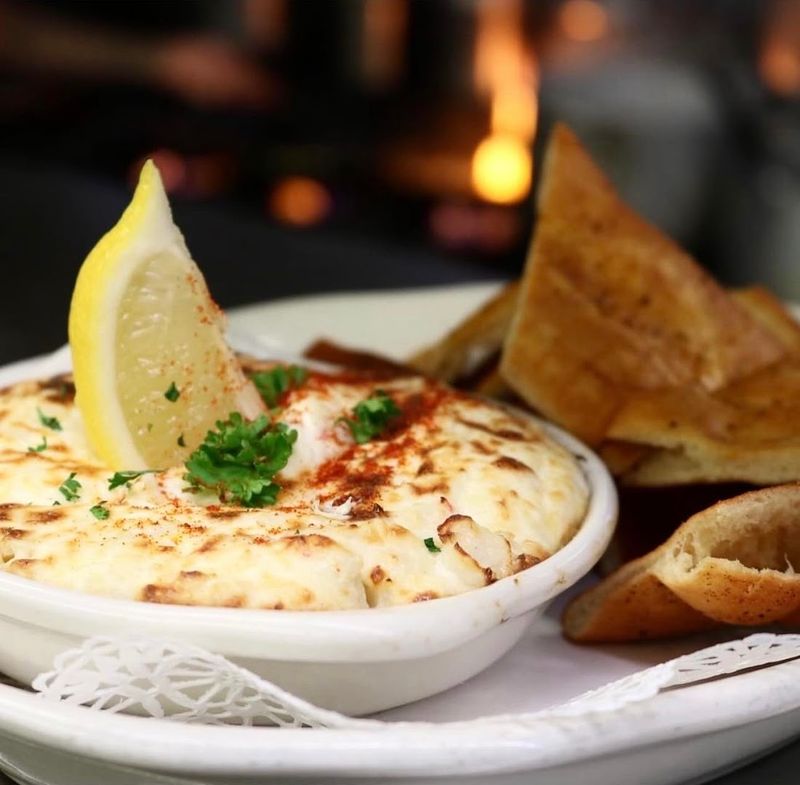
Morgantown has a lot going on, being a college town and all, but Oliverio’s Ristorante manages to exist completely outside the noise.
Sitting at 52 Clay St, this restaurant carries a more refined energy than some of its counterparts, without losing the warmth that makes Italian dining feel personal. It is the kind of place where you slow down without being asked to.
The menu reflects a serious commitment to Italian cooking done with quality ingredients. Pasta dishes have depth, proteins are handled with care, and the overall experience suggests a kitchen that takes pride in every plate.
You can taste the difference between a restaurant that loves food and one that just serves it. Oliverio’s clearly loves food.
What grounds Oliverio’s in the larger story of West Virginia’s Italian food culture is the family legacy behind it. The Oliverio name is well known in the state, tied to both food production and community roots that stretch back generations.
Eating here feels like participating in something ongoing, a tradition that has evolved thoughtfully while staying true to where it came from. That balance is genuinely rare.
6. Rocco’s Ristorante
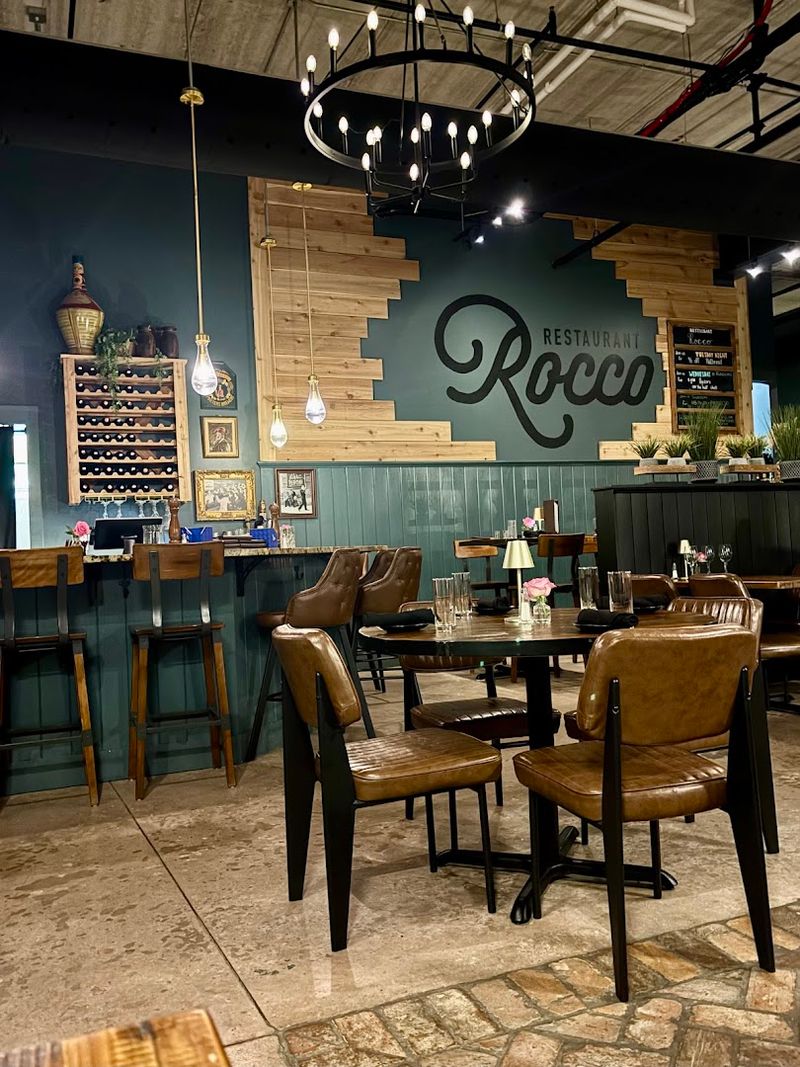
Ceredo is a small town, but Rocco’s Ristorante punches well above its weight class.
This is a neighborhood Italian restaurant with genuine character, the kind built over years of consistency rather than a carefully designed brand identity.
The room feels lived-in, and that is absolutely a compliment.
The food at Rocco’s leans into the Italian-American tradition with confidence. Expect hearty portions, bold flavors, and recipes that feel like they belong to someone’s grandmother rather than a corporate menu committee.
There is a particular pleasure in eating food that was clearly made with someone specific in mind, and Rocco’s delivers that feeling reliably.
The Tri-State area of West Virginia, Kentucky, and Ohio has its own rich Italian immigrant history, and Rocco’s is a proud part of that story.
Coal and industrial workers from southern Italy settled along the Ohio River Valley in large numbers, and their food culture took root firmly.
Rocco’s represents that heritage with the kind of quiet dignity that does not need a plaque on the wall to be understood. The food speaks clearly enough on its own.
7. Stefano’s
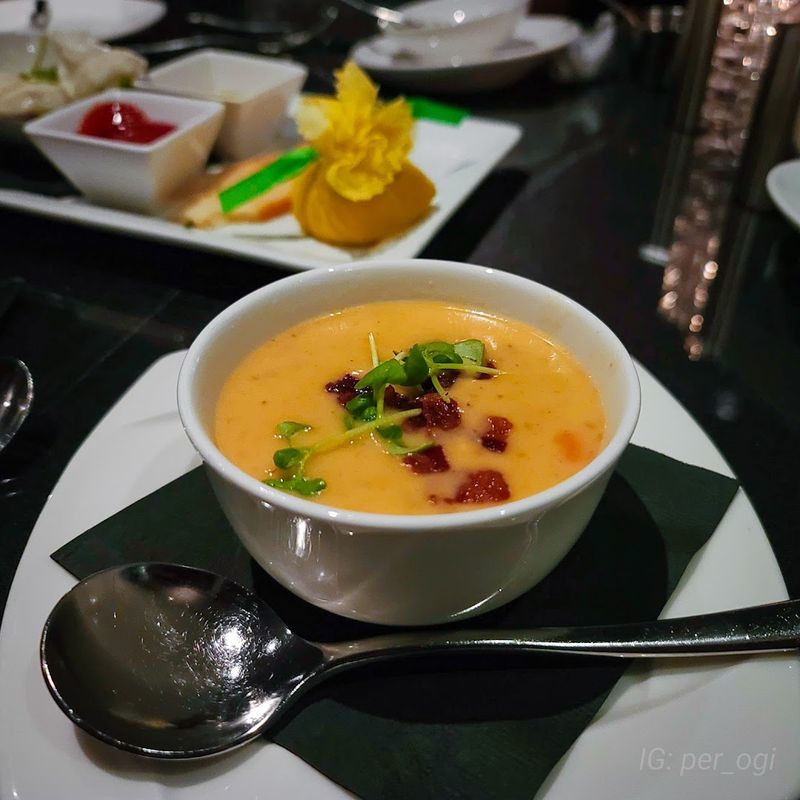
Morgantown has no shortage of places to eat, but Stefano’s on 735 Chestnut Ridge Rd has held its ground for years by doing something most restaurants struggle with: staying consistently good.
No gimmicks, no seasonal reinventions, just reliable Italian-American food that satisfies every single time. That kind of dependability builds real loyalty.
The pasta here is the kind you think about on the drive home. Sauces are rich without being heavy, and the portions suggest a kitchen philosophy that believes hungry people deserve real food.
The atmosphere leans casual and comfortable, exactly the right setting for the kind of meal you want to linger over without feeling rushed.
Stefano’s fits neatly into the broader tradition of Italian family restaurants that emerged from West Virginia’s immigrant communities.
Many of the Italian families who came to mine coal eventually transitioned into food, hospitality, and small business ownership.
Their restaurants became community anchors, places where people gathered not just to eat but to feel connected.
Stefano’s carries that spirit forward in a way that feels entirely genuine, not nostalgic performance but actual continuation of something meaningful and delicious.
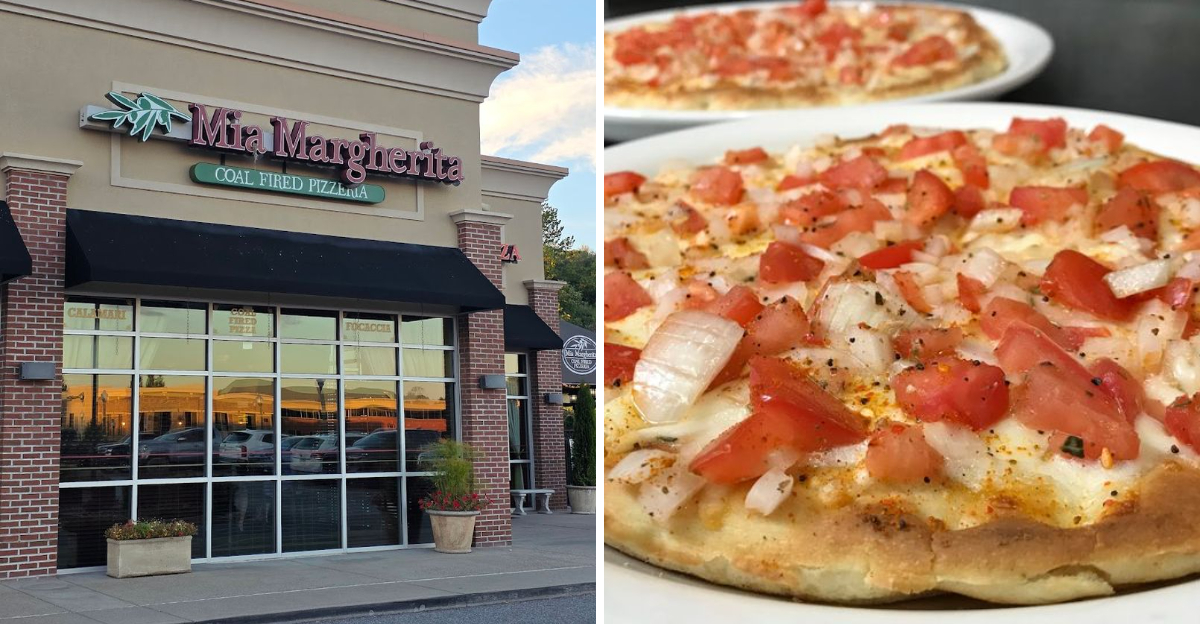
8. Mia Margherita Coal Fired Pizzeria
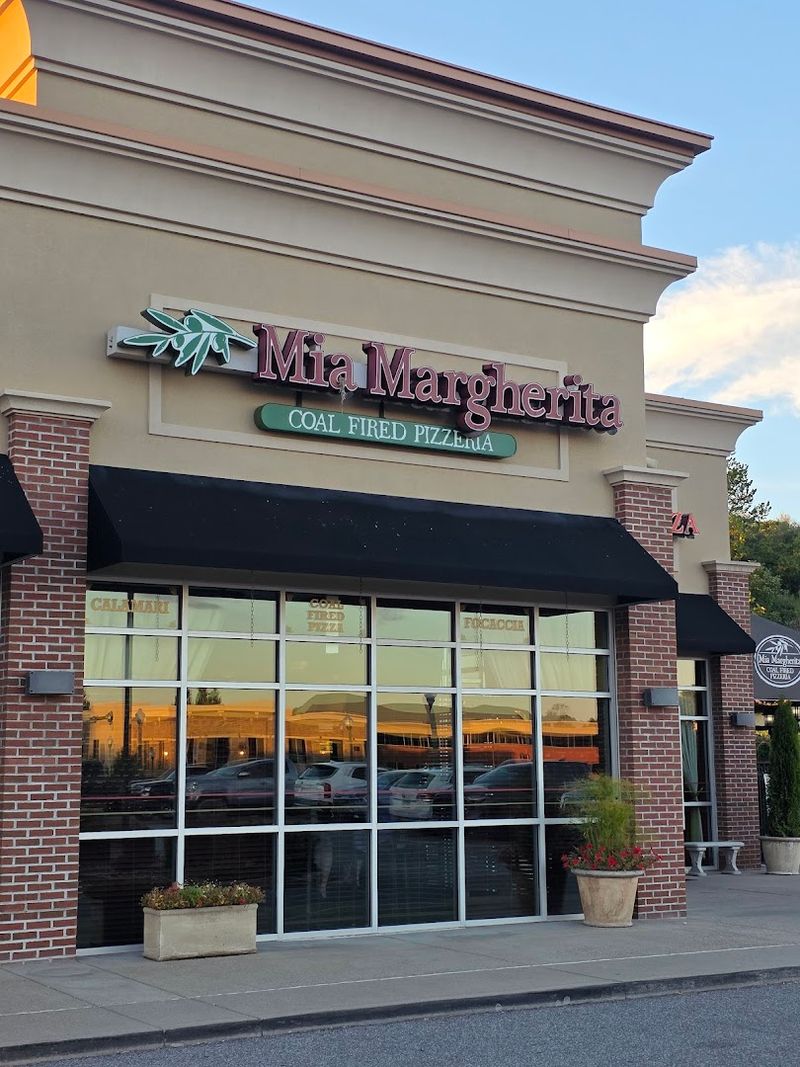
The name alone tells you something interesting is happening at Mia Margherita Coal Fired Pizzeria in Bridgeport.
Using coal to fire a pizza oven is not a marketing gimmick here, it is a nod to the region’s actual history. Coal built West Virginia, and it also makes a remarkable pizza crust.
Coal-fired ovens burn hotter than wood-fired alternatives, producing a pizza with a blistered, slightly charred crust that has real texture and flavor.
The heat is intense and even, cooking the pie fast and locking in moisture beneath a perfectly melted top. Once you have eaten pizza from a coal-fired oven, the difference is hard to ignore.
Beyond the cooking method, Mia Margherita at 1000 W Main St, Bridgeport, brings a creative energy to its menu that keeps things interesting.
Toppings are thoughtfully chosen, the dough is made with care, and the overall experience feels like a restaurant that respects both tradition and curiosity.
It bridges the industrial heritage of the region with the Italian culinary tradition in one of the most clever and delicious ways possible. Bridgeport is lucky to have it.
9. Giovanni’s Restaurant
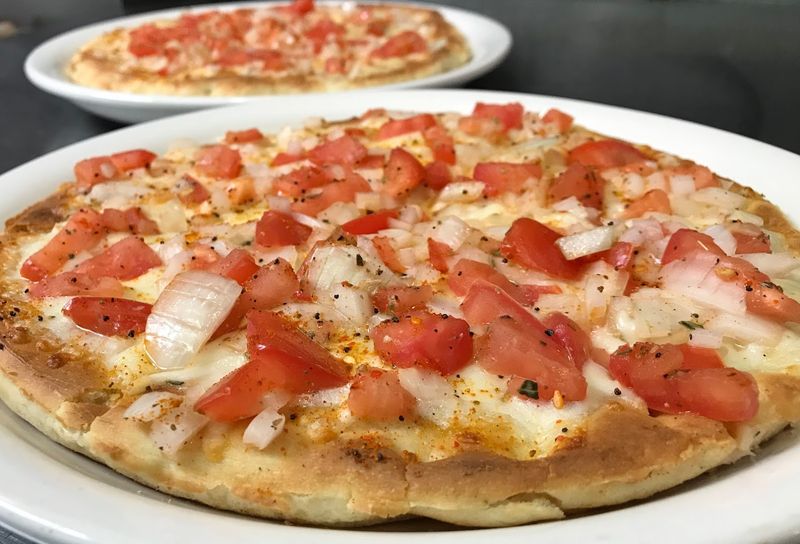
Weirton sits in the northern panhandle of West Virginia, a steel town with deep immigrant roots and a strong sense of community identity.
Giovanni’s Restaurant at 3013 Pennsylvania Ave fits that identity perfectly. This is a place that feels like it belongs to the people who eat there, not just the family that runs it.
The food is the kind of Italian-American cooking that built a reputation long before food blogs existed. Generous plates, familiar flavors executed with skill, and a menu that trusts its classics rather than chasing novelty.
There is something deeply satisfying about a restaurant that knows exactly what it is and commits fully to that vision.
The Italian community in Weirton and the surrounding panhandle area has always been strong. Workers came from regions like Abruzzo and Sicily to work in the steel and coal industries, bringing their culinary traditions with them.
Giovanni’s is part of that living legacy, a restaurant that connects the present to a specific immigrant story without needing to explain it at every turn.
The food does the explaining, and it does so with warmth, generosity, and considerable flavor.
10. Undo’s Famiglia Restaurant
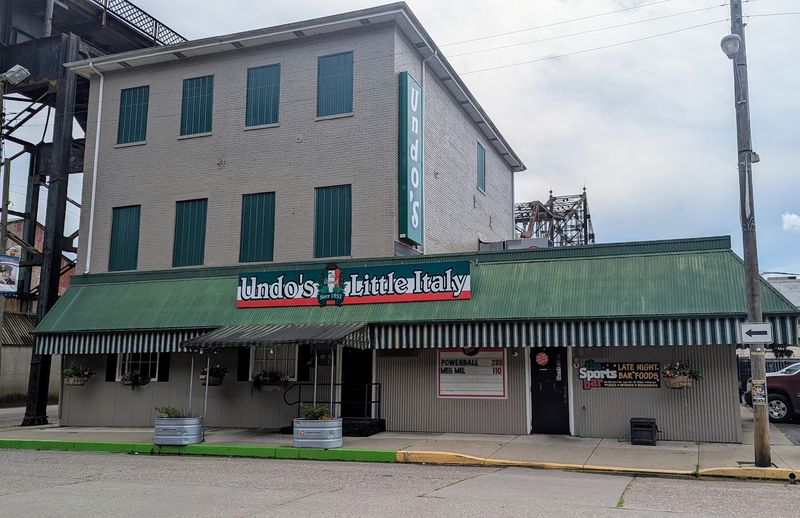
Benbow is a small Ohio River town, and Undo’s Famiglia Restaurant is exactly the kind of place you find there and immediately feel grateful for.
Famiglia means family in Italian, and this restaurant takes that word seriously. From the decor to the portions, everything here communicates that you are welcome and you will be fed well.
The menu carries the weight of Italian-American tradition with real pride. Homemade pasta, slow-cooked sauces, and dishes that taste like someone spent the morning in the kitchen preparing them specifically for tonight.
That kind of effort is detectable in every bite, and it is the thing that separates memorable restaurants from forgettable ones.
The Marshall County area along the Ohio River has a rich Italian immigrant history tied directly to the coal and industrial economy of the early twentieth century.
Families who came to work stayed to build, and restaurants like Undo’s at 1325 Pike St in Benwood, are the edible proof of that commitment.
Eating here feels like participating in a community tradition rather than just consuming a meal. It is the kind of place you tell people about quietly, hoping they appreciate it as much as you do.