Where To Go In California If You Crave Fresh Air And No Crowds
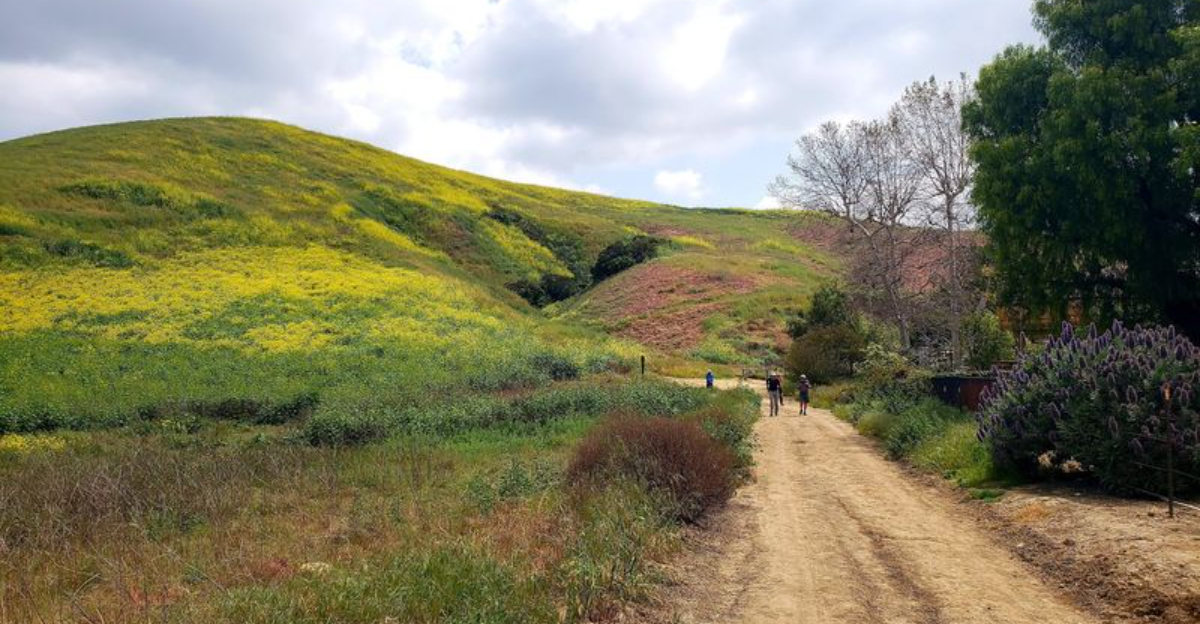
Fresh air feels even better when silence comes with it.
In California, that kind of escape still exists for anyone willing to look past the busiest beaches, the most photographed overlooks, and the usual weekend crowds.
Quiet stretches of coastline, open desert, forested trails, and mountain hideaways can make the whole state feel calmer, slower, and far more personal.
Part of the appeal is not only the scenery, but the relief of having room to breathe and take it in properly.
A place feels different when you are not fighting for parking or a clear view.
For anyone craving a reset with wide-open skies and a little peace, these California spots offer the kind of breathing room that is getting harder to find.
1. Lassen Volcanic National Park
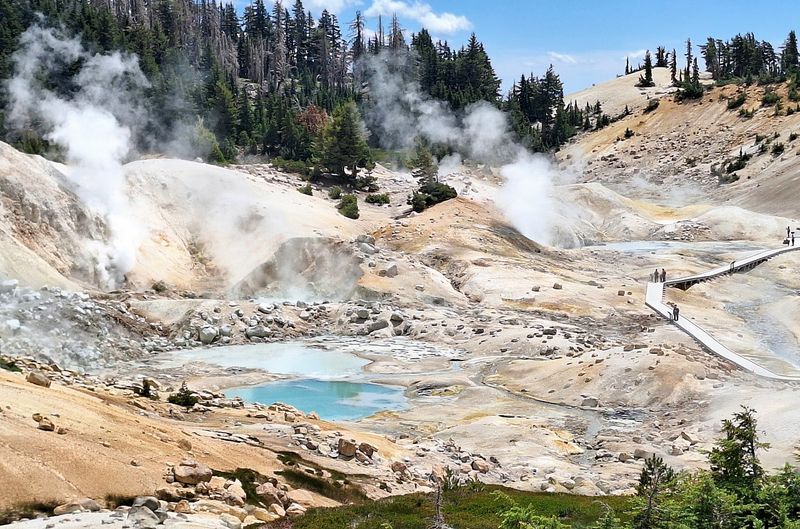
Geothermal energy is visible at the surface here in ways that feel almost otherworldly, with boiling springs, bubbling mud pots, and steaming fumaroles scattered across the high country of Northern California.
Lassen Volcanic National Park sits far enough from major metro areas that it attracts a fraction of the visitors Yosemite sees each year, which means trailheads tend to stay manageable even during summer months.
The park’s main road, Lassen Volcanic Highway, passes through some of the most varied terrain in the Sierra Nevada region.
Bumpass Hell is one of the most-visited hydrothermal areas within the park and gives a close look at active volcanic features along a relatively accessible boardwalk trail.
Higher elevations bring open meadows, clear lakes, and long views that stretch across ridgelines with very little noise.
Camping options inside the park range from developed sites with basic amenities to more remote backcountry zones for those who want a longer stay.
Fall visits tend to bring golden colors and cooler temperatures without the summer peak.
Checking the National Park Service website before going is a good habit since snow can close the main road well into late spring and sometimes earlier than expected in autumn.
2. Castle Crags State Park
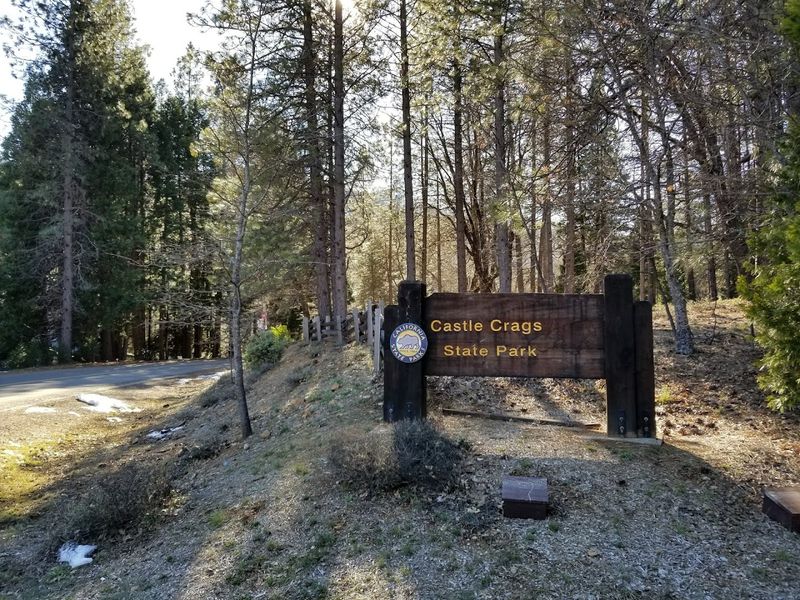
Few places in far Northern California offer the visual drama of ancient granite spires shooting up from a forested ridgeline, but that is exactly what greets visitors at Castle Crags State Park near the small town of Dunsmuir.
The crags themselves are estimated to be around 170 million years old, making them among the more geologically significant formations in the state.
Access to the park is straightforward from Interstate 5, which makes it a practical stop for anyone driving through the region.
Trails range from an easy riverside walk along the upper Sacramento River to a more strenuous summit route that climbs toward the base of the crags themselves.
The river access is genuinely refreshing during warmer months, with clear water and shaded banks that feel far removed from the noise of the freeway nearby.
Wildlife sightings including black bears, deer, and various raptors are not uncommon along the park’s quieter trails.
Crowds here stay noticeably lighter than at more famous parks in the state, partly because Castle Crags lacks the name recognition of places like Yosemite or Big Sur.
That lower profile works in the visitor’s favor and tends to make the experience feel more personal and unhurried throughout the day.
3. Jedediah Smith Redwoods State Park
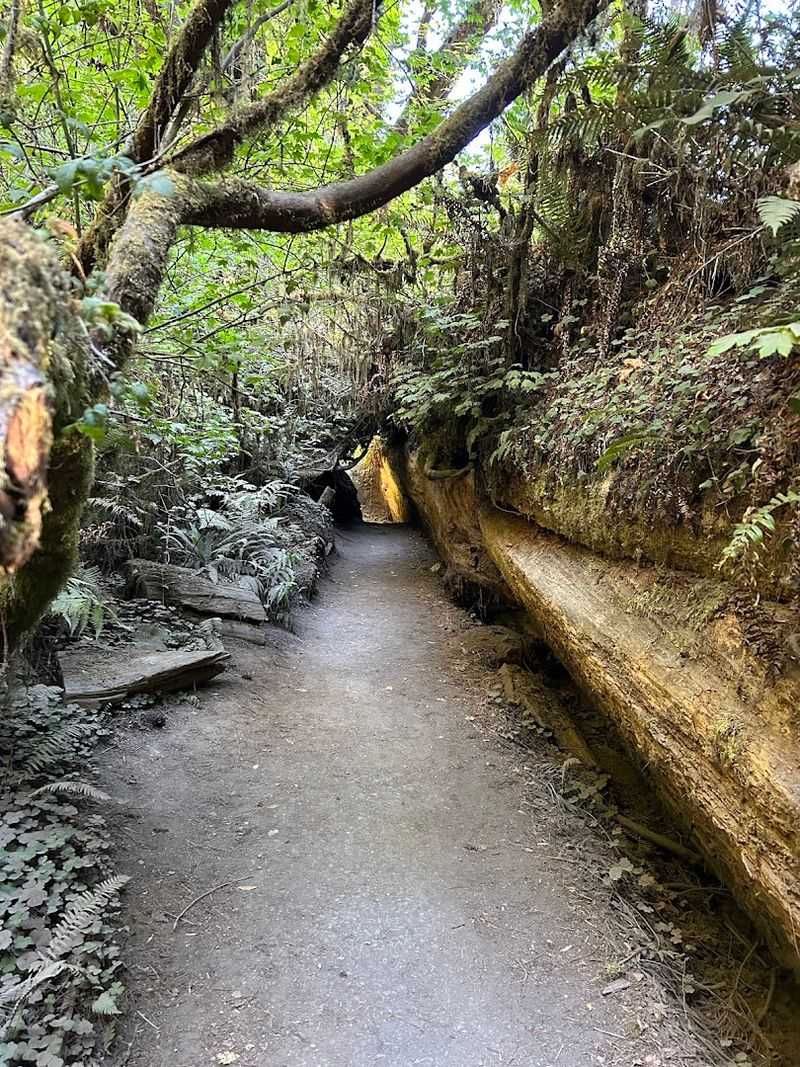
Tucked into the far northwestern corner of California near the Oregon border, Jedediah Smith Redwoods State Park holds some of the tallest and oldest trees on the planet.
The Smith River runs through the park with striking clarity, offering swimming holes and riverside trails that feel genuinely secluded compared with redwood parks closer to major population centers.
Old-growth groves here have never been logged, which gives the forest a density and scale that takes a moment to absorb.
Stout Grove is one of the most celebrated spots within the park, featuring a flat loop trail surrounded by enormous coast redwoods and a peaceful river bar nearby.
The drive-through section of the park along Howland Hill Road is unpaved but passable for most vehicles and passes directly through old-growth forest in a way that feels immersive rather than rushed.
Birdwatching along the river corridor can be rewarding, with species including osprey, kingfishers, and various warblers present throughout the warmer months.
Getting here requires a deliberate trip since the park sits well north of Eureka and even further from the Bay Area.
That distance is part of what keeps the atmosphere calm and the trails uncrowded, even during the busiest parts of summer.
4. Prairie Creek Redwoods State Park
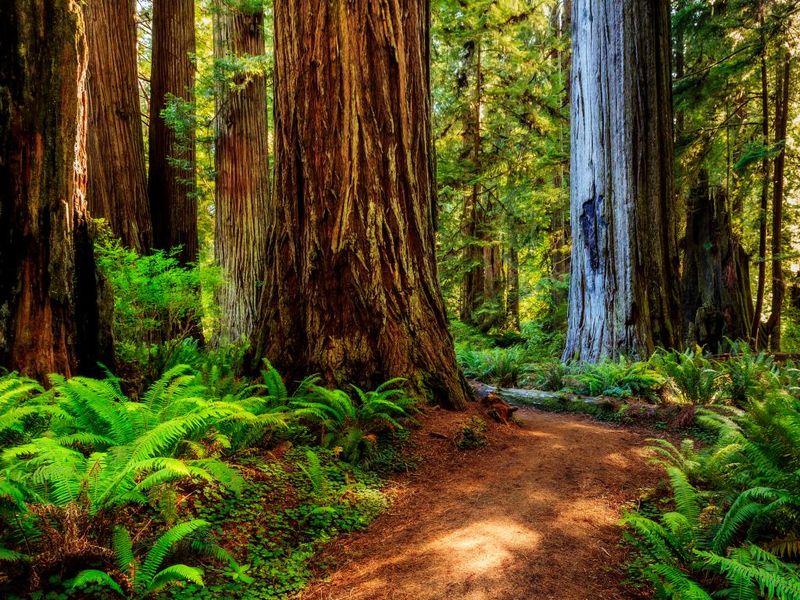
Open coastal prairie, old-growth redwood groves, and a long stretch of driftwood-strewn beach all exist within the same park here, which makes Prairie Creek Redwoods State Park an unusually varied destination for a single visit.
Gold Bluffs Beach runs along the western edge of the park and is accessible via a narrow unpaved road that naturally limits the number of vehicles that can reach it at one time.
The combination of sea air and forest quiet along that stretch of coast is hard to find anywhere else in the state.
Roosevelt elk are a regular presence in the meadows near the park’s main visitor area, and seeing a large herd grazing calmly within a short walk of the trailhead is a genuinely memorable experience.
Fern Canyon is one of the most visually striking features in the park, with canyon walls draped in five-finger ferns and a small stream running along the floor.
The canyon gained wider recognition after appearing in film productions, but it still tends to feel intimate and quiet rather than overcrowded on most days.
Trail conditions can vary with rainfall, so checking current conditions through the California State Parks website before visiting is a practical step.
The park sits within the larger Redwood National and State Parks complex, giving access to even more terrain nearby.
5. Sinkyone Wilderness State Park
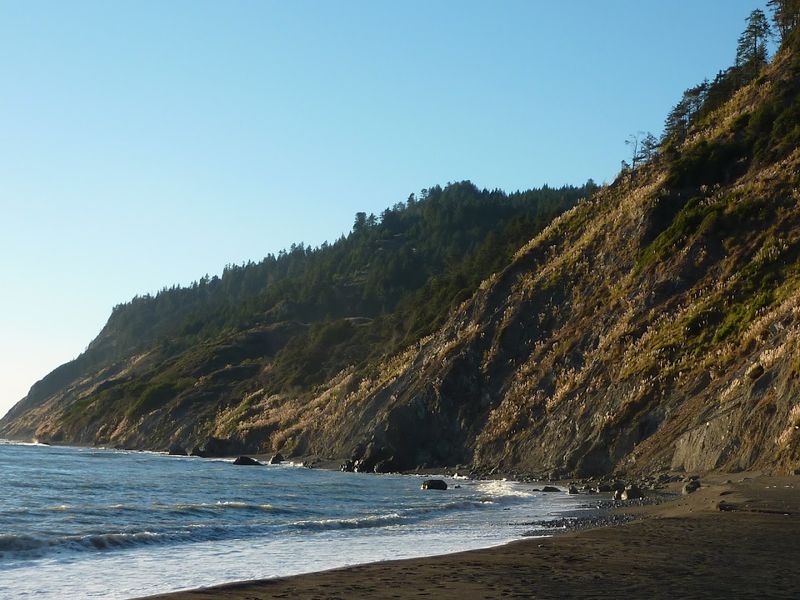
Reaching Sinkyone Wilderness State Park on the Lost Coast involves navigating narrow dirt roads that wind through redwood forest before opening onto dramatic coastal bluffs, and that approach alone filters out casual visitors.
Black-sand beaches, sea stacks, and long open ridgelines define the coastal scenery here, with very little development visible from any trail.
The park covers a stretch of coastline that was largely bypassed when California’s coastal highway system was built, which is why it retains such a remote character today.
Roosevelt elk roam the open grasslands near the coast and can often be spotted from the main trail without needing to venture far from established paths.
The Lost Coast Trail passes through the southern portion of the park and connects with a longer route that backpackers use for multi-day trips along the coast.
Weather along this stretch of coast can shift quickly, with fog rolling in from the ocean even during otherwise warm inland days.
Layers and rain gear are practical additions to any pack regardless of the season, and starting the day early tends to give the clearest views before afternoon fog builds along the bluffs.
6. Henry W. Coe State Park
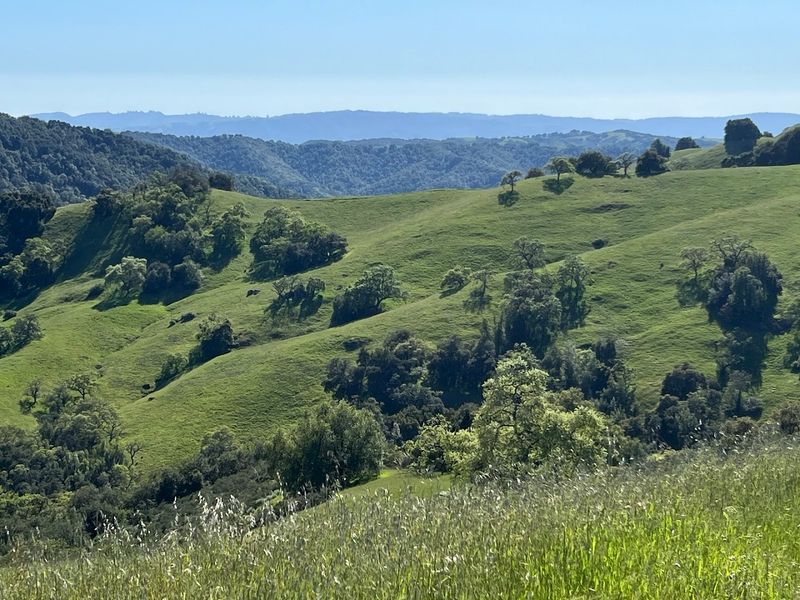
California State Parks describes Henry W. Coe State Park as the largest state park in Northern California and characterizes it as a largely undeveloped place meant for quiet solitude.
That makes it one of the most straightforward answers to the question of where to go for fresh air without the crowds.
Located near Morgan Hill in Santa Clara County, the park covers more than 87,000 acres of rolling oak woodland, chaparral, and open grassland.
That scale alone means visitors can spread out across a trail system that sees far less foot traffic than parks closer to the coast.
Spring is widely considered the best season to visit because wildflowers cover the hillsides and the creeks run with enough water to make the terrain feel lush and alive.
Summers tend to be hot and dry, which is worth planning around when choosing trail lengths and start times.
The park’s interior is genuinely rugged and requires real navigation skills for longer backcountry trips, so carrying a detailed map and plenty of water is essential rather than optional.
Day hiking from the main Headquarters trailhead near Pine Ridge gives a solid introduction to the terrain without committing to an overnight stay.
The park also allows equestrian use on many trails, adding to the sense that this is a working wilderness rather than a polished visitor experience.
7. Tomales Point at Point Reyes National Seashore
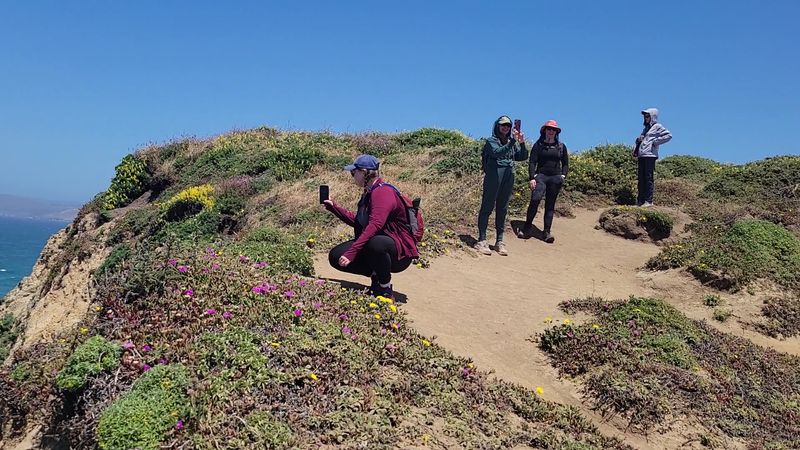
Walking the Tomales Point Trail feels like being at the edge of something, with Tomales Bay on one side and the open Pacific on the other, and a herd of tule elk that can appear around almost any bend.
Point Reyes National Seashore is a well-known destination, but the northern tip of the peninsula at Tomales Point stays removed enough from the main visitor center that the atmosphere shifts noticeably once you are past the first mile or so of trail.
The elk herd here is one of the largest free-ranging tule elk herds in California and tends to be visible without any special effort.
The trail runs about nine miles round trip to the point itself, with mostly open terrain and consistent ocean breezes that keep temperatures moderate even in warmer months.
Fog is a regular presence here and can either add to the mood or limit visibility depending on the day, so checking the forecast before heading out is worth the extra step.
Spring and early summer bring wildflowers along the bluffs that add color to an already scenic route.
Parking at the Pierce Point Ranch trailhead is free and usually available on weekday mornings, though weekend visits may require arriving early to secure a spot.
8. Armstrong Redwoods State Natural Reserve
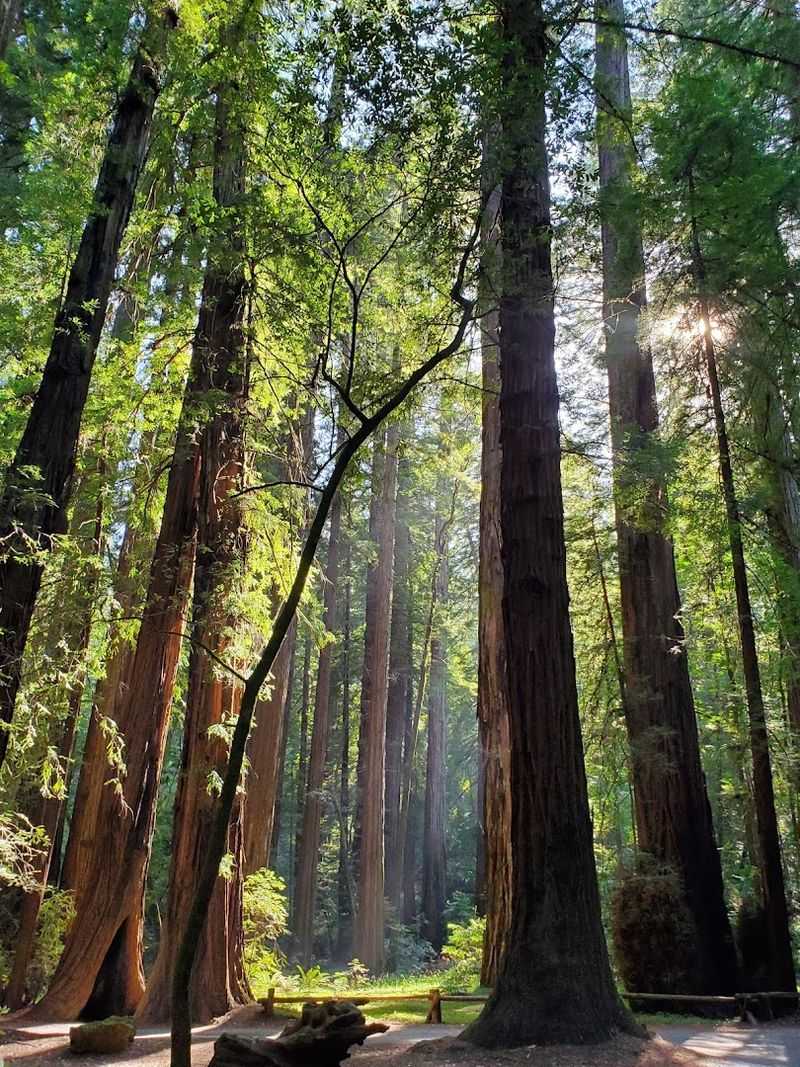
Just north of Guerneville in Sonoma County, Armstrong Redwoods State Natural Reserve offers a genuinely calming redwood experience without the scale or visitor volume of the more famous parks further north.
The old-growth grove here includes trees that are hundreds of years old, with one specimen known as the Parson Jones Tree standing at around 310 feet tall.
Walking among trees of that height creates a particular kind of quiet that is hard to describe but immediately noticeable.
The main trail through the grove is relatively flat and accessible, making it a good option for visitors who want a meaningful redwood experience without a strenuous hike.
California State Parks currently lists the reserve as open with only a minor connector trail closure, so most of the core grove is accessible on a standard visit.
Benches and interpretive signs are placed throughout the grove, which adds some educational value without making the place feel overly developed.
Weekday mornings tend to bring the fewest visitors, and the light filtering through the canopy in the early hours has a quality that feels genuinely different from midday visits.
The reserve connects to the adjacent Austin Creek State Recreation Area for those who want to extend their time outdoors into more rugged terrain beyond the grove itself.
9. The Forest of Nisene Marks State Park
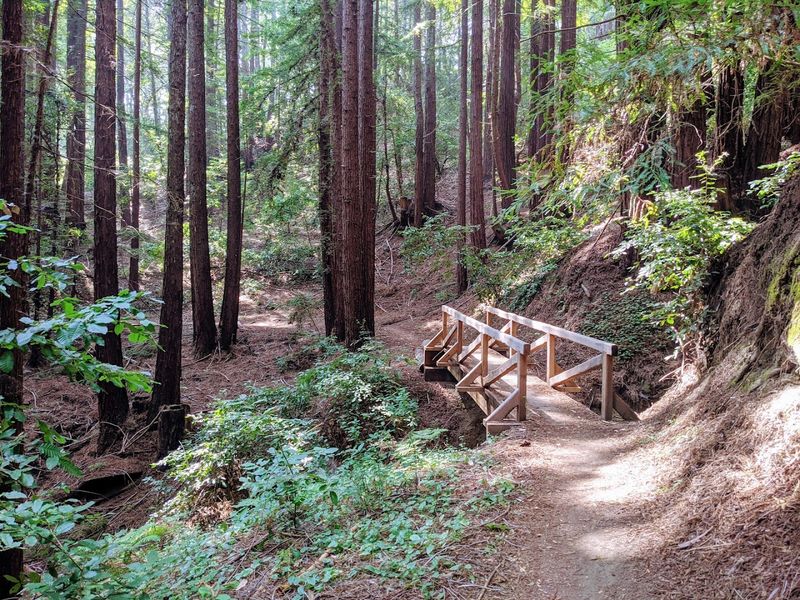
California State Parks explicitly describes The Forest of Nisene Marks State Park as off the beaten path and a retreat from the busy Highway 1 beach towns nearby, which puts it in a category of its own among Santa Cruz County destinations.
Located near Aptos, the park covers roughly 10,000 acres of second-growth redwood forest that was heavily logged in the late 1800s and has been recovering ever since.
That recovery is visible in the density of the canopy and the richness of the undergrowth along the creek corridors.
Aptos Creek runs through the heart of the park and provides a consistent soundtrack of moving water that makes the trails feel genuinely restorative.
The park has more than 30 miles of trails ranging from easy streamside walks to longer climbs toward the ridge, giving different types of visitors a range of options without requiring a major commitment upfront.
Signage is minimal in some sections, so carrying a map or downloading the trail data before arriving is a practical habit.
The park is also historically notable as the epicenter of the 1989 Loma Prieta earthquake, with some trail markers acknowledging that geological significance.
10. Point Sur Lightstation
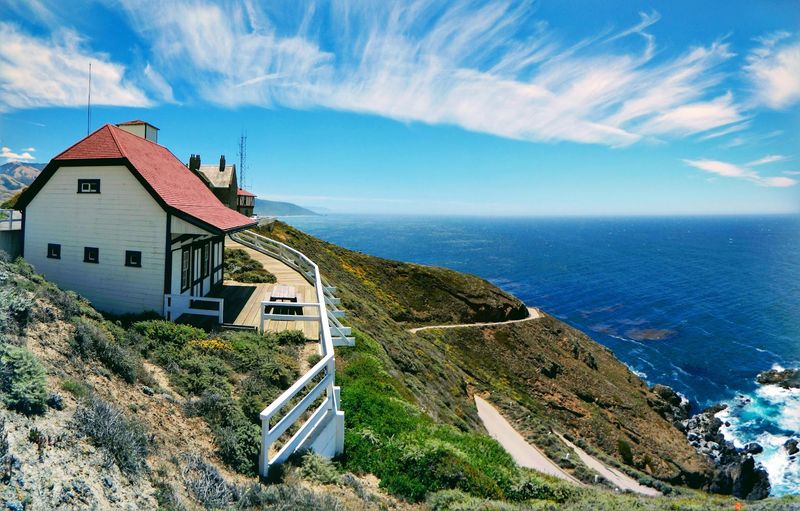
Standing on a 361-foot volcanic rock connected to the Big Sur coastline by a narrow sand bar, Point Sur Lightstation offers ocean air and dramatic coastal scenery in a format that feels structured and purposeful rather than theme-park casual.
California State Parks lists guided tours as the primary way to access the lightstation, which means the experience is paced and informative rather than a self-guided wander.
Tours cover the history of the lighthouse operation, the keeper’s quarters, and the surrounding landscape with a level of detail that makes the visit feel genuinely educational.
The lightstation has been operating since 1889 and is one of the few complete 19th-century lightstation complexes remaining on the West Coast.
Getting there requires driving along Highway 1 through Big Sur, which is scenic on its own and adds to the overall sense of journey.
Tour availability varies by season and day of the week, so checking the California State Parks website in advance to confirm schedule and reservation requirements is essential before making the drive.
The views from the rock itself extend across open ocean to the south and north along the Big Sur coastline, with the Santa Lucia Mountains rising sharply to the east.
11. Chino Hills State Park
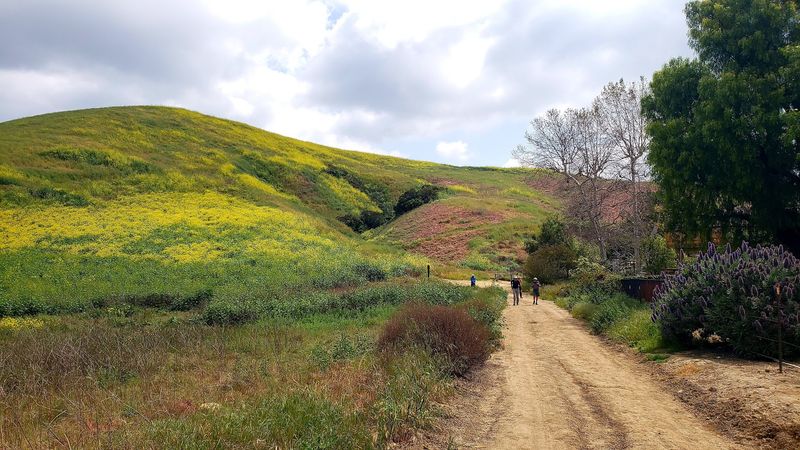
For Southern California residents who want a genuine outdoor escape without committing to a long drive, Chino Hills State Park covers more than 14,000 acres of rolling hills and open wilderness.
California State Parks describes the terrain as a mix of chaparral, oak woodland, and grassy valleys that support a surprising range of wildlife including mule deer, coyotes, and numerous bird species.
The park’s trail system connects multiple trailheads across its boundaries, giving visitors flexibility in how they approach the terrain.
Spring is the most visually rewarding season here, when the hillsides green up after winter rains and wildflowers dot the open slopes.
Summer visits are possible but require early starts since the exposed ridgelines heat up quickly by midmorning.
The park has no developed campgrounds, which keeps overnight use limited and contributes to the generally quieter atmosphere compared with parks that offer full camping facilities.
Equestrian use is permitted on many trails, and the wide fire roads that cross the park give cyclists a smooth surface for longer rides through the hills.
Parking is available at several trailheads around the park’s perimeter, with the Carbon Canyon Regional Park entrance providing one of the more popular access points for first-time visitors exploring the area.