Why Florida Is Focusing In Bold, Geometric Patterns In Interior Design In 2026
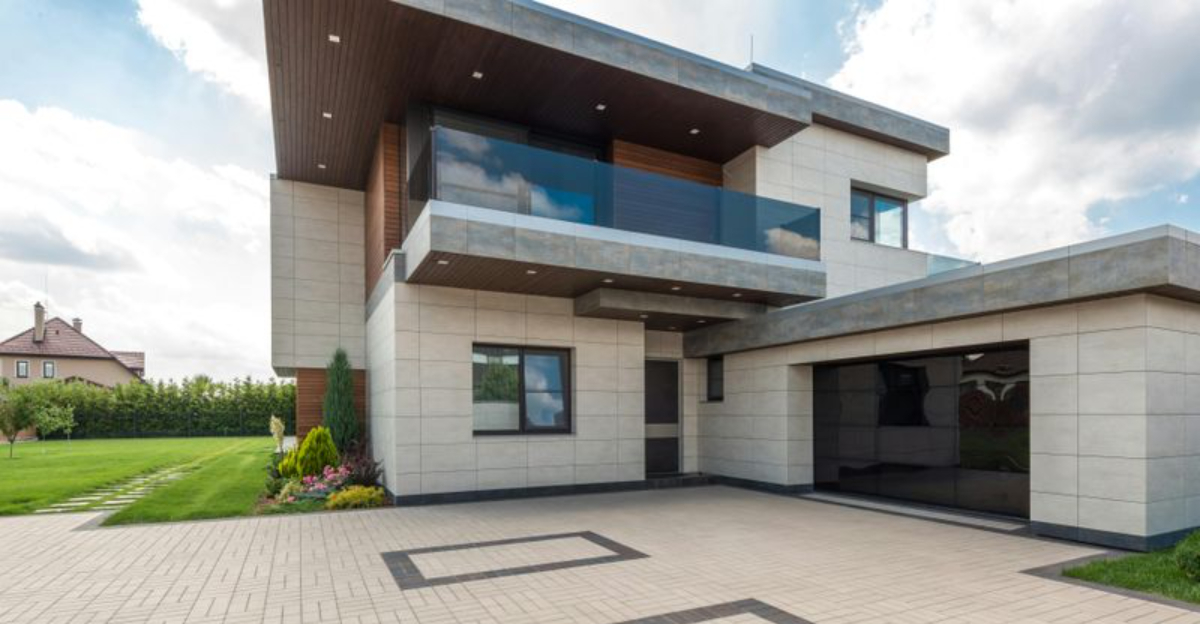
Florida’s design scene is experiencing an exciting transformation as bold, geometric patterns take center stage in homes across the state.
From Miami’s iconic Art Deco heritage to modern coastal retreats, these striking shapes and lines are breathing fresh energy into living spaces.
This shift reflects both a nod to Florida’s architectural past and a forward-thinking embrace of contemporary style that resonates with homeowners seeking spaces that feel vibrant, unique, and unmistakably Floridian.
Art Deco Heritage Inspires Modern Spaces
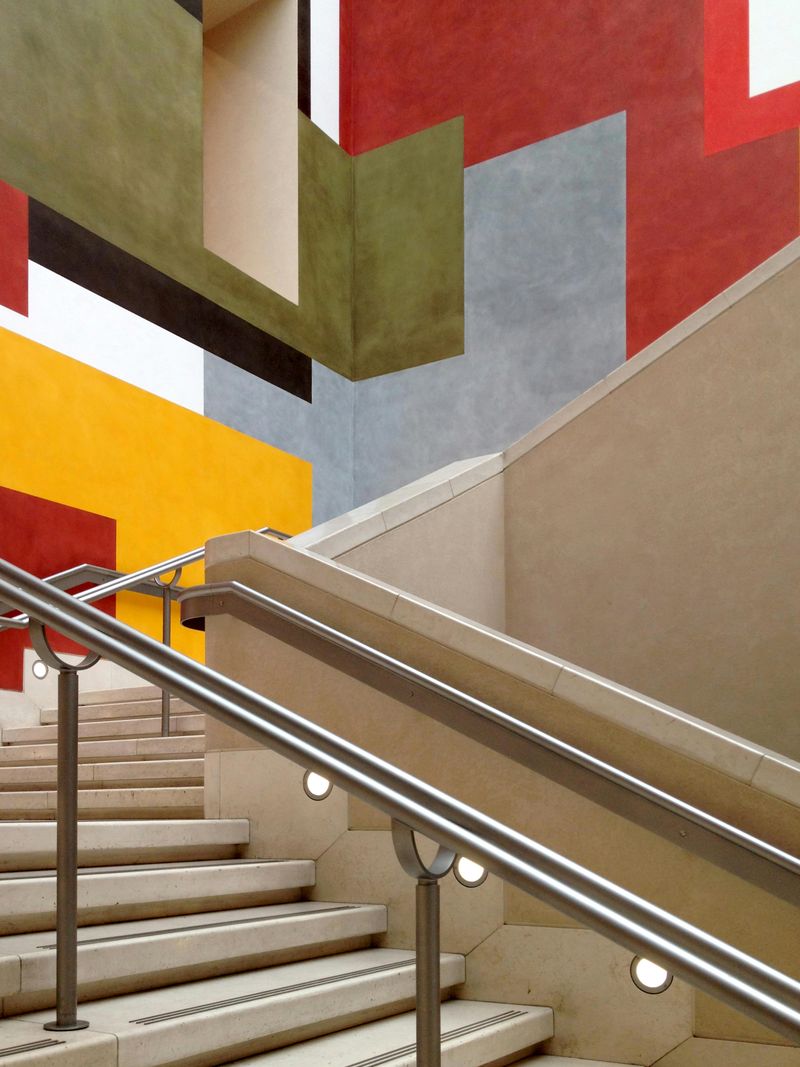
Miami’s historic Art Deco district has long served as a living museum of geometric brilliance, and that influence continues to shape contemporary Florida interiors.
The iconic neighborhood stretches along Ocean Drive and Collins Avenue in Miami Beach, showcasing hundreds of preserved buildings from the 1930s and 1940s.
Designers throughout Florida are drawing inspiration from these classic structures, translating their bold chevrons, sunbursts, and stepped patterns into modern home décor.
Homeowners can incorporate this timeless aesthetic through wallpaper featuring geometric motifs, light fixtures with angular designs, or furniture pieces that echo the clean lines of the era.
The beauty of this trend lies in its versatility.
Whether used as a dramatic focal wall or subtle accent pieces, Art Deco-inspired geometry adds sophistication without overwhelming a space.
This revival proves that classic design elements can feel completely fresh when reimagined for today’s homes.
Pattern Drenching Creates Immersive Environments
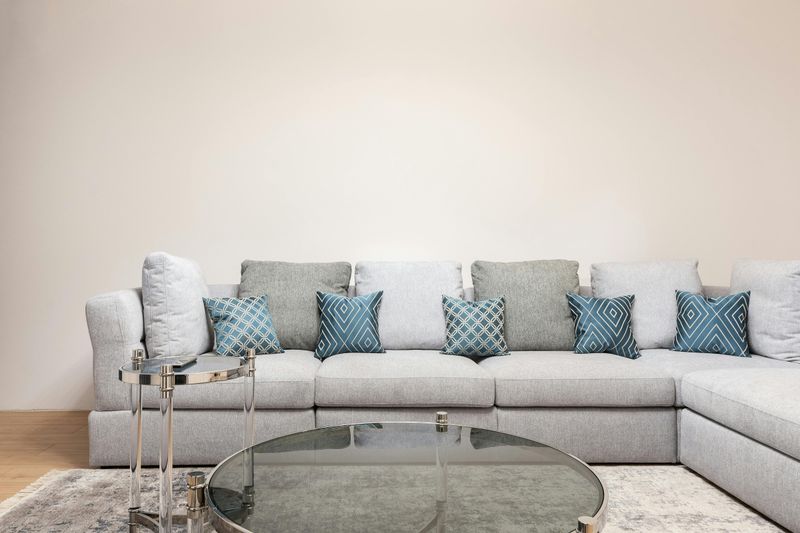
Pattern drenching represents a fearless approach to decorating that Florida homeowners are embracing with enthusiasm.
This technique involves layering geometric patterns across multiple surfaces within a single room.
Walls, furniture, textiles, and even ceilings become part of the visual story.
Rather than creating visual chaos, when executed thoughtfully, this method produces spaces that feel intentional and enveloping.
The key to successful pattern drenching lies in maintaining a consistent color palette while varying the scale and type of geometric designs.
A living room might feature large hexagonal wallpaper, medium-sized diamond-patterned throw pillows, and small triangular motifs on curtains, all in coordinating shades of navy, coral, and cream.
Florida’s abundant natural light makes this bold approach particularly effective, as sunshine highlights the interplay between different patterns throughout the day.
This trend works especially well in spaces where creating a distinct mood or personality is desired.
Ordinary rooms are transformed into memorable environments.
Mediterranean Tile Designs Gain Popularity
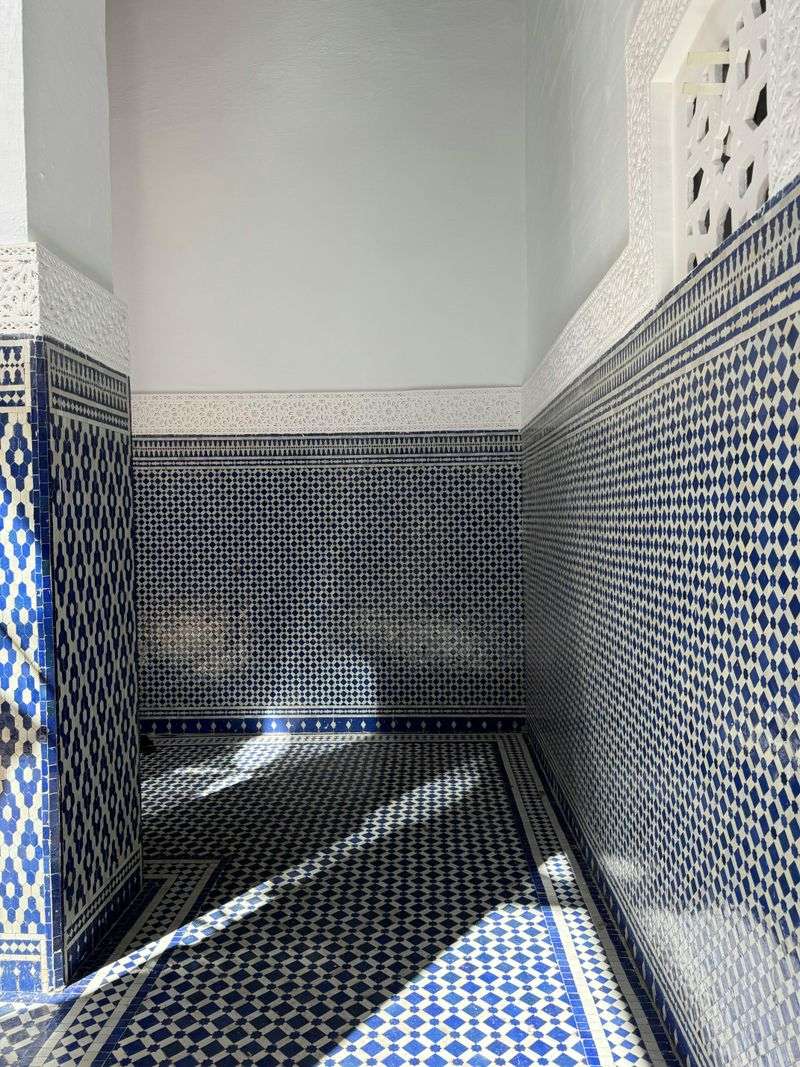
Hand-painted tiles featuring intricate geometric patterns are becoming focal points in Florida kitchens and bathrooms.
These artisan pieces often draw from Mediterranean traditions.
They incorporate complex Islamic-inspired tessellations, Spanish azulejo patterns, and Italian majolica designs.
The craftsmanship involved in creating each tile adds authentic character that mass-produced materials simply cannot replicate.
Florida homeowners appreciate how these tiles bridge indoor and outdoor aesthetics.
They echo the state’s Spanish colonial heritage while feeling perfectly suited to contemporary coastal living.
A kitchen backsplash adorned with geometric Moroccan-style tiles in blues and whites can transform a functional space into an artistic statement.
Bathroom floors featuring hexagonal terracotta tiles with hand-painted geometric borders create visual interest underfoot.
The durability of quality ceramic and porcelain tiles makes them practical choices for Florida’s humid climate.
Their timeless patterns ensure they won’t feel dated as trends evolve.
Neo-Art Deco Blends History With Contemporary Style

Neo-Art Deco represents a sophisticated reinterpretation of 1920s glamour tailored for modern sensibilities.
This emerging trend takes the geometric foundations of original Art Deco design – clean lines, symmetrical arrangements, and luxurious materials – and updates them with contemporary color palettes and streamlined forms.
Florida homes adopting this aesthetic feature furniture with angular silhouettes upholstered in rich velvets, lighting fixtures with geometric metalwork, and mirrors framed in stepped designs.
The approach favors quality over quantity, emphasizing curated spaces where each geometric element serves both functional and aesthetic purposes.
A dining room might showcase a table with an octagonal marble top, chairs with hexagonal back designs, and a chandelier featuring tiered geometric glass panels.
This trend particularly appeals to Florida homeowners seeking elegance without stuffiness, as Neo-Art Deco maintains a sense of occasion while remaining livable and comfortable for everyday life.
Coastal Geometry Reflects Ocean Influences
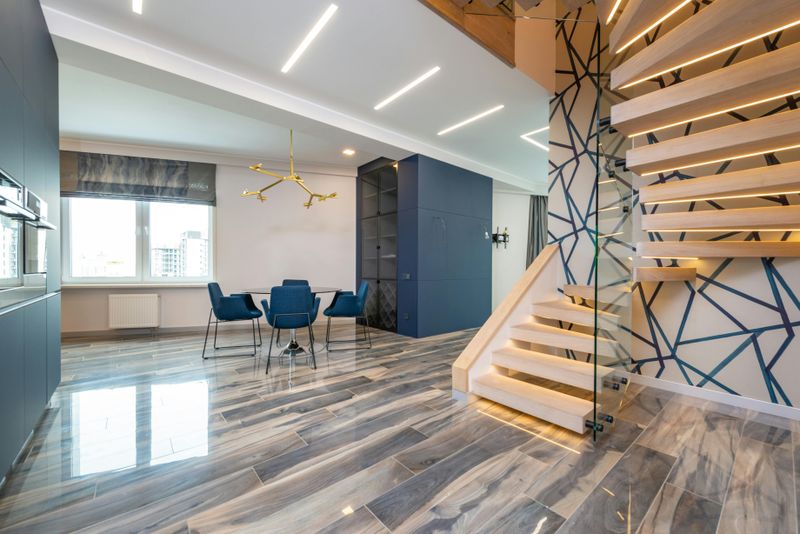
Florida’s extensive coastline naturally influences how geometric patterns appear in local interior design.
Designers are moving beyond traditional nautical stripes to incorporate more sophisticated geometric interpretations of oceanic elements.
Hexagonal patterns echo the structure of coral reefs, chevron designs mimic wave movements, and angular patterns reflect the sharp lines where sea meets sky at the horizon.
Color palettes remain coastal – soft blues, aqua greens, sandy beiges, and crisp whites – but the geometric approach adds contemporary edge to beach house aesthetics.
A bedroom might feature wallpaper with abstract geometric waves, bedding with hexagonal quilting patterns, and artwork showcasing triangular sail shapes.
This trend works beautifully in both waterfront properties and inland homes where residents want to capture coastal vibes.
The geometric interpretation keeps spaces feeling fresh and current rather than predictably beachy, appealing to homeowners who appreciate ocean influences without resorting to seashell clichés.
Tropical Modernism Embraces Bold Shapes
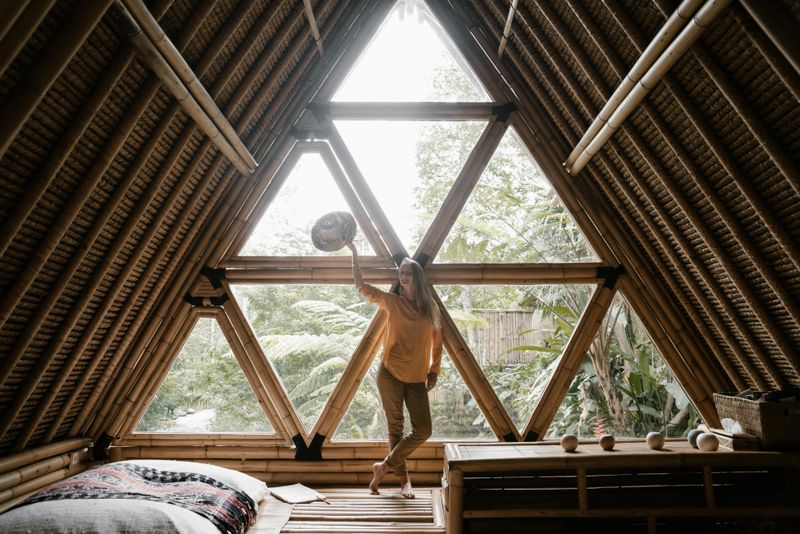
Tropical modernism combines Florida’s lush natural environment with clean geometric design principles.
This aesthetic celebrates the state’s year-round greenery while maintaining the structure and order that geometric patterns provide.
Spaces feature bold angular furniture pieces alongside abundant tropical plants, creating dynamic contrast between organic and manufactured forms.
Geometric textiles in vibrant colors – think throw pillows with triangular patterns in mango orange, lime green, and hot pink – complement the natural greens of potted palms and ferns.
Wallpaper featuring large-scale geometric leaf patterns bridges the gap between these two design languages.
Florida’s indoor-outdoor lifestyle makes this approach particularly practical, as geometric outdoor rugs, angular planters, and patterned cushions on patio furniture extend the aesthetic beyond interior walls.
The result feels distinctly Floridian – energetic, sun-soaked, and unapologetically colorful – while maintaining the sophistication that geometric design naturally provides.
Jewel Tones Add Richness To Geometric Designs
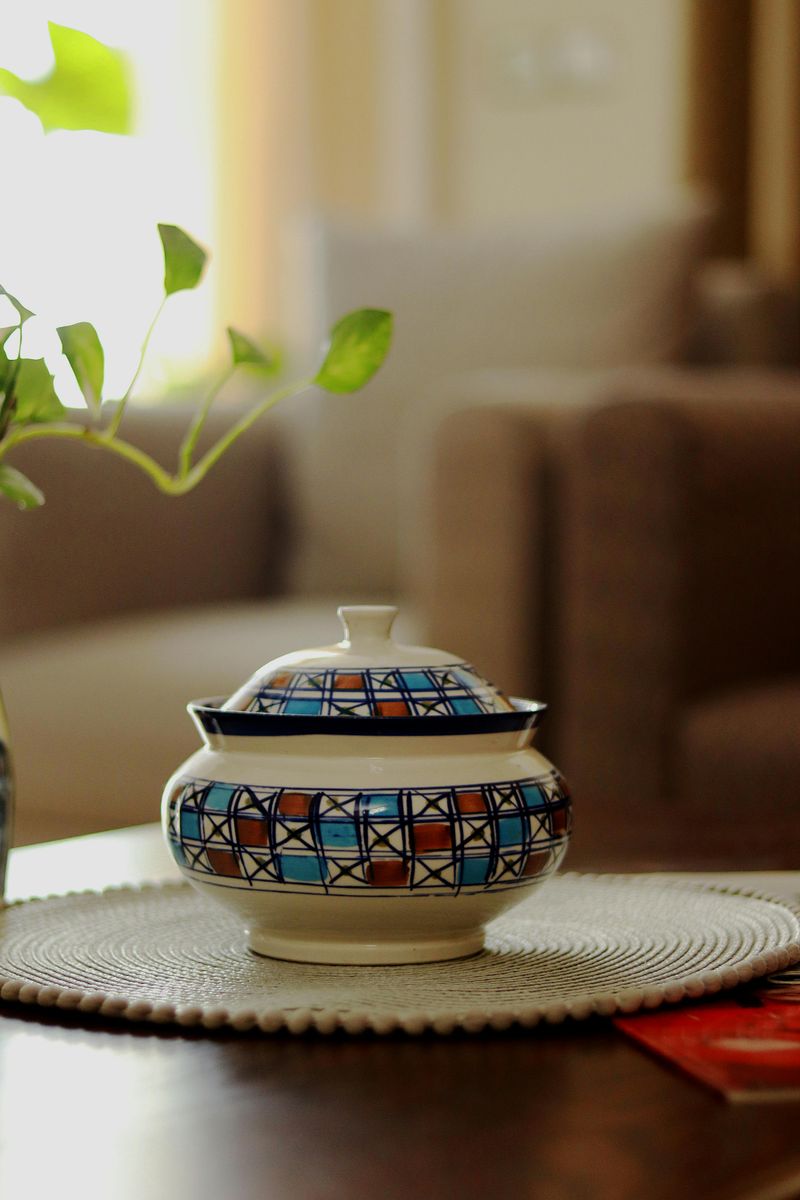
Deep, saturated jewel tones are emerging as the preferred color palette for geometric patterns in Florida homes.
Emerald greens, sapphire blues, ruby reds, and amethyst purples provide dramatic richness when applied to geometric designs.
These colors feel luxurious and sophisticated, elevating geometric patterns from playful to elegant.
A living room might feature a geometric area rug in shades of teal and gold, velvet accent chairs with diamond-patterned upholstery in deep plum, and throw pillows showcasing chevron designs in emerald and navy.
The intensity of jewel tones works surprisingly well in Florida’s bright environment, as natural sunlight prevents these rich colors from feeling heavy or dark.
This combination particularly appeals to homeowners seeking drama and personality in their spaces.
The geometric structure provides visual order while the jewel tones deliver emotional impact, creating rooms that feel both carefully composed and deeply expressive.
Metallic Accents Enhance Geometric Elements

Metallic finishes are playing a crucial role in bringing geometric patterns to life throughout Florida interiors.
Brass, copper, gold, and bronze accents add dimension and light-reflecting qualities to geometric designs.
A geometric wallpaper pattern becomes more dynamic when certain elements feature metallic ink that catches light throughout the day.
Light fixtures with geometric brass frameworks cast interesting shadows that create additional patterns on walls and ceilings.
Coffee tables with geometric marble tops and gold-toned metal bases combine natural and manufactured materials in striking ways.
Florida’s abundant sunshine makes metallic accents particularly effective, as changing light conditions throughout the day create constantly shifting visual effects.
Mirror frames with stepped geometric profiles in antique brass add Art Deco flair while serving the practical purpose of bouncing light around rooms.
This trend works across various style preferences, from ultra-modern spaces with polished chrome geometric sculptures to transitional homes with warm brass geometric drawer pulls.
Geometric Lighting Fixtures Serve As Sculptural Art

Lighting fixtures featuring bold geometric designs are functioning as both illumination sources and sculptural focal points.
Pendant lights with cage-like geometric frameworks, chandeliers composed of intersecting angular metal bars, and table lamps with pyramid or hexagonal bases are appearing throughout Florida homes.
These pieces draw the eye upward and add architectural interest to rooms that might otherwise lack distinctive features.
A dining room benefits enormously from a statement geometric chandelier that defines the space and creates conversation.
Kitchen islands are being illuminated by clusters of geometric pendants in varying sizes, adding visual rhythm to functional areas.
The three-dimensional nature of these fixtures means they cast fascinating shadows that create additional geometric patterns on surrounding surfaces.
Florida homeowners appreciate how these pieces work across different design styles – a sleek black geometric pendant feels contemporary, while a brass geometric lantern-style fixture nods to traditional influences.
Outdoor Spaces Adopt Geometric Patterns
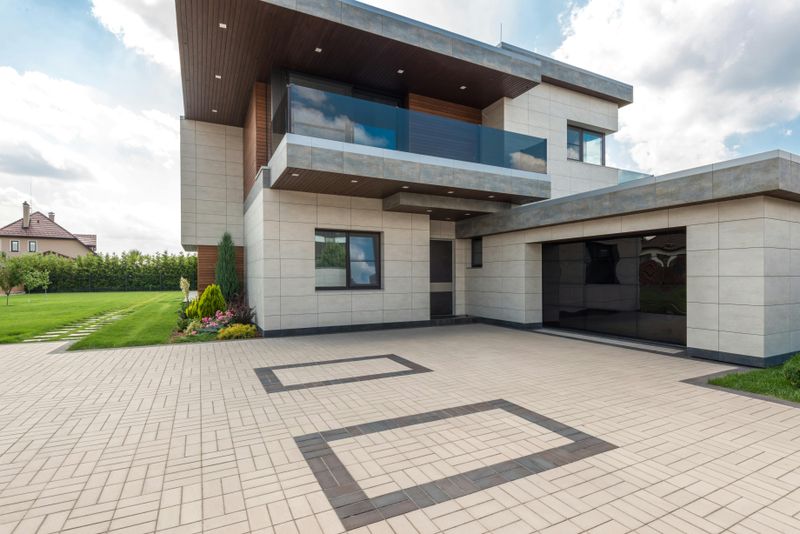
Florida’s year-round outdoor living culture is embracing geometric patterns in exterior spaces.
Patios are being transformed with geometric-patterned tiles that define seating areas and create visual interest underfoot.
Outdoor rugs featuring bold chevrons, hexagons, or triangular patterns anchor furniture groupings while adding color and personality.
Planters in geometric shapes – cubes, hexagons, and angular designs – provide structure to lush tropical plantings.
Outdoor cushions and pillows showcase geometric patterns in weather-resistant fabrics that withstand Florida’s sun and occasional rain.
Privacy screens and decorative panels with geometric cutout patterns serve dual purposes, providing seclusion while creating interesting shadow play as sunlight filters through.
Pool decks are incorporating geometric tile patterns that lead the eye toward water features.
This trend recognizes that outdoor spaces deserve the same design attention as interiors, especially in Florida where residents spend substantial time enjoying their yards, patios, and poolside areas throughout most of the year.
Minimalist Geometry Appeals To Modern Sensibilities
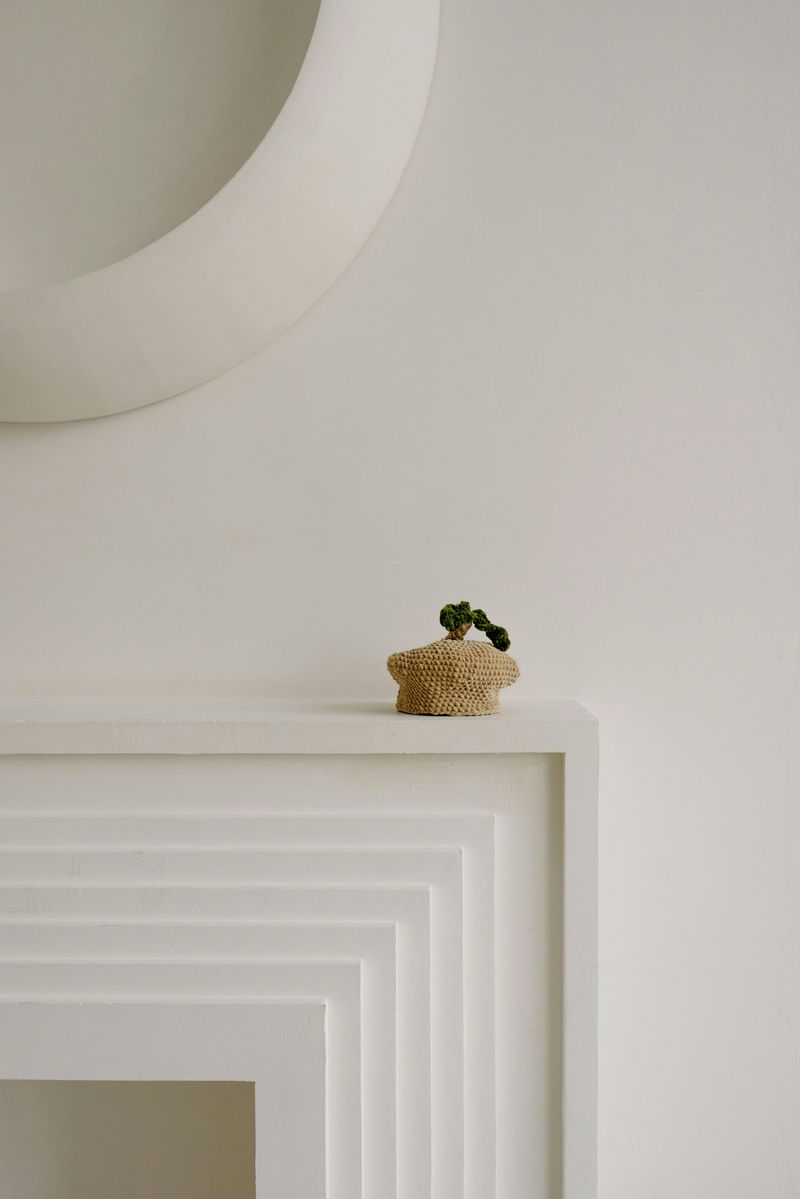
Not all geometric pattern trends in Florida lean toward maximalism – many homeowners are embracing minimalist geometric approaches.
This aesthetic features clean lines, restrained color palettes, and geometric patterns used sparingly for maximum impact.
A single accent wall with subtle geometric wallpaper in tone-on-tone neutrals can define a space without overwhelming it.
Furniture with simple geometric silhouettes – square coffee tables, rectangular sofas, circular mirrors – creates visual order through shape rather than surface pattern.
Area rugs with minimal geometric designs in black, white, and gray ground spaces while maintaining calm atmospheres.
This approach particularly appeals to Florida residents who appreciate modern design but want spaces that feel serene and uncluttered despite the visual energy of the outdoor environment.
The restraint of minimalist geometry allows architectural features and natural views to remain focal points while still incorporating contemporary design trends.
This proves that embracing geometric patterns doesn’t require bold colors or busy designs.
Cultural Diversity Influences Pattern Choices
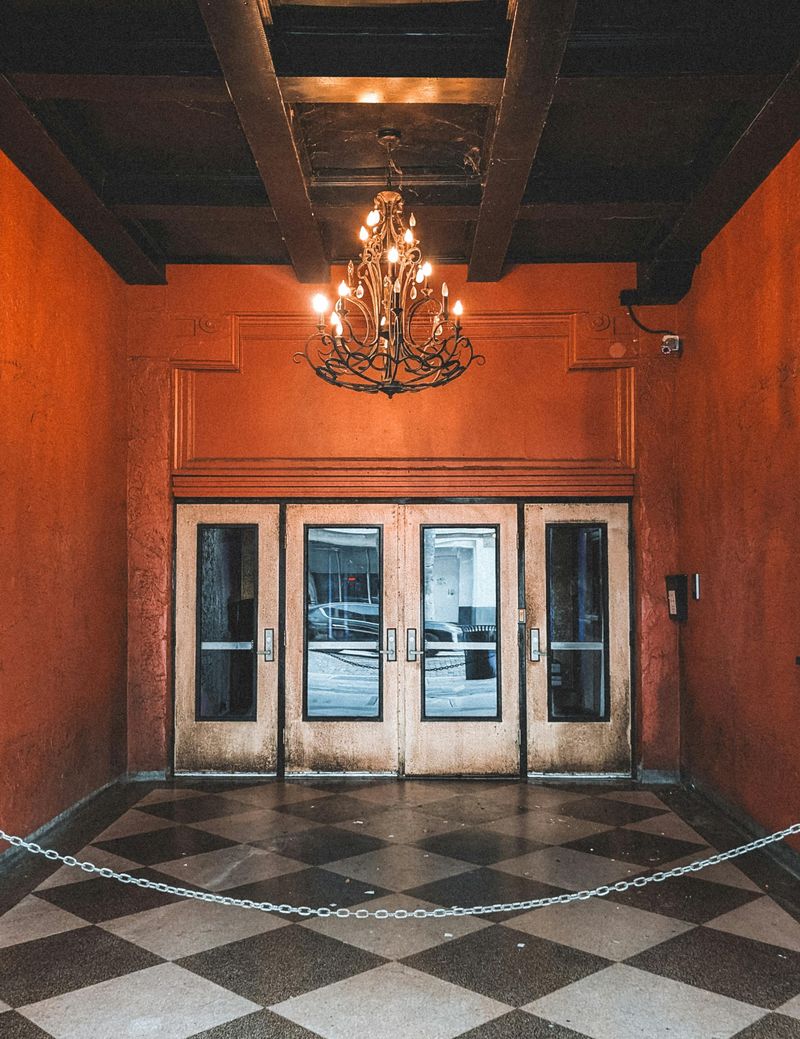
Florida’s multicultural population brings diverse geometric pattern traditions into local interior design.
Latin American geometric textiles, Caribbean-inspired patterns, and international design influences create a rich visual vocabulary.
Homeowners are incorporating geometric patterns from their cultural heritage, whether that means Mexican Talavera tile patterns, Cuban cement tile designs, or Haitian geometric artwork.
This cultural blending results in spaces that feel personal and meaningful rather than following generic design formulas.
A living room might feature throw pillows with Guatemalan geometric weavings, a coffee table adorned with Moroccan geometric trays, and wall art showcasing African geometric patterns.
These elements coexist beautifully when unified by a cohesive color story.
Florida’s status as a cultural crossroads makes this eclectic approach feel natural rather than forced.
Designers appreciate how geometric patterns from different traditions can complement each other, as the underlying mathematical structures create inherent harmony even when cultural origins differ.
Sustainable Materials Feature Geometric Designs
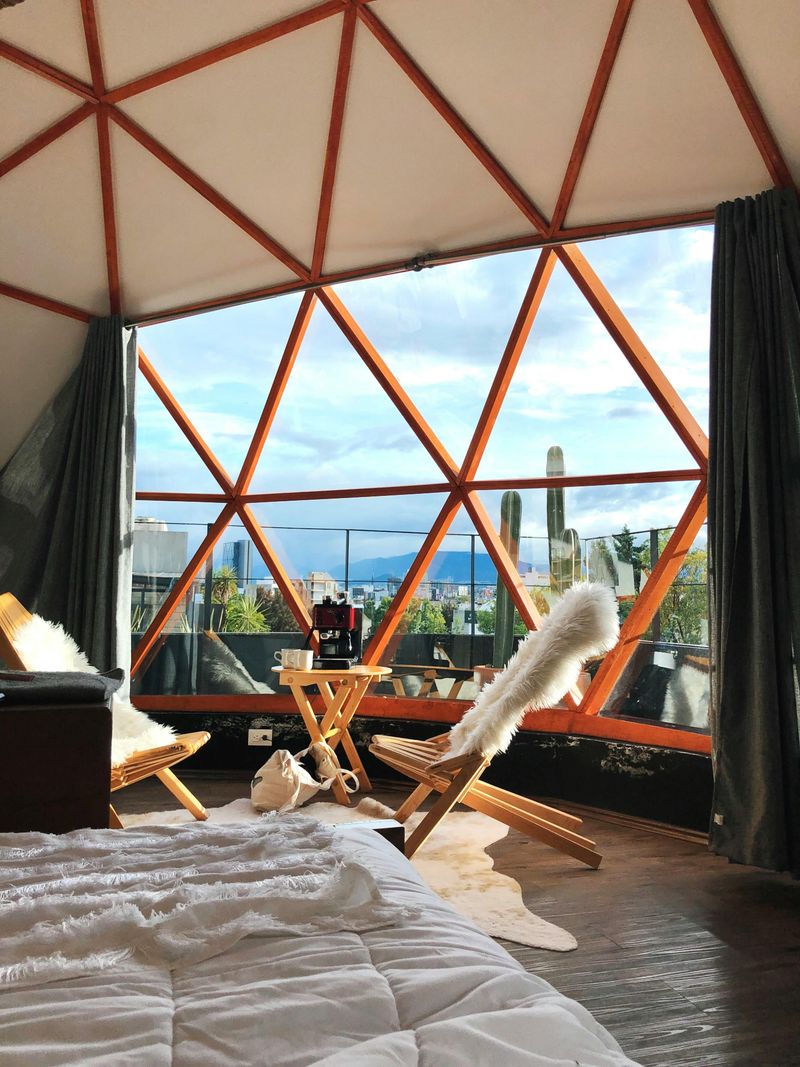
Environmental consciousness is shaping how geometric patterns appear in Florida homes, with sustainable materials taking center stage.
Bamboo flooring with geometric inlay patterns, reclaimed wood arranged in chevron or herringbone designs, and natural fiber rugs featuring geometric weaves combine eco-friendly choices with contemporary aesthetics.
Organic cotton and linen textiles printed with geometric patterns using low-impact dyes appeal to environmentally aware homeowners.
Cork wall tiles arranged in geometric configurations provide sound dampening while adding visual texture.
Recycled glass tiles in geometric patterns create stunning backsplashes and bathroom features.
Florida homeowners increasingly recognize that sustainable choices and stylish design aren’t mutually exclusive.
The geometric trend actually supports sustainable practices, as many traditional craft techniques – hand-woven textiles, artisan-made tiles, reclaimed wood patterns – naturally produce geometric designs.
This alignment means residents can embrace current design trends while making choices that reflect environmental values, creating homes that feel both contemporary and conscientious.
Technology Enables Custom Geometric Solutions
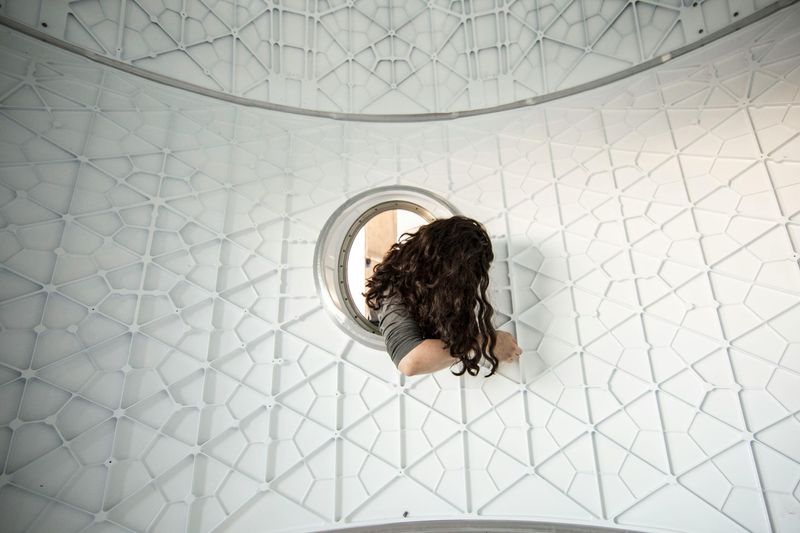
Advances in design technology are making custom geometric patterns more accessible to Florida homeowners.
Digital printing allows for personalized wallpaper featuring geometric patterns in exact color combinations to match existing décor.
Laser-cutting technology creates intricate geometric screens, room dividers, and decorative panels tailored to specific dimensions.
3D printing produces unique geometric light fixtures, planters, and decorative objects that would be impossible to manufacture traditionally.
Online design tools enable homeowners to visualize how different geometric patterns will look in their actual spaces before committing to purchases.
This technological accessibility democratizes custom design, making it available beyond luxury budgets.
A homeowner can now create a one-of-a-kind geometric tile pattern for a bathroom or design custom geometric cabinet hardware that perfectly complements their kitchen aesthetic.
Florida’s tech-savvy population embraces these tools enthusiastically, resulting in interiors that feel personal and distinctive rather than catalog-generic, proving that geometric pattern trends can be adapted to individual tastes and needs.