10 Wildlife Conservation Programs In North Carolina Where You Can Volunteer Or Learn
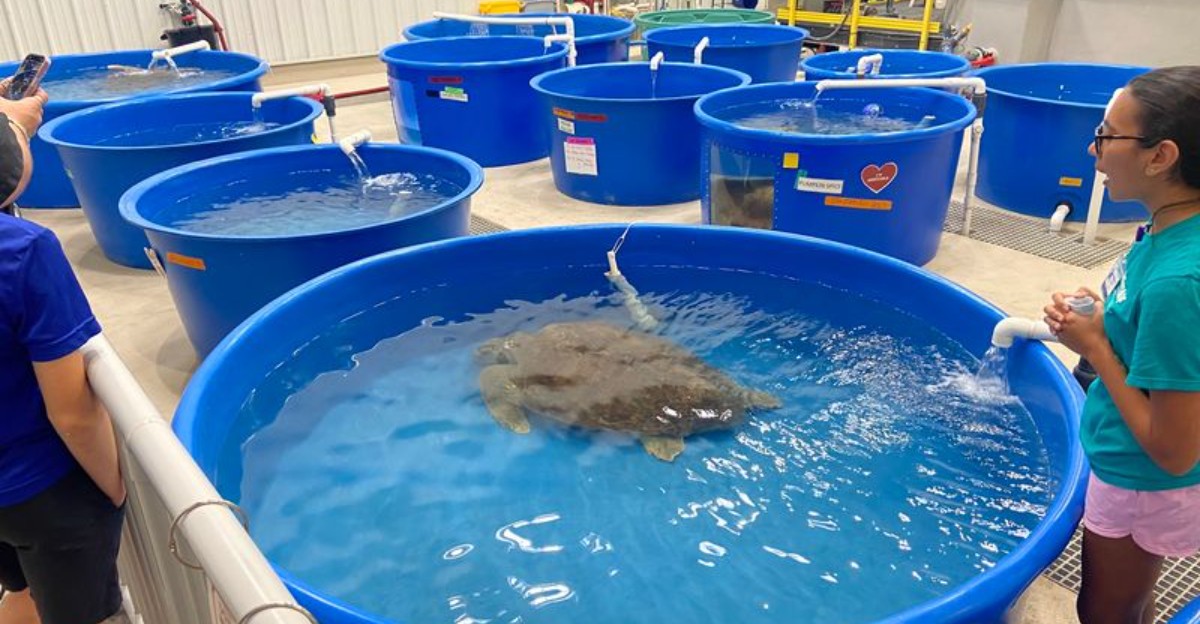
Saving wildlife does not always require a biology degree or a heroic movie soundtrack.
Sometimes it starts with showing up.
Across North Carolina, conservation groups give ordinary people a chance to understand what wild animals actually need and why protecting habitat matters.
The work can feel surprisingly personal once you see the bigger picture up close.
A single afternoon may change how you look at a trail, a shoreline, or even the birds circling above your neighborhood.
Curiosity is enough to begin. The deeper you get involved, the harder it becomes to see wildlife as background scenery.
That may be the most powerful part of all.
10. Carolina Raptor Center
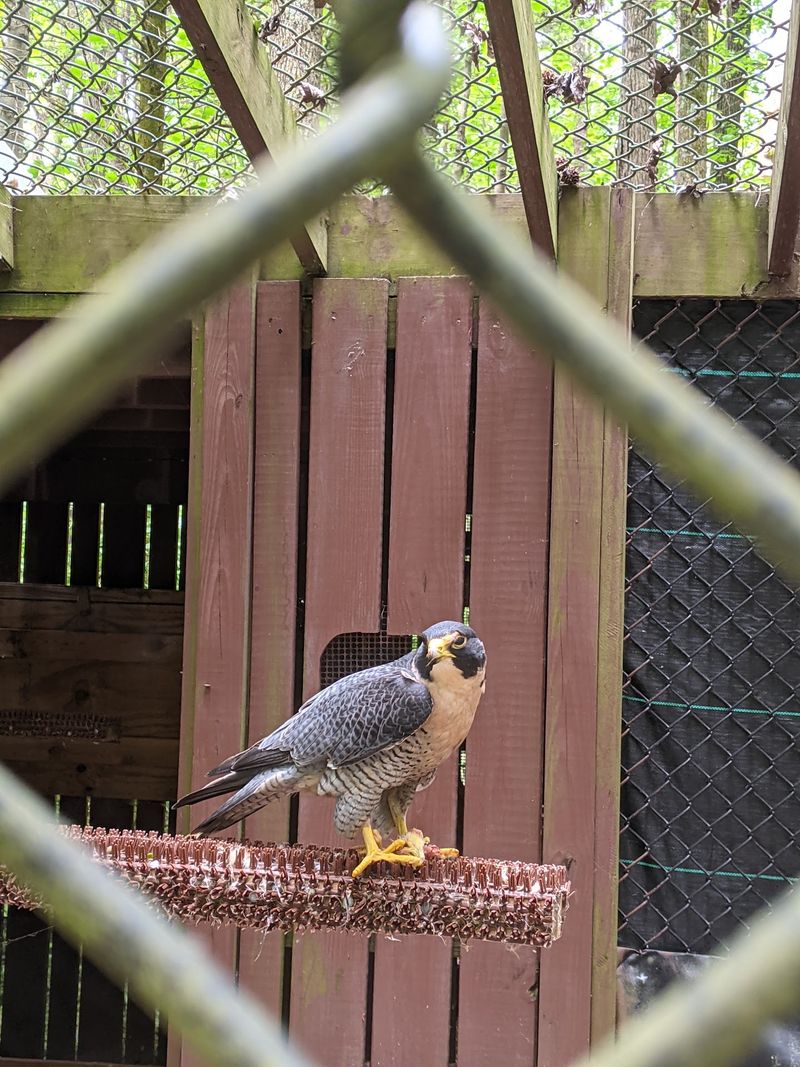
A hawk can turn its head just as you notice it watching from a branch.
At Carolina Raptor Center in Huntersville, that moment can lead to a better understanding of birds of prey.
The Raptor Trail winds through the woods of Latta Nature Preserve, where visitors can see resident bird ambassadors and read about their lives.
Carolina Raptor Center also offers daily programs that make a trail visit more than a walk.
Plan your visit using the center’s current schedule, since program times and admission details can change. Wear comfortable shoes, keep a respectful distance from enclosures, and give yourself time to stop at the signs along the path.
If you want to do more than visit, check the volunteer listings for roles in raptor care support, education, or other center work.
Training and age rules may vary by position, and direct animal handling is not something to expect on a first day. Volunteers help behind the scenes so staff can focus on caring for birds.
Even a short visit can teach a useful lesson: leaving wild birds space, keeping outdoor areas clean, and reporting an injured raptor to trained help are ways to protect them.
The center’s address is 6000 Sample Road, Huntersville.
9. Piedmont Wildlife Center
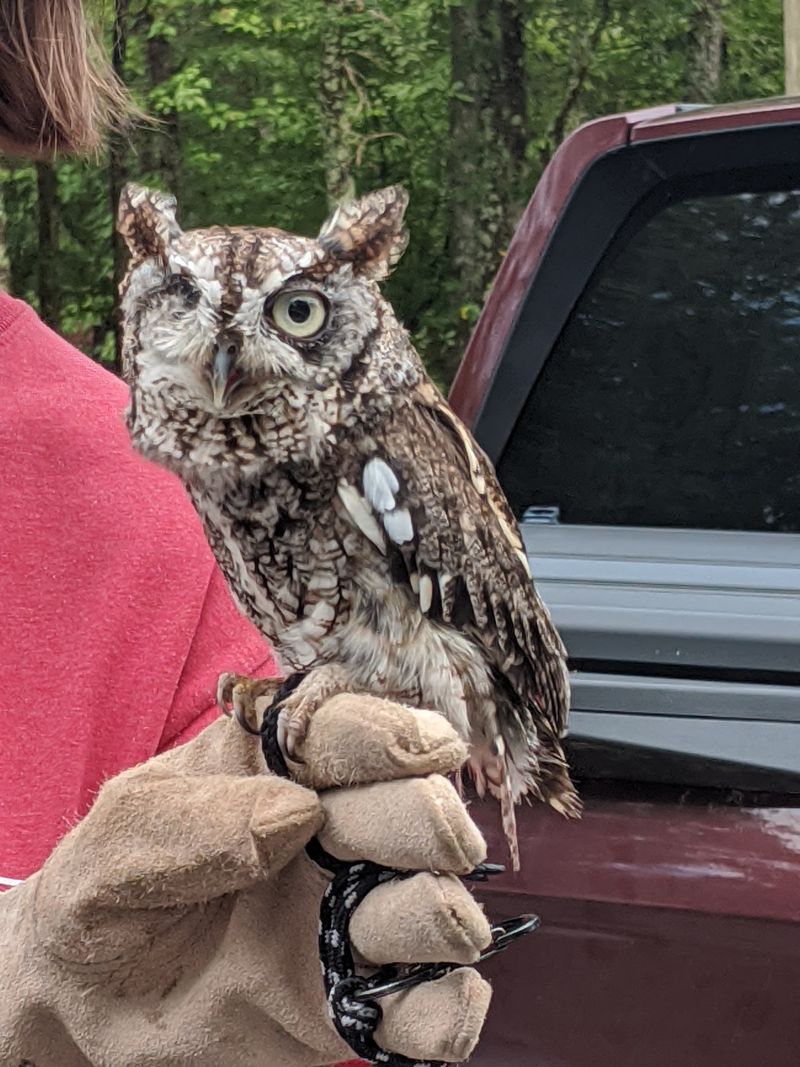
A walk in the woods feels different when you know what lives beside the trail.
Piedmont Wildlife Center in Durham helps children and adults notice the animals, plants, and habitats around them.
Its programs include field trips, outdoor learning, and visits with ambassador animals that help explain the lives of local species.
Piedmont Wildlife Center works from the Leigh Farm Park area, where trees and open ground make a fitting classroom.
Look for scheduled programs rather than assuming you can drop in for an animal encounter. Schools and families can ask which activities suit their group’s age and interests.
The center’s address is 364 Leigh Farm Road, Durham, NC 27707.
Volunteer service days offer another way to take part.
Tasks may involve improving shared outdoor spaces, helping with projects, or supporting the center’s work, depending on what is needed. Ask about registration, clothing, and any age requirements before you go.
Long pants and shoes suited to uneven ground can make outdoor work more comfortable.
You can carry the lesson home by watching a patch of yard or a nearby park.
Notice where birds find shelter and where rainwater flows.
Habitat protection often starts with paying attention to familiar places, then choosing small ways to care for them.
8. May Wildlife Rehabilitation Center
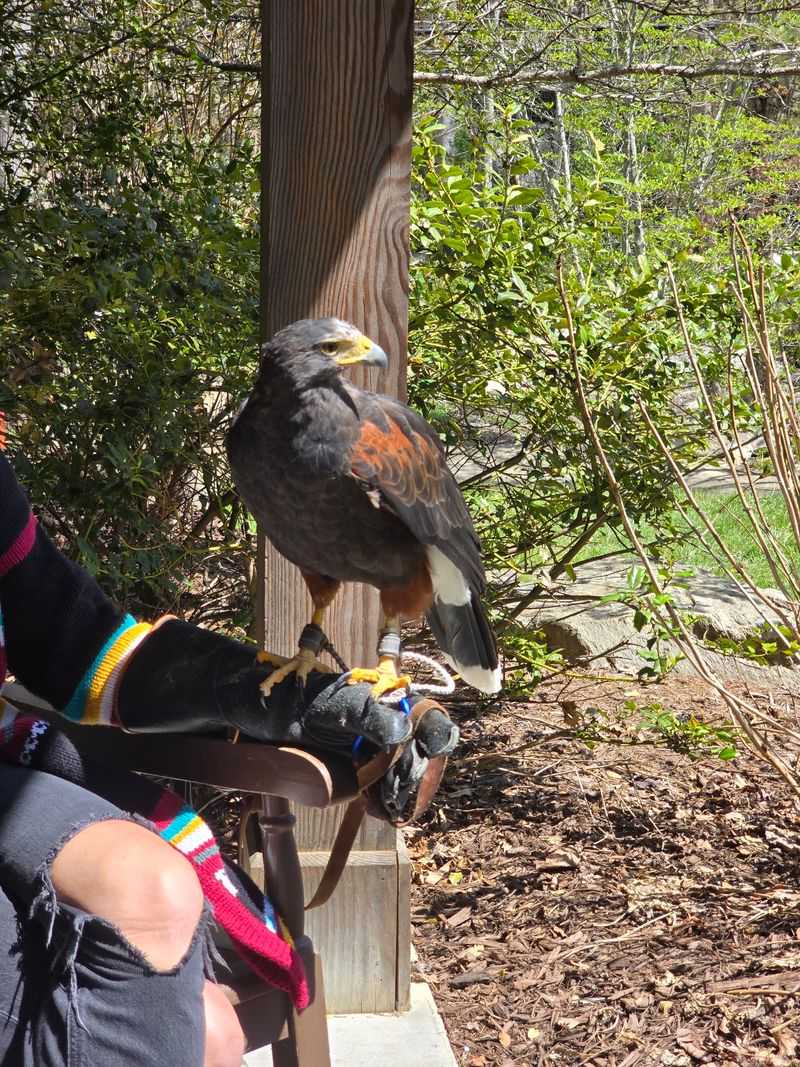
In Banner Elk, care for wild animals is also a chance to learn how a mountain community works together.
The May Wildlife Rehabilitation Center, part of Lees-McRae College, helps native animals that need rehabilitation.
Its setting in the High Country makes it a place to think about the wildlife living among forests, creeks, and changing seasons.
Volunteers may help with animal care support, transport, facility tasks, or education, according to the center’s needs and their training. Some jobs are practical and quiet, such as cleaning and preparing spaces.
Others may involve helping people understand why injured wildlife needs skilled care.
Ask about the application process and time commitment before making plans.
Remember that a rehabilitation center is a working care space, not a place for casual animal visits.
Check whether an educational program is open to the public, and follow any rules about where guests can go. If you are bringing students, ask which learning activities fit their ages.
Afterward, take that curiosity onto a nearby trail.
Look for signs of animals without disturbing them, and keep food scraps out of natural areas.
Keeping a respectful distance gives wild creatures room to find shelter and recover in the habitats they know best.
Address: 367 Mill Pond Rd, Banner Elk, NC 28604.
7. Karen Beasley Sea Turtle Rescue And Rehabilitation Center
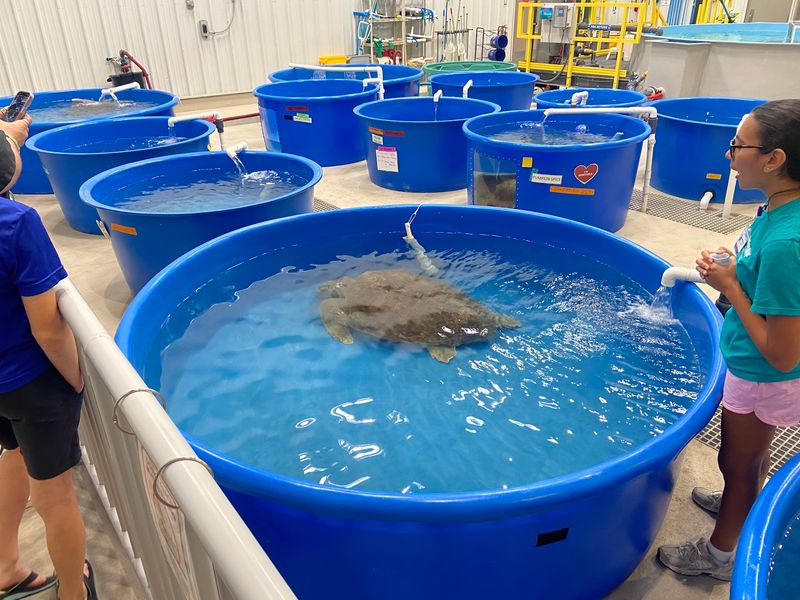
Sea turtles travel far across the ocean, yet a single stretch of beach can matter greatly to their future.
In Surf City, the Karen Beasley Sea Turtle Rescue and Rehabilitation Center cares for turtles that need help.
A tour gives visitors a look at rehabilitation and explains why clean water and safe nesting beaches matter.
The Karen Beasley Sea Turtle Rescue and Rehabilitation Center grew from the Topsail Turtle Project.
Before making the trip, check the center’s website for tour dates, tickets, and visitor rules.
Tours are a chance to learn, not to touch patients, so follow your guide’s directions and keep the space calm.
The center is not accepting new volunteers right now and asks prospective volunteers to check back in February 2027. Nest monitoring requires care and training; never approach a nest or move eggs on your own.
If you see a turtle in trouble, contact the proper local wildlife responders rather than trying to help without guidance.
At the beach, a simple habit also counts: take your litter home and leave the sand as you found it.
Those small choices help make the shoreline safer for the next turtle that comes ashore.
The center’s address is 302 Tortuga Lane, Surf City, NC 28445.
6. North Carolina Zoo Volunteer Services
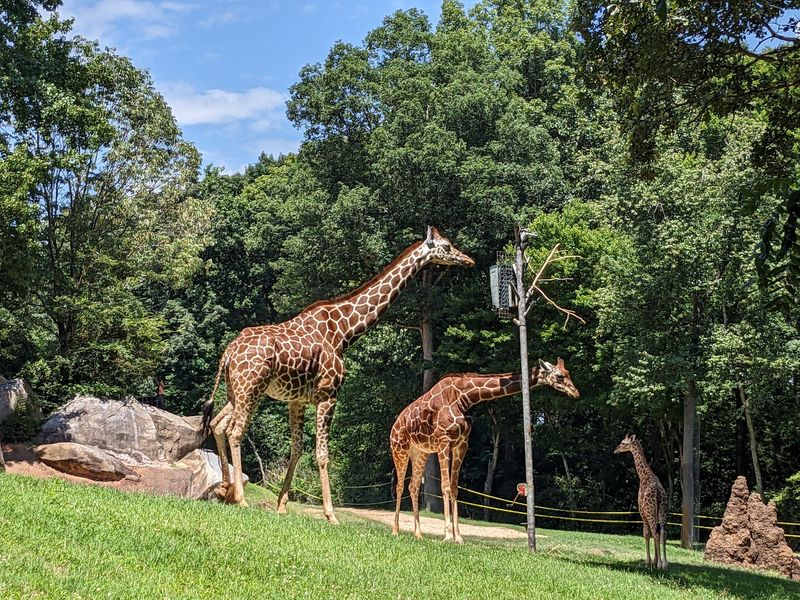
A day at the zoo can show you animals from many habitats, but there is important work happening beyond the viewing areas.
North Carolina Zoo Volunteer Services in Asheboro offers ways to support conservation, education, and care.
Volunteer assignments can include land stewardship, research, education, native wildlife rehabilitation, and single-day group projects, although several regular positions are not currently recruiting.
Start by deciding how much time you can give.
A regular role may call for an application, training, and a steady schedule, while a service project can fit a group with one available day.
Review the zoo’s current volunteer listings rather than assuming every opportunity is always open. Requirements may differ by task and age.
For learners, the zoo itself provides a way to connect an animal with its habitat.
Read exhibit signs slowly and consider what space, food, and shelter that species needs.
Then look at the planted areas and ask how caring for land supports wildlife closer to home.
Comfortable walking shoes and water are useful on the zoo’s large grounds.
Not every volunteer role involves direct contact with an animal. Planting, teaching, recording information, and preparing materials can all support the wider mission.
Choose work that matches your skills, and you may leave with a clearer picture of how many people it takes to help wildlife thrive.
Address: J6JP+6Q, 4403 Zoo Pkwy, Asheboro, NC 27205.
5. NC Aquarium At Pine Knoll Shores Volunteer Program
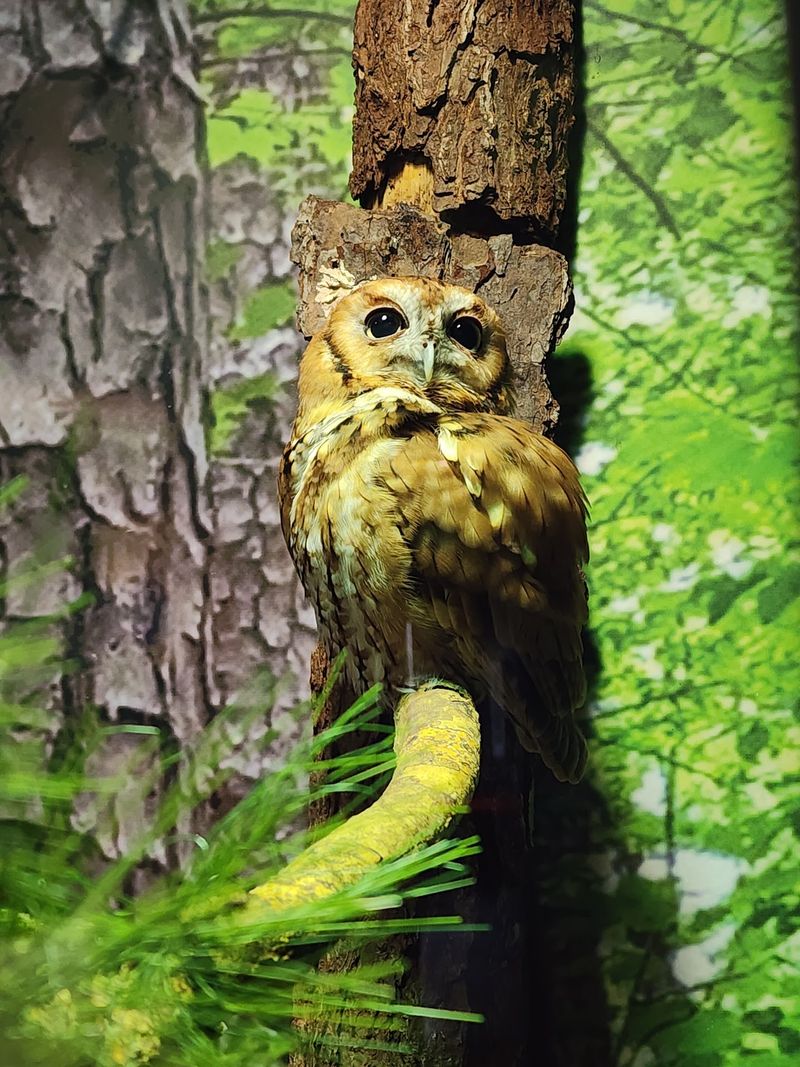
Blue light glows across the tanks at the NC Aquarium at Pine Knoll Shores, where coastal life becomes easier to see and understand.
Its volunteer program helps connect visitors with animals and the places they live.
Roles may support guest education, conservation activities, and work related to animal habitats.
Some qualified volunteers may even take part in diving roles.
That is a specialized opportunity, not a first step for everyone, so read the aquarium’s requirements carefully. If you enjoy talking with families, a visitor-facing role may be a better fit.
Check for openings, training dates, and minimum age rules before applying.
A visit offers plenty to explore without signing up for a shift.
Move slowly through the exhibits and notice how different animals use rocks, open water, or shelter.
Ask educators how choices made on land can affect coastal waters.
Bringing a reusable water bottle on your outing is one simple way to think about reducing waste. The aquarium sits near beaches and maritime habitats, so lessons inside can follow you outdoors.
Watch shorebirds from a distance, stay on marked paths where required, and leave shells or other natural finds where they belong.
Conservation makes more sense when the tank’s clear water connects with the living coast beyond it.
Find the place at 1 Roosevelt Blvd, Pine Knoll Shores.
4. Carolina Tiger Rescue
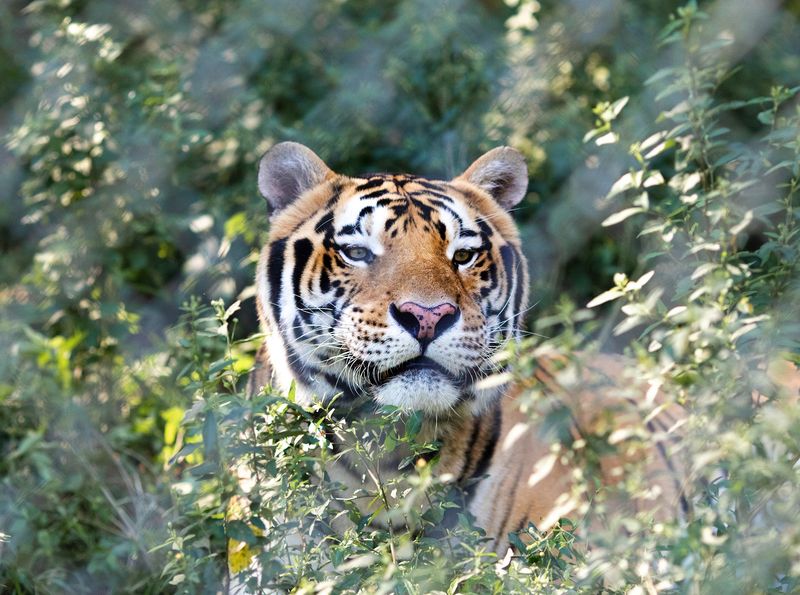
A tiger resting in the shade may look calm, yet it needs expert care and plenty of space.
Carolina Tiger Rescue in Pittsboro provides a permanent home for rescued wild cats and other carnivores.
Its public tours explain the animals’ needs and why wild species do not belong in ordinary homes.
Carolina Tiger Rescue offers guided visits rather than a walk-anywhere experience.
Book ahead, check the tour details, and dress for outdoor paths and the day’s weather. Listen to your guide and stay with your group; the animals’ comfort comes first.
The sanctuary’s address is 1940 Hanks Chapel Road, Pittsboro.
Volunteer opportunities may include supporting animal care, helping with tours, or working on sanctuary projects.
Duties depend on training and current openings, so ask about commitment and requirements before applying. Direct contact with the cats is not part of a regular visitor experience.
A useful volunteer may spend more time preparing supplies than seeing an animal up close.
Families can turn a tour into a longer conversation.
What does an animal need to stay healthy, and who provides it each day?
Those questions make the sanctuary’s lessons stick.
When the visit ends, the quiet sight of a cat resting behind its enclosure can be a reminder that protecting wildlife includes respecting its space.
3. Sea Biscuit Wildlife Shelter
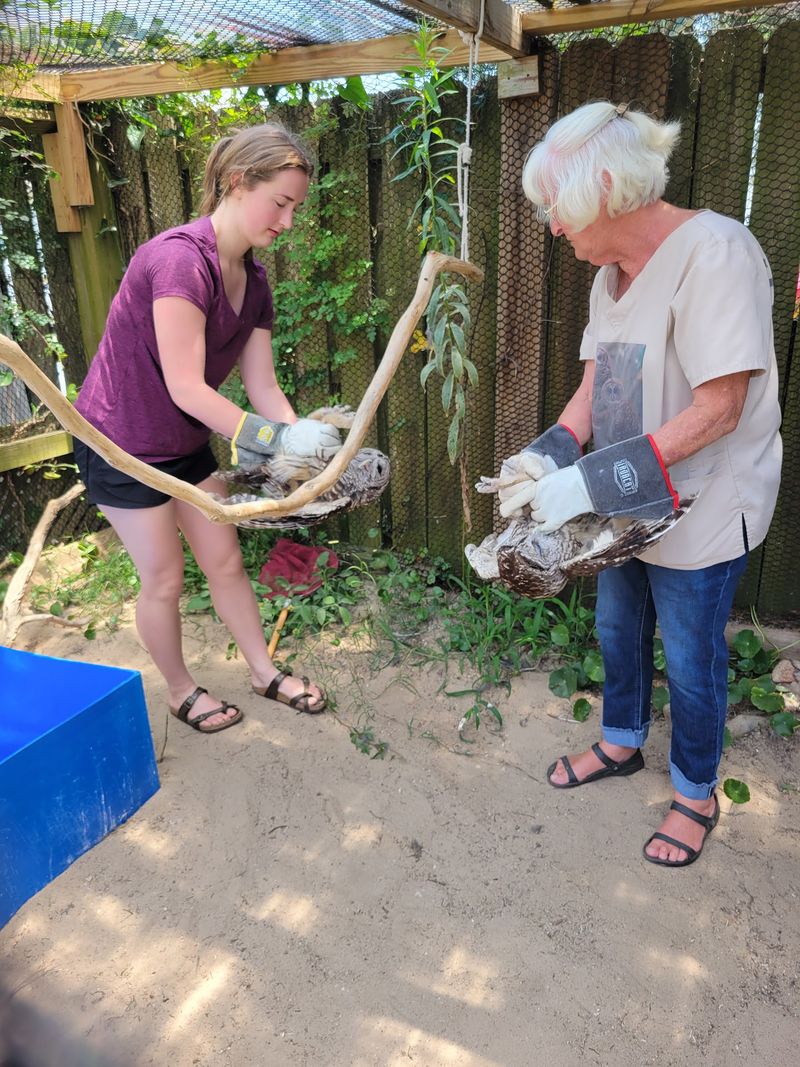
Coastal birds face rough weather, busy shorelines, and other hazards as they move between beach and marsh.
Sea Biscuit Wildlife Shelter on Oak Island helps rehabilitate birds and small mammals that need care.
The shelter also shares wildlife education, giving visitors and local groups a way to learn about the animals around them.
Committed volunteers can receive training for rehabilitation work.
Before applying, ask what regular shifts involve, how much time is expected, and whether there are age or experience requirements.
Animal care includes routine jobs that must be done carefully, even when the patients stay out of sight. Clean spaces and steady help matter as much as an exciting rescue story.
If you would rather begin as a learner, look for the shelter’s current education programs.
Coastal wildlife is a rich subject: a bird feeding at the water’s edge is using a habitat that changes with wind and tide.
Observe without crowding it, especially when many birds are resting together. Keep dogs under control where they are permitted, follow beach signs, and take litter with you.
If you find an animal that seems to need help, seek advice from a qualified responder before moving it.
The best first step is often a careful call, not a quick guess.
At 4260 Long Beach Rd SE, Oak Island, NC 28465 is the place.
2. Carolina Wildlife Conservation Center
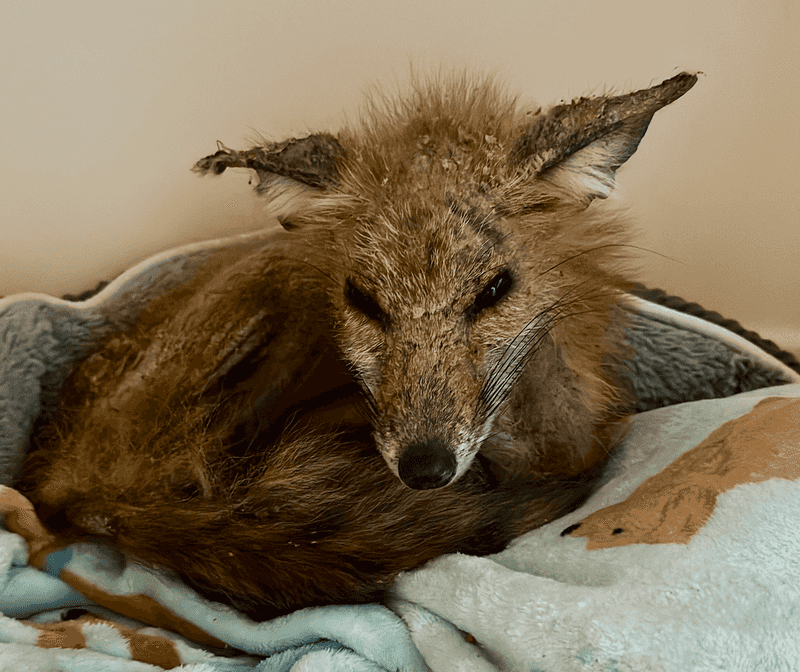
Behind every recovering wild animal is a long list of small, careful tasks.
Carolina Wildlife Conservation Center in Iron Station offers volunteers a chance to help with the work of native wildlife rehabilitation.
For 2026, on-site volunteers help with wildlife care and facility tasks, while separate volunteer roles are available for the wildlife hotline and animal transport.
Food preparation may sound simple, but a wild animal’s diet depends on its species and care plan. Volunteers must follow staff directions closely rather than bring treats or try their own methods.
Cleaning spaces and recording information also help the team notice changes that matter.
Ask the center which roles are open and what training each one requires.
Hotline work suits people who can listen calmly and pass along clear details. Someone calling about wildlife may not know whether an animal needs help.
A volunteer’s job is to follow the center’s guidance, not to make guesses.
If field work interests you more, explain your schedule and skills when you apply.
Iron Station’s mix of homes, trees, and open areas is a reminder that people and wildlife share space.
Secure trash, leave healthy wild animals alone, and keep your distance from nests.
Helping at a rehabilitation center begins with respect for the animals’ needs, both inside and outside its care areas.
1. The American Wildlife Refuge
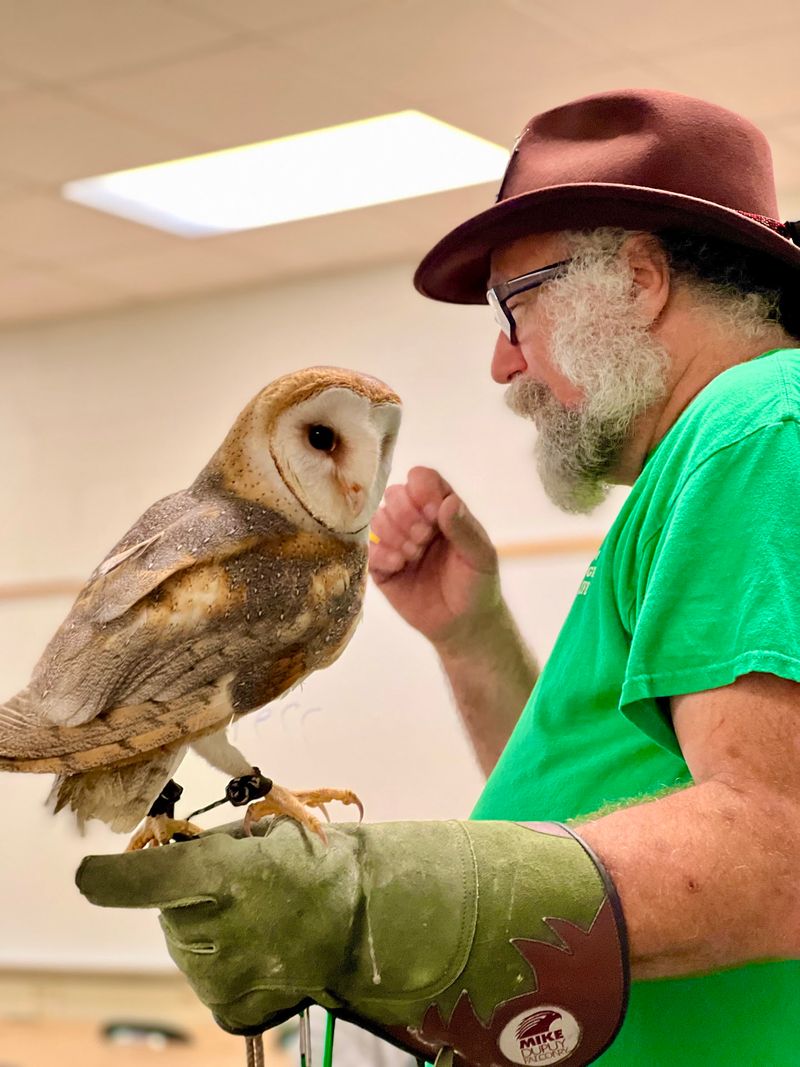
An owl’s silent flight can leave a room of students suddenly quiet.
The American Wildlife Refuge, based in Clayton, uses raptor education to help people understand birds of prey.
The volunteer-staffed group rehabilitates birds of prey with the goal of releasing those that can safely return to the wild.
Some raptors cannot be released and may serve as educational ambassadors when suitable.
Presentations for schools and community groups can introduce audiences to birds such as owls, hawks, or vultures.
Ask about program availability and what a host group needs to provide. Watching a trained educator work with a bird is different from handling one yourself.
People who want to volunteer can train for rehabilitation or education roles, while the refuge is not currently providing off-site rescue service.
These jobs call for patience and attention to instructions.
Volunteers must complete the refuge’s required training before working with birds, and handling remains supervised until they have appropriate qualifications.
There is a lesson for everyday walks as well.
If you spot a bird of prey near a road or in a park, give it room and observe from afar. When one appears injured, contact trained wildlife help for advice.
Respecting a raptor’s space is a simple way to show what you learned.
Find it at 1000 McLemore Rd, Clayton, NC 27520.