10 World-Class Missouri Attractions That Are Completely Free To Visit
Missouri has a secret, and it is one that most people drive right past without ever knowing.
Inside this Midwestern state are world-class museums, breathtaking architecture, and sculpture parks that rival anything you would find in New York or Chicago.
The best part? Every single one on this list costs absolutely nothing to get in.
Families can stretch a tight budget while happily soaking up seriously impressive, gallery-grade cultural sights.
The variety spans fine paintings, deep history, and buildings worth a long, slow admiring look.
Weekend explorers collect maximum wonder while their happy wallets stay firmly, comfortably shut.
A cultural haul this generous and this affordable feels almost too good to pass up.
1. Gateway Arch Museum, St. Louis
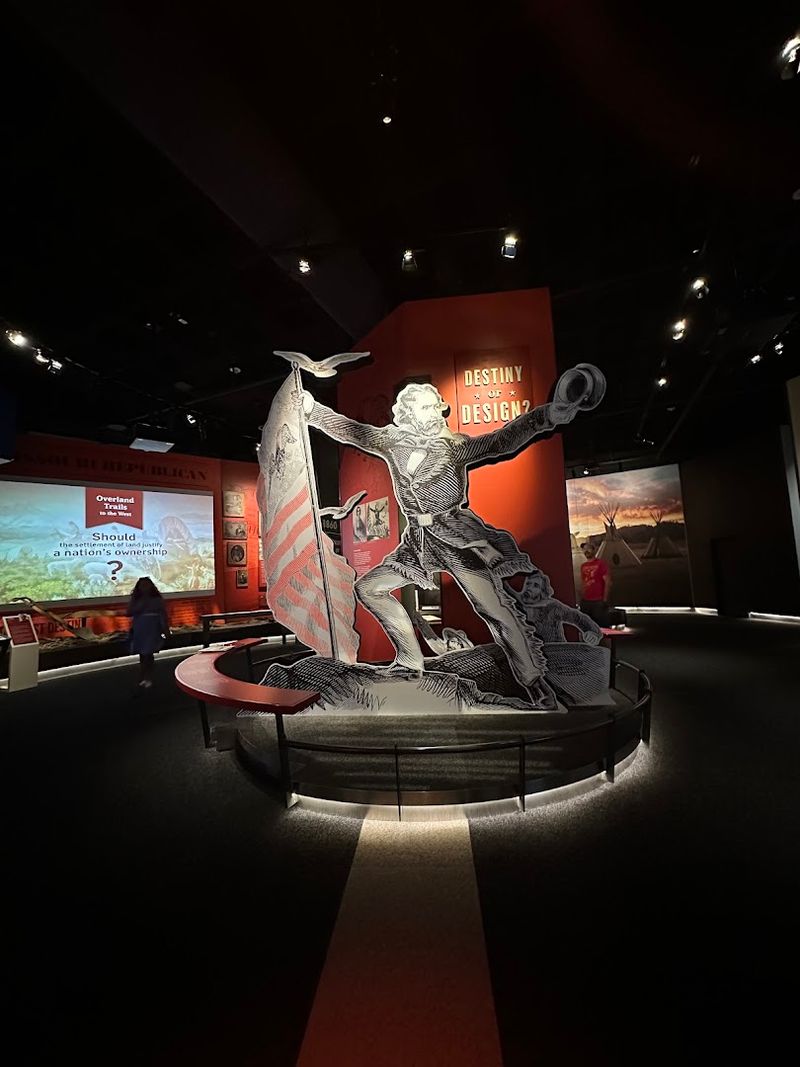
The exhibits here tell the full story of American westward expansion in a way that genuinely pulls you in. This is not a dry textbook experience.
The museum sits beneath the iconic 630-foot stainless steel arch in St. Louis. It was completely redesigned and reopened in 2018, and the difference is striking.
Interactive displays, film presentations, and real artifacts bring the 1800s to life.
You can trace the journey of Lewis and Clark, explore Native American history, and understand what pioneers actually faced heading west. The storytelling is layered and honest.
Kids and adults both find something worth stopping for.
Even without buying a tram ticket to the top of the arch, the museum alone is worth the trip. The building design underground is sleek and modern. Natural light filters in beautifully from above.
Plan to spend at least 90 minutes here to do it justice. The museum is free, though the tram ride up carries a separate fee. You will find it at 200 Washington Ave, St. Louis.
2. Old Courthouse, Gateway Arch National Park, St. Louis
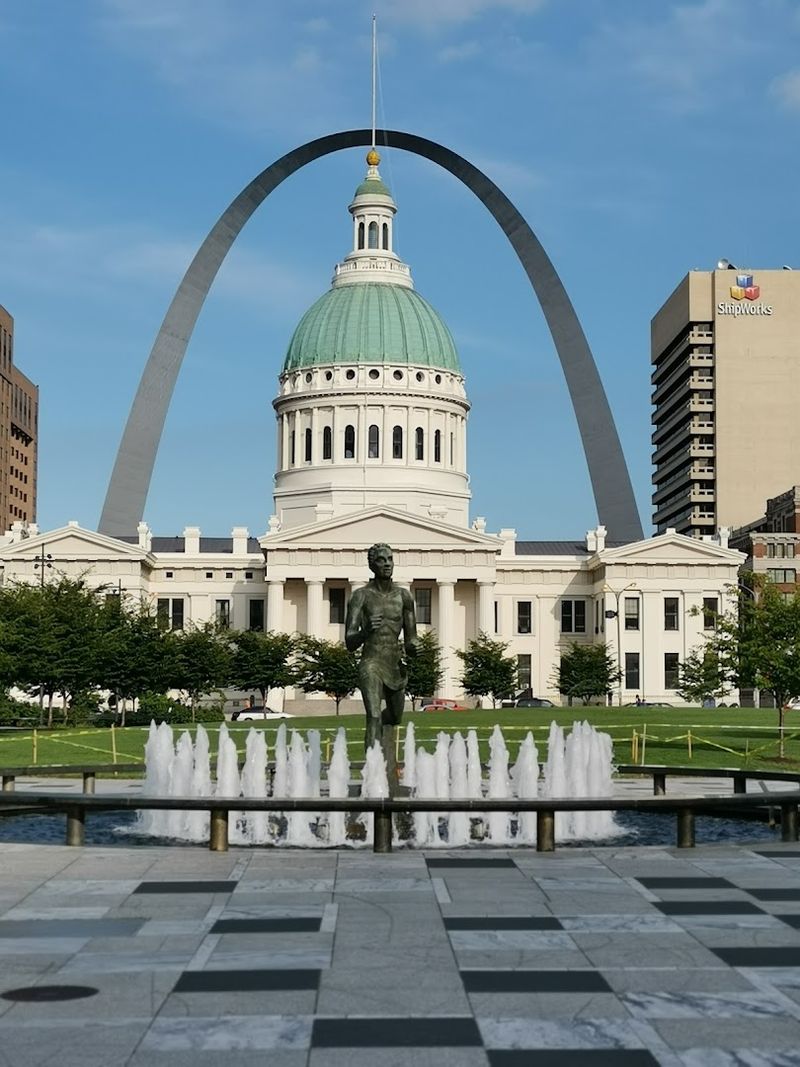
Some of the most important legal battles in American history were argued inside a building you can walk through for free today.
The Old Courthouse in St. Louis is one of those places that quietly rewrites what you thought you knew about American history. It is serious, beautiful, and completely accessible.
This landmark is part of the Gateway Arch National Park and sits at 11 N 4th St, St. Louis. The building dates back to the 1830s and features a stunning cast-iron dome that dominates the interior.
Standing beneath it feels genuinely grand.
The Dred Scott case was argued here twice, making this courthouse central to the story of slavery and civil rights in America. The exhibits inside explain the full context clearly and thoughtfully.
Nothing is glossed over.
Rotating exhibits explore St. Louis history, westward expansion, and the evolution of the American legal system. The restored courtrooms give you a real sense of 19th-century justice.
Architectural details throughout are worth slowing down for.
Rangers are often on hand to answer questions and share stories that go beyond the display panels. Free guided tours are available on select days. This is one of those stops that stays with you long after you leave.
3. Saint Louis Zoo
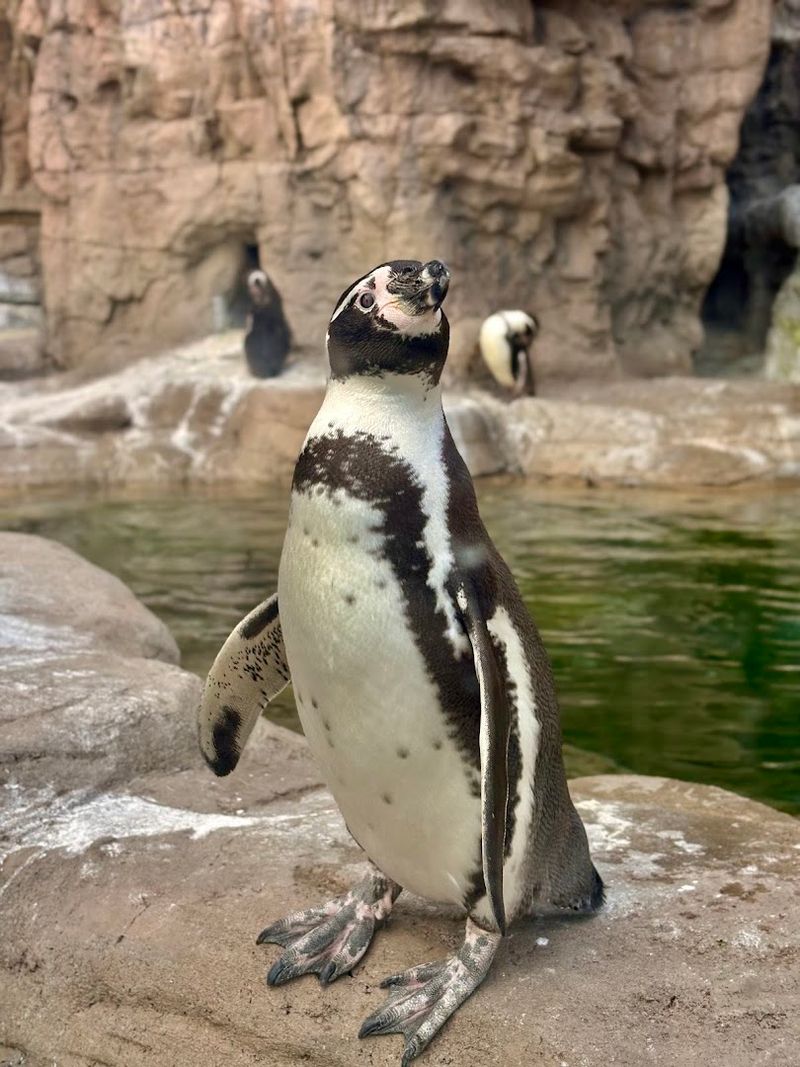
Here is a thought: one of the best zoos in the entire country does not charge a single dollar at the gate.
The Saint Louis Zoo in Forest Park has been free to the public for over a century. That fact alone makes it worth celebrating.
At 1 Government Dr, St. Louis, this zoo spans 90 acres and is home to more than 14,000 animals. The collection includes big cats, penguins, sea lions, primates, and hundreds of other species.
Habitats are thoughtfully designed and regularly updated.
The River’s Edge exhibit takes you through a winding landscape of hippos, elephants, and cheetahs. Children love the Living World building, which covers biodiversity with hands-on elements.
Adults tend to linger longest in the Big Cat Country area.
Conservation programs here are genuinely respected in the scientific community. The zoo participates in global breeding programs for endangered species.
It is doing real, meaningful work behind the scenes.
Some specialty experiences like the carousel or 4-D theater carry small fees, but the core zoo experience is entirely free. Parking is also free in Forest Park.
Go early on weekends to beat the crowds and catch animals at their most active.
4. Saint Louis Art Museum, St. Louis
Let’s be real for a second, most world-class art museums charge steep entry fees.
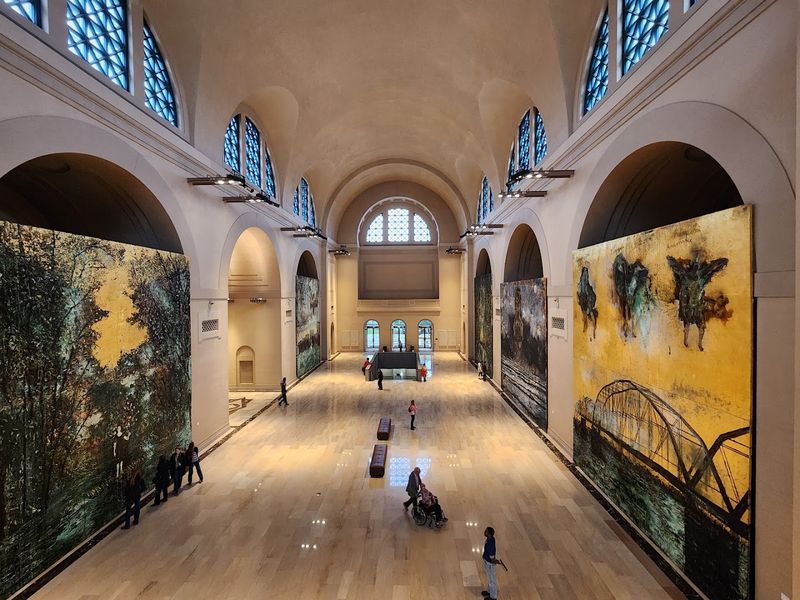
The Saint Louis Art Museum breaks that rule completely, and it does so while holding a collection that would make any major city proud. This is the real deal.
Perched on Art Hill in Forest Park at 1 Fine Arts Dr, St. Louis, this museum houses more than 33,000 works spanning 5,000 years of human creativity. Ancient Egyptian artifacts sit near Impressionist paintings. German Expressionism fills entire gallery wings.
The building itself is a Beaux-Arts masterpiece designed for the 1904 World’s Fair. Walking through the main hall, you immediately sense the weight of history in the architecture. The details in the stonework and ceiling work are extraordinary.
Special exhibitions sometimes carry a fee, but the permanent collection is always free. That permanent collection includes Monet, Picasso, Matisse, and dozens of other major names.
You could spend a full day here and still not see everything.
The museum also runs free family programming on weekends, making it a genuinely welcoming space for all ages. A cafe inside offers a comfortable break between galleries.
Give yourself at least two hours to explore without rushing.
5. Citygarden Sculpture Park, St. Louis
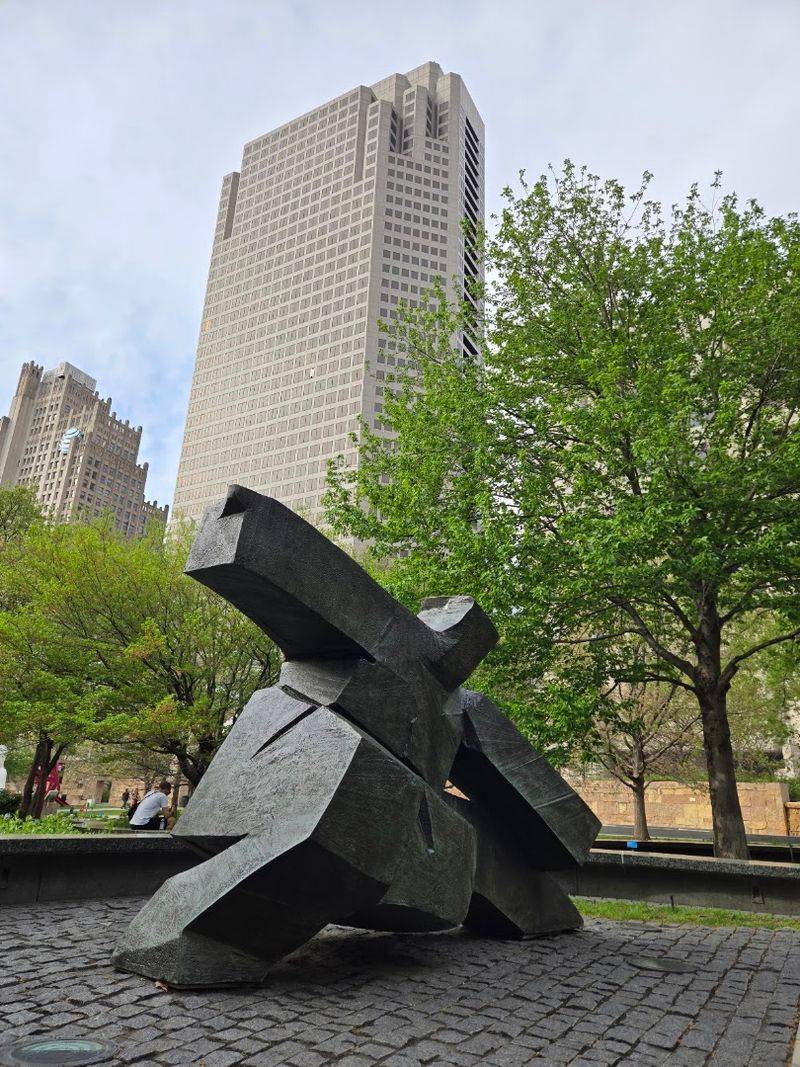
Call me crazy, but an outdoor sculpture park in the middle of a downtown business district sounds like it should cost something.
Citygarden in St. Louis proves that assumption wrong at every turn. It is bold, surprising, and completely free.
Stretching across two city blocks on Market Street at 801 Market St, St. Louis, this park opened in 2009 and immediately changed how people thought about public art.
The collection includes 24 major sculptures by internationally recognized artists. Each piece is installed with serious curatorial intention.
Works by artists like Keith Haring, Tom Otterness, and Niki de Saint Phalle are scattered throughout the green space. A shallow wading area lets kids splash around near the sculptures in warmer months. The combination of art and play is genuinely clever.
Seasonal plantings change the visual character of the park throughout the year. Spring blooms frame the sculptures in soft color.
Winter gives the metal and stone pieces a starker, more dramatic presence.
Downtown workers often eat lunch here, and weekend families make it a regular stop. The park stays open year-round and is accessible at all hours.
It is one of those rare urban spaces that feels alive no matter when you show up.
6. The Nelson-Atkins Museum Of Art, Kansas City
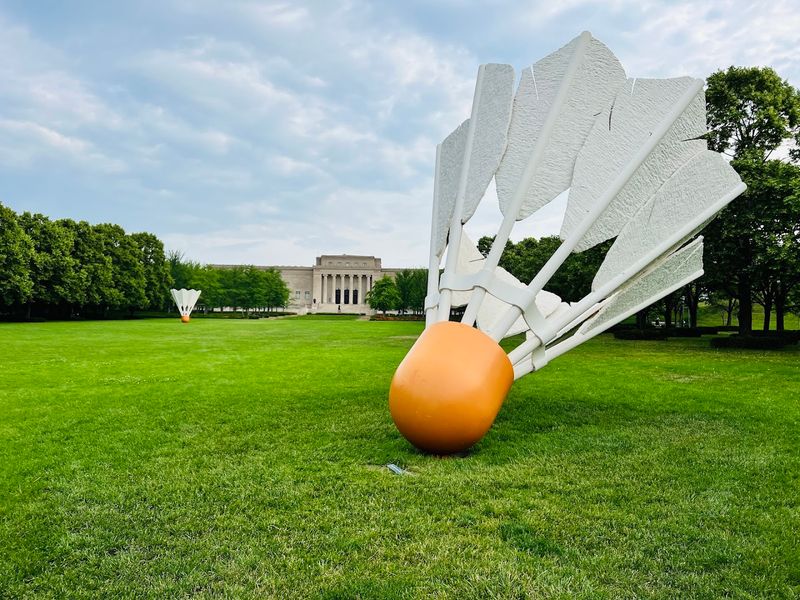
You could have knocked me over with a feather the first time I saw giant badminton shuttlecocks sitting on a museum lawn.
That is exactly the kind of unexpected charm the Nelson-Atkins Museum of Art delivers before you even get inside. Kansas City does not do things halfway.
Located at 4525 Oak St, this museum holds one of the finest art collections in the American Midwest.
The permanent collection spans Asian art, European paintings, photography, and modern sculpture. Admission to the permanent galleries is always free.
The Asian art wing is particularly exceptional, with one of the most comprehensive Chinese collections in North America. Buddhist sculptures, ancient bronzes, and delicate ceramics are displayed in beautifully lit spaces.
The depth of the collection here is remarkable.
The Bloch Building, a modern glass addition to the original 1933 structure, creates a striking architectural contrast. Natural light floods the sculpture galleries inside in a way that changes throughout the day.
It rewards multiple visits at different times.
The museum also hosts free community events, film screenings, and educational programs throughout the year. The surrounding sculpture garden is open daily.
This is a cultural institution that genuinely earns its world-class reputation.
7. The Ewing And Muriel Kauffman Memorial Garden, Kansas City
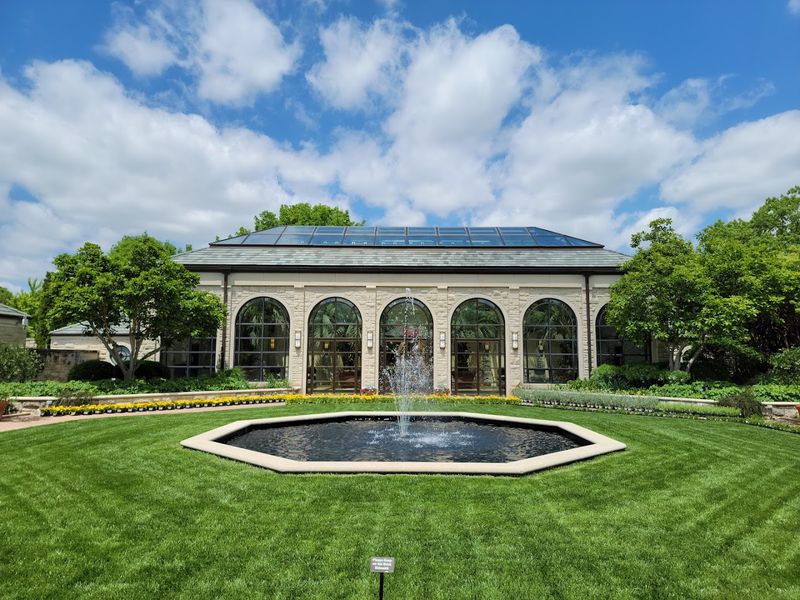
Sometimes a quiet garden is exactly what a travel itinerary needs. The Ewing and Muriel Kauffman Memorial Garden in Kansas City is that breath of fresh air between bigger attractions.
It is small, curated, and genuinely lovely.
Tucked adjacent to the Nelson-Atkins Museum at 4800 Rockhill Rd, Kansas City, this garden covers about two acres of meticulously maintained landscape.
Bronze sculptures are placed throughout the grounds, creating a natural dialogue between art and nature. The overall effect is calm and considered.
Seasonal plantings mean the garden looks different depending on when you arrive. Spring tulips give way to summer roses, which fade into autumn textures and colors.
Each season makes a strong case for returning.
A central reflecting pool anchors the design and gives the space a meditative quality. Stone pathways wind through hedged rooms and open flower beds. It is the kind of layout that invites slow, unhurried walking.
The garden is maintained by a private foundation and kept in exceptional condition year-round. Entry is always free, and the grounds are open daily during daylight hours.
It pairs perfectly with a visit to the Nelson-Atkins, since the two are just steps apart from each other.
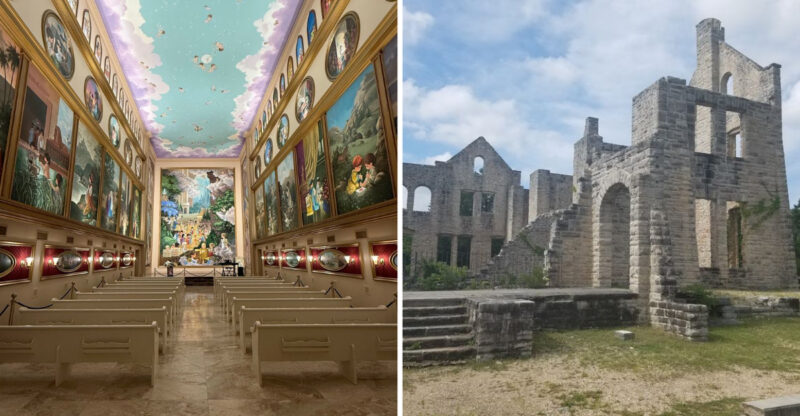
8. The Precious Moments Chapel, Carthage
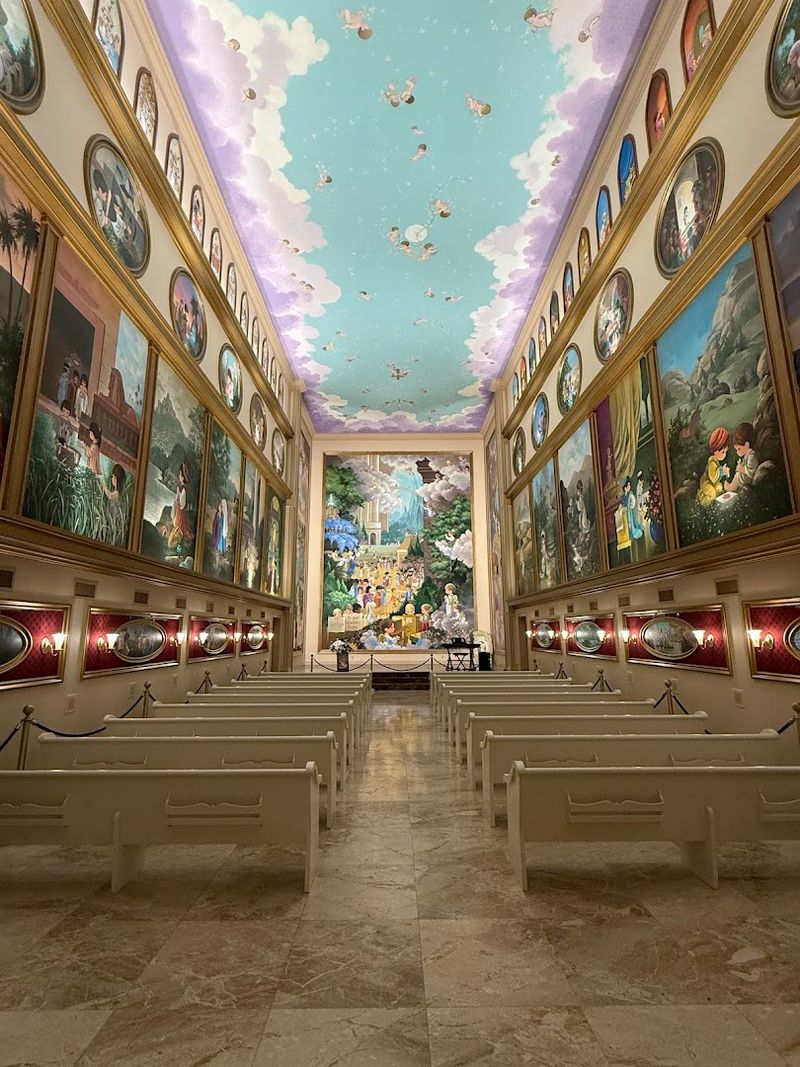
I had to do a double-take the first time I heard someone describe a chapel in a small town as a must-see attraction.
Then I actually went, and the comparison to the Sistine Chapel started making a lot more sense. Carthage holds something genuinely one of a kind.
The Precious Moments Chapel sits at 4321 S Chapel Rd, Carthage, and was created by artist Samuel Butcher over many years.
The interior is entirely covered in hand-painted murals featuring the soft, teardrop-eyed figures recognizable from the famous collectible figurine line. The scale and detail of the work are staggering.
Biblical stories unfold across the walls and ceilings in a style that is tender and deeply personal. The chapel doubles as a memorial to Butcher’s son, which adds emotional weight to the art.
Knowing the backstory changes how you look at every image.
The surrounding grounds include a memorial garden, a fountain, and a gift shop. The whole complex is well maintained and clearly loved by the community.
Guided tours of the chapel are available and add meaningful context.
Admission to the chapel and grounds is free. The town of Carthage itself has a charming historic square worth exploring afterward.
Few stops in Missouri carry this much quiet emotional impact in such an unexpected setting.
9. Missouri State Capitol, Jefferson City
Government buildings are not usually the first thing I get excited about on a road trip.
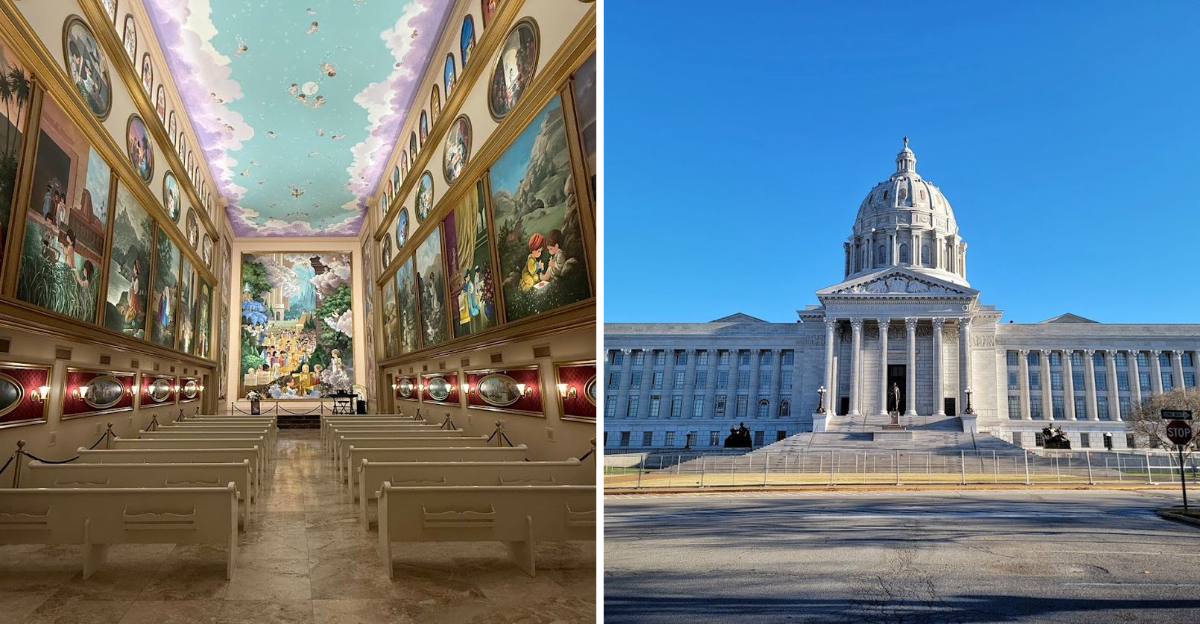
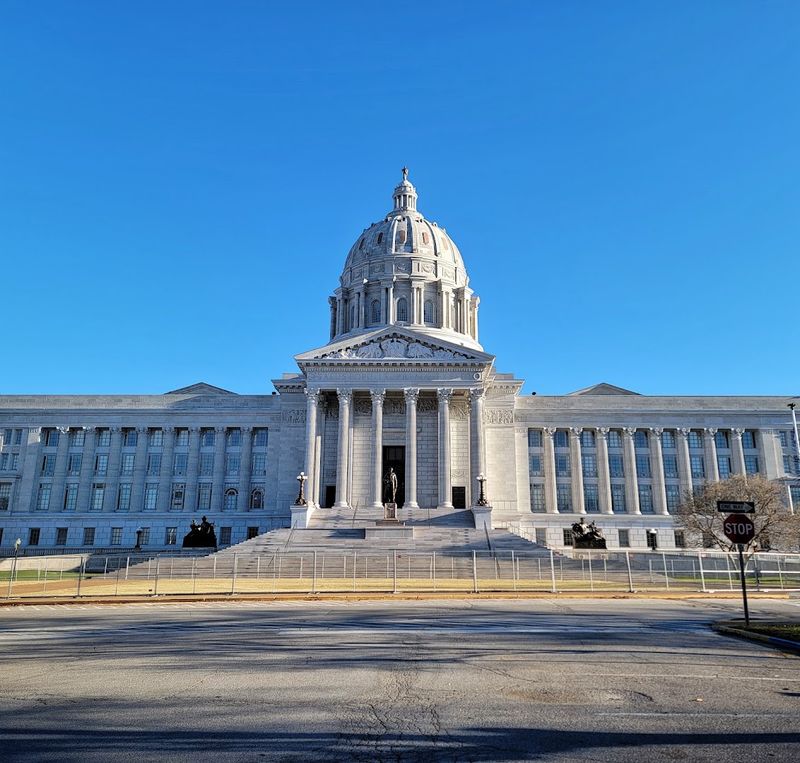
The Missouri State Capitol in Jefferson City changed my thinking on that completely. This building earns your attention from the moment you see it from the highway.
Standing at 201 W Capitol Ave, Jefferson City, the capitol overlooks the Missouri River and commands the city skyline.
Construction was completed in 1917, and the building is considered one of the finest examples of Beaux-Arts architecture in the country. The dome rises 262 feet above the ground floor.
Inside, a massive Thomas Hart Benton mural covers the walls of the House Lounge. Benton painted it in 1936, and it remains one of the most significant American murals of the 20th century.
The imagery is bold, raw, and politically charged.
Free guided tours run Monday through Saturday and take you through the legislative chambers, governor’s office area, and the main rotunda.
The bronze and mosaic work throughout the building is extraordinary. Docents share stories that go well beyond the standard historical summary.
The grounds outside include statues, gardens, and sweeping river views that are worth time on their own. Entry to the building and tours are completely free.
Jefferson City itself is a compact and walkable capital city worth half a day of exploration.
10. Missouri State Museum, Jefferson City
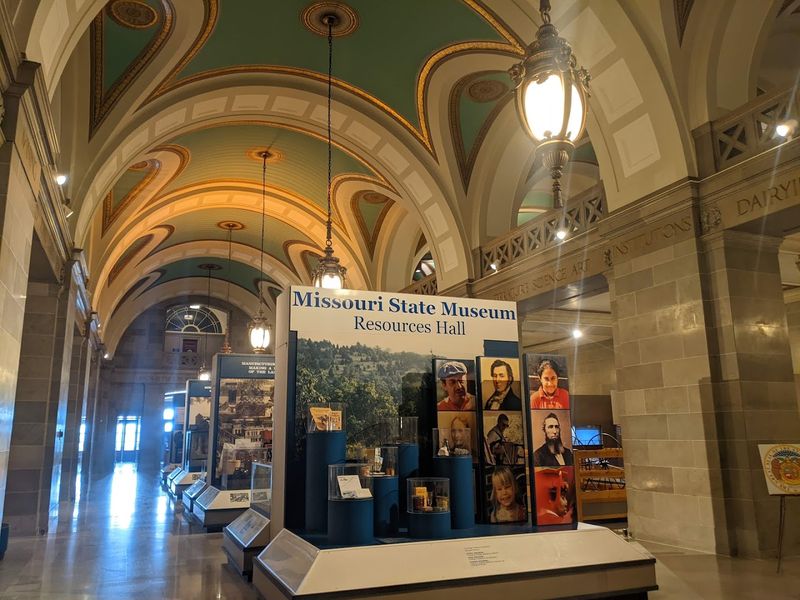
Sounds too good to be true, but a fully stocked state history museum located inside one of the most beautiful capitol buildings in America is absolutely free to walk through.
The Missouri State Museum in Jefferson City makes that a reality on every single day it is open. History lovers, this one is for you.
Housed within the Missouri State Capitol at 201 W Capitol Ave, Jefferson City, the museum occupies the first floor and lower level of the building.
Exhibits cover Missouri’s natural history, Indigenous cultures, the Civil War era, and the state’s industrial development. The range is broad and genuinely engaging.
Dioramas, maps, and artifact-heavy displays give the exhibits a tactile, old-school charm that feels refreshing. A large relief map of Missouri is a particular crowd favorite for kids.
It makes geography feel tangible and real.
The museum does not try to be flashy, and that restraint works in its favor. The focus stays on substance and accuracy throughout. Every exhibit is clearly labeled and easy to follow.
Because the museum shares a building with the capitol itself, a single visit can combine both experiences efficiently. Start with the museum on the lower level and work your way up through the rotunda.
You will leave Jefferson City knowing Missouri’s story far better than when you arrived.