You Can See Rare Birds Of Prey Up Close At This Connecticut Wildlife Centre
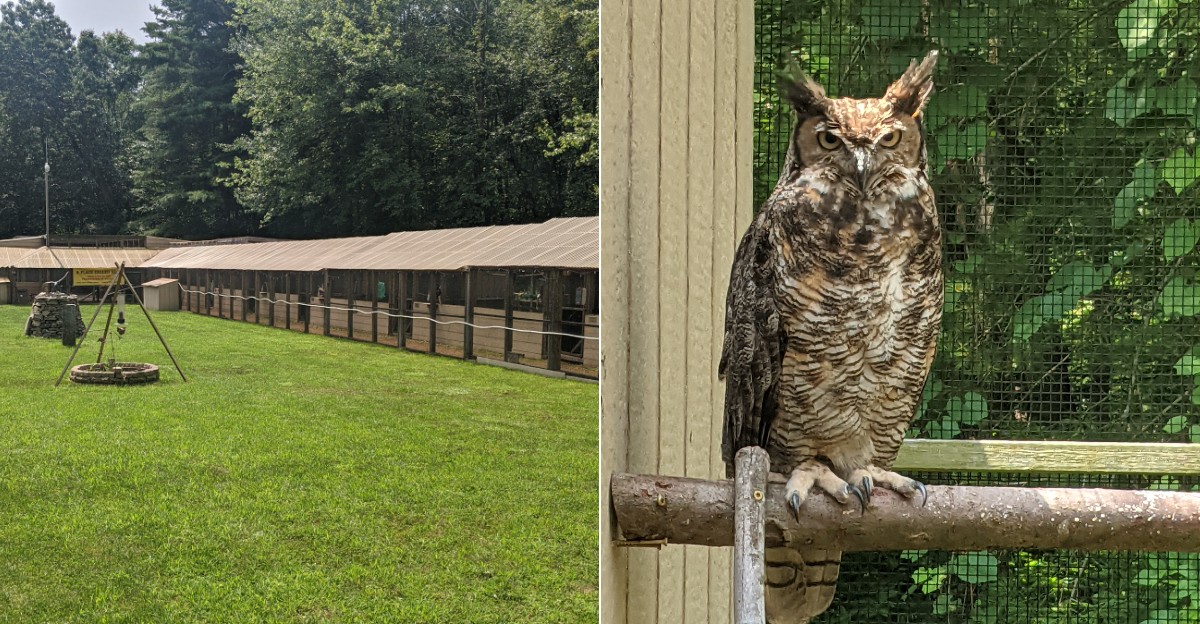
Most of us have spotted a hawk circling overhead or heard an owl calling somewhere in the distance. Getting a proper look at these birds, though, is a completely different experience.
Those sharp eyes, powerful talons, and surprisingly expressive faces are fascinating up close. I love the thought of seeing details you’d normally miss when a bird is perched high in a tree.
And the more you learn about them, the more interesting they become. Some have incredible hearing, while others can spot tiny movements from remarkable distances.
Connecticut has a wildlife centre where rescued birds of prey give visitors a chance to appreciate these remarkable animals and learn about the challenges they face in the wild.
That’s what caught my eye. It’s not every day you get an opportunity to see such impressive creatures without needing binoculars.
There’s also something lovely about a place that puts animal care and education first. Sounds like my kind of afternoon.
1. Where Injured Birds Get A Second Chance
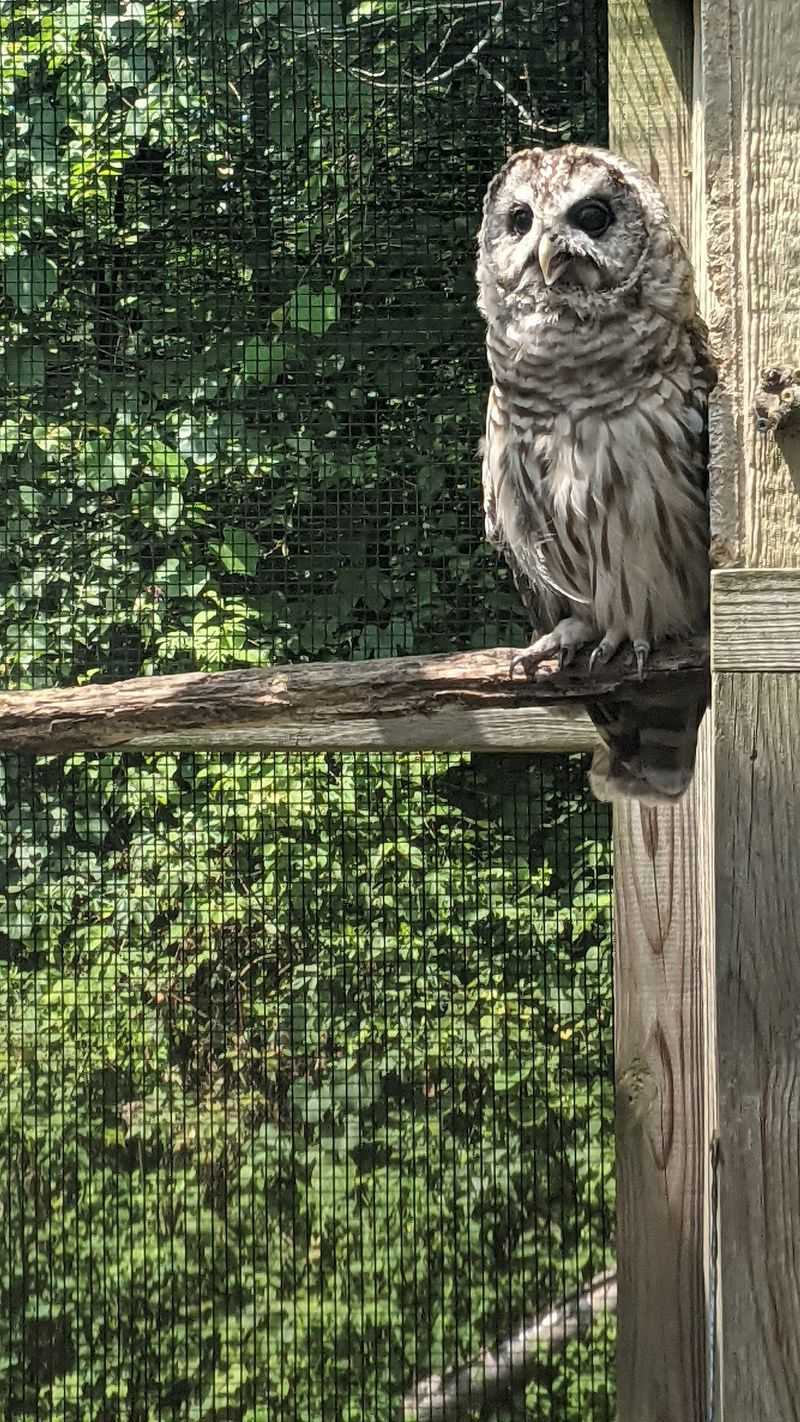
Even a bird with a broken wing may have a chance to recover with proper care. At A Place Called Hope, injured, orphaned, and sick wild birds get care aimed at one big goal.
That goal is simple to say and hard to reach. Staff and volunteers work to heal each bird and return it to the wild whenever possible.
The nonprofit focuses on birds of prey, also called raptors. Corvids, like crows and ravens, and vultures are part of the mission too.
One recent supporter shared the story of a young raven with two broken wings. The bird was brought in so it could begin its long road to healing.
Every patient arrives with its own problem. Some are hurt, some are starving, and some are babies who lost their way.
The center holds both federal and state permits to care for wild birds. That matters, because caring for wild raptors without permits is not allowed.
So when someone finds a hurt hawk on the roadside, there is a skilled place to call. I like knowing that help like this exists.
Think of it as an emergency room with feathers. Only here, the patients would rather bite than say thank you.
2. A Wildlife Rescue In Peaceful Killingworth
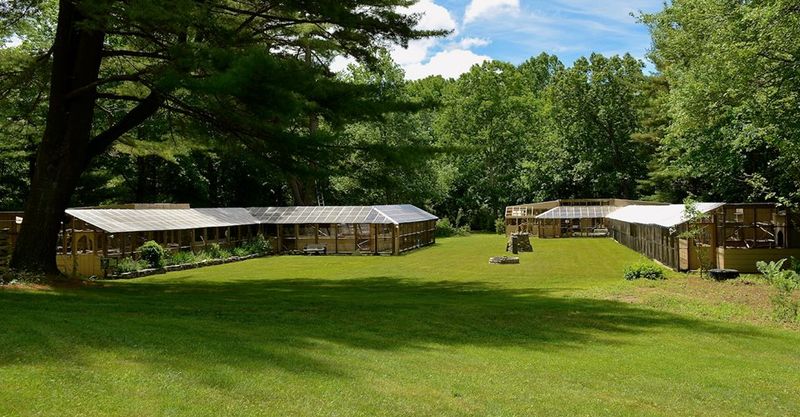
The owls here have a pretty good excuse for wanting some peace and quiet. They’re recovering, after all, and their temporary home comes with plenty of breathing room.
At A Place Called Hope, nearly ten acres provide a calm setting for injured birds of prey. Across the road, the Killingworth Land Trust’s Cranberry Bog adds to the peaceful surroundings.
It’s a lovely spot for animals that need time away from the noise.
The rescue has 23 aviary spaces designed for birds with different needs. There’s also a medical clinic where patients receive care, plus a separate quarantine shed for new arrivals.
That last part matters because keeping newcomers apart helps prevent illnesses from spreading to birds already recovering.
One longtime supporter even described the enclosures as handmade by the founders. That’s a nice touch, isn’t it?
It gives you an idea of how much personal effort has gone into the place.
Visitors can learn more about the birds during guided tours, although appointments are required. This is a working rescue, so the animals’ well-being always comes first.
The centre’s address is 154 Pond Meadow Road, Killingworth, CT 06419. Plan your visit in advance rather than dropping by unexpectedly.
Even the owls deserve a little privacy!
3. Dedicated To Protecting Birds Of Prey
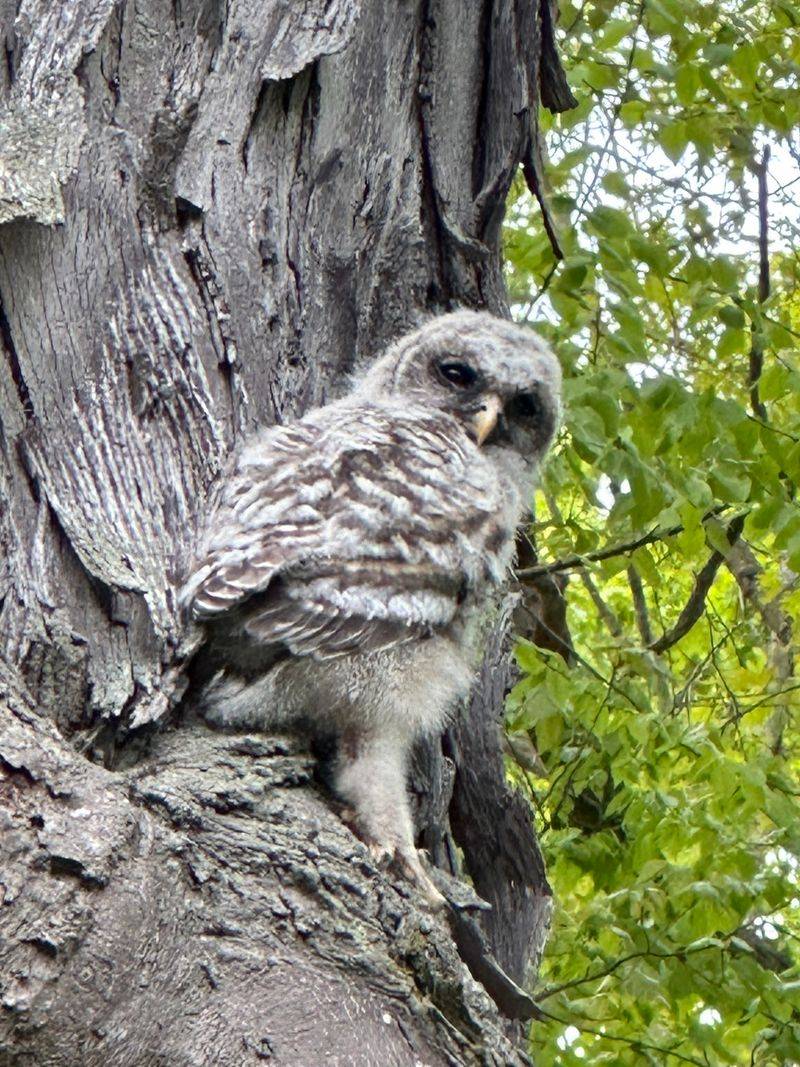
Hawks, falcons, harriers, ospreys, kites, eagles, and owls all fall under one powerful label. They’re raptors, and they’re the heart of this rescue’s work.
Connecticut is home to a surprising range of these hunters. Even barn owls are on the list of birds that might end up in care here.
Raptors have sharp talons, hooked beaks, and amazing eyesight. Those tools make them great hunters but tricky patients.
Handling an angry hawk takes training and patience. Volunteers at A Place Called Hope learn how to do it safely for both bird and human.
Here’s a fun fact for your next trivia night. Ospreys dive feet first into water to catch fish, which is a bold lunch plan.
Corvids and vultures also get help at this center. Vultures may not win beauty contests, but they clean up nature in a big way.
None of this runs on government money. The work depends on volunteers and the kindness of donors who believe in it.
That makes every rescue a true community effort. When a bird flies again, a whole group of people helped give it wings.
4. Meet Magnificent Hawks And Owls
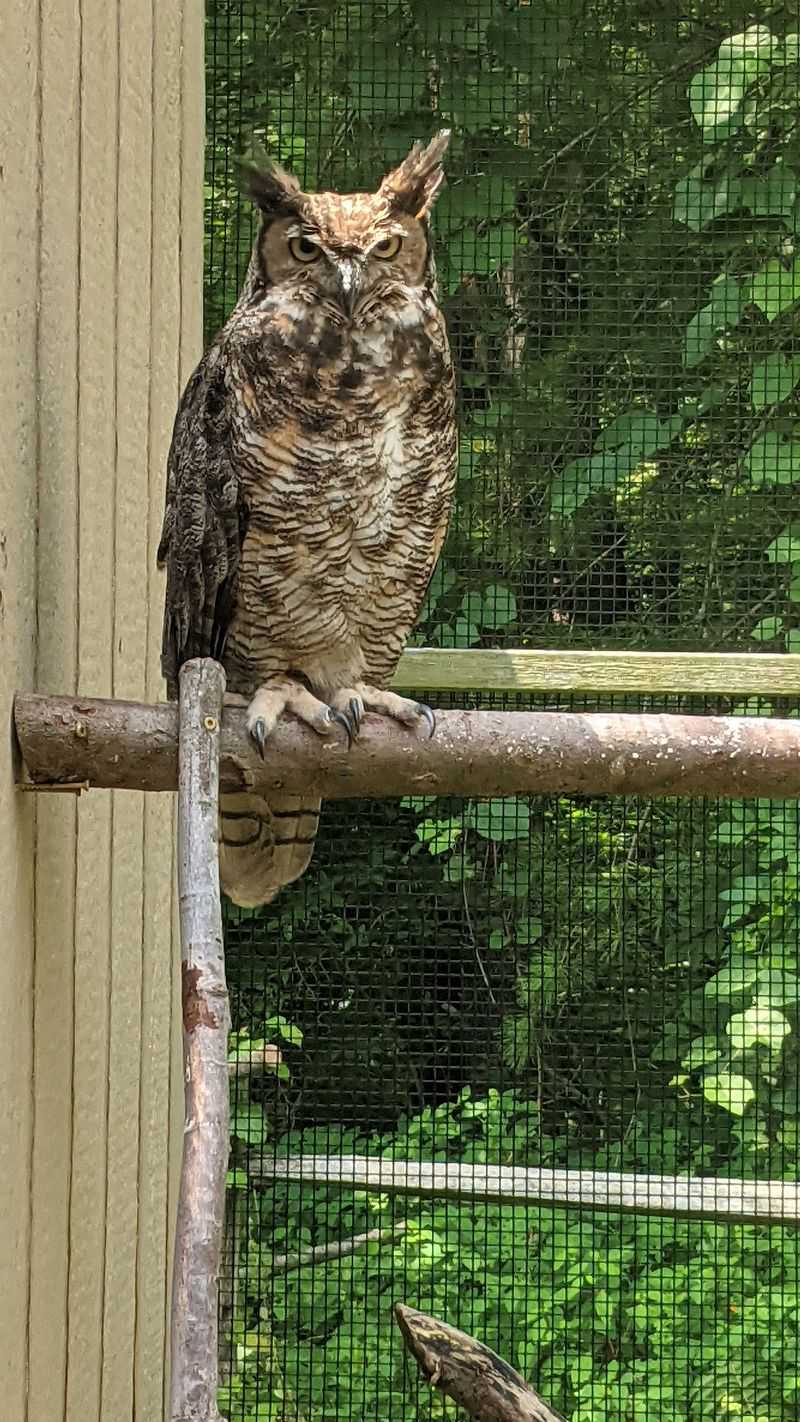
Ever looked an owl straight in the eyes? Tours here make that kind of moment possible, but only by appointment.
Staff are clear that this is not a petting zoo or animal encounter spot. It’s a home for birds whose wild lives were changed by human impact.
Some birds heal but can never safely return to the wild. A bad wing or poor eyesight would leave them unable to hunt.
Those birds take on a new job as ambassadors. They help teach people about their species and the dangers they face.
Each ambassador has a personal story of survival. Hearing why a certain owl can’t fly makes the lesson stick far better than a textbook.
Hawks and owls look tough, and they are. Seeing one up close shows just how big those talons and eyes really are.
Bring your quiet voice and your best manners. These birds deserve respect, not selfies at arm’s length.
Kids and adults alike can learn plenty on these visits. And yes, a hawk staring back at you is a memory that sticks around for a long time.
5. Learning About Wildlife Through Education Programs
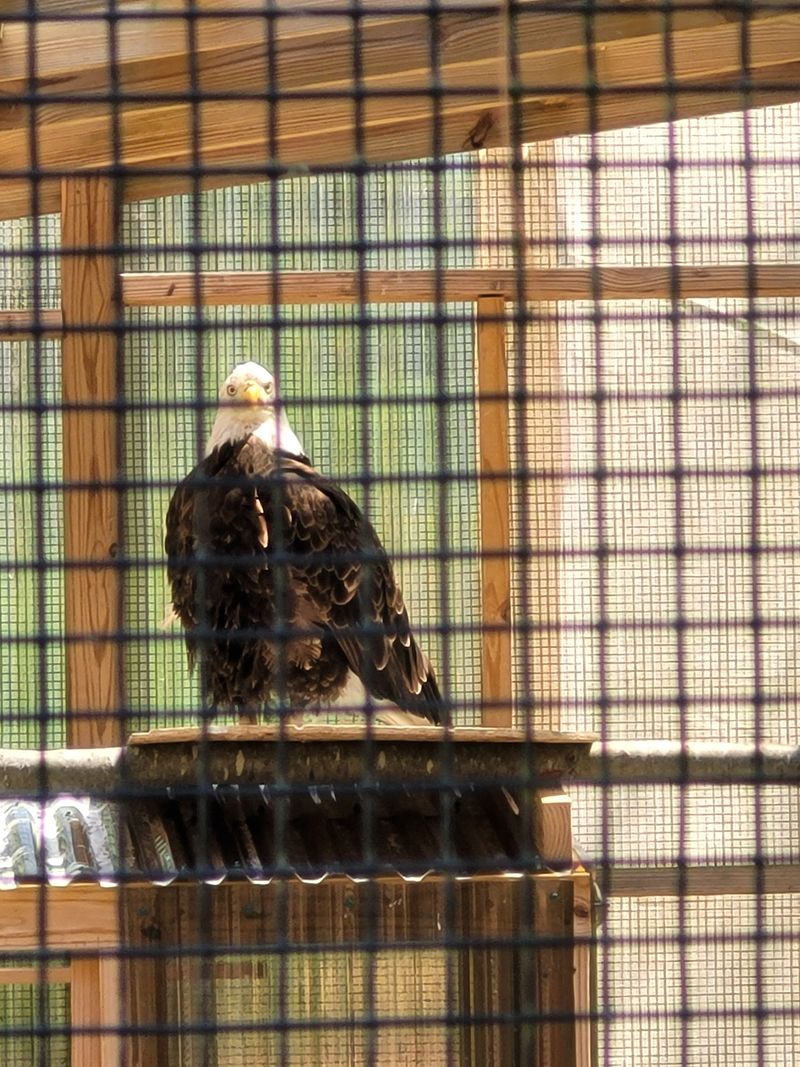
Teaching people might be just as important as healing birds. Education sits at the core of what A Place Called Hope does every day.
The programs show how to protect and respect wildlife, especially raptors. They also explore how people can share their own backyards with wild neighbors.
Simple choices make a real difference. Learning what to do when you find a baby bird can save a life.
Many presentations feature the ambassador birds. Meeting a real owl makes a lesson on habitat feel much more urgent.
Bookings are handled by call or text. The center takes requests Monday through Saturday, from 8 am to 6 pm.
Check their social media for upcoming events and shows. That’s an easy way to catch a program that fits your schedule.
Teachers, scout leaders, and curious families can all get something out of these talks. You leave knowing more than you did an hour before.
I believe the best part is how the lessons travel home with you. Next time you spot a hawk over the highway, you might see it a little differently.
That’s education doing its job quietly.
6. The Important Work Behind Every Rescue
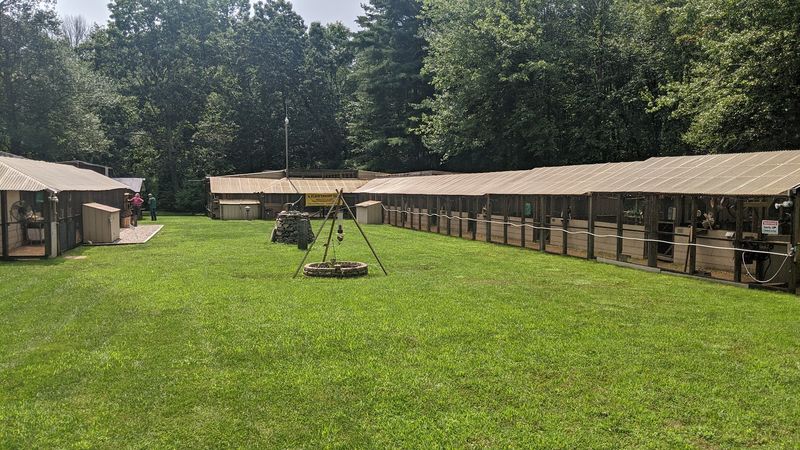
Rescue, rehabilitation, re-nesting, and release. Those four steps guide nearly every bird that comes through the door.
Rescue often starts with a phone call from someone worried about a bird. From there, the team works to bring that patient in safely.
Rehabilitation can take days, weeks, or months. Treatment, feeding, and rest all happen in the clinic and aviaries.
Re-nesting is a special step for young birds. When possible, babies go back to a nest so their parents can keep raising them.
President Christine Cummings and Vice President Todd Secki lead the operation. Their shared passion for birds of prey drives the whole place forward.
As a state-licensed and federally permitted facility, the center specializes in rehabilitating birds of prey, including hawks, owls, and eagles, as well as vultures. Raptors, corvids, and vultures remain the specialty.
This work can be messy and tiring. Cleaning enclosures and preparing meals for picky hunters is not glamorous.
Still, volunteers keep showing up for the birds. Without them, the whole system would grind to a halt.
Behind every healthy hawk is a lot of unseen effort. That’s worth remembering whenever you spot one soaring overhead.
7. Helping Birds Return To The Wild
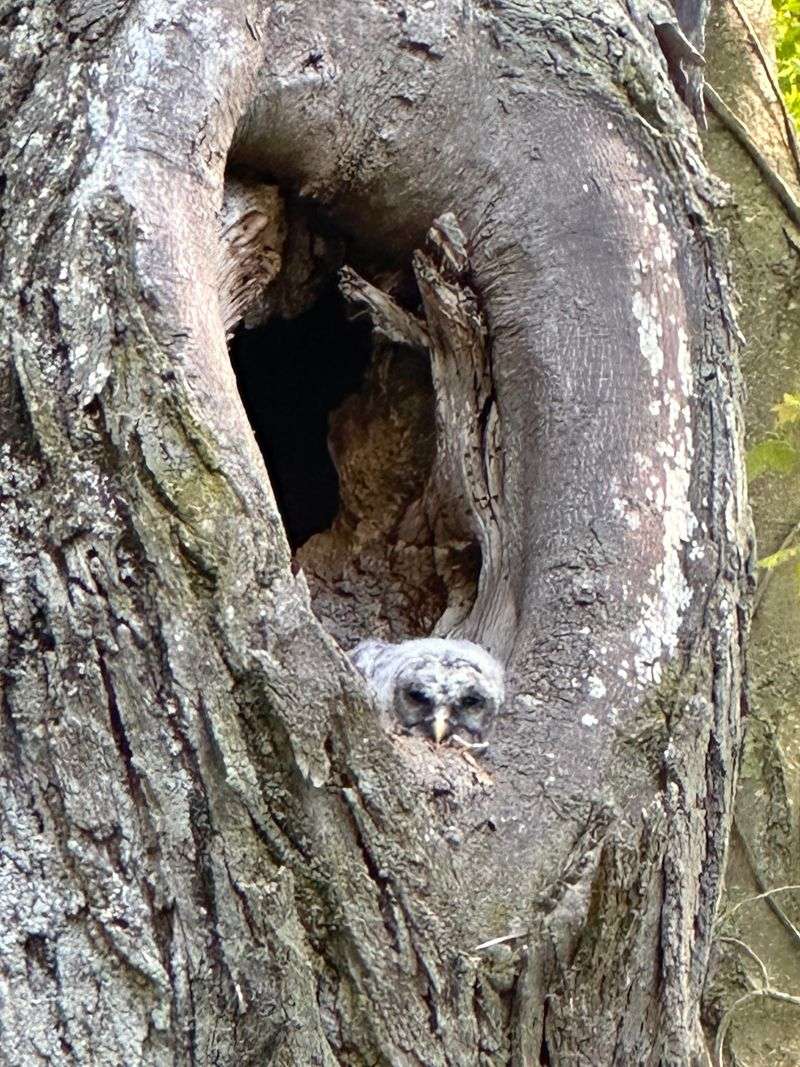
Freedom is the happy ending everyone hopes for. For the team, nothing beats watching a healed bird take off into open sky.
Release day is the reward for all those long hours. The bird simply flies away without looking back, which is exactly the point.
Some birds cannot recover enough to return safely to the wild. That’s why each successful release feels like a small celebration.
One supporter once described seeing Christine release a Canada goose at a reservoir in Wallingford. Releases can happen in different places across the state.
Getting a bird back where it belongs helps more than just that one animal. Healthy raptors keep rodent numbers in check and keep nature balanced.
Each return also protects wildlife for future generations. Kids today may someday watch the offspring of a rescued hawk.
Fun fact: many raptors find their way home with impressive skill. Their sharp senses help them settle back into familiar territory.
I like that the goal is always the wild, not a cage. Even the ambassadors remind visitors why freedom matters so much.
A bird in the sky truly is the best thank-you note.
8. A Meaningful Experience For Animal Lovers
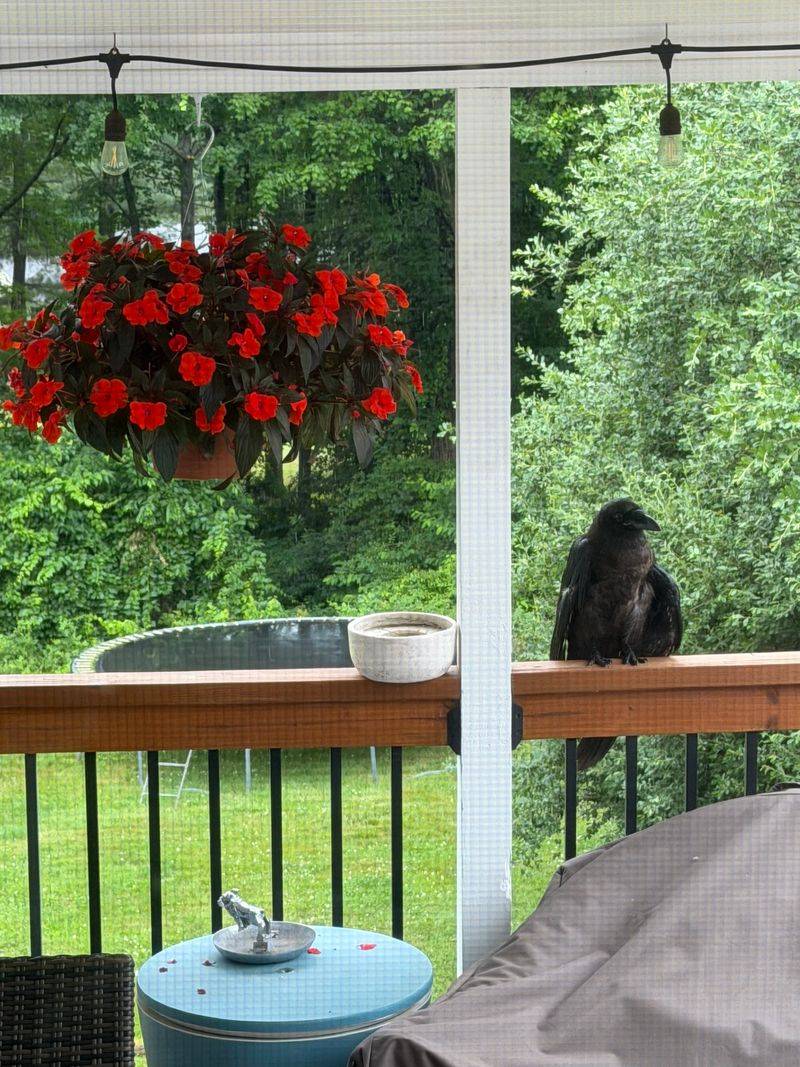
Small groups make for big moments here. Tours at A Place Called Hope are by appointment and limited to six people per group.
A donation per group is part of booking a tour. That support goes right back into feeding and caring for the birds.
Animal lovers of every age can find something to enjoy. Young kids, teens, and grandparents can all learn side by side.
The birds eat mice, so mealtime might happen during your visit. Squeamish folks, consider yourselves warned.
Plan ahead before you go. Health concerns like bird flu have closed enclosures to visitors before, so ask about current conditions.
Want to help beyond a tour? Volunteering and donating both keep this rescue running strong.
Following the center online is another easy step. You’ll see rescue updates and upcoming events in your feed.
I can’t think of a better outing for someone who loves wildlife. You see real birds, hear real stories, and support real work.
Leave with a little more hope than you arrived with. It’s right there in the name, after all, and the birds back it up beautifully.