You’ll Want To Drop Everything And Drive This Breathtaking 61-Mile Route Through California
Road trips usually start with a destination. Routes like this become the destination instead.
One curve opens up to mountains. Another drops into scenery that looks almost exaggerated.
The whole drive keeps pulling attention away from whatever playlist was supposed to matter.
A 61-mile stretch of California road can make people understand why some drives develop loyal fans.
That kind of route changes the mood fast. Nobody stays in a hurry for long. Pull-offs become necessary.
Even the quiet moments through the windshield start feeling unusually cinematic.
The best scenic drives do more than connect two places. They stretch time a little and make ordinary afternoons feel bigger.
Calaveras Big Trees State Park
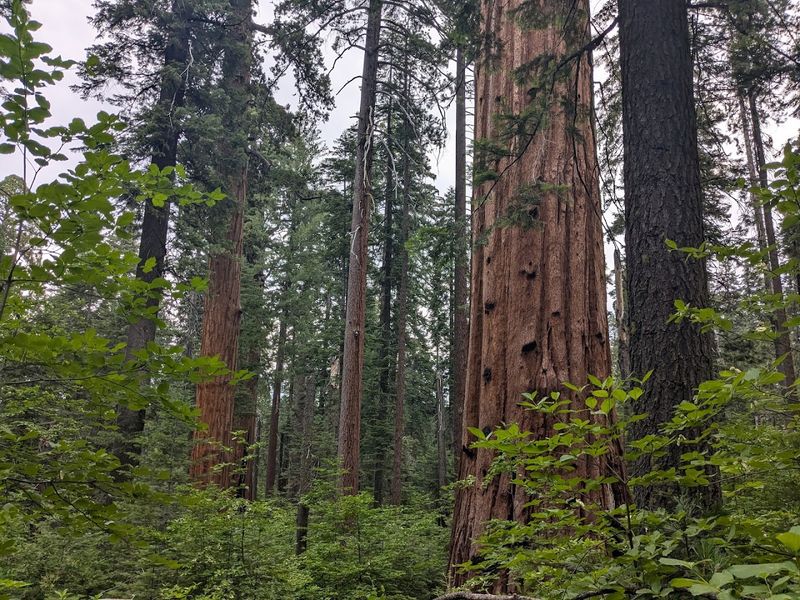
Standing at the base of a giant sequoia puts the world in perspective in a way that almost nothing else can.
Calaveras Big Trees State Park anchors the western end of the Ebbetts Pass Scenic Byway, and it sets an extraordinary tone for everything that follows.
The park is located at 1 Big Trees Park Rd, Arnold, CA 95223, and it sits right along Highway 4 before the road begins its serious climb into the Sierra Nevada.
The park protects two groves of giant sequoias, the largest trees on Earth by volume, and trails wind through both.
The North Grove trail is about a mile long and relatively flat, making it accessible for most visitors regardless of fitness level.
Interpretive signs along the path explain the ecology and history of these ancient trees, some of which have been standing for over a thousand years.
Fall colors add a layer of beauty to the surrounding mixed-conifer forest in autumn, while summer brings wildflowers and longer daylight hours for exploring.
Picnic areas, restrooms, and a visitor center are available on-site. Arriving earlier in the day tends to mean fewer crowds and cooler temperatures, especially during peak summer weekends.
Cape Horn Vista
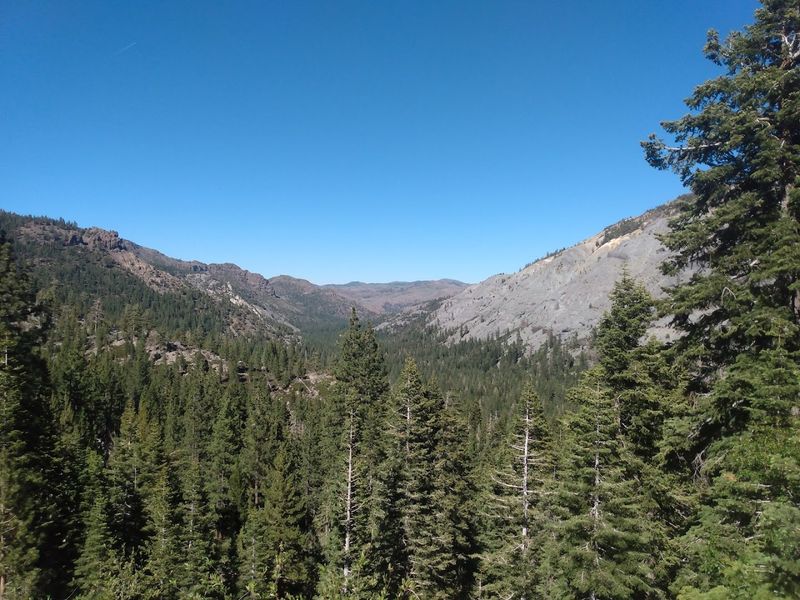
Few pullouts along Highway 4 deliver a view as immediately rewarding as Cape Horn Vista.
Positioned on the western slope of the Sierra Nevada, the overlook gives drivers a wide-open look at the forested canyon below and the ridgelines stretching toward the high country ahead.
It is one of the official points of interest along the Ebbetts Pass Scenic Byway and a natural place to pause before the road gets more demanding.
The view from Cape Horn Vista tends to shift dramatically depending on the season and time of day.
Morning light catches the canyon walls in warm gold tones, while late afternoon creates long shadows across the forested slopes.
Bringing a camera with a wide-angle lens could help capture the full scale of what the overlook reveals.
The pullout itself is modest in size, so larger groups may need to take turns stopping.
There are no facilities at the overlook, but the stop requires only a few minutes and rewards with one of the cleaner panoramic views on the western stretch of the byway.
Keeping an eye on traffic when pulling in and out is always a good idea on this winding two-lane road.
Lake Alpine
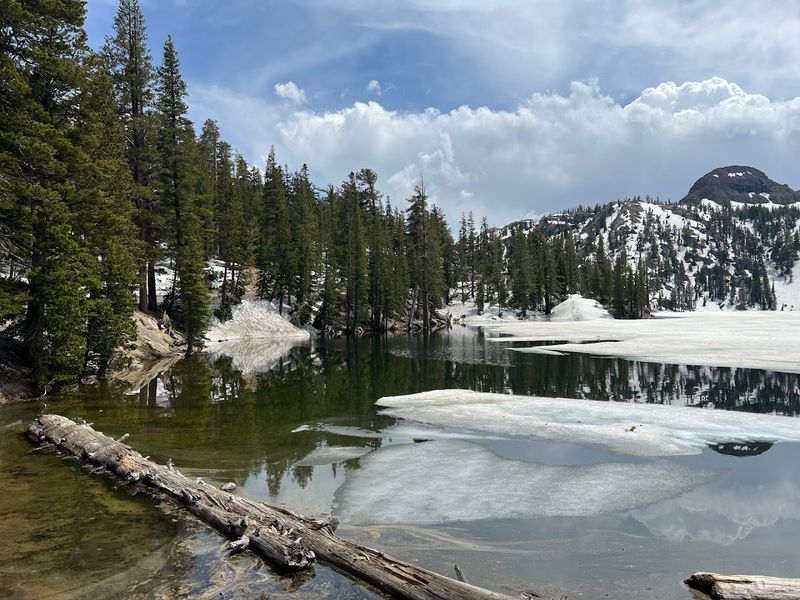
At an elevation of roughly 7,350 feet, Lake Alpine is the kind of stop that makes drivers pull over and genuinely reconsider their schedule.
The water is clear and cold, framed by granite outcroppings and dense conifer forest, and the whole scene has a quiet, unhurried quality that is hard to leave behind.
It is one of the most celebrated official points of interest along the Ebbetts Pass Scenic Byway.
A campground, boat launch, and small resort area sit near the lake’s edge, offering basic amenities for those who want to linger.
Kayaking and fishing are popular activities during the warmer months, and the surrounding trails connect to broader Sierra Nevada wilderness areas.
Even a short walk along the shoreline gives a strong sense of just how remote and pristine this part of California still feels.
The lake typically becomes accessible once the high-country section of Highway 4 reopens in spring, usually sometime in May depending on snowpack.
Weekdays tend to be noticeably quieter than weekends during summer. Packing a lunch and spending an hour or two here rather than rushing through could easily become the highlight of the entire byway drive.
The Narrow High-Country Pass Section
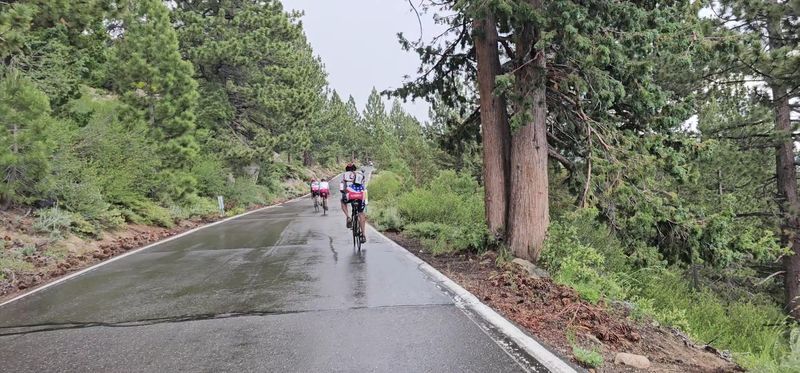
Between Lake Alpine and Silver Creek, Highway 4 transforms into something genuinely wild.
The road narrows to a single lane in places with no painted center line and no shoulder, threading through glacially carved granite terrain at elevations above 8,000 feet.
For drivers accustomed to wide, well-maintained highways, this stretch is a genuine adventure that demands full attention.
The scenery in this section is extraordinary in a raw, unfiltered way. Granite outcroppings press close to the road on both sides, and the views across open alpine terrain feel vast and exposed.
Basalt columns appear in places, a reminder of ancient volcanic activity that shaped this landscape long before the highway was ever cut through it.
Pulling over safely to take in the views requires patience since designated pullouts are limited and the road is narrow.
Meeting oncoming traffic in the tightest sections means one vehicle may need to reverse to a wider spot.
The official byway guidance recommends this route for cars and motorcycles only, specifically excluding tractor-trailers, buses, and large RVs.
Checking Caltrans road conditions before attempting this section is strongly recommended, especially early in the season when snow or ice may still linger.
Mosquito Lakes
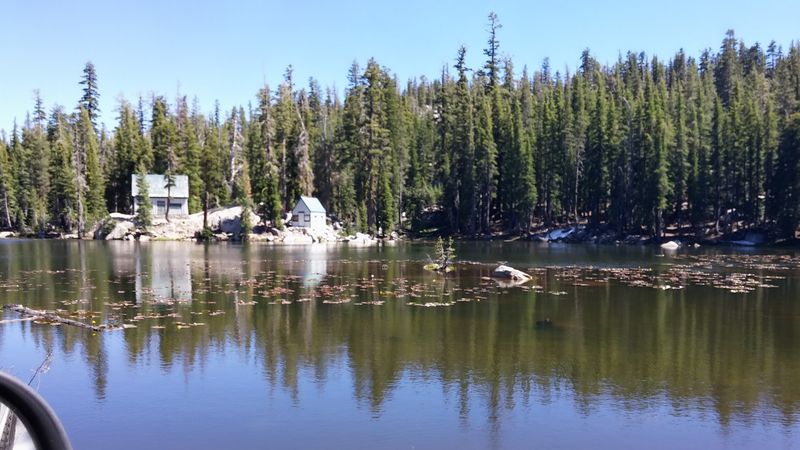
Tucked into the high country near the summit of Ebbetts Pass, Mosquito Lakes are a cluster of small alpine lakes that sit quietly off the main highway corridor.
Despite the memorable name, they offer a genuinely peaceful setting with clear water, open granite surroundings, and a sense of elevation that reminds visitors just how high the byway climbs.
They are listed among the official points of interest along the Ebbetts Pass Scenic Byway.
The lakes sit at high elevation where the air is noticeably thinner and cooler even in midsummer.
Short hikes from the highway can bring visitors close to the water’s edge, and the surrounding terrain has the open, wind-swept quality typical of Sierra Nevada alpine zones.
Visiting with sturdy footwear is a practical idea since the ground around the lakes can be uneven and rocky. Insect repellent is worth carrying given the name and the late-spring to early-summer conditions.
The lakes are best experienced during the summer window when the high-country road is open, and they pair naturally with a stop at nearby Pacific Valley or Hermit Valley on the same drive.
Pacific Valley And Hermit Valley
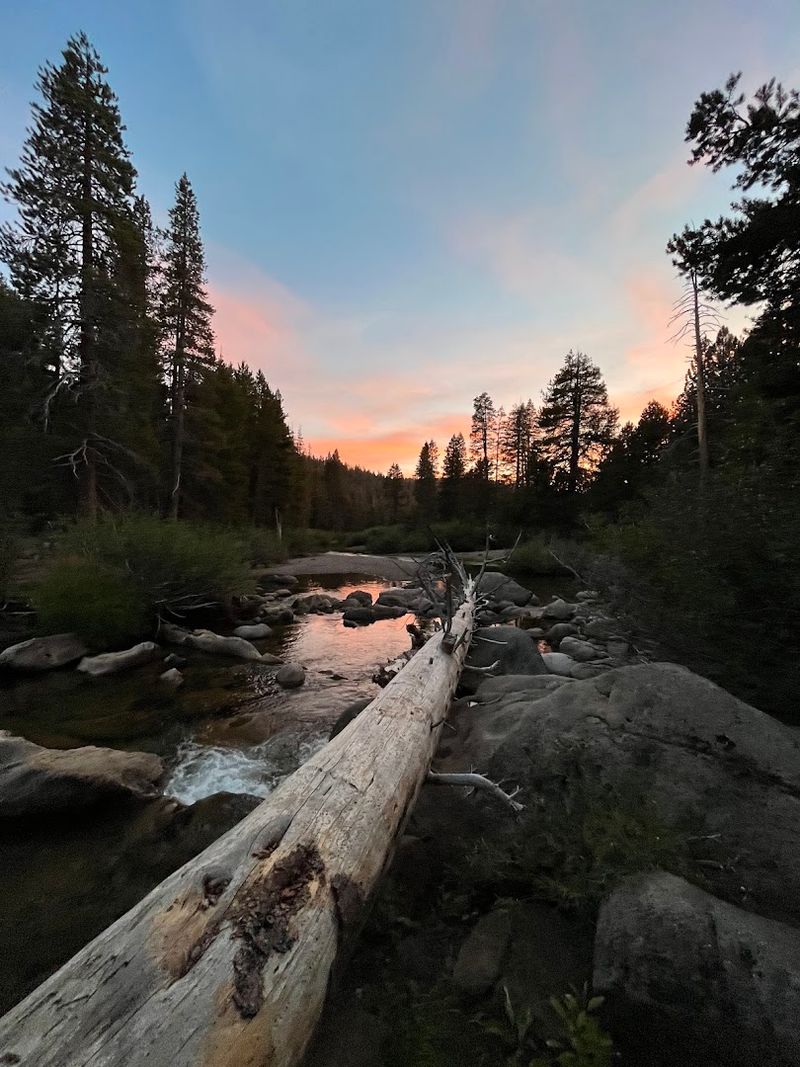
Glaciers carved these valleys into the Sierra Nevada landscape thousands of years ago, and the result is a kind of open, sweeping beauty that feels almost surreal at high elevation.
Pacific Valley and Hermit Valley sit along the upper stretch of the Ebbetts Pass Scenic Byway, offering broad meadow views that contrast sharply with the tight granite terrain on either side.
Both are listed as official points of interest along the route.
The meadows in these valleys stay green through much of the summer, fed by snowmelt and seasonal streams.
Wildlife sightings are possible here, as the open terrain gives good sight lines across the valley floor. Early morning visits tend to offer the best light and the quietest conditions before other travelers arrive.
No formal facilities exist at either valley, so treating them as scenic stops rather than destination campgrounds makes practical sense.
The landscape rewards slow driving and window-down appreciation more than structured activities.
Pairing a stop here with the nearby Mosquito Lakes and Ebbetts Pass summit creates a satisfying high-country sequence that captures the most dramatic portion of the byway in a logical and unhurried order.
Ebbetts Pass Summit
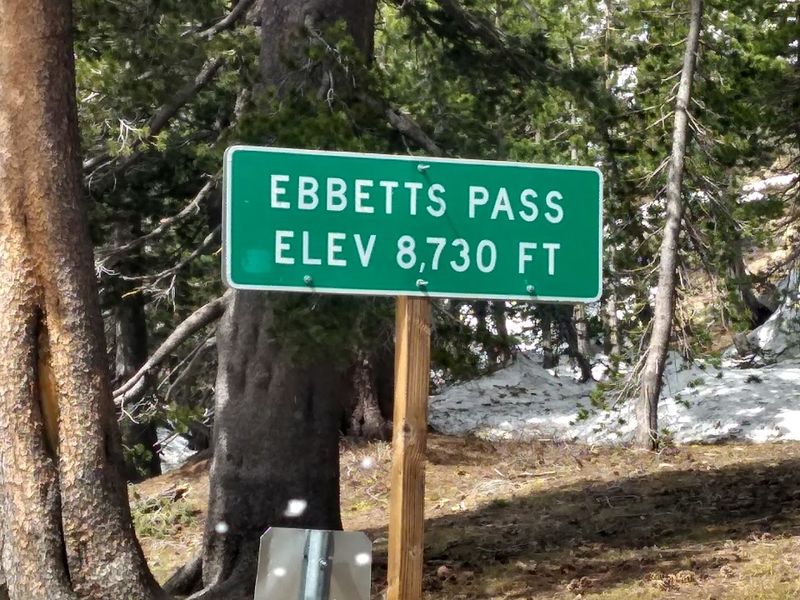
Reaching the top of Ebbetts Pass at 8,730 feet above sea level is a milestone worth marking on any byway drive.
The summit sits near the Alpine and Calaveras county line, and a roadside sign marks the elevation for travelers who want photographic proof of how high Highway 4 actually climbs.
The views from the summit area are broad and unobstructed, with the Sierra crest visible in multiple directions.
The pass itself has historical significance as a trans-Sierra crossing used long before the modern highway existed.
Indigenous peoples and early settlers both used routes through this general corridor, and the relative isolation of the pass today still carries a sense of that older, quieter history.
The summit area has a raw, windswept quality that feels genuinely remote even when other cars are present.
Temperatures at the summit can drop quickly and unexpectedly even in summer, so keeping a light jacket accessible is always a sensible idea.
The summit is also the high point of the seasonal road closure, meaning it is the last section to clear snow in spring and the first to become impassable in fall.
Kinney Reservoir
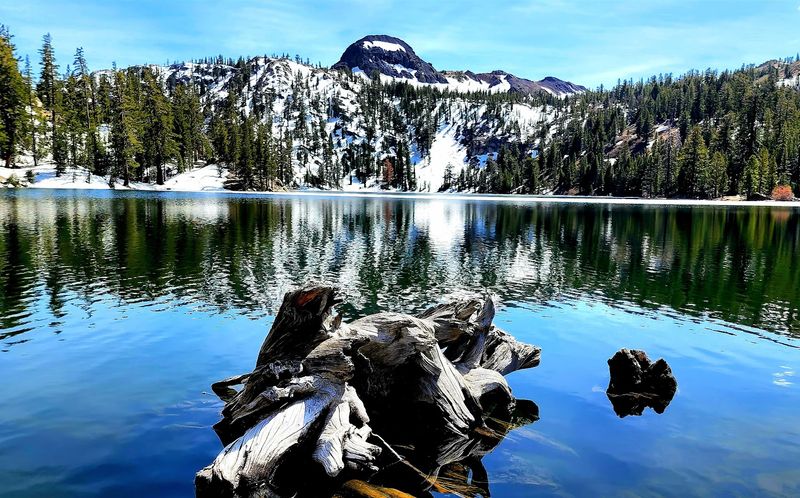
Kinney Reservoir appears on the eastern descent from Ebbetts Pass, tucked into a forested setting that feels noticeably different from the open granite terrain near the summit.
The reservoir has a calmer, more sheltered quality, and the surrounding trees give it a shaded, secluded character that makes it a natural stopping point before the road drops into the Carson River canyon.
The water level at Kinney Reservoir can vary depending on the season and precipitation, so the scenery may look different between early summer and late fall.
Fishing is a possibility here, and the quiet shoreline offers a moment of stillness after the more demanding driving sections higher up the pass.
The area has a genuinely unhurried feeling that rewards visitors who are not rushing toward the end of the route.
No major facilities are located at the reservoir itself, so treating it as a brief scenic stop fits naturally into the rhythm of the drive.
Pairing it with a stop at the East Fork Carson River just below on the descent creates a logical two-stop sequence as the byway transitions from high alpine terrain to the more open eastern Sierra landscape.
East Fork Carson River
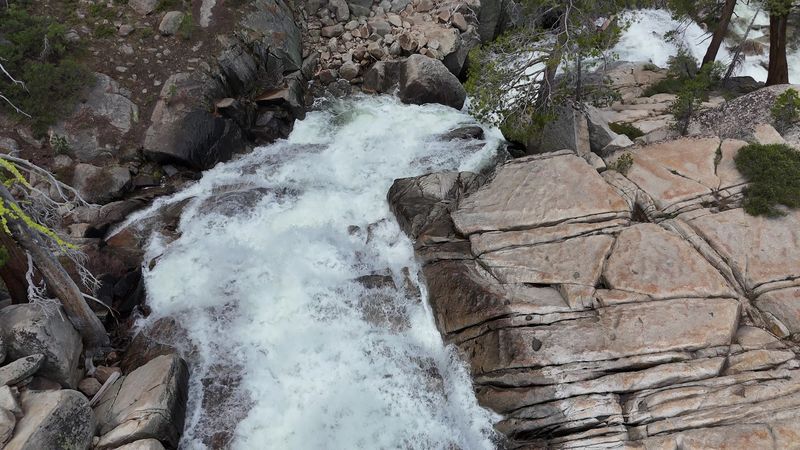
After the drama of the high-country pass, the East Fork Carson River offers a different kind of reward.
The river runs through a canyon on the eastern slope of the Sierra Nevada, and the sound of moving water after miles of dry granite terrain feels like a genuine shift in mood.
It is one of the official points of interest along the Ebbetts Pass Scenic Byway and a natural transition point as the drive approaches Markleeville.
The river corridor has a lush, riparian quality with willows and cottonwoods lining the banks in places.
Fishing is popular along this stretch, and the cold, clear water attracts anglers during the warmer months.
The canyon walls above the river add vertical drama to what might otherwise feel like a simple valley drive. Pulling over near the river to walk down to the water’s edge is worth the few extra minutes it takes.
Continuing from the river into Markleeville completes the eastern arc of the drive and sets up the final stop at Grover Hot Springs State Park just a few miles away.
Grover Hot Springs State Park
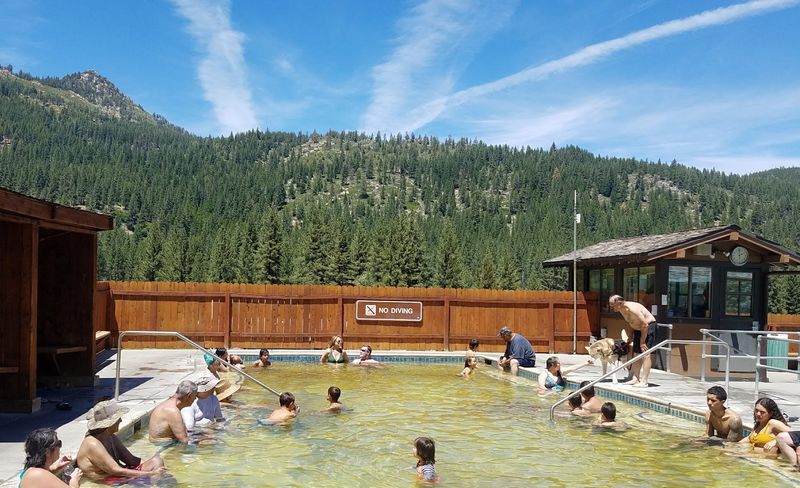
Ending a long mountain drive with a soak in natural hot mineral pools is a genuinely satisfying way to close out the Ebbetts Pass experience.
Grover Hot Springs State Park anchors the eastern end of the byway near Markleeville, and its two outdoor pools, one hot and one cool, are fed by natural mineral springs that have attracted visitors for well over a century.
The hot pool maintains a temperature that may vary slightly by season but typically stays warm enough to feel restorative after hours of driving.
The surrounding meadow and mountain scenery add to the appeal, making the soak feel like an earned reward rather than just a tourist stop.
A campground within the park allows visitors to extend their stay and wake up to the same mountain setting the next morning.
Visiting on weekdays tends to mean shorter waits and more space at the pools.