These Are Secret California Waterfalls Most Visitors Never Make It To
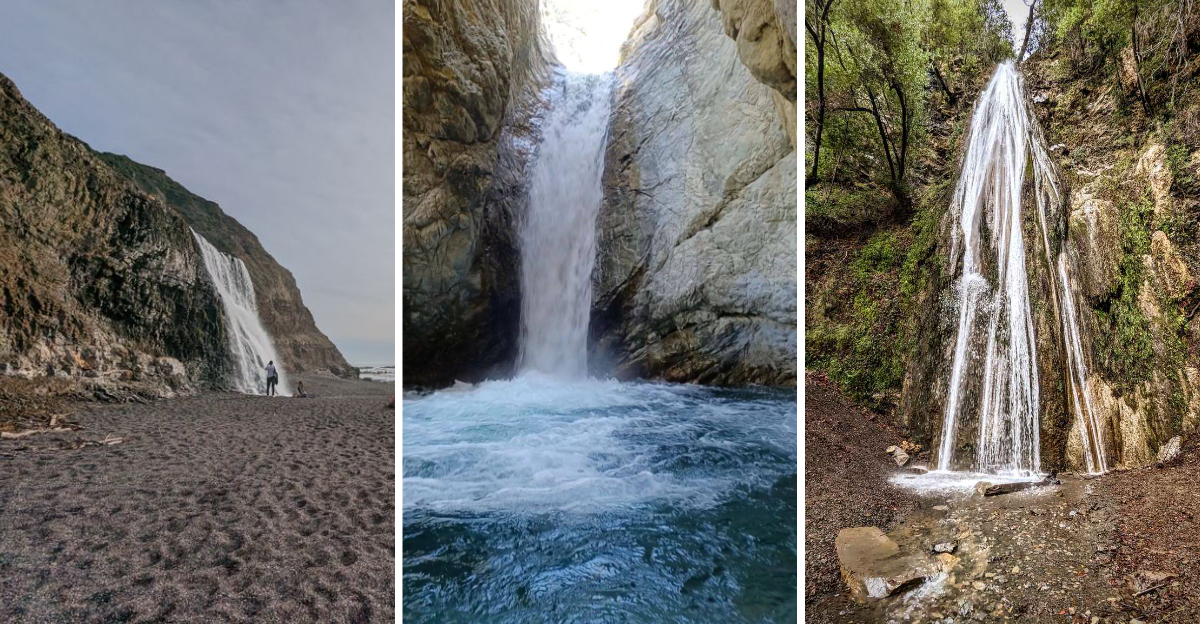
The sound comes first. A steady rush echoing through trees long before the water comes into view. Paths grow quieter as footprints disappear and the air cools with moisture.
Moments like this feel earned rather than accidental. They slow the pace and sharpen the senses in a way busy viewpoints never do.
Scattered across California are waterfalls that reward effort and curiosity. Some hide at the end of long trails. Others appear only during certain seasons when rain and snowmelt align just right.
Reaching them often means early starts and muddy shoes and a willingness to turn back if conditions change. That effort is exactly what keeps these places peaceful.
Hidden cascades feel different because nothing competes for attention. Without crowds the experience becomes personal and unhurried.
Moss clings to rock walls. Clear pools reflect shifting light. Forests carry sound instead of voices.
These lesser-known waterfalls reveal a quieter side of California. One shaped by patience and exploration rather than convenience.
For travelers willing to go a little farther and look a little closer the reward is a sense of discovery that lingers long after the hike ends.
1. Mossbrae Falls
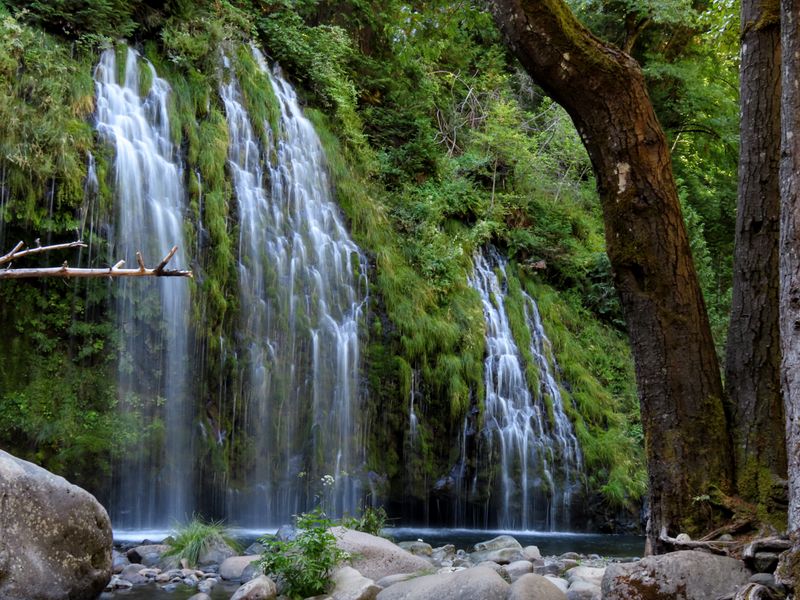
Water spills over a mossy cliff directly into the Sacramento River near Dunsmuir, creating one of the most visually striking waterfall scenes in Northern California.
The cascade emerges from springs in the hillside rather than a single creek, which gives it a soft, curtain-like appearance across the entire rock face.
Accessing this waterfall has become complicated due to safety and legal issues, as the traditional route requires walking along active railroad tracks through private property.
At least two people have been struck by trains near the falls since 2012, and trespassing citations are now issued regularly.
Local officials and conservation groups continue working toward establishing a safe, legal public access route, but no official trail currently exists.
Visitors who once made the trek described the experience as magical, with water trickling through emerald moss and pooling in the river below.
Until a legal path opens, this waterfall remains off-limits despite its stunning beauty and proximity to town.
2. Darwin Falls
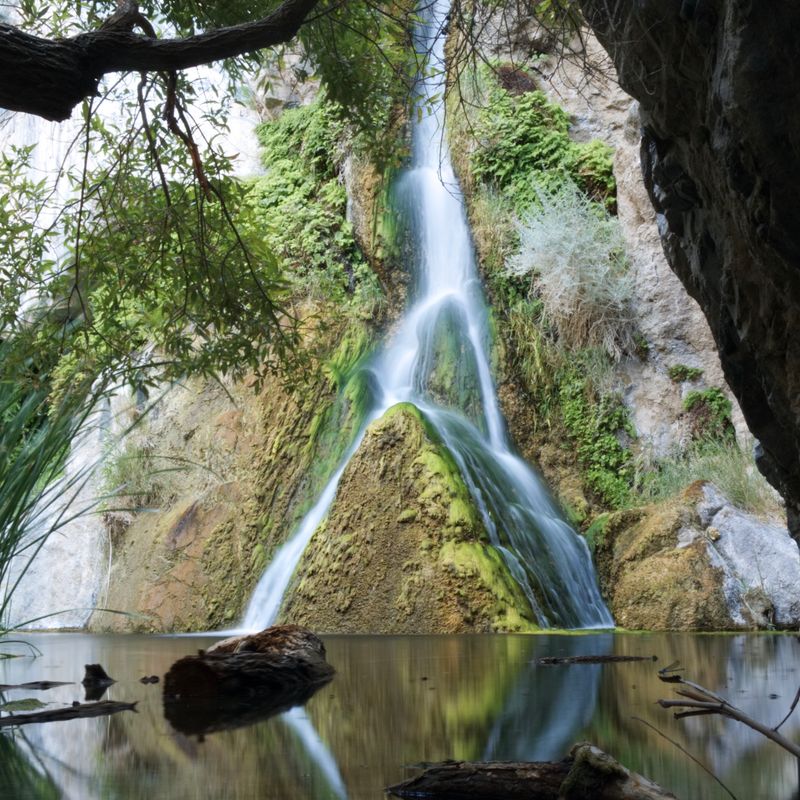
An unexpected desert oasis appears on the edge of Death Valley, where water flows year-round through a narrow canyon lined with willows and wild grapevines.
The trail begins in a dry, rocky landscape typical of the Mojave Desert, then gradually transforms into a shaded riparian zone as hikers approach the falls.
The waterfall itself drops about 30 feet into a small pool surrounded by ferns and hanging vegetation, creating a microclimate that feels completely out of place in the surrounding arid environment.
The hike is relatively short, around two miles round trip, but requires some scrambling over rocks and crossing the creek multiple times.
Spring and fall offer the most comfortable temperatures, while summer heat can make the approach challenging despite the cooling effect near the water.
Few visitors to Death Valley National Park know about this hidden gem, which keeps the area peaceful even during peak tourist seasons.
Birdsong fills the canyon, and the contrast between desert and water creates a memorable sensory experience.
3. Hedge Creek Falls
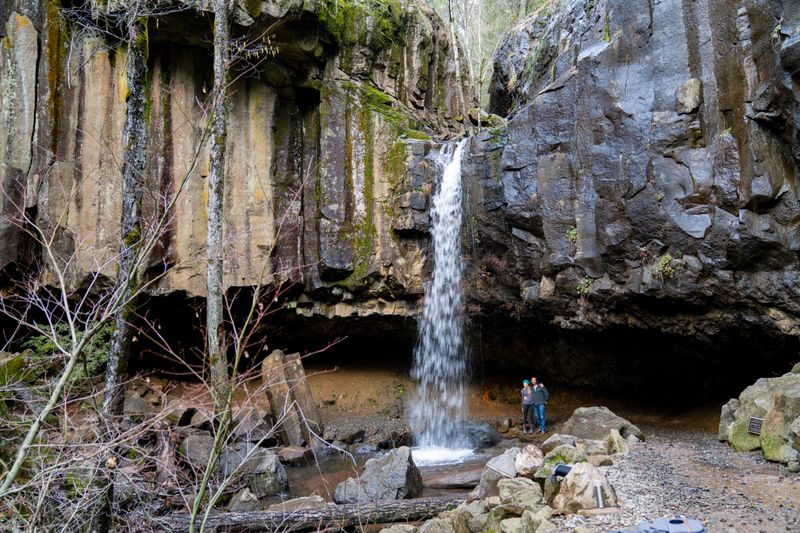
A 30-foot cascade drops over a basalt cliff just outside the town of Dunsmuir, and a short paved trail makes it surprisingly easy to reach.
What sets this waterfall apart is the cave-like alcove behind the cascade, where visitors can walk on a dirt path and view the falls from the inside out.
The mist from the falling water cools the air in the alcove, and the sound echoes off the rock walls in a way that feels immersive and peaceful.
The trail from the parking area takes less than ten minutes to walk, making it accessible for most visitors regardless of fitness level.
During spring runoff, the waterfall flows with impressive volume, while late summer brings a gentler trickle that still maintains the scenic quality.
Families often visit this spot because of its ease of access and the unique perspective from behind the water.
The surrounding forest smells of pine and damp earth, and the entire experience feels much more remote than the short distance from the road would suggest.
4. Crystal Falls (Whiskeytown National Recreation Area)
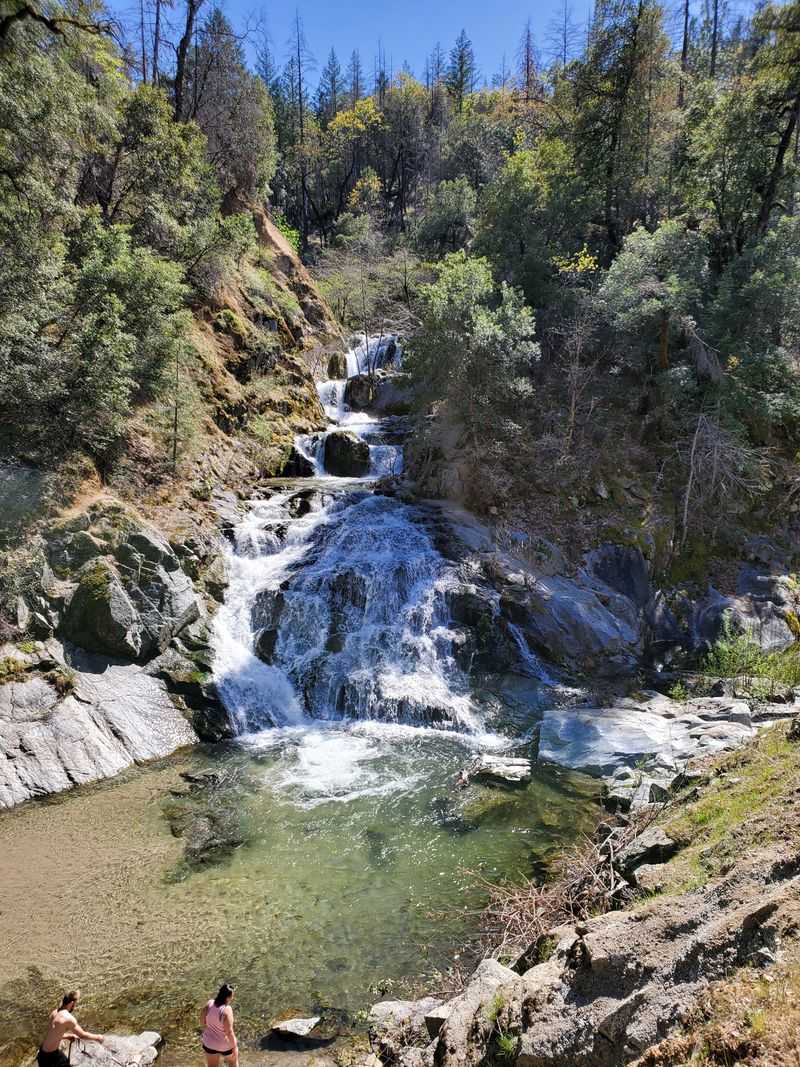
Hidden within a forested canyon, water tumbles through Whiskeytown National Recreation Area as it splits into several thin ribbons over smooth granite.
The waterfall is difficult to find on most maps, and getting to it requires local knowledge or careful navigation using forest service roads and unmarked trails.
The hike involves following a creek upstream through dense forest, with occasional scrambles over fallen logs and rocky sections.
During late spring and early summer, the flow is strongest, and the surrounding wildflowers add color to the green understory.
By late summer, the waterfall may reduce to a trickle, but the cool shade and quiet atmosphere remain appealing.
The remoteness of this location means encounters with other hikers are rare, and the forest feels untouched and peaceful.
Sunlight filters through the canopy in soft beams, and the sound of the water provides a constant backdrop to the birdsong and rustling leaves.
This is a destination for those who enjoy exploration and solitude over convenience.
5. Feather Falls (Beyond The Overlook)
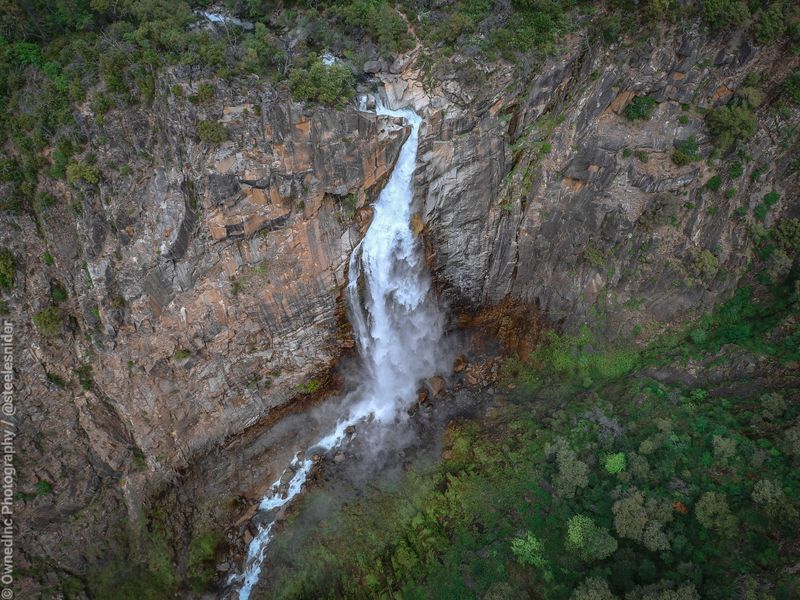
Famous for its 410-foot drop, the experience changes dramatically once visitors continue past the main overlook.
The trail to the base requires an additional descent on a steep, unmaintained path that can be slippery and challenging, especially after rain.
At the bottom, the waterfall towers overhead, and the spray creates a constant mist that coats the rocks and surrounding vegetation.
The pool at the base is deep and cold, fed by the powerful cascade that roars down the granite cliff.
This lower viewpoint offers a completely different perspective, with the full height and force of the waterfall visible in a way the overlook cannot capture.
Few hikers make the extra effort, which means the base area often feels private and undisturbed.
The surrounding cliffs create a natural amphitheater, and the sound of the water echoes off the rock walls. This is where the true power of Feather Falls can be felt.
6. Little Jamison Falls
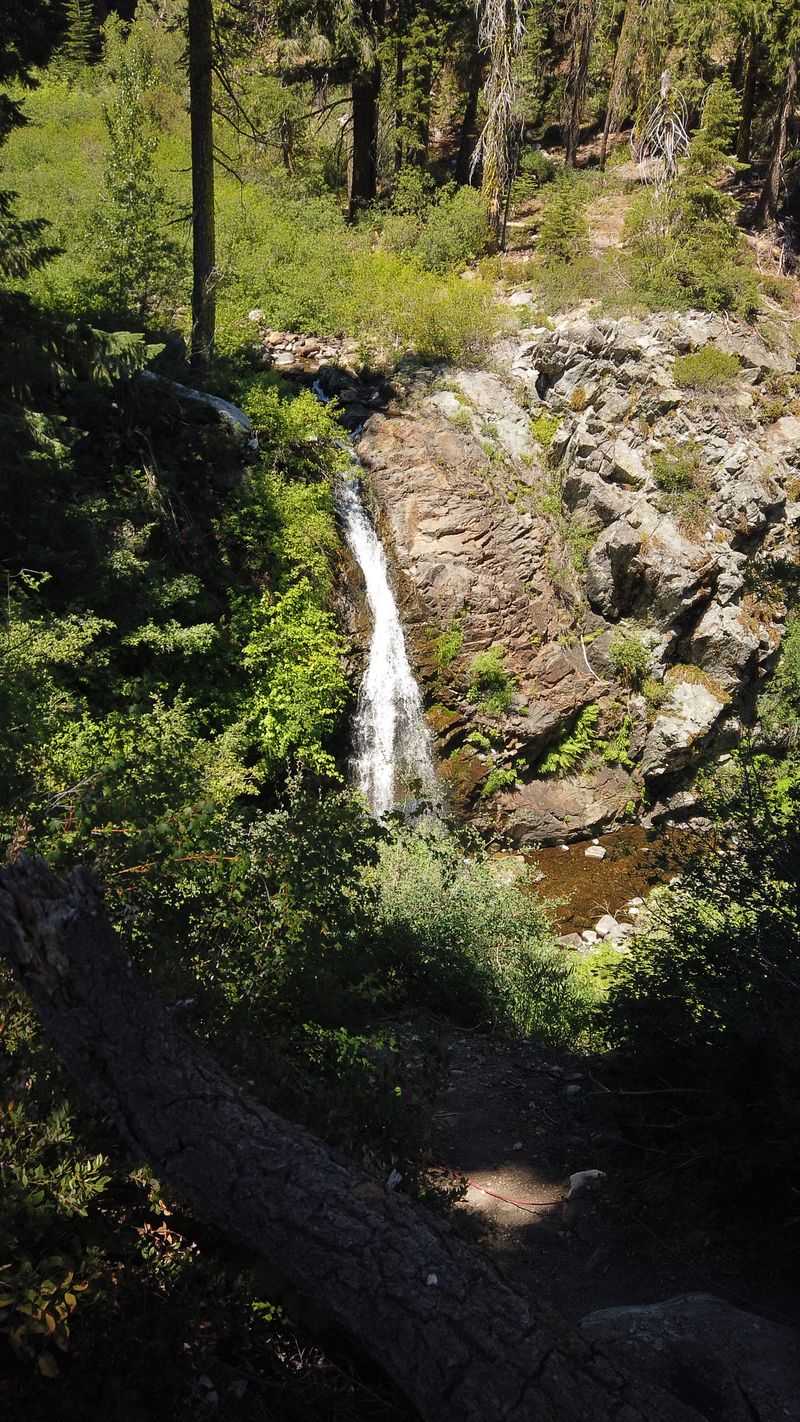
Tucked within the Lakes Basin area of Plumas County, a short side trail leads away from the more popular Jamison Creek route.
The waterfall drops about 40 feet over a series of ledges, creating multiple tiers that catch the light differently throughout the day.
Surrounding the falls are wildflowers during late spring and early summer, including lupine, paintbrush, and columbine that add splashes of color to the green hillside.
The trail is relatively easy, with minimal elevation gain, making it suitable for families looking for a quieter alternative to the busier lakes nearby.
The sound of the water is gentle rather than thunderous, and the area has a calm, meditative quality that invites sitting and listening.
Smooth granite slabs near the base provide natural seating areas where visitors can rest and enjoy the view.
The waterfall flows strongest in May and June, with the volume tapering off as summer progresses. This spot rarely appears in guidebooks, which keeps visitor numbers low even during peak season.
7. Cottonwood Creek Falls (San Diego County)
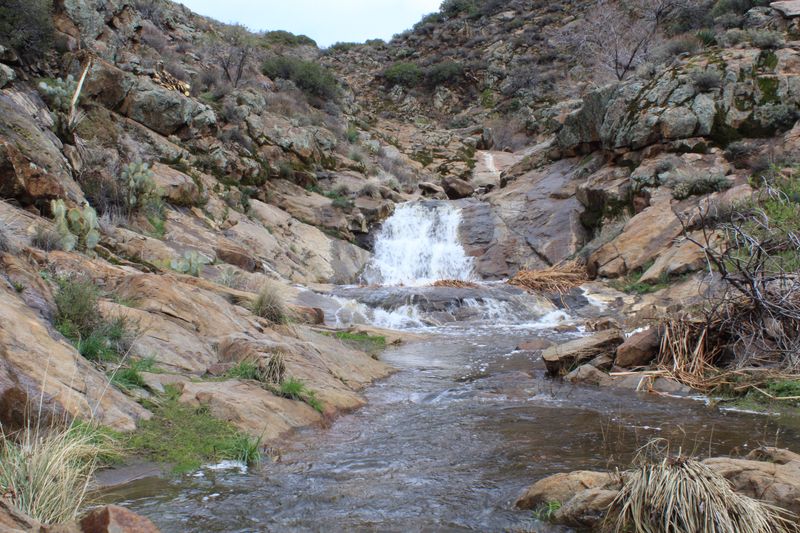
Far from main roads and popular trails, water flows along the Laguna Mountains area in a remote section of Cleveland National Forest .
Reaching this waterfall requires a long drive on forest service roads followed by a bushwhack through dense brush and over uneven terrain.
The falls cascades into a clear pool that reflects the surrounding granite and forest, creating a mirror-like surface on calm days.
The remoteness of the location means this waterfall sees very few visitors, and the area retains a wild, untouched character.
Spring runoff brings the most dramatic flow, while late summer reveals more of the underlying rock structure as the water level drops.
The hike is not marked or maintained, so navigation skills and comfort with off-trail travel are essential.
Wildlife sightings are common in this area, including deer, black bears, and various bird species that thrive in the undisturbed habitat.
This waterfall is for adventurous explorers who value solitude and are prepared for challenging conditions.
8. Alamere Falls (inland route)
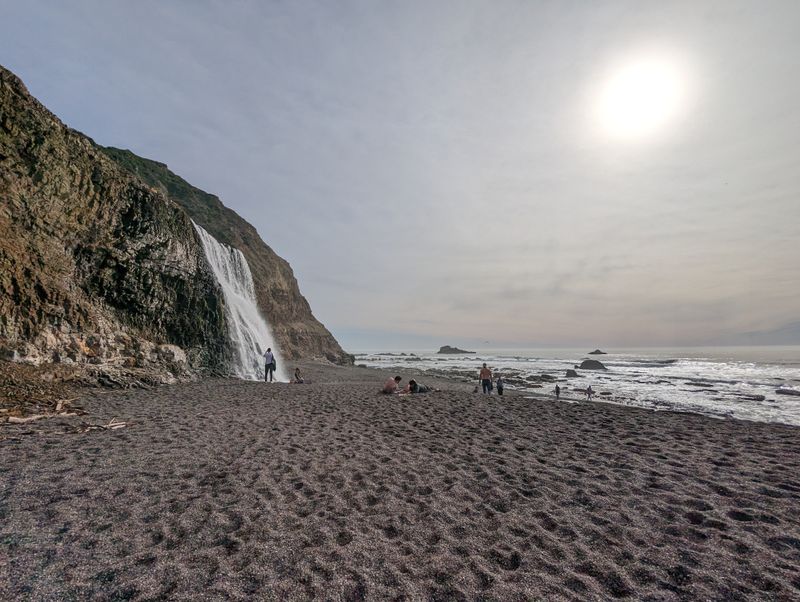
Freshwater plunges directly onto a beach here, making it one of the rare tidefalls in the world, and the inland route offers a quieter approach.
The inland path requires a challenging 13-mile round-trip hike through Point Reyes National Seashore, with rolling hills and forested sections that test endurance.
Once at the falls, the water drops about 40 feet from the cliff edge onto the sand below, where waves crash nearby and seabirds wheel overhead.
The contrast between the waterfall and the ocean creates a striking visual, especially during winter and spring when the flow is strongest.
The inland route avoids some of the steep, eroded sections of the coastal approach, though it adds distance to the overall journey.
Timing the visit with low tide allows for easier access to the beach and better views of the waterfall from multiple angles.
The hike passes through open grasslands and coastal scrub, with occasional views of the Pacific and the surrounding headlands. This is a full-day adventure that rewards persistence with a truly unique waterfall experience.
9. McCloud Middle Falls
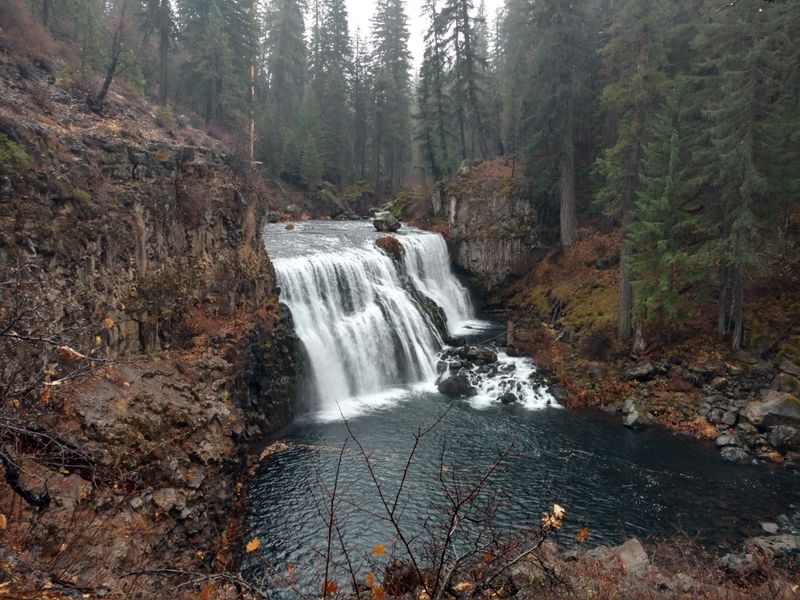
Part of a three-waterfall series along the McCloud River, this middle cascade offers a more secluded experience than the others.
The waterfall drops about 50 feet into a wide, deep pool that remains cold and clear throughout the year, fed by the snowmelt from Mount Shasta.
A short trail from the main road leads to a viewing area, but a steep scramble down to the pool reveals the best perspective and allows for closer exploration.
The surrounding forest is dense with Douglas fir and cedar, and the shade keeps the area cool even on hot summer days.
The sound of the water is constant and soothing, and the pool area is large enough to provide space for multiple visitors without feeling crowded.
Smooth rocks along the shore offer natural seating, and the clarity of the water makes it easy to see the river bottom.
This waterfall is accessible year-round, though winter snow can make the descent to the pool more challenging. The middle falls strike a balance between accessibility and solitude that appeals to many waterfall seekers.
10. McCloud Lower Falls
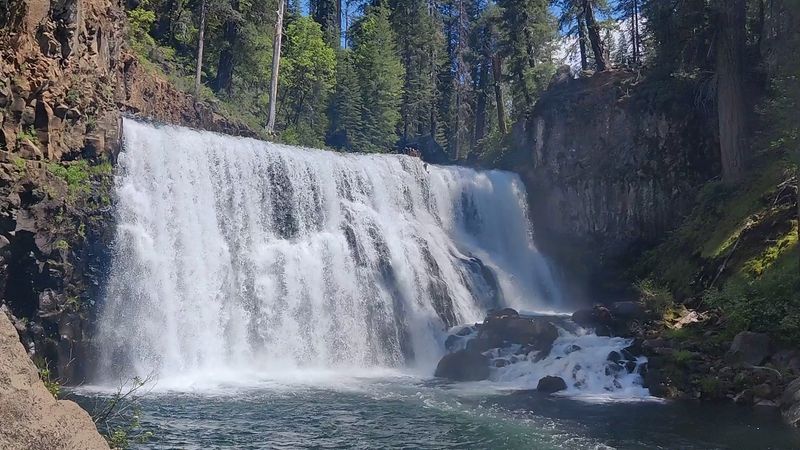
Wide and horseshoe-shaped, this waterfall creates a different kind of beauty than the taller drops upstream.
The waterfall spreads across the entire width of the river, creating a curtain of water that flows evenly over a basalt ledge into a broad, shallow pool.
A paved trail leads from the parking area to multiple viewing platforms, making this the most accessible of the three falls.
The area is popular for picnicking, with tables and restrooms available near the trailhead, though the waterfall itself remains peaceful and scenic.
During summer, the pool below the falls is a popular spot for wading, as the water is cold but not dangerously deep in most areas.
The basalt formations around the falls create interesting textures and patterns, and the water catches the light in different ways depending on the time of day.
This waterfall is ideal for those seeking an easy, family-friendly visit with minimal hiking required. The combination of accessibility and natural beauty makes it a favorite among locals and informed travelers.
11. Burney Creek Upper Cascades
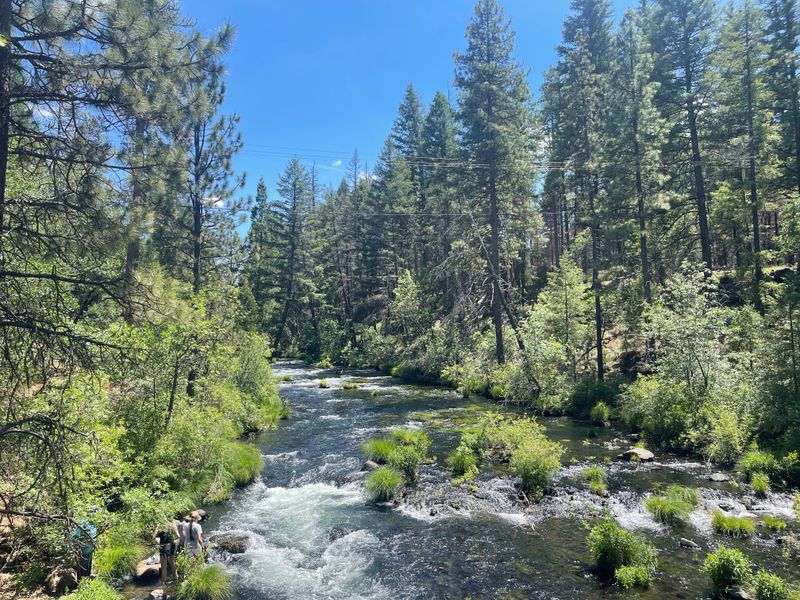
Above the more famous waterfall, a quieter series of cascades flows through a forested canyon largely ignored by visitors.
The cascades consist of a series of small drops and rapids where the creek tumbles over volcanic rock through a forested canyon.
Reaching this area requires walking upstream from the main falls area or accessing the creek from a less-used trailhead farther north.
The water here is clear and fast-moving, creating pools between the cascades that reflect the surrounding trees and sky.
The forest is dominated by ponderosa pine and incense cedar, and the smell of pine needles fills the air.
The upper cascades are not as dramatic as the main falls, but they offer a sense of discovery and solitude that the popular viewpoints lack.
Wildlife is more commonly seen in this area, as the reduced human presence allows animals to move more freely.
This is a spot for those who prefer exploring beyond the main attractions and finding their own quiet corners of nature.
12. Stoddard Canyon Falls
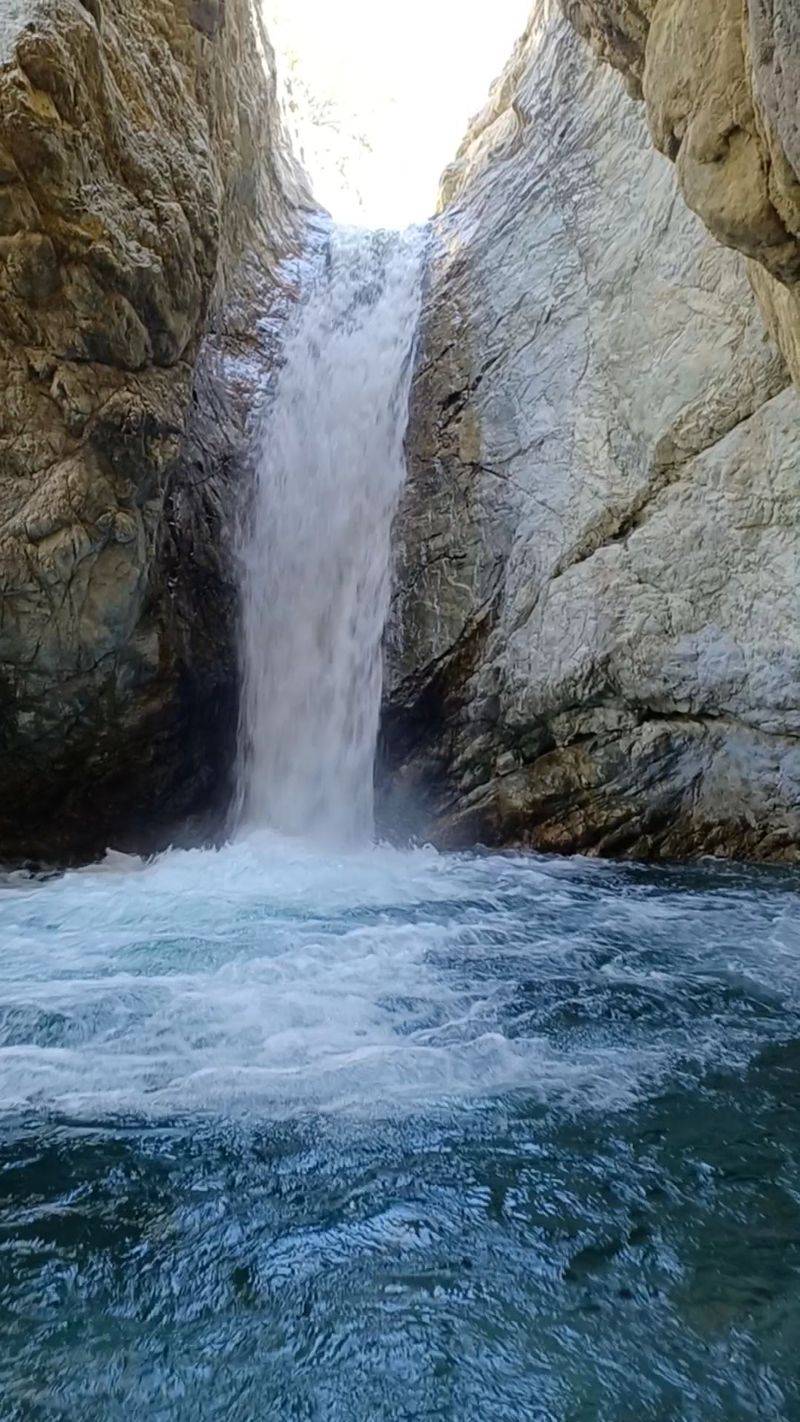
Hidden inside a narrow canyon near Mount Baldy, a seasonal waterfall appears after winter rains.
The hike to the falls follows a creek bed through a rocky gorge, requiring multiple stream crossings and some scrambling over boulders.
The waterfall drops about 30 feet into a small grotto surrounded by ferns and moss-covered rocks, creating a cool, shaded retreat from the surrounding dry hillsides.
The canyon walls rise steeply on both sides, and the narrow opening above allows only filtered sunlight to reach the falls.
This waterfall is best visited in late winter or early spring when the flow is strongest, as it can dry up completely by summer.
The remoteness and seasonal nature of the falls mean that even on weekends, the area sees fewer visitors compared to other waterfalls in the region.
The hike is moderately challenging due to the uneven terrain and stream crossings, but the reward is a peaceful spot that feels far removed from the nearby urban areas.
The sound of the water echoes off the canyon walls, creating an immersive auditory experience.
13. Tenaja Falls
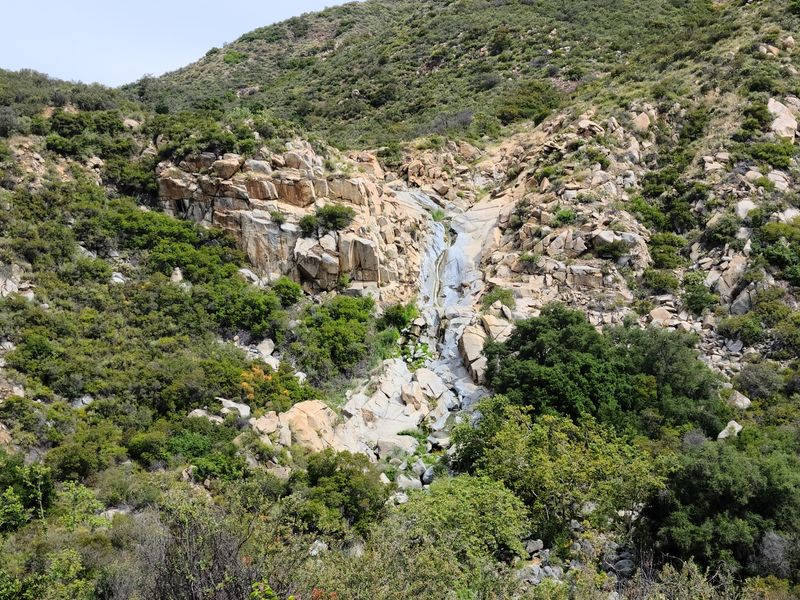
Flowing through the Cleveland National Forest, a series of cascades drops over smooth granite into clear pools.
The trail to the falls follows Tenaja Creek through chaparral-covered hillsides, with occasional shade from oak trees and sycamores near the water.
The main waterfall is multi-tiered, each creating its own pool before the water continues downstream.
During spring, the flow is impressive, and the pools are deep enough for wading, though the water remains cold from rainfall.
By late summer, the waterfall may reduce to a trickle, but the pools often retain water and provide a refreshing stop after the hike.
The trail is about 2 miles round trip with moderate elevation gain, making it accessible for most visitors with basic fitness levels.
Wildflowers bloom along the trail in spring, and the open hillsides offer views of the surrounding mountains and valleys.
This waterfall is known among locals but remains relatively unknown to tourists, keeping the area peaceful even during weekends.
14. Nojoqui Falls
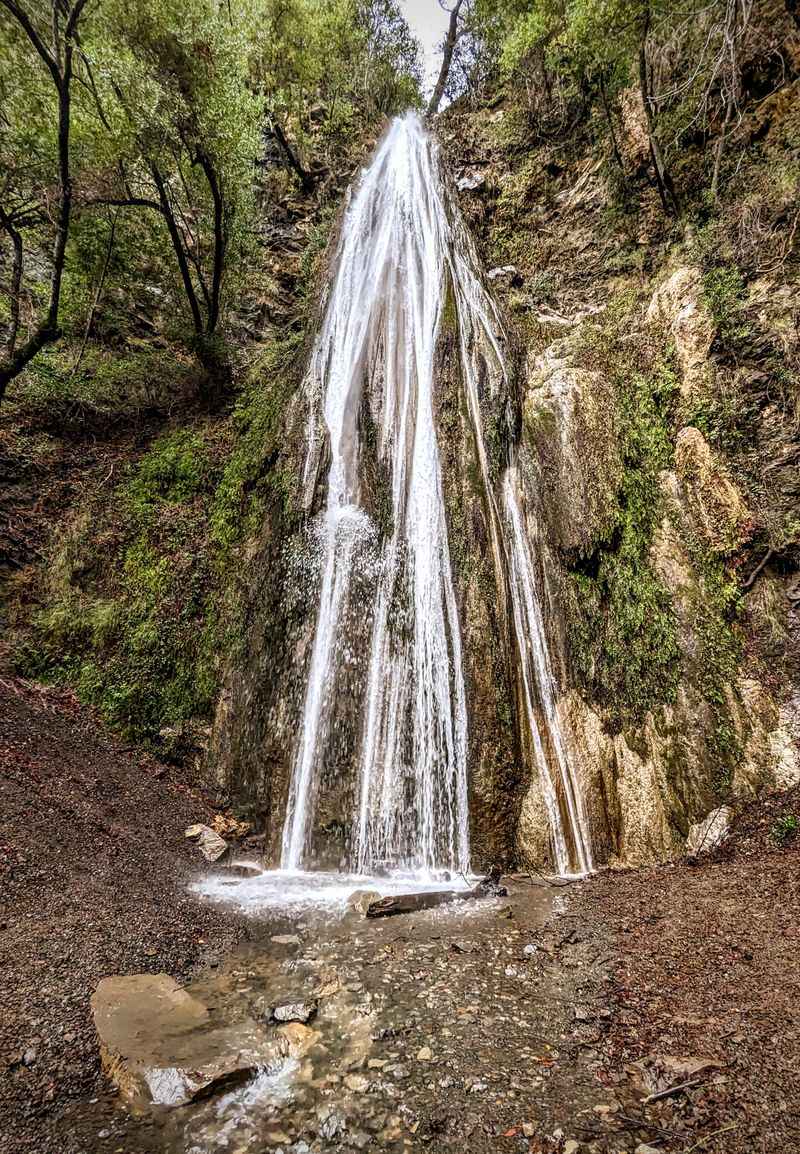
A narrow slot canyon hides a tall ribbon of water that drops 164 feet inside Nojoqui Falls County Park near Solvang. The park’s the trailhead starts near the picnic area.
The trail to the falls is less than half a mile and paved for most of the distance, making it one of the easiest waterfall hikes in the region.
The waterfall is tucked into a fern-covered alcove, where the walls of the canyon rise steeply on either side and create a cool, shaded environment.
The flow varies with rainfall, with the most dramatic displays occurring during and after winter storms.
The surrounding park includes picnic areas, restrooms, and open grassy spaces, making it a popular spot for families and groups.
Despite its accessibility, the waterfall itself retains a sense of natural beauty and tranquility, with the sound of falling water echoing off the canyon walls.
This is a perfect destination for those seeking a short, scenic outing without challenging terrain.
15. Faery Falls
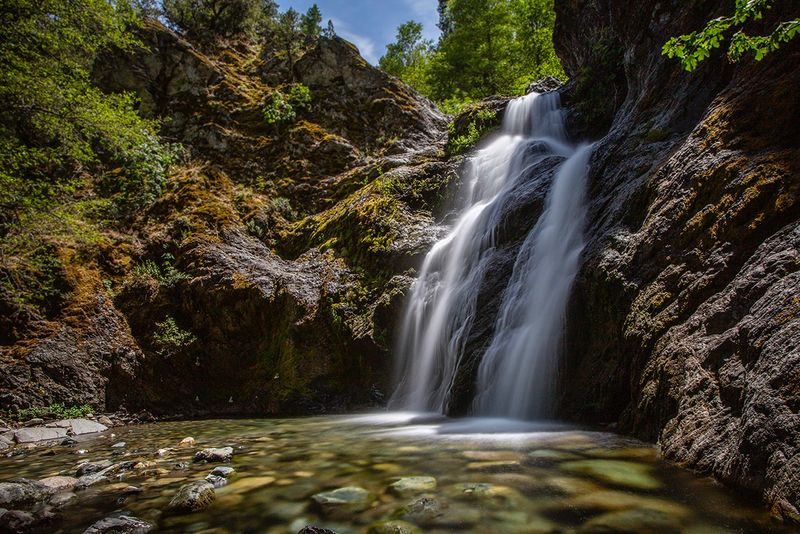
Hidden deep within a canyon, a small creek forms a series of cascades and pools inside a moss-covered grotto.
Reaching the waterfall requires following unmarked trails and navigating through dense brush and rocky terrain.
The main drop is about 20 feet, with water sliding over smooth rock into a shallow pool surrounded by ferns and overhanging vegetation.
The name comes from the ethereal quality of the setting, where filtered light and mist create a dreamlike atmosphere.
This waterfall is seasonal, flowing best in winter and spring, and may dry up entirely during summer and fall.
The remoteness and lack of signage keep visitor numbers very low, and many hikers pass through the area without ever knowing the falls are nearby.
The approach requires some scrambling and comfort with off-trail navigation, making it suitable for experienced hikers rather than casual visitors.
The quiet, hidden nature of Faery Falls makes it a special find for those willing to put in the effort to discover it.