This Snoopy-Themed Museum In California Feels Like Stepping Into Childhood
Walking through a museum dedicated entirely to Peanuts feels like opening a time capsule filled with childhood memories.
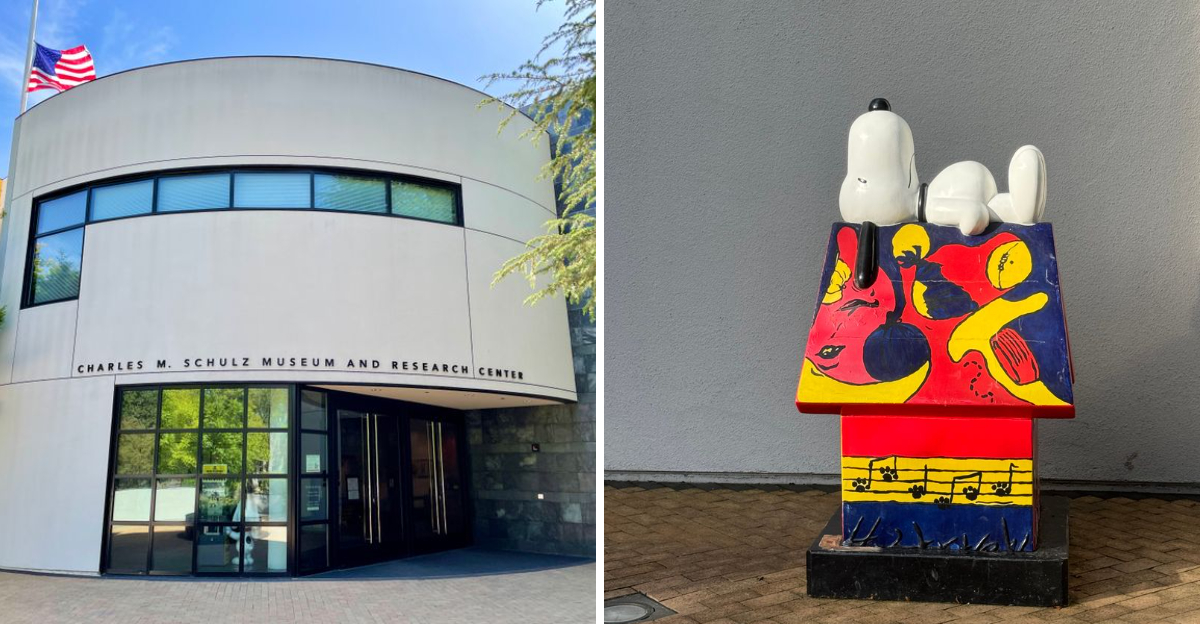
The Charles M. Schulz Museum and Research Center in Santa Rosa stands as a living tribute to one of the most beloved comic strips ever created.
Every corner of this space in California celebrates the simple wisdom and gentle humor that made Charlie Brown, Snoopy, and the whole gang such enduring friends to generations of readers.
Schulz spent decades drawing these characters in Santa Rosa, and the museum now preserves that creative legacy with original artwork, personal artifacts, and interactive exhibits that bring his world to life.
Visitors find themselves surrounded by hand-drawn comic strips, life-sized character sculptures, and galleries that reveal how a shy cartoonist from Minnesota transformed daily observations into universal truths.
The museum opened in 2002, two years after Schulz passed away, ensuring that his work would continue inspiring artists and fans for years to come.
Whether someone grew up reading Peanuts in the Sunday paper or discovered it through television specials, stepping into this museum reconnects them with the warmth and wonder that made those characters feel like real friends.
1. Where The Museum Is Located
Santa Rosa sits in the heart of Sonoma County, surrounded by rolling vineyards and redwood forests that give the region its distinctive character.
The Charles M. Schulz Museum and Research Center stands at 2301 Hardies Lane, tucked into a quiet neighborhood that reflects the understated personality of the cartoonist who made this city his home.
Schulz moved to Santa Rosa in 1958 and remained there for the rest of his life, drawing every single Peanuts strip from his studio just a few miles from where the museum now stands.
Getting to the museum requires a short drive from downtown Santa Rosa, and the surrounding area feels residential rather than touristy.
Parking appears straightforward, with a dedicated lot that handles most visitor traffic without much hassle.
The location puts guests within easy reach of other Schulz-related landmarks, including the Redwood Empire Ice Arena next door, which the cartoonist built and frequented throughout his years in Santa Rosa.
Visiting on a weekday tends to offer a quieter experience, allowing more time to absorb the exhibits without navigating around large groups.
The museum sits close enough to Highway 101 that travelers passing through wine country can easily add it to their itinerary without significant detours.
2. The History Behind Charles M. Schulz Museum And Research Center
Plans for the California museum began taking shape during the final years of Schulz’s life, driven by his wife Jean and a dedicated team who recognized the cultural importance of preserving his work.
The museum officially opened its doors on August 17, 2002, marking what would have been Schulz’s 80th birthday and honoring a legacy that spanned five decades of daily comic strips.
Schulz himself participated in early planning discussions, though he passed away in February 2000 before construction finished.
Jean Schulz championed the project with determination, ensuring the museum would serve as both a research center for scholars and an accessible space for fans of all ages.
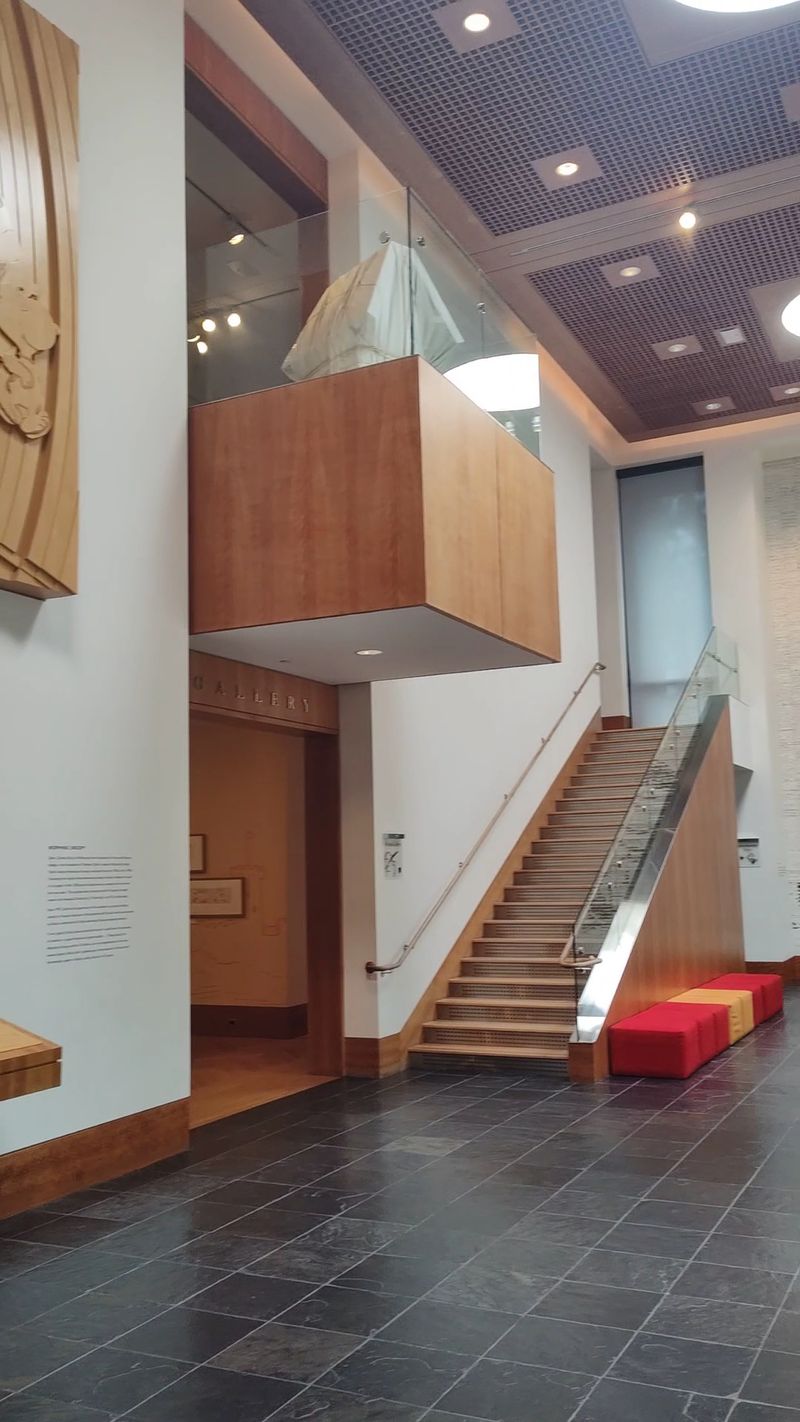
The building itself reflects thoughtful design choices that balance educational purpose with the playful spirit of Peanuts.
Architects incorporated natural light and open spaces that create a welcoming atmosphere rather than the hushed formality of traditional art museums.
From the beginning, the mission focused on preserving and displaying original artwork while also exploring the broader themes Schulz addressed through his characters.
The research center component attracts academics studying everything from mid-century American culture to the evolution of comic strip art.
This dual purpose keeps the museum relevant for both casual visitors seeking nostalgia and serious researchers examining Schulz’s influence on popular culture.
3. First Impressions: Exterior Murals & Grounds
Before stepping inside, visitors encounter vibrant murals that wrap around the museum’s exterior walls, setting an immediately playful tone.
These large-scale artworks feature beloved Peanuts characters in poses that capture their essential personalities.
The outdoor space feels carefully designed to transition guests from the everyday world into Schulz’s creative universe.
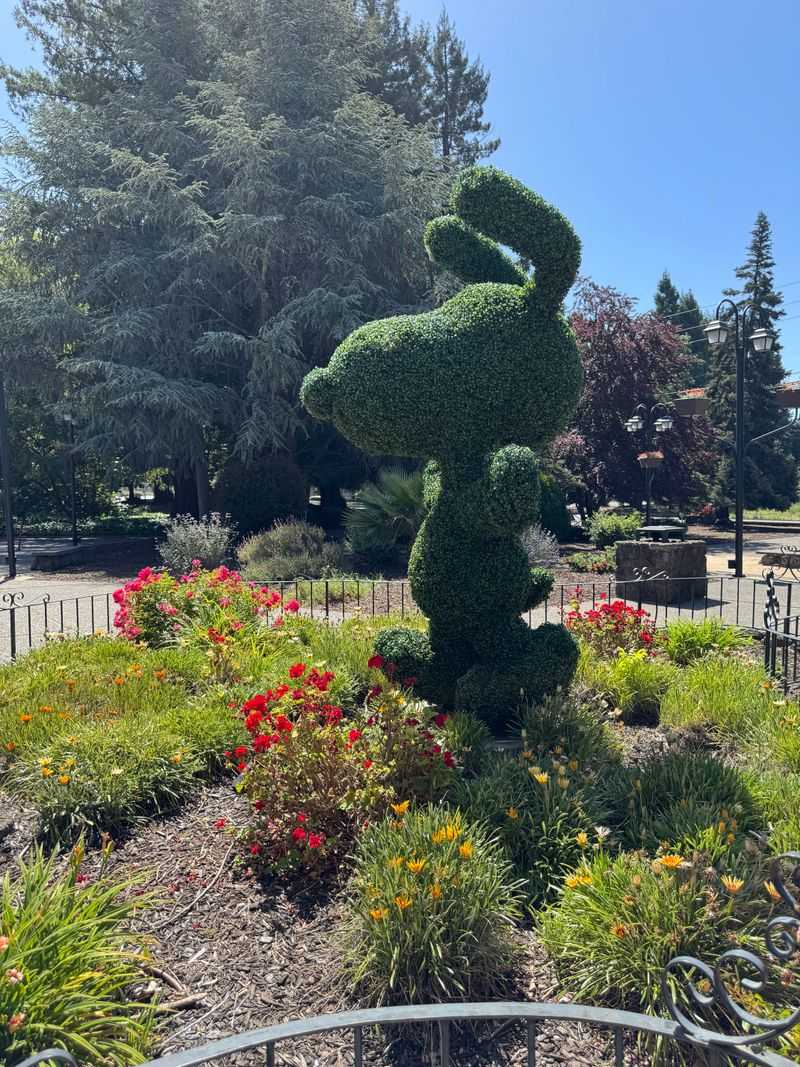
Landscaping incorporates elements that reference the strip itself, creating a sense of entering the Peanuts neighborhood. Benches offer spots to sit and absorb the surroundings before heading inside.
The grounds remain accessible year-round, though different seasons bring changes in how the outdoor areas feel.
One particularly striking outdoor feature is Snoopy’s Labyrinth, a hedge maze shaped like the famous beagle’s head when viewed from above.
Walking through it provides a meditative experience that appeals to both children and adults.
The labyrinth’s design encourages visitors to slow down and engage with the space rather than rushing straight to the entrance.
Photography happens naturally in these outdoor areas, with the murals providing colorful backdrops that make for memorable snapshots.
The exterior presentation manages to feel celebratory without becoming overwhelming, maintaining the gentle humor that defined Schulz’s work. Even on busy days, the grounds offer enough space that they rarely feel crowded or chaotic.
4. The Grand Lobby & Character Welcome Displays
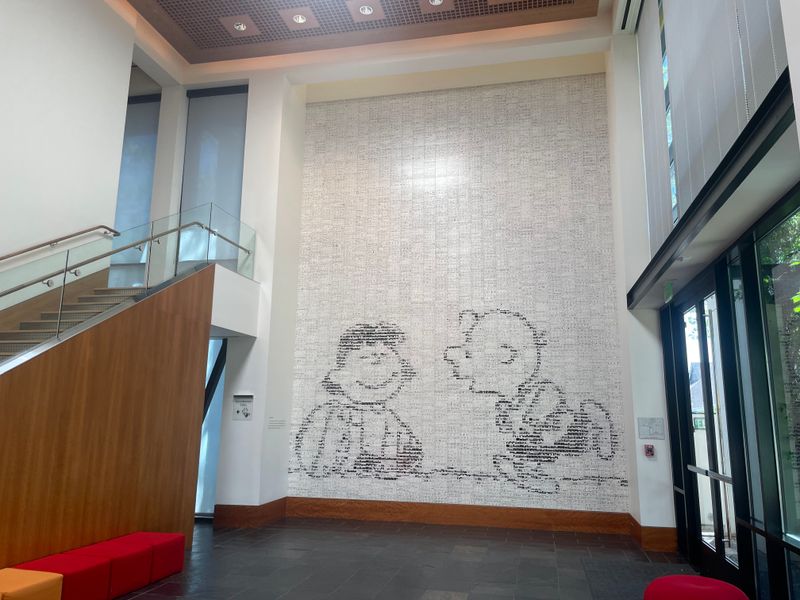
Stepping into the grand lobby creates an immediate sense of arrival, with soaring ceilings and natural light that floods through large windows.
The space feels open and inviting rather than imposing, encouraging visitors to pause and take in the surroundings.
Character displays positioned throughout the lobby serve as greeters, welcoming guests into Schulz’s world with familiar faces.
The most dramatic feature dominates one wall: a massive ceramic tile mural standing 17 feet high, 22 feet wide, and composed of 3,588 individual Peanuts comic strips.
Artist Yoshiteru Otani created this stunning piece, arranging the strips to form a larger image of Lucy holding the football for Charlie Brown.
Getting close reveals individual strips, while stepping back shows how thousands of tiny panels create a single iconic scene.
Another lobby highlight is a wood sculpture by the same artist, weighing 3.5 tons and depicting Snoopy’s evolution from a simple dog to the complex character he became.
The sculpture demonstrates how Schulz’s artistic style developed over decades.
Examining it closely reveals subtle changes in line work and character design that occurred gradually across the strip’s fifty-year run.
The lobby sets expectations for what follows, balancing reverence for Schulz’s achievement with the accessible warmth that made Peanuts so universally beloved.
5. Original Peanuts Comic Strip Artwork
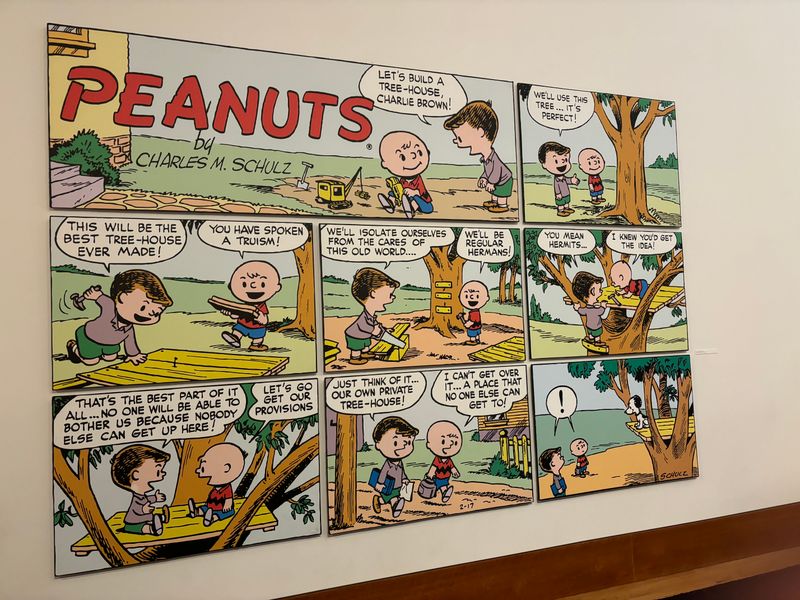
Seeing Schulz’s original comic strips in person reveals details that never appeared in newspaper reproduction.
The museum houses nearly 7,000 original strips, representing the largest collection anywhere in the world.
Schulz worked in pen and ink on paper, and these originals show every pen stroke, correction, and artistic choice he made.
Examining the artwork up close demonstrates the precision and consistency Schulz maintained across decades of daily deadlines.
His line work appears deceptively simple, yet achieving that clean, expressive quality required tremendous skill.
Small corrections made with white-out or paste-over patches reveal his working process, humanizing the art by showing it emerged through effort rather than effortless genius.
The California museum rotates which strips are displayed, ensuring repeat visitors encounter different examples on subsequent trips.
This rotation also helps preserve the originals, as constant light exposure can damage paper and ink over time.
Current displays might focus on particular themes, characters, or time periods, providing context that deepens appreciation for individual strips.
Reading these originals creates a different experience than scrolling through reprints online or in books.
The physical presence of Schulz’s actual handiwork connects viewers directly to the moment of creation, making the art feel immediate and personal in ways reproduction cannot capture.
6. Snoopy-Focused Exhibits & Sculptures
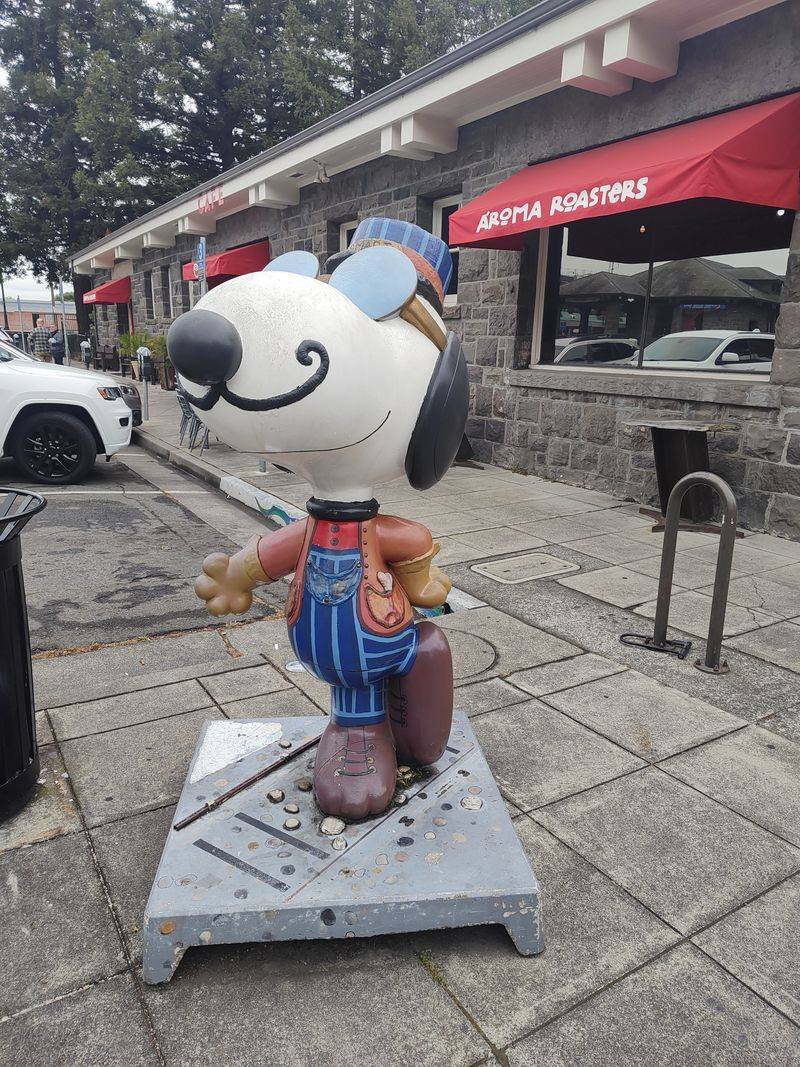
Snoopy evolved from a background character into the strip’s breakout star, and the museum acknowledges his special status with dedicated exhibits.
These displays explore how a simple beagle transformed into a World War I Flying Ace, a world-famous author, and a dozen other personas that captured readers’ imaginations.
Sculptures throughout the museum depict Snoopy in various guises, each one capturing a different aspect of his rich fantasy life.
One gallery examines Snoopy’s relationship with Woodstock, showing how this unlikely friendship developed over years of strips.
The exhibit includes original artwork depicting their adventures together, from camping trips to holiday celebrations.
Seeing these strips in sequence reveals how Schulz built character relationships through small, accumulated moments rather than dramatic events.
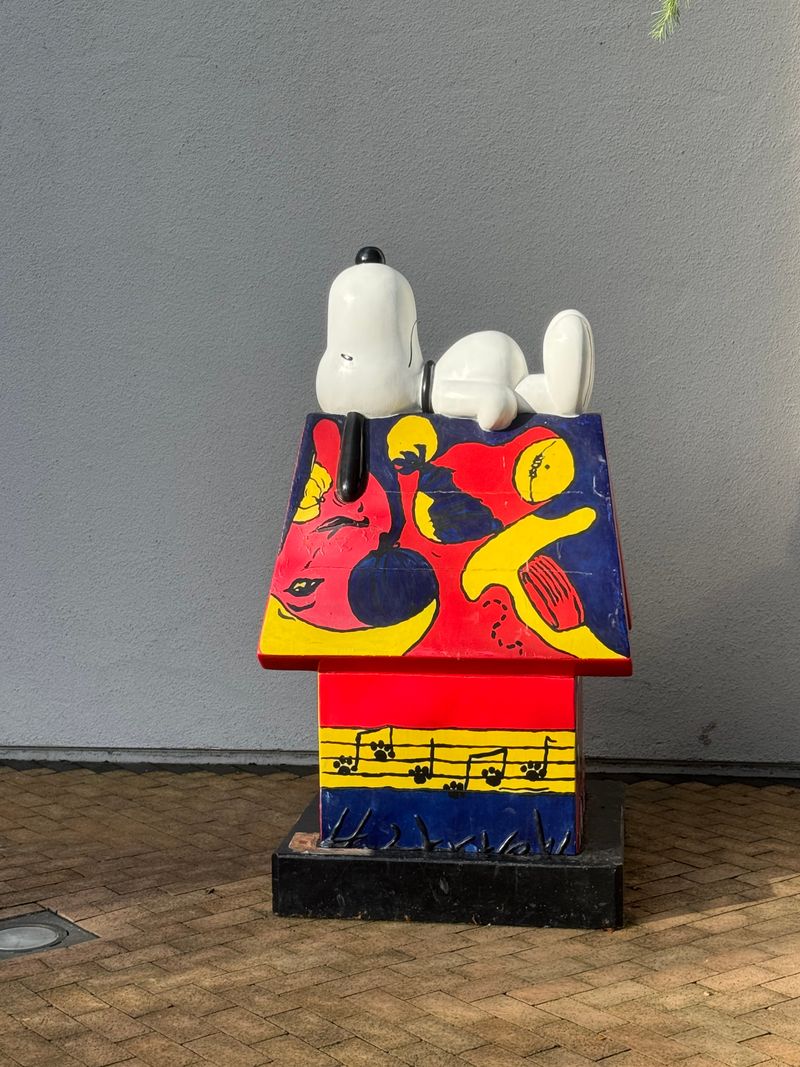
The famous doghouse appears in multiple forms throughout the museum, reminding visitors of the improbable sophistication Snoopy maintained while living in a structure barely large enough for a real dog.
Schulz never showed the inside, leaving it to readers’ imaginations, and the museum respects that choice while celebrating the mystery.
Interactive elements let younger visitors engage with Snoopy’s world through hands-on activities that encourage creativity.
These stations balance educational content with pure fun, recognizing that Snoopy’s appeal spans generations and requires different approaches for different age groups.
7. Life-Sized Peanuts Character Installations
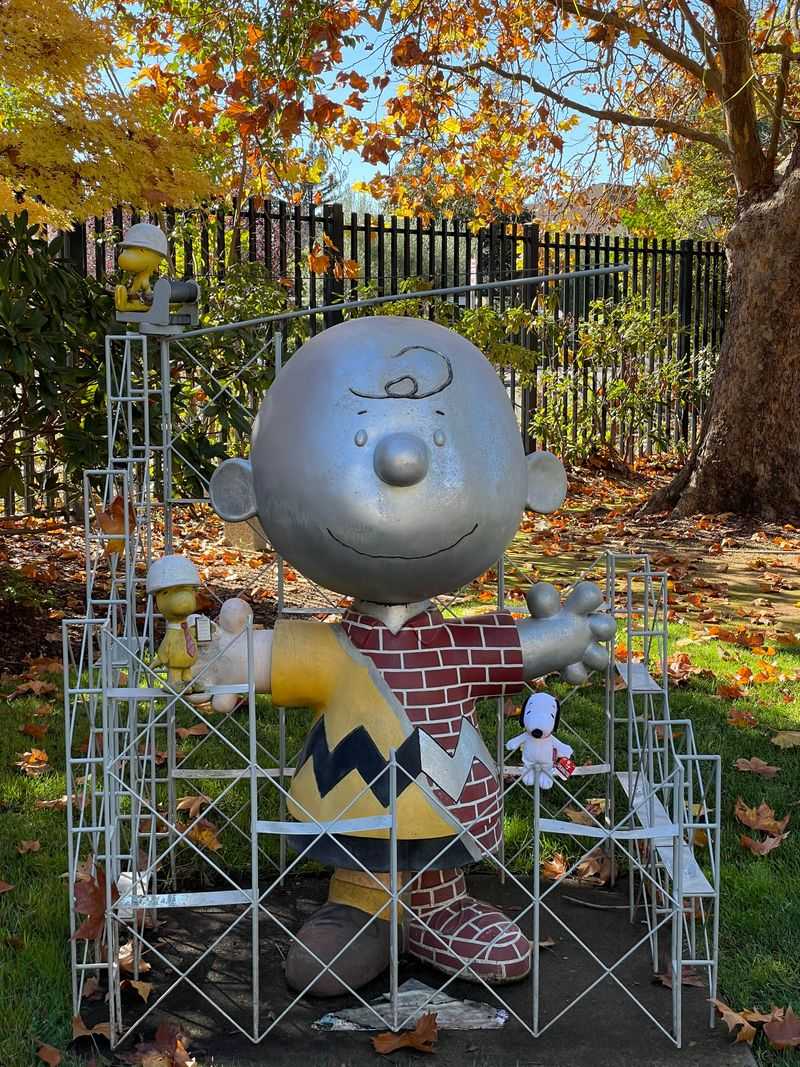
Encountering life-sized versions of characters who existed primarily as two-dimensional drawings creates a delightfully surreal experience in California.
The museum features several installations where Charlie Brown, Lucy, Linus, and others appear as three-dimensional figures positioned in scenes that fans will recognize instantly.
These sculptures translate Schulz’s distinctive artistic style into physical form while maintaining the characters’ essential qualities.
Children particularly enjoy these installations, often posing for photographs with their favorite characters.
Adults find themselves equally drawn to these encounters, perhaps because seeing the gang at human scale makes childhood memories feel momentarily tangible.
The installations appear throughout the museum rather than clustered in one area, creating pleasant surprises as visitors move between galleries.
Artists faced interesting challenges when translating Schulz’s simplified character designs into three dimensions.
His drawings reduced human figures to essential elements, and maintaining that simplicity while creating sculptures that work from all angles required careful consideration.
The results honor Schulz’s aesthetic without attempting to make the characters more realistic or detailed than he drew them.
These installations serve practical purposes beyond photo opportunities, helping orient visitors within the museum and marking transitions between different exhibit areas.
They also provide natural gathering points where families can regroup after exploring separate galleries at their own pace.
8. Interactive Kids’ Activity Areas
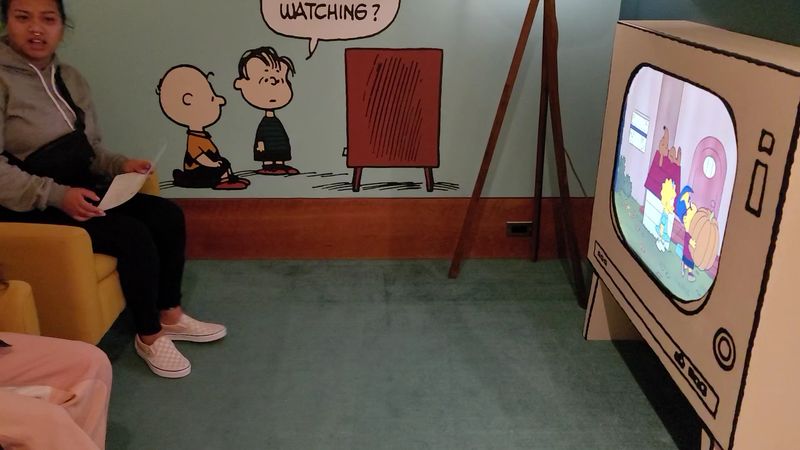
Recognizing that many visiting families include young children, the museum provides dedicated activity areas designed for hands-on engagement.
These spaces encourage kids to create their own comic strips, experiment with drawing techniques, and explore storytelling through sequential art.
Supplies are provided, and the areas feel welcoming rather than overly structured or rule-bound.
One popular station lets children try their hand at drawing Peanuts characters using step-by-step guides that break down Schulz’s designs into manageable shapes.
This activity demonstrates that his apparently simple style requires practice and observation to execute well.
Kids often surprise themselves by producing recognizable characters, building confidence in their artistic abilities.
The activity areas also include reading nooks stocked with Peanuts books, allowing quieter children to engage with the content at their own pace.
Comfortable seating accommodates parents who need a brief rest while their kids explore.
The museum staff clearly designed these spaces understanding that young visitors need different types of engagement to maintain interest during a longer visit.
Educational programs occasionally use these areas for workshops and special events, bringing in guest artists to work with children.
These programs extend the museum’s mission beyond passive viewing, actively fostering the next generation of artists and storytellers inspired by Schulz’s example.
9. Animation, Film & Behind-The-Scenes Galleries
Peanuts expanded far beyond newspaper strips, becoming a television and film phenomenon that introduced the characters to audiences who might never read comics.
The museum dedicates gallery space to exploring this multimedia legacy, displaying animation cels, storyboards, and production materials from beloved specials like “A Charlie Brown Christmas” and “It’s the Great Pumpkin, Charlie Brown.”
Seeing original animation artwork reveals the collaborative process required to translate Schulz’s vision to the screen.
While Schulz maintained creative control over these adaptations, teams of animators, voice actors, and musicians contributed their talents to bring the characters to life.
The museum acknowledges these collaborators while keeping Schulz’s foundational role clear.
Behind-the-scenes materials include correspondence, production notes, and photographs documenting how specific specials developed from concept to finished product.
These artifacts interest both casual fans curious about their favorite holiday traditions and serious students of animation history.
The galleries explain technical aspects of animation production without becoming overly technical or losing general audiences.
Music played a crucial role in the television specials, and the museum explores how Vince Guaraldi’s jazz compositions became inseparable from the Peanuts experience.
Listening stations let California visitors hear these iconic scores while viewing related animation artwork, creating a multisensory experience that recreates the magic of watching the specials.
10. The Museum Gift Shop & Collectibles
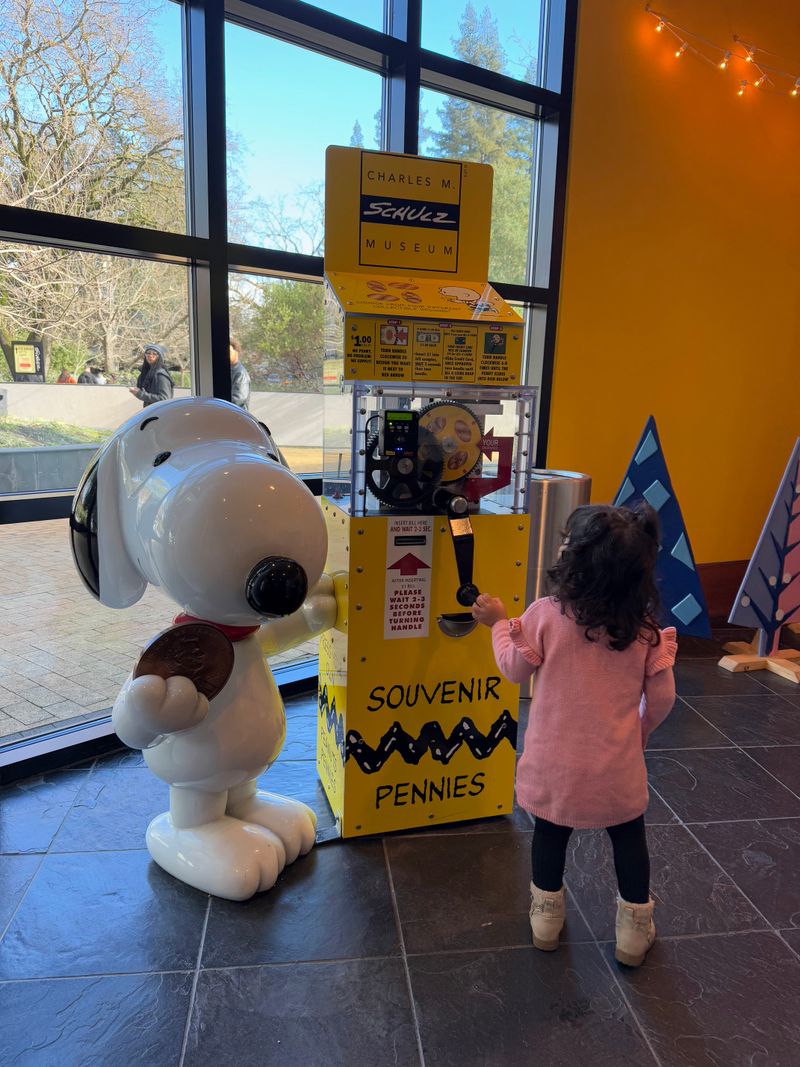
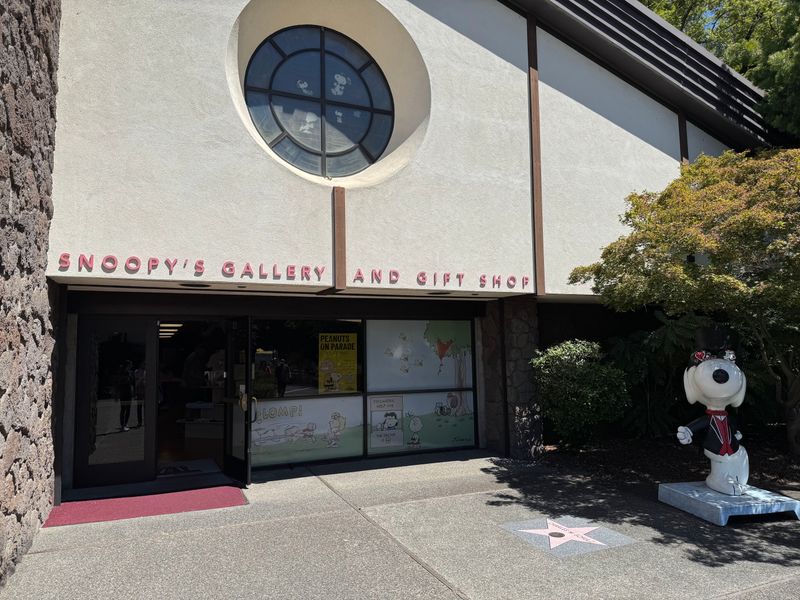
Snoopy’s Gallery and Gift Shop occupies dedicated space within the museum complex, offering everything from simple postcards to high-end collectibles.
The merchandise selection reflects the enduring commercial appeal of Peanuts while maintaining quality standards that respect Schulz’s legacy.
Visitors find items that range from affordable souvenirs for children to serious art books and limited-edition prints for collectors.
The shop stocks exclusive items unavailable elsewhere, making it a worthwhile stop even for those who generally skip museum gift shops.
Original artwork by contemporary artists inspired by Peanuts appears alongside officially licensed merchandise.
Books cover both Schulz’s work and broader topics related to comic strip history and cartooning technique.
Plush versions of Snoopy, Woodstock, and other characters fill entire sections, appealing to collectors and children alike.
These range from small, inexpensive toys to larger, higher-quality versions that function as genuine collectibles. The variety ensures most budgets can accommodate at least one memento of the visit.
Staff members working in the shop tend to be knowledgeable about Peanuts history and can offer recommendations based on visitor interests.
The shop feels like a natural extension of the museum experience rather than a purely commercial afterthought.
Browsing the merchandise provides one final opportunity to engage with Schulz’s world before returning to the outside world.
11. Special Exhibits, Seasonal Displays & Photo Spots
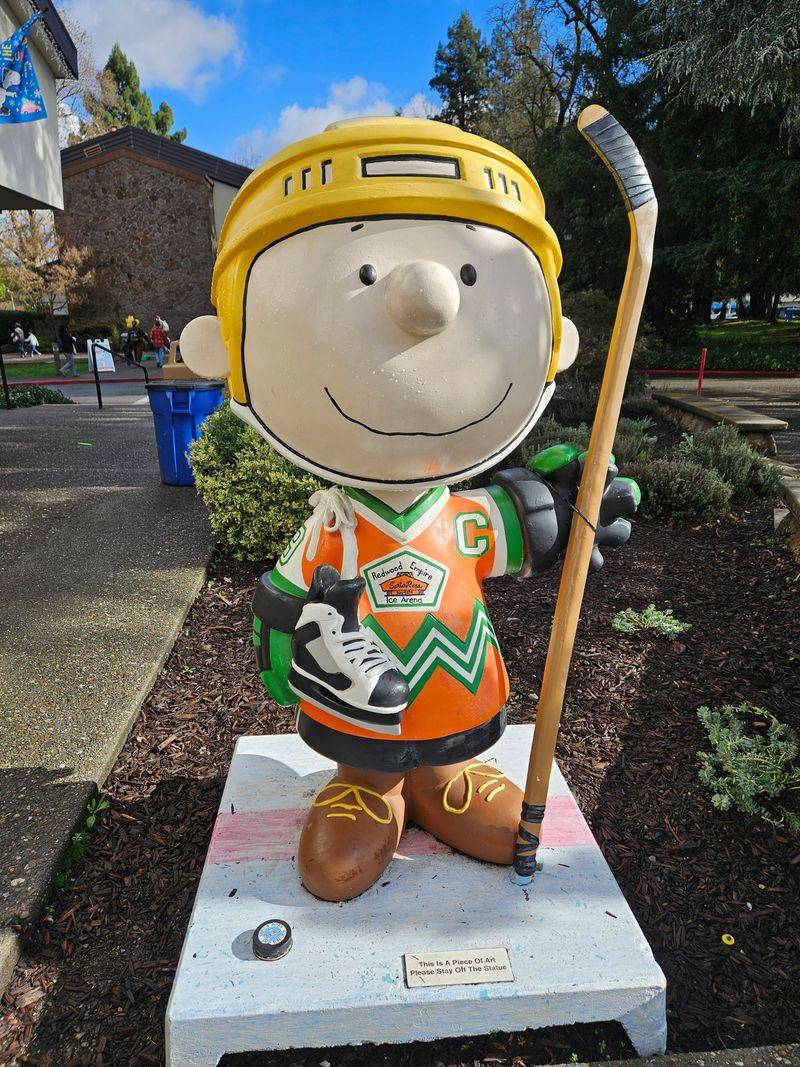
The California museum refreshes portions of its exhibits regularly, ensuring that even frequent visitors encounter something new.
Special exhibits might focus on particular themes, explore Schulz’s influences, or showcase work by contemporary cartoonists carrying forward his legacy.
These rotating displays keep the museum current while maintaining its core mission of preserving and celebrating Schulz’s achievement.
Seasonal displays acknowledge holidays that featured prominently in Peanuts strips, particularly Halloween, Thanksgiving, and Christmas.
These temporary installations draw on the emotional connections many people have with holiday television specials that became annual traditions.
Visiting during these periods adds an extra layer of nostalgia to the experience. Throughout the museum, designated photo spots invite visitors to create shareable memories.
These areas might feature character cutouts, recreated scenes from famous strips, or interactive installations designed specifically for photography.
The museum clearly recognizes that visitors want to document their experience and thoughtfully provides opportunities beyond casual snapshots.
Admission prices remain reasonable, with adults paying fifteen dollars, seniors paying ten dollars, and students or youth paying seven dollars as of 2025.
The museum operates Monday through Friday from 11:00 am to 5:00 pm and weekends from 10:00 am to 5:00 pm, closing on Tuesdays.
Planning a visit requires checking current hours, as special events occasionally modify the regular schedule.
12. The Legacy Of Charles M. Schulz
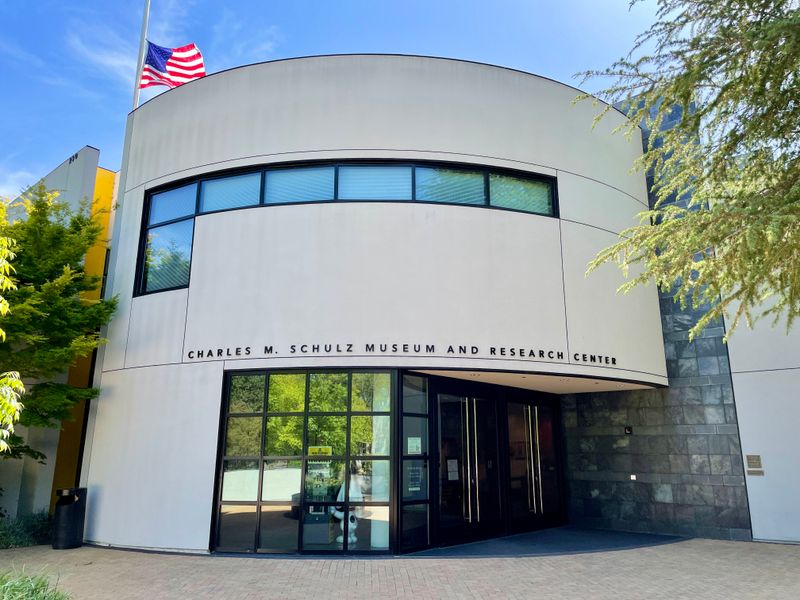
Charles Schulz created Peanuts in 1950 and drew every single strip himself for nearly fifty years, never relying on assistants or ghost artists.
That personal commitment meant each panel carried his distinctive artistic voice and philosophical perspective.
Schulz ended the strip only when illness made it impossible to continue, with the final original comic appearing in newspapers on February 13, 2000, one day after his death.
His characters tackled surprisingly complex themes for a comic strip, addressing loneliness, anxiety, unrequited love, and the small disappointments that shape childhood.
Charlie Brown’s perpetual struggles resonated because they felt genuine rather than manufactured for easy laughs.
Snoopy’s elaborate fantasy life offered an escape that readers of all ages understood instinctively.
Schulz drew inspiration from his own experiences, including childhood insecurities, military service, and his passion for hockey and ice skating.
The red-haired girl Charlie Brown admired from afar reflected Schulz’s own high school crush. Lucy’s psychiatric booth spoofed the growing popularity of therapy in mid-century America.
These personal touches gave the strip emotional depth that transcended typical newspaper humor.
The California museum preserves this legacy by showcasing how Schulz’s life experiences translated into art that touched millions.
Visitors leave understanding that Peanuts succeeded not despite its creator’s vulnerabilities but because of them.