This Iconic Los Angeles, California Parade Kicks Off Lunar New Year In Spectacular Fashion
Every year as winter begins to loosen its grip, one Los Angeles neighborhood explodes with color, noise, and nonstop celebration.
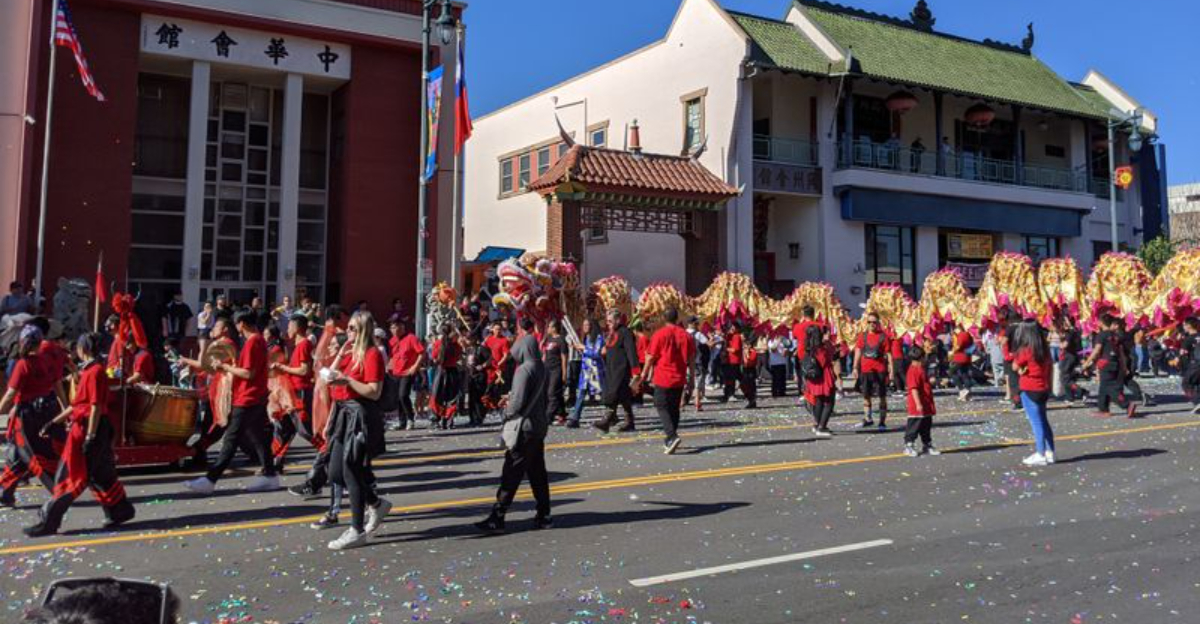
The Golden Dragon Parade transforms Chinatown into a moving spectacle of dancing lions, booming drums, and shimmering floats that wind through packed streets.
Dating back to 1899, this iconic event has grown into one of the most anticipated Lunar New Year celebrations in North America – and the 127th edition is set to be bigger than ever.
Crowds gather shoulder-to-shoulder for a glimpse of the massive golden dragon as it twists and turns through the heart of the neighborhood.
Performers spend months preparing elaborate costumes and high-energy routines, while families arrive early to secure the best viewing spots.
The atmosphere feels electric, blending ancient traditions with modern showmanship in a way that keeps spectators coming back year after year.
From martial arts and marching bands to colorful cultural performances, every moment feels photo-worthy – a street spectacle that shows why it’s one of California’s most exciting celebrations.
1. The Golden Dragon Parade Returns To Los Angeles In 2026
Saturday, February 21, 2026 marks the return of one of the most anticipated cultural celebrations in Southern California.
The 127th Annual Golden Dragon Parade will transform the streets of Chinatown into a vibrant showcase of tradition, artistry, and community spirit.
This year honors the Year of the Fire Horse, bringing with it symbolism of energy, passion, and forward momentum.
Organizers have been planning for months to ensure every detail creates a memorable experience for attendees.
The parade has grown significantly since its humble beginnings over a century ago, now drawing more than 80,000 spectators from across the region and beyond.
Participants include local schools, cultural organizations, martial arts academies, and international performance groups.
The event runs from 1:00 PM to 4:00 PM, giving families plenty of time to enjoy the procession and explore the surrounding neighborhood.
Street closures begin at 10:00 AM to allow for setup and safety preparations. Vendors set up booths early in the morning, offering everything from traditional crafts to festival snacks.
Attendees can feel the excitement building as performers warm up and floats line up in formation.
The atmosphere becomes electric as the starting time approaches and crowds fill every available viewing spot along the route.
2. A Lunar New Year Tradition In Chinatown
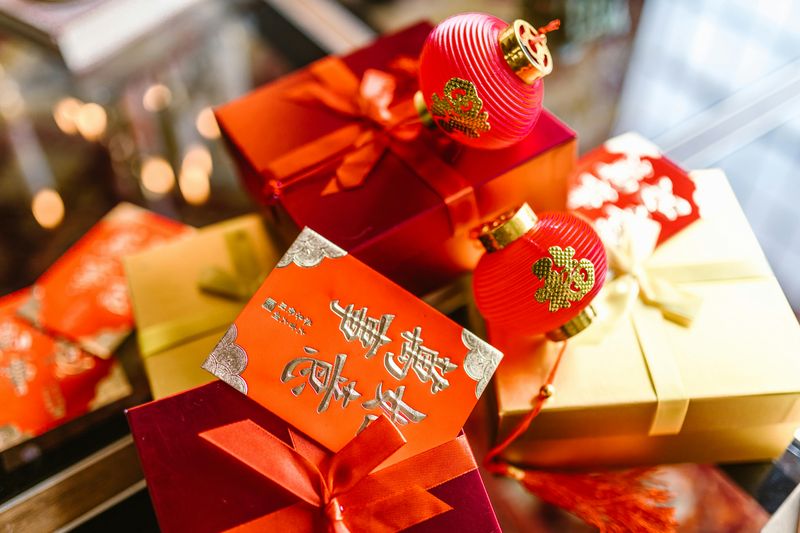
Few neighborhoods in California hold as much cultural significance as this historic enclave in downtown Los Angeles.
Chinatown has served as a gathering place for generations of families celebrating their heritage and welcoming the lunar new year.
The Golden Dragon Parade represents the centerpiece of these annual festivities, drawing together past and present in a single spectacular event.
Traditional customs come alive during this celebration in ways that connect modern audiences with ancient practices.
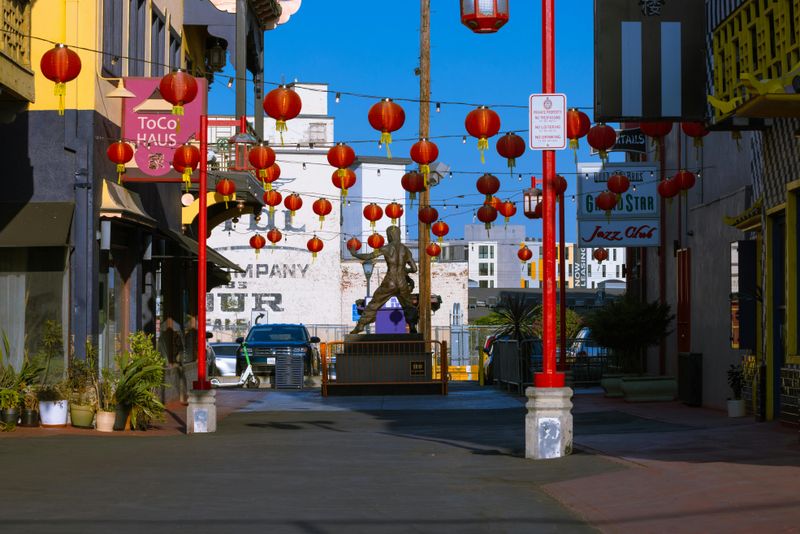
Red and gold decorations cover storefronts and street poles, colors chosen for their symbolic meanings of luck and prosperity.
Families dress in their finest attire, often incorporating traditional garments passed down through generations.
The neighborhood itself becomes part of the celebration, with restaurants offering special menus and shops displaying festive merchandise.
Visitors can explore authentic markets selling ingredients for traditional dishes, decorative items, and gifts meant to bring good fortune.
The aroma of incense mixes with the scent of street food, creating a sensory experience that captures the essence of the holiday.
Community members take pride in maintaining these traditions while also welcoming newcomers to learn and participate.
The parade serves as both a preservation of cultural heritage and an invitation for all Angelenos to experience something meaningful together.
3. What To Expect At The 2026 Golden Dragon Parade
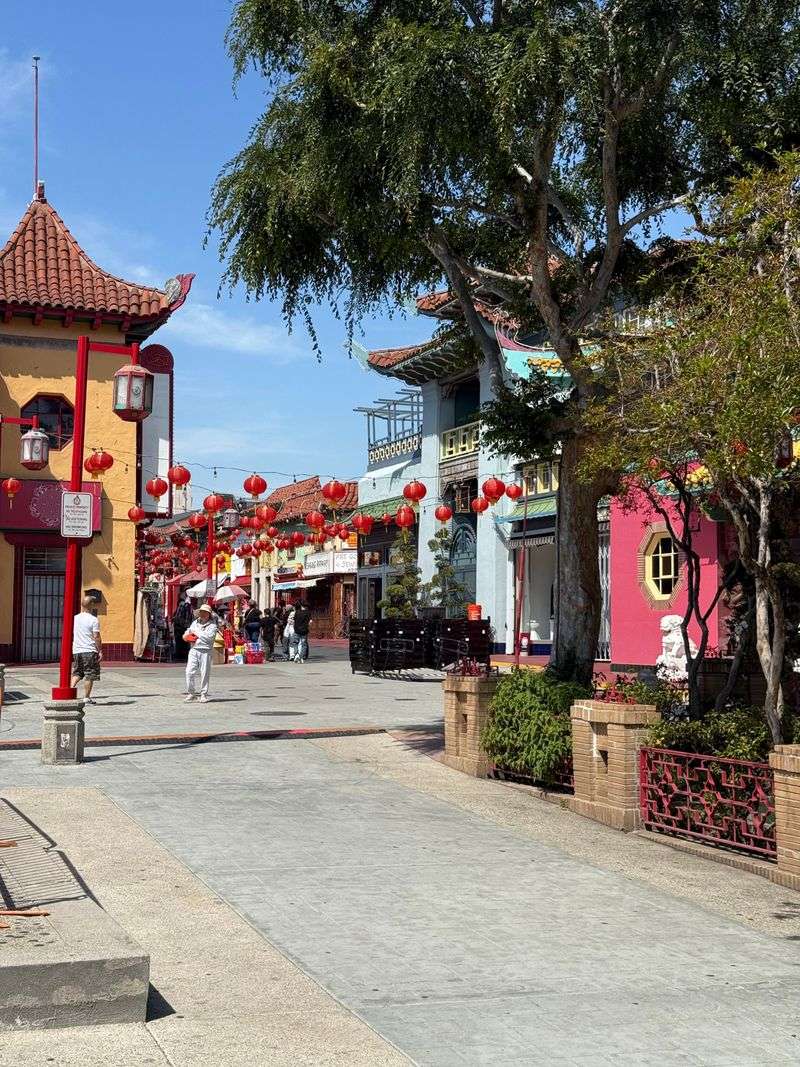
Massive dragon puppets requiring dozens of performers to operate will snake their way through the streets, their golden scales catching sunlight and creating a mesmerizing visual effect.
These dragons represent the parade’s namesake and most iconic element, with some stretching over 100 feet in length. Performers train for weeks to master the coordinated movements that bring these creatures to life.
Lion dance troupes will leap and tumble through choreographed routines that combine acrobatics with traditional symbolism.
The lions visit businesses along the route, performing blessing ceremonies meant to bring prosperity for the coming year.
Drums and cymbals provide a rhythmic soundtrack that can be heard blocks away. Marching bands from local schools add contemporary energy to the traditional festivities.
Their presence highlights how the parade embraces both old and new, creating space for different forms of artistic expression.
Float designs range from elaborate historical recreations to modern interpretations of lunar new year themes.
Martial arts demonstrations showcase the discipline and skill of practitioners from various schools and traditions.
Performers execute complex forms and weapons techniques that demonstrate years of dedicated practice.
Cultural dance groups in colorful costumes perform choreography representing different regions and ethnic traditions from across Asia.
4. Parade Route And Street Closures
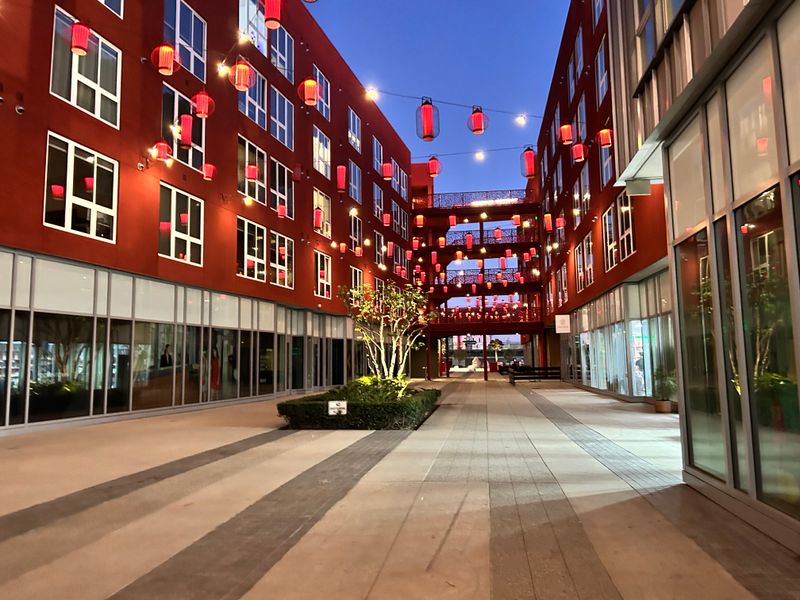
Planning ahead becomes essential for anyone hoping to attend or simply navigate the area on parade day.
Street closures affect a significant portion of Chinatown, beginning at 10:00 AM and lasting until late afternoon.
North Hill Street serves as the main artery affected, along with connecting streets that feed into the parade route.
The procession travels in a loop pattern that allows it to cover maximum ground while keeping participants and spectators in relatively close proximity.
Central Plaza acts as a focal point where the parade makes several passes, giving those stationed there multiple opportunities to see performances.
Side streets provide alternative viewing locations that sometimes offer less crowded perspectives. Barriers and crowd control measures ensure safety while maintaining clear sightlines for spectators.
Police officers and event staff position themselves at key intersections to manage traffic flow and assist with emergencies.
Designated crossings allow people to move between different sections of the viewing area, though these may close temporarily when parade elements pass through.
Residents and businesses within the closure zone receive advance notice and special access instructions. Delivery vehicles must complete their routes before restrictions take effect.
Emergency vehicle access remains available throughout the event, with protocols in place to quickly clear paths if needed.
5. When And Where The Parade Takes Place
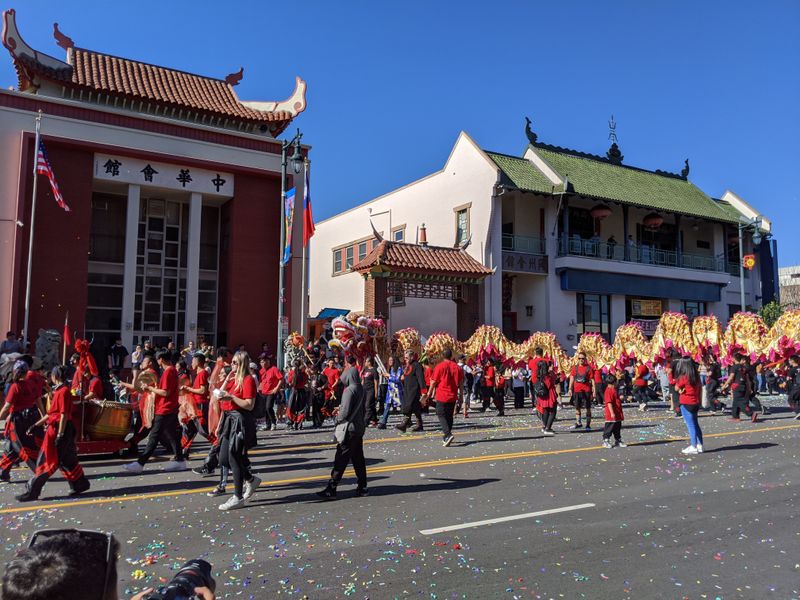
The parade kicks off at the intersection of North Hill Street and Ord Street, right in the heart of historic Chinatown.
This starting point has become iconic over the decades, serving as the launching pad for the spectacular procession that follows.
Spectators often arrive hours early to secure prime viewing positions near this intersection. From there, the route winds through Central Plaza, allowing the parade to showcase itself to maximum effect.
The plaza provides natural gathering spaces where families can spread out and enjoy the festivities. Buildings lining the route feature traditional architecture that adds to the authentic atmosphere of the celebration.
Timing matters when planning a visit to this event. Gates and viewing areas open well before the 1:00 PM start time, and many experienced attendees recommend arriving by late morning.
Street closures begin at 10:00 AM, which means parking becomes increasingly difficult as the day progresses. Public transportation offers the most reliable way to reach Chinatown on parade day.
Metro lines provide direct access to the neighborhood, and rideshare drop-off zones are designated several blocks away from the main route.
Walking from nearby areas becomes easier than navigating through closed streets and detours once festivities begin.
6. Cultural Performances And Festivities
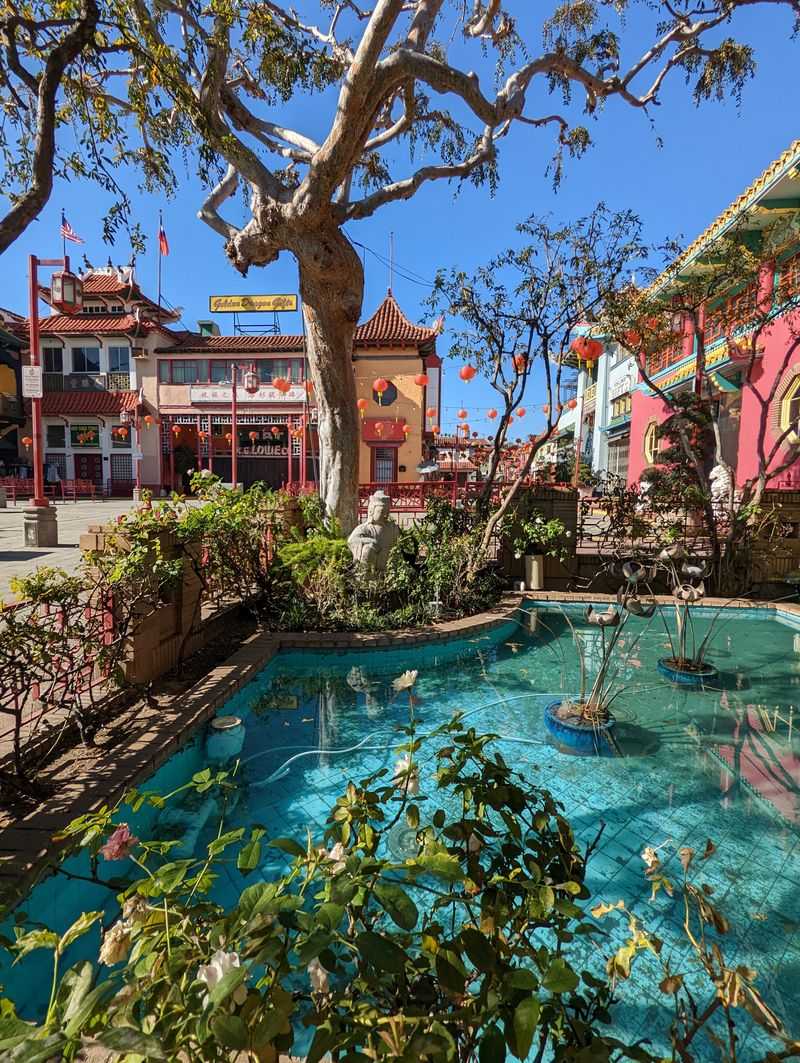
Beyond the parade itself, the surrounding area transforms into a festival ground filled with additional entertainment and activities.
Stages set up near Central Plaza host continuous performances throughout the day, featuring everything from traditional opera excerpts to contemporary fusion acts.
Musicians playing traditional instruments like the erhu and guzheng create atmospheric soundscapes between parade segments.
Calligraphy artists demonstrate their craft, creating custom pieces for visitors while explaining the meanings behind different characters and symbols.
Children gather to watch and sometimes try their hand at holding the special brushes used in this ancient art form.
Paper cutting displays showcase intricate designs that require incredible precision and patience to create. Food vendors offer an array of options that go far beyond typical festival fare.
Dumplings, bao buns, and noodle dishes provide authentic tastes prepared by families who have perfected their recipes over generations.
Sweet treats like egg tarts and sesame balls satisfy those looking for dessert options. Interactive booths teach visitors about zodiac animals, lucky colors, and other aspects of lunar new year traditions.
Face painting stations create temporary dragon and lion designs on children’s cheeks. Craft tables invite participation in making simple decorations or learning basic origami techniques.
7. How To Watch The Parade In Person
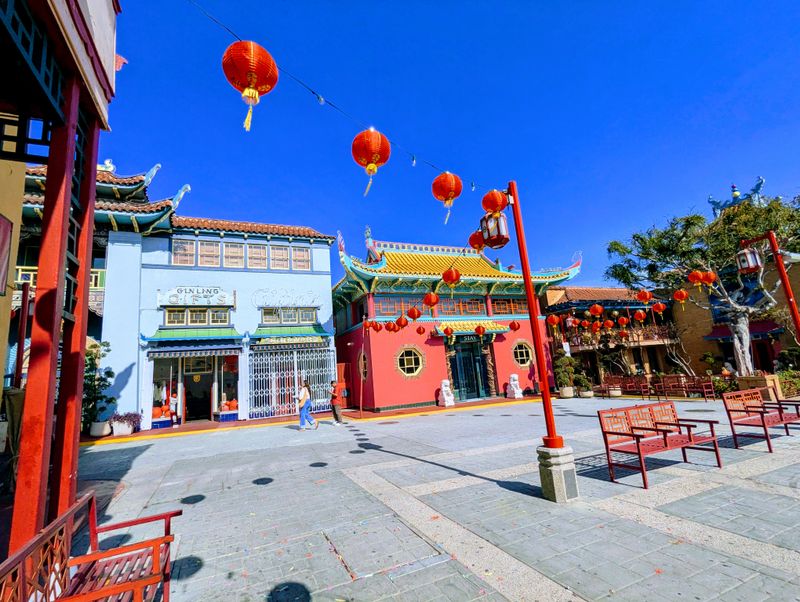
Arriving early makes a significant difference in the viewing experience. Many seasoned parade-goers claim spots along the route by mid-morning, bringing folding chairs, blankets, and supplies for a comfortable wait.
Shade becomes precious as the afternoon sun warms the area, so positioning near buildings or bringing umbrellas helps.
The parade route offers different advantages depending on where spectators choose to stand. Areas near the starting point see performances when energy levels are highest and formations are tightest.
Sections further along the route sometimes provide more relaxed viewing with slightly thinner crowds.
Families with small children benefit from positioning near the back of spectator areas where quick exits are possible if needed.
Strollers can be difficult to maneuver once crowds thicken, so baby carriers often work better. Restroom access becomes limited once the parade begins, so planning bathroom breaks beforehand prevents issues.
Photography enthusiasts should consider sun position and background elements when choosing their spot.
The parade moves at a steady but not rushed pace, allowing time to capture multiple shots of favorite elements.
Video recording works best when phones or cameras are held steady rather than constantly panning.
Bringing water and snacks ensures comfort during the multi-hour event, though purchasing from local vendors also supports the community.
8. Ticketed Grandstand Seating Options
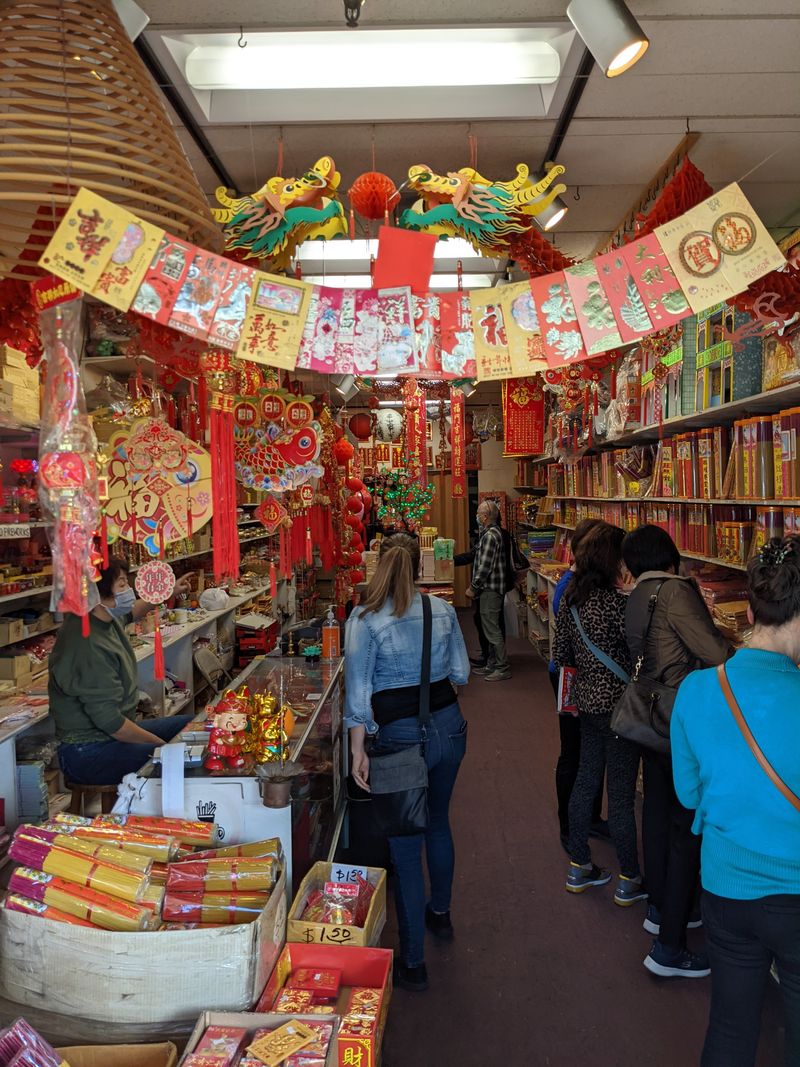
Reserved seating provides an elevated viewing experience for those willing to purchase tickets in advance.
Grandstands erected along prime sections of the route offer clear sightlines above the standing crowds.
Seats come with the added benefit of guaranteed space, eliminating the need to arrive hours early or jostle for position.
Ticket prices vary depending on seat location and proximity to key parade elements. Front-row positions naturally command higher prices but provide the most immersive experience.
Upper rows still offer excellent views while costing less, making them popular with budget-conscious families.
Purchasing tickets early is strongly recommended as grandstand sections often sell out weeks before the event.
Official vendors provide legitimate seating options, while third-party resellers may charge inflated prices or sell invalid passes. Confirmation emails should be printed or saved digitally for easy access on parade day.
Grandstand areas typically include nearby restroom facilities and sometimes food concessions, adding convenience to comfort.
Seat assignments are usually specific, so arriving at the designated section prevents confusion. Staff members check tickets and direct people to correct rows.
Some grandstand packages include additional perks like commemorative programs or preferred parking passes.
Group rates may be available for families or organizations purchasing multiple seats together.
9. Celebrity Guests And Community Groups
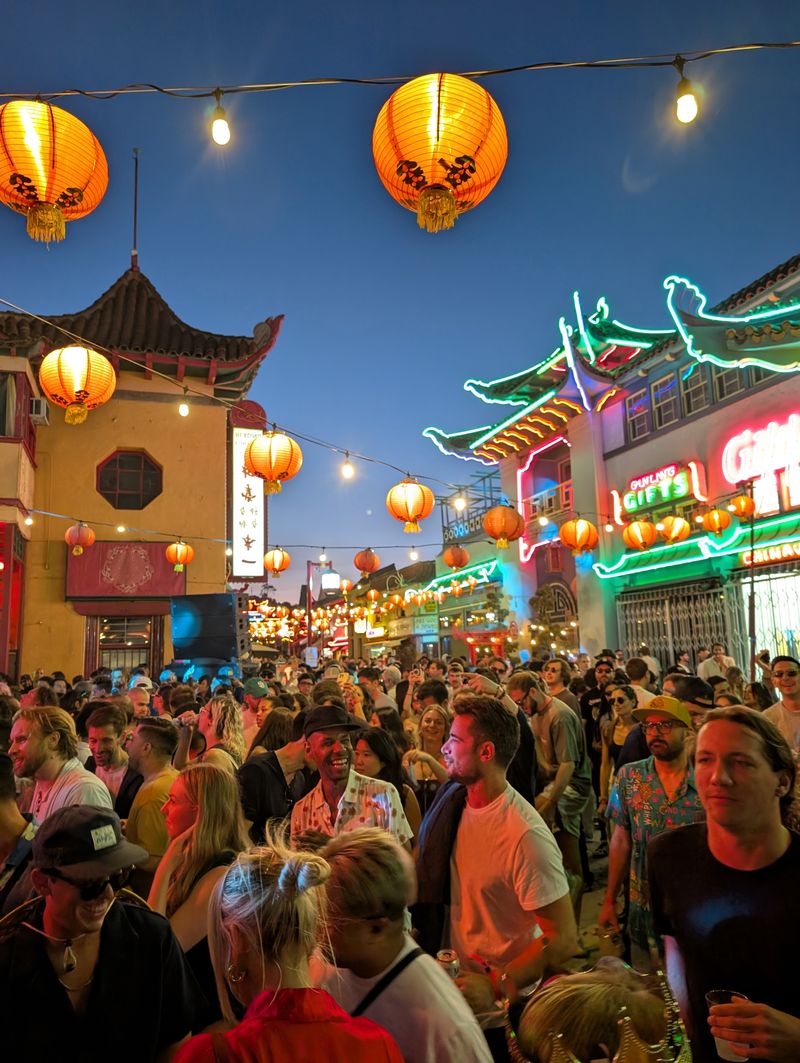
Public figures and local leaders traditionally participate in the parade, riding on decorated floats or walking alongside community groups.
Politicians, business leaders, and entertainment personalities appear as honored guests, waving to crowds and showing support for cultural celebrations.
Community organizations represent diverse neighborhoods and cultural backgrounds, demonstrating how the parade welcomes participation beyond any single ethnic group.
Youth groups, senior centers, and nonprofit organizations march together, carrying banners that identify their affiliations.
School bands provide musical accompaniment, their members proud to perform for such large audiences.
Martial arts schools showcase their students’ skills, with practitioners ranging from young children to adult masters.
These demonstrations honor the physical disciplines that have been passed down through generations. Kung fu academies coordinate their routines to highlight different fighting styles and weapon forms.
Business associations and professional groups also join the procession, connecting their modern enterprises to traditional celebration.
Chamber of commerce members and trade organizations use the parade as an opportunity to strengthen ties with the community.
Cultural centers and language schools participate to raise awareness of their educational programs.
The variety of participants creates a tapestry that reflects the true diversity of Los Angeles while honoring the specific heritage being celebrated.
10. The History Of The Golden Dragon Parade
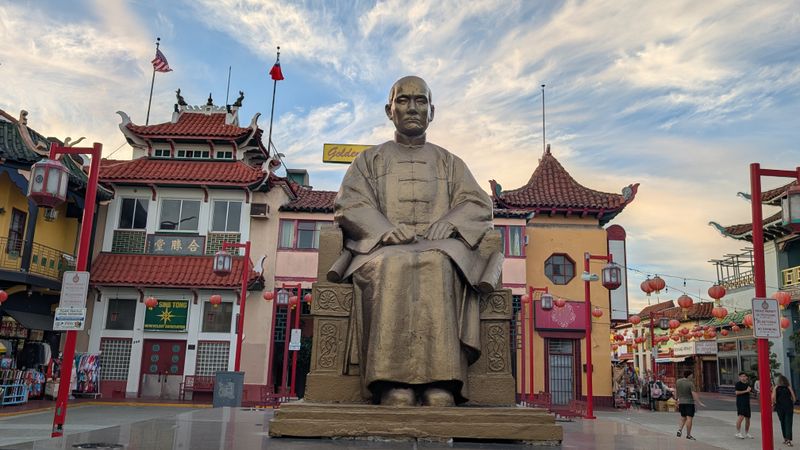
The parade’s origins trace back to late 1800s, making it one of L.A.’s oldest Chinatown traditions of its kind in the United States.
Early versions were much smaller affairs, organized by local merchants and community members who wanted to share their traditions with neighbors.
The event has survived economic downturns, world wars, and dramatic changes to the surrounding city.
Growth came gradually over the decades as Chinatown evolved and the broader population became more interested in cultural celebrations.
What started as a modest procession of a few dozen participants eventually expanded into the massive spectacle seen today.
The golden dragon itself became the parade’s signature element in later years, representing prosperity and good fortune.
Historical photographs show how parade styles and participation have changed while core traditions remained constant.
Early images feature participants in simple traditional dress, while modern versions include elaborate costumes and professional-grade floats.
The route has shifted slightly over time as the neighborhood developed and traffic patterns changed.
Preservation efforts by cultural organizations and civic groups have ensured the parade’s continuation through challenging periods.
Community leaders recognized the event’s value not just as entertainment but as a living link to heritage and history.
Younger generations now organize and participate, carrying forward responsibilities once held by their grandparents.
11. Nearby Places To Eat And Celebrate After
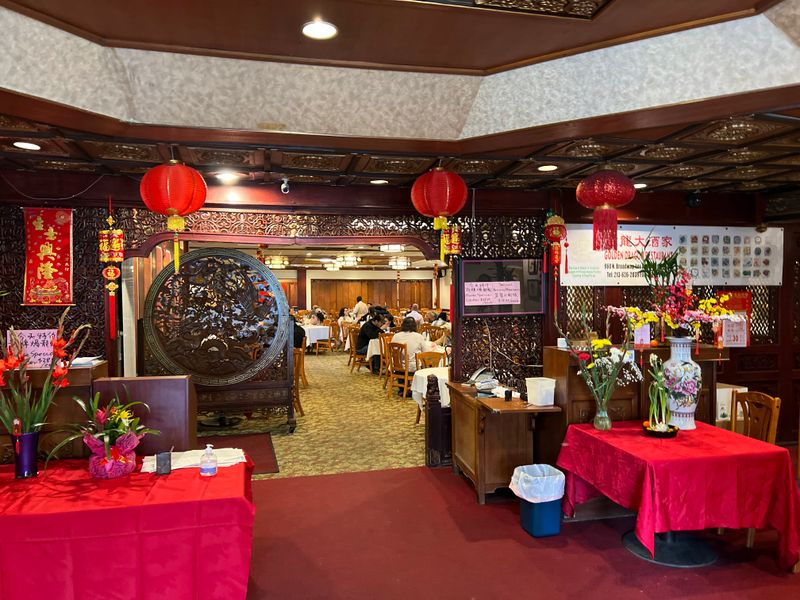
Once the parade concludes, hungry spectators have countless dining options within walking distance.
Chinatown’s restaurants range from casual noodle shops to upscale establishments serving regional specialties.
Many places offer special lunar new year menus featuring dishes considered particularly auspicious for the holiday.
Dim sum restaurants become especially popular after the parade, with families gathering for late lunches that stretch into early evening.
Steaming baskets of dumplings, buns, and other small plates arrive at tables in endless succession. The communal style of dining matches the celebratory atmosphere, with large groups sharing multiple dishes.
Bakeries display special holiday treats in their windows, from sweet rice cakes to cookies stamped with lucky symbols.
Lines form outside popular shops as people purchase boxes of goodies to take home or give as gifts. The smell of fresh baking draws people inside even if they hadn’t planned to stop.
Tea houses provide quieter alternatives where visitors can rest and reflect on the day’s festivities. Traditional brewing methods and rare varieties offer experiences beyond typical beverage service.
Some establishments feature seating areas designed for contemplation and conversation. Markets remain open late, allowing people to shop for ingredients or decorative items while the festive energy continues.
12. Why This Is One Of L.A.’s Biggest Lunar New Year Events
The scale and longevity of this parade set it apart from other lunar new year celebrations throughout California.
Drawing more than 80,000 attendees annually, it represents one of the largest single-day cultural events in the Los Angeles area.
The numbers reflect not just the size of the local Asian American community but also the broad appeal of the celebration itself.
Media coverage amplifies the parade’s reach far beyond those who attend in person. Television stations broadcast segments featuring highlights, while social media posts spread images and videos globally.
This exposure helps maintain the parade’s prominence and introduces it to new audiences each year. The event’s free admission removes barriers that might prevent families from participating.
Unlike ticketed festivals or attractions, anyone can experience the parade simply by showing up. This accessibility aligns with the communal spirit of lunar new year celebrations, where welcoming others brings good fortune.
Coordination between city officials, business owners, and cultural organizations demonstrates strong institutional support.
Permits, security, cleanup, and logistics require cooperation from multiple agencies and groups. The successful execution of such a complex event year after year speaks to deep community commitment.
For many Angelenos, attending the Golden Dragon Parade has become a personal tradition that marks the passage of time and connects them to something larger than themselves.