This Pooler Georgia Museum Is An Imaginary World Where Your Kids Can Be Shopkeepers And Fishermen
In Pooler, Georgia, just outside Savannah, one museum invites children to step into a world built entirely around curiosity and imagination. The Children’s Museum of Pooler offers interactive exhibits where kids are encouraged to explore, create, and learn through hands-on play.
Instead of simply observing displays, young visitors can become part of the action by running a market stall, steering a shrimp boat, or stepping into other playful roles that reflect everyday life in coastal Georgia. Each area is designed to turn simple curiosity into an engaging adventure that feels both fun and educational.
Parents quickly discover that the museum offers far more than a typical stop for children’s entertainment. The lively atmosphere encourages creativity, movement, and storytelling at every turn. For families traveling through the Savannah area, the Children’s Museum of Pooler provides a memorable experience that keeps young minds active and excited long after the visit ends.
1. Interactive Exhibits That Teach Through Play
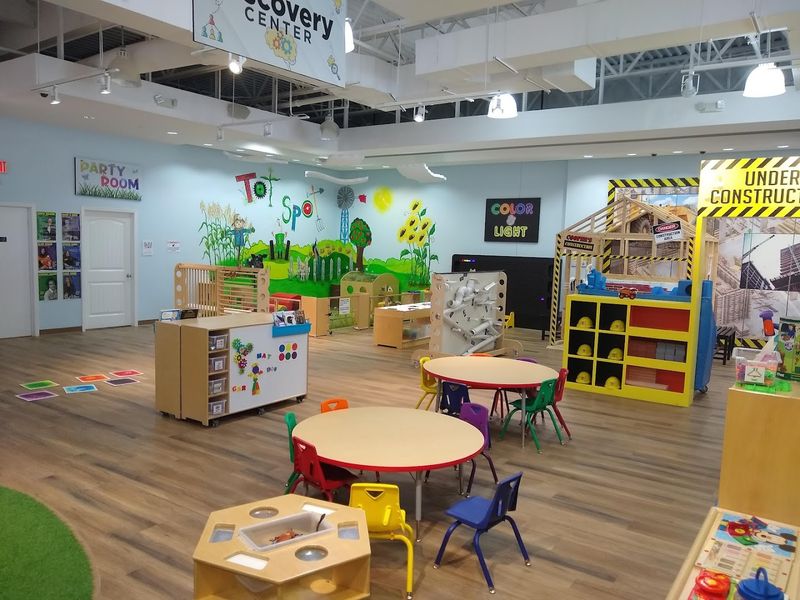
Some museums ask kids to look but not touch. The Children’s Museum of Pooler, located at 200 Tanger Outlets Blvd, Suite 191, Pooler, GA 31322, flips that rule completely on its head. Every corner of this space is built around the idea that children learn best when their hands are busy.
From sensory stations to role-play setups, each exhibit is thoughtfully designed to connect real-world concepts with playful exploration. Kids are not passive observers here; they are the main event. Parents often find themselves just as engaged, watching their children problem-solve and collaborate in ways that feel natural rather than forced.
This approach aligns with research showing that play-based learning supports cognitive development, social skills, and creativity all at once. A visit here feels less like a field trip and more like an afternoon where learning sneaks up on everyone in the best possible way.
2. Lil’ Sprout’s Market Role-Play Experience
Hand a five-year-old a little basket and watch their entire personality shift into full shopkeeper mode. Lil’ Sprout’s Market at the Children’s Museum of Pooler is one of those exhibits that children gravitate toward immediately, drawn by the familiar setup of shelves, a checkout counter, and play food that looks surprisingly convincing.
Kids rotate between being customers and running the register, naturally practicing counting, communication, and cooperation without realizing any of it is educational. The social dynamics that unfold here are genuinely entertaining to watch, especially when two strong-willed toddlers both want to be the cashier at the same time.
Beyond the fun, this exhibit quietly introduces concepts like money, commerce, and community roles in a way that sticks. It is the kind of experience that might inspire a child to set up their own pretend store at home the very next day, which honestly sounds like a win.
3. Gone Fishing Shrimp Boat Adventure
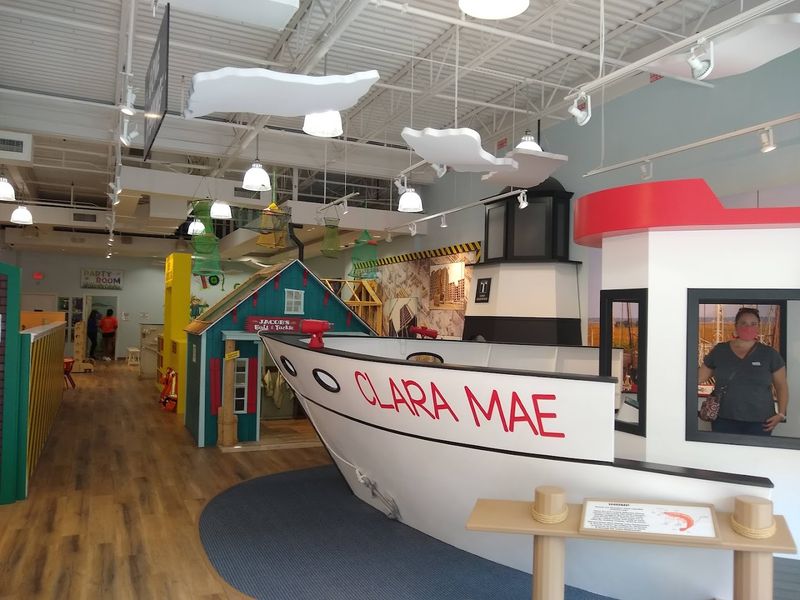
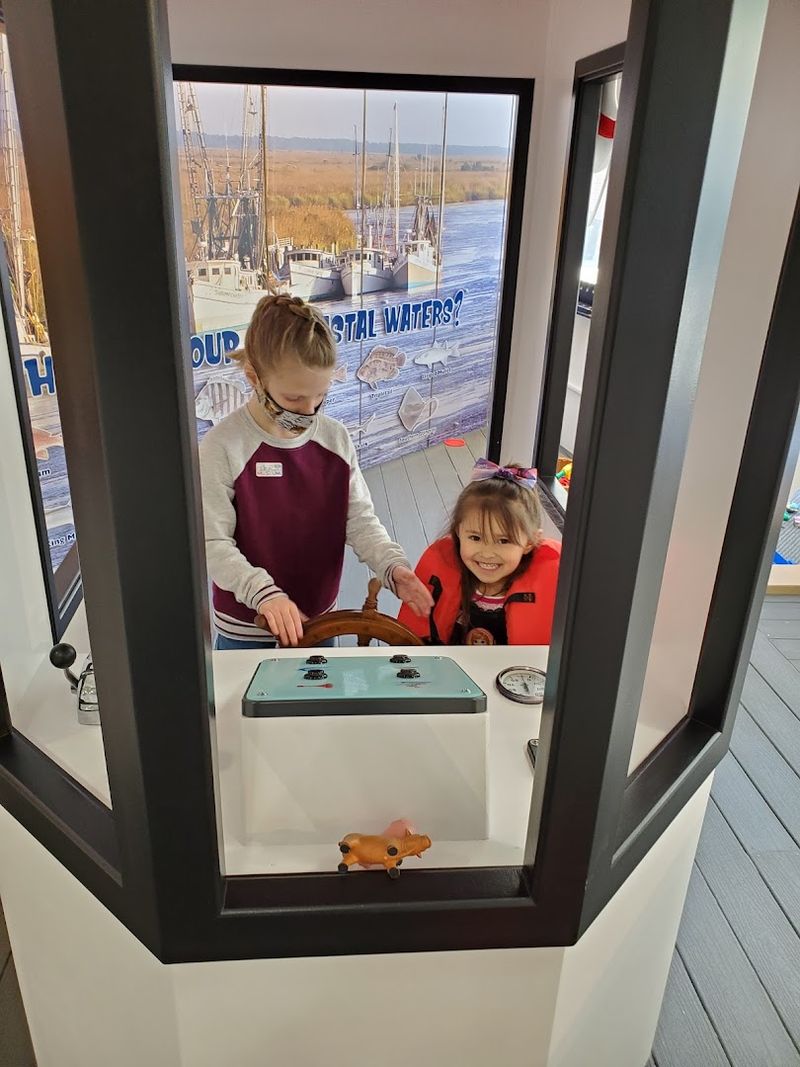
Not every kid grows up near the water, but the Gone Fishing exhibit at the Children’s Museum of Pooler gives every child a chance to feel like a coastal Georgia local for a while. The highlight is a shrimp boat kids can actually climb aboard and navigate, channeling the spirit of the working waterways that define this region.
Along the way, young visitors learn about the shrimping industry, local marine life, and what life on the water actually looks like. It is one of those rare exhibits that manages to be both geographically specific and universally exciting, connecting children to a piece of Georgia culture they might not encounter anywhere else.
Families visiting from inland areas especially tend to linger here longer than expected. Something about the tactile experience of pretending to haul in a catch makes the whole thing feel surprisingly real, even without the salt air and seagulls.
4. Under Construction Building Zone
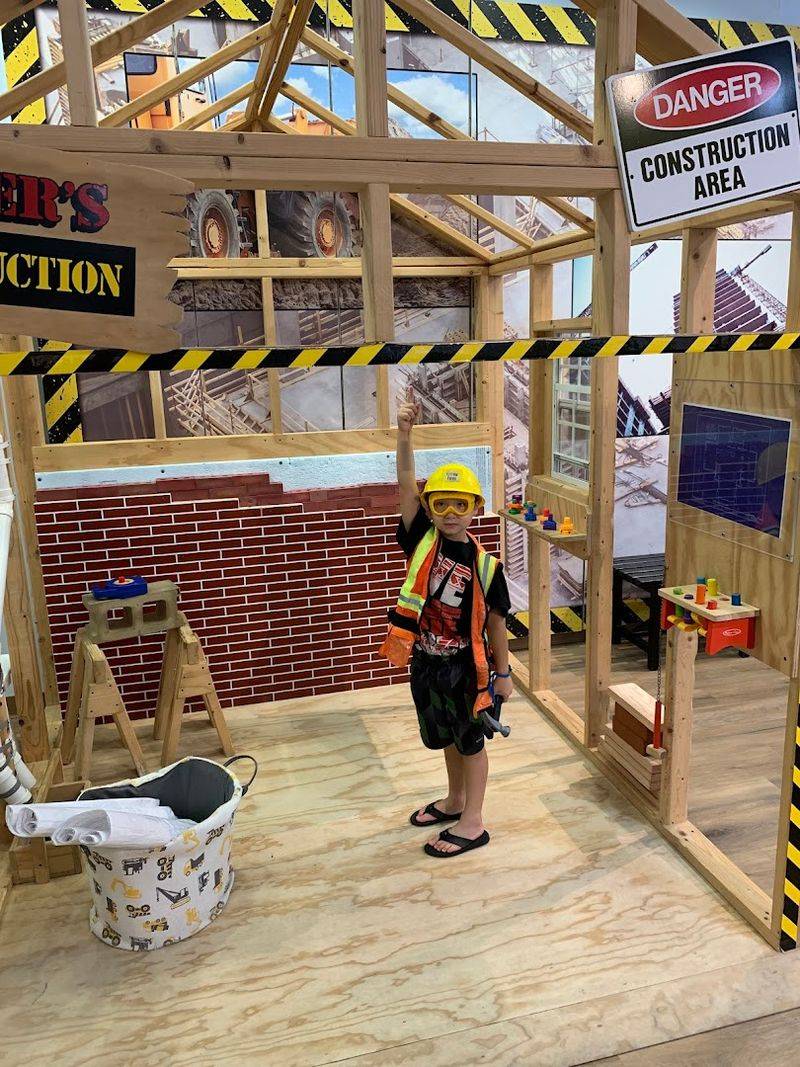
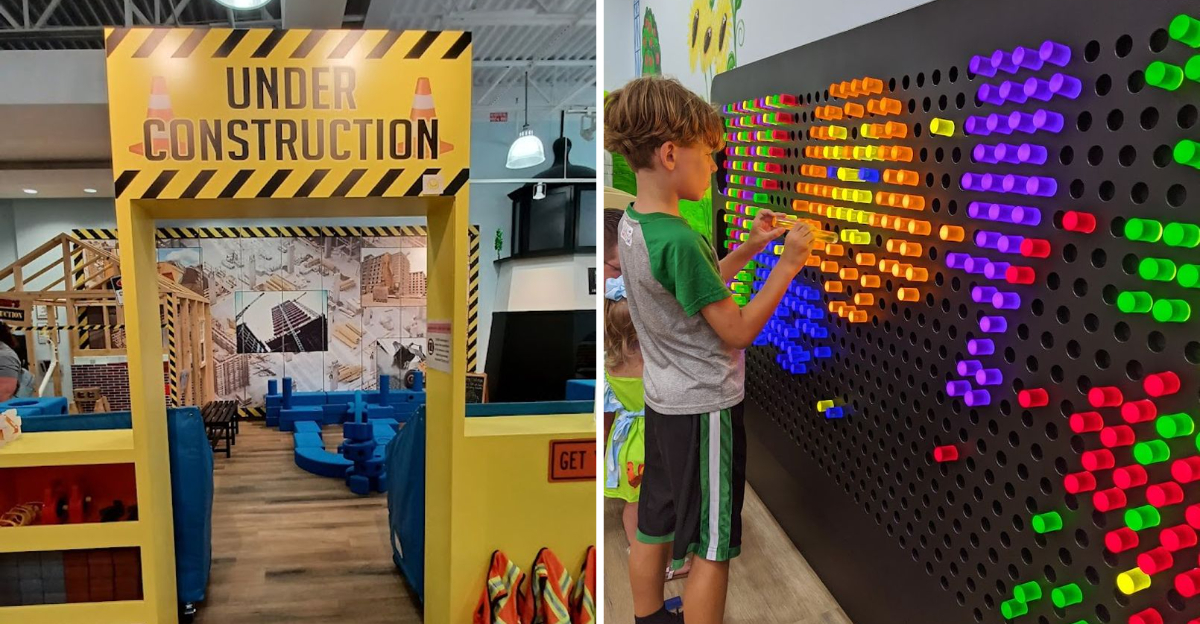
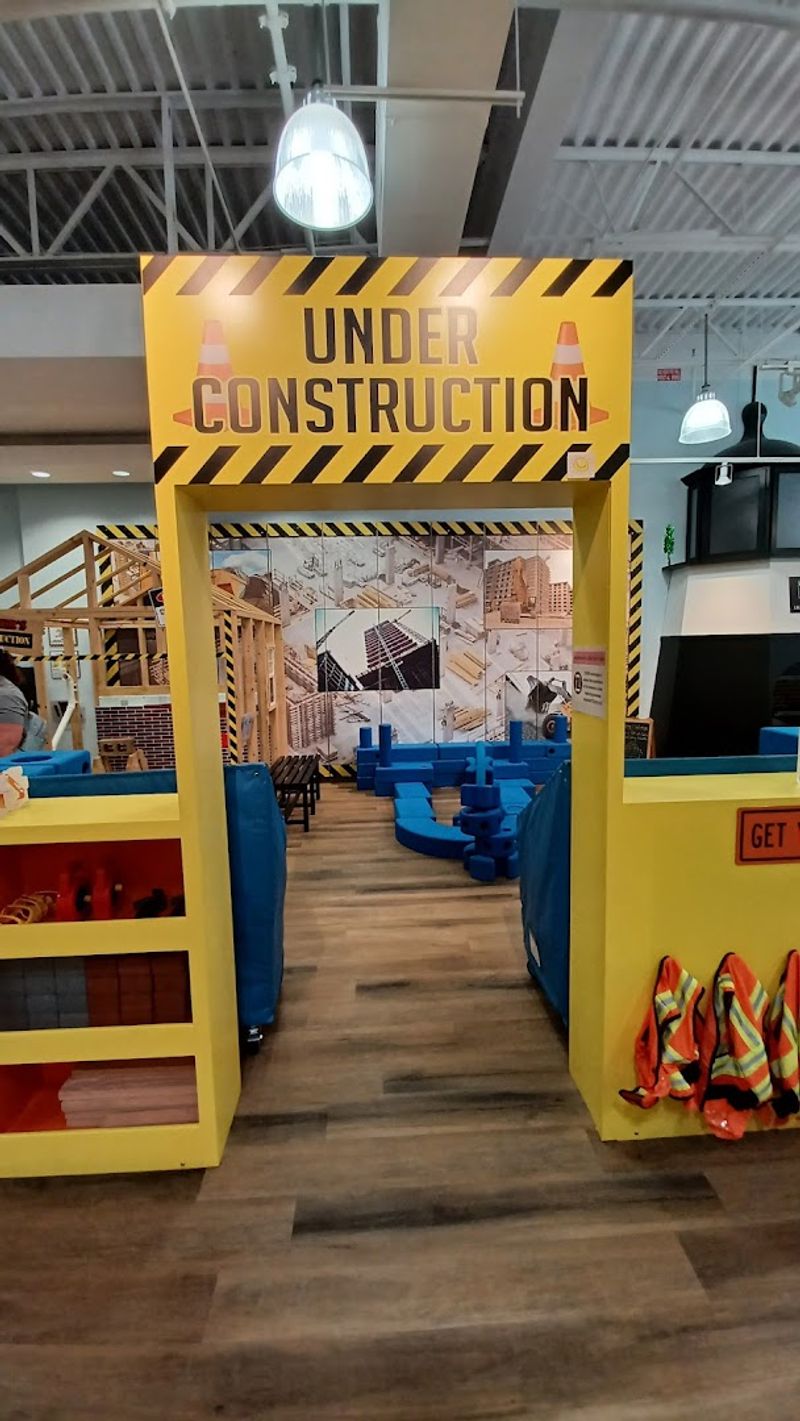
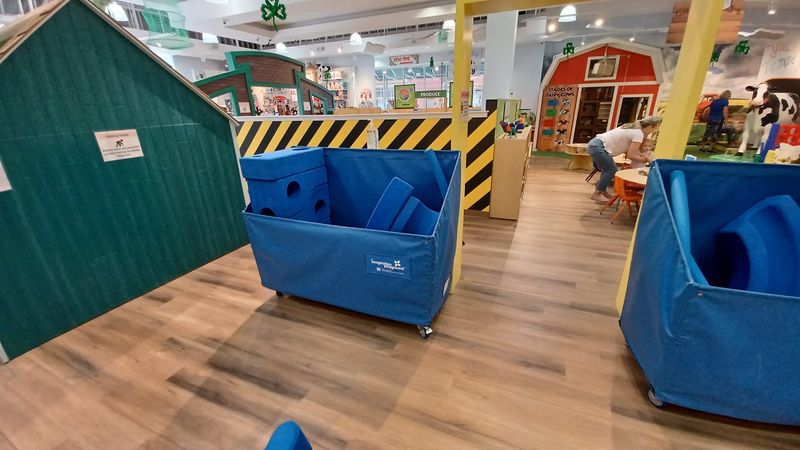
There is something deeply satisfying about stacking a tower as tall as yourself and then watching it tumble down. The Under Construction exhibit at the Children’s Museum of Pooler taps directly into that primal building instinct, offering Imagination Playground blocks and Legos that invite kids to design, test, and rebuild as many times as they want.
The exhibit encourages creative problem-solving by letting children set their own goals. Want to build a bridge? A castle?
A spaceship? There are no wrong answers here, which is exactly the kind of low-pressure creative environment that tends to bring out surprising ingenuity in young builders.
Parents who enjoy a quieter moment will appreciate that this exhibit tends to hold attention for a good stretch of time. Engineering principles like balance, weight distribution, and structural integrity get introduced naturally through trial and error, making this one of the most quietly educational spots in the entire museum.
5. Young at Art Creative Studio
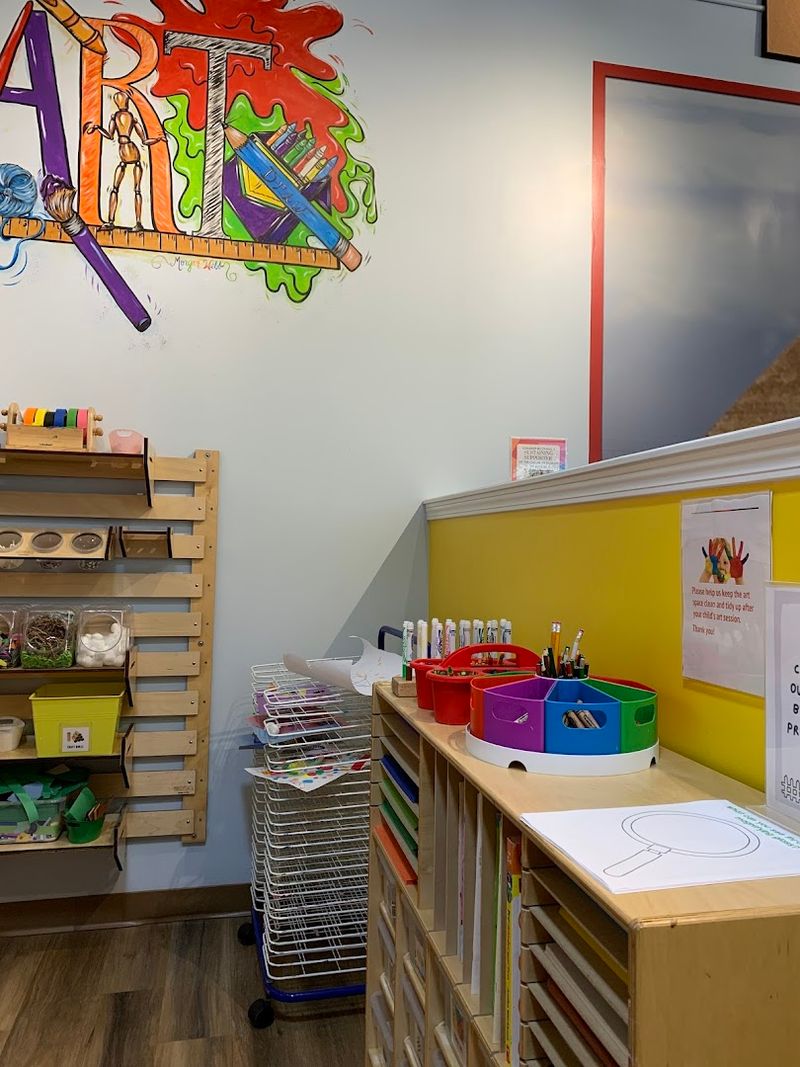
Art supplies laid out on a table have a magnetic pull on kids that is almost impossible to explain. Young at Art gives children the freedom to paint, create, and express themselves in a space that is fully set up for the inevitable mess that comes with genuine artistic exploration.
The exhibit is designed to encourage process over product, meaning children are celebrated for how they engage with materials rather than whether the finished piece looks like anything recognizable. That philosophy makes a meaningful difference in how freely kids experiment, especially those who tend to be cautious about making mistakes.
For families with budding artists at home, this exhibit feels like a mini studio visit. Caregivers who want to encourage creativity without worrying about paint on the living room walls will find this a particularly welcome stop. The atmosphere is relaxed and unhurried, which is exactly the right energy for making something from nothing.
6. Up, Up, and Away Aerodynamics Exhibit
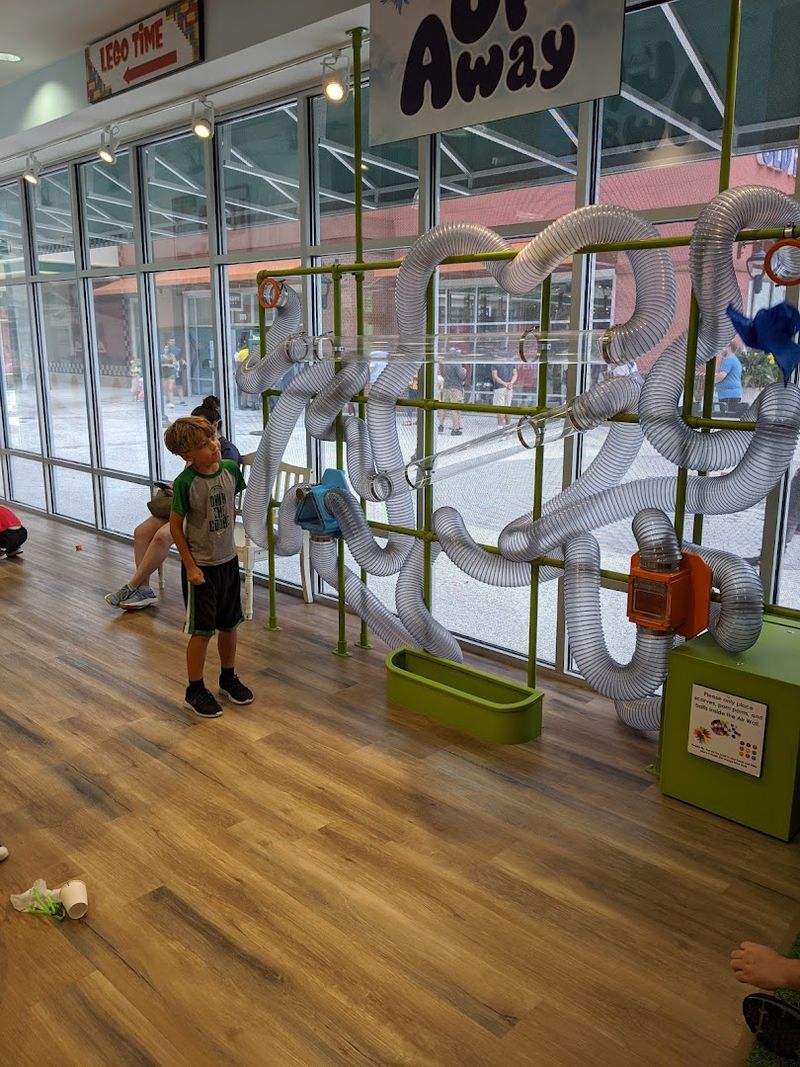
Few things capture a child’s attention faster than watching something fly. Up, Up, and Away introduces kids to the basics of aerodynamics through air ducts, launching stations, and parachute-building activities that make physics feel less like a subject and more like a superpower.
Children can experiment with different objects, observing how weight, shape, and surface area affect the way things move through the air. The exhibit cleverly rewards curiosity, because the more a child tests different combinations, the more they start to notice patterns and cause-and-effect relationships without anyone having to explain the science formally.
This is one of those exhibits that tends to attract a small crowd of kids who feed off each other’s energy, cheering when a parachute floats perfectly and immediately troubleshooting when it does not. The collaborative atmosphere that naturally develops here is one of the more charming things about the Children’s Museum of Pooler as a whole.
7. Grains of Sand Augmented Reality Sandbox
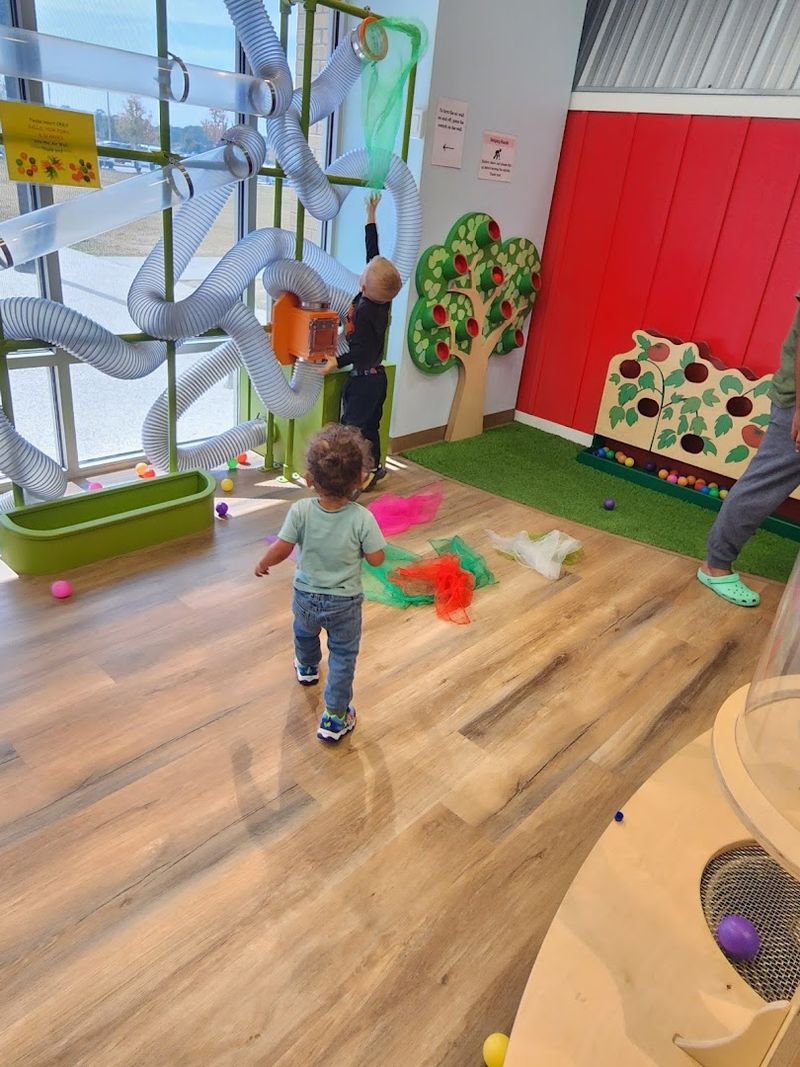
Technology and sand might seem like an unlikely combination, but the Grains of Sand exhibit pulls it off beautifully. Using augmented reality projection, the sandbox responds to how children shape the sand, displaying real-time topographic maps, color-coded elevations, and even simulated water flow as the terrain changes.
It is genuinely mesmerizing to watch, even for adults who wander over just to see what the fuss is about. Kids who have never thought about geography or environmental science suddenly find themselves deeply invested in whether their mountain range is tall enough to redirect a virtual river.
The exhibit introduces concepts like erosion, watersheds, and landforms in a way that requires zero prior knowledge and rewards pure experimentation. Families with school-age children will likely find that this one sparks follow-up questions on the car ride home, which is always a good sign that something genuinely resonated during the visit.
8. Color and Light Interactive Displays
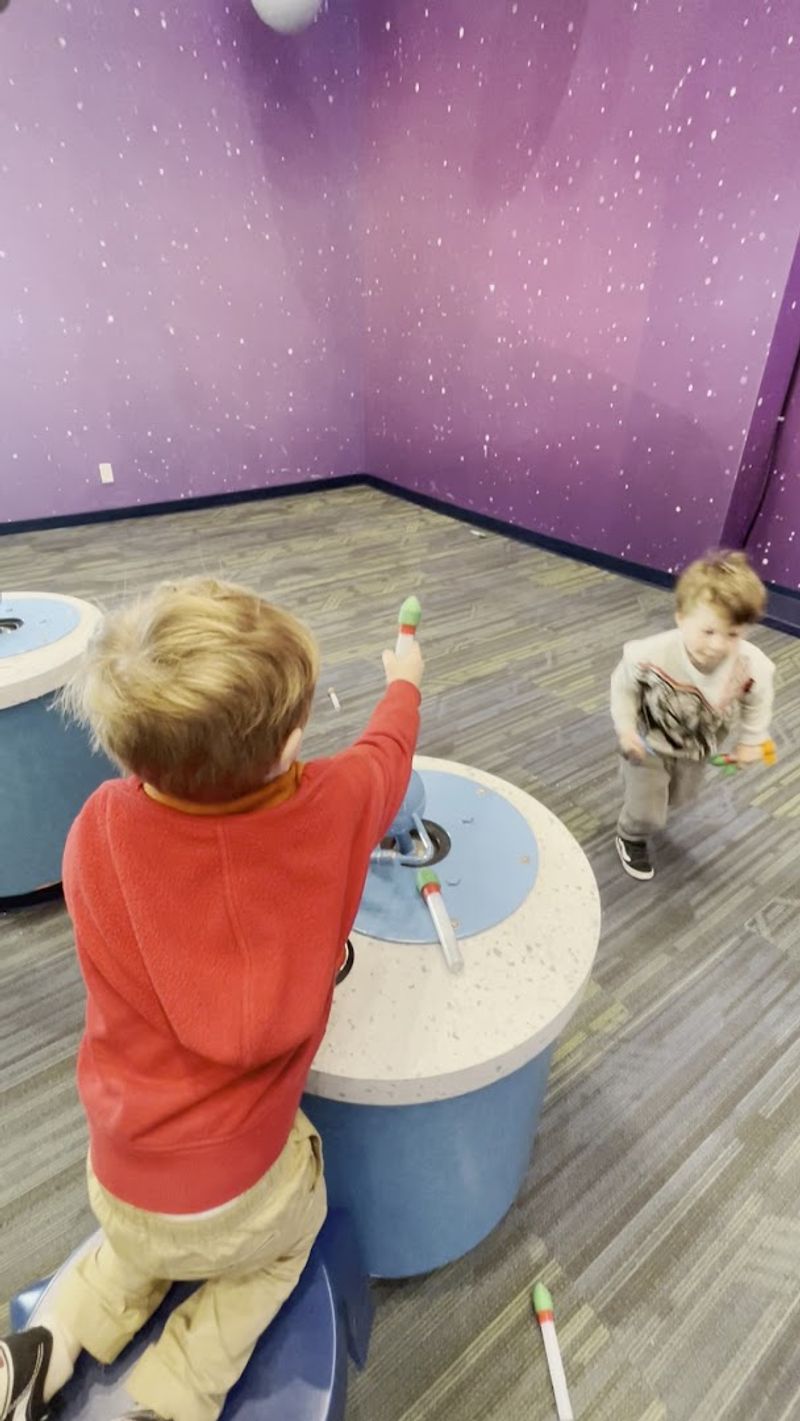
Color is one of the first things children learn to identify, but the Color and Light exhibit at the Children’s Museum of Pooler takes that familiarity and stretches it into something genuinely surprising. Interactive displays let kids experiment with mixing light colors, exploring shadows, and discovering how different wavelengths create the visual world around them.
The exhibits are tactile and visually stunning, drawing kids in with the sheer beauty of what happens when colored light overlaps or bends. It is the kind of hands-on science that makes abstract concepts feel immediate and personal rather than textbook-distant.
Younger children tend to engage with the pure visual delight of the displays, while older kids often start asking more specific questions about why certain combinations produce unexpected results. That natural range of engagement makes this a strong stop for families with children of varying ages, since everyone finds their own level of interaction without anyone feeling left out.
9. Lego Time Build and Race Station
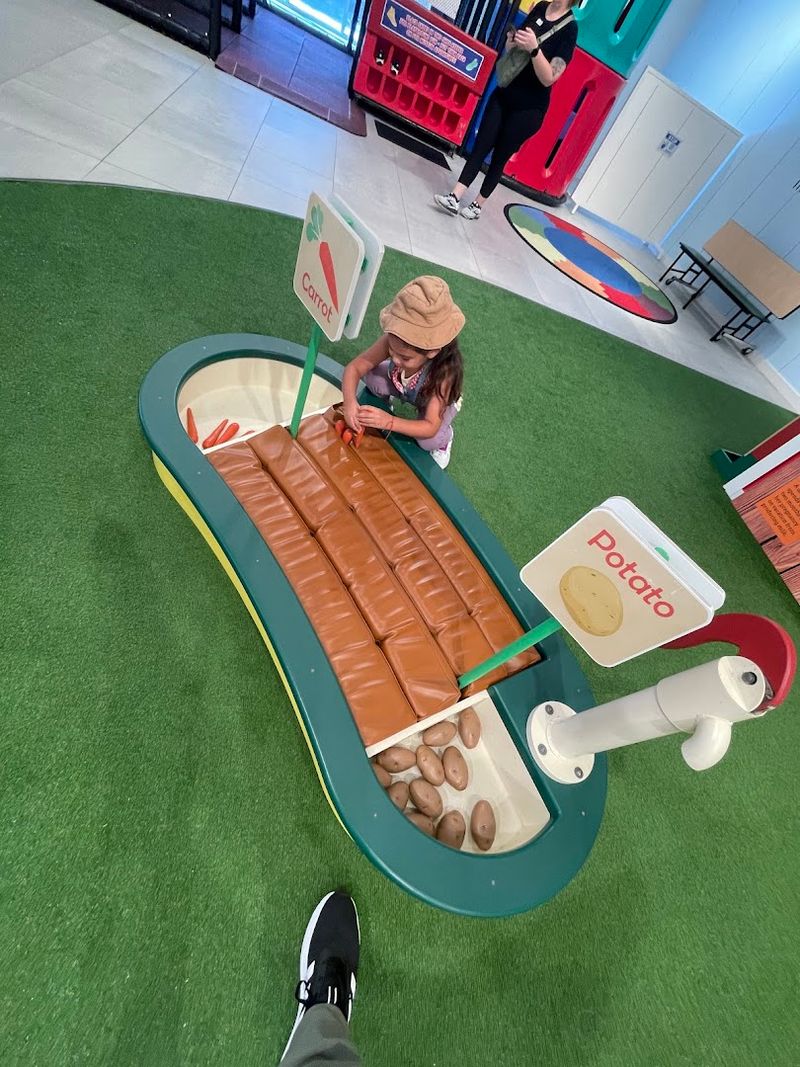
Lego has a way of turning even the most restless child into a focused, determined engineer for a solid stretch of time. The Lego Time station at the Children’s Museum of Pooler channels that energy into building and racing vehicles, adding a competitive element that makes the engineering challenge feel even more compelling.
Kids design their cars or trucks, test them on a track, and then go back to refine their builds based on what worked and what did not. That iterative process mirrors real engineering methodology, though most participants are too busy celebrating a fast run to think about it in those terms.
The station tends to attract repeat visitors who want to beat their previous best time or try a completely new design approach. Siblings and friends naturally end up in friendly competition, which adds a lively energy to the corner of the museum where this exhibit lives. It is unpretentiously fun.
10. Discovery Center STREAM Activities
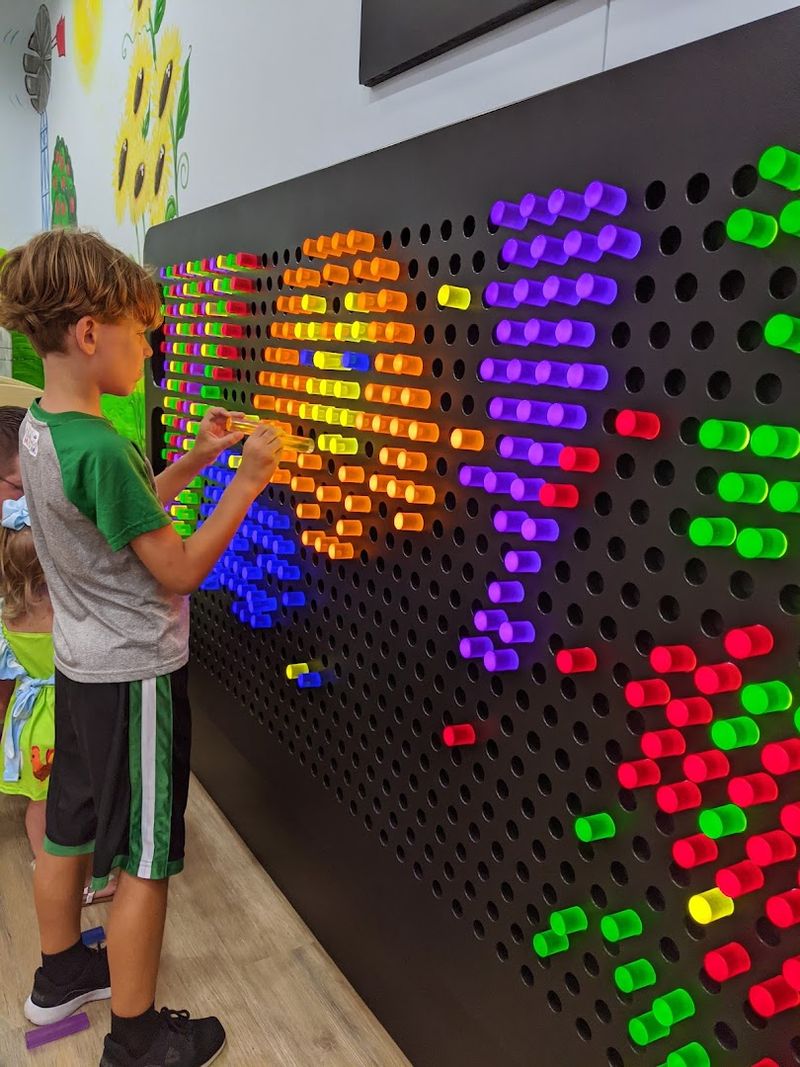
The Discovery Center is where science, technology, reading, engineering, art, and math come together under one roof in a way that actually makes sense to a kid. Rather than separating subjects into neat categories, the STREAM activities here show children how these disciplines overlap and support each other in the real world.
Hands-on challenges change regularly, giving repeat visitors something new to explore on each trip. The rotating format also means that a child who visited six months ago will likely find fresh activities waiting, which is a smart design choice for a museum hoping to build a loyal local audience.
Teachers and homeschooling families tend to find the Discovery Center especially valuable because the activities align well with core learning objectives without feeling like worksheets in disguise. The space has a workshop energy that encourages tinkering, questioning, and trying again, all of which are habits worth building long before a child ever sets foot in a formal classroom.
11. Grandma J’s Farm Agriculture Exhibit
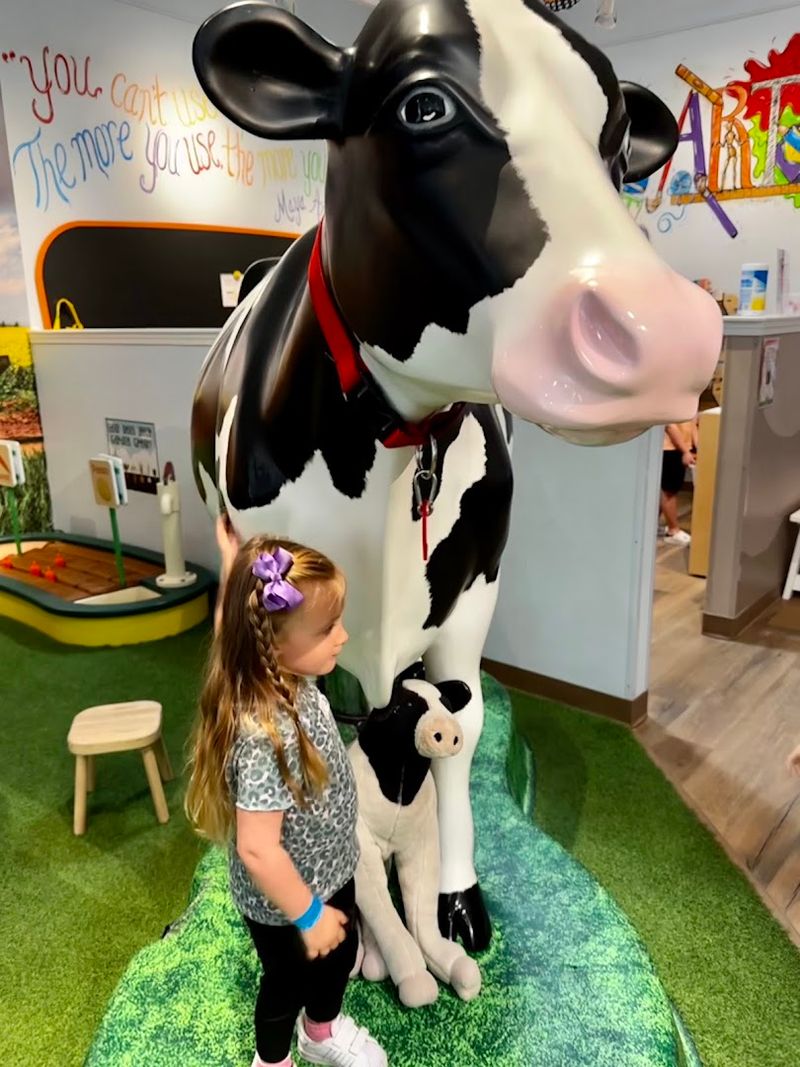
Ask most kids where milk comes from and they will say the grocery store without missing a beat. Grandma J’s Farm gently corrects that assumption in the most charming way possible, featuring a life-size cow replica that children can actually practice milking, alongside crop harvesting activities that connect everyday food to the land it grows on.
The exhibit has a warm, storybook quality that younger children find especially inviting. Everything about the setup feels approachable and unhurried, encouraging kids to slow down and engage with the agricultural world that feeds their families every single day without most of them ever thinking much about it.
For families raising children in urban or suburban environments, this exhibit can spark genuinely meaningful conversations about food systems, farming communities, and where Georgia’s famous agricultural traditions come from. It is a small exhibit in terms of square footage but consistently one of the most memorable stops for families with children under seven.
12. Tot Spot Safe Zone for Infants and Toddlers
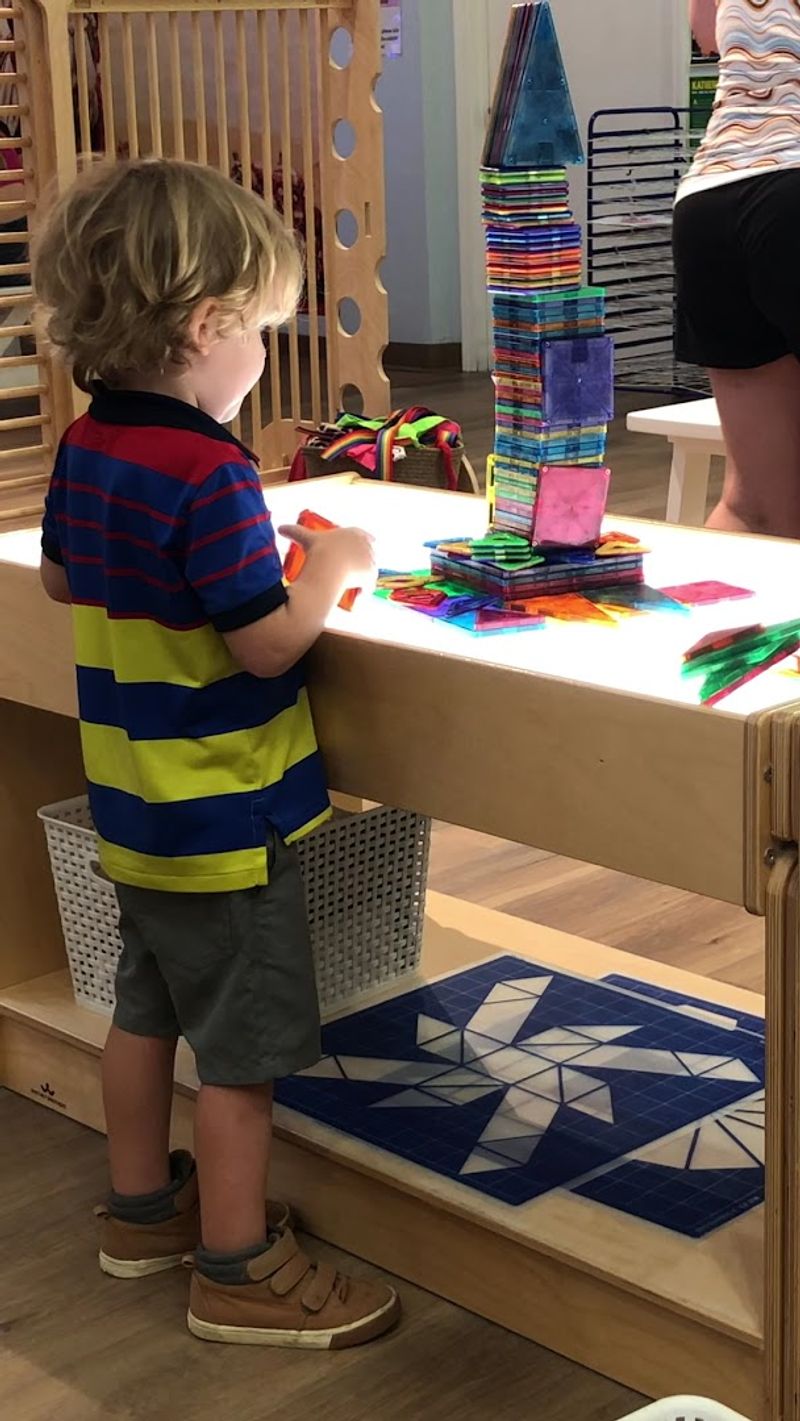
Bringing a baby or toddler to a museum can feel like a logistical gamble, but Tot Spot removes most of that uncertainty by giving the youngest visitors their own dedicated space. Designed specifically for infants and toddlers, the area is sensory-rich, safely enclosed, and scaled to tiny bodies that are still figuring out how the world works.
Soft textures, gentle lighting, and age-appropriate toys make Tot Spot feel like an extension of a well-designed nursery rather than an afterthought. Caregivers can sit comfortably within the space while little ones explore at their own pace, which tends to be a welcome relief after navigating the more high-energy areas of the museum with older siblings in tow.
The exhibit acknowledges something important: very young children deserve a thoughtfully designed museum experience too, not just a corner to wait in while everyone else has fun. Tot Spot makes families with babies feel genuinely included rather than merely tolerated.
13. Educational Field Trips for School Groups
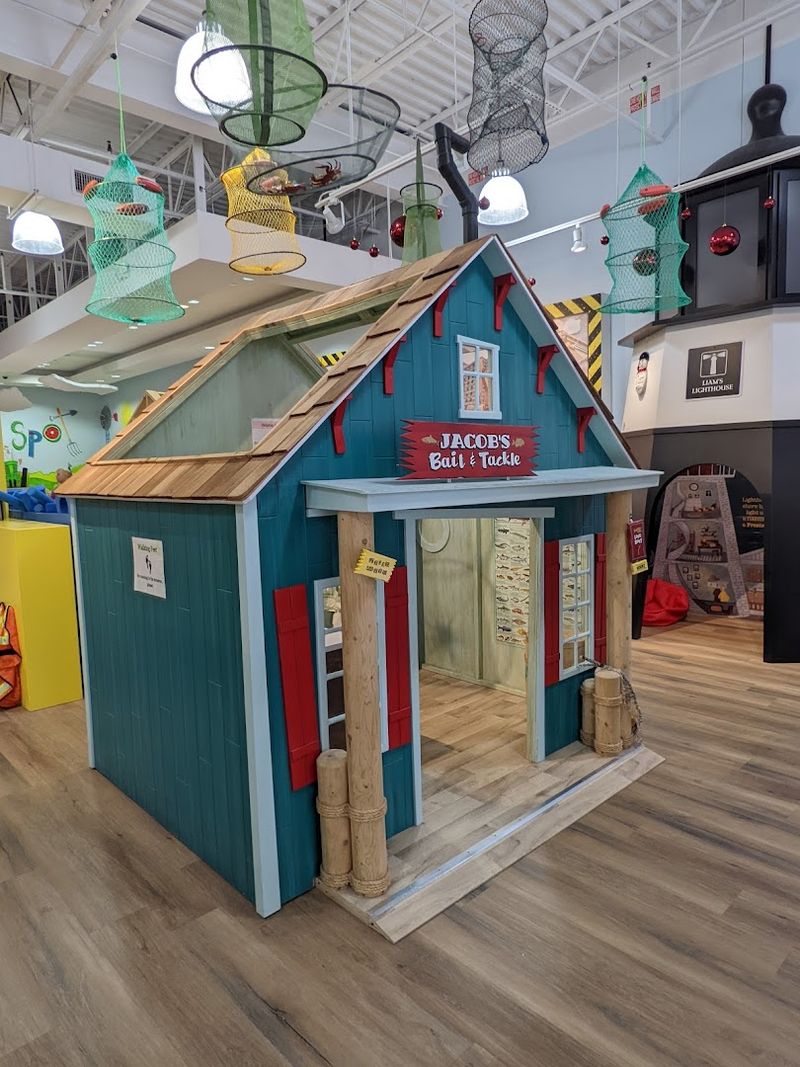
Field trips have a special energy that classroom lessons rarely replicate, and the Children’s Museum of Pooler has built a dedicated program to make those outings as meaningful as possible. Schools can choose between guided and self-guided experiences, allowing educators to tailor the visit to their specific curriculum goals and the needs of their student group.
The museum’s location in the Pooler area makes it an accessible option for schools throughout the greater Savannah region, and the variety of exhibits ensures that most standard learning objectives can be reinforced through hands-on exploration rather than passive instruction. Teachers consistently report that students retain more from experiential visits than from traditional classroom review.
Advance booking is recommended, especially during the school year when demand for field trip slots can be high. Groups that plan ahead tend to have a smoother experience, with enough time at each exhibit for children to genuinely engage rather than rushing through to see everything before the buses leave.
14. Birthday Party Packages With Themed Fun
Birthday parties at a children’s museum have a built-in advantage that no rented hall can replicate: the venue itself is the entertainment. The Children’s Museum of Pooler offers themed party packages, including options like Under Construction and Diggin’ Dinos, that give the celebration a cohesive identity from the invitations all the way through to cake time.
Packages typically include access to the museum’s exhibits alongside dedicated party space, which means the birthday child and their guests get to play and celebrate in the same visit. Parents who have hosted parties elsewhere often find the museum format genuinely lower stress because the activities are already built in and children do not need to be constantly entertained by outside vendors or games.
Booking early is strongly advised, particularly for weekend dates during the spring and fall when demand tends to peak. Reaching out directly to the museum at 912-307-9503 is the best way to confirm current package options and availability for a specific date.
15. Community Events and Free Family Nights
One of the most appealing things about the Children’s Museum of Pooler is its commitment to being a community resource, not just a ticketed attraction. Special events like the Lovin’ Our Community Family Night Celebration offer free admission alongside hands-on activities that bring local families together in a relaxed, festive setting.
These events are a smart way for first-time visitors to experience the museum without the financial commitment of a full admission ticket, making it easier for families who might otherwise hesitate to give the space a genuine try. The community-focused programming also reinforces the museum’s role as a neighborhood hub rather than a destination that families only visit on special occasions.
Checking the museum’s website at childrensmuseumofpooler.org or following their social media channels is the best way to stay current on upcoming events, since schedules can shift seasonally. Arriving a little early on event nights tends to make a noticeable difference in securing comfortable access to the most popular exhibits.