10 Idaho Natural Wonders That Look Straight Out Of A Dream
Idaho can make you feel slightly underprepared, and I mean that as the highest possible compliment.
You think you know what you are getting into, you have seen a few photos, read a couple of reviews, and then you actually show up and realize the photos were not even close to adequate.
This state operates on a scale that is genuinely hard to process. Waterfalls wider than Niagara, lava fields that look borrowed from a science fiction film, river gorges deeper than the Grand Canyon.
Idaho sits quietly while other states collect the attention, and all that quiet has kept these places exactly as wild and unhurried as they deserve to be.
Bring a camera, bring curiosity, and clear your schedule because this state does not do anything halfway.
1. Shoshone Falls
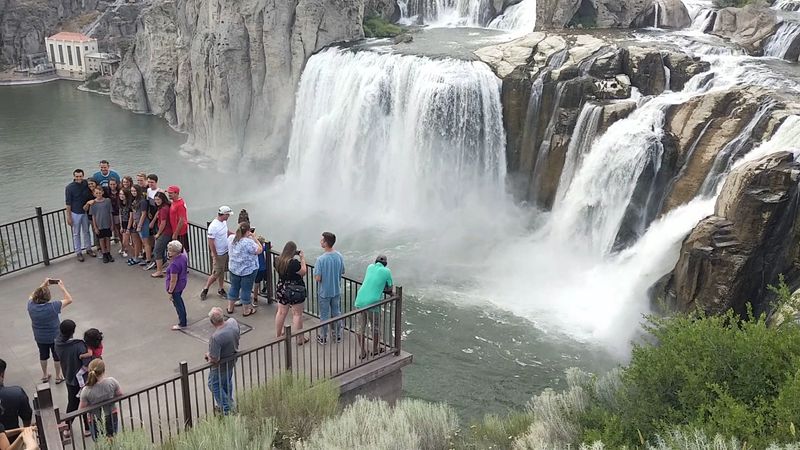
I never expected that Idaho was hiding a waterfall taller than Niagara Falls. Shoshone Falls drops 212 feet over a basalt cliff on the Snake River, and the roar hits you before you even see it.
Spring is the best time to visit when snowmelt pushes the flow to its most thunderous peak.
Standing at the overlook at 4155 Shoshone Falls Grade in Twin Falls, Idaho, you get this full panoramic view that makes your brain short-circuit. The mist floats up and cools your face even on warm days.
Photographers absolutely love the golden hour light that turns the water a glowing copper color.
There is a small park fee to enter, and the paved paths make it accessible for most visitors. Picnic tables are scattered nearby if you want to linger.
Local families treat this spot like a backyard treasure, and honestly, after one visit, you will completely understand why they do.
2. Craters Of The Moon National Monument
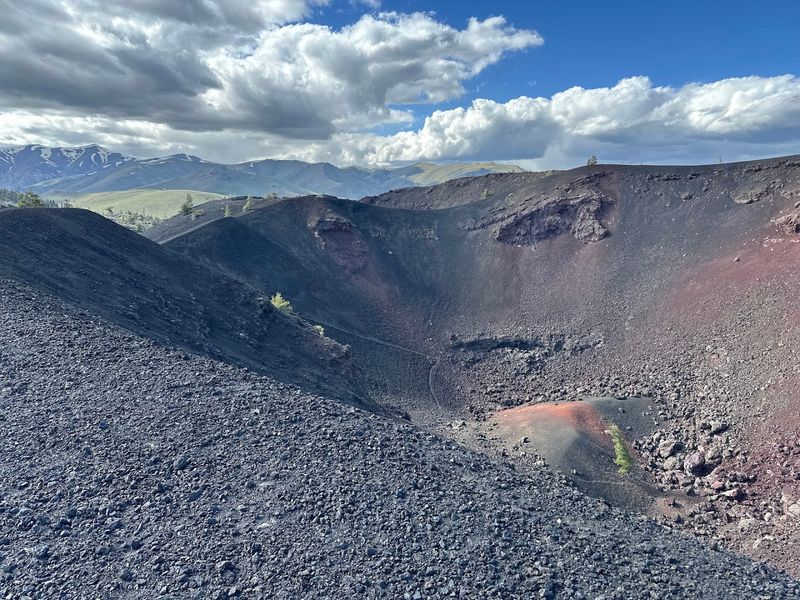
Imagine someone turned off the color filter on Earth and left only black. That is essentially what Craters of the Moon looks like, and it is absolutely spectacular.
Located along 1266 Craters Loop Road in Arco, this 618-square-mile lava field was formed by volcanic eruptions that happened as recently as 2,000 years ago.
Walking across the hardened lava feels like hiking on a crinkled, jet-black sponge. The cinder cones rise dramatically from the flat plain, and the lava tube caves are cool enough to store your snacks like a natural refrigerator.
NASA actually sent Apollo astronauts here to study geology before their moon missions.
The park is open year-round, though winter transforms it into a surreal snowshoeing destination where white powder sits on black rock.
Bring sturdy shoes because the lava surface is sharp and unforgiving on thin soles. Stargazing here is extraordinary since there is almost zero light pollution for miles in every direction.
3. City Of Rocks National Reserve
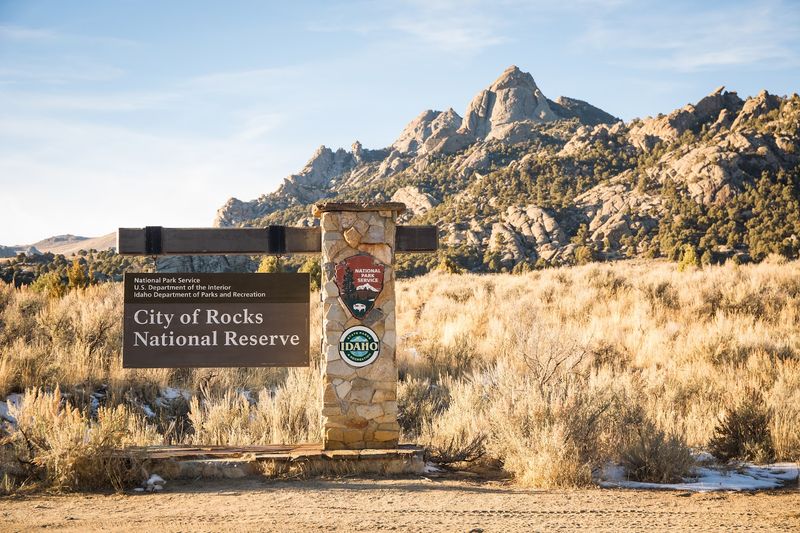
Some places earn their dramatic names, and City of Rocks absolutely earns every syllable of its.
Enormous granite formations rise 60 stories above the sagebrush valley floor near Almo, creating a skyline that looks like a fantasy novel illustration come to life.
Pioneers on the California Trail used these rocks as landmarks and left their names carved into the stone.
Rock climbers travel from across the country to scale more than 1,000 established routes on the granite faces at 3035 Elba-Almo Road.
Even if climbing is not your thing, the hiking trails wind through corridors of stone that feel genuinely ancient and slightly magical. The rock shapes trigger your imagination in the best possible way.
Camping inside the reserve puts you right in the middle of the boulders, and waking up surrounded by those stone giants is an experience that sticks with you.
Wildlife including mule deer and raptors are regular visitors. The reserve is quieter than most national parks, which means you get all that geological drama mostly to yourself.
4. Hells Canyon National Recreation Area
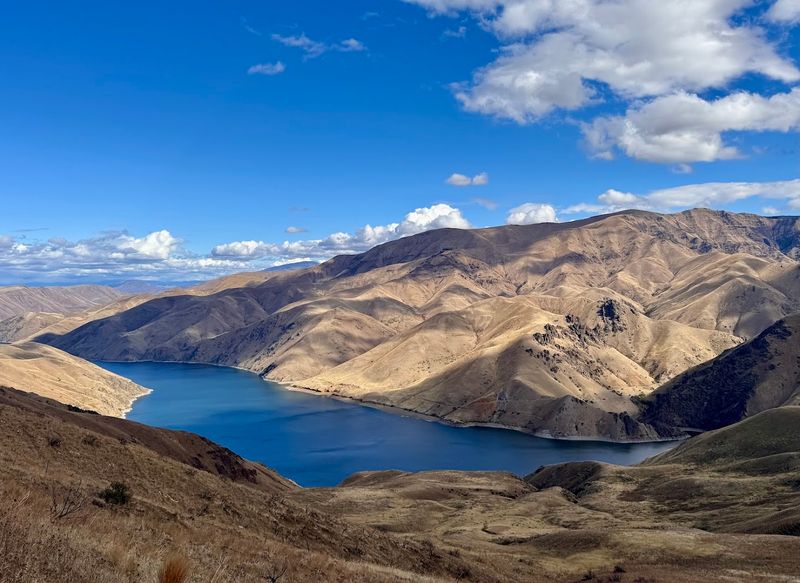
Hells Canyon is deeper than the Grand Canyon, and yet somehow most people outside the Pacific Northwest have never heard of it.
At over 7,900 feet deep, this gorge carved by the Snake River along the Idaho-Oregon border is the deepest river gorge in North America. The scale of it is the kind that makes you feel appropriately small.
Access points near Riggins, Idaho, offer dramatic overlooks and river access for jet boat tours that blast through the churning rapids.
The canyon walls display layers of geological history spanning hundreds of millions of years, all stacked up like the world’s most impressive layer cake. Bighorn sheep and black bears call this rugged landscape home.
Hiking trails range from gentle riverside walks to serious backcountry routes that require multiple days and solid navigation skills.
The Hells Canyon Wilderness area protects the most remote sections, keeping them refreshingly free of crowds. If you want a place that genuinely humbles you with its raw, unfiltered power, this is it.
5. Sawtooth National Recreation Area
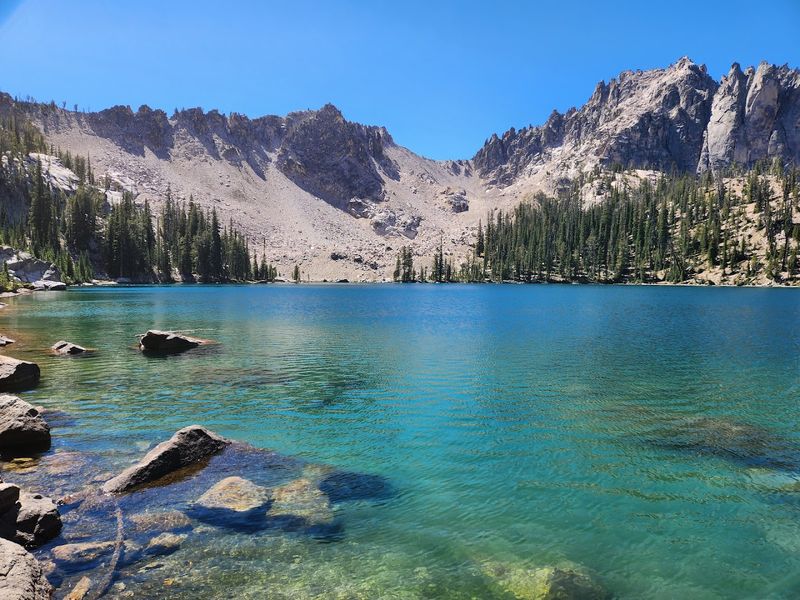
The Sawtooth Mountains earned their name honestly. Those jagged, serrated peaks look like someone dragged a massive comb across the skyline and forgot to smooth the edges back down.
Over 40 mountain lakes dot the landscape inside this recreation area, each one reflecting those dramatic peaks like a mirror.
Based out of Ketchum near 5 North Fork Canyon Road, the Sawtooth National Recreation Area covers more than 750,000 acres of alpine wilderness.
Elk, wolves, and mountain goats roam freely here, and spotting any one of them on a morning hike feels like winning a small lottery. The Stanley Basin in the heart of the area consistently records some of the coldest temperatures in the lower 48 states.
Summer brings wildflower meadows that are almost embarrassingly beautiful, carpeting the valleys in purple, yellow, and orange.
The White Cloud Peaks section offers some of the most rewarding high-altitude hiking in the entire state.
Fall is arguably the best season, when the aspen groves turn gold and the air gets that sharp, clean bite that makes every breath feel like a gift.
6. Upper Mesa Falls
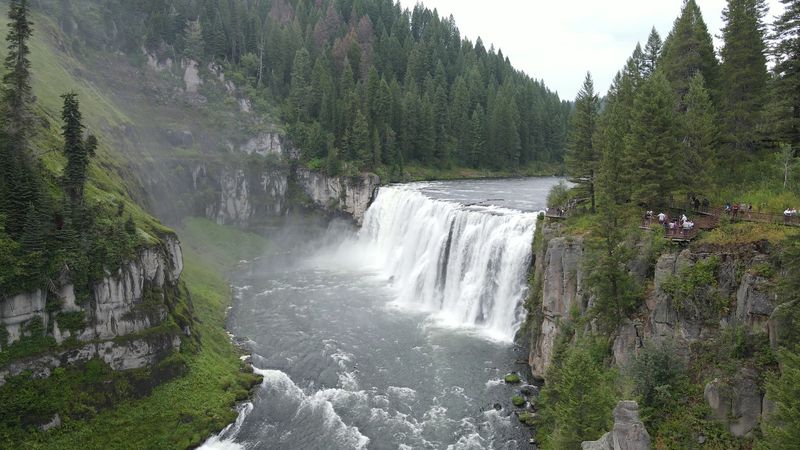
Upper Mesa Falls is the kind of place that stops a conversation mid-sentence.
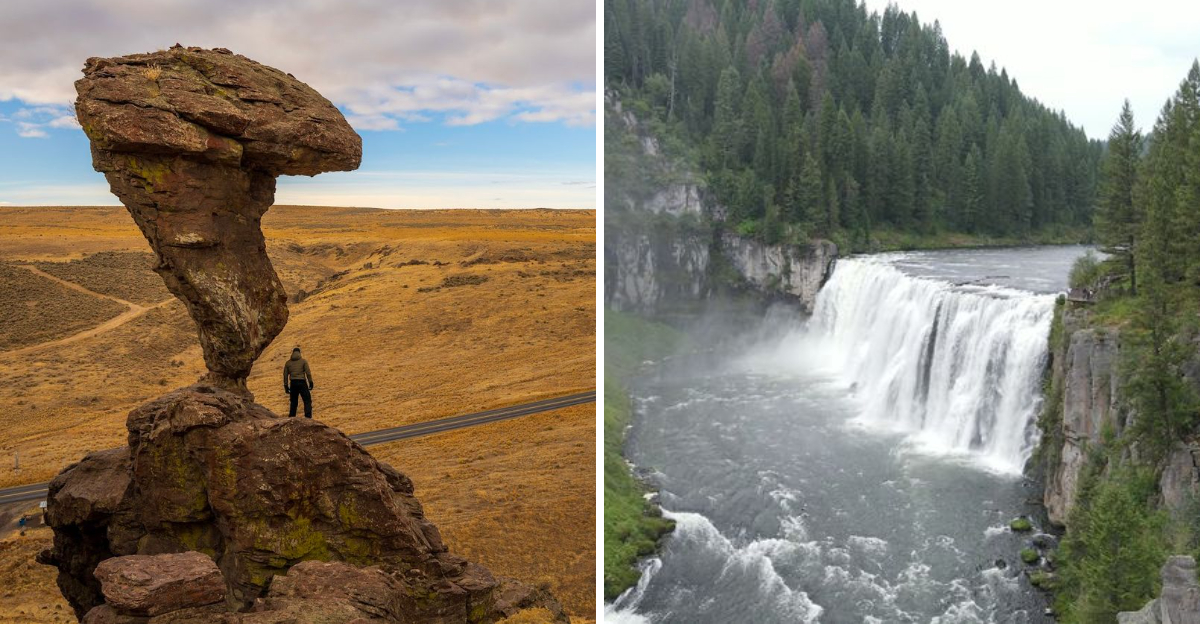
Standing on the wooden boardwalk above this 114-foot waterfall near Ashton on Upper Mesa Falls Road, the sound alone is enough to reset your entire nervous system.
The Henry’s Fork of the Snake River funnels through a narrow canyon before launching itself off the basalt edge in a full, thunderous curtain of water.
Unlike many famous waterfalls that have been overdeveloped with gift shops and parking lots, Upper Mesa Falls remains refreshingly simple.
A short, easy trail leads from the parking area to the overlook, and the historic Mesa Falls Visitor Center nearby adds some nice context about the region’s volcanic geology.
The surrounding forest of lodgepole pine and Douglas fir keeps the whole scene lush and green.
Lower Mesa Falls sits about a mile downstream and is equally impressive, making a combined visit very much worth the short drive.
The area is typically accessible from late spring through fall. Visiting on a weekday morning almost guarantees you a quiet, crowd-free experience with nothing between you and that roaring water.
7. Lava Hot Springs
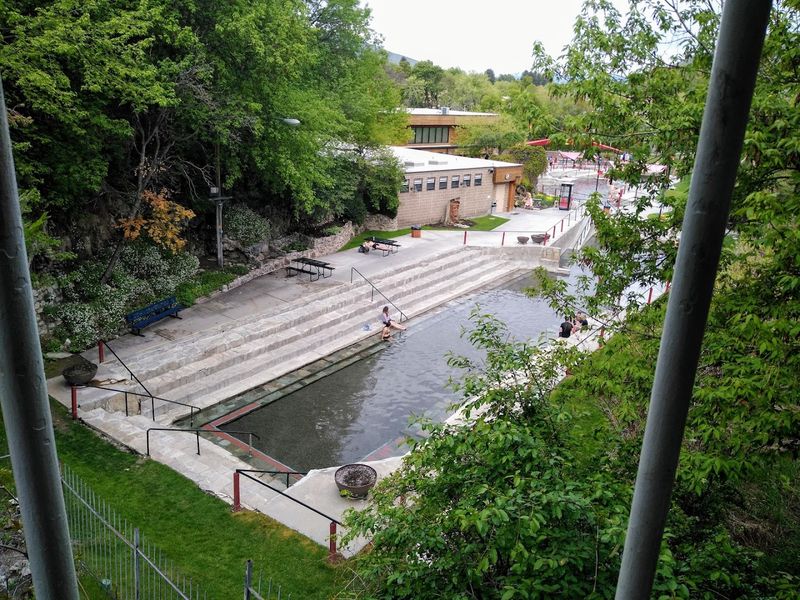
Few things in life feel as immediately satisfying as sinking into a natural geothermal pool after a long day of hiking.
Lava Hot Springs delivers exactly that, with naturally heated mineral pools that maintain temperatures between 102 and 112 degrees Fahrenheit year-round.
The water flows directly from the earth with no added chemicals, which makes your skin feel genuinely different after a soak.
The main facility at 430 East Main Street in Lava Hot Springs sits right in the center of a charming small town that is surprisingly lively for its size.
Multiple pools of varying temperatures allow you to adjust your soak based on how adventurous you are feeling. The outdoor Olympic swimming pool on the other side of town operates in summer and is popular with families.
What makes this spot particularly special is how the Portneuf River runs right alongside the hot springs area, creating this funny contrast of cold rushing water and steaming thermal pools within yards of each other.
The town itself has local shops and eateries worth exploring between soaks. Go in winter for the full magical effect of steam rising into cold mountain air.
8. Balanced Rock
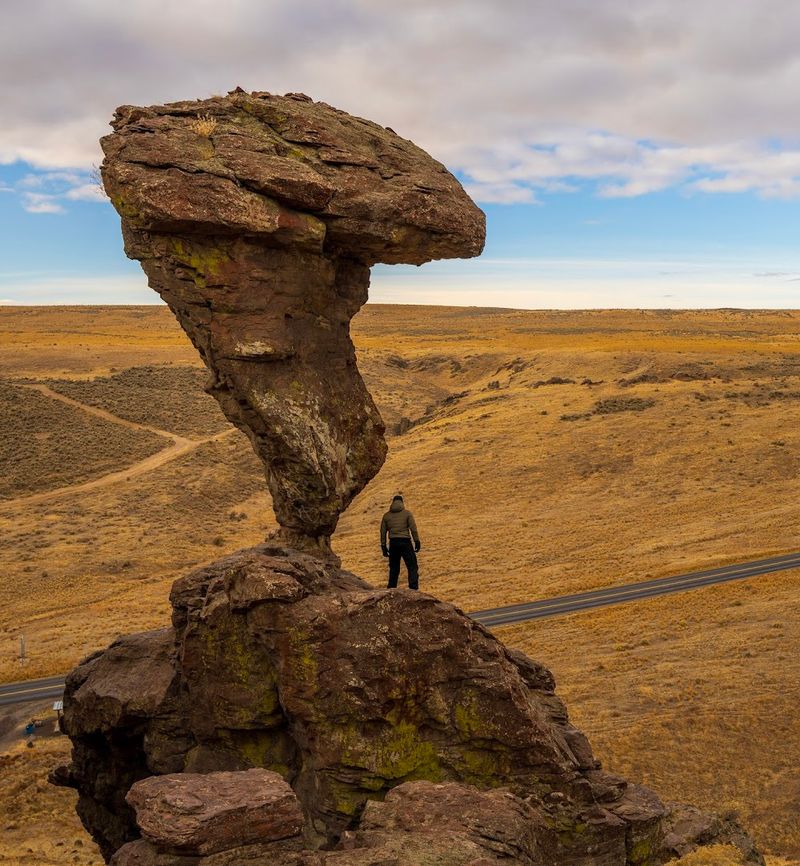
Physics class never prepared me for seeing a 40-ton rock balancing on a base roughly the size of a footstool. Balanced Rock near Buhl on Balance Rock Road, Idaho, is exactly what its name promises, and somehow seeing it in person makes it even more absurd and wonderful than any photo suggests.
The basalt column stands about 48 feet tall with that enormous cap rock perched on top like nature is playing a very long practical joke.
Getting there involves a short scenic drive through the Snake River Canyon area, and the site itself has a small picnic area and a paved path that lets you walk around the formation.
Geologists believe erosion over thousands of years carved away the softer rock beneath, leaving behind this perfectly improbable column. The fact that it is still standing is genuinely remarkable.
Sunrise and sunset lighting makes the rock glow in warm orange tones that look almost digitally enhanced. Families with kids love this spot because it triggers that universal childhood question of how something so obviously impossible is actually real.
It is free to visit, quick to see, and completely unforgettable in the best low-key way.
9. Lake Coeur D’Alene
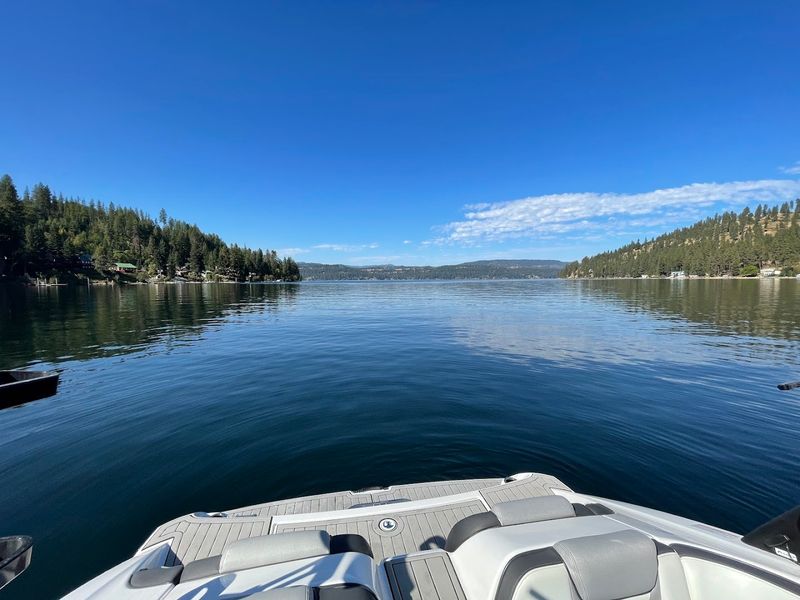
National Geographic once called Lake Coeur d’Alene in Idaho one of the five most beautiful lakes in the world, and after spending a morning on its shores, that claim feels completely reasonable.
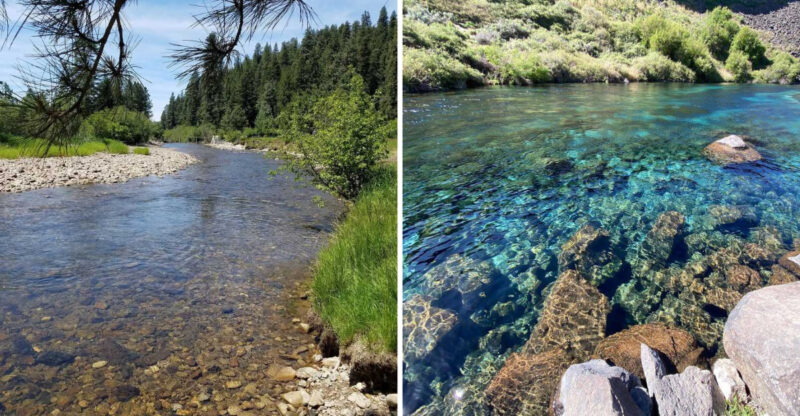
The water is this deep, clear blue that shifts to green in the shallows, and the forested hills surrounding it create a postcard-worthy backdrop from almost any angle.
The lake stretches 25 miles long with 109 miles of shoreline to explore.
The main access area along E. Coeur d’Alene Lake Drive in Coeur d’Alene includes a long public boardwalk, boat launches, and a floating green at a nearby resort golf course that golfers reach by boat.
Kayaking and paddleboarding on calm summer mornings is one of those experiences that feels almost unfairly enjoyable. The water clarity in certain bays lets you see the bottom at impressive depths.
Fall is a genuinely underrated time to visit when the hillside trees turn red and gold and reflect in the still water below.
The city of Coeur d’Alene itself has a solid restaurant and shop scene that makes combining a nature visit with a town day very easy.
Early morning fog over the lake in autumn is something that stays in your memory long after you leave.
10. Thousand Springs State Park
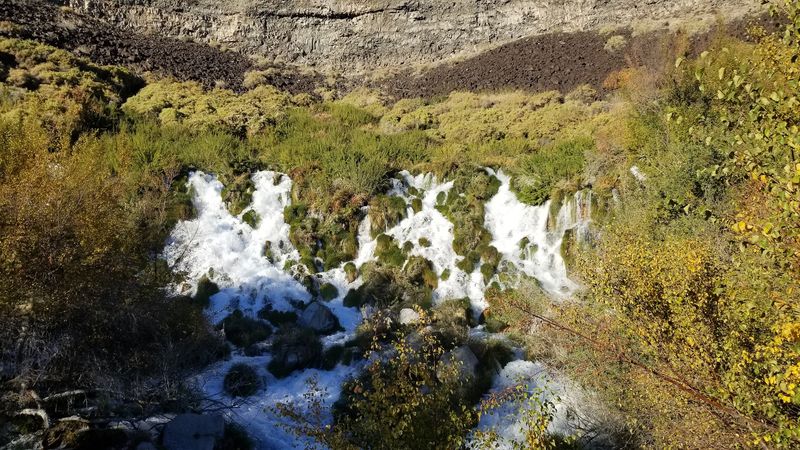
Watching water pour directly out of a cliff face is one of those geological events that your brain insists on questioning.
At Thousand Springs State Park along 17970 US Hwy 30 in Hagerman, dozens of natural springs emerge from the basalt canyon walls above the Snake River in a scene that looks more like a movie set than a real Idaho highway pull-off.
The springs are actually the resurfacing of water that sank into the ground near Twin Falls, sometimes 150 miles away.
The park is actually a collection of several different units spread across the area, including Ritter Island, Malad Gorge, and Billingsley Creek.
Each unit has its own character, from dramatic gorge overlooks to peaceful wetlands full of migratory birds.
The diversity within a single state park is genuinely impressive and rewards visitors who take the time to explore more than one section.
Ritter Island in particular is a peaceful spot with historic farm buildings and walking trails that follow the river.
Spring and fall bring massive numbers of birds through on migration routes, making this a fantastic destination for birdwatchers. The springs themselves flow year-round, meaning there is truly no bad time to make the drive out.