11 Unique Places And Experiences In Idaho That Stay Overlooked
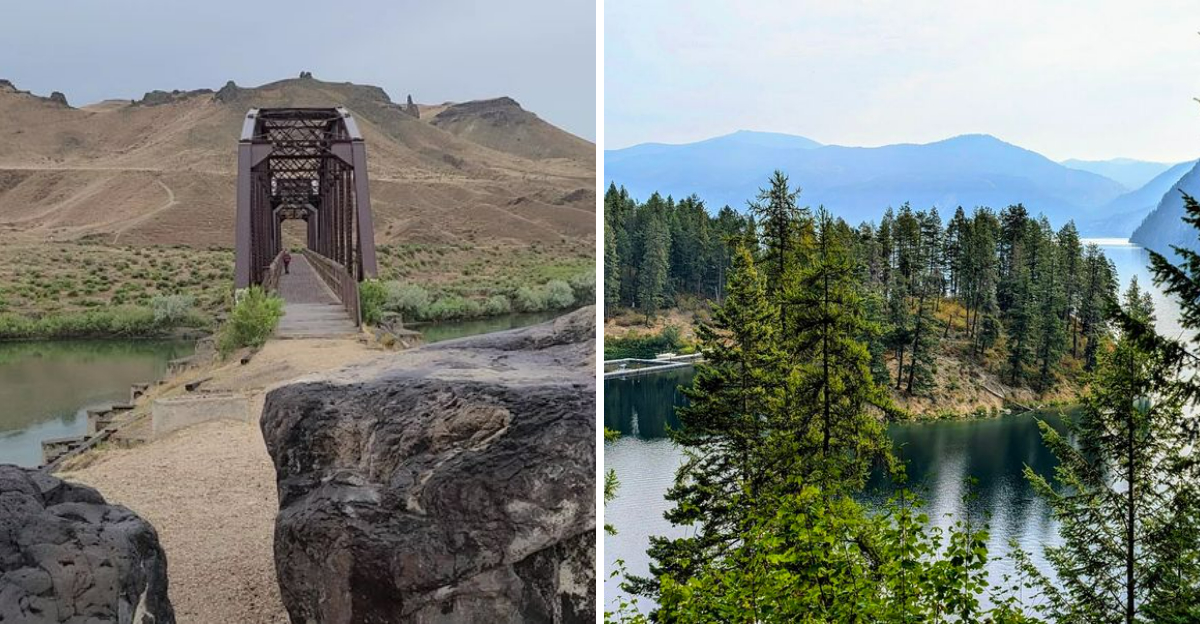
I almost drove straight through without stopping. Best mistake I never made.
What I found when I finally slowed down was a volcanic landscape that looks like the moon and fossils that rewrote what scientists thought they knew about prehistoric North America. Not exactly what you picture when someone says Idaho.
Most tourists blow straight past this state, locked onto famous parks they saw on someone else’s feed. They are missing everything.
It has 83 counties, thousands of square miles of terrain that rarely sees a visitor, and a personality that takes a little patience to discover. Every time I went back, I found something new that stopped me cold.
Something I could not believe I had almost missed. There is a lot to catch up on.
1. Basque Museum & Cultural Center
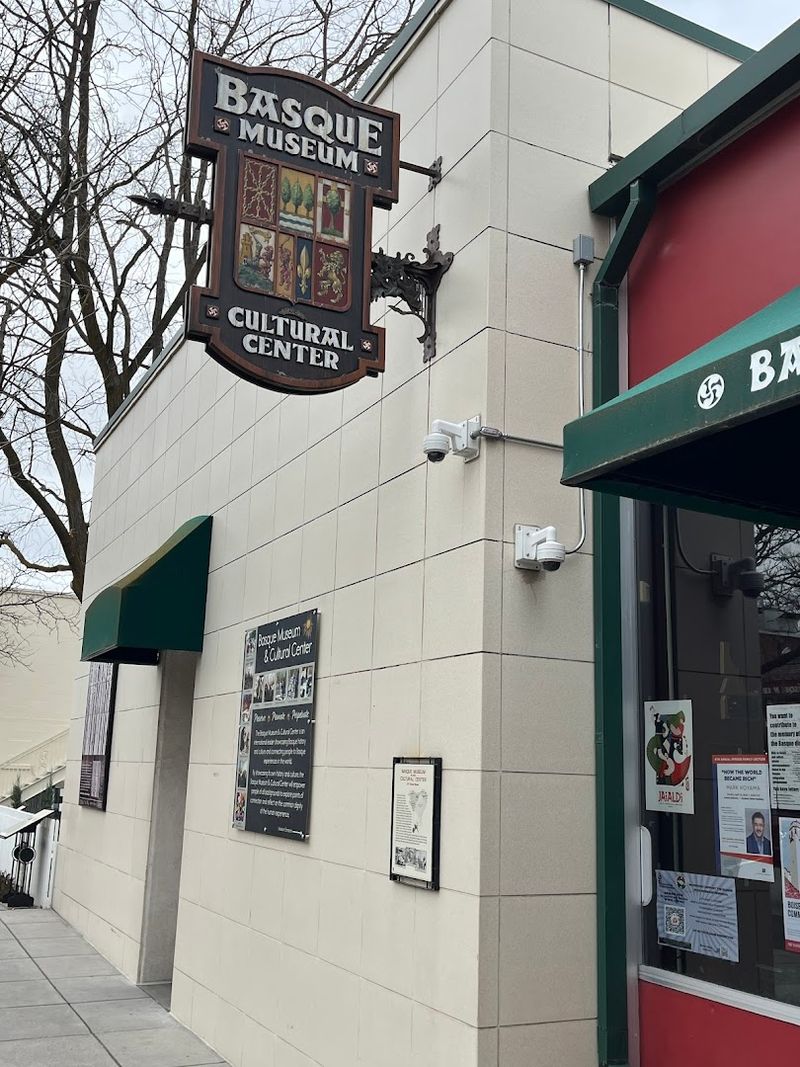
Boise has one of the largest Basque communities outside of Europe. Most visitors have no idea.
The Basque Museum and Cultural Center at 611 W Grove Street tells the story of how thousands of Basque immigrants arrived in the late 1800s. They built a community so strong it still thrives today.
The museum is open Tuesday through Friday from 10 AM to 4 PM and Saturday from 11 AM to 3 PM.
The Cyrus Jacobs-Uberuaga House on the property is the oldest surviving Basque boarding house in the United States, dating back to 1864. It sits right in the middle of downtown Boise.
Walking through it feels like entering a completely different world.
The exhibits cover traditional Basque food, music, sports, and language in a way that feels personal rather than textbook. The surrounding neighborhood, known as the Basque Block, adds murals, a cultural center, and nearby restaurants serving traditional dishes.
Even if you know nothing about Basque culture going in, you will leave genuinely curious. And probably a little hungry.
One of the most underrated cultural stops in the entire Pacific Northwest.
2. Craters Of The Moon National Monument & Preserve
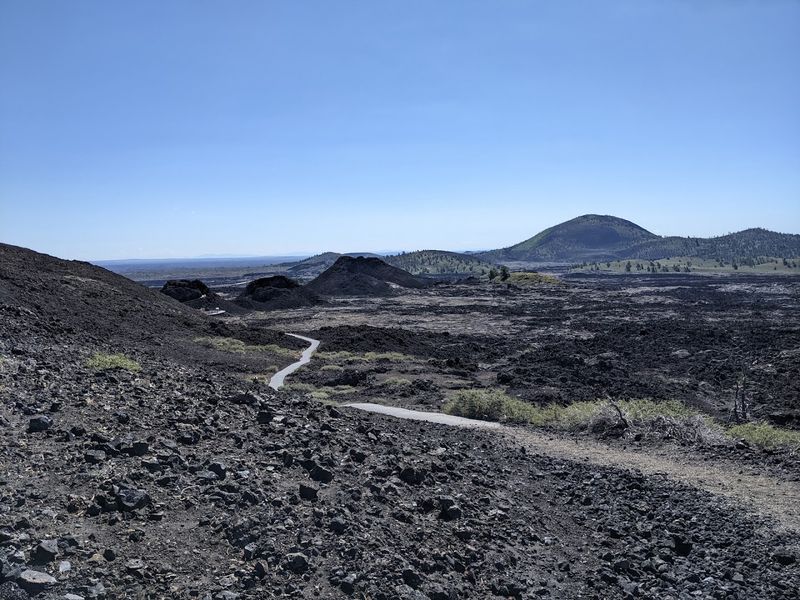
Standing on a field of ancient lava in the middle of Idaho feels genuinely otherworldly. Craters of the Moon National Monument and Preserve covers more than 750,000 acres of volcanic terrain.
Eruptions here happened as recently as 2,000 years ago. NASA even used this site to train Apollo astronauts before their moon missions.
Located at 1266 Craters Loop Road, Arco, ID 83213, the park is open year-round. The seven-mile scenic loop drive gives you access to cinder cones, lava tubes, and spatter cones without serious hiking.
The lava tube caves are where things get really interesting. Bring a flashlight.
You will be crawling through tunnels formed by flowing magma thousands of years ago.
Spring and fall are the best times to visit. Summer temperatures on the black lava can get intense.
In May and June, wildflowers bloom in surprising pockets between the rocks, creating a striking contrast against all that dark volcanic stone.
Night sky viewing here is exceptional. The park sits far from major light pollution.
Craters of the Moon is one of those places that photographs cannot fully capture. You need to stand in it to understand it.
3. Freak Alley Gallery
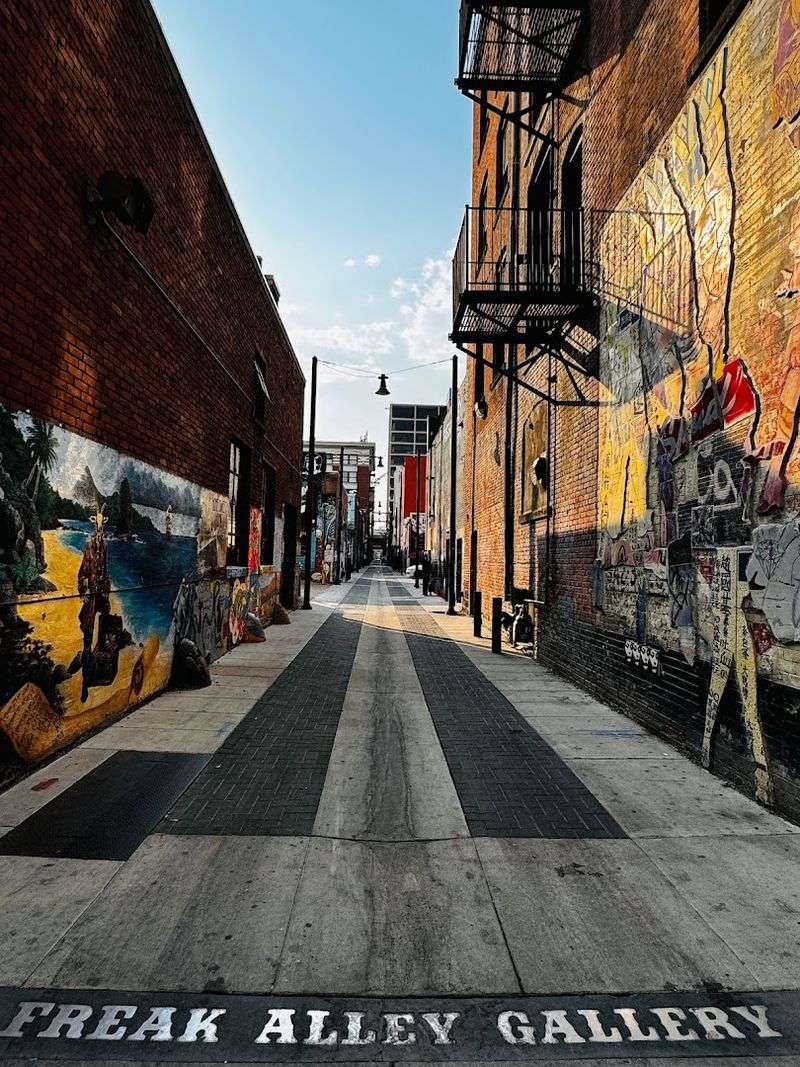
An alley in downtown Boise somehow became the largest outdoor mural gallery in the entire Pacific Northwest. Freak Alley Gallery at 210 N 9th Street, Boise, ID 83702, is free, open to the public around the clock, and completely impossible to describe without using the word bold.
The murals stretch across multiple city blocks and cover every inch of available wall space with art that ranges from abstract to hyperrealistic.
The gallery started in 2002 and has grown steadily ever since. Every summer, a festival brings in new artists to paint fresh murals directly over old ones, which means the gallery is always changing.
Returning visitors often find that a mural they loved last year has been transformed into something completely new.
Each piece tells its own story, and spending time reading the visual details in every mural is genuinely absorbing. Local artists share wall space with internationally recognized names, and the variety keeps things from ever feeling repetitive.
Early morning is the best time to visit if you want the space to yourself and good natural light for photos. The surrounding Freak Alley neighborhood has grown around the gallery with coffee shops and local businesses that give the whole area a creative, energetic feel worth exploring.
4. Old Idaho Penitentiary
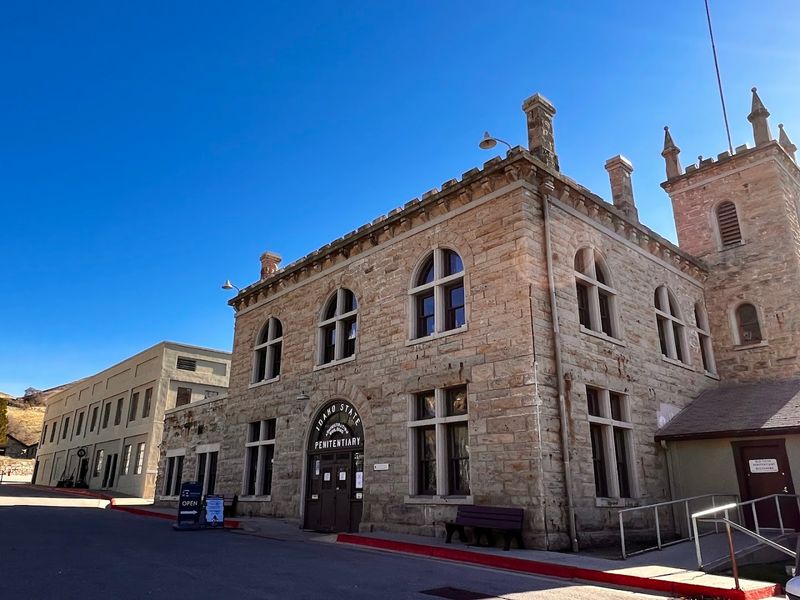
Few buildings carry more stories per square foot than this one. The Old Penitentiary at 2445 Old Penitentiary Road, Boise, ID 83712, operated from 1872 to 1973.
The sandstone walls were quarried by the men who lived inside them. That detail alone sets the tone for everything you are about to see.
Self-guided tours take you through the cellblocks, solitary confinement areas, and the execution room. The museum displays are surprisingly thorough.
They cover daily life inside the walls, notable escape attempts, and the characters who made this place legendary. The history here is raw and honest, which makes it far more compelling than any polished museum experience.
The site also houses the Museum of Mining and Geology and the Transportation Department Museum. There is more to explore than just the cellblocks.
Photography is encouraged throughout, and the sandstone architecture makes for striking images in almost any light.
The grounds are large enough for two to three hours of exploring without rushing. Weekday visits mean smaller crowds and a quieter atmosphere that makes everything feel more personal.
This place stays with you.
5. Yankee Fork Gold Dredge
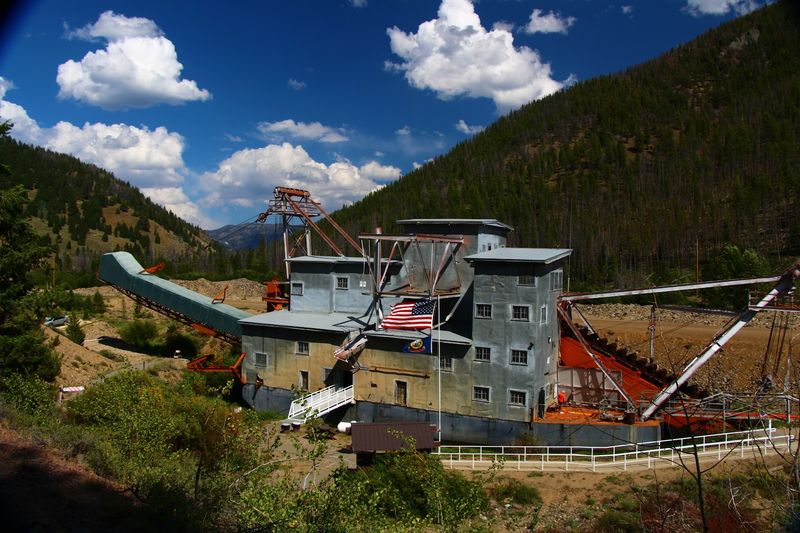
Gold fever once hit this stretch of land so hard that miners built a machine the size of a small building just to pull precious metal from a riverbed.
The Yankee Fork Gold Dredge near Stanley, located at 300 Yankee Fork Rd, Stanley, ID 83278, is one of the best-preserved examples of placer mining history in the American West. Almost nobody outside the state knows it exists.
Located about 22 miles northeast of Stanley along Yankee Fork Road in Custer County, the dredge is accessible through tours hosted by volunteer docents from the Yankee Fork Dredge Association. Tours run Memorial Day through Labor Day.
The dredge operated from 1940 to 1952 and processed millions of cubic yards of gravel in search of gold. The rocky tailings piles it left behind are still visible along the river today.
Tours take you inside the dredge itself, where the machinery is still largely intact. Seeing the scale of the equipment up close gives you a real sense of the industrial ambition behind the mining era.
The surrounding mountains and ponderosa pines make the setting beautiful in a way that feels almost at odds with the machine’s purpose.
Combine this stop with the nearby Custer Ghost Town for a full day of genuinely absorbing history.
6. Thousand Springs State Park – Malad Gorge Unit
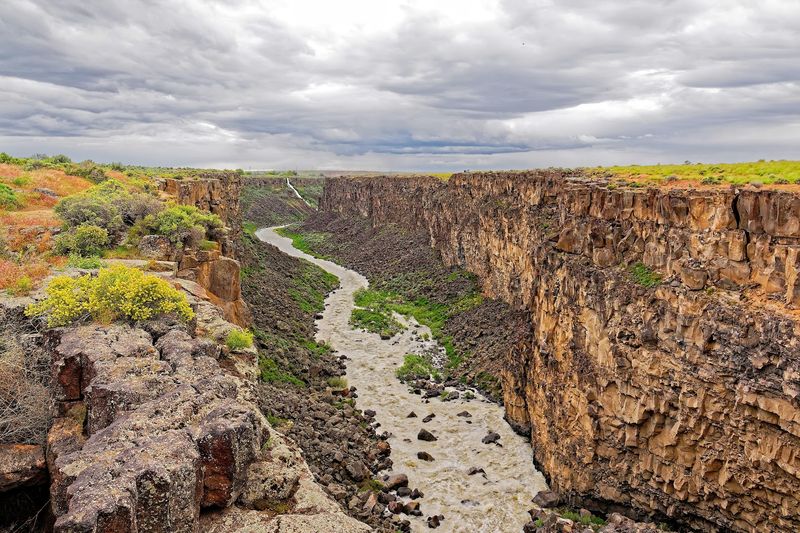
A canyon that drops more than 250 feet into the earth sits just off Interstate 84. Most drivers blow right past the exit without a second thought.
Malad Gorge, part of Thousand Springs State Park, is one of the most visually dramatic landscapes in the region. The day-use area near Hagerman is open year-round.
The gorge was carved by ancient floodwaters and features a footbridge that crosses directly over the Devil’s Washbowl, a churning pool at the base of a waterfall. Standing on that bridge while water roars beneath you is the kind of experience that takes a second to fully process.
The basalt walls drop sharply on both sides. The color of the water against the dark rock is genuinely striking.
The park entrance sits just off Interstate 84 at the Tuttle exit, near Hagerman, ID. Trails along the canyon rim offer views that keep changing as you walk.
New angles reveal different sections of the gorge below. The surrounding area is part of the larger Snake River Plain, which adds geological context to what you are seeing.
Morning visits offer the best light for photography and a quieter atmosphere. Bring water and sturdy shoes for the rim trails.
7. Hagerman Fossil Beds National Monument
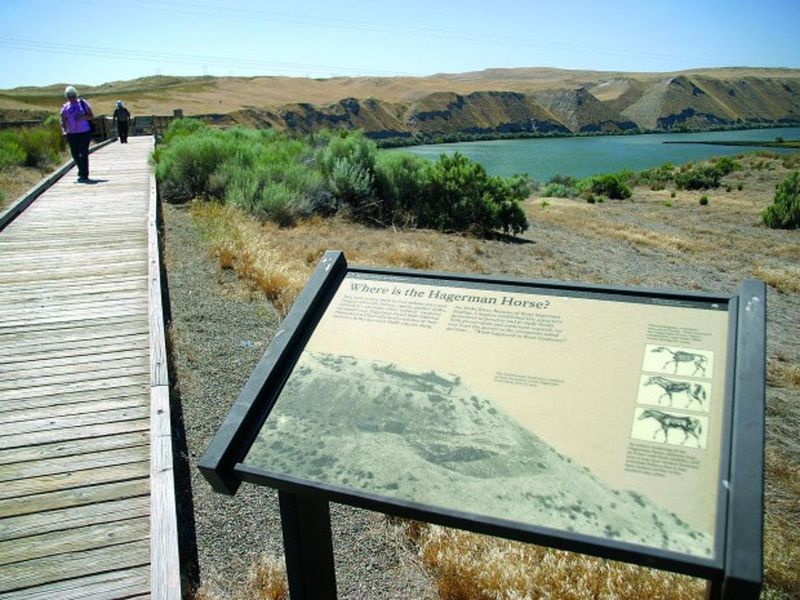
About three and a half million years ago, this stretch of southern land was a lush grassland full of animals that no longer exist. Hagerman Fossil Beds National Monument preserves one of the richest Pliocene fossil sites in North America.
More than 220 species of plants and animals have been identified from the fossil record here.
The monument is best known for the Hagerman Horse, an ancient zebra-like animal that represents the oldest known member of the modern horse genus. The visitor center at 17970 US-30, Hagerman, ID 83332, is the best starting point.
It provides maps for self-guided exploration, available year-round. The bluffs overlooking the Snake River where most fossils have been found are visually stunning even with zero interest in paleontology.
Hiking the trails along the river gives you a front-row view of exposed sedimentary layers that hold the fossil record. Fossil excavation is ongoing, so the science here is actively evolving.
The monument rarely feels crowded, which lets you take your time absorbing both the landscape and the history.
For anyone even mildly curious about prehistoric life, this place delivers far more than expected.
8. Land Of The Yankee Fork State Park
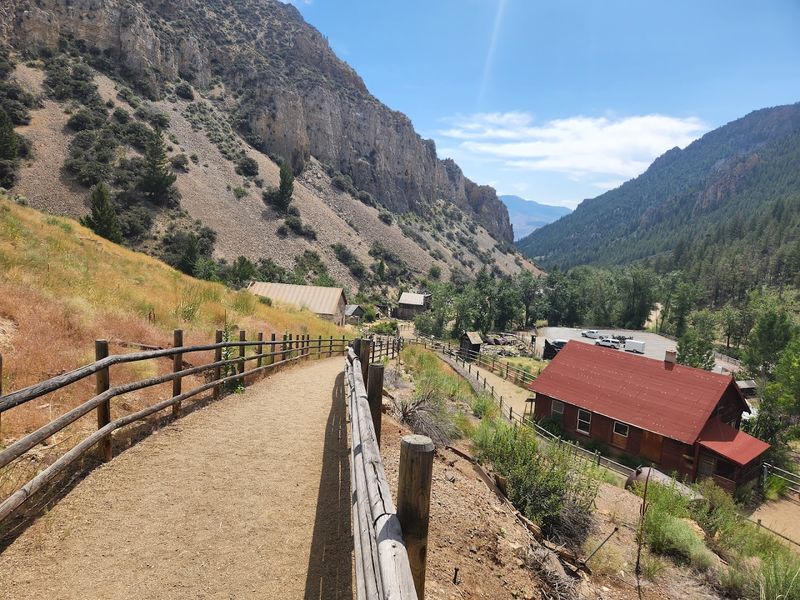
Ghost towns usually disappoint. They tend to be a few crumbling walls and a sign explaining what used to be there.
Custer is different. The Land of the Yankee Fork State Park preserves an actual mining town from the 1870s with enough standing structures to make the place feel genuinely inhabited by history rather than just described by it.
Custer and the nearby Bonanza ghost town sit along Yankee Fork Road, not far from Stanley, ID. The mailing address for the park is 24424 ID-75, Challis, ID 83226, and both towns are accessible during the summer months.
The interpretive center near Custer provides excellent context before you walk through the town itself, which helps you understand what you are looking at beyond just old wood and rusted metal.
The mill building, assay office, and residential structures are all remarkably well-preserved. Walking the dirt paths between them while surrounded by mountain peaks and pine forest creates an atmosphere that is hard to manufacture.
Combine this visit with the Yankee Fork Gold Dredge a few miles down the road for a complete picture of the mining era that once defined this entire valley. Summer weekends bring occasional living history demonstrations that add another layer to the experience.
9. Farragut State Park
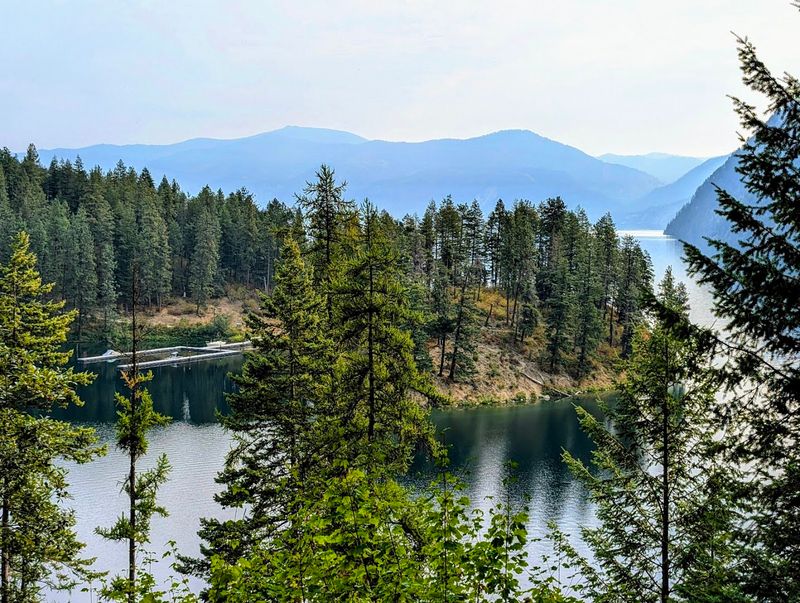
More than 293,000 Navy recruits trained at this exact location in northern Idaho during the 1940s. That number is not a typo.
Farragut was once the second-largest naval training station in the country, operating on the shores of Lake Pend Oreille. The lake is one of the deepest in the nation at over 1,150 feet.
Today, Farragut State Park at 13550 E. Ranger Road, Athol, ID 83801, is open year-round.
It offers hiking, camping, and wildlife viewing on the lake’s southern tip. The park covers more than 4,000 acres.
Trails wind through forests of ponderosa pine and western red cedar. Whitetail deer, ospreys, and bald eagles are commonly spotted throughout.
The Brig Museum on the property preserves artifacts from that era when open seasonally. The lake is breathtaking at any time of year.
Fall foliage season turns the surrounding hills into a mosaic of color that reflects off the water in a way that stops you mid-step.
Farragut rarely feels crowded even during summer. For anyone wanting space, history, and natural beauty in one place, this delivers all three.
10. Thousand Springs State Park
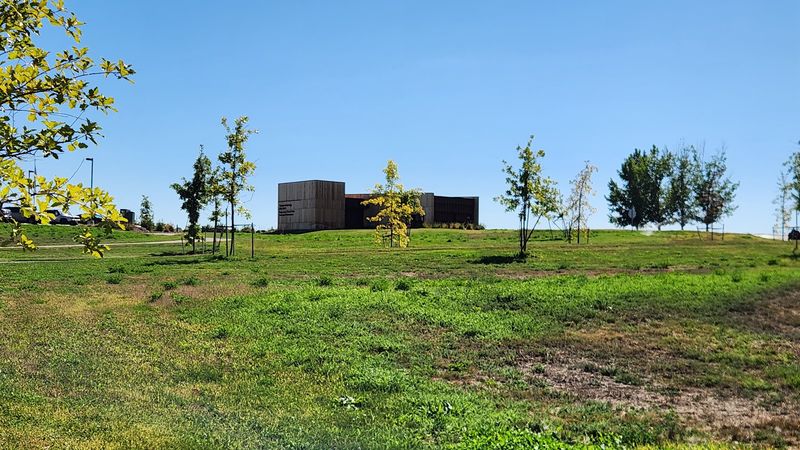
Imagine watching a full waterfall burst directly out of a canyon wall with no stream feeding into it from above. That is exactly what happens at Niagara Springs, and the first time you see it, your brain genuinely struggles to process it.
The water originates from the Snake River Plain Aquifer, one of the largest freshwater aquifers in North America, and it simply appears through the basalt as if the rock itself is pouring water.
The Niagara Springs Unit of Thousand Springs State Park is located at 17970 US-30, Hagerman, ID 83332. Hours vary by season, so it is best to check ahead before visiting.
The crystalline pool at the base of the falls is so clear and still that it almost looks artificial, which makes the whole scene even more surreal.
The short trail to the viewpoint is accessible and does not require serious hiking ability, making this a genuinely easy stop for families or anyone with limited mobility.
The contrast between the dry canyon walls and the lush, spring-fed vegetation around the pool is visually striking in every season. Visiting in the early morning means you often have the falls entirely to yourself, with the sound of the water echoing off the basalt and no other noise competing with it.
That kind of quiet is increasingly rare and worth seeking out.
11. Celebration Park
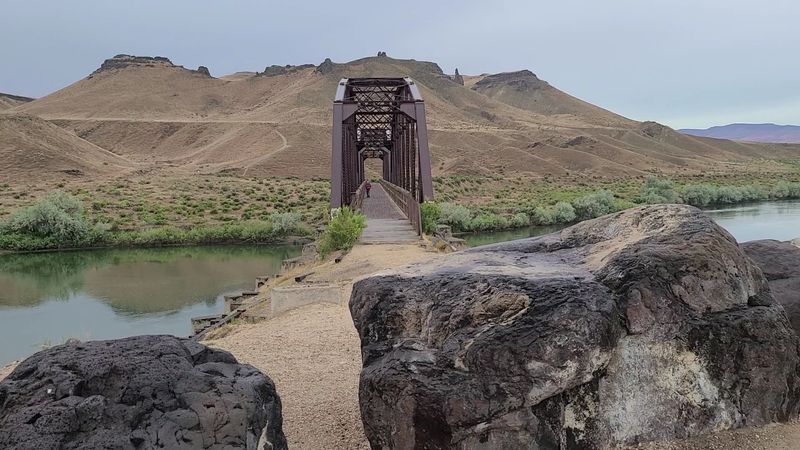
Rock carvings thousands of years old sit along the Snake River less than an hour from Boise, and most people in the city have never visited. Celebration Park at 5000 Victory Lane, Melba, ID 83641, is the only archaeological park in the state.
It preserves one of the most significant concentrations of Native American petroglyphs in the Pacific Northwest.
The park sits along the banks of the Snake River near the town of Melba. It features hundreds of petroglyphs carved into basalt rock by Indigenous peoples over thousands of years.
The images include human figures, animals, geometric patterns, and symbols still studied by archaeologists today. Walking the trails while reading these carvings feels like a conversation across an enormous span of time.
The park also features a reconstructed Native American fish weir and interpretive displays that explain the cultural significance of the site without oversimplifying the history. The riverside setting is peaceful.
The trails are relatively flat, making it accessible for most visitors.
Spring and fall are the most comfortable seasons given the exposed desert terrain. Bring water, wear sun protection, and plan for at least two hours.
This is one of those places that earns its way onto a return-visit list almost immediately after leaving.