Explore Connecticut’s Unique Aquarium With Unforgettable Marine Life Experiences
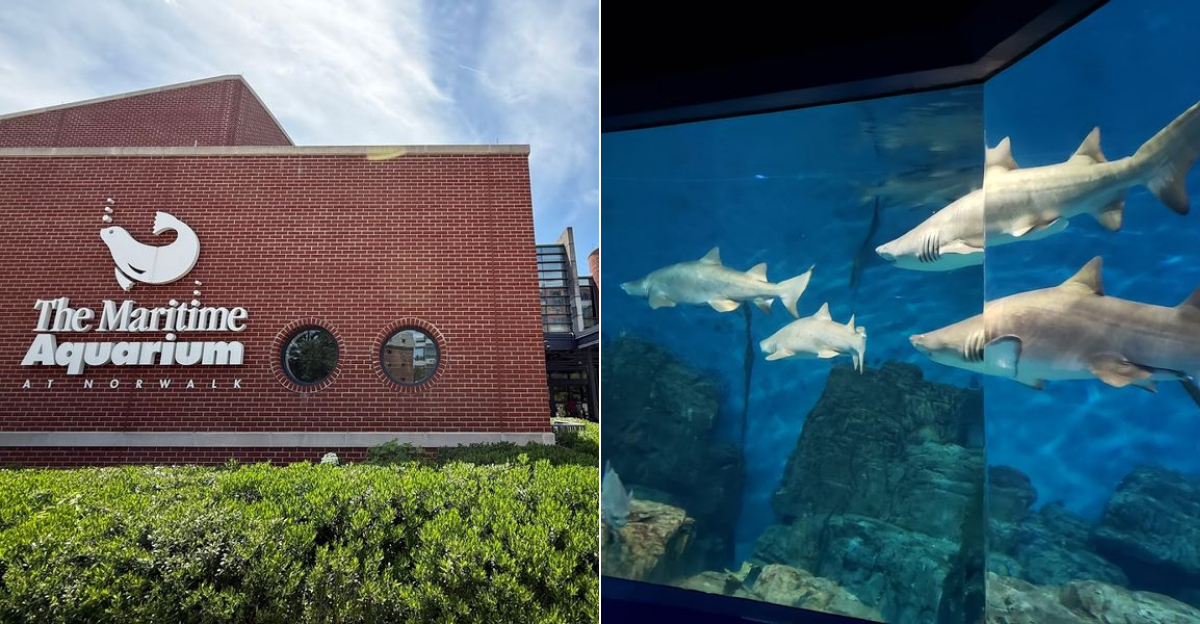
There’s a moment – and if you’ve been here you know exactly which one – where you’re standing in front of a massive tank, completely still, watching something glide past you that looks like it belongs in a dream.
Time does a weird thing in this place. It slows down.
Kids press their faces against the glass, adults do too if they’re being honest, and for a little while the outside world just stops existing.
Every turn reveals something you weren’t expecting, every exhibit pulls you deeper into a world that covers most of our planet yet somehow still feels like a mystery.
This Connecticut aquarium is serving up marine life experiences so up-close and personal that you’ll walk out seeing the ocean in a whole different way.
1. Discover The Wonders Of The Maritime Aquarium
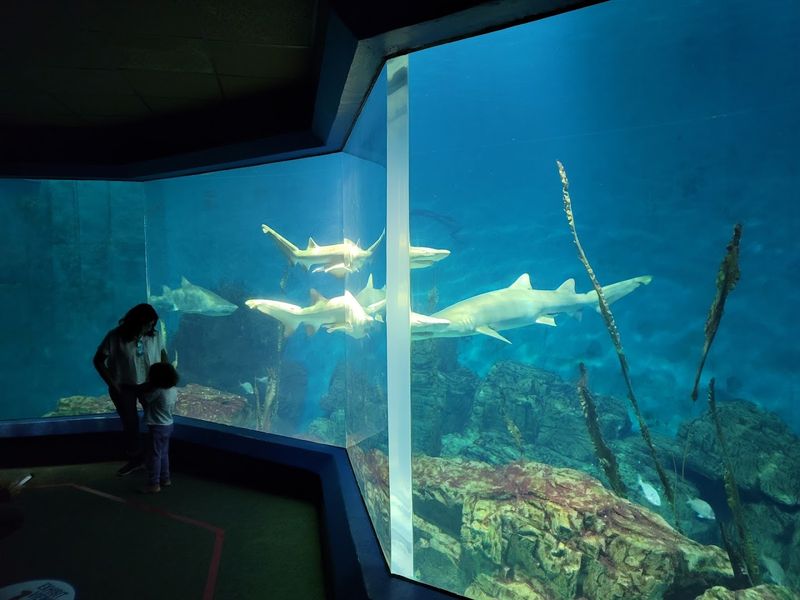
Stepping through the entrance of The Maritime Aquarium at Norwalk feels like crossing into a completely different world. Originally opening in 1988 under the name the Maritime Center, it was renamed in 1996 to better reflect its growing focus on live animal exhibits.
The building sits right at the edge of the Norwalk River, giving the whole space a naturally aquatic atmosphere before a single exhibit is even reached.
Located at 10 N Water St, Norwalk, CT 06854, the aquarium covers approximately 140,000 square feet and holds over 177,000 gallons of water spread across its many tanks and habitats. Nearly 7,000 animals representing more than 300 species call this place home.
That range alone makes a first visit feel almost overwhelming in the best possible way.
Planning to arrive when doors open at 10 AM tends to make the experience more relaxed and less crowded. Tickets purchased online in advance can also help avoid longer entry lines, especially on weekends.
The aquarium is open daily and provides a manageable layout that most visitors can comfortably explore in two to three hours.
2. Immerse Yourself In Connecticut’s Premier Aquarium
There is something quietly impressive about the way the aquarium flows from one exhibit to the next without ever feeling rushed or chaotic. Natural light filters in near certain sections while the soft blue glow of large tanks creates a calm and focused atmosphere throughout the building.
The layout moves visitors through different zones that shift from shallow shoreline habitats to the deeper reaches of Long Island Sound.
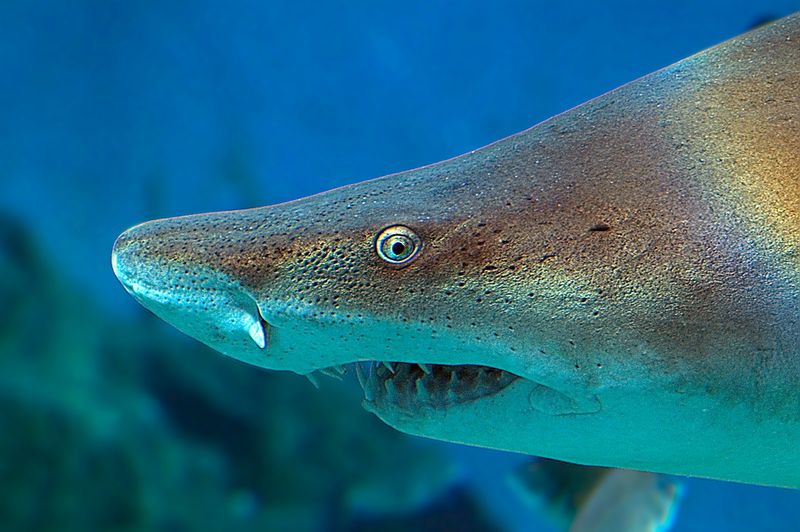
One of the most striking spaces is the Ocean Beyond the Sound habitat, a massive 110,000-gallon tank that holds large schooling fish alongside sand tiger and lemon sharks. Watching those animals move through the water from just inches away through thick glass is genuinely absorbing.
The scale of that single exhibit alone justifies the visit for many people.
Pinniped Cove offers a very different kind of immersion with its two-story, 150,000-gallon saltwater tank housing harbor seals. Visitors can observe the seals from both levels, catching different perspectives of their playful movement through the water.
Scheduled feeding times add an extra layer of energy to that part of the aquarium that younger visitors especially tend to enjoy.
3. Get Up Close With Fascinating Marine Life
The Shark and Ray Touch Pool allows guests to gently touch cownose, southern, and roughtail stingrays as they circle the shallow tank. Nurse sharks also share the space, and staff members nearby are ready to answer questions and provide context about each animal.
The Intertidal Touch Tank offers a completely different texture of experience, featuring sea stars, crabs, and other creatures typically found along rocky shorelines. Younger children tend to be especially drawn to this area because the animals move slowly and the water is shallow enough to feel safe and approachable.
Hand-washing stations with soap and water are set up right beside the tanks for easy cleanup afterward.
A quirky highlight called Jiggle A Jelly gives visitors a chance to interact with live jellyfish in a controlled and gentle way. Feeling the soft, boneless movement of a jellyfish against the fingertips is genuinely unlike any other sensory experience the aquarium offers.
It tends to be one of those moments that visitors remember long after leaving.
4. A Family-Friendly Destination In Norwalk, Connecticut
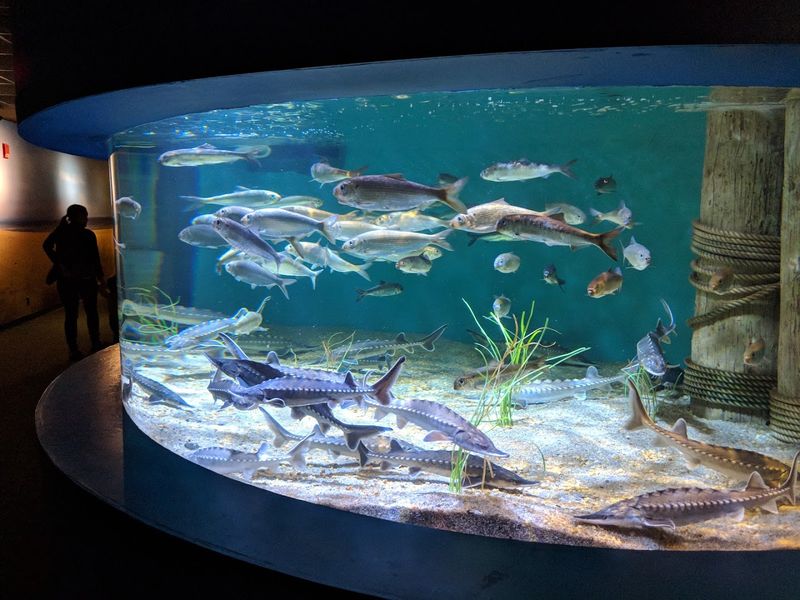
Few attractions in Connecticut manage to hold the attention of both a two-year-old and a teenager at the same time, but this aquarium pulls it off with a thoughtful mix of interactive and observational experiences. Strollers are welcome throughout the building and an elevator is available for families who need it.
The layout is compact enough that little legs do not wear out before the highlights are reached.
Beyond the marine life, the second floor features land animals including meerkats and tamarins that tend to draw big reactions from younger visitors. Watching meerkats stand at attention or dart around their enclosure brings a burst of playful energy to the visit.
Special exhibits rotate seasonally, so returning families often find something new to discover on each trip.
A cafe inside the aquarium serves snacks, sandwiches, and other food options that keep energy levels up mid-visit. A gift shop near the exit carries plush animals, books, and souvenirs at a range of price points.
The aquarium also offers sensory-friendly mornings with dimmed lights and reduced sound levels, which makes the space more welcoming for visitors with sensory-processing differences.
5. Explore Interactive Exhibits And Touch Tanks
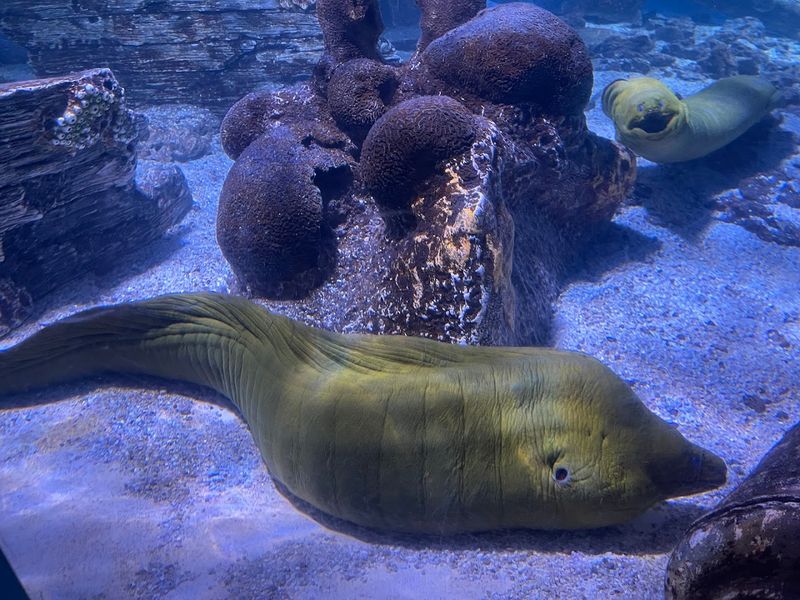
Beyond the touch pools, the aquarium builds interactivity into its exhibits in ways that go past simply pressing a button on a screen. The Marine Care and Culture Lab gives visitors a behind-the-scenes look at how jellyfish and seahorses are bred and raised on site.
Watching the nursery tanks up close reveals just how delicate and complex aquarium care actually is, which tends to shift how people think about the animals they see elsewhere in the building.
The Living Lights exhibit introduces visitors to bioluminescent animals including flashlight fish, pinecone fish, chain catsharks, and crystal jellyfish. The room is kept dim to let the natural light produced by these animals stand out, and the effect is genuinely striking.
It feels less like a traditional exhibit and more like stepping into a completely different environment.
A summer exhibit called Travel Back in Maritime highlights extinct ocean predators like mosasaurs and megalodons alongside their modern-day relatives. Pairing ancient creatures with living ones gives the exhibit a storytelling quality that keeps both kids and adults engaged.
Other exhibits explore aquatic life from African rivers and lakes, adding geographic variety to the overall experience.
6. Experience The Thrill Of Shark Encounters
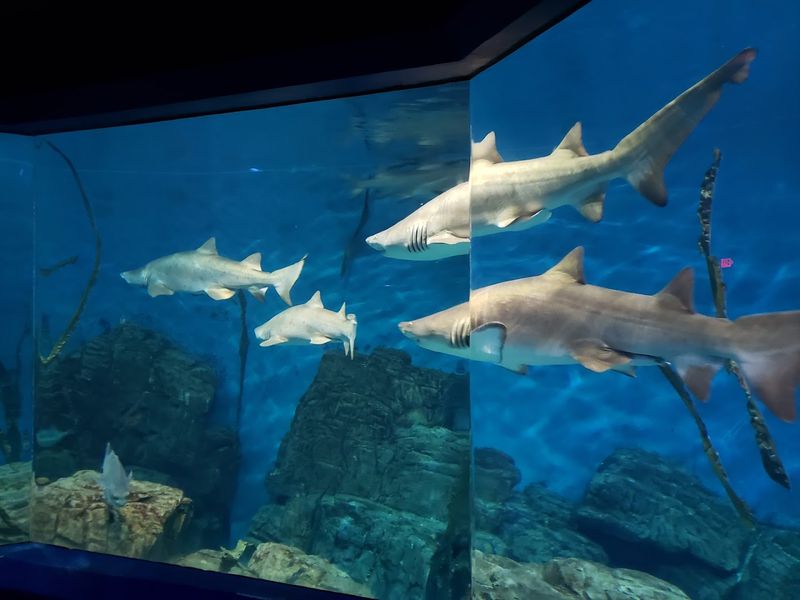
Sand tiger sharks have a reputation for looking far more aggressive than they actually are, and watching one glide silently through the 110,000-gallon Ocean Beyond the Sound tank tends to confirm both halves of that fact. The sheer size of the tank means these animals move naturally and at their own pace rather than circling a cramped space.
Lemon sharks share the habitat, adding variety to what is already one of the most visually dramatic exhibits in the building.
Nurse sharks can also be encountered more directly at the Shark and Ray Touch Pool, where their calm and slow-moving nature makes them well-suited for a closer interaction. Staff members stationed at the pool explain shark behavior and help visitors understand the difference between common misconceptions and reality.
That kind of real-time education makes the encounter feel meaningful rather than just thrilling.
For those who want their shark experience to extend beyond the walls of the aquarium, research vessel cruises on Long Island Sound offer a chance to learn about the marine ecosystem where many of these animals actually live. The cruises run year-round and include hands-on activities like water chemistry testing and plankton observation under a microscope.
7. See Stunning Marine Species From The Long Island Sound
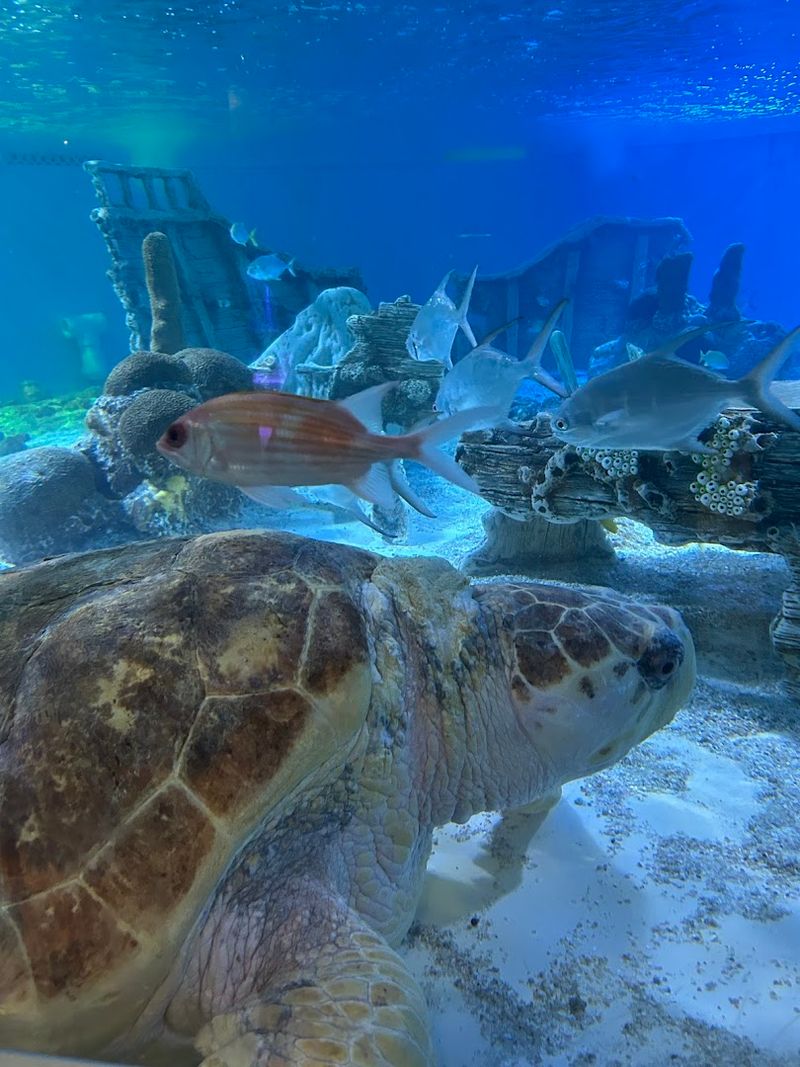
Long Island Sound is one of the most ecologically rich estuaries on the East Coast, and the aquarium was built specifically to celebrate and protect it. Loggerhead sea turtles are among the most visually impressive residents, their size and slow grace drawing crowds at nearly every hour of the day.
River otters also make an appearance, representing the freshwater ecosystems that feed into the Sound’s broader watershed.
The aquarium also features what it calls tropical travelers, which are species that drift north from warmer waters via the Gulf Stream during certain seasons. Seeing a tropical fish in the context of a Connecticut waterway reframes how visitors think about ocean connectivity and the reach of warm currents.
Moon jellies and crystal jellies round out a collection that spans a surprisingly wide range of environments.
Exhibits are organized to show how life changes at different depths and zones within the Sound, from the sunlit shallows to darker, cooler water. That layered approach gives the collection a sense of ecological storytelling rather than just a parade of tanks.
Visitors who take time to read the display panels tend to leave with a noticeably richer understanding of the local marine environment.
8. Enjoy Engaging Educational Programs For All Ages

Education at the aquarium goes well beyond reading labels on tanks, stretching into structured programs that cater to school groups, families, and curious adults alike. Meet-the-keeper talks happen throughout the day at various exhibits, giving visitors a chance to hear directly from the people responsible for the animals’ daily care.
Those conversations tend to be informal and genuinely informative rather than scripted or overly polished.
Summer camps bring younger learners back for multi-day immersive experiences that go deeper into marine science than a single visit allows. Overnight sleepovers let small groups spend the night inside the aquarium, which turns the whole building into a very different kind of classroom once the general public has gone home.
School programs are also available during the academic year and align with science curriculum standards.
Special events rotate throughout the calendar and often highlight specific animals or conservation topics in creative ways. The 4D theater offers a cinematic experience enhanced by scents, mist, wind, and bubbles that make educational films feel far more immersive than a standard screen.
Combining that kind of sensory engagement with solid factual content is what tends to make the aquarium’s educational approach stick with visitors long after the visit ends.