These 9 Texas Destinations Prove Great Trips Don’t Need Big Budgets
Great road trips do not always require large budgets, they require the right destinations. Texas has some that prove a remarkable journey can happen without spending very much at all.
Right here in this single state, value and beauty have been running quietly alongside each other all along.
I stretched a full weekend across a few of these destinations once and came home completely and thoroughly satisfied.
The variety means every kind of traveler finds something that fits perfectly within reach. Pick any one, build a simple itinerary.
Discover what affordable adventure actually looks like in real practice.
These destinations deserve far more credit than the big-ticket Texas stops most visitors typically seek out.
1. San Antonio
Trust me, few cities in the entire country pack this much history and charm into a single square mile.
San Antonio, located in south-central Texas, is one of those rare places where a full day of exploration costs almost nothing.
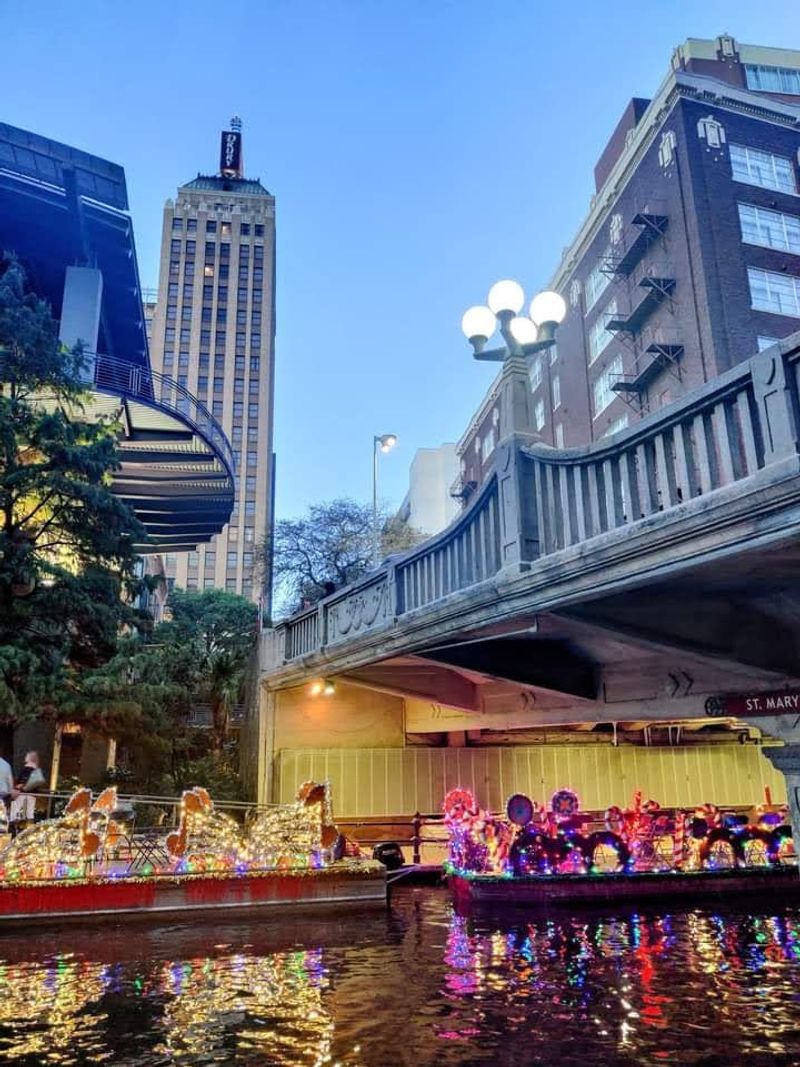
The famous River Walk winds through the heart of downtown, lined with cypress trees and stone paths that feel like they belong in a European postcard.
The Alamo sits right in the middle of the city. It is free to enter and absolutely worth the stop.
Standing inside those thick limestone walls, you get a real sense of how old and layered this part of Texas truly is.
Beyond the history, the city’s neighborhoods each have their own personality. The King William Historic District has gorgeous 19th-century homes you can admire just by walking the sidewalks.
Market Square, also called El Mercado, is the largest Mexican market in the United States and a fantastic spot for browsing handmade goods and soaking up local culture.
San Antonio also hosts free events and festivals throughout the year. The city’s public parks, including Brackenridge Park, give you green space, trails, and even a free look at the San Antonio Zoo’s exterior exhibits.
Food here is bold and affordable, with street tacos and tamales sold at stands across the city.
2. Galveston
Can you believe that one of Texas’s most historically rich and visually stunning coastal towns is also one of its most budget-friendly?
Galveston is a barrier island sitting about 50 miles southeast of Houston, and it carries more than a century of stories in its salt-air streets. The beaches here stretch for miles, and access to the Gulf of Mexico shoreline is completely free.
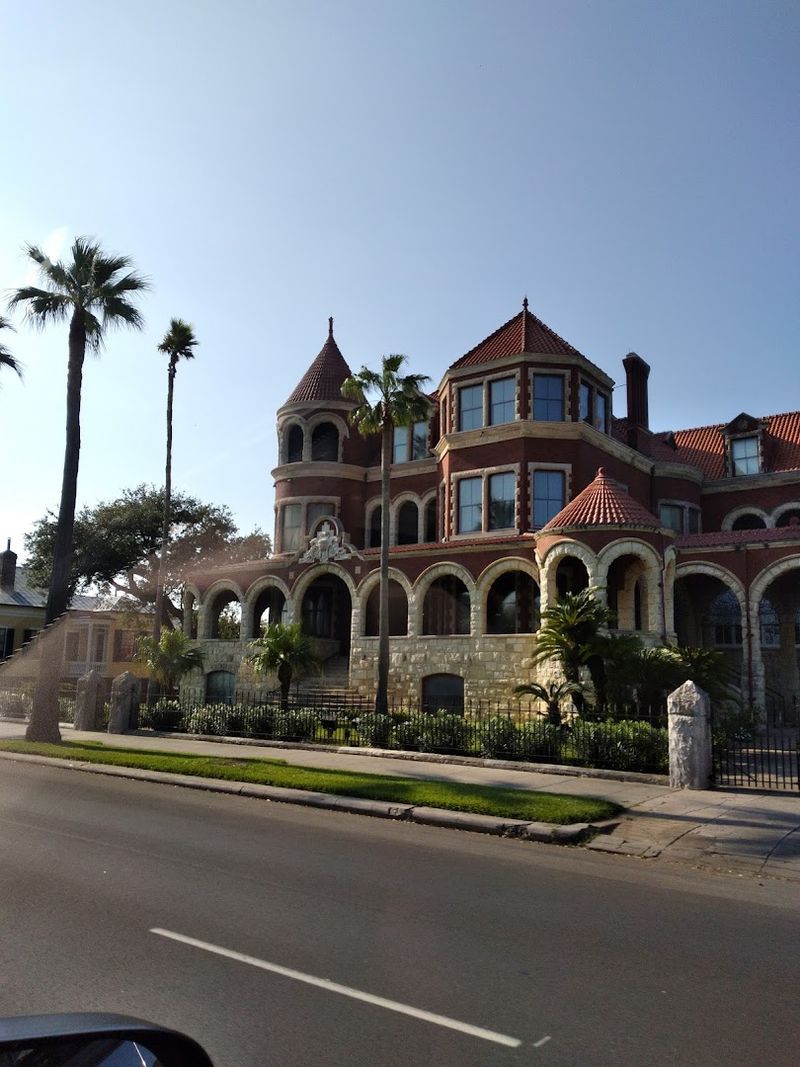
The Strand Historic District is the real showstopper. Victorian architecture lines the streets in a way that feels almost theatrical, with ornate ironwork balconies and colorful facades that have survived hurricanes and decades of change.
Browsing the shops and galleries along The Strand costs nothing, and the architecture alone is worth the trip.
Galveston’s Seawall Boulevard is perfect for a long morning walk or a bike ride. Rental bikes are affordable, and the views of the Gulf are unbeatable at sunrise.
The island also has several free museums and historic sites, including the 1877 Tall Ship Elissa, which is part of the Texas Seaport Museum at 2200 Wharf Rd.
Local seafood shacks near the fishing piers serve fresh catches at prices that won’t make your eyes water.
The Galveston Island State Park charges only a small day-use fee and rewards you with birding, kayaking trails, and quiet marshland that feels miles away from any crowd.
3. Fredericksburg
Who would’ve thought a small German settlement in the Texas Hill Country would become one of the most charming weekend escapes in the entire state?
Fredericksburg is about 70 miles west of Austin and carries a uniquely European character that sets it apart from every other Texas town.
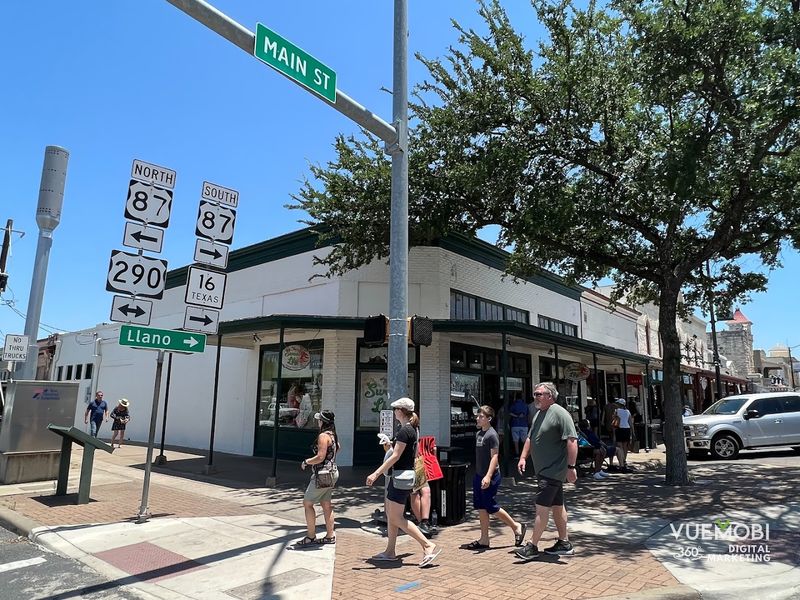
The main street, simply called Main Street, is lined with limestone buildings that date back to the 1800s when German immigrants first settled here.
The National Museum of the Pacific War at 311 E Austin St is located right in town and tells a compelling story about World War II through impressive exhibits.
Admission is reasonably priced, and the outdoor plaza is completely free to explore. History enthusiasts will find it hard to leave.
Spring is the most spectacular season here. Bluebonnets and Indian paintbrush wildflowers carpet the surrounding countryside in waves of purple and red.
Enchanted Rock State Natural Area is just 18 miles north of town and offers hiking trails that wind up a massive pink granite dome with panoramic Hill Country views.
Peach season, running roughly from May through August, brings roadside stands with fresh fruit at prices that feel almost too good to be true.
The Sunday Houses along the historic streets are a unique Texas architectural curiosity, originally built by German farmers who needed a small city home for weekend trips to town.
4. Waco
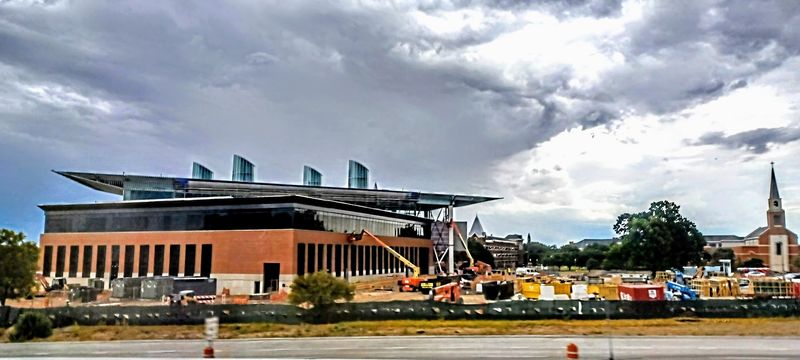
I never would’ve guessed that a mid-sized city right in the heart of Texas would end up being such a satisfying and affordable travel stop.
Waco sits along the Brazos River in central Texas, roughly halfway between Dallas and Austin, making it a natural road trip checkpoint that deserves far more than a quick gas station pause.
The city has quietly transformed into a destination with real character and a lot to explore on foot.
The Waco Mammoth National Monument at 6220 Steinbeck Bend Dr is one of the most underrated natural history sites in the country. It preserves the remains of a Columbian mammoth herd discovered right here in Waco.
Standing inside that dig shelter and looking at actual fossilized bones is a humbling experience.
Cameron Park is a sprawling green space along the river that offers free hiking trails, limestone bluffs, and beautiful overlooks of the Brazos.
The park covers over 400 acres and gives you the kind of outdoor fix that feels earned. Birders especially love the variety of species that pass through the area each season.
The Dr Pepper Museum at 300 S 5th St downtown celebrates the iconic soda born right here in Waco back in 1885. Admission is affordable, and the building itself is a beautifully restored 1906 bottling plant.
Suspension Bridge Park near the historic 1870 bridge is free, scenic, and a great spot to watch kayakers glide past on a lazy afternoon.
5. Port Aransas
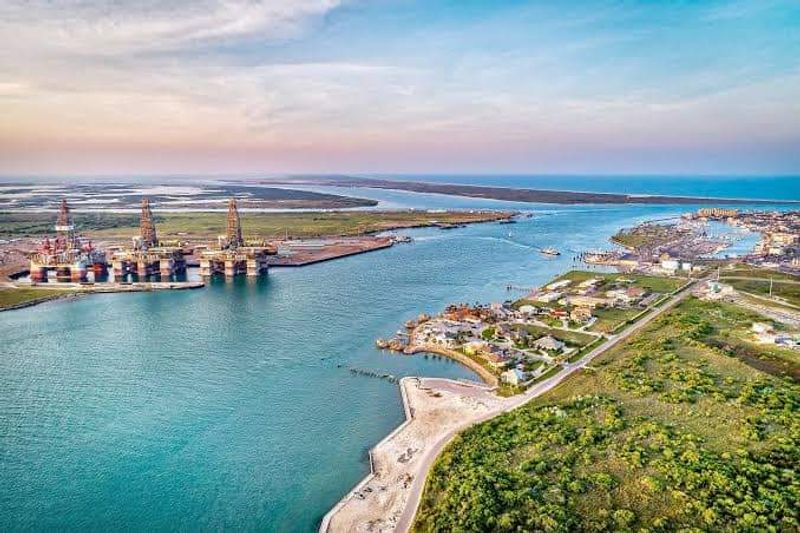
Believe me, there is something almost magical about arriving on a barrier island where the pace of life slows down the moment your tires hit the ferry deck.
Port Aransas sits on the northern tip of Mustang Island along the Texas Gulf Coast, and getting there is already half the fun.
A free ferry ride across the Corpus Christi Ship Channel delivers you to a town that feels like it was designed for people who just want to breathe saltwater air and forget their schedules.
The beaches here are wide, uncrowded by big-city standards, and completely free to enjoy.
Fishing from the public piers costs nothing beyond your gear, and the town has a long tradition of welcoming anglers of every skill level. Redfish, speckled trout, and flounder are common catches along the island’s flats and jetties.
The Leonabelle Turnbull Birding Center at 1356 Ross Ave is a free spot tucked near the town center. A wooden boardwalk winds through wetlands where roseate spoonbills, herons, and dozens of shorebird species gather year-round.
Mustang Island State Park charges a small entry fee and rewards you with miles of undeveloped coastline, camping sites, and kayak-friendly bays. The town itself has a casual, sun-bleached charm that encourages slow mornings and long beach walks.
6. Marfa
I must admit, nothing quite prepares you for the experience of arriving in a tiny West Texas art town that somehow feels like it belongs on another planet.
Marfa sits in the high desert of Presidio County, approximately 190 miles southeast of El Paso, at an elevation of nearly 4,700 feet. The air is dry and sharp, the sky is enormous, and the silence is the kind that actually makes you stop and listen.
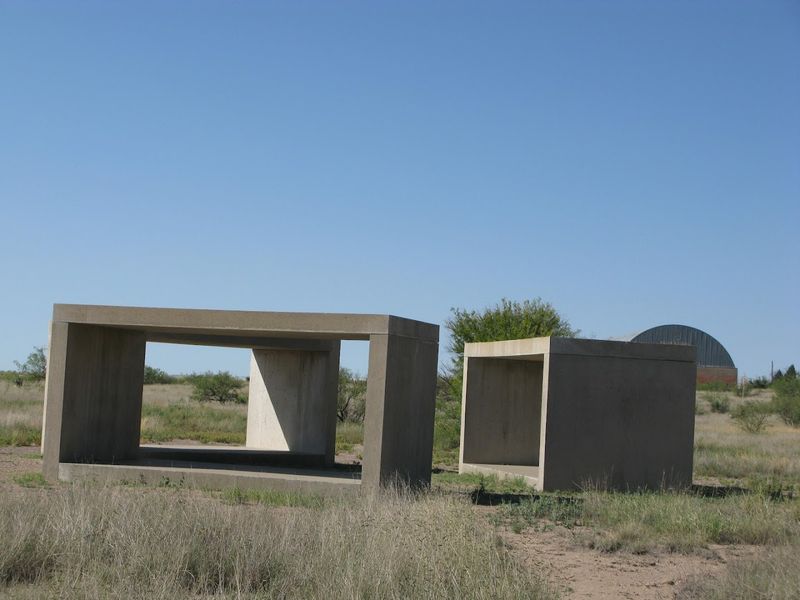
The Chinati Foundation, a world-class contemporary art institution, was established here by artist Donald Judd in the 1980s.
Large-scale permanent installations occupy former military buildings across a sprawling campus, and the experience of walking through them is unlike anything in a traditional museum. Tours are available at modest prices.
The Marfa Lights, mysterious glowing orbs that appear in the desert sky near Highway 67, have baffled observers for generations.
The official Marfa Lights Viewing Area east of town is completely free and open every night. Whether science or folklore explains them, watching the lights flicker across that dark horizon is genuinely unforgettable.
Prada Marfa, the permanent art installation shaped like a luxury boutique standing alone in the desert about 37 miles northwest of town, is free to view and endlessly photogenic.
The town’s quirky mix of minimalist art, cowboy culture, and stargazing draws curious travelers who want something completely different.
7. Palo Duro Canyon State Park
Would you ever think the second-largest canyon in the United States was hiding in the flat Texas Panhandle, just a short drive from Amarillo?
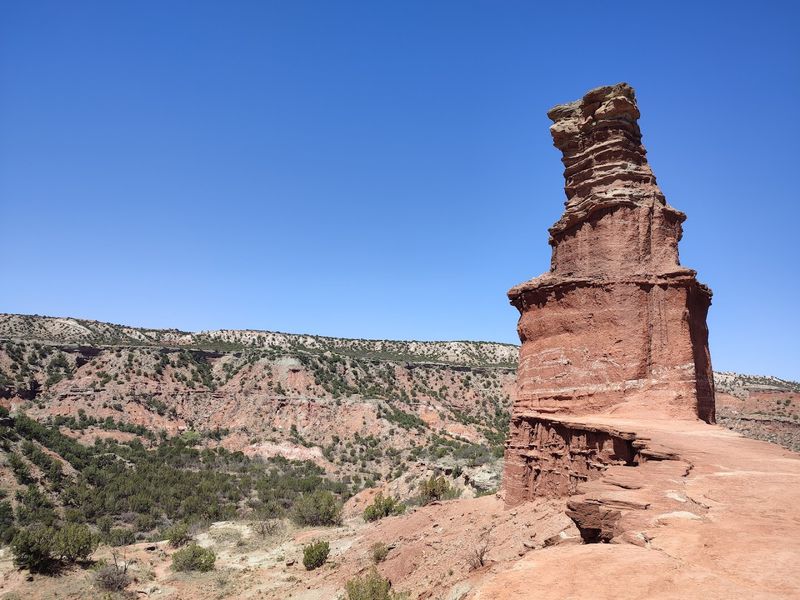
Palo Duro Canyon State Park is about 25 miles southeast of Amarillo in the Texas Panhandle, and it drops nearly 800 feet into the earth with walls of red, orange, and purple rock that glow like embers at sunset.
Most people outside of Texas have never even heard of it, which makes the first glimpse from the canyon rim feel like a personal discovery.
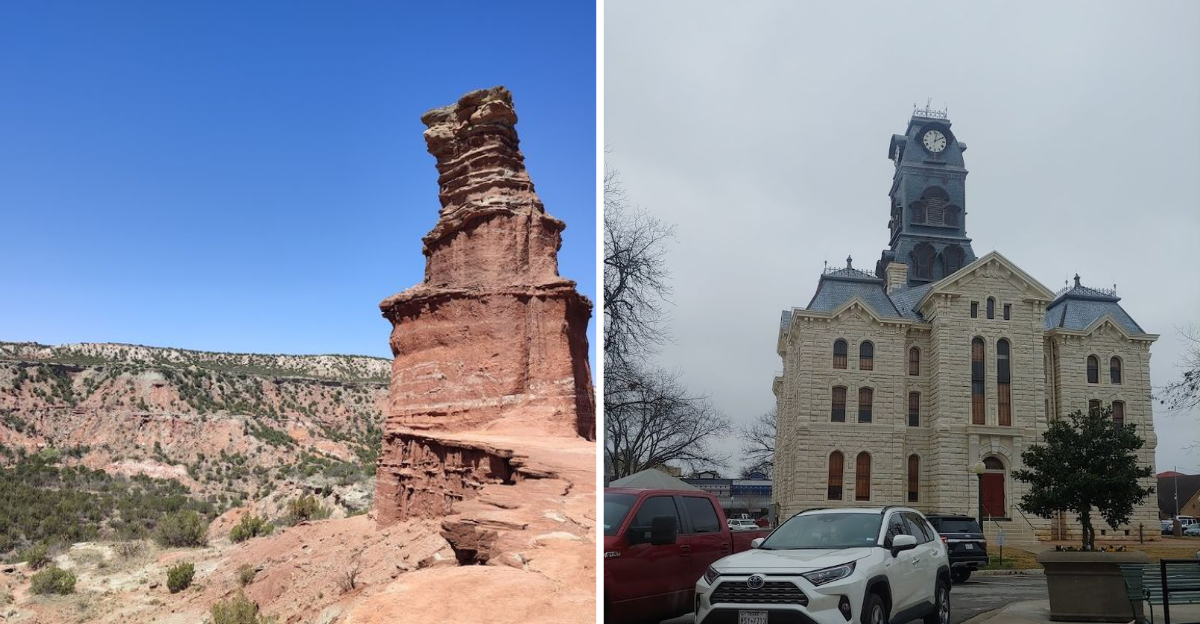
The park spans more than 29,000 acres and offers over 30 miles of hiking and mountain biking trails. The Lighthouse Trail is the most popular route, leading to a 310-foot rock formation that rises dramatically from the canyon floor.
Early morning hikes here, when the light is low and the shadows are long, are among the most visually stunning experiences in the state.
Entry fees are modest, and the park offers camping at several sites along the canyon floor. Waking up surrounded by canyon walls with coyotes calling in the distance is the kind of morning that resets your entire perspective.
The park also hosts an outdoor musical drama called TEXAS, performed in an outdoor amphitheater each summer.
The geology here tells a story spanning 90 million years of erosion by the Prairie Dog Town Fork of the Red River.
8. Jefferson
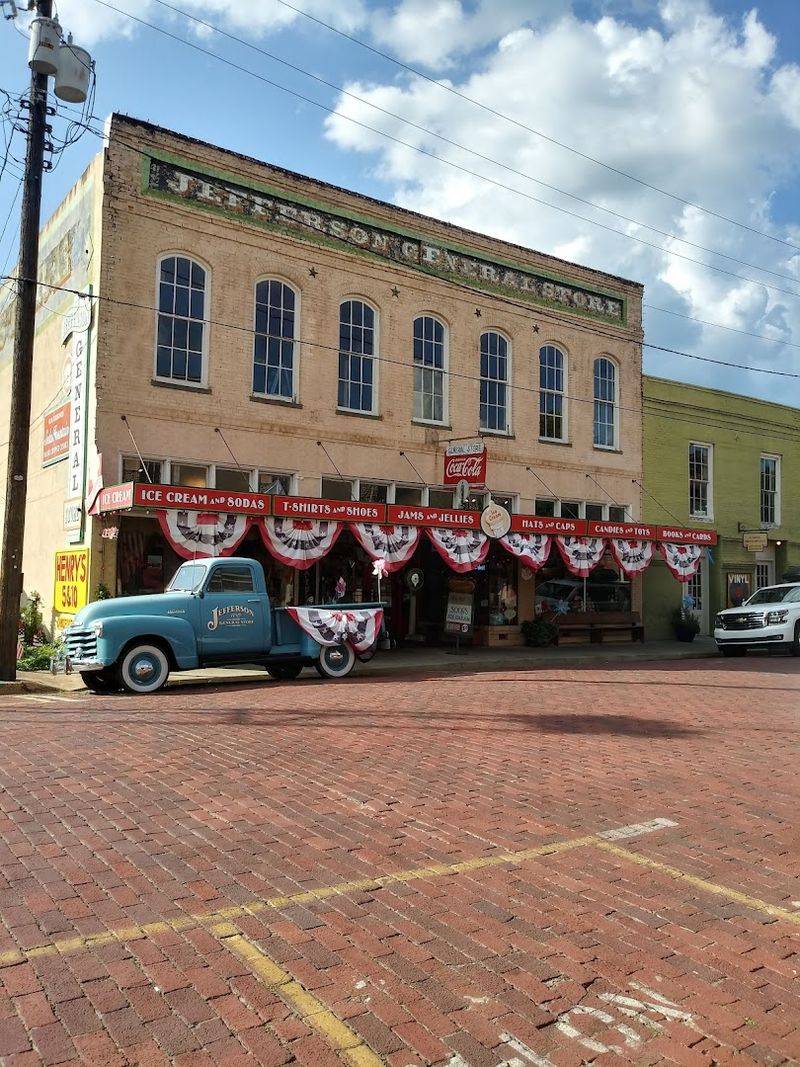
You might not believe me, but tucked into the piney woods of northeast Texas is a town that was once the most important port city in the entire state.
Jefferson sits along Big Cypress Bayou in Marion County, and in the mid-1800s it was a booming river port that rivaled Galveston in commercial significance.
The steamboats are long gone, but the grand architecture they funded is still standing in remarkable condition. The historic district is a living museum of antebellum and Victorian-era buildings.
Walking the brick-paved streets past restored mansions, old churches, and 19th-century storefronts costs absolutely nothing, and the sheer density of preserved history here is extraordinary.
Jefferson is also one of Texas’s most celebrated small towns for ghost stories and historic lore.
The Excelsior House Hotel at 211 W Austin St, one of the oldest operating hotels in Texas, has hosted figures like Ulysses S.Grant and Oscar Wilde.
Even if you don’t stay there, the lobby is open for a peek at its remarkable history. Big Cypress Bayou offers kayaking and canoeing through cypress-lined waterways draped in Spanish moss. Rental options are available locally at reasonable rates.
The Jefferson General Store at 113 E Austin St and the surrounding shops along Austin Street make for a fun afternoon of browsing without pressure to spend.
9. Granbury
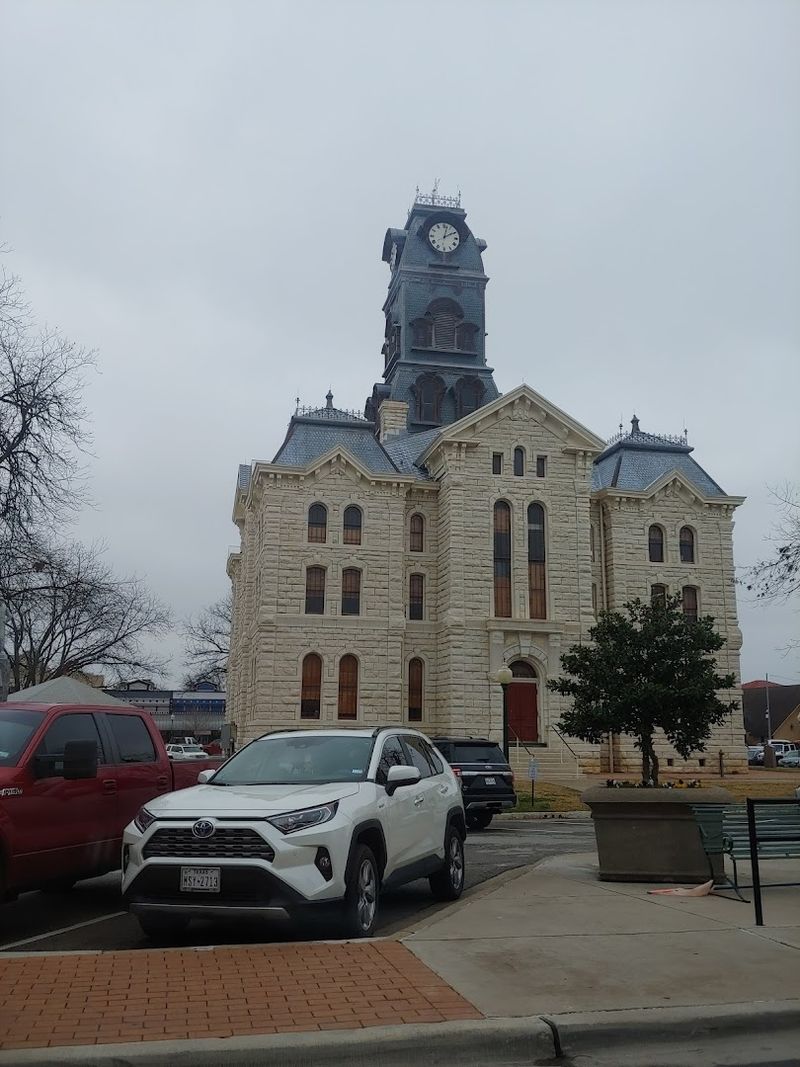
Doesn’t it seem almost too good to be true that a town with a perfectly preserved Victorian courthouse square, a sparkling lake, and a thriving arts scene is still flying under the radar of most travelers?
Granbury is about 40 miles southwest of Fort Worth in Hood County, and it has the kind of unhurried charm that makes a weekend feel twice as long in the best possible way.
The town square, anchored by the 1891 Hood County Courthouse, is one of the most photogenic in the state.
Lake Granbury wraps around much of the town and gives residents and travelers easy access to fishing, boating, and waterfront walks.
The Granbury City Beach is a free public swimming area on the lake that draws families throughout the warm months. Paddleboard and kayak rentals are available nearby at very reasonable rates.
The Granbury Opera House at 133 E Pearl St, a restored 1886 theater on the square, hosts live performances throughout the year at accessible ticket prices.
Historic walking tours of the downtown area reveal layers of frontier-era Texas history, including connections to figures from the post-Civil War period. The town takes its history seriously and presents it with genuine pride.
Small boutique shops and local eateries ring the courthouse square, and browsing them on a Saturday morning feels like stepping into a slower, more deliberate version of Texas life.