12 Nebraska’s Nature Centers, Marsh Trails, And Wildlife Refuges Make The Wild Feel Surprisingly Close
Wild places do not always require a huge expedition. Sometimes they are closer than people think.
A boardwalk can lead straight into bird calls. A quiet trail can open onto marsh grass, water, and movement in every direction.
One overlook can turn a normal afternoon into a “hold on, did you see that?” moment.
Nature feels different when it is easy to reach. Less intimidating. More personal.
Nebraska can make the wild feel surprisingly close to the sidewalk.
That is the beauty of these places.
You do not need to be an expert. Simply bring curiosity, decent shoes, and patience to let the landscape start showing off.
1. Spring Creek Prairie Audubon Center, Denton
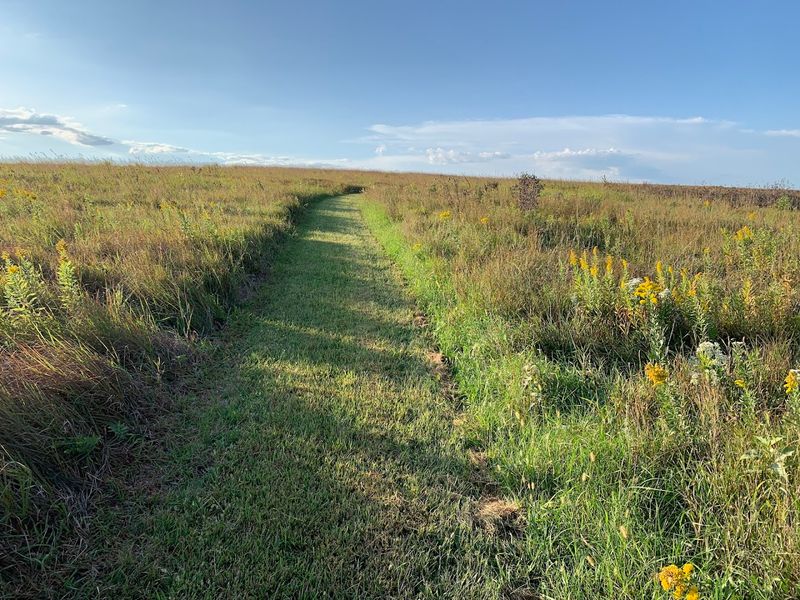
Stretching across 1,160 acres southwest of Lincoln, Spring Creek Prairie Audubon Center offers a rare chance to walk through one of the most intact tallgrass prairie ecosystems remaining in the Great Plains.
The trails here wind through a mix of prairie, woodland, riparian corridors, wetlands, and restored habitat, giving hikers a genuine sense of how varied Nebraska’s landscape can be.
Four miles of maintained trails make the area accessible without feeling overcrowded.
Bird activity at Spring Creek tends to be especially rich during spring and fall migration seasons, when grassland sparrows, meadowlarks, and various raptors move through the area.
The visitor center provides interactive educational exhibits that help put the landscape into ecological context.
Wildflowers bloom across the prairie from late spring through summer, adding bursts of color to the tall grasses.
Visiting on a weekday morning tends to offer quieter conditions with better wildlife observation opportunities.
The center is located near Denton, which sits southwest of Lincoln along relatively easy roads. Comfortable walking shoes are recommended since some trail sections cross uneven terrain.
Seasonal weather in Nebraska can shift quickly, so bringing layers is a practical habit regardless of the forecast.
2. Pioneers Park Nature Center, Lincoln
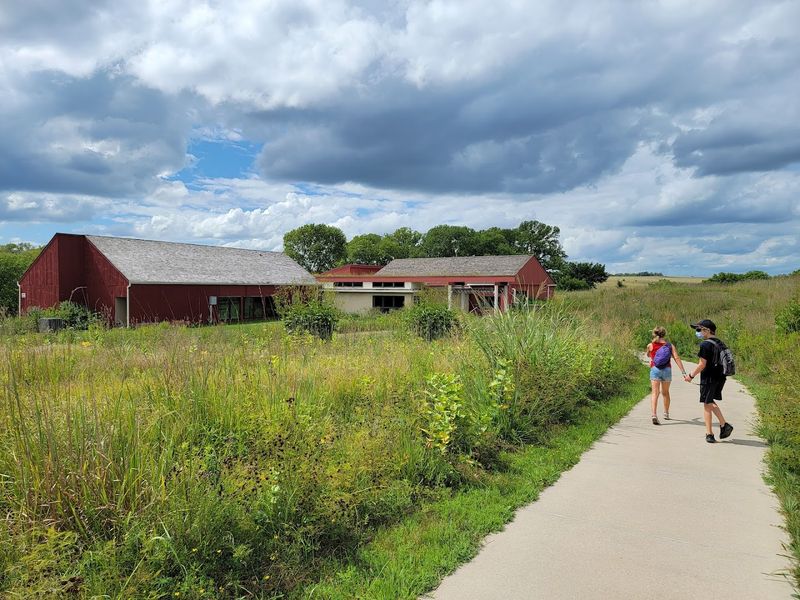
Covering 668 acres inside Lincoln city limits, Pioneers Park Nature Center manages to feel genuinely wild despite its urban setting.
The preserve includes tallgrass prairie, wooded areas, and wetlands connected by roughly eight miles of walking trails that suit a range of fitness levels.
Bison and elk can be observed within designated areas of the park, which adds a memorable dimension to what might otherwise feel like a standard nature walk.
The nature center building itself functions as an environmental education hub, with exhibits focused on Nebraska’s native ecosystems, wildlife, and conservation history.
Gardens near the main building showcase native plantings that attract pollinators and songbirds throughout the warmer months.
Trail conditions tend to vary by season, with spring bringing muddy stretches after rain and fall offering some of the most visually striking foliage along the wooded paths.
Weekends during peak seasons bring more families and school groups, so arriving early helps secure a quieter experience.
The park sits within Lincoln’s southwest side, making it convenient for residents and travelers staying in the city.
Trail maps are typically available at the main entrance, and the paths are generally well-marked for first-time visitors exploring the full loop system.
3. Lincoln Saline Wetland Nature Center, Lincoln
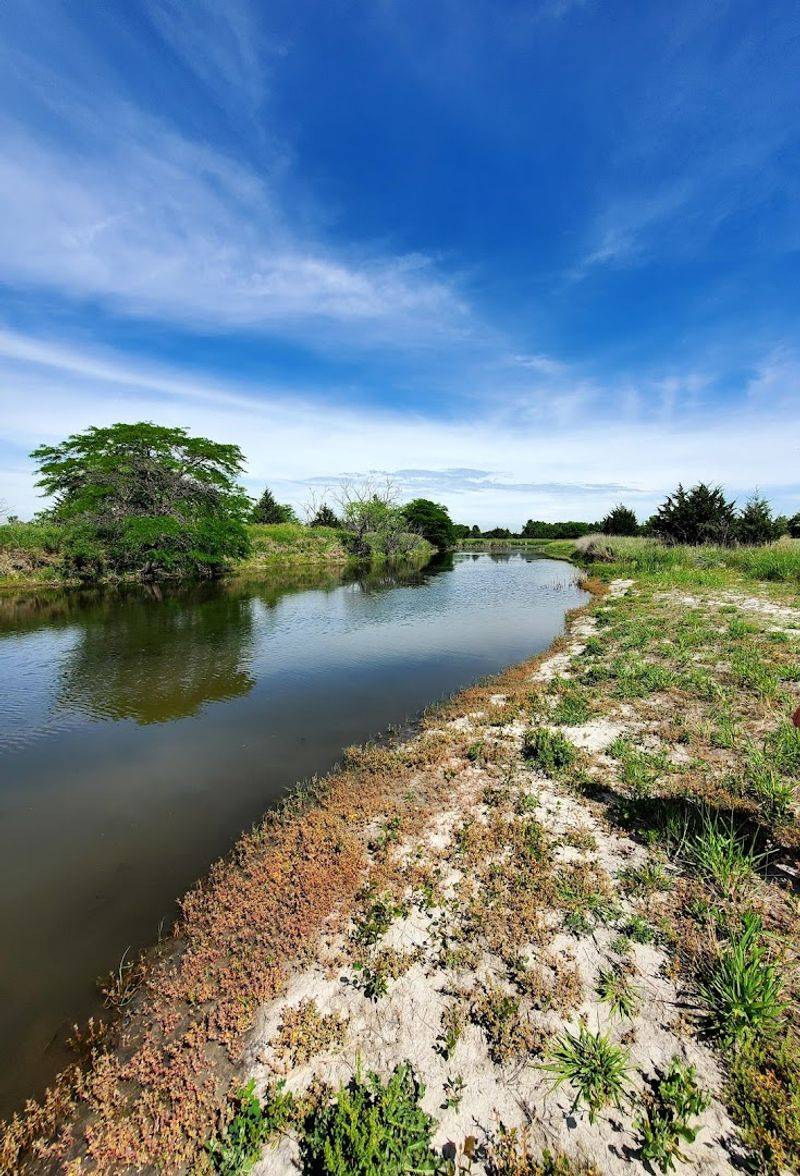
Saline wetlands are among the rarest ecosystems in North America, and the Lincoln Saline Wetland Nature Center preserves one of the last intact examples in the region.
Located east of Capitol Beach Lake in Lincoln, the site features a woodchip walking trail that moves through restored wetland habitat alongside open ponds and salt-tolerant vegetation.
The landscape looks subtle at first glance but rewards patient observers with surprising ecological detail.
Waterfowl use the wetland ponds heavily during migration periods, and shorebirds often stop through in spring and late summer.
The Salt Creek tiger beetle, a federally endangered species found almost exclusively in Nebraska’s saline wetlands, has been documented in the area.
Interpretive signage along the trail helps visitors understand what makes the saline chemistry of this habitat so unusual and ecologically significant.
The woodchip trail surface keeps the walk comfortable even after wet weather, which makes the site accessible across different seasons.
Morning visits tend to offer the most active wildlife sightings before midday heat settles in during summer months.
The nature center itself provides additional context about the wetland’s restoration history and the ongoing conservation work tied to this rare habitat type. Flat terrain makes the trail manageable for most age groups.
4. Heron Haven Wetland Sanctuary, Omaha
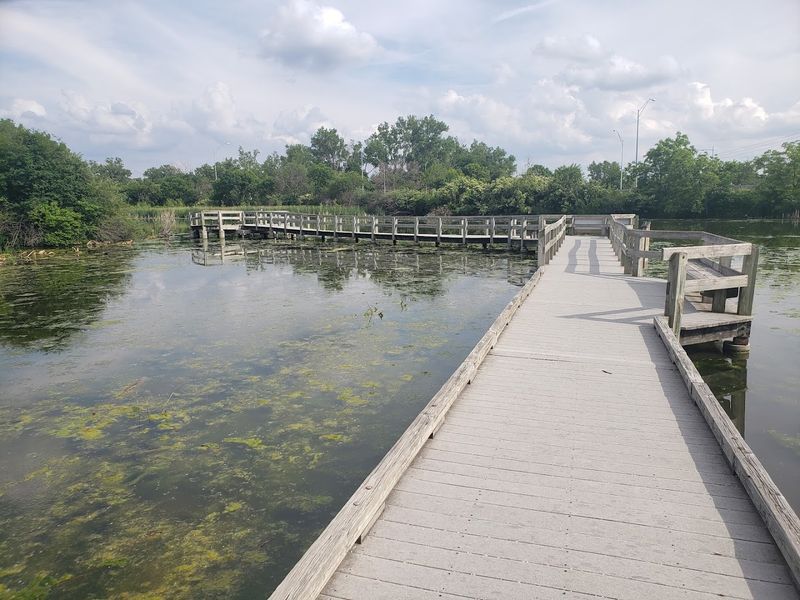
Within the city of Omaha, Heron Haven Wetland Sanctuary offers a spring-fed urban wetland experience that feels genuinely removed from the surrounding neighborhood.
Short walking trails and boardwalk-style viewing areas allow visitors to get close to the water without disturbing the wildlife that depends on this small but productive habitat.
Great blue herons are a reliable sighting here, along with wood ducks, turtles, and various songbirds that use the dense vegetation for cover.
The sanctuary functions as both a wildlife refuge and a community green space, drawing regular visitors from nearby neighborhoods who come for birdwatching or simply a quiet outdoor break.
Spring is particularly active, when migratory species pass through and resident birds begin nesting in the cattails and willows.
The spring-fed water source keeps the wetland productive even during dry summer stretches when other urban water features may decline.
Trail distances here are short, making the sanctuary well-suited for a focused one-hour visit rather than a full-day outing.
The compact size actually works in its favor, concentrating wildlife into a viewable area that rewards slow, quiet movement.
Binoculars improve the experience considerably, especially for spotting wading birds along the far edges of the ponds where vegetation is thickest.
5. Fontenelle Forest, Bellevue
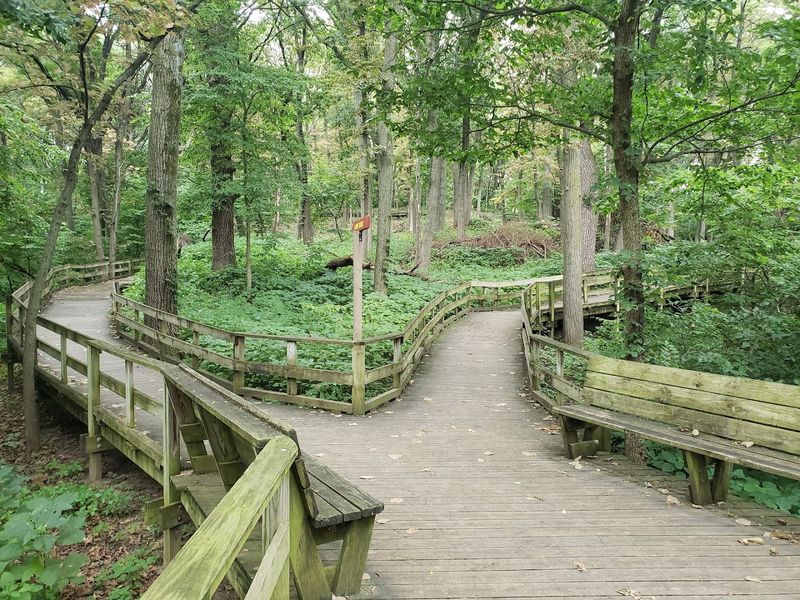
One of the largest privately owned nature centers in the country, Fontenelle Forest near Bellevue spans 17 miles of trails through river forest, wetlands, and upland woodland.
The one-mile ADA-accessible boardwalk is one of its most used features, giving visitors of varying mobility levels a chance to move through the heart of the forest without navigating uneven terrain.
The canopy along the boardwalk is dense and mature, creating a cooling effect that makes summer visits noticeably comfortable.
A Raptor Woodland Refuge within the forest houses birds of prey that have been rehabilitated but cannot return to the wild, offering close-up views of owls, hawks, and eagles in a naturalistic setting.
The Marsh Trail follows an old river scar of the Missouri River through wooded sections alongside a quiet body of water sometimes called Hidden Lake.
Wildlife sightings along the forest trails can include white-tailed deer, wild turkeys, and a wide range of neotropical songbirds during spring migration.
Fontenelle Forest charges an admission fee, which helps fund the conservation and trail maintenance work that keeps the property in excellent condition.
Visiting on a weekday tends to mean quieter trails and more predictable parking. The forest sits just south of Omaha in Bellevue, making it a practical stop for travelers passing through the metro area.
6. Boyer Chute National Wildlife Refuge, Fort Calhoun
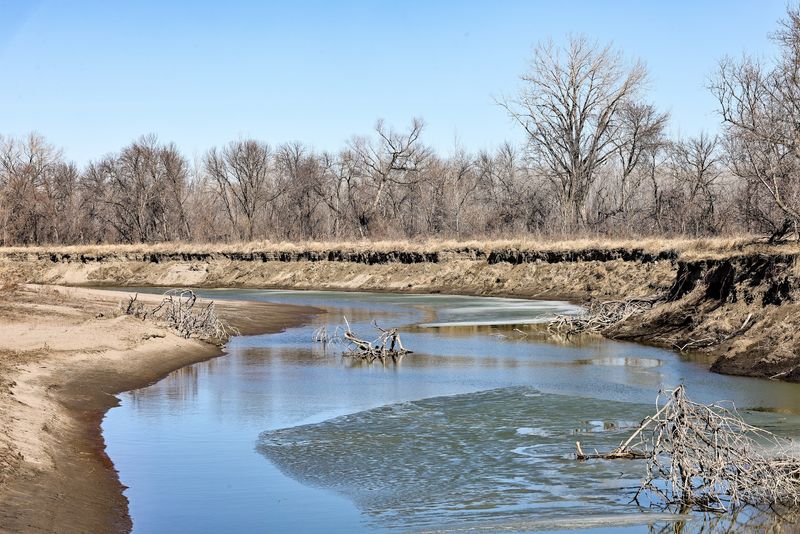
About 15 miles north of Omaha, Boyer Chute National Wildlife Refuge represents one of the more ambitious wetland restoration projects in the Missouri River valley.
Over 220 acres of former farmland have been converted back into functioning wetland habitat, and the refuge now supports 240 species of birds, 80 species of fish, and 70 species of mammals, reptiles, and amphibians.
More than eight miles of trails move through wetland, woodland, and grassland areas across the floodplain.
The Boyer Chute itself is a restored side channel of the Missouri River, reactivated to provide the kind of dynamic floodplain habitat that was largely lost when the main river was channelized during the twentieth century.
Birding here tends to be productive in both spring and fall, when waterfowl and shorebirds use the restored wetlands as stopover habitat during migration.
White-tailed deer and beaver are commonly observed along the wooded trail sections near the water.
The refuge is open from sunrise to sunset and does not charge an entrance fee.
Trail surfaces range from mowed grass to packed gravel, and conditions after heavy rain can make some sections temporarily muddy.
Bringing insect repellent during warmer months is a practical consideration given the wetland environment. The refuge entrance is accessible from the Fort Calhoun area north of Omaha.
7. DeSoto National Wildlife Refuge, Blair
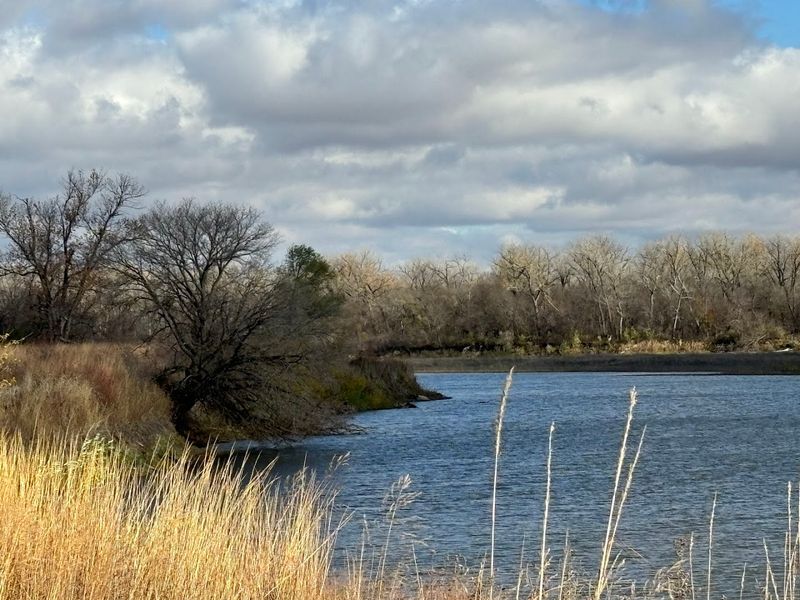
Straddling the Nebraska-Iowa border near Blair, DeSoto National Wildlife Refuge draws visitors with its combination of Missouri River floodplain habitat and a genuinely fascinating visitor center.
The center houses thousands of artifacts recovered from the Bertrand, a steamboat that sank in the Missouri River in 1865 and was excavated from the refuge grounds in the 1960s.
The artifact collection alone makes the stop worthwhile even on days when wildlife activity is slow.
Refuge roads allow vehicle-based wildlife viewing, which is especially productive during fall when large concentrations of snow geese and other waterfowl gather on DeSoto Lake.
Multiple short nature trails provide on-foot access to wooded and wetland areas where songbirds, shorebirds, and wading birds are regularly observed.
Bald eagles are frequently seen in winter, drawn to the open water and abundant fish populations in the lake.
The refuge charges a modest entrance fee, and the visitor center hours may vary seasonally so checking ahead before visiting is worthwhile.
Fall visits during peak waterfowl migration can bring very large concentrations of birds, making early morning the most rewarding time to arrive.
The refuge sits just west of Blair along easy highway access from both Omaha to the south and Sioux City to the north.
8. Crane Trust Nature & Visitor Center, Wood River
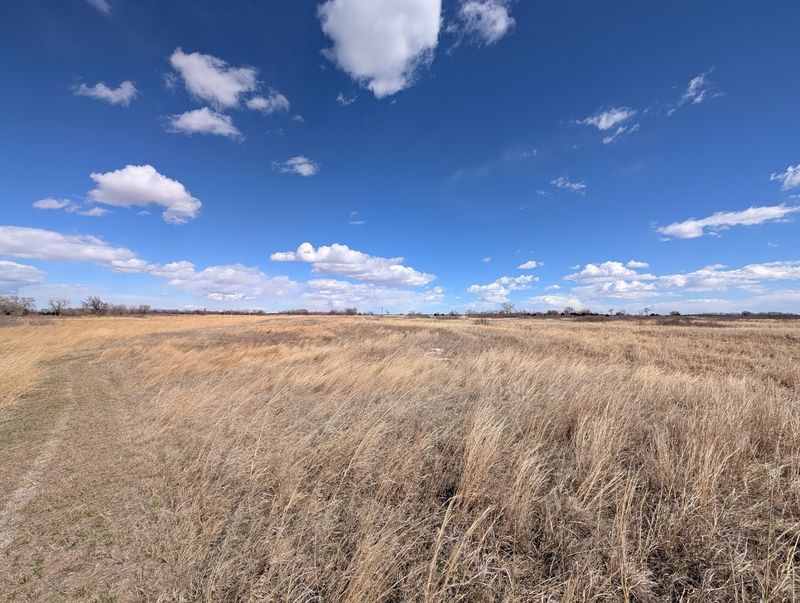
Every spring, hundreds of thousands of sandhill cranes converge on the central Platte River valley, and the Crane Trust Nature and Visitor Center near Wood River sits at the center of that spectacle.
Around ten miles of trails move through prairie habitat, along water channels, and past footbridges that offer views of the river’s broad shallow channel.
An observation tower provides elevated sightings across the surrounding landscape during peak crane season and beyond.
The visitor center itself covers the ecological story of the Platte River system in detail, explaining how the shallow braided river channel provides exactly the kind of roosting habitat sandhill cranes and whooping cranes require.
Outside of crane season the trails remain open and productive for birdwatching, with grassland species, raptors, and waterfowl using the river corridor throughout the year.
Peak crane viewing runs roughly from late February through early April, and guided tours during that window tend to fill quickly.
The trails are accessible for most of the year outside of extreme weather conditions, and the flat terrain makes them manageable for a wide range of visitors.
Wood River sits along Interstate 80 in central Nebraska, placing the Crane Trust within easy reach for travelers crossing the state during spring migration season.
9. Iain Nicolson Audubon Center at Rowe Sanctuary, Gibbon
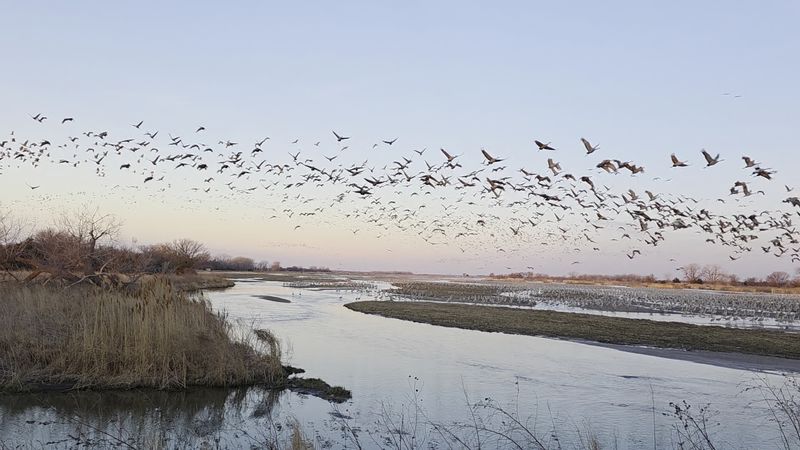
Along a critical stretch of the central Platte River near Gibbon, Rowe Sanctuary has protected sandhill crane and whooping crane habitat for decades.
The sanctuary’s trails are open from dawn to dusk, allowing visitors to observe the river channel and surrounding grassland habitat outside of guided tour hours.
During peak spring migration, the dawn departure of cranes from the river creates one of the most visually striking wildlife events found anywhere in North America.
The Iain Nicolson Audubon Center serves as the sanctuary’s educational and logistical hub, providing background on the Platte River’s role as a migratory corridor.
Guided blind tours during crane season offer the closest viewing experiences and are typically reserved well in advance.
Outside of migration season, the sanctuary remains a productive destination for grassland birds and raptors.
Trail surfaces are generally flat and accessible, following the river’s edge through open grassland with periodic views across the channel.
Morning visits outside of peak season offer quiet conditions with fewer visitors and reliable bird activity along the river.
Gibbon is located along Interstate 80 in central Nebraska, making Rowe Sanctuary a natural stop for eastbound or westbound travelers during the spring migration window.
10. Fort Niobrara National Wildlife Refuge, Valentine
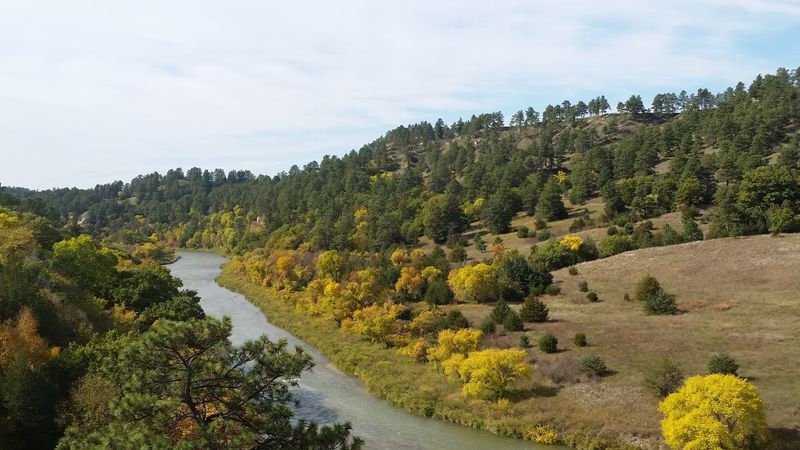
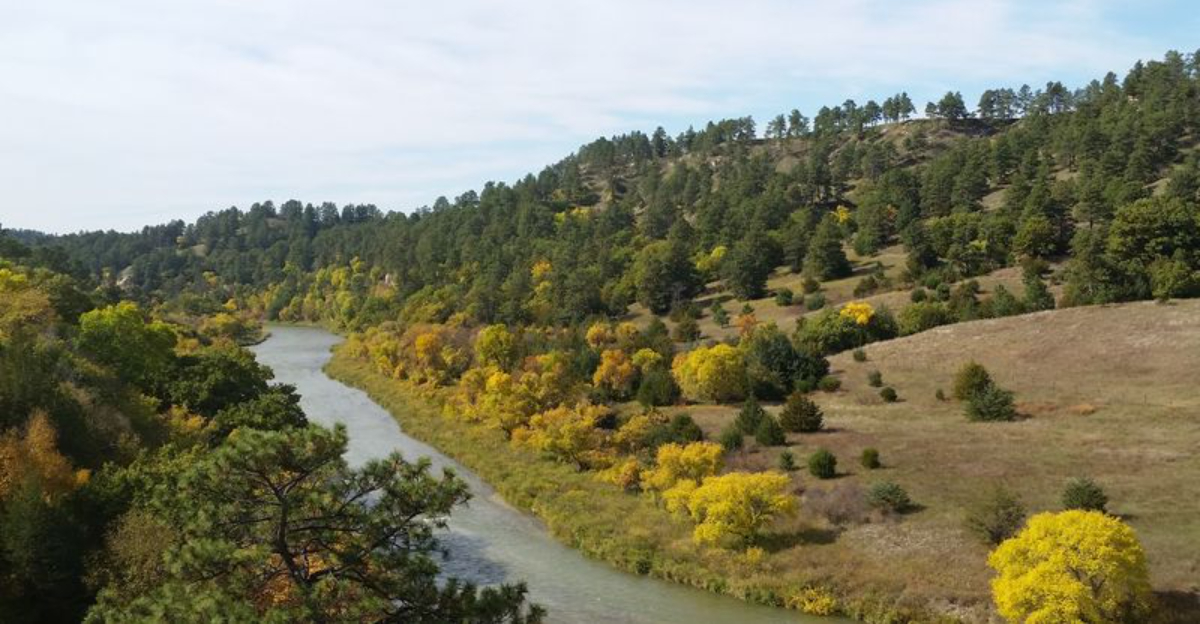
Fort Niobrara National Wildlife Refuge near Valentine manages one of the more dramatic landscapes in Nebraska, where open grasslands break into pine-dotted canyons above the Niobrara River.
Bison herds roam the upland areas of the refuge, and elk are also present, giving visitors a sense of the large mammal assemblage that once characterized the Great Plains.
A portion of the refuge carries a designated wilderness classification, which limits development and keeps the backcountry feeling genuinely remote.
Two hiking trails provide on-foot access to different sections of the refuge, with river scenery and canyon overlooks offering rewarding views along both routes.
More than 230 bird species have been documented at Fort Niobrara, making it a productive destination for birders interested in grassland species, riparian woodland birds, and raptors.
Waterfalls within the canyon system add a visual element that surprises many first-time visitors unfamiliar with this corner of Nebraska.
The refuge is open from sunrise to sunset and does not charge an entrance fee. A scenic auto tour route allows vehicle-based wildlife viewing for visitors who prefer not to hike.
Valentine sits in north-central Nebraska along Highway 20, and the refuge entrance is a short drive east of town.
11. Lacreek National Wildlife Refuge, Martin
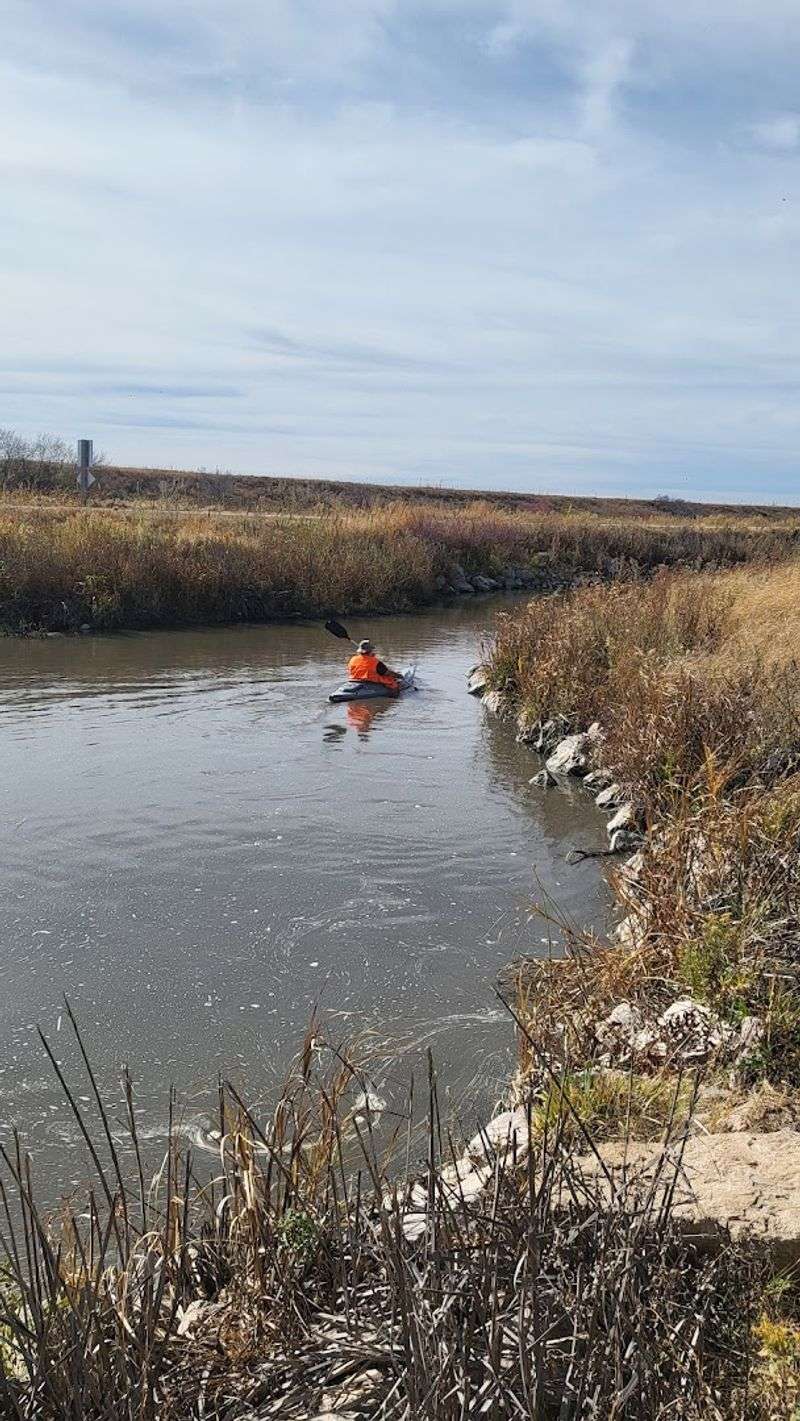
Near the South Dakota border in the far northern reaches of Nebraska’s Sandhills region, Lacreek National Wildlife Refuge offers a wilder and less-visited experience than many of the state’s more accessible refuges.
Trails, off-trail hiking, kayaking, and wildlife viewing are all available here, giving visitors multiple ways to engage with the refuge’s expansive marsh and grassland habitat.
The large shallow wetland units support impressive concentrations of waterfowl, wading birds, and shorebirds depending on the season.
Trumpeter swans have been reintroduced to the refuge, and the marsh areas provide habitat that supports both nesting and migratory populations of this large and visually striking species.
The remote setting means visitor numbers tend to stay low, which creates quieter conditions for wildlife observation and photography.
Off-trail hiking through the Sandhills grassland is possible in many areas, though navigating the rolling dune terrain requires some preparation and awareness of the landscape.
Kayaking on the refuge wetlands offers a different perspective on the marsh habitat and allows closer approach to waterfowl and marsh-nesting birds than is possible from the trail system.
The refuge is open from sunrise to sunset with no entrance fee. Road access to Lacreek can involve unpaved Sandhills roads, so checking conditions before the visit is a sensible step, particularly after wet weather.
12. Schramm Park State Recreation Area / Schramm Education Center, Gretna
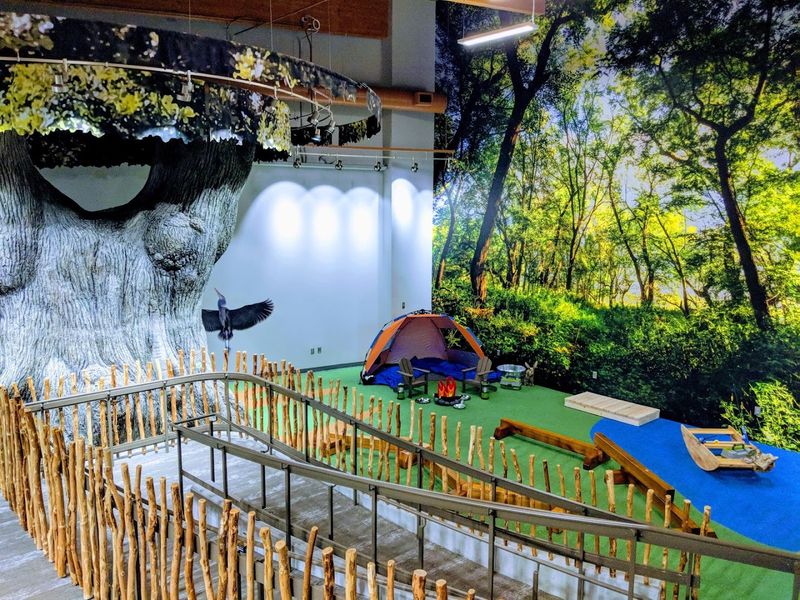
Schramm Park State Recreation Area near Gretna combines a day-use nature area with an education center that focuses on Nebraska’s aquatic ecosystems.
Wooded trails wind through mature hardwood forest above the Platte River valley, offering a shaded hiking experience with periodic valley views that open up through the tree canopy.
The terrain is gentle enough for family hiking while still providing enough elevation change to make the walk feel engaging rather than flat.
The Schramm Education Center houses aquarium exhibits featuring native Nebraska fish species, giving younger visitors a chance to see the wildlife of the Platte River system up close.
Birdwatching along the wooded trails tends to be productive during spring migration when warblers and other songbirds move through the river valley.
The combination of forest, valley scenery, and aquatic education makes Schramm a versatile stop that suits different interests within the same visit.
A Nebraska State Park permit is required for vehicle entry, which can be purchased at the gate or online in advance.
The park sits near Gretna southwest of Omaha, making it a convenient nature destination for visitors staying in the metro area.
Trail surfaces are generally packed dirt through the wooded sections, and the paths are well-suited for moderate walking rather than strenuous hiking.