8 Idaho Rockhounding Spots Where You Can Hunt For Star Garnets, Opals, Agates, And Other Hidden Treasures
Rockhounding has a funny way of turning a normal outdoor trip into a full detective case where every suspicious pebble deserves questioning.
Idaho makes that habit even worse, because the ground here has a reputation for hiding the kind of treasures people actually want to brag about.
One minute, someone is walking along like a reasonable person.
Then a flash of color shows up in the dirt, and suddenly everyone is crouched down with the focus of a prospector who missed lunch.
That is the thrill of searching for gems in the wild.
The reward feels earned because nature does not hand over its prettiest finds without making people work a little.
Beginners can show up curious, while longtime collectors already know the chase is half the fun.
Bring patience, watch the ground, and prepare for the dangerous sentence every rockhound knows too well: “Wait, this one might be something.”
1. Emerald Creek Garnet Area
Star garnets make Emerald Creek Garnet Area the Idaho rockhounding spot people brag about first, and honestly, the bragging is fair. This Forest Service recreation site sits near Clarkia in the Idaho Panhandle.
Recreation.gov says Emerald Creek is one of only two places in the world where star garnets are found in quantity, and it is the only place where visitors can collect them.
That instantly turns a normal dirt-sifting day into something that feels suspiciously close to a treasure hunt.
The site is carefully managed, so nobody should show up expecting a free-for-all with a shovel and wild confidence. Tickets, permits, time slots, and designated digging areas are part of the process.
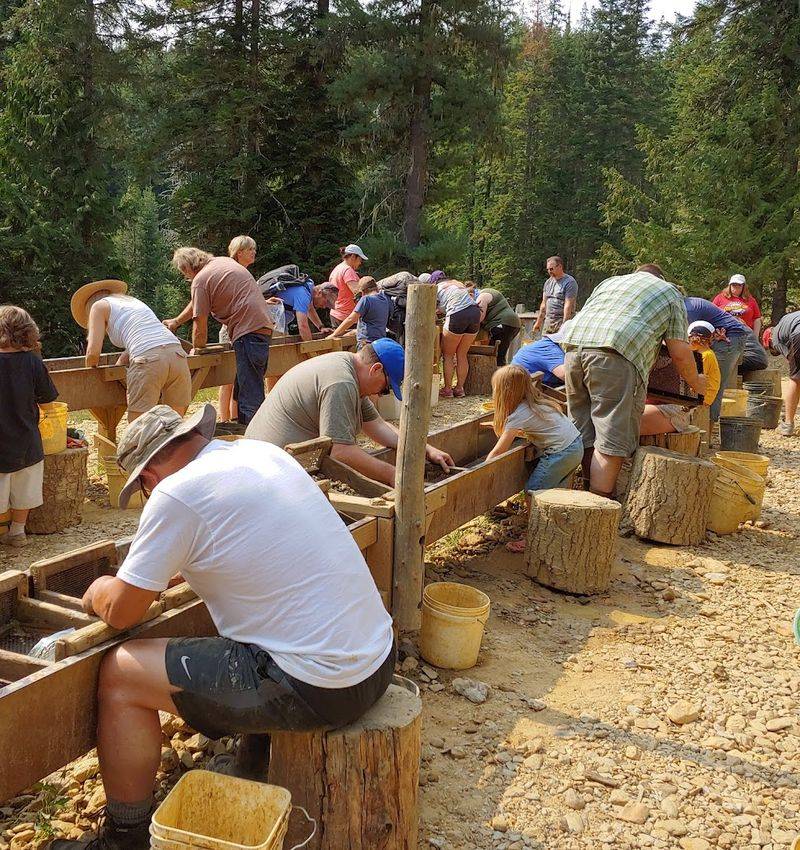
Garnets cannot be collected outside the official recreation site or while the site is closed. Staff explain the rules, then visitors dig, sift, and wet-sluice material to look for those dark, rough stones.
Raw garnets may not look dramatic at first. They often need cleaning, cutting, and the right light before their star effect appears.
That delayed payoff is part of the thrill. Beginners like this site because the process is organized and tools are provided.
Serious collectors like it because the material is genuinely special. Bring printed tickets, water, snacks, sun protection, and clothes that can handle mud.
Cell service is limited nearby, so do not trust your phone to save the day.
2. Spencer Opal Mines
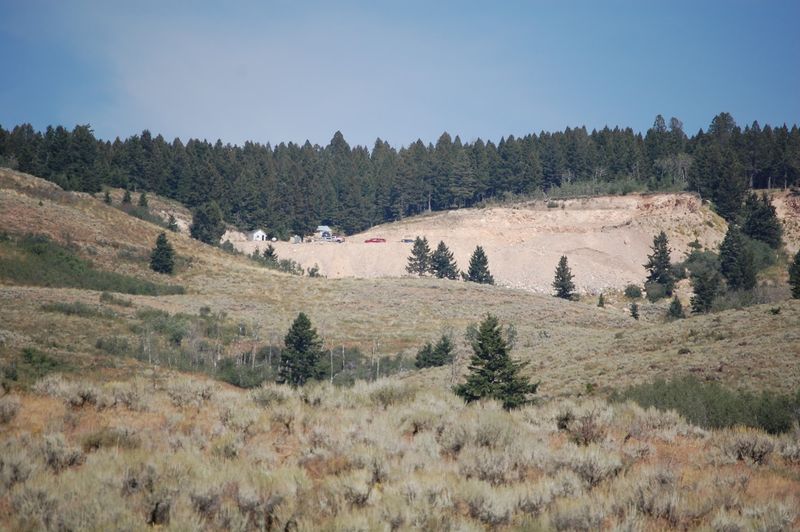
Bright flashes are the whole reason people get hooked on this eastern Idaho stop. At Spencer Opal Mines, visitors can connect with one of the state’s most colorful gem stories at 27 Opal Ave in Spencer.
The mine’s public shop page lists a “Mine Experience/Tour Dig Reservation,” and the business describes Spencer Opal Mines as home to the largest producing precious opal mine in the United States.
That makes the visit feel more structured than wandering into rough country and hoping every pale rock is secretly valuable.
The usual appeal is searching mine material or tailings for overlooked opal pieces. This works well for beginners because the material has already been brought to a visitor-friendly setting.
Kids can dig without a long hike. Adults can learn what raw opal looks like before everything starts looking suspiciously shiny.
The shop adds another useful layer because finished stones show what rough material can become after cutting and polishing. Spencer opal can show flashes of red, green, blue, orange, or yellow when the light hits just right.
Some pieces look plain until cleaned. Others reveal color fast enough to make the whole bucket feel promising.
Check current hours, reservation rules, fees, and dig options before driving out. Opal hunting is much more fun when the gate is open and everyone knows what kind of digging is actually available.
3. Succor Creek / Owyhee County Border Area
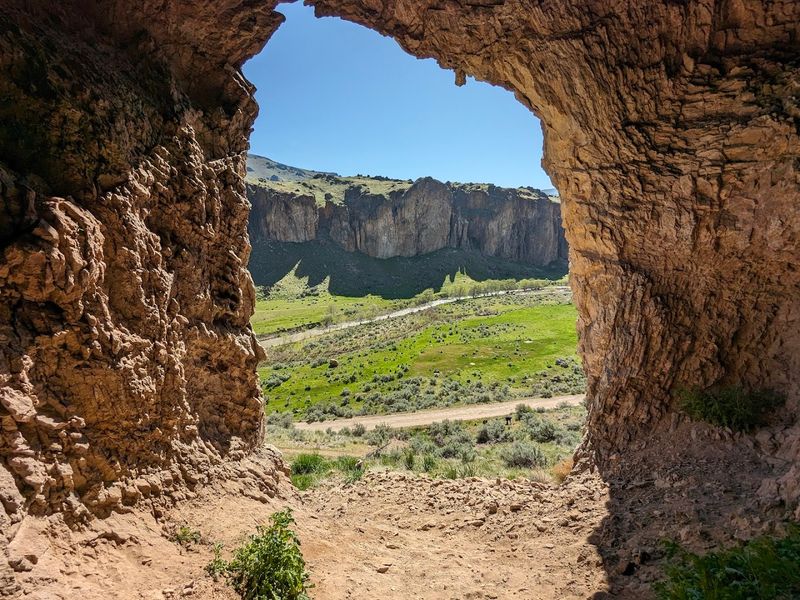
Desert searching gets more interesting when plain-looking nodules might hide beautiful interiors. Along the rugged Idaho-Oregon border region, Succor Creek is known among rockhounds for agate, thunder eggs, chalcedony, and colorful canyon material.
Idaho’s official rockhounding guidance reminds collectors that many sites are on public land, but rules and restrictions can vary by manager, so checking access before collecting is always necessary. This area is not a neat dig site with staff waiting beside a bucket pile.
That is part of the appeal. The land feels open, dry, rough, and full of possibilities.
Thunder eggs are especially exciting because they rarely advertise what is inside. One nodule may split open to reveal agate, quartz, or banded patterns.
Another may be completely unimpressed with your hopes. That gamble is basically the hobby.
Agates from the broader Owyhee and Succor Creek country can show warm desert colors and appealing patterns. Some pieces look best polished.
Others feel satisfying as rough field finds. Preparation matters here.
Bring sturdy boots, gloves, sun protection, water, eye protection, a rock hammer, and offline maps. Cell service can disappear quickly in this kind of country.
Land ownership can also change from parcel to parcel. Public land, private property, state ground, and federal ground may sit near each other.
A colorful thunder egg is not worth trespassing, getting stuck, or learning land rules the embarrassing way.
4. Beacon Hill Area
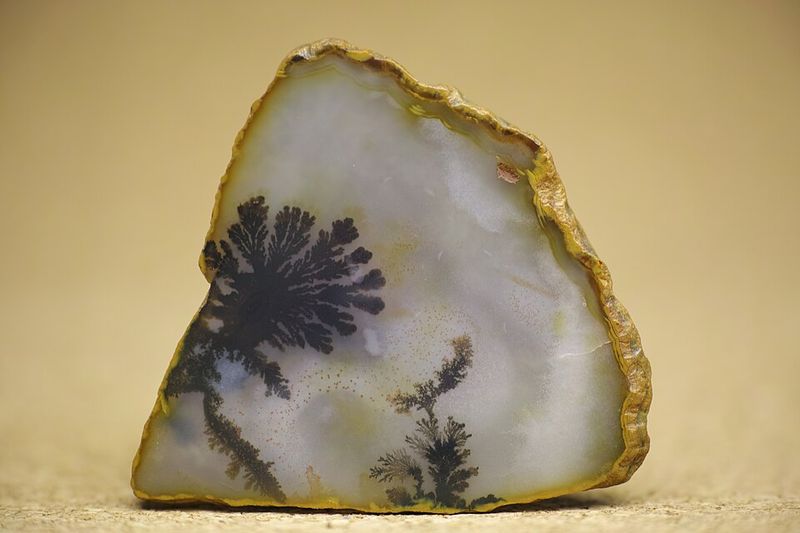
A patient eye helps more than luck around this Weiser-area collecting zone.
Beacon Hill is one of Washington County’s go-to rockhounding spots for jasper and other collectible stones, according to the Idaho Department of Lands. The same resource also lists the county as a place to find petrified wood, geodes, agate, and more.
That makes the area appealing for people who enjoy mystery nodules. The outside may look dull.
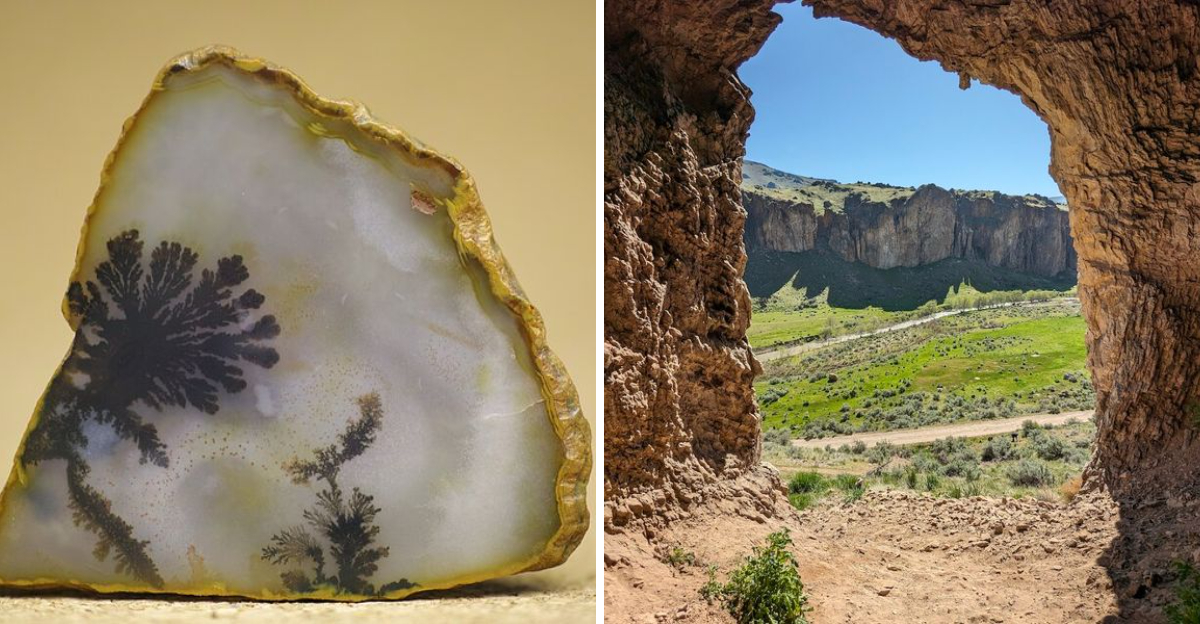
The inside may hold banding, quartz pockets, dendritic markings, or scenic-looking patterns. Dendritic agate is especially fun because the mineral marks can resemble moss, branches, shrubs, or tiny landscapes.
It looks like someone painted on stone with a very small brush, except nature did it without asking for credit. This is not the best stop for anyone who wants instant sparkle every five steps.
It rewards slow walking, comparing, picking up maybes, and accepting that many rocks are just rocks with too much confidence. Bring a hand lens, gloves, hammer, eye protection, water, and a bag that can handle heavy rejects.
Cutting and polishing often reveal the real beauty later, so field judgment is only part of the process. Access should be checked before collecting.
Rural roads, private land, old claims, and public parcels can be close together. Respecting boundaries keeps the hobby fun and keeps collectors welcome.
5. Mann Creek Area
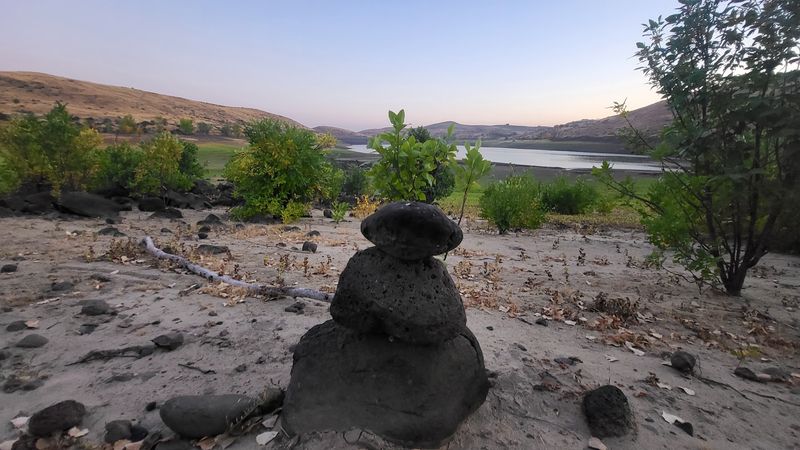
Ancient wood turned to stone gives this Weiser-area spot a quieter kind of reward. Washington County appears on Idaho Department of Lands rockhounding lists for petrified wood, and the Mann Creek area has long been discussed by collectors for that kind of material.
Petrified wood feels different from opal, garnet, or jasper because the beauty comes from preserved structure rather than sparkle. It began as real wood.
Minerals slowly replaced the organic material over a long period. Shape, grain, rings, and bark-like textures can remain visible.
That gives each good piece a before-and-after story. Some finds look like wood at first glance, then surprise people when they feel the weight and hardness.
Others need cleaning before the details appear. A hand lens can help reveal grain lines and mineral replacement patterns in smaller pieces.
Rain can expose new material, but it can also turn roads into a mess, so timing matters. Bring boots, gloves, water, a backpack, and enough restraint to avoid hauling home every heavy chunk that looks mildly promising.
Petrified wood has no sympathy for shoulders. Access also matters near drainages and rural roads.
Do not assume every exposed bank or hillside is open for collecting. Idaho’s rockhounding guidance says collectors should contact the managing agency for specific site details and restrictions.
The best Mann Creek finds reward careful looking, not rushing.
6. Lime Creek
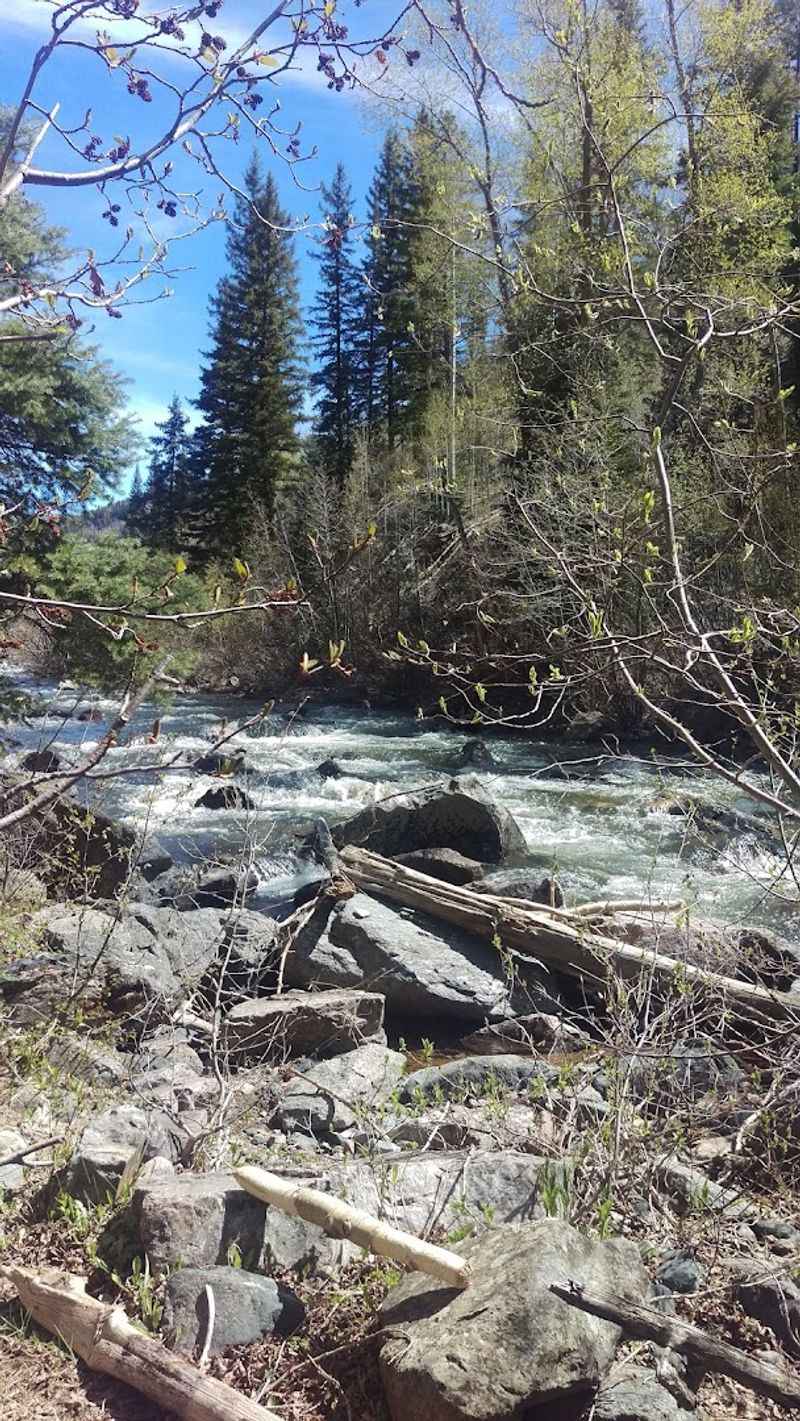
Quiet ground near Challis can reward collectors who enjoy variety more than instant showpieces. The Idaho Department of Lands lists several Custer County rockhounding materials, including jasper varieties and petrified wood in areas around Challis and nearby routes.
Lime Creek and the broader Challis region appeal to rockhounds looking for agate nodules, chalcedony, jasper, and wood-like silica material. This is a slow-search kind of place.
Some agate nodules have waxy surfaces, cloudy centers, or subtle banding. Agatized wood may preserve grain-like texture while replacing the original material with quartz-based minerals.
Many pieces do not look dramatic in the field. A saw cut or polish later may reveal the good part.
That delayed surprise is why collectors keep carrying home rocks that look boring to everyone else in the car. The high-desert setting can be beautiful, open, and very exposed.
Bring water, a hat, gloves, a rock pick, a small shovel, and a bag for finds. Navigation matters because roads can be rough and signage may be limited.
Do not rely only on cell service. Land status also needs attention.
Public land, private property, mining claims, and restricted areas may be near each other. Casual collecting may be allowed on many public lands, but Idaho’s official guidance makes clear that site-specific rules can apply.
Slow searching, good maps, and patience make this area much more rewarding.
7. Rabbit Springs
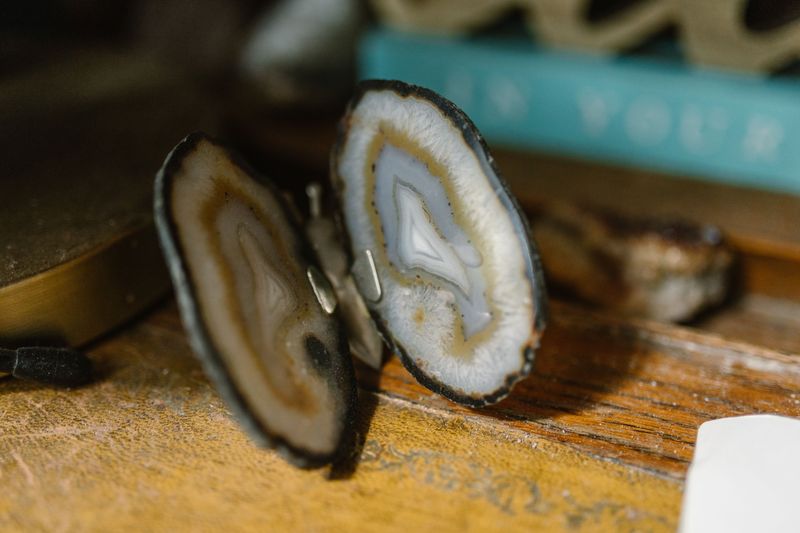
A UV flashlight can turn this southern Idaho hunt into something wonderfully strange. Idaho Department of Lands lists fluorescent chalcedony at Rabbit Springs on the Idaho-Nevada border along US 93, and it also lists quartz-lined thunder eggs at Rabbit Springs in Twin Falls County.
That gives collectors two different kinds of excitement in one region. During daylight, chalcedony may look pleasant but not outrageous.
Under ultraviolet light, fluorescent pieces can glow, which makes the search feel like the ground suddenly learned a trick. Thunder eggs bring the second surprise.
Their outer shells can look ordinary, but interiors may hold quartz, agate, or crystal-lined pockets once cut. This is exactly why rockhounds keep trusting rocks that look unimpressive to everyone else.
The area is open desert, so common sense needs to stay in charge. Bring water, gloves, eye protection, a reliable UV light, spare batteries, sturdy shoes, and a clear route plan.
Night searching can be memorable, but footing matters. Loose rock, holes, sharp edges, and uneven ground can turn a fun glow hunt into a bad story.
Stay aware of the vehicle’s location. Tell someone the plan.
Check land status before collecting. Public lands often allow casual rockhounding, but rules may vary by agency, site, or claim status.
Idaho Department of Lands recommends contacting the appropriate land manager for details. Rabbit Springs rewards curiosity, but it should not be treated casually.
8. Bruneau River Canyon
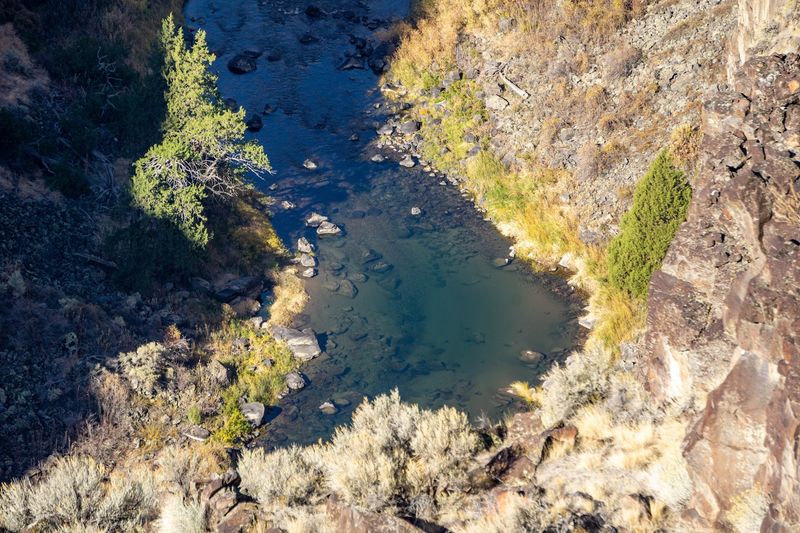
Remote country makes this Owyhee County trip feel like a true rockhound mission. Idaho Department of Lands lists Bruneau jasper about 50 road miles south of Bruneau in Bruneau River Canyon.
That distance is not a minor detail. This is not a quick roadside stop for sandals and a half-empty water bottle.
Bruneau jasper is prized because good pieces can show flowing patterns in cream, brown, tan, red, and other warm desert tones. Once cut and polished, the material may resemble landscapes, river bends, clouds, or abstract paintings.
Rough pieces can already look promising, but polishing usually reveals the full drama. The canyon setting adds to the experience, but it also raises the difficulty.
Roads may be rough. Weather can affect access.
A high-clearance vehicle is smart. Extra water is mandatory.
Offline maps and a paper backup are wise. Tell someone where you are going.
Do not treat the area like a casual detour after lunch. Land status, claims, closures, and private property should be checked before collecting.
Idaho’s rockhounding guidance notes that collecting is welcome on many public lands, but exceptions exist, and specific rules depend on the managing agency. When the planning is solid, Bruneau River Canyon can reward collectors with some of Idaho’s most visually striking jasper.
It feels like the end of a treasure map because it practically is.