10 Connecticut Places Where You Can Learn Timeless Creative Skills
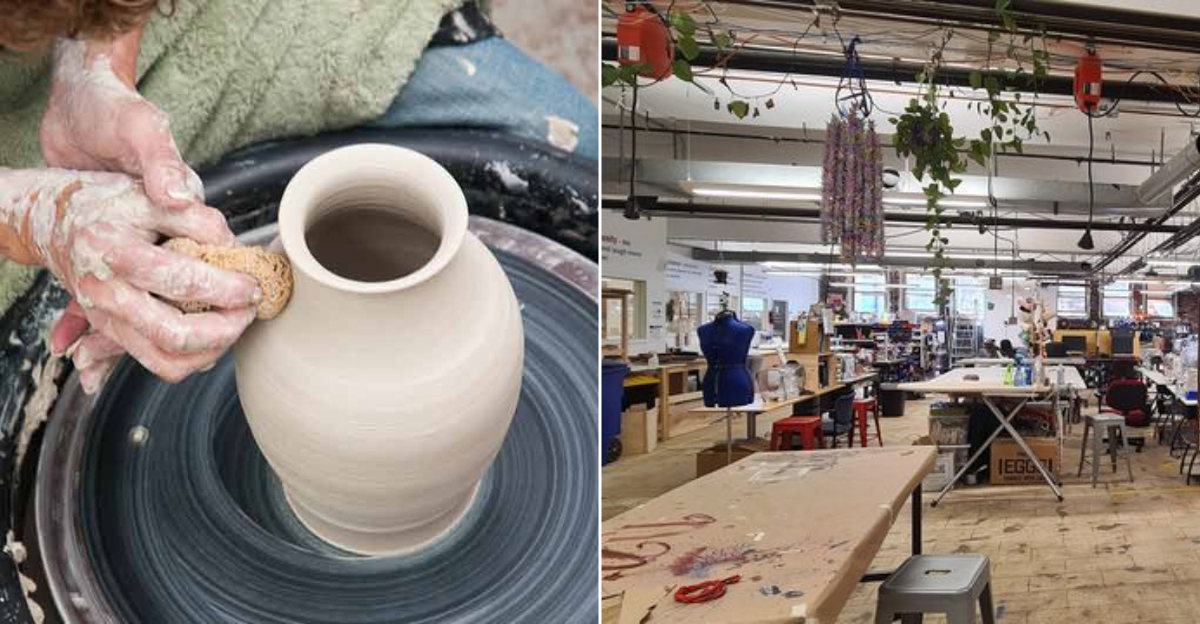
Learning something with your hands feels different from simply watching a video. You make a mess, then slowly notice your confidence catching up with your curiosity.
That is the charm behind places that teach creative skills with real patience.
A good class can make Connecticut feel more inspiring when it gives you room to try something new. Maybe you leave with a finished piece. Maybe you leave with a better idea of what you want to practice next. Either way, the experience sticks.
These spots are about more than filling an afternoon. They give you a chance to slow down and focus on one craft long enough for the outside noise to fade.
The fun is in the doing. It feels good to learn from people who care about the process, especially when the final result feels personal.
That little spark can stay with you longer than expected, in the best way.
1. Guilford Art Center, Guilford
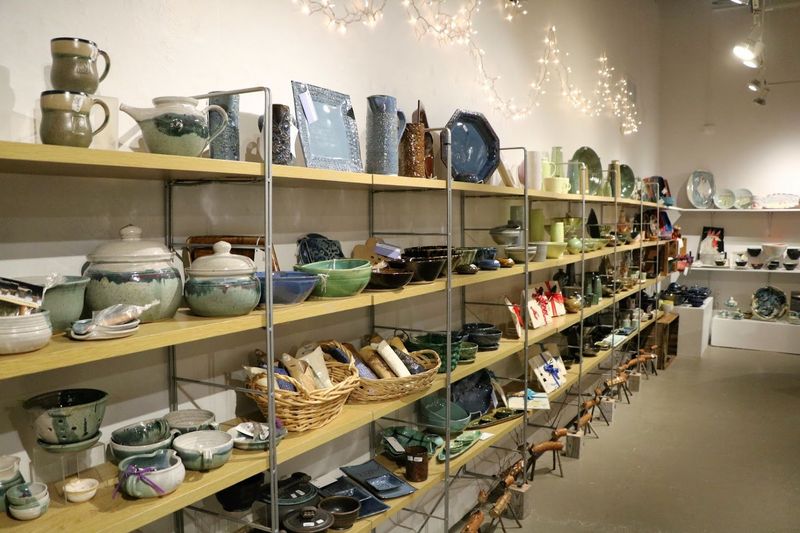
Creative confidence comes easily in a place built for trying, learning, and making by hand. Guilford Art Center has become a trusted shoreline resource for artists, hobbyists, families, and total beginners who want thoughtful instruction without a stiff classroom feel.
Its welcoming atmosphere makes the first class feel approachable, while the depth of programming gives returning students plenty of room to keep growing.
The course lineup is impressively broad, stretching across beading, blacksmithing, ceramics, drawing, fiber arts, glass, leather, metals and jewelry, painting, photography, sculpture, weaving, and other creative specialties.
The center also runs youth and teen programs, so it works just as well for families exploring art together as it does for adults carving out focused studio time.
You’ll find the center at 411 Church Street in Guilford, close enough to the shoreline and town center to make a class part of a fuller day out.
One of its standout features is the working forge, where students can explore blacksmithing, bladesmithing, swordsmithing, and metalworking at different levels of experience.
Instructors bring serious skill to the studios, but the mood stays open and encouraging. With gallery space, a shop, and a wide mix of hands-on classes, Guilford Art Center feels both professionally grounded and genuinely community-minded.
2. Wesleyan Potters, Middletown
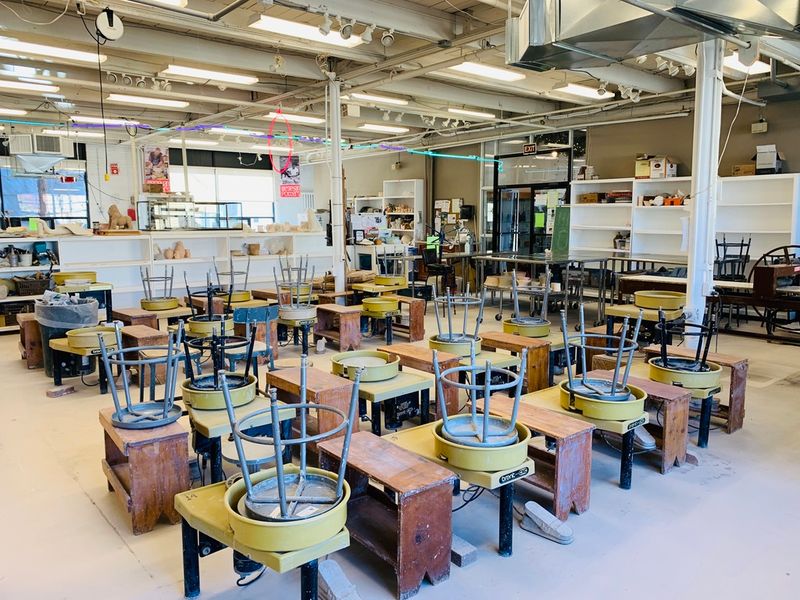
Founded in 1948, Wesleyan Potters carries a sense of history that you can almost feel the moment you walk through the door.
The cooperative guild is located at 350 South Main Street, Middletown, CT 06457, and has spent more than seven decades promoting the learning and development of traditional craft skills.
The non-profit structure means the focus stays on the work rather than on commercial pressure.
Ceramics is the heart of what happens here, but the center also offers weaving and metalsmithing classes for those who want to branch out. Adult classes run in nine-week sessions throughout the year, giving students enough time to genuinely build skill rather than just scratch the surface.
The pacing feels intentional and steady, which suits anyone who wants to learn properly rather than rush through a technique.
The cooperative model creates a community atmosphere that many students find motivating. Seeing other members at various stages of their craft journey tends to make the learning process feel less solitary.
Wesleyan Potters also holds an annual sale that showcases member work, offering a glimpse into what dedicated practice can produce over time.
For anyone serious about learning ceramics or weaving in a supportive and historically grounded setting, this Middletown guild is worth exploring at any skill level.
3. Silvermine Arts Center, New Canaan
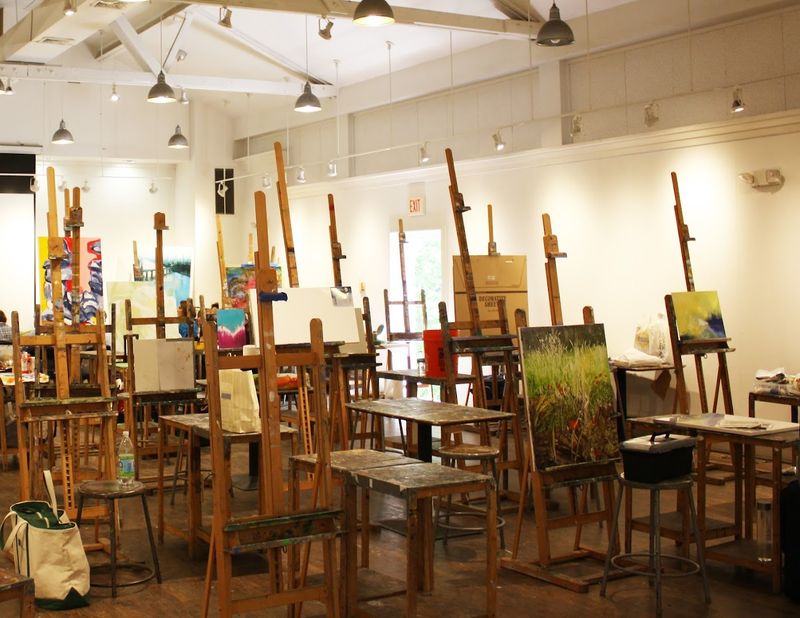
A century of creative momentum gives this wooded arts campus a depth that feels immediately different from a typical classroom. Silvermine Arts Center has roots dating back to 1922, and its long history as an artist community still shapes the way people learn, exhibit, and gather there today.
The school offers classes and workshops for adults, teens, and children, with programs that cover drawing, painting, sculpture, printmaking, mixed media, ceramics, jewelry, and other studio arts.
Instruction comes from practicing artists, so lessons feel connected to real creative work rather than purely academic exercises.
Beginners can build confidence here, while more experienced students have room to sharpen technique and develop a stronger personal style.
You’ll find the center at 1037 Silvermine Road in New Canaan, on a five-acre campus with a quiet, retreat-like quality. The natural surroundings help the experience feel focused, giving students space to settle into the work at hand.
Gallery exhibitions add another valuable layer, allowing students and visitors to see finished work in a professional setting throughout the year. A shop and active artist guild further connect education with the wider creative community.
With its history, peaceful campus, and serious but welcoming instruction, Silvermine Arts Center remains a distinctive place to grow artistically over time.
4. Farmington Valley Arts Center, Avon
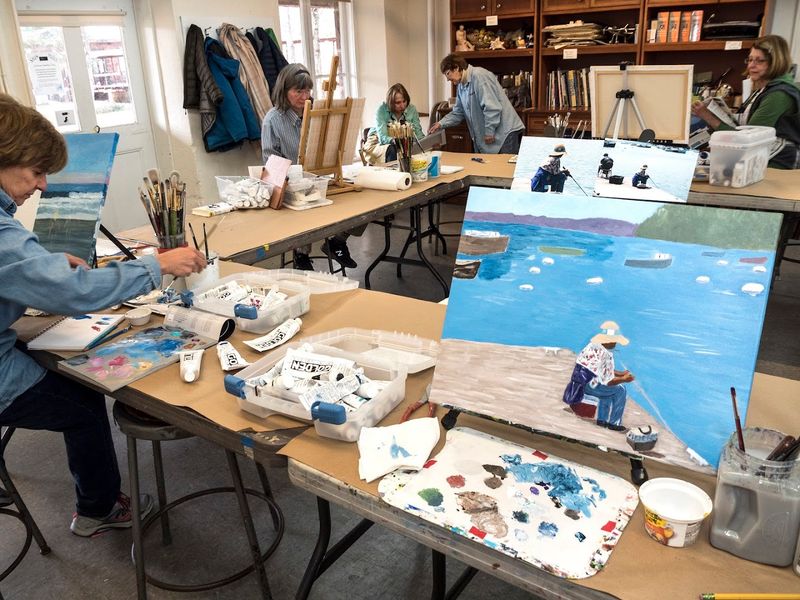
Housed in a beautifully preserved brownstone powder mill complex, the Farmington Valley Arts Center offers a studio environment that feels both historic and creatively alive.
The center is located at 25 Arts Center Lane, Avon, CT 06001, and the stone buildings that surround the campus give it an atmosphere unlike any standard classroom or community center.
The setting alone tends to put people in a creative frame of mind.
Working artists rent studio space here, and the center also offers classes and workshops for the public throughout the year. Disciplines vary and have included jewelry making, painting, drawing, printmaking, and fiber arts depending on the season and available instructors.
The rotating nature of offerings keeps the programming fresh and gives returning students new skills to explore each time.
Because working artists are actively creating in the same complex, there is a genuine sense of craft culture woven into the everyday rhythm of the place. Students can sometimes see finished work displayed in the on-site gallery, which adds context to the techniques being taught in class.
Farmington Valley Arts Center also hosts events and open studio days that allow the public to engage with the space even outside of formal class schedules.
For anyone in the greater Hartford area looking for a creative education rooted in real artistic community, this Avon center is a compelling choice.
5. Greenwood Glass Blowing Studio Gallery & School, Riverton
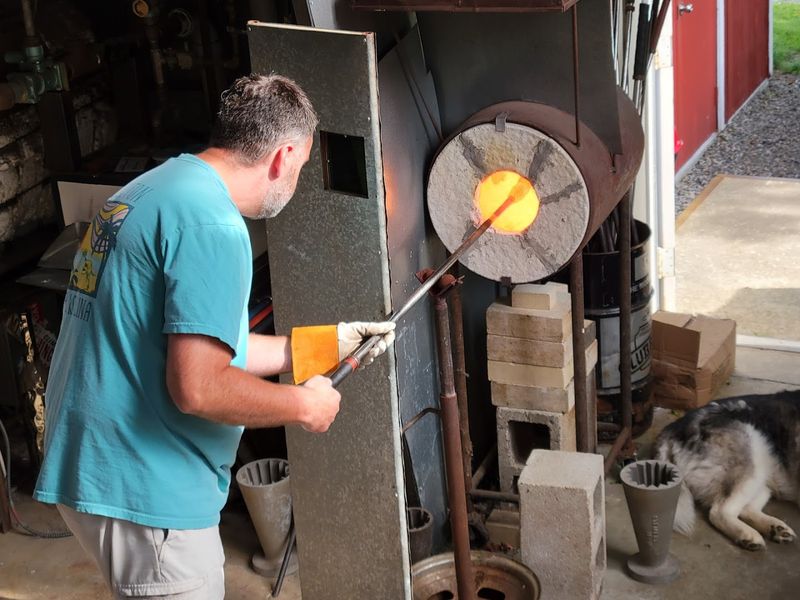
Glassblowing is one of those skills that looks almost magical from the outside, and Greenwood Glass Blowing Studio Gallery and School makes it genuinely accessible to anyone willing to try.
Located at 3 Robertsville Road, Riverton, CT 06065, this studio sits in a quiet corner of Litchfield County and offers one of the more unusual creative learning experiences available in Connecticut.
The combination of heat, light, and molten glass creates a sensory environment that is unlike anything found in a typical art class.
Classes are available for beginners and more experienced students, with instruction focused on the fundamental techniques of gathering, shaping, and finishing glass. The pace of a glassblowing session is naturally immersive because the material demands full attention and a calm, steady hand.
That level of presence tends to make the experience feel meditative even when the work itself is physically demanding.
The studio also functions as a gallery, displaying finished pieces that show the range of what skilled glassblowers can produce. Seeing that work up close before or after a class gives students a clear sense of where the craft can lead with dedicated practice.
Riverton is a small and scenic community, so a visit to Greenwood can easily become a half-day or full-day outing when combined with a drive through the surrounding countryside. It is a genuinely rare skill to learn and a memorable place to learn it.
6. Studio Andreas, Stamford
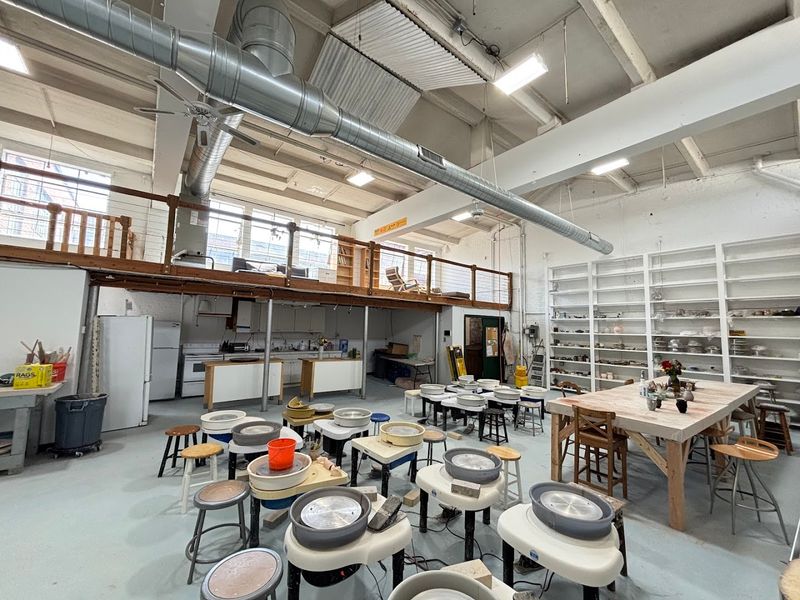
A calm creative space can feel like a real reset in a city that usually moves quickly. Studio Andreas gives Stamford-area students a place to slow down, work with their hands, and build practical artistic skills in an environment that feels focused without becoming intimidating.
Founded by artist and educator Mark Andreas, the studio began as a personal workspace and grew into a place where students of different ages and skill levels could explore art through guided instruction.
The address is 652 Glenbrook Road, Suite 5-201, in Stamford, making it convenient for people across Fairfield County looking for a local class that still feels personal.
Drawing is a major part of the studio’s identity, with classes that encourage students to study objects, landscapes, people, gesture, and full rendering. Open figure drawing sessions are also offered for adults, giving artists a chance to practice from a live model in a dedicated studio setting.
Other offerings have included hands-on disciplines such as woodworking, ceramics, textiles, and weaving, depending on the current schedule.
Class sizes and workshop formats support a more attentive learning experience, where feedback feels useful rather than rushed. For beginners, returning makers, or anyone craving a structured creative outlet, Studio Andreas offers a grounded, welcoming path back into making art.
7. Village Center For The Arts, New Milford
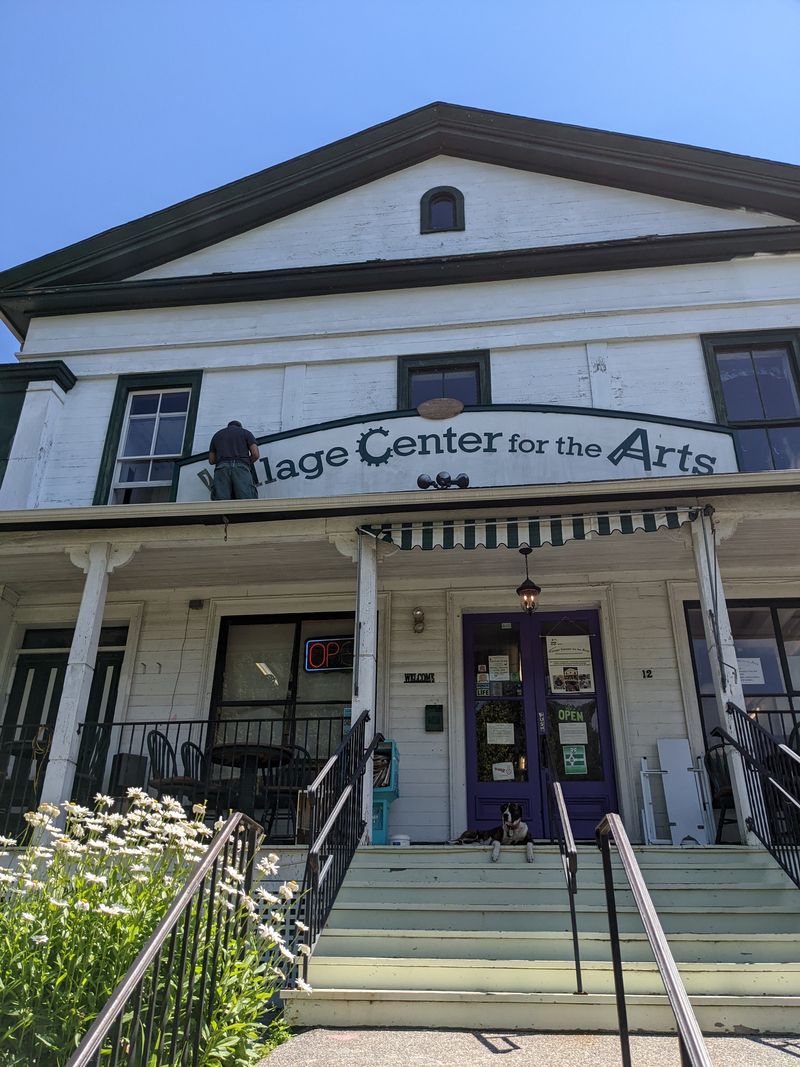
Right in the middle of a charming small-town downtown, the Village Center for the Arts brings creative education into the everyday rhythm of New Milford.
Located at 12 Main Street, New Milford, CT 06776, this community arts center places itself exactly where it can do the most good, within easy walking distance of the town green and local shops.
The location makes stopping in for a class feel natural rather than like a special trip requiring advance planning.
Classes offered here have included painting, drawing, ceramics, and other visual arts disciplines for students of varying ages and backgrounds.
The center takes a community-first approach, meaning the programming tends to reflect what local residents actually want to learn rather than a fixed curriculum set far in advance.
That flexibility keeps things relevant and responsive to the people who show up.
The Main Street setting also means the center benefits from foot traffic and community visibility, which tends to create a lively and social atmosphere around classes and events.
Students often find themselves connecting with neighbors they might not have met otherwise, which adds a social dimension to the creative learning experience.
Village Center for the Arts operates as a genuine hub for creative life in New Milford, and its central location makes it one of the more accessible options on this list for anyone living in or passing through western parts of the state.
8. Brookfield Craft Center, Brookfield

Creative energy feels especially hands-on at this longtime craft school, where traditional skills are taught in a setting that feels both historic and alive.
Brookfield Craft Center has been part of the arts community for decades, giving students a place to learn, experiment, and understand the process behind finely made work.
Classes cover an impressive range of disciplines, including woodworking, woodturning, blacksmithing, ceramics, glass, jewelry, fiber arts, weaving, welding, drawing, painting, and more.
The instruction is practical and personal, with accomplished artists guiding students through techniques that build confidence as much as skill.
The campus at 286 Whisconier Road in Brookfield sits beside the Still River, with a historic mill building as its centerpiece. That setting gives the experience a grounded quality, especially compared with a standard classroom.
Fully equipped studios, a gallery, and a retail shop add to the sense that making, learning, and appreciating craft all happen under one roof.
Workshops are offered for different skill levels, so beginners can try a short class while more experienced makers can take on deeper study.
With small-group energy, serious tools, and a welcoming creative spirit, Brookfield Craft Center is an inspiring place to start or continue a hands-on craft journey.
9. Madison Wool, Madison
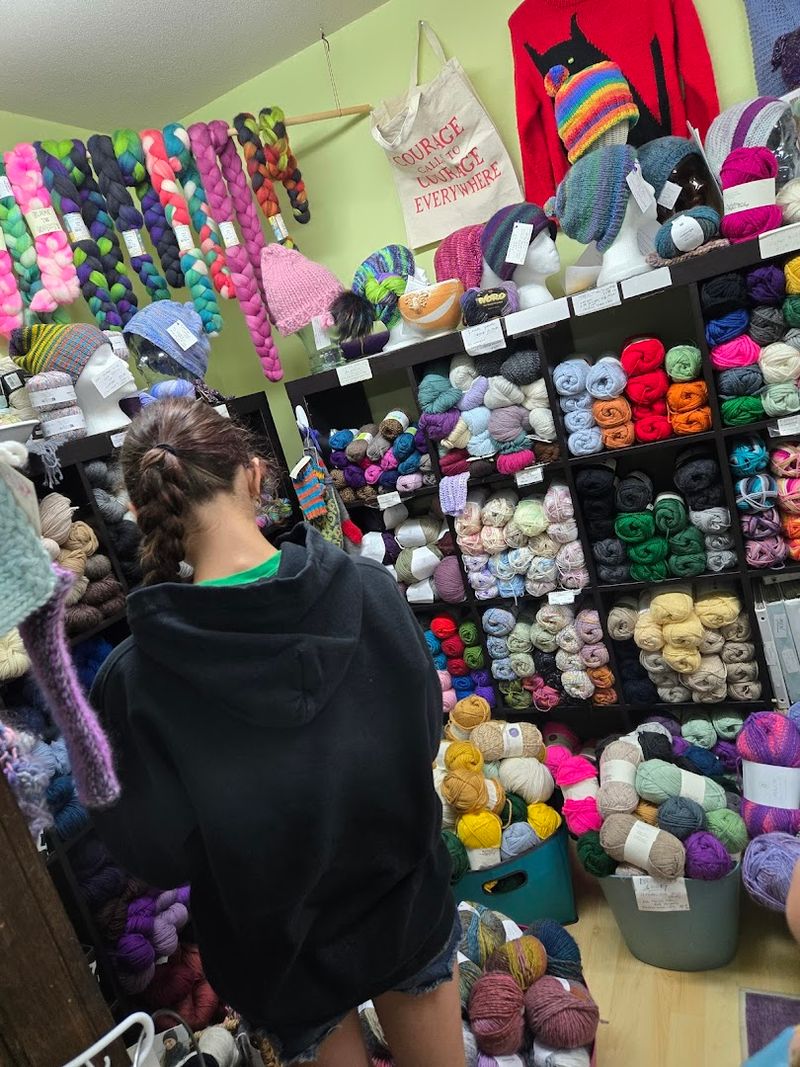
A good yarn shop does more than stock beautiful materials, and this shoreline favorite proves it with every class, project, and friendly bit of guidance.
Madison Wool keeps fiber arts feeling approachable, whether someone is learning the basics for the first time or returning to a skill that has been waiting patiently in a basket at home.
The shop supports a wide range of textile interests, with instruction and help connected to knitting, spinning, weaving, and other fiber-focused projects.
Beginners can expect patient guidance through foundational techniques, while more experienced makers can explore color, texture, patterns, and the satisfying details that make handmade work feel personal.
Owner Dayna Mankowski also offers private sessions, periodic all-day spinning classes, materials for yarn making, and wheel repair, giving the shop a practical depth that goes beyond retail.
You’ll find Madison Wool at 56 A Wall Street in Madison, where the cozy setting matches the calm rhythm of the craft itself. Staff support can make a big difference, especially when a pattern becomes confusing or a project needs a fresh set of eyes.
Fiber arts are portable, useful, and easy to carry through life, which is part of their lasting appeal. In a relaxed shoreline community, this shop gives knitters, spinners, weavers, and curious newcomers a warm place to learn, ask questions, and keep creating.
10. MakeHaven, New Haven
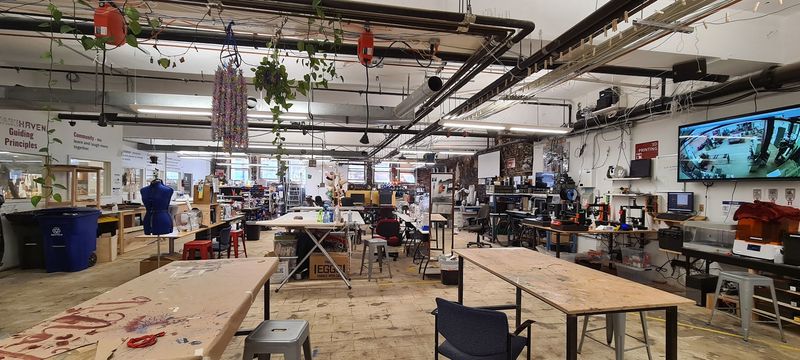
Not every creative skill involves a paintbrush or a pottery wheel, and MakeHaven in New Haven understands that better than most.
Located at 770 Chapel Street, New Haven, CT 06510, this community makerspace brings together technology, traditional craft, and hands-on building in a way that feels genuinely exciting for curious minds.
The space is open and collaborative, with different zones dedicated to different types of making.
Members and class participants can access tools and equipment for woodworking, laser cutting, 3D printing, electronics, sewing, and more. The variety means that someone interested in combining digital design with physical craft can do exactly that under one roof.
Classes and workshops are offered regularly, and the instruction style tends to be practical and project-focused rather than lecture-heavy.
The makerspace model encourages experimentation, which means mistakes are treated as part of the process rather than something to avoid. That mindset makes MakeHaven particularly good for people who learn best by doing and adjusting as they go.
The Chapel Street location also puts it within a walkable, lively part of New Haven, making it easy to pair a class visit with other stops in the area.
For anyone who has ever wanted to build, design, or fabricate something with their own hands, MakeHaven offers the tools and the community to make it happen.