10 New York Towns Losing Homeowners Due To Soaring Property Taxes
Every homeowner knows that particular sting when the tax bill lands in the mailbox. In some corners of New York, that sting has turned into a moving truck.
The numbers tell a hard story, because the state has lost more residents than any other since 2020. Over a million New Yorkers have packed up for other states in five years.
Ask the people leaving and taxes come up before you finish the question.
Some upstate counties carry effective property tax rates at double or triple the national average. That math gets painful fast when paychecks stay flat and assessments keep climbing.
The towns on this list know the pattern all too well. For sale signs linger, school enrollments shrink, and longtime neighbors say goodbye.
None of this makes these places less lovely, and that is the heartbreak of it. Here are ten towns where the tax bill is winning.
1. Binghamton
Binghamton has seen better days, and its property tax situation is making it harder to imagine a comeback.
Residents here pay some of the highest effective tax rates in the state, even though home values have not kept pace with those costs. That gap is a serious problem for anyone trying to build equity.
Many longtime homeowners have told me they feel trapped. Their homes are worth less than what they paid, but their tax bills keep growing every single year.
That math does not work for families living on fixed incomes or modest salaries.
Young buyers who might otherwise invest in Binghamton are choosing nearby communities with lower tax burdens instead.
The city has struggled with population decline for decades, and high property taxes are accelerating that trend. Some neighborhoods now have more vacant lots than occupied homes.
Local officials have proposed relief programs, but most residents say the efforts feel too small and too slow.
Until real structural reform happens, Binghamton will keep losing the homeowners it desperately needs to stabilize and grow its tax base.
2. Elmira
Elmira sits in the Southern Tier and carries a tax burden that surprises almost everyone who looks at it for the first time.
The effective property tax rate here regularly ranks among the highest in the entire country, not just New York. That is not a typo.
For a city with a median home value well below the state average, those rates hit especially hard.
A homeowner paying taxes on a modest house can end up with a bill that rivals what someone pays in a much wealthier suburb. The disconnect is jarring and discouraging.
I spoke with a retired teacher who had lived in Elmira for over thirty years. She said her tax bill had nearly doubled in that time while her pension stayed flat.
She was seriously considering selling and moving to Pennsylvania, just forty minutes away, where the taxes are dramatically lower.
That kind of story plays out across Elmira constantly. People are not leaving because they dislike the town.
They are leaving because staying has become financially unsustainable.
Without meaningful tax reform, Elmira risks losing an entire generation of potential homeowners before they even arrive.
3. Jamestown
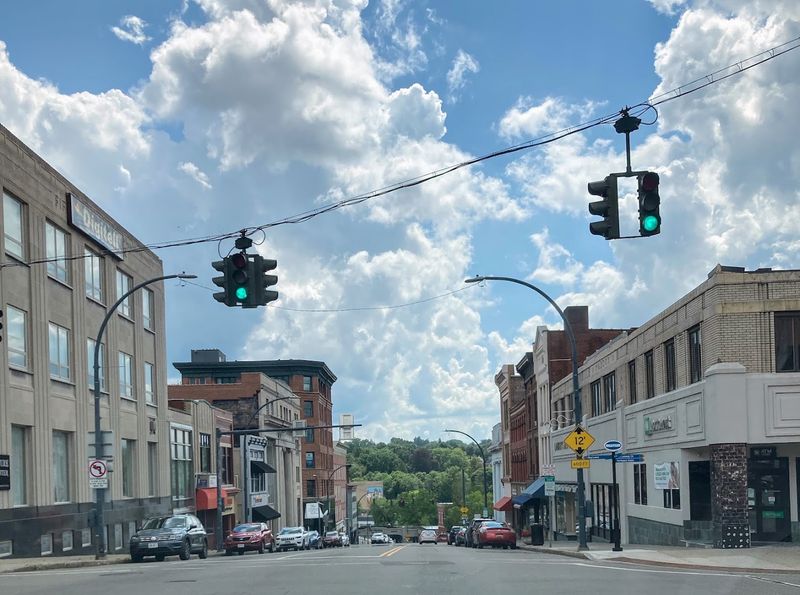
This town is the birthplace of Lucille Ball, and the town has a lot of charm going for it. Unfortunately, charm does not offset a property tax rate that consistently ranks among the most burdensome in New York State.
Residents are noticing, and many are voting with their feet.
The city has invested in cultural attractions and downtown revitalization, which is genuinely admirable.
But those efforts have not translated into lower tax bills for homeowners. In fact, some improvements have come with increased assessments that pushed taxes even higher for people living nearby.
A neighbor of mine who relocated from Jamestown put it bluntly: the community felt great, but the numbers made no sense. He was paying more in property taxes than his mortgage payment each month.
Eventually, that equation becomes impossible to ignore.
Jamestown needs residents to sustain its revitalization goals, but high taxes are a powerful deterrent for anyone thinking about buying there.
The city is caught in a frustrating cycle where the cost of services drives out the very people needed to fund those services. Breaking that cycle requires bold policy decisions that have not yet materialized.
4. Niagara Falls
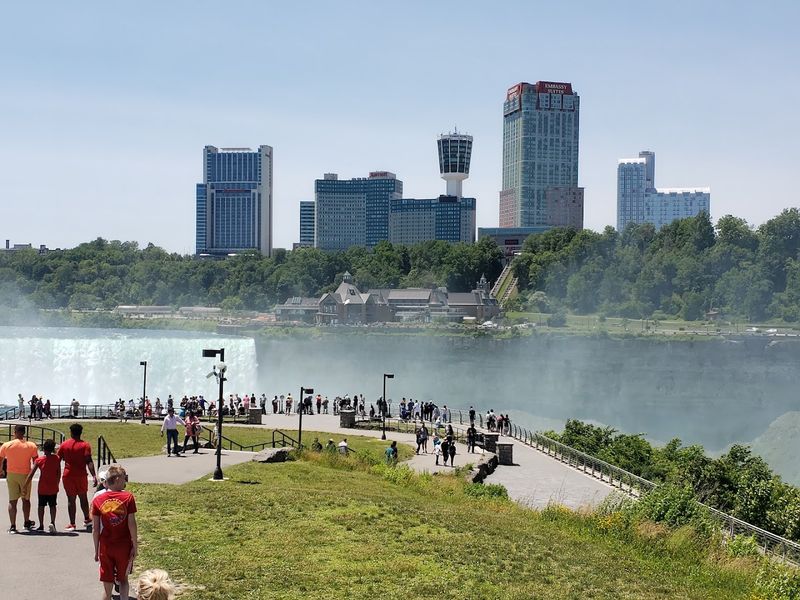
Most people think of Niagara Falls as a tourist destination, not a place where ordinary families are struggling to afford their homes.
But step away from the waterfall and you will find neighborhoods where property taxes are crushing homeowners who have lived there for generations.
Niagara Falls, New York has faced significant economic decline over the past few decades. As the tax base has shrunk, the remaining homeowners are left carrying more of the financial load.
That burden grows heavier every year, and patience is running thin.
The irony is real: one of the most visited natural wonders in the world sits in a city where locals cannot afford to stay. Tourism revenue has not translated into meaningful tax relief for residents.
The gap between the spectacle of the falls and the reality of daily life there is striking.
Families who have owned homes in Niagara Falls for twenty or thirty years are now selling and crossing into Canada or heading to lower-tax states.
Each departure shrinks the tax base further, putting even more pressure on those who remain. It is a slow bleed that officials have struggled to stop effectively.
5. Utica
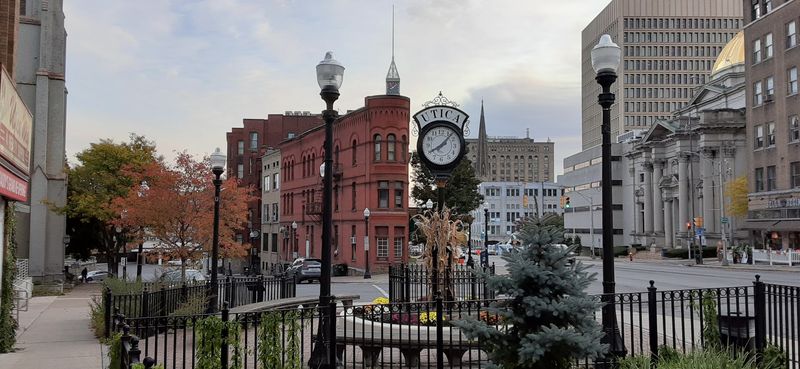
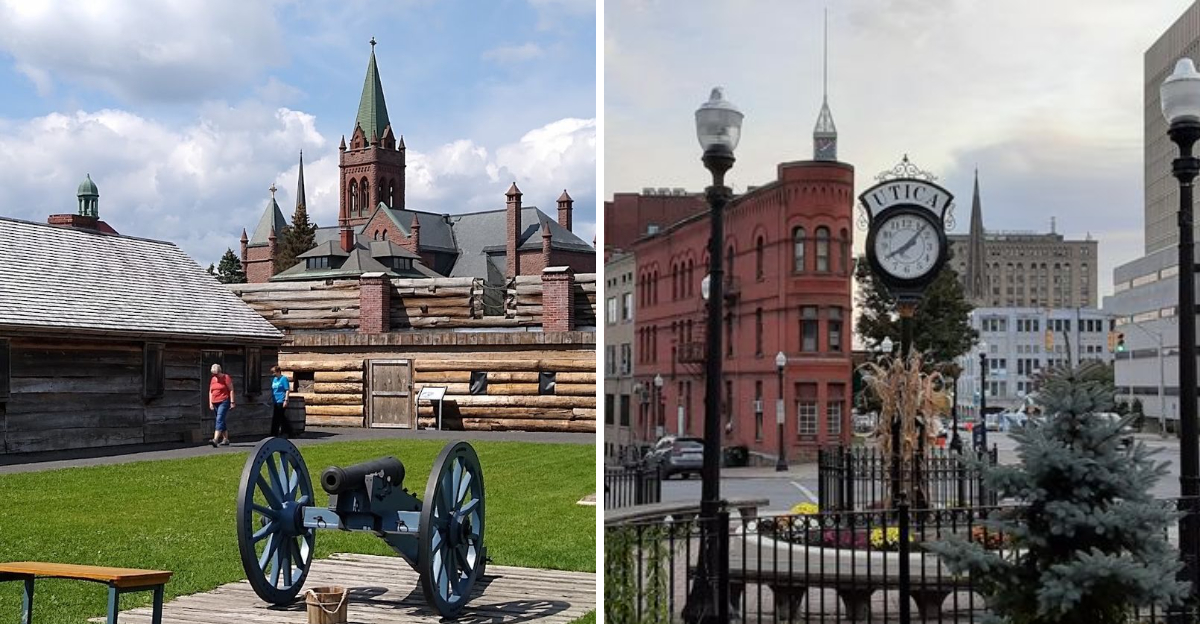
It has been working hard to rebrand itself as a welcoming city for refugees and new Americans, and that effort deserves genuine credit.
The problem is that property taxes remain stubbornly high, making homeownership a challenge even for motivated new residents trying to put down roots.
Longtime homeowners in Utica face effective tax rates that eat up a significant portion of their annual income. For a city where wages are below the state average, that pressure is especially acute.
Many residents describe a feeling of running on a treadmill that keeps speeding up.
New arrivals who dream of buying a home often discover the tax reality quickly. Renting starts to look more attractive than owning, which is not the kind of community stability Utica needs.
Homeownership builds wealth and neighborhood investment in ways that renting simply cannot replicate.
City leaders have made some progress attracting businesses and residents, but property tax reform has lagged behind.
Without addressing that core issue, Utica risks losing the momentum it has worked so hard to build. Growth is possible here, but not if the tax burden continues to outpace what average families can realistically absorb.
6. Gloversville
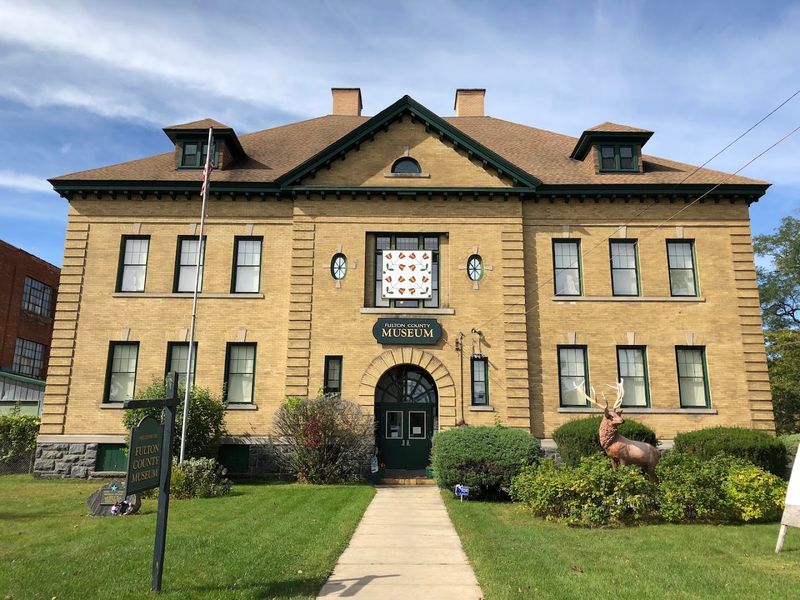
Gloversville was once the glove-making capital of the world, producing leather gloves that were shipped globally. That industrial legacy is long gone, but the infrastructure costs of maintaining an aging city remain.
Homeowners are the ones picking up most of that tab through property taxes.
The tax rates here are disproportionately high relative to home values, which makes the financial case for buying in Gloversville very difficult to justify.
A home that costs under a hundred thousand dollars can still carry an annual tax bill that shocks first-time buyers. That sticker shock sends many of them to neighboring towns.
There is something genuinely sad about watching a place with such a rich history struggle to hold onto its residents.
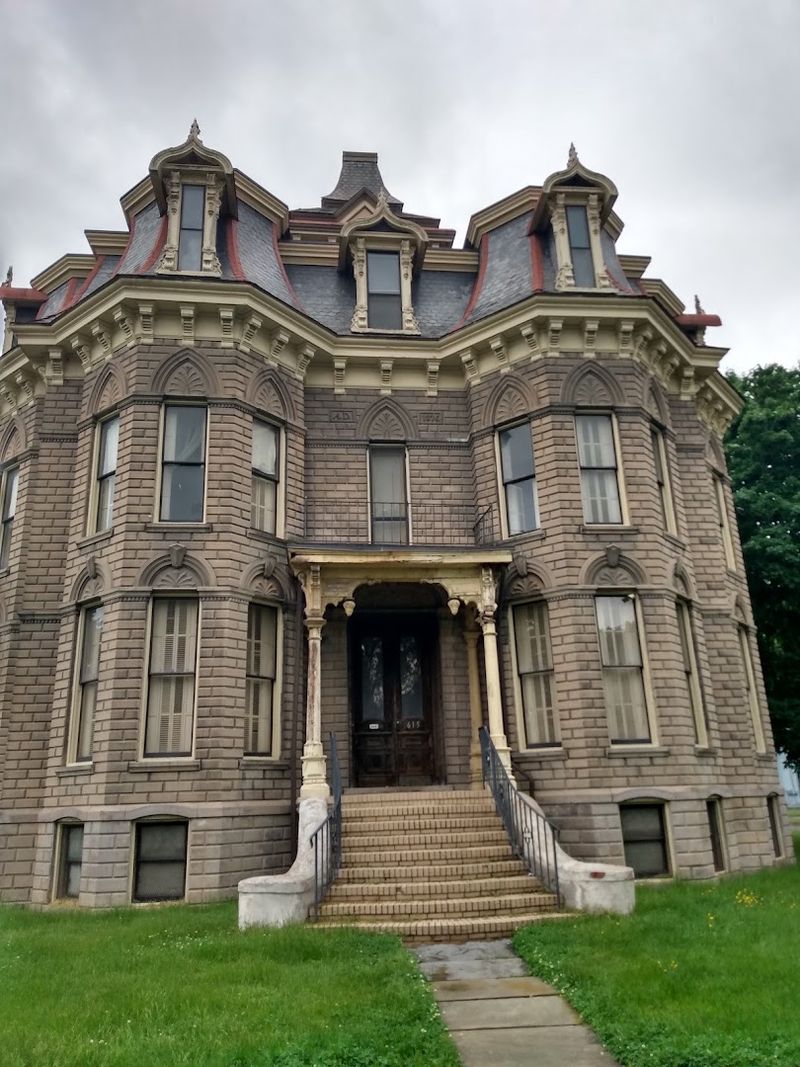
The craftsmanship that built Gloversville is evident in its architecture and its older neighborhoods. But beauty and history do not pay the tax bill.
Local advocates are pushing for state intervention and reassessment reforms that could bring some relief. Progress has been slow, but awareness is growing.
For now, families who love the community but cannot manage the costs are making the painful decision to leave, taking their energy, investment, and tax dollars somewhere else entirely.
7. Amsterdam
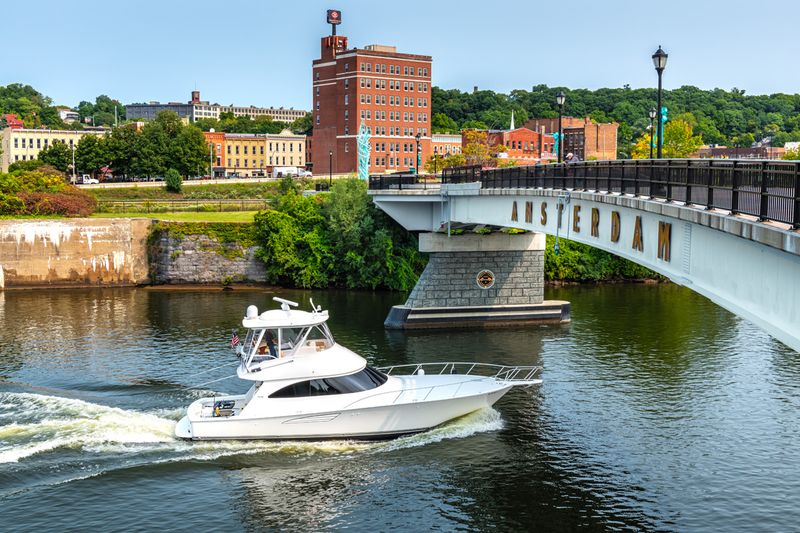
Along the Mohawk River sits Amsterdam and has a gritty, working-class character that feels authentic and unpolished in the best way.
The city was once a carpet manufacturing powerhouse, and traces of that industrial past are everywhere. What is also everywhere is a property tax rate that makes homeownership a serious financial gamble.
For buyers looking at Amsterdam as an affordable entry into homeownership, the low purchase prices can be misleading.
Once the annual tax bill arrives, the true cost of owning property here becomes painfully clear. Many buyers feel blindsided by what they did not see coming.
Residents who have stayed for decades often express deep loyalty to their neighbors and their streets. But loyalty has limits when the financial pressure becomes relentless.
More and more of them are quietly listing their homes and looking toward communities where their dollar stretches further.
Amsterdam has real potential. Its location, river access, and proximity to larger cities make it geographically appealing.
But potential does not pay bills.
Until property tax relief becomes a real priority for local and state officials, Amsterdam will keep losing the homeowners it needs to fund its own future and reverse its long decline.
8. Olean
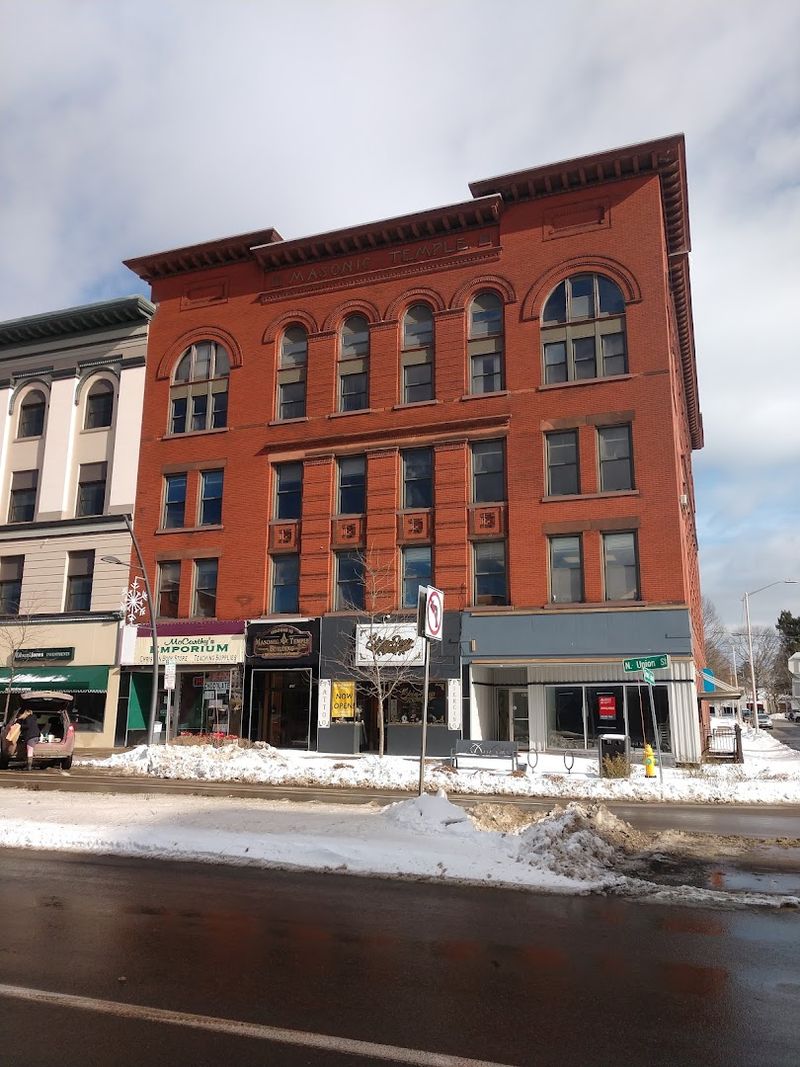
It is a small city in Cattaraugus County that often flies under the radar in conversations about New York’s tax crisis.
That is a mistake, because the property tax situation here is quietly devastating for homeowners who have stayed through decades of economic change.
The city provides services to a population that has been shrinking steadily, which means fixed costs are spread across fewer and fewer taxpayers.
The result is a per-household tax burden that keeps climbing even when nothing improves. It is a structural problem with no easy fix.
Retirees in Olean are among the most vocal about the strain. On fixed incomes, they watch their tax bills rise while their ability to absorb those increases stays flat.
Some have lived in their homes for forty years and are now seriously considering whether they can afford to stay through retirement.
Younger families are largely bypassing Olean altogether when shopping for homes. The combination of limited job opportunities and high property taxes makes other communities more attractive by comparison.
Olean deserves more attention from state policymakers, because the people left behind there are shouldering a burden that grows heavier with every passing year.
9. Dunkirk

The town has the kind of natural setting that should make it a desirable place to live. The lake views are genuinely beautiful, the summers are pleasant, and the community has a tight-knit feel.
So why are homeowners leaving? Property taxes, plain and simple.
Chautauqua County carries one of the highest effective property tax rates in New York, and Dunkirk residents feel that weight acutely.
A modest lakeside home that looks affordable at first glance can carry a tax bill that rivals what you would pay in a much more expensive market.
Families who grew up in Dunkirk often move away for college or work and then face a difficult decision about returning. The emotional pull is real, but the financial reality is sobering.
Many end up settling in Ohio or Pennsylvania, where similar homes cost significantly less to own year over year.
The lake is not going anywhere, and neither is Dunkirk’s potential as a livable community. But potential requires people, and people need financial reasons to choose one place over another.
Right now, the tax burden is giving too many of them a compelling reason to choose somewhere else instead.
10. Rome
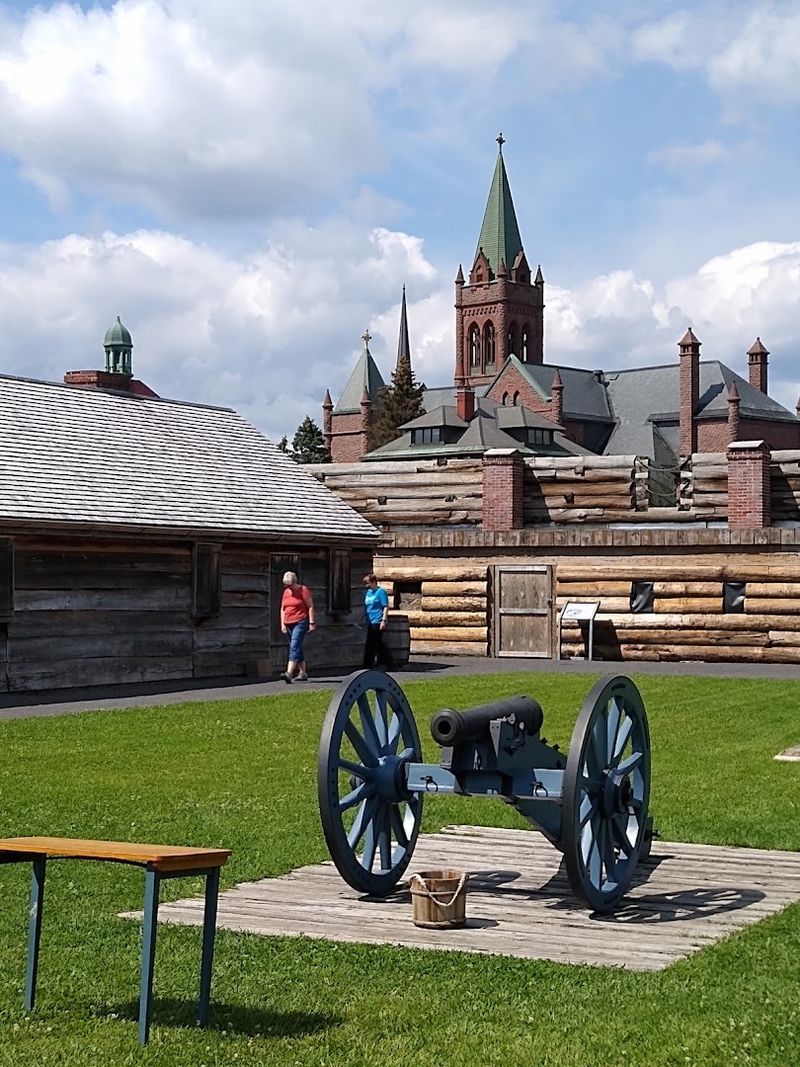
Fort Stanwix right in the city center is a genuine point of local pride. History aside, Rome is dealing with a very present-day problem: property taxes that are pushing homeowners toward the exit.
Oneida County’s tax rates are among the highest in the nation relative to home values, and Rome residents bear a significant share of that burden.
For a city that has already lost population steadily since the 1960s, the continued drain of homeowners is a serious concern for its long-term stability.
What strikes me about Rome is how much the residents genuinely love it there. People talk about the community events, the local pride, and the sense of history with real warmth.
But love for a place does not make a tax bill more manageable, and warmth does not stretch a paycheck further.
State programs like the STAR rebate offer some relief, but most homeowners say it barely makes a dent. What Rome needs is a serious recalibration of how its services are funded.
Without that, the city risks becoming a cautionary tale about what happens when good communities let financial policy drive their best residents away.