This Underrated Nebraska Town Is Quietly Turning Into One Of The State’s Liveliest Destinations
A town does not need towering skylines or constant traffic to feel full of momentum. Sometimes the signs appear more gradually.
A busy downtown patio. A new reason to stay past dinner. A trail that pulls people outdoors. A local event that suddenly feels bigger than expected.
Put enough of those pieces together, and a place once treated as a quick stop begins to feel like a destination.
Northeast Nebraska is giving travelers more reasons to look beyond the usual routes.
The energy here feels grounded rather than manufactured. Longtime businesses still shape the community, while newer attractions and gathering spaces bring a fresh rhythm to everyday life.
Visitors can spend the morning exploring, linger over a meal, and discover that the town has far more personality than its quiet reputation suggests.
An Urban Whitewater Park Runs Straight Through Town
Few things signal a town’s ambition quite like rerouting a river into a world-class recreational corridor.
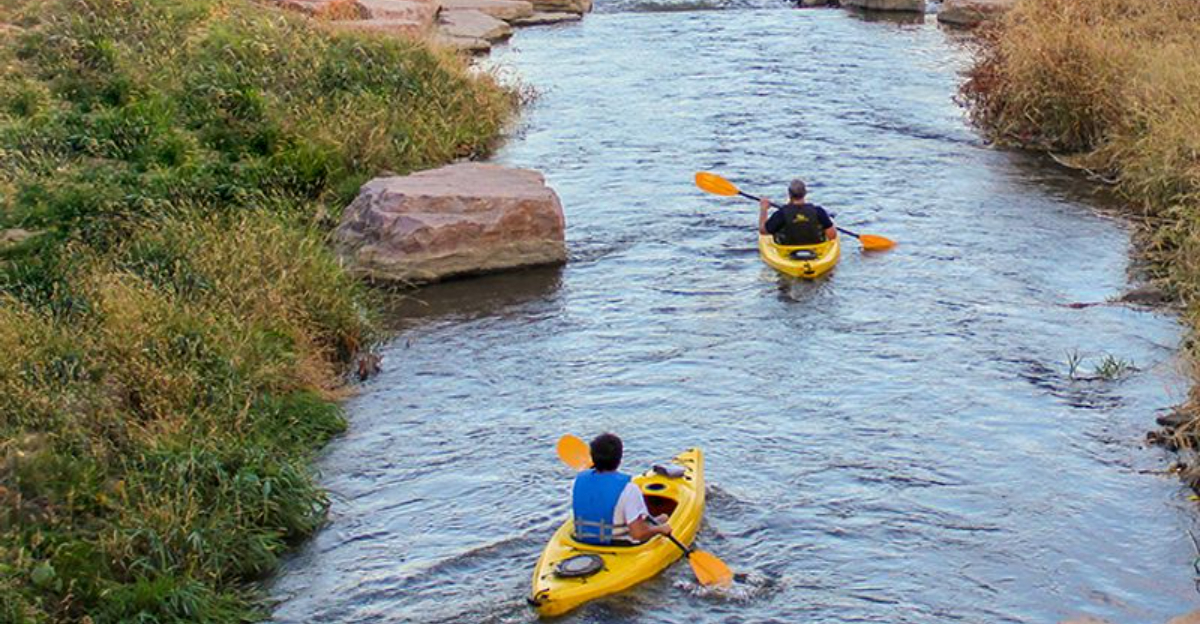
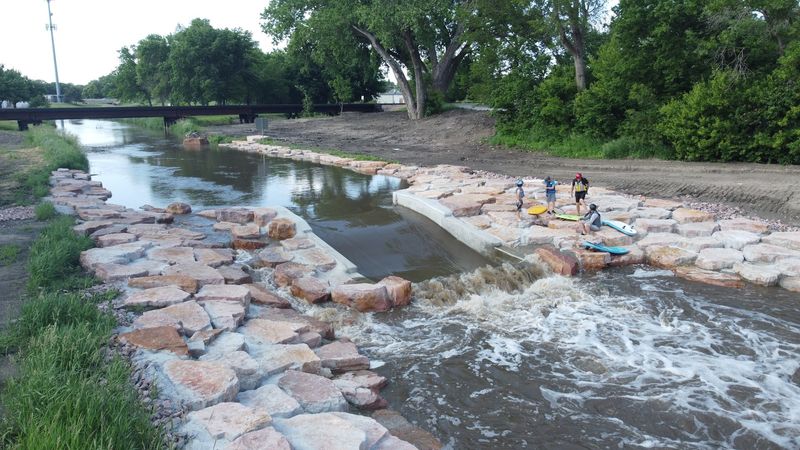
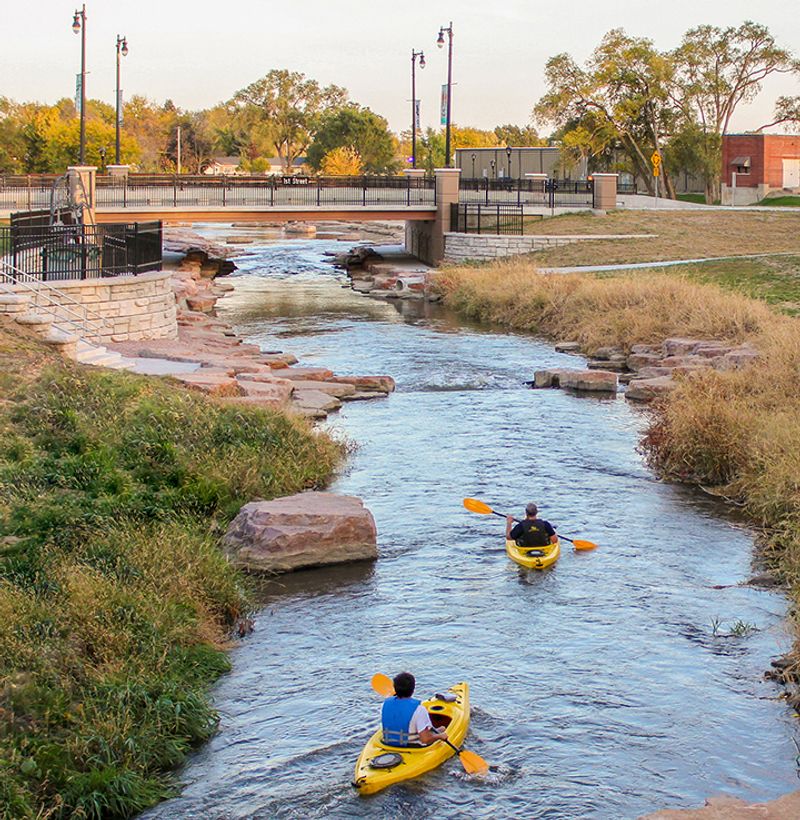
The North Fork Whitewater Park threads through central Norfolk along the North Fork of the Elkhorn River, giving paddlers, tubers, and curious onlookers something genuinely unexpected to encounter in the middle of a Nebraska city.
Seven engineered whitewater drop structures create a range of difficulty levels, making the park accessible to beginners while still offering enough challenge for experienced kayakers.
Multiple entry points are available along the route, including access at 1st Street, Winter Park, and Johnson Park, with a final take-out at East Bluff Park.
Using the park is free of charge, which makes it an easy addition to any visit without requiring advance planning or a big budget.
Life jackets are mandatory and helmets are strongly encouraged, so arriving prepared makes the experience safer and more enjoyable.
The park connects with a broader urban water trail that stretches roughly 2.5 to 3 miles through the city.
Floating through Norfolk at water level offers a completely different view of the surrounding neighborhoods, parks, and green corridors that line the river.
A Surf Wave Adds Something Few Nebraska Towns Have
Surfing in Nebraska sounds like a punchline until someone actually sees it happening.
One section of the North Fork Whitewater Park creates a standing river-surfing wave when water levels reach medium to high conditions, giving Norfolk an outdoor attraction that is genuinely rare for a landlocked state.
Surfers use specialized river boards to ride the wave in place, drawing small crowds of curious onlookers who did not expect to see that kind of activity in the middle of the Great Plains.
The wave is a natural byproduct of the engineered drop structures built into the whitewater park, so its availability depends on current river conditions rather than a set schedule.
Checking water levels before heading out helps visitors plan around the best surfing windows.
The feature tends to be most active during spring and early summer when snowmelt and rainfall keep river flows elevated.
Even on days when the wave is not running at full strength, the whitewater park remains worth visiting for its kayaking and tubing opportunities.
The surf wave adds a layer of novelty that makes Norfolk stand out on a regional scale.
Watching experienced river surfers work the feature is entertaining even for visitors who have no plans to get in the water themselves.
Downtown Has Become The River Point District
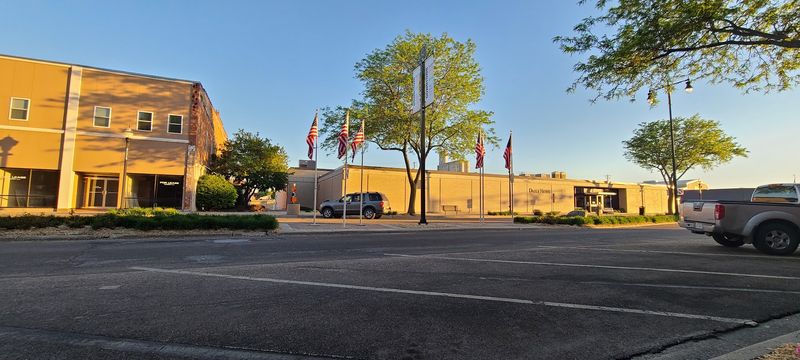
Historic downtowns can feel frozen in time or hollowed out by years of commercial drift, but Norfolk’s has been moving in a different direction.
The River Point District has transformed the core of downtown into a walkable, locally driven neighborhood with independent restaurants, retail shops, entertainment venues, and professional services all within easy walking distance of one another.
The district takes its name from the North Fork of the Elkhorn River, which flows nearby and anchors the area’s outdoor identity.
Spending an afternoon here feels less like running errands and more like exploring a neighborhood that has real character.
Storefronts tend to reflect the personality of the people running them rather than the sameness of chain retail, and the mix of businesses means a single block can shift from coffee shop to boutique to gallery without losing momentum.
Community events held throughout the year bring additional foot traffic and give the district a calendar that stays active across seasons.
The district also benefits from its connection to River Point Square, the outdoor gathering space at the center of downtown activity.
Having a central public square gives the neighborhood a natural meeting point that anchors foot traffic and creates a hub for farmers markets, concerts, and casual afternoon visits.
Public Art Appears Around Unexpected Corners
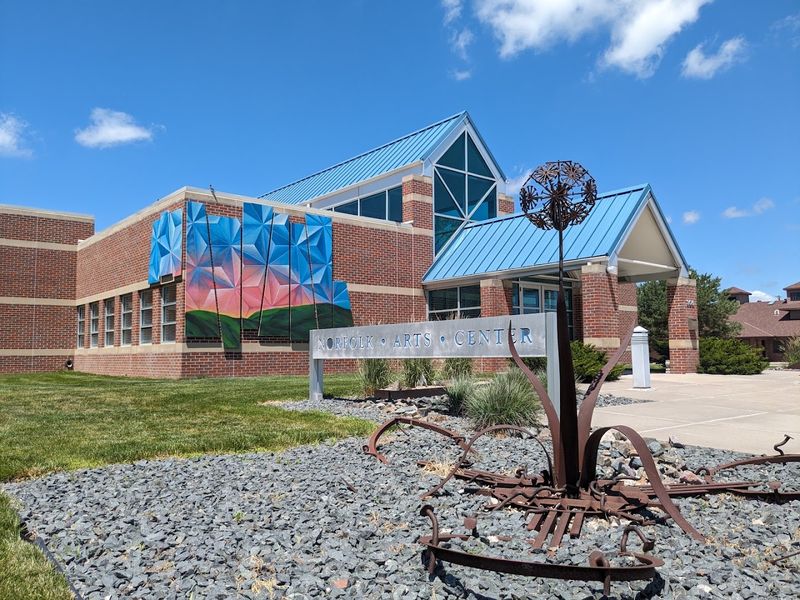
Stumbling onto a mural tucked into a downtown alley is one of those small travel moments that makes a place feel alive in a way that no brochure can fully capture.
Norfolk has been building out an informal outdoor gallery through the Norfolk Area Sculpture Walk and the Alleyway Mural Project, placing rotating sculptures and painted murals throughout downtown streets and passages.
The result is a city that rewards wandering, since the best pieces often appear in spots that only foot traffic can find.
The murals range in style and subject matter, reflecting contributions from multiple artists rather than a single curatorial voice.
Some pieces draw on local history while others lean into abstract design or community themes, giving the collection a varied and evolving character.
Because the sculpture walk features rotating works, repeat visitors often find something new even on a familiar route through town.
Art placed in unexpected locations changes how people move through a space. A sculpture near an intersection slows the pace.
A mural at the end of an alley pulls the eye and invites a closer look. Norfolk has used public art not just as decoration but as a way to make downtown feel more textured and worth exploring.
The Creative District Keeps Adding Energy
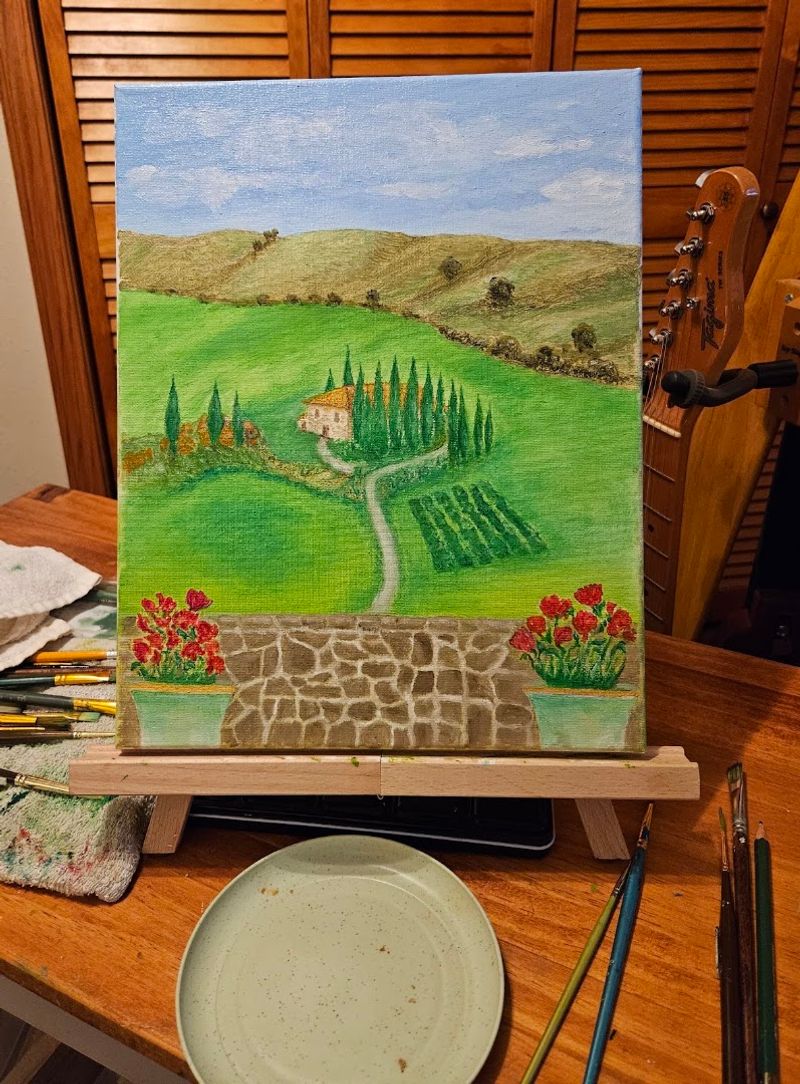
Creative districts work best when they offer more than a label and actually provide infrastructure for the people doing the creative work.
The certified River Point Creative District in Norfolk supports artists, cultural organizations, and live performances while helping attract new investment and visitors to the downtown core.
The district functions as both a community resource and a draw for people looking for cultural experiences outside of larger metro areas.
ArtWorks gallery anchors part of that creative presence.
The space includes curated exhibits, a storefront where local creatives can sell their work, and studio spaces that give working artists a place to practice their craft in a visible, community-facing setting.
Stopping in during a visit gives a clearer sense of the range of talent that calls Norfolk home.
Beyond the gallery, the creative district supports art markets, mural programs, and busking opportunities at the Farmers Market, creating multiple access points for both artists and audiences.
Live performances tied to the district add programming that extends the downtown experience into the evening hours.
The cumulative effect is a downtown that feels creatively engaged rather than purely commercial, which tends to make visitors linger longer and return more often.
Johnson Park Has Been Completely Reimagined
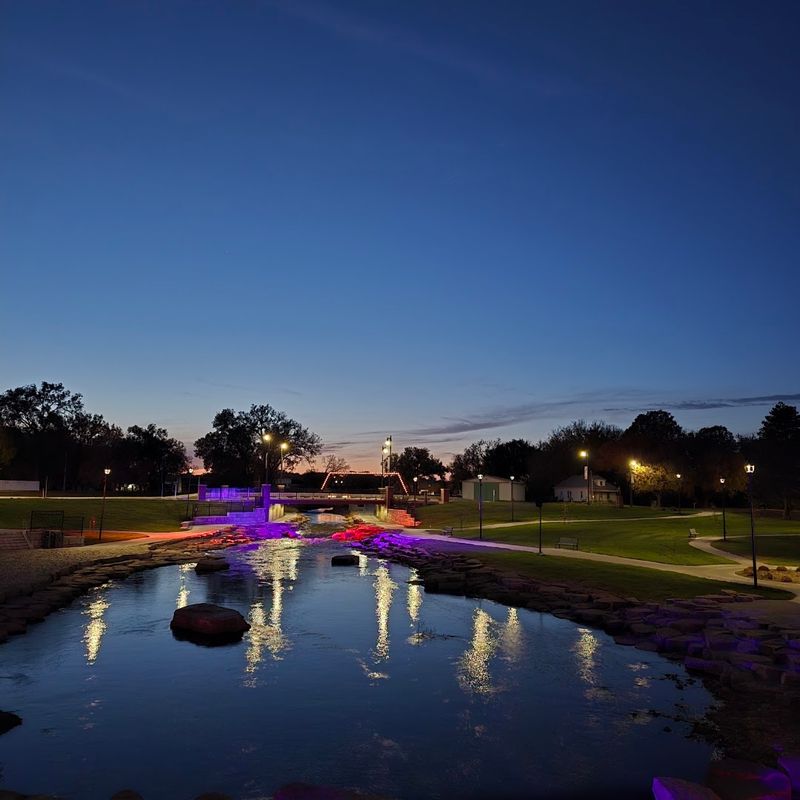
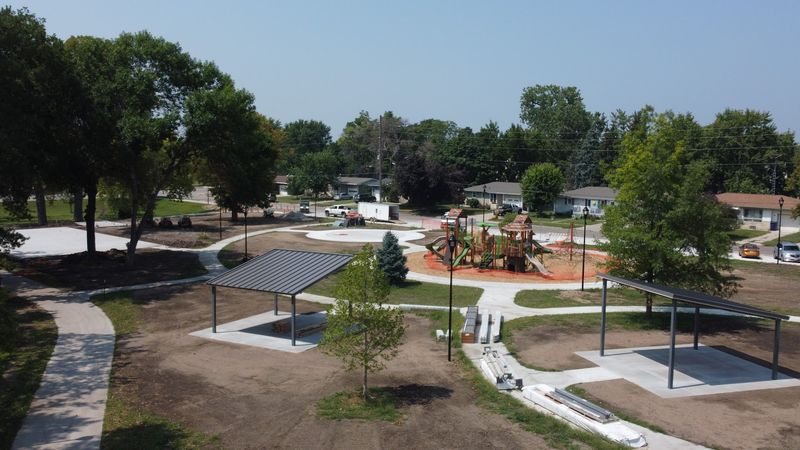
Parks that get a genuine overhaul rather than a fresh coat of paint are worth paying attention to, and Johnson Park’s transformation is one of the more ambitious civic investments Norfolk has made in recent years.
Major improvements to the park have introduced a nature playground, a splash pad, and a seasonal ice-skating rink, giving families a space that works across multiple seasons rather than just the warmest months.
An amphitheater with a permanent stage and grass seating for hundreds adds a performance venue that connects outdoor recreation with live events.
The park sits along East Nebraska Avenue in Norfolk, NE 68701, and serves as one of the key access points for the North Fork Whitewater Park.
Improved river access and trail connections mean visitors can move between the park and the water trail without needing to drive between stops.
Festival space within the park gives the city a flexible outdoor venue for community gatherings that can scale up or down depending on the event.
The redesign was projected for completion in fall 2024, making it one of the newer additions to Norfolk’s growing list of outdoor destinations.
Visiting during a scheduled event at the amphitheater gives the park a very different atmosphere than a quiet weekday afternoon stroll, and both versions have their own appeal depending on what kind of pace a visitor is looking for.
The Cowboy Trail Begins Right Here
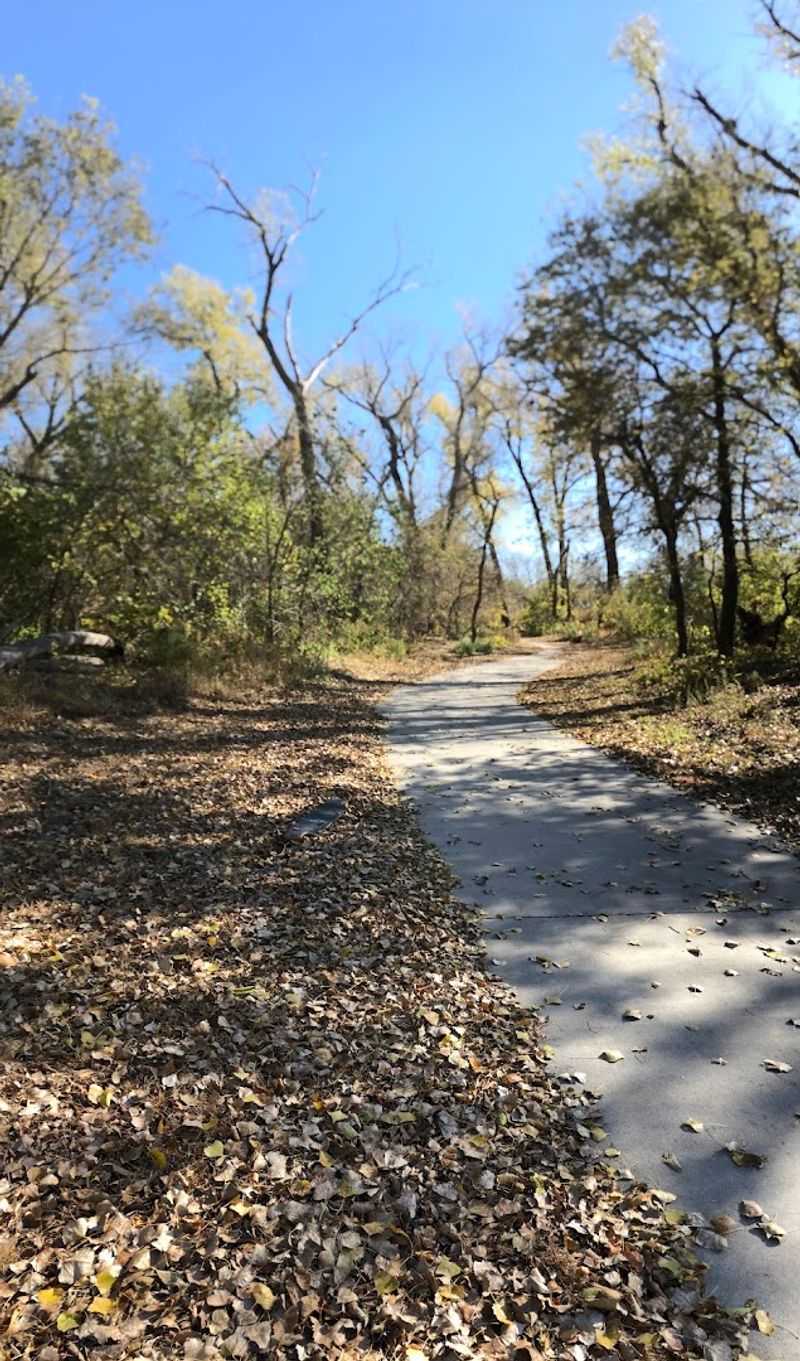
Long-distance trails have a way of making a town feel like a gateway rather than just a stop, and Norfolk earns that status as the eastern trailhead for the Cowboy Recreation and Nature Trail.
Stretching approximately 195 to 203 miles west to Valentine, Nebraska along a former railroad corridor, the trail accommodates biking, walking, hiking, snowshoeing, cross-country skiing, and equestrian use.
Plans for the completed trail project it reaching up to 321 miles all the way to Chadron.
Access to the Cowboy Trail is available at Ta-Ha-Zouka Park, located at 2201 South 13th Street, Norfolk, NE 68701.
The park provides parking, restroom facilities, and river access that makes it a practical staging point for day trips or multi-day adventures.
Cyclists planning longer segments of the trail typically start early in the morning to take advantage of cooler temperatures and lower traffic on the path.
Even visitors with no interest in a long-distance journey can enjoy the trail’s eastern stretch as a scenic out-and-back route from Norfolk.
The crushed gravel surface keeps the trail accessible for a range of fitness levels and works well for casual riders and families with children.
Having a trail of this length beginning in town gives Norfolk an outdoor credential that most small cities simply cannot match.
Norfolk Works Surprisingly Well For A Weekend Trip
Weekend trips to smaller cities work best when the activities cluster tightly enough to avoid spending half the time in a car, and Norfolk’s layout makes that kind of compact itinerary genuinely achievable.
River recreation, public art exploration, farmers market browsing, restaurant hopping, trail access, and live music are all available within or very close to the downtown core.
Visitors can realistically move between several of these experiences on foot without needing to plan around parking or long drives between stops.
Ta-Ha-Zouka Park extends the outdoor options beyond the downtown corridor, offering the Cowboy Trail trailhead, Elkhorn River access, camping, canoe put-in spots, fishing, rental cabins, a sand volleyball court, and an off-leash dog area.
Having a full-service park within a short drive of downtown means a weekend itinerary can include both urban exploration and quieter outdoor time without feeling rushed or disjointed.
Families traveling with children or dogs will find the park particularly useful as a midday reset.
Spending Saturday morning at the farmers market, the afternoon on the water trail, and the evening following green lights through the district covers a lot of ground without ever feeling frantic.
Sunday can shift to the Cowboy Trail or a slower loop through the River Point District’s shops and galleries, leaving Norfolk feeling like a place worth returning to rather than a place that has been fully checked off a list.