These Are 8 Places In Idaho Where Rattlesnakes Have Been Spotted
Around here, nobody acts shocked when the trail comes with a little extra wildlife.
Idaho gives you plenty of sun-warmed rock and open country, so every now and then a rattlesnake decides it likes the same spot you do. That does not mean the place is off-limits.
It just means paying attention is part of being outside. Most locals already know the drill. Watch where you step. Give anything coiled up plenty of room.
Then keep moving and enjoy the day. Honestly, spotting one can become the story everybody tells later, especially once the heart rate settles down.
These places are still worth visiting for the scenery alone. The snake is not the attraction.
It is just one more reminder that Idaho does not always put guardrails around the wild part.
8. Hells Canyon National Recreation Area
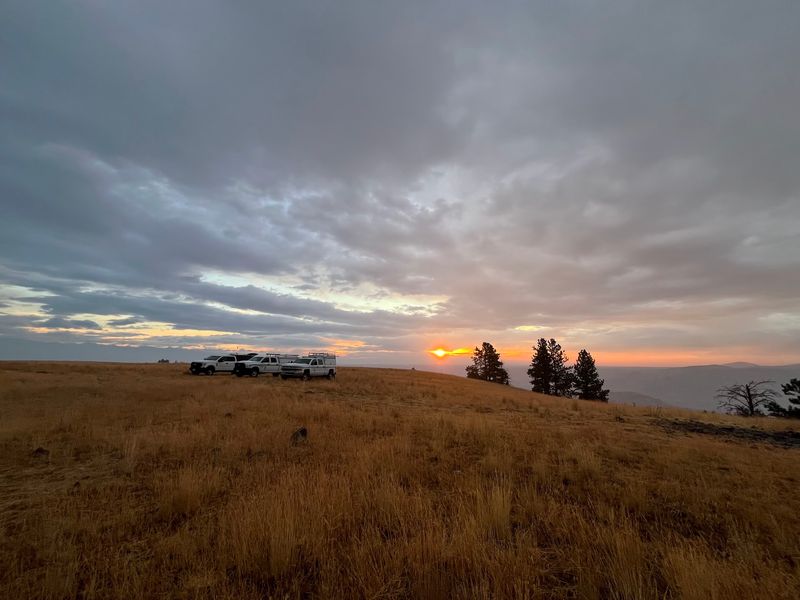
Deep gorges, sun-warmed benches, and one of the steepest river canyons on the continent set the tone here.
Forest Service information notes that rattlesnakes turn up regularly along canyon trails from mid-spring through late fall, when bare rock stores heat long after sunset.
The recreation area stretches across parts of Oregon and the Idaho side of the Wild and Scenic Snake River. Snake River National Recreation Trail #102 follows that shoreline, and it is described plainly as rattlesnake habitat.
Grasshoppers click in the dry bunchgrass, hawks circle overhead, and the whole slope hums with life.
Bureau of Land Management guidance is refreshingly simple: stay alert and give any snake a generous amount of room. Trouble usually starts when someone tries to move or poke at one, so the smart response is to stop, look, then walk a wide arc around it.
Sturdy boots, long pants, and a slower pace through tall grass make a real difference on these trails. A trekking pole helps too, since tapping the ground ahead gives a resting snake time to slip away.
Kids do well when they know the plan: hike behind an adult, keep hands off rock crevices, and never reach into shady gaps.
Carry more water than seems necessary, because shade is scarce and canyon afternoons heat up fast. Cell service is patchy, so tell someone your route before you drop toward the river.
Early starts bring cooler air, softer light on the dark rock walls, and far fewer reptiles stretched across the path.
7. Pittsburg Landing
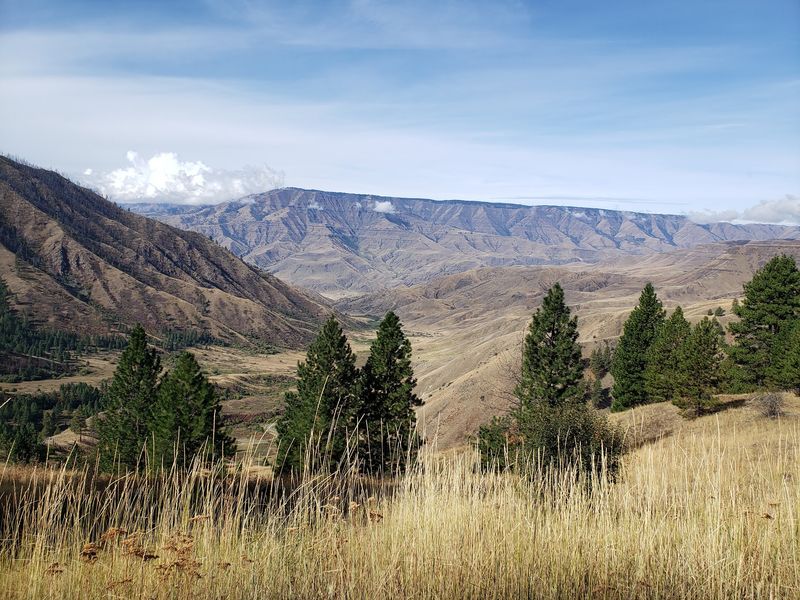
Boat trailers, dusty gravel, and the green ribbon of the Snake River greet you at this remote landing deep inside Hells Canyon. Forest Service visitor information encourages constant alertness for rattlesnakes throughout the area, whether you are launching a raft or unpacking a picnic basket.
Cottonwoods offer patchy shade, and the air smells of warm dust and river water.
Snakes favor the riparian strip, that lush green edge where willows, damp soil, and rodent burrows meet the water. Mice and voles thrive there, and where the small animals go, the snakes follow.
Strolling that shoreline in flip-flops is asking for a surprise.
The Snake River National Recreation Trail begins near the landing, climbing through grassy benches strewn with broken rock. Hikers are advised to treat the route as active snake habitat from spring into autumn.
Grass hides both the trail edge and anything resting in it, so short steps and a scanning eye beat a fast pace.
Campers can lower the odds of an encounter with a few easy habits: shake out shoes each morning, keep tent doors zipped, and use a flashlight for any trip across camp after dark. Store food sealed so mice stay away, since fewer rodents means fewer visitors with rattles.
Getting here is part of the adventure, as the road in from White Bird is long, winding, and mostly gravel. Late afternoon light turns the canyon walls copper, and the river runs cool and clear below the landing, a fine reward for the drive.
6. Bruneau Dunes State Park
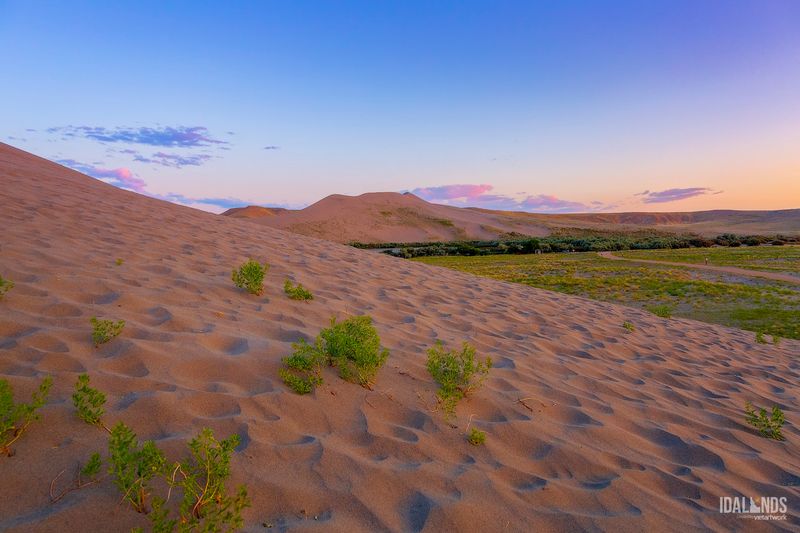
Few sights in the desert surprise first-time visitors like a mountain of sand rising straight out of sagebrush flats. The dunes south of Mountain Home climb hundreds of feet, and their sides shift with every strong wind.
Bruneau Dunes State Park protects the whole basin, an unlikely pocket of desert scenery.
Both Western and Great Basin rattlesnakes do well in this dry country, using sagebrush, rodent holes, and grass clumps as cover. State park materials tell visitors plainly to watch for them while exploring.
The snakes here are usually far more interested in mice than in hikers.
Sand is an excellent heat sponge. Long after the sun drops, the ground stays warm, which keeps snakes moving into the evening hours.
That matters at this park, a beloved stargazing destination where many people walk out after dark, so evening sightings are a real possibility.
Rangers suggest high boots and long pants where plants grow thick, plus no barefoot wandering on the dunes. A headlamp for night walks is as important as a jacket.
Keep the beam aimed at the ground ahead rather than the sky.
Sandboards and sleds can be rented at the visitor center, and sliding down the big dune is a workout you will feel the next day. Small lakes sit at the base, ringed by cattails and quiet fishing spots.
Spring and fall bring the kindest temperatures, since midday heat on open sand is intense, so plan early or late outings and bring water.
5. Massacre Rocks State Park
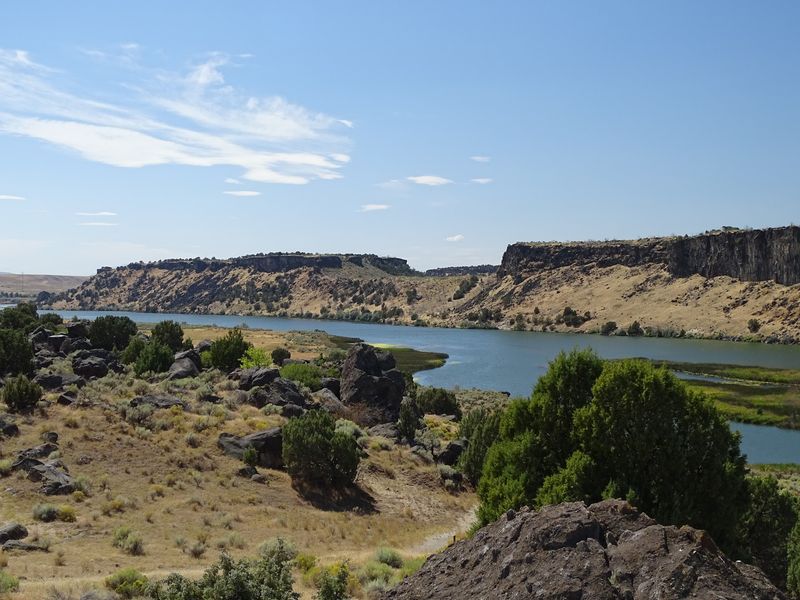
A park that names a disc golf tournament after rattlesnakes clearly has a sense of humor about its neighbors. The Massacre Rocks Rattlesnake Roundup, a PDGA-sanctioned event, brings players out to throw discs across lava rock and sagebrush every year.
The setting sits along the Snake River in eastern Idaho, just outside American Falls, where dark basalt boulders sprawl in every direction. Emigrants on the Oregon Trail passed through this same gap, and Register Rock still carries names carved into stone by travelers heading west.
Broken volcanic rock creates exactly the kind of shelter rattlesnakes like: shaded cracks, flat sunning ledges, and plenty of rodents nearby. Players and hikers are wise to look before reaching into a crevice for a stray disc or a dropped water bottle.
Long pants and closed shoes beat sandals on this terrain.
If a rattle sounds nearby, the best move is undramatic. Stand still, find the snake with your eyes, then back away and continue on a different line.
Snakes rattle as a warning, which is really a request for space.
The visitor center holds trail exhibits worth a slow lap, and shaded picnic tables sit within easy reach of the campground. Spring paints the desert floor with wildflowers, while sunsets throw pink light across the river bluffs.
Sightseeing here pairs nicely with a cooler of sandwiches, cold lemonade, and a willingness to walk slowly and watch the ground.
4. Boise River Wildlife Management Area
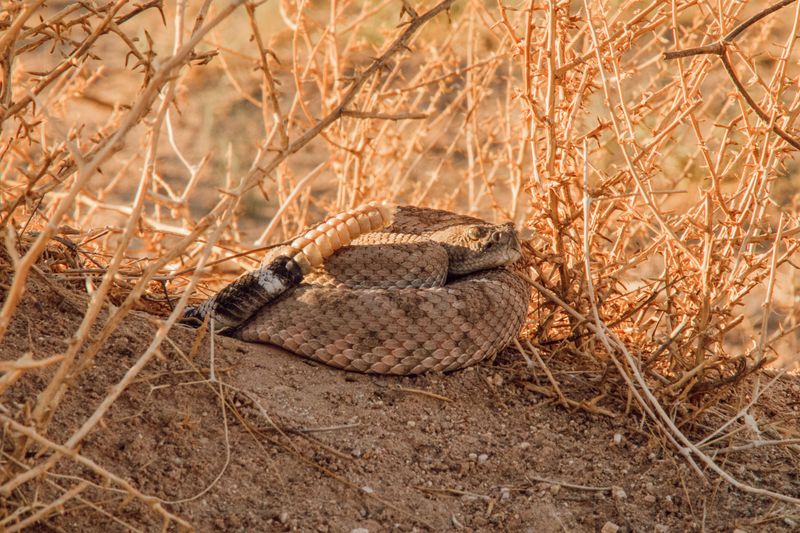
Grassy hills roll toward a cottonwood-lined river bottom in this stretch of foothill country just outside the capital. Managed largely as winter range for mule deer and elk, the area shelters a long list of animals, from ground squirrels to raptors.
Fish and Game officials warn that rattlesnakes grow especially active during warm months and can turn up in sagebrush desert, grassland, forest edges, and ground near water. All of those descriptions fit this landscape, where a hiker moves from dry slope to green riverbank in a matter of minutes.
Dogs deserve extra thought here. Keeping a leash on your pet is a simple precaution in snake country, since a curious nose finds trouble faster than human eyes do.
Carry water for the dog too, because these hillsides bake by late morning.
Portions of the wildlife management area close seasonally to protect wintering big game, so a quick check of current rules before you drive out saves disappointment. Spring visits reward you with green slopes, meadowlark song, and balsamroot blooming in bright yellow patches.
Walk the two-track roads rather than pushing through waist-high grass, and pause at high points to scan for deer moving below.
Warm evenings are prime wildlife-watching time, which also means snakes may be out along the edges of the path.
Step onto rocks and logs rather than over them, and you will handle most encounters before they ever begin.
Because the Claremont Fire affected access in summer 2026, check Idaho Fish and Game’s latest Boise River WMA closure notice before visiting.
3. Boise Foothills
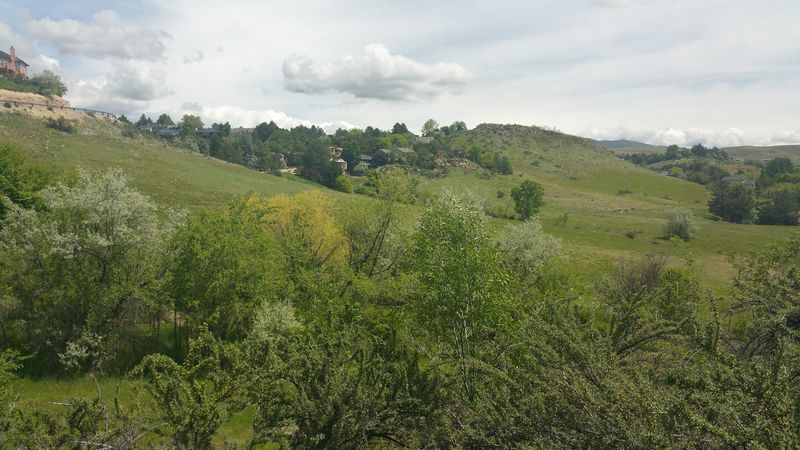
Minutes from downtown coffee shops, singletrack trails climb into open hills that feel a world away from traffic. The foothills draw runners, riders, and dog walkers year-round, and they are known snake habitat as well.
Fish and Game has organized rattlesnake avoidance training sessions aimed specifically at dogs whose owners spend time on these trails and the open space nearby. The idea is straightforward: teach a dog to recognize the smell and sound of a rattlesnake and walk the other way.
Sightings have happened as early as May, juveniles included, once the ground warms and the grass dries to gold. Rocky ground raises the odds, and the sandstone ledges around Table Rock rank among the more likely spots to meet one.
The Western rattlesnake, the main venomous snake in Idaho, has a calm reputation and rarely acts aggressively unless provoked. Left alone, it usually holds still or slides off into cover.
Nearly every problem traces back to someone trying to move, catch, or crowd the animal.
Practical habits help: leash your dog, stay on established trails, and skip shortcuts through thick grass. Early morning and evening hikes bring cooler air and better views of city lights, though they overlap with peak snake movement, so a headlamp aimed low is smart.
Bring a small bag for trash, plenty of water, and the patience to stop and let a snake go on its way.
2. Slate Creek Area – Nez Perce-Clearwater National Forests
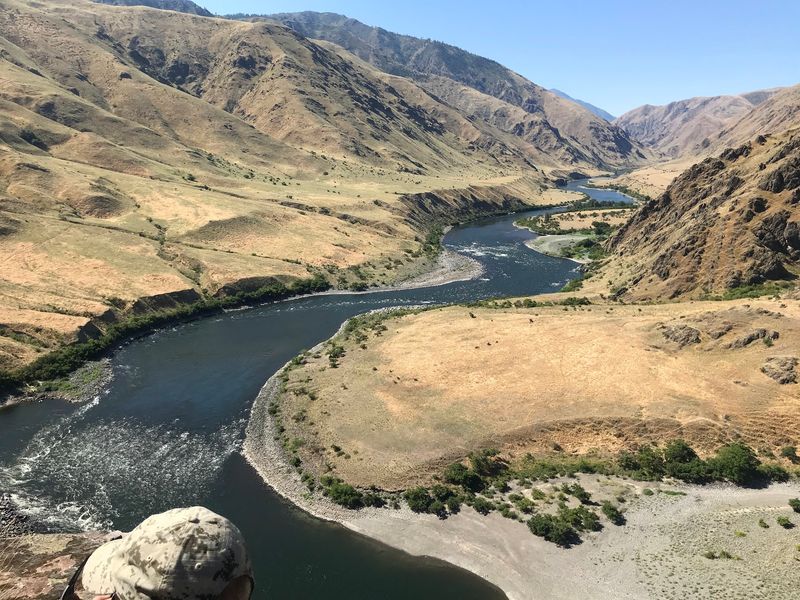
Steep grassy slopes, ponderosa pines, and a clear creek tumbling toward the Salmon River define this quiet corner of the Nez Perce-Clearwater National Forests. Dispersed campsites along the drainage attract people who prefer a folding chair by the water to a crowded campground.
Forest Service visitor information describes this canyon country as rattlesnake habitat, which makes sense given the terrain. The area borders the low, sun-drenched grasslands of the Hells Canyon region, and those warm south-facing slopes suit snakes perfectly.
Rocky ground, downed logs, and mouse burrows supply everything a rattlesnake needs.
Roadside history adds a nice stop along the way, as a century-old ranger station near the highway preserves the look of early Forest Service life. It is an easy pause for photos before you turn onto the gravel and head upstream.
Setting up camp calls for a quick scan. Look under woodpiles before gathering firewood, check the shade beside boulders before spreading a blanket, and keep camp chairs out of tall grass.
Children and dogs benefit from clear rules about where they may roam.
Summer mornings here smell like warm pine needles and creek water, and higher elevations bring huckleberry patches later in the season. Cool air settles in the canyon after dark, so pack an extra layer even in July.
Carry a flashlight for after-dinner walks, and enjoy a stretch of forest where the loudest sound is moving water.
1. Castle Rocks State Park
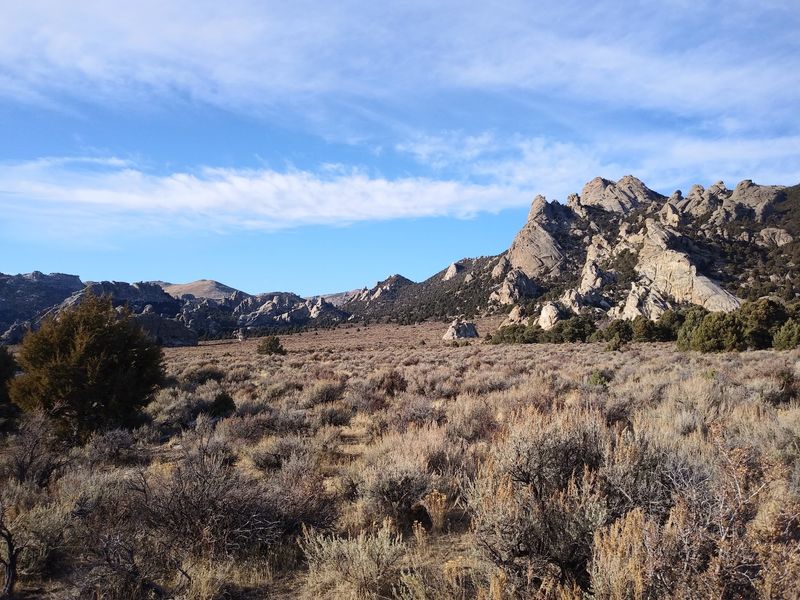
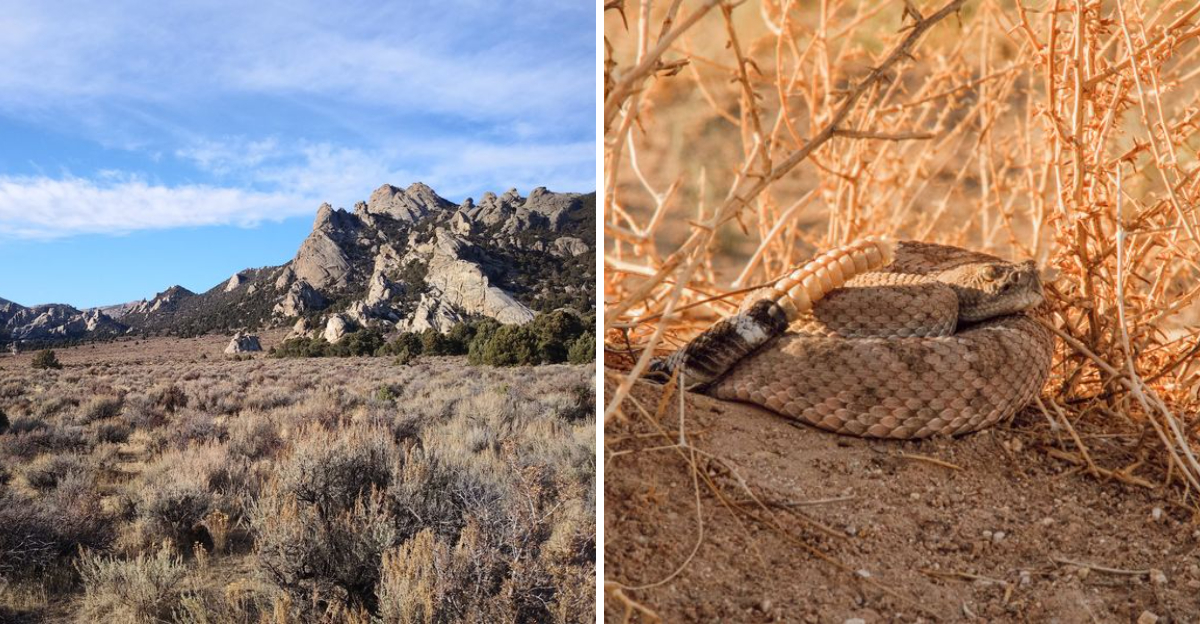
Granite spires shaped like turrets and castle walls give this park its name, and climbers travel a long way to touch that rough, grippy stone. Trails wind between the formations through sagebrush, juniper, and pockets of aspen.
The park spreads across south-central Idaho near the small town of Almo, a short hop from City of Rocks National Reserve. Weathered granite catches the sun all day, and the crevices and ledges hold heat, which is exactly why snakes like them.
Prairie rattlesnakes are known to live in the park, and sightings pick up during late spring and summer. Park staff advise climbers to inspect handholds and footholds carefully and to move slowly through shaded or dim rocky areas.
A quick look before a blind reach is the single best habit at this destination.
Snakes here are not out looking for a fight. Most will hold still or retreat if given room, and problems arise mainly when someone startles or deliberately bothers one.
Rangers also encourage hikers to stay on marked paths and stay mindful of where hands and feet land.
Bird watchers do well among the rocks, where wrens, flycatchers, and hawks work the cliffs. Shaded picnic spots and a small campground make an easy base for a two-day visit.
Mornings here are cool and hushed, evenings glow orange on the stone, and the night sky over the valley is startlingly full of stars.