This Connecticut Chinese Restaurant Has Earned A Reputation As One Of The State’s Best
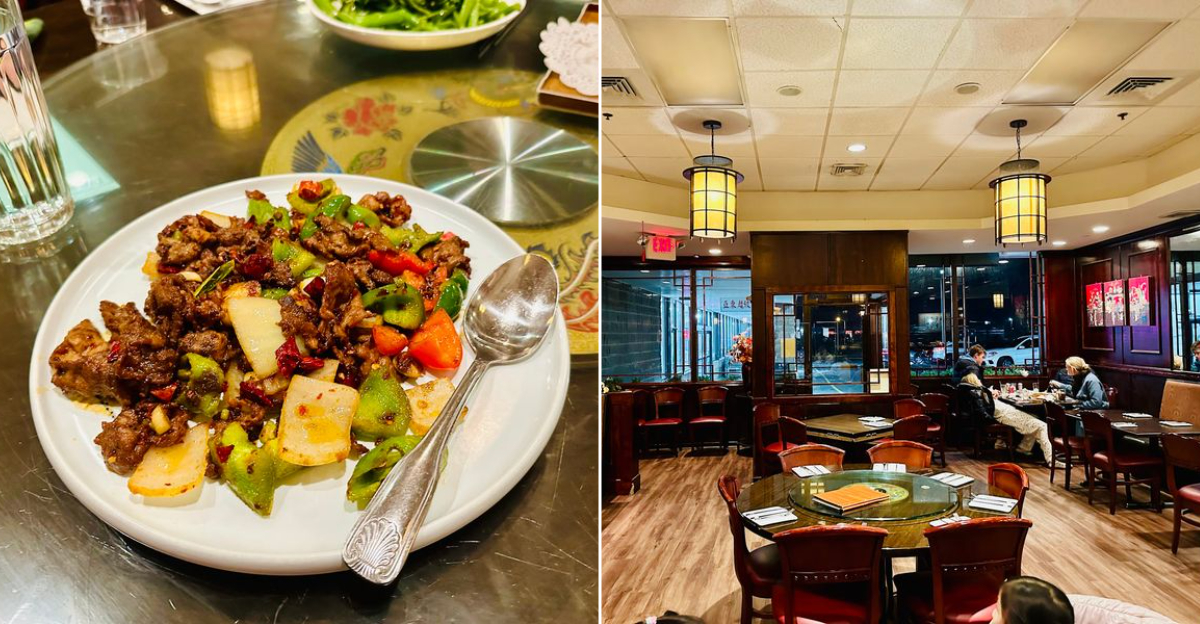
Spice can sneak up on you here, and that is part of the fun.
The menu leans into Sichuan cooking, so the flavors arrive with real confidence. Heat plays a role, but it does not take over the whole plate.
This restaurant has built a strong Connecticut following and picked up notable recognition along the way.
That little bit of buzz makes the first visit even more interesting. You know people are talking, but the real test starts when the food hits the table.
The dining room stays relaxed, which lets the cooking do most of the work.
One dish may feel comforting. Another might wake up your taste buds in a completely different way.
The best part is discovering why the place has earned such a serious reputation without needing the whole story spoiled beforehand.
Some restaurants arrive with hype. This one gives you a reason to decide for yourself.
1. Sichuan Flavor Right In West Hartford
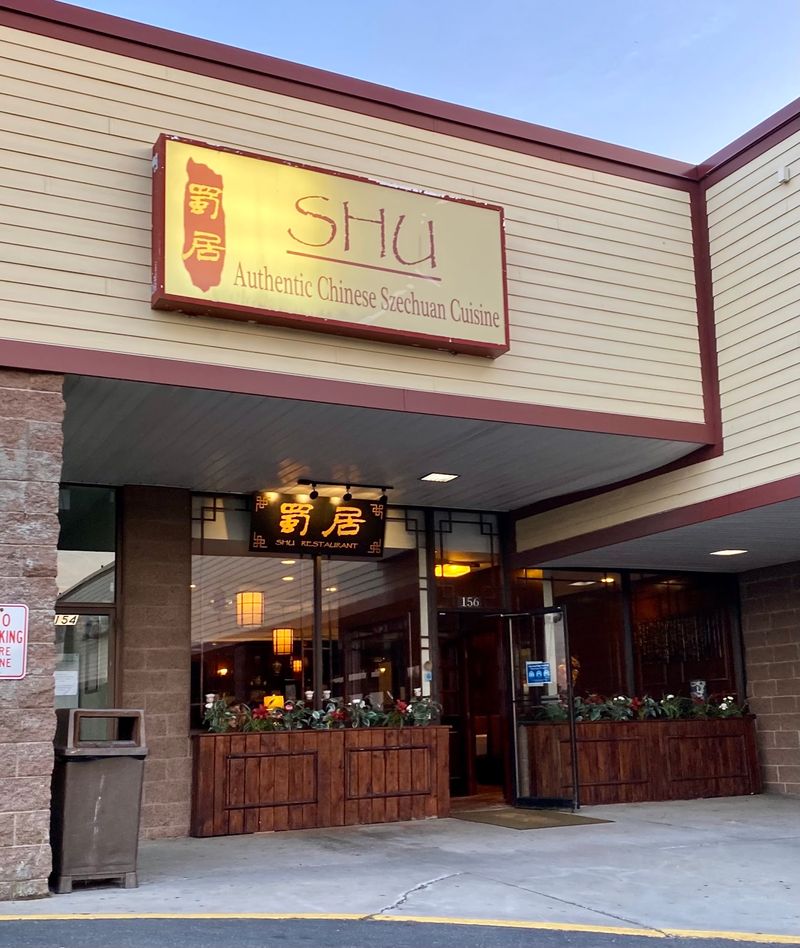
Chengdu is thousands of miles from Connecticut, yet the cooking here carries a direct line back to it. The owners come from Chengdu, the capital of Sichuan Province, and that background shows in the way the kitchen treats spice as a craft rather than a dare.
Sichuan food is built on layers. Dried chilies bring warmth, while Sichuan peppercorns add the tingling, faintly numbing sensation known as mala.
Together they create heat that hums instead of simply burning.
The menu leans into that tradition with Chengdu-style small plates alongside larger classical dishes and more modern interpretations. Traditional techniques stay intact, and fresh, high-quality ingredients do the heavy lifting.
What helps it stand out in the state’s dining scene is consistency. Guests regularly compare the cooking to Sichuan restaurants they have visited in bigger cities, and the kitchen has been named among state’s best, with at least one ranking placing it at the very top.
For anyone curious about regional Chinese cooking, this is a useful place to learn the difference between generic heat and balanced heat. Each spice has a purpose.
Nothing feels dumped in for shock value, and the payoff is a plate where garlic, ginger, chili, and peppercorn all still taste distinctly like themselves.
2. A Low-Key Spot With Serious Heat
The first clue is the aroma. Garlic, ginger, toasted chili, and hot oil reach you before the menu has much chance to make an impression.
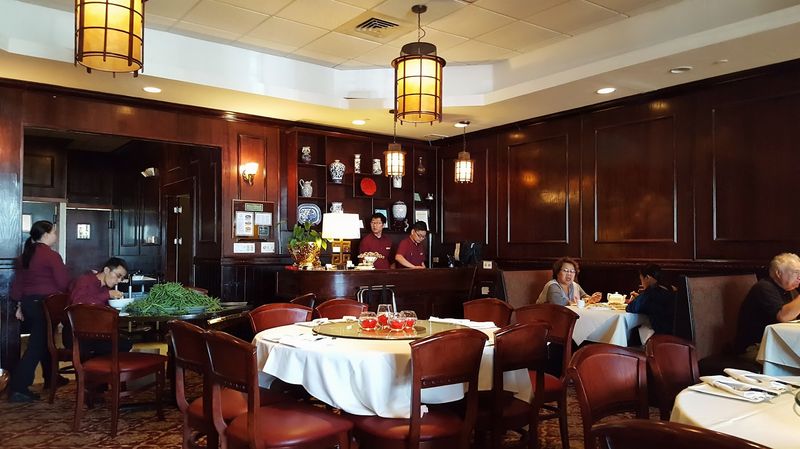
Inside, the dining room keeps things calm and comfortable, with soft lighting, low conversation, and a steady flow of plates from the kitchen. That relaxed atmosphere makes an interesting contrast with the food, especially once the hotter dishes arrive.
Sichuan peppercorns and chilies bring plenty of character, but the goal is flavor rather than heat for its own sake. Some plates carry a noticeable kick, while others let diners ease into the menu more gently.
Spice level can also be discussed when ordering, which helps when a group has very different tolerances.
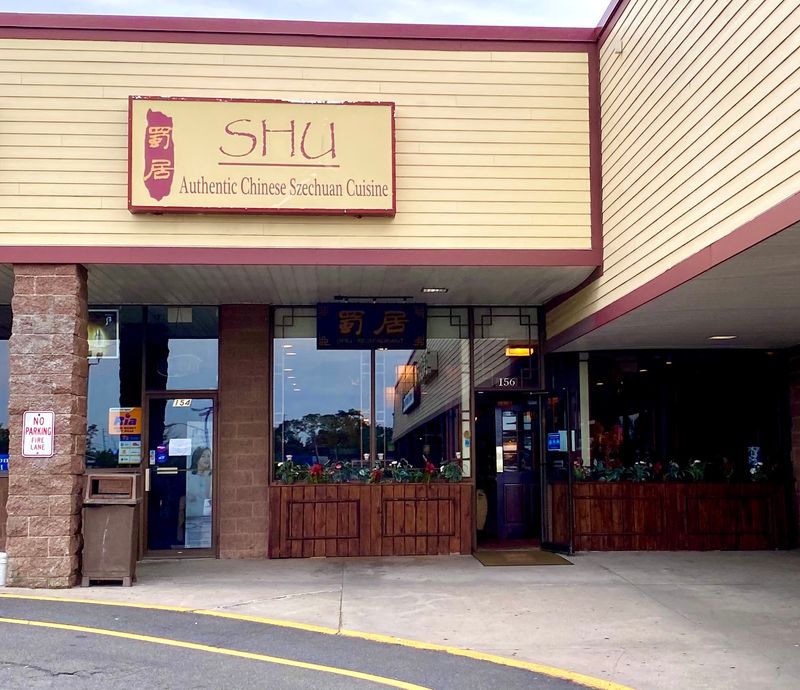
The exterior is much quieter than the cooking suggests. Shu Restaurant occupies a modest commercial strip, so first-time visitors could easily underestimate what is waiting inside.
Sharing several dishes is the best way to experience the range, especially if the table mixes milder choices with bolder ones. The West Hartford restaurant is at 156 Shield Street.
Come hungry, order across different spice levels, and let the contrast between the understated setting and confident Sichuan cooking do the rest.
3. Dumplings Worth Starting With
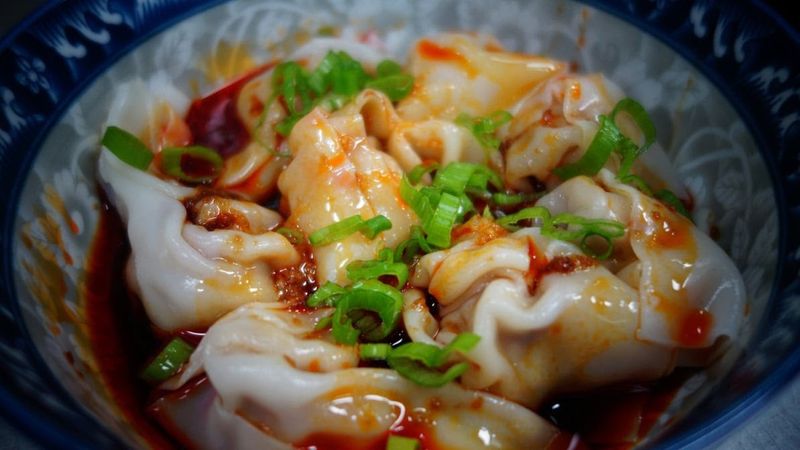
Dumplings here are not filler. They serve as a proper introduction to the kitchen’s style, and the list of dumplings and wontons is worth studying before anything else gets ordered.
Chengdu Dumplings are steamed pork dumplings finished with a spicy garlic sauce, glossy and fragrant, the sort of plate that empties fast at a table of four.
Seven Flavor Wontons take a different route, pairing steamed pork wontons with spicy peanuts, sesame sauce, and scallions. The result is nutty, savory, and layered, with crunch playing against soft wrappers.
Chengdu Wontons keep things brighter with spicy garlic sauce and scallions, while Hot and Sour Wontons sit in a sauce that leans tangy as much as spicy. Ordering two contrasting styles is a smart move, since it shows how much the sauce transforms the same basic parcel.
A practical note: these arrive as shared plates, so two people can split one order and still leave room for a noodle dish and a vegetable. Larger groups often line up several styles at once.
Guests mention dumplings constantly, and it is easy to understand why. Thin wrappers, well-seasoned pork, and sauces with genuine depth make them the kind of starter people build the rest of the meal around.
4. Plenty Of Spice Across The Menu
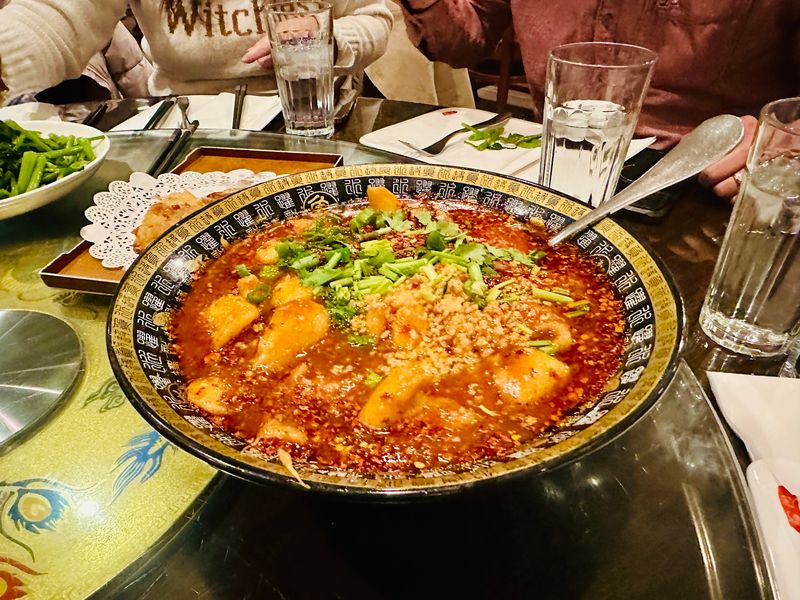
Chili and Sichuan peppercorn do most of the talking across this menu, and the effect is far more lively than punishing.
Chong Qing Chicken is a longtime favorite, tender pieces of chicken cooked with bright chili peppers and a deep blend of spices. It is bold, aromatic, and best shared with rice close at hand.
Dan Dan Mien draws steady attention too. Noodles get tossed in a spicy, savory sauce, usually topped with ground meat and fresh herbs, and the balance of chew and richness explains why so many guests order it every single visit.
Kung Pao Chicken lands in friendlier territory, savory and slightly sweet with a warm finish. Ma Po Tofu is another frequent pick, full of flavor and heat without tipping fully into numbness.
Vegetables get equal care. Eggplant in Garlic Sauce, made with ginger and scallions, comes out soft, savory, and gently spicy, and it balances heavier plates nicely.
Not everything is fiery. Milder options run throughout the menu, so a table can build a meal that suits every tolerance level.
Two habits help enormously: order white rice generously, and pace yourself. Sichuan heat builds slowly, and that tingling peppercorn sensation is easier to enjoy across a leisurely, shared meal.
5. Familiar Dishes With Bolder Flavor
Peking Duck is proof that this kitchen respects the classics. The skin comes out crisp, the meat stays tender, and it remains one of the most talked-about orders in the room.
Scallion Pancakes are the other crowd-pleaser, golden, crisp at the edges, and often on the table within minutes. They make an easy peace offering for anyone nervous about spice.
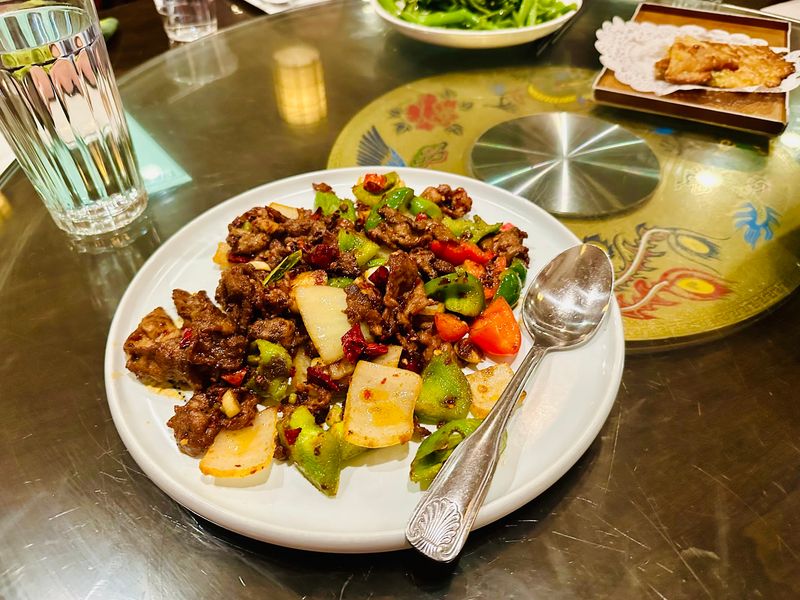
Twice Cooked Pork pairs tender belly meat with crisp leek slices, savory and satisfying without feeling heavy. Shu Spare Ribs are smoked before stir-frying, then deepened with fermented black beans, a combination that tastes older and more complex than standard ribs.
Chengdu Style Crispy Fried Chicken has become a favorite for good reason. The coating holds its crunch even under sauce, and the sweet-and-spicy balance keeps you reaching back for more.
Sizzling Seafood brings fresh mushrooms and vegetables into the mix for something brighter.
The menu also includes traditional ingredients that adventurous eaters seek out, among them tripe, frog’s legs, and pork intestines. Right alongside sit plenty of chicken, beef, shrimp, and duck choices.
That range is the quiet strength. Familiar names appear on the menu, but they arrive with more seasoning, more texture, and more personality than the takeout versions many of us grew up eating.
6. A Cozy Room With A Lively Feel
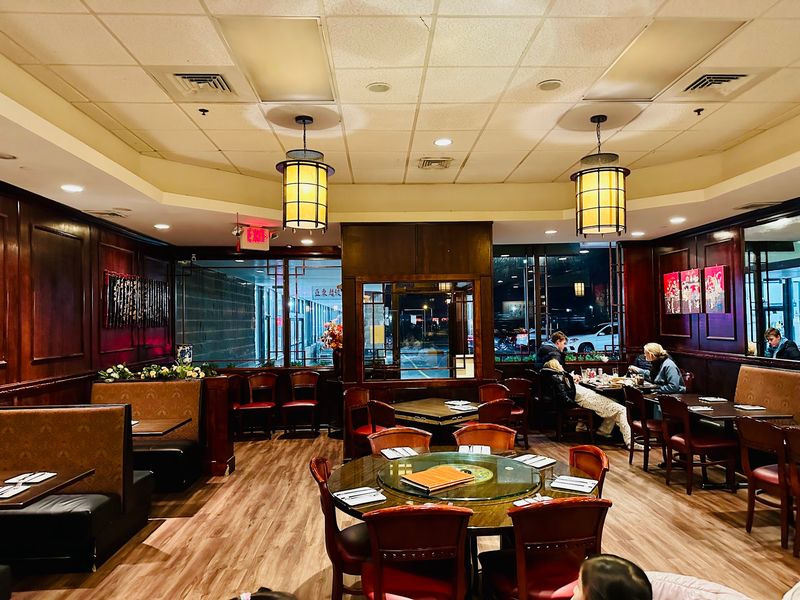
The dining room sits on the intimate side, and that shapes the whole experience. Tables are close enough that you feel the energy of the room, yet the noise stays at a level where conversation works comfortably.
Lighting is soft and dim, giving the space a calm glow. Modern decor keeps things current, and the overall look is understated rather than showy.
Movement gives the room its pulse. Staff cross the floor steadily, plates land, steam rises, and cheerful table talk fills in the rest.
Guests often describe a comfortable rhythm that makes lingering easy.
Some visitors have noted small touches of tableside service, including noodles mixed right at the table, which adds a bit of theater to an otherwise low-key setting.
Wheelchair-accessible seating is available, and the layout accommodates larger parties as well as couples at smaller tables.
Because the space is not enormous, timing matters. An early weekday lunch feels relaxed and unhurried, while a Friday or Saturday evening brings the fuller, busier version of the room.
Either way, the setting fits the food. Nothing is fussy, nobody rushes you, and attention stays where it belongs, on the shared plates in the middle of the table and the people around it.
7. Why Regulars Keep Coming Back
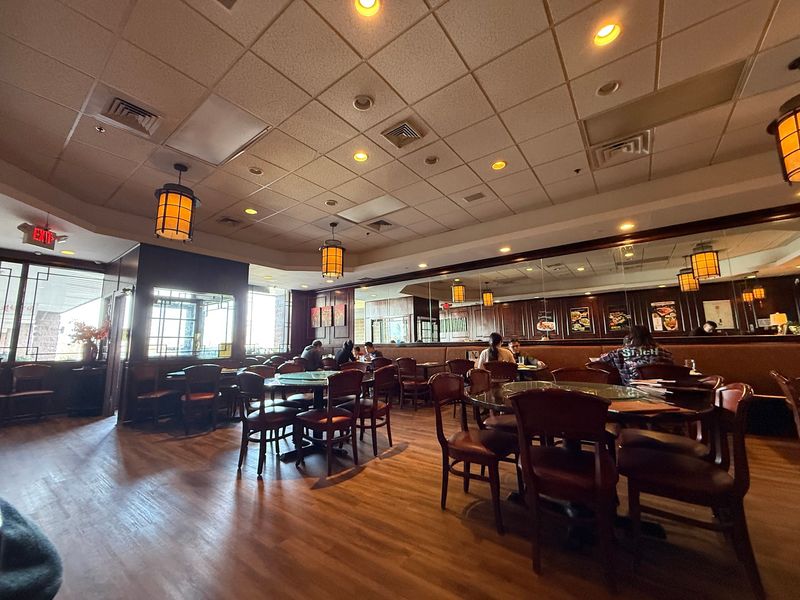
Repeat visits say plenty about a restaurant. Here, much of the appeal comes from dependable cooking, with dishes arriving in a way that feels familiar to people who have already found their favorites.
The menu also gives newcomers plenty of room to explore. Traditional Sichuan preparations share space with lighter choices and a dedicated vegetarian selection, including options that can suit vegan diners.
That range makes group meals easier when everyone arrives with different preferences.
Service adds another layer to the experience. Meals tend to move comfortably, and returning guests may encounter familiar staff who help give the dining room a welcoming neighborhood feel.
For people who grew up with Sichuan cooking, certain flavors can bring a strong sense of familiarity. Diners less experienced with the cuisine get an approachable chance to try dishes with deeper spice, aromatic broths, and carefully balanced seasonings.
Another useful perk sits right next door: a large Asian grocery store. That makes it easy to combine dinner with a shopping trip, especially when ordering takeout.
The restaurant’s value comes from thoughtful preparation, fresh ingredients, and a menu built with enough variety to reward repeat visits. It is the kind of place that can become part of a regular dining routine rather than a one-time stop.
8. Planning Your Visit Without The Guesswork
A little planning goes a long way. The kitchen opens at 11:30 AM daily, with service running until 9:30 PM most nights and until 10 PM on Fridays and Saturdays, so both lunch and a later dinner are realistic.
Weekend dinners are the busiest stretch. A reservation is recommended for Friday or Saturday evening, especially with a group in tow.
Parking sits in a shared commercial lot beside a busy Asian grocery store, which can tighten spaces at peak hours. Arriving slightly before or after the standard dinner rush usually solves it.
Come with a spice plan. Mention your preferred heat level when ordering, and ask which dishes carry the strongest peppercorn presence if numbing sensations are new to you.
Bring people along. The menu rewards sharing, and a table of four or more can sample far more of the range than a solo diner ever could.
Takeout is available, and it pairs neatly with a grocery run next door.
Above all, keep an open mind. Pairing one familiar dish with one you have never tried is the best way to understand this restaurant’s reputation.