America’s First Public Rose Garden Is Right Here In Connecticut And It Still Blooms 122 Years Later
Connecticut holds a little piece of floral history where America’s first public rose garden is still putting on a show 122 years later.
The garden opened in 1904, and somehow that makes every bloom feel a bit more impressive. Old stone arches frame the paths while roses spill across the grounds in waves of color.
It is romantic without trying too hard. You can wander beneath the arches, pause near the beds, and forget for a minute that you are standing inside a city park.
The best time to see the roses is usually around peak bloom in June, but the garden keeps changing through the season. That makes repeat visits feel surprisingly worthwhile.
There is history here, but it never feels dusty. Mostly, you notice how alive everything still feels.
More than a century after the first roses were planted, the place still knows exactly how to stop people in their tracks.
1. A Historic Garden Made For Slow Wandering
Roses have a sneaky way of turning a quick stroll into an afternoon. One colorful bed catches your eye, then another quietly convinces you to keep going.
At the center of Elizabeth Park, the Helen S. Kaman Rose Garden makes that kind of wandering wonderfully easy.
Its historic design sends eight broad pathways outward from a central circle, creating different angles and combinations of color as you move through the beds. The generous paths also give visitors room to slow down without crowding the flowers.
Warm summer days bring thousands of blooms into view, and the fragrance can become part of the experience before you have examined a single label. Benches provide convenient places to stop, look closer, and appreciate how much variety fits into one garden.
Curiosity can easily carry the visit beyond the roses. Trees throughout Elizabeth Park are identified with markers, adding an unexpected horticultural lesson to an otherwise leisurely walk.
The garden covers about 2.5 acres and contains hundreds of beds filled with thousands of rose bushes representing roughly 800 varieties. Comfortable shoes are really all you need.
What begins as a quick look can easily stretch longer once the pathways start tempting you toward one more section.
2. The Rose Garden Dates Back To 1904
Design work began in 1903, and the garden opened its gates in June 1904 as the first municipal rose garden in the United States. That is not a local legend or a marketing line.
It is a documented first, and Connecticut has quietly held onto it ever since.
The person behind it was the superintendent of public parks at the time, whose European training shaped the formal, geometric feel that still defines the space. The original section, nicknamed the square, covered about an acre and held 132 rose beds.
Growth came in stages. Semi-circular sections were added in 1912 and again in 1937, expanding the garden to roughly 2.5 acres while preserving the central circle with its eight radiating walkways.
What makes the history feel alive is how little the bones have changed. Walk the main axis today and you are following a plan drawn more than 120 years ago, built on the belief that roses should belong to everyone, not just people with private estates.
Public access was the whole point from day one. That founding idea explains why admission remains free, and why generations of Hartford area families treat the garden as shared property rather than a ticketed attraction.
3. Thousands Of Roses Fill The Famous Beds
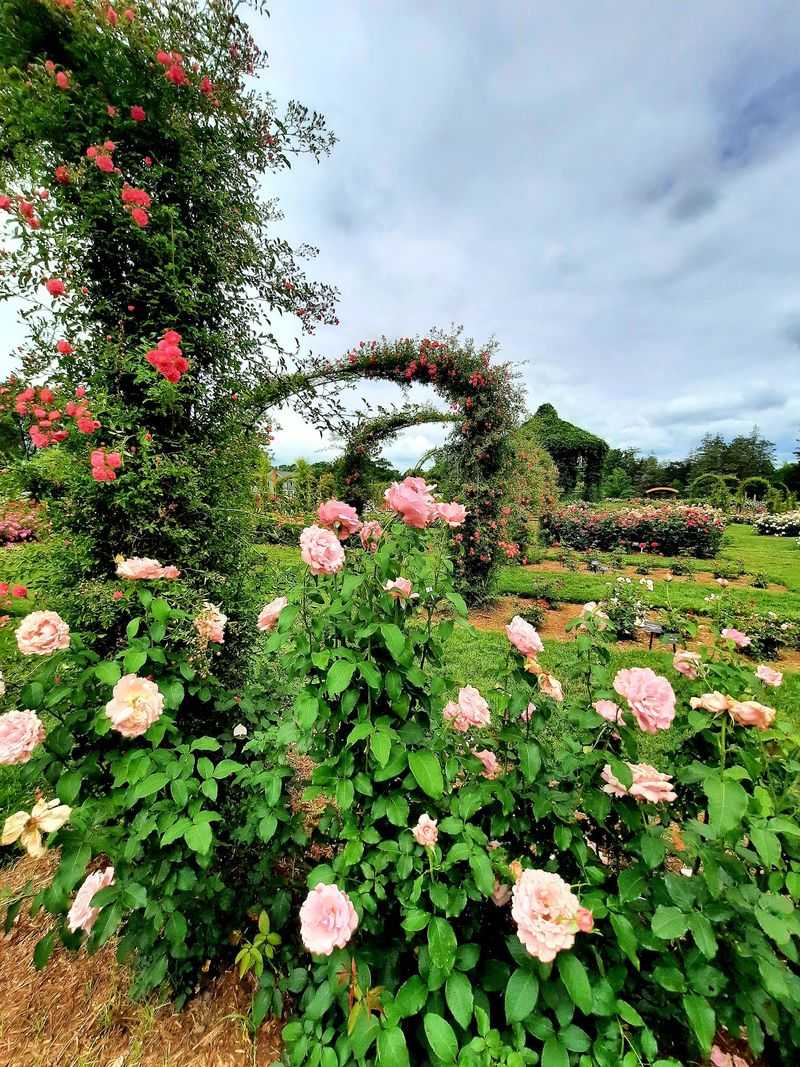
Numbers can sound pretty boring on paper. Seeing them up close is a whole different story.
The garden holds more than 15,000 rose bushes representing roughly 800 varieties, arranged across about 475 beds.
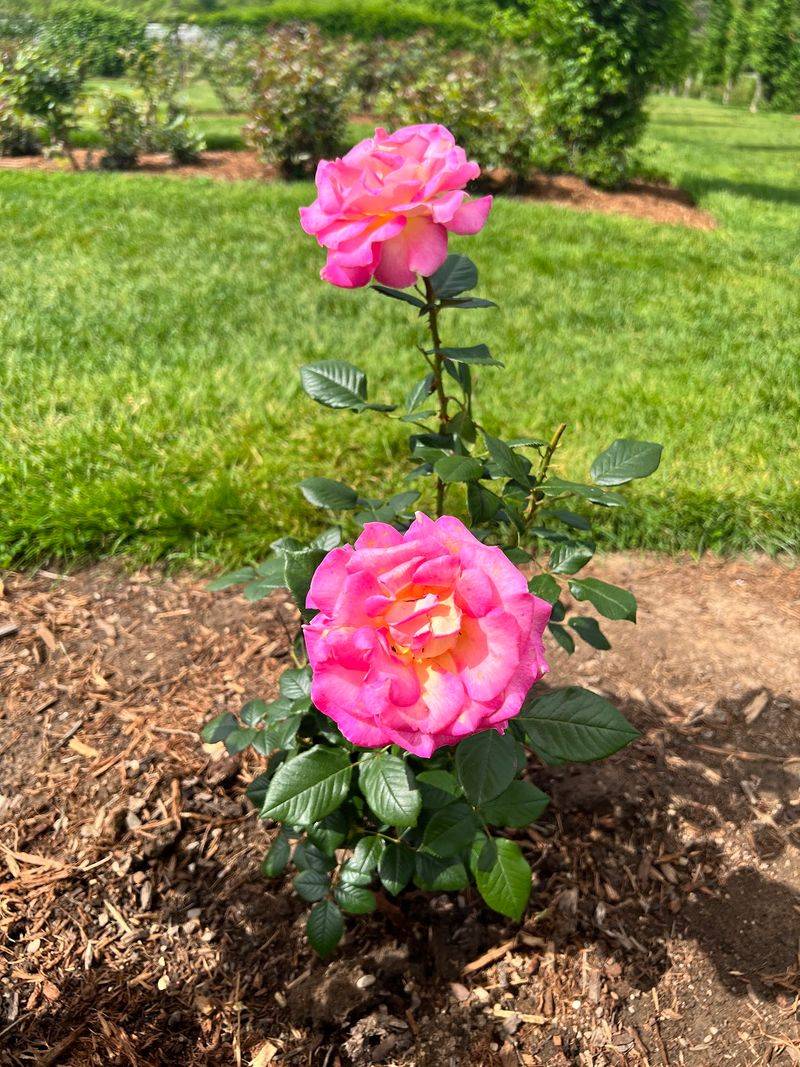
The collection mixes heritage roses with modern introductions, so you get hybrid teas, floribundas, hybrid perpetuals, shrub roses, pillar roses, and climbers all within a short walk. Fragrance varies wildly from one bed to the next, and part of the fun is leaning in to compare.
Variety names add unexpected charm. Labels like Scentimental, Lavender Dream, and Magic Carrousel turn a walk into a scavenger hunt, especially for kids who lose interest in flowers but not in silly names.
A practical tip: mid June into early July is generally considered peak, and weekday mornings tend to be calmer than weekend afternoons. Photographers often wait their turn near the most photogenic beds during peak weekends, so patience pays off.
Gardeners get extra value here. Because so many cultivars grow side by side under identical conditions, the beds double as a real-world comparison chart for anyone deciding what to plant at home.
Even a casual stroll leaves you with a favorite you never knew existed.
4. Stone Arches Give The Garden Its Signature Look
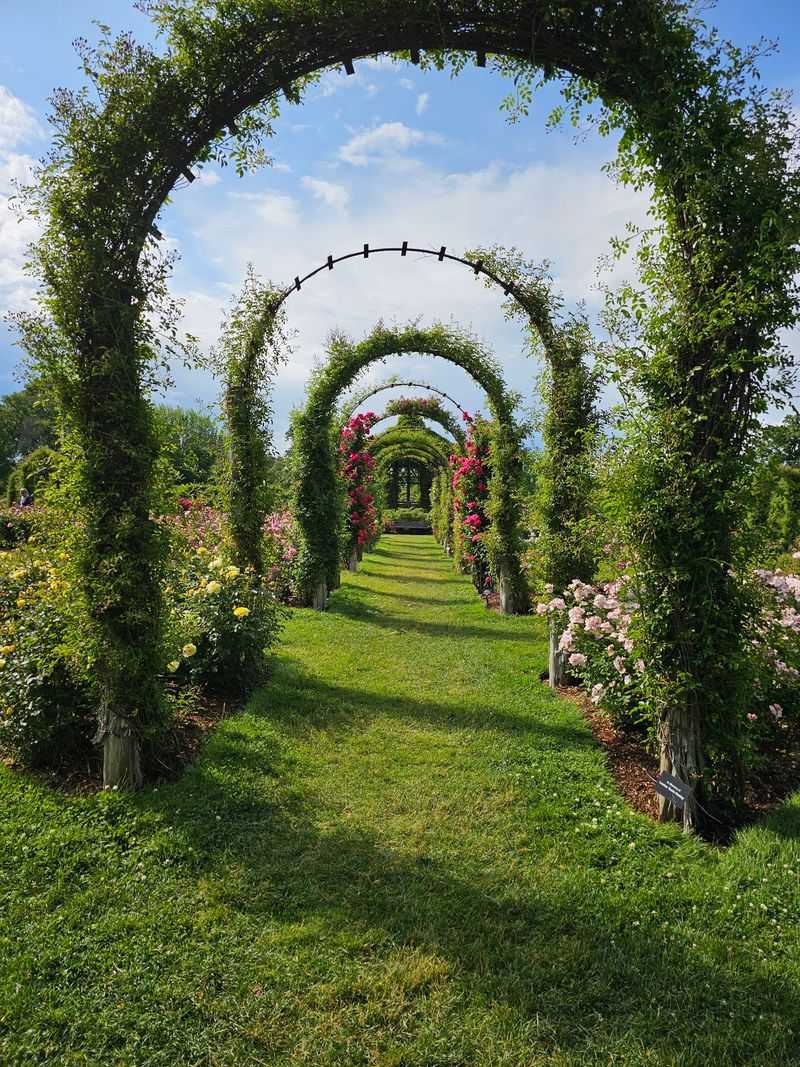
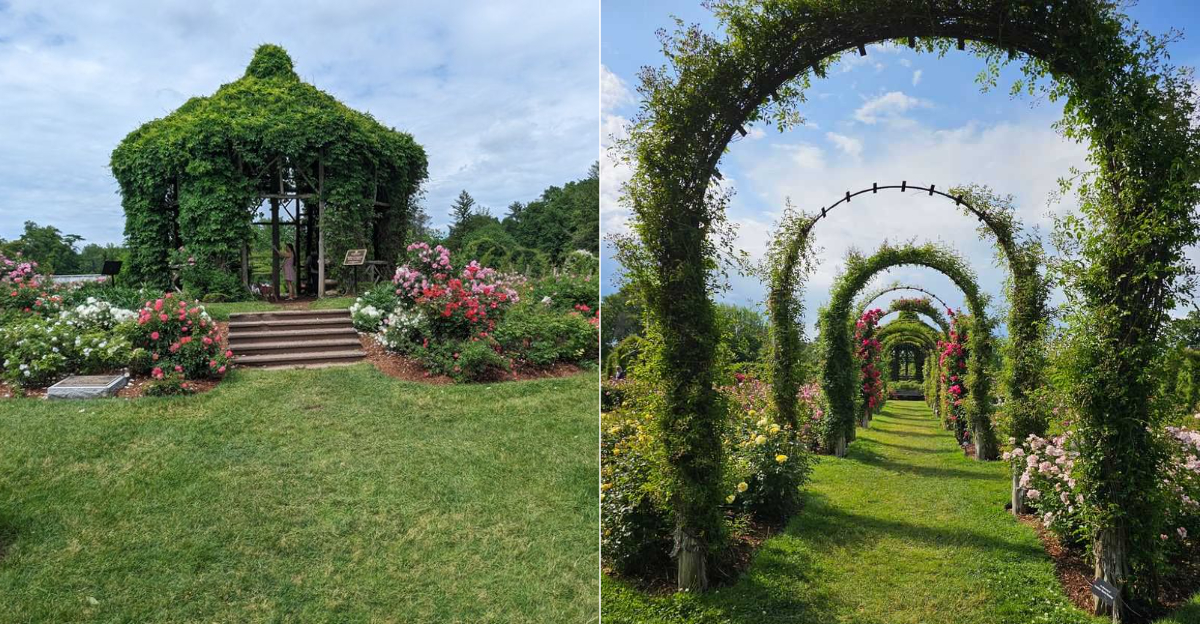
Picture eight arched walkways spreading out like spokes on a wheel, each one draped in rambling roses. That image is the garden’s calling card, and it comes straight from the original 1904 design.
At the hub sits a rustic summer house, the small open structure that anchors the whole composition. From there, the arched paths pull your eye outward in every direction, giving the space a formal European rhythm that feels rare in an American public park.
Each walkway is typically planted with a single climbing variety, names like Red Crimson Rambler and White Dorothy among them. Sticking to one rose per arch creates clean bands of color instead of a jumble.
Timing matters if you want the full tunnel effect. The arch roses generally peak from mid June into early July, and during those weeks the overhead canopy of blooms is the most photographed feature in the park.
Outside bloom season, the structures still earn their keep. Bare frames in late fall and winter reveal the geometry of the layout, which some visitors find just as photogenic in a quieter way.
Weddings and portrait sessions gravitate here constantly, so expect friendly sharing of prime spots on summer weekends.
5. Visitors Come For Flowers, Photos, And Quiet Walks
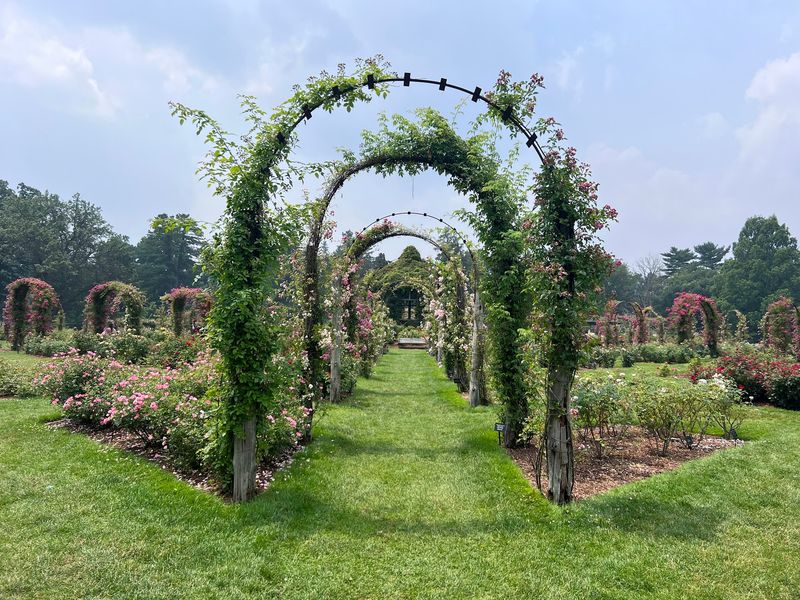
On any pleasant weekend, the garden fills with three distinct crowds, and they coexist surprisingly well. There are the plant people, notebook or phone in hand, reading labels bed by bed.
Then come the photographers. Portrait sessions, engagement shoots, and full wedding ceremonies happen regularly during peak season, drawn by the arches and the central gazebo.
Seeing a bride cross the gravel in the middle of a Tuesday afternoon is not unusual here.
The third group simply walks. Paved, level trails loop through the wider park, which makes the property workable for strollers, wheelchairs, and anyone who prefers a smooth surface underfoot.
Families lean into the open lawns for picnics under mature trees, and the pond area with its bridges draws steady foot traffic thanks to resident ducks and geese. Birders quietly work the tree line.
Free parking is generous, with room for hundreds of cars, though peak June weekends still fill lots quickly. Arriving early solves most crowding issues.
Restrooms, picnic tables, and a gift shop cover the basics, so a short visit can comfortably stretch into a half day without anyone needing to leave and come back for supplies.
6. August Still Brings Plenty To See Beyond Peak Rose Season
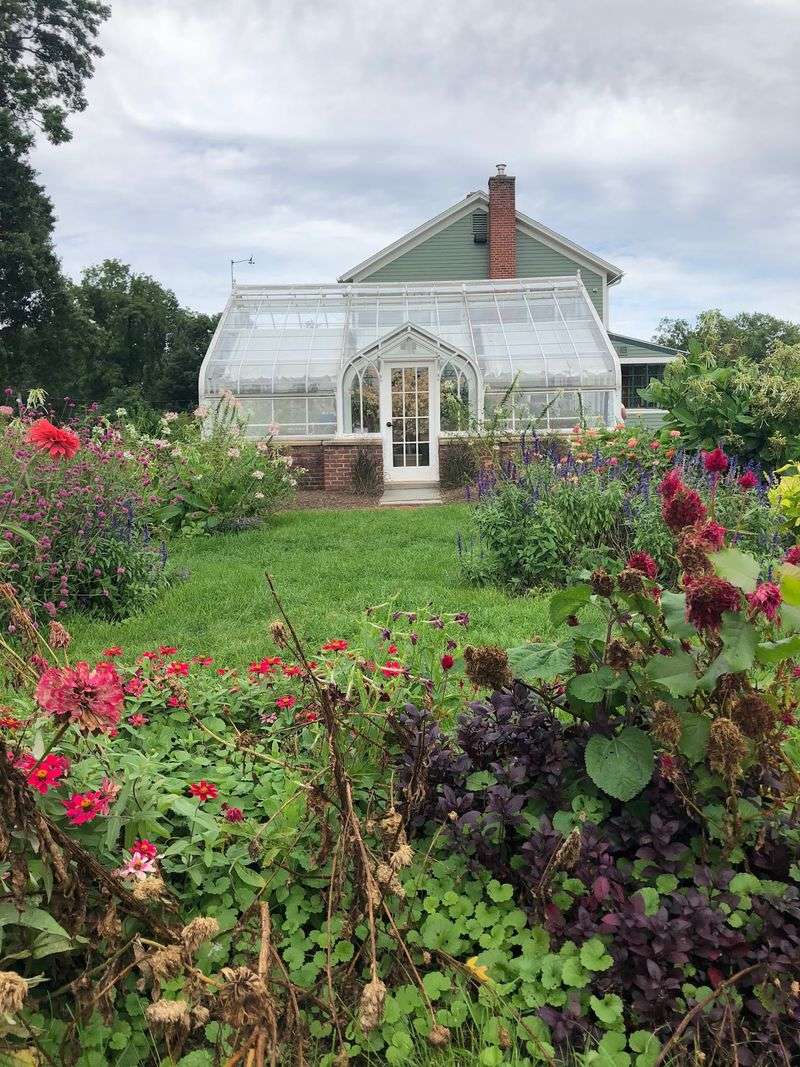
Missing mid June does not mean missing the show. Plenty of rose bushes in the main garden keep producing blooms right up until cool autumn weather settles in, and some visitors report roses still going strong in late October.
August is really when the supporting cast takes the stage. The Robert A.
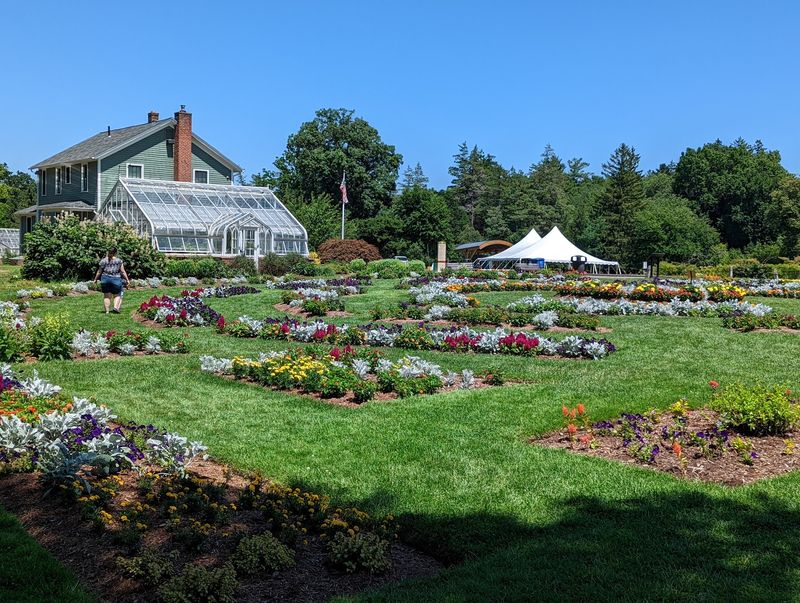
Prill Annual Garden runs hot with color, while the Sue B. Hart Perennial Garden and the Julian and Edith Eddy Rock Garden carry blooms from late May through September.
Dahlias are the late summer headliner. The dahlia garden peaks toward the end of the season with an almost cartoonish range of shapes, sizes, and shades, and it converts skeptics fast.
The herb garden rewards a slower look in August, when foliage is full and the scents are strongest on hot afternoons. Brush past rosemary or mint and you will notice.
Come fall, chrysanthemums join in, and returning visitors often mention being surprised by how much color remains after the roses fade.
Greenhouses on the property add another layer, especially useful during colder months or a sudden shower. Planning around the calendar matters less here than most gardens.
7. Quiet Corners Make It Easy To Stay Awhile
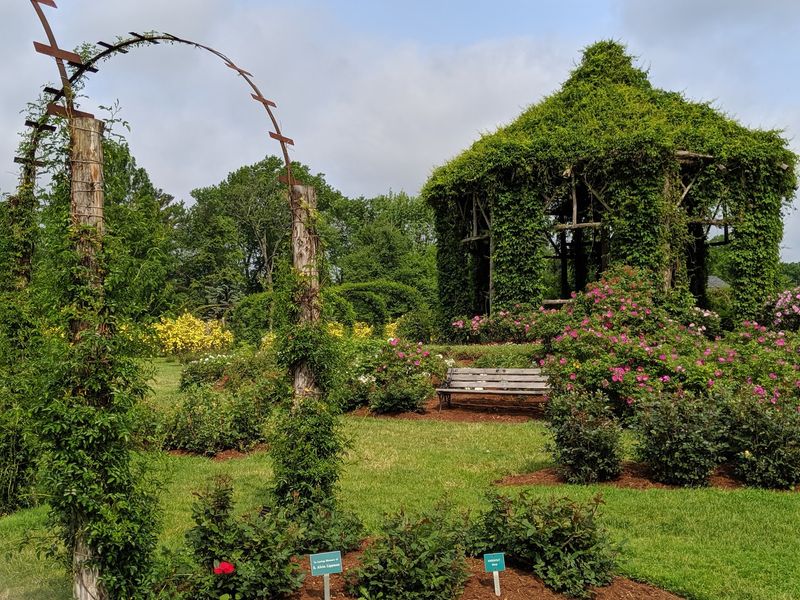
More than one hundred acres means there is always somewhere quieter to go. When the main rose beds get busy, a two minute walk usually delivers near solitude.
The rock garden is the standout hideaway. Creeping thyme, sedums, and dwarf conifers create a low, textured landscape that suits sitting more than strolling, and early risers sometimes spot a chipmunk before they see another person.
Benches line the outer edges of the gardens and the pond, which changes how long people stay. Sitting turns a quick loop into a proper afternoon, and the pond benches offer shade plus the constant low chatter of waterfowl.
Sunrise Overlook is another dependable escape. It looks out toward the Hartford skyline across open ground and generally draws fewer people than the flower beds.
The perennial garden also has seating placed where you can actually study individual plants instead of just passing them.
For food, the Pond House Café operates within the park and serves breakfast and lunch with garden views, which removes the usual need to drive somewhere for a meal mid visit.
Add clean restrooms and picnic tables, and the logistics quietly support long, unhurried days.
8. More Than A Century Of Beauty Keeps People Coming Back
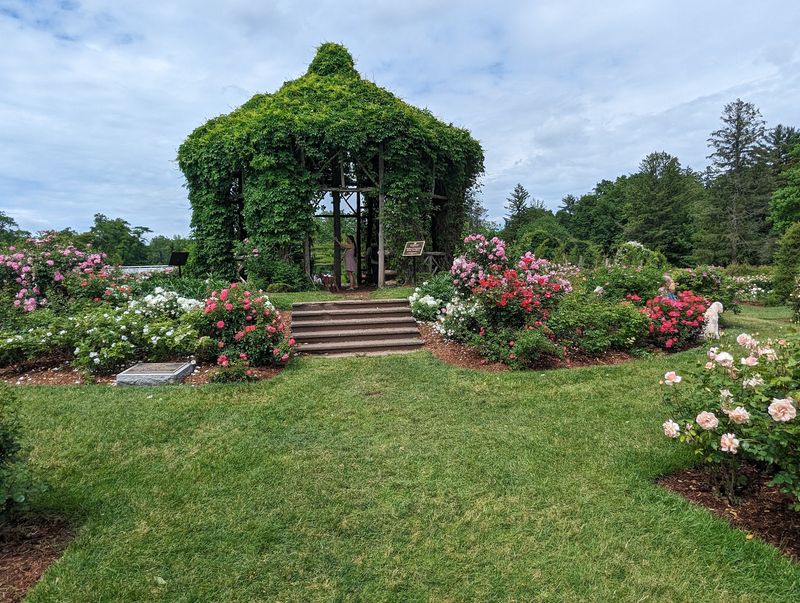
Here is the part that stops people mid conversation: this garden nearly disappeared. During the 1970s, the city weighed plowing it under because upkeep had grown expensive.
Volunteers refused to let that happen. They organized, and in 1977 the Elizabeth Park Conservancy was formed, taking on restoration and ongoing care that continues today.
The garden you walk through now exists because ordinary residents fought for it.
Recognition followed. The park is listed on the National Register of Historic Places, an acknowledgment of its place in American landscape history rather than just its good looks.
The Conservancy keeps the property active with guided tours, lectures, workshops, and seasonal events, including a well attended greenhouse plant sale in spring. Visitors who take a tour often mention learning history they never expected.
Roses generally bloom from June into October, while other gardens carry interest across the calendar, so no two visits look alike.
You will find the main entrance at 1561 Asylum Ave, West Hartford, CT 06117, opening onto the rose garden, pond, bridges, perennial beds, and greenhouses.
One hundred twenty two years on, the founding idea still holds. Roses were meant to bring joy to the public, and they still do.