This Nebraska Sanctuary Gives Rescued Senior and Special-Needs Farm Animals a Quiet Place to Grow Old
A gravel county road in eastern Nebraska doesn’t look like it’s leading anywhere memorable, and then a hand-painted sign points you toward a farmstead where a fluffy dog might trot out to your car door and walk you to the check-in house. Behind that welcome is a working sanctuary for farm animals nobody else could take in: the old ones, the injured ones, the ones born a little different.
The property itself has been caring for the overlooked since the 1870s, long before the first miniature donkey arrived. It’s a small stop, an inexpensive one, and it sticks with you longer than most bigger attractions do.
A Farmstead on County Road 23 in Dodge County
Drive northwest out of Omaha and the corn rows eventually give way to the Elkhorn River Valley, where Nickerson sits quietly in Dodge County. At 1777 County Road 23, the Old Poor Farm Animal Sanctuary occupies a four-acre homestead that reads more like someone’s grandparents’ place than a public attraction.
Registered as an animal protection organization, it’s a no-kill sanctuary for rescued farm animals, many of them seniors or living with disabilities. Roughly 250 birds and animals call the grounds home at any given time.
The setup is refreshingly unfussy. You park, check in at the house, and then you’re walking among pastures and pens with volunteers who know every resident by name and backstory.
What separates it from a petting zoo is intent. Nothing here is bred, sold, or moved along to make room for something cuter.
Animals arrive because a shelter couldn’t house them, a farm couldn’t keep them, or an injury made them unadoptable by conventional standards.
The mailing address may say Nickerson, but the whole valley feels like part of the property.
From 1872 County Poor Farm to Animal Refuge
Long before the goats and peacocks, the land served people. In 1872, Dodge County established a 245-acre poor farm here, a place where residents who were impoverished, sick, injured, or orphaned could find shelter and work when no other option existed.
County poor farms were once common across the Midwest, and most of them vanished quietly into private farmland. This one survived, which is part of what makes the site unusual.
The through-line between then and now is hard to miss. A property built to take in whoever else had been passed over now does the same thing for animals nobody else was equipped to help.
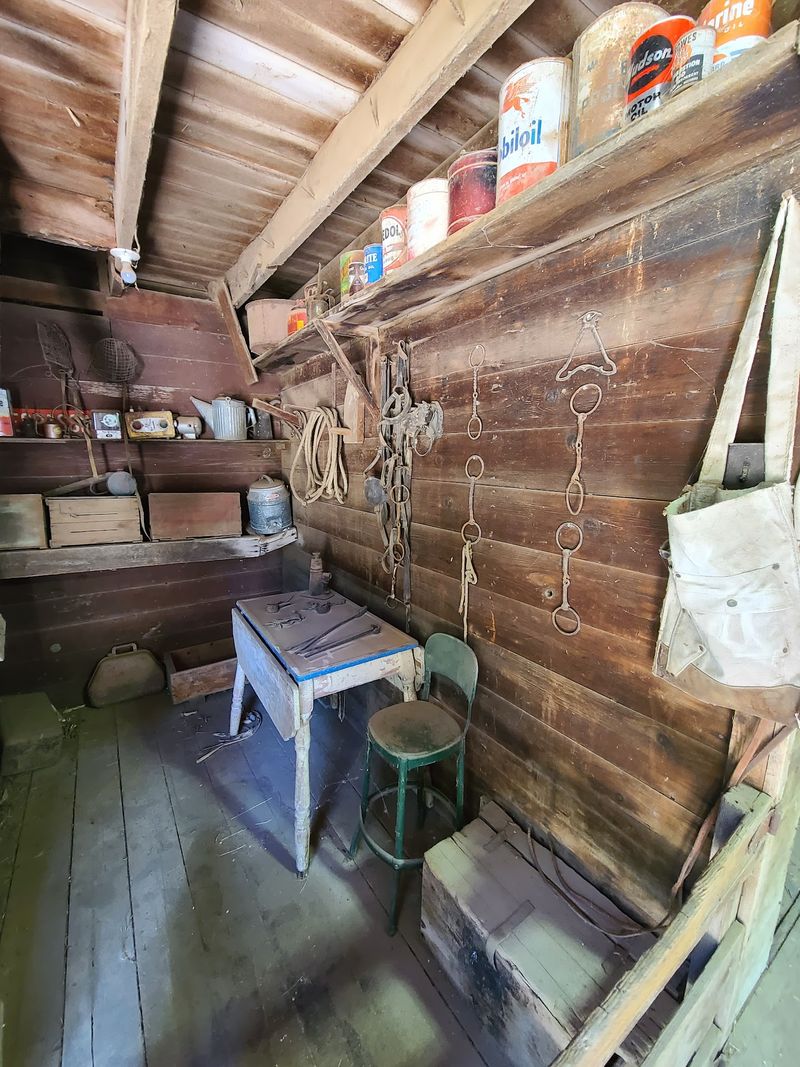
Volunteers lean into that history rather than skipping past it. Stories about the original farm come up naturally during a walk-through, and there’s an indoor museum on-site for anyone who wants the fuller picture.
History buffs tend to arrive expecting animals and leave talking about the buildings. Both halves of the visit hold up, and the sanctuary treats preservation of the homestead as part of its mission rather than a side project.
Meet the Residents: Miniature Horses, Zebu, and an Albino Raccoon
Peacocks calling across a Nebraska pasture is not a sound most people expect on a Sunday afternoon. Neither is a Zebu cow, the small humped breed usually associated with far warmer parts of the world, standing near a pen of potbelly pigs.
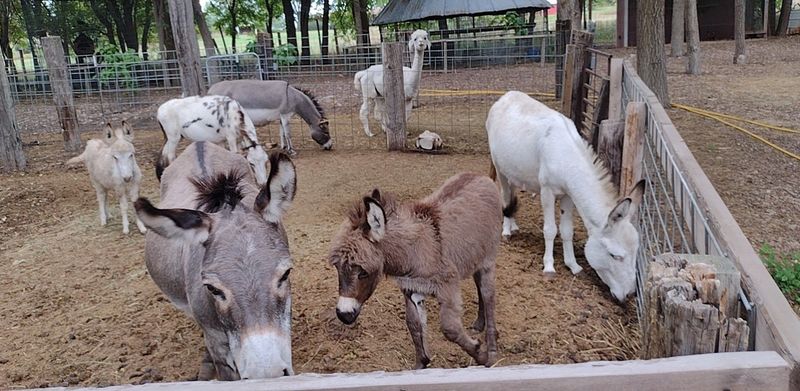
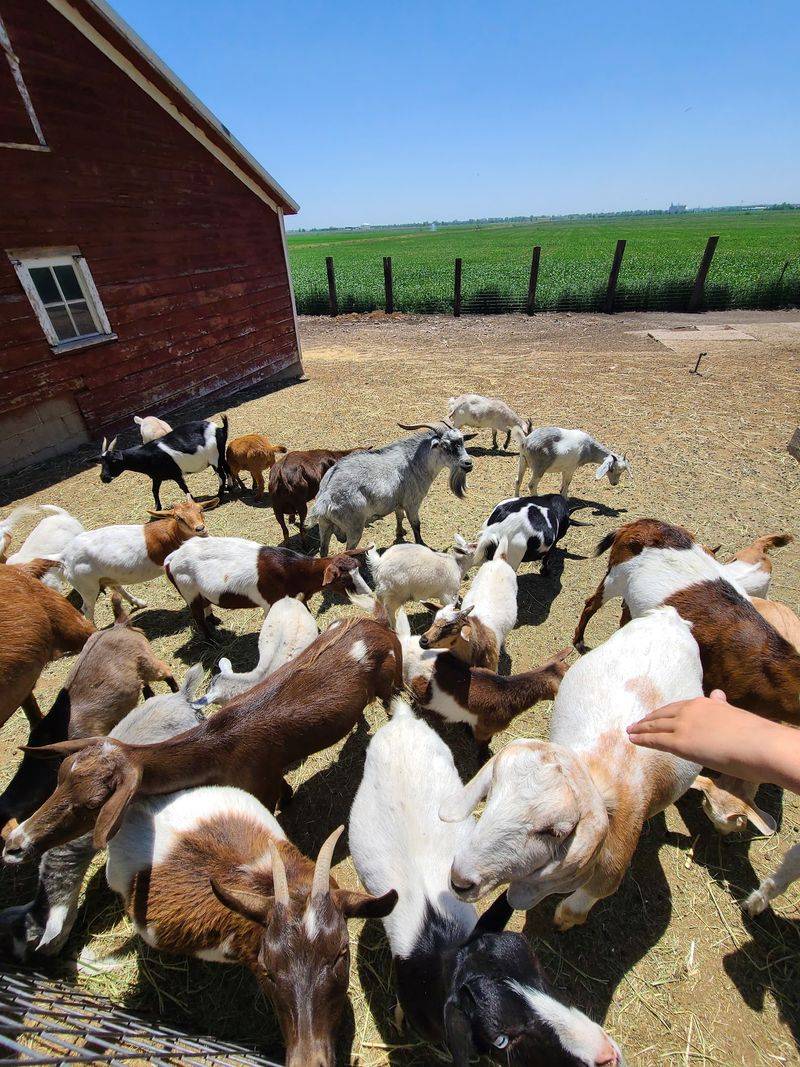
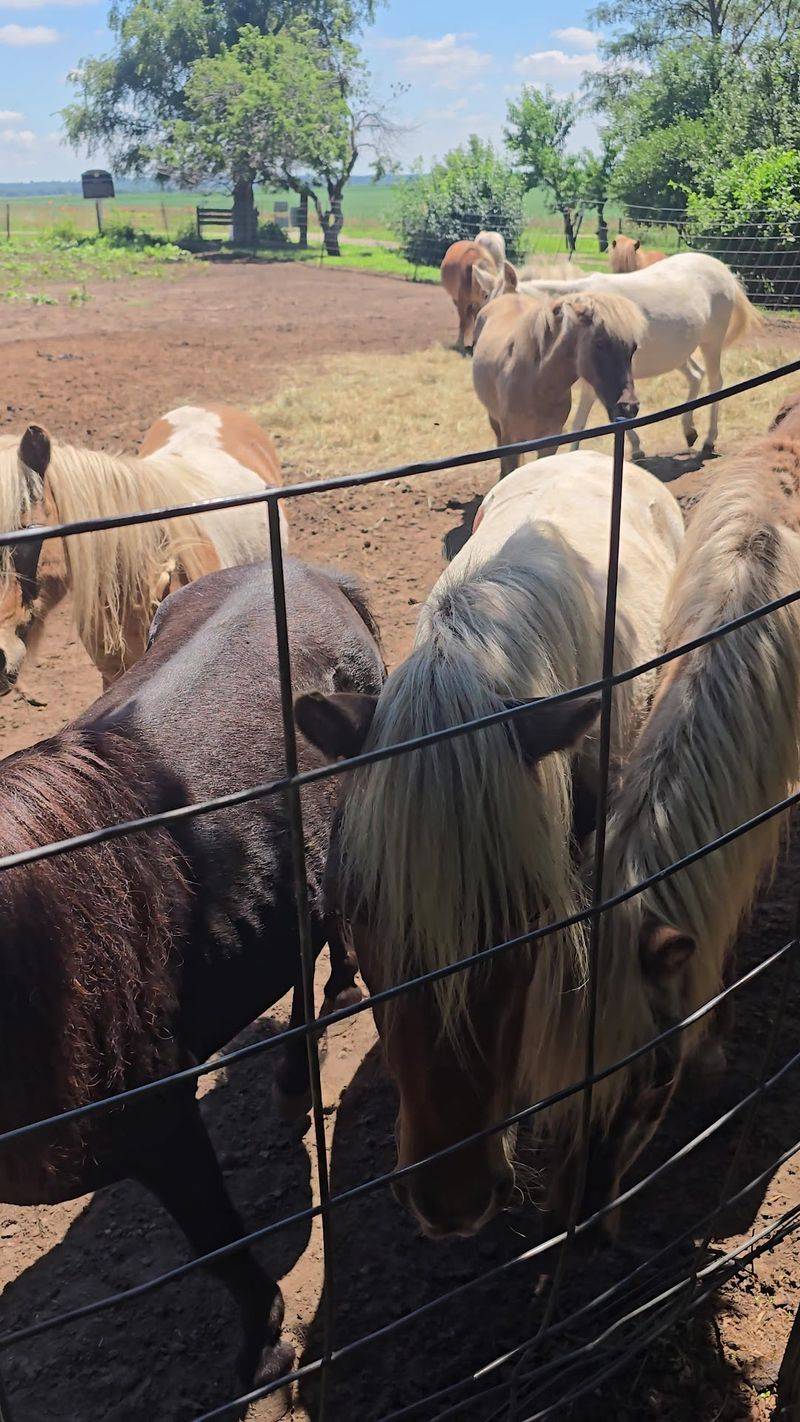
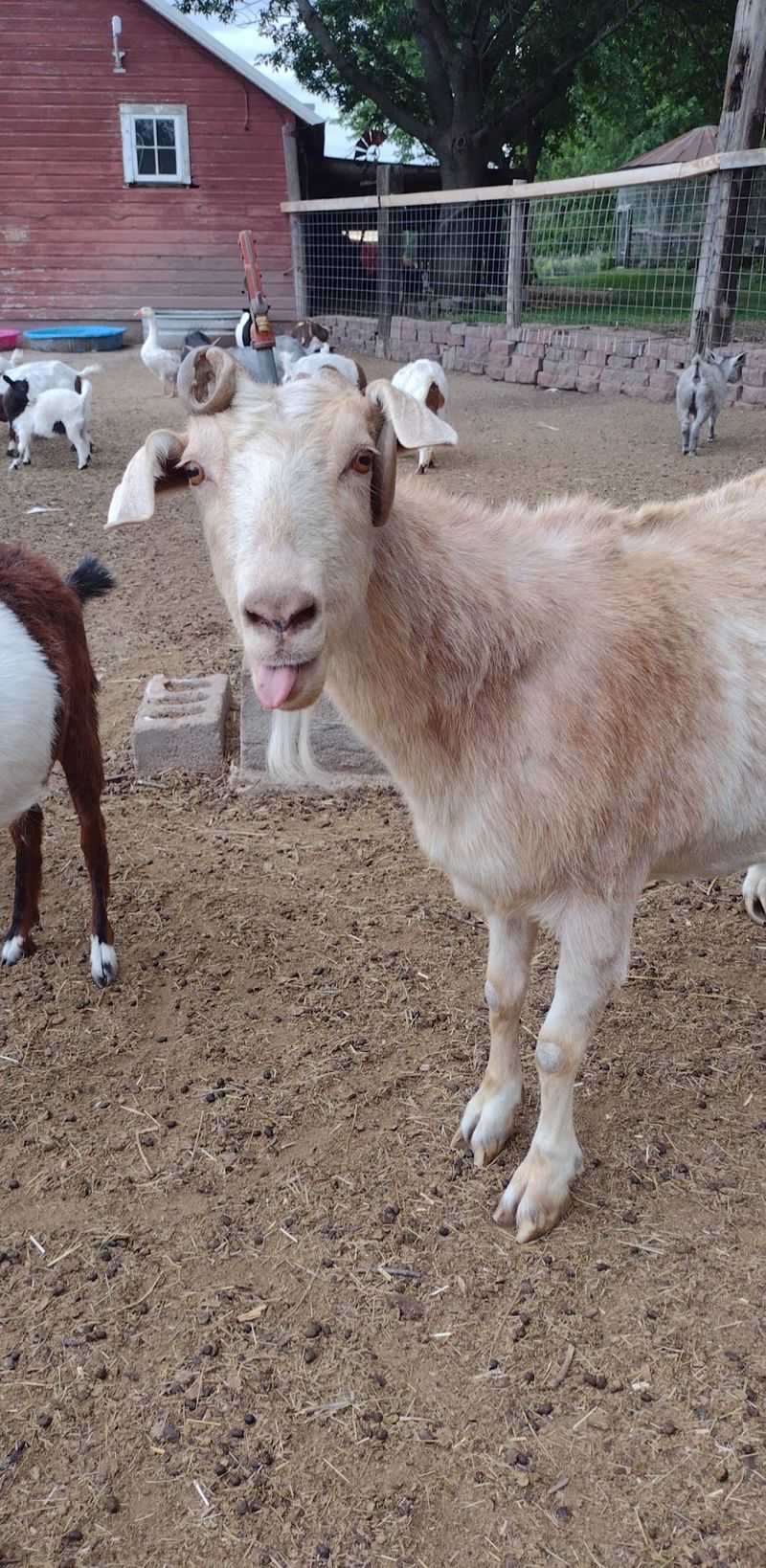
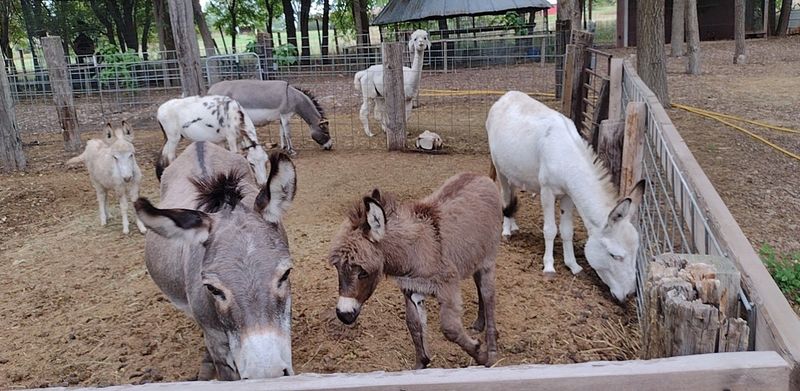
The roster shifts, but the mix stays wonderfully odd. Miniature horses and miniature donkeys share space with goats, sheep, geese, ducks, and an alpaca.
There’s an albino raccoon, assorted birds, and at times a crow or a Harris hawk.
Cats have their fans too. A heifer named Meerkat, a cat named Roo, and a greeter named Marshmallow show up again and again in the stories people carry home.
Severely disabled dogs and cats have lived here, though the sanctuary generally routes those animals to partner humane societies so it can concentrate on farm and exotic species that shelters can’t accommodate.
Each animal has a file and a reason for being here: a birth defect, an accident, neglect, or simply old age. None of them are on a clock.
Why Senior and Special-Needs Animals End Up Here
An animal that can no longer produce eggs, milk, wool, or offspring often runs out of options fast. That’s the gap the sanctuary fills, and the volunteers frame it plainly: no creature should be punished for a lifetime of good work.
Many residents arrive with permanent conditions. A cat with two non-functioning back legs, livestock with old injuries, birds with defects that would have disqualified them anywhere else, all of them get a permanent address instead of a temporary placement.
Residency here carries no time limit. There’s no adoption deadline, no pressure to move animals out to open a stall, and no expectation that a resident earn its keep.
Care means more than food and shelter. The stated goal is moving animals from surviving to thriving, which covers veterinary attention, proper nutrition, and steady socialization with people who show up week after week.
Perfect isn’t the standard. A missing eye, a limp, or a stubborn streak just becomes part of the animal’s story, told to whoever wanders past the fence that day.
Run on Donations and Volunteer Muscle
Every dollar that comes through the gate goes to feed, veterinary bills, and shelter repairs. The Old Poor Farm operates as a 501(c)(3) nonprofit funded entirely by public donations, with unpaid volunteers handling the daily labor.
That model has real consequences. Two hundred and fifty animals need water hauled, stalls cleaned, fences mended, and hooves checked, and the crew doing it is small.
Hay is a constant need, and the sanctuary accepts supply and food donations alongside cash. Anyone who has priced a round bale lately understands why.
Extra hands are the other perpetual ask. The workload shows on the property in ways an honest observer will notice, and more volunteers would ease it considerably.
Memberships offer another route in for families who want to support the place beyond a single afternoon. Historical tours, arranged by appointment, also help fund operations while teaching Nebraska history.
None of this is packaged like a fundraising campaign. It’s simply how a small nonprofit keeps a century-and-a-half-old farmstead running with volunteer labor and community goodwill.
The Museum, the Gift Shop, and the History Tour
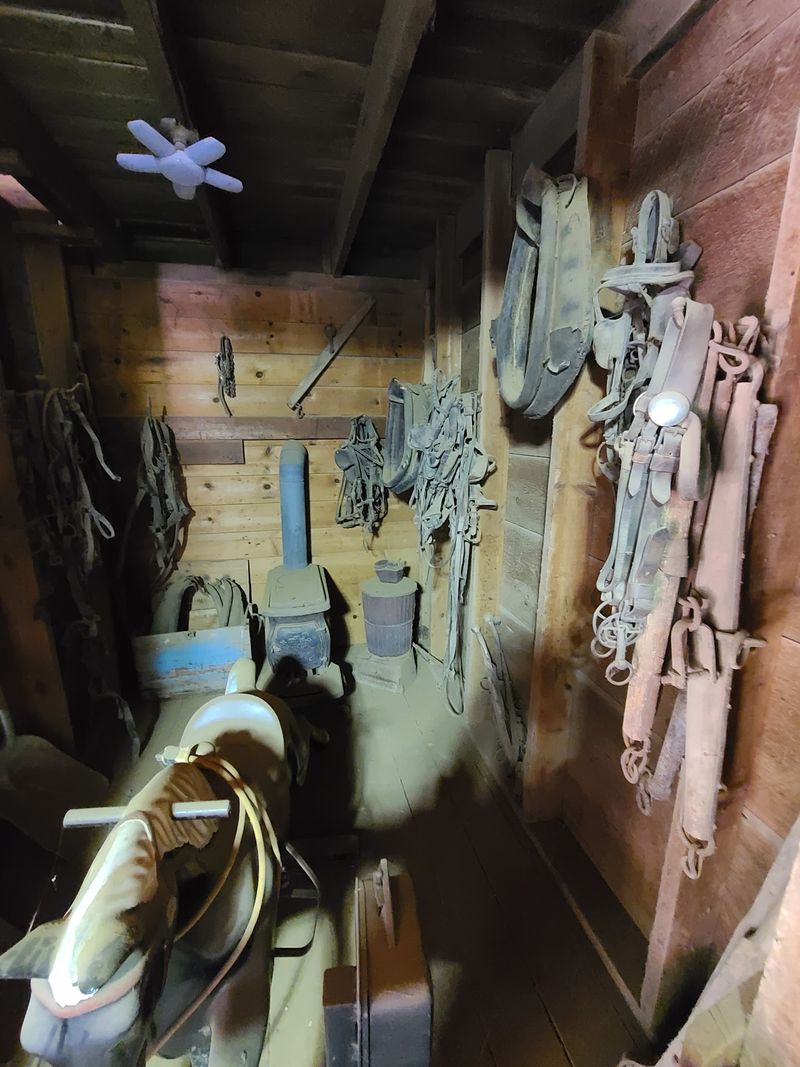
Rainy afternoon? The indoor museum gives the visit a second gear.
Displays cover the property’s origins as a county institution and the broader story of how rural Nebraska cared for its neighbors in the 1800s.
A gift shop shares the space, with proceeds cycling back into animal care. It’s modest, and that’s the point.
Guided historical tours are available by appointment, and they go deeper than the self-guided wander. Booking ahead matters if that’s the reason you’re driving out.
Courtney and Louie, who help run the sanctuary, spend real time with people who show interest, walking through the property’s history, the mission, and the individual animals’ backgrounds.
History shows up in the topics people bring up most after visiting, right alongside the animals themselves. For a site that could easily have been bulldozed into cropland decades ago, keeping the buildings interpreted and open is its own quiet accomplishment.
Families with kids who fade after the third pasture usually find the museum resets everyone’s attention before the drive home.
What the Afternoon Actually Feels Like
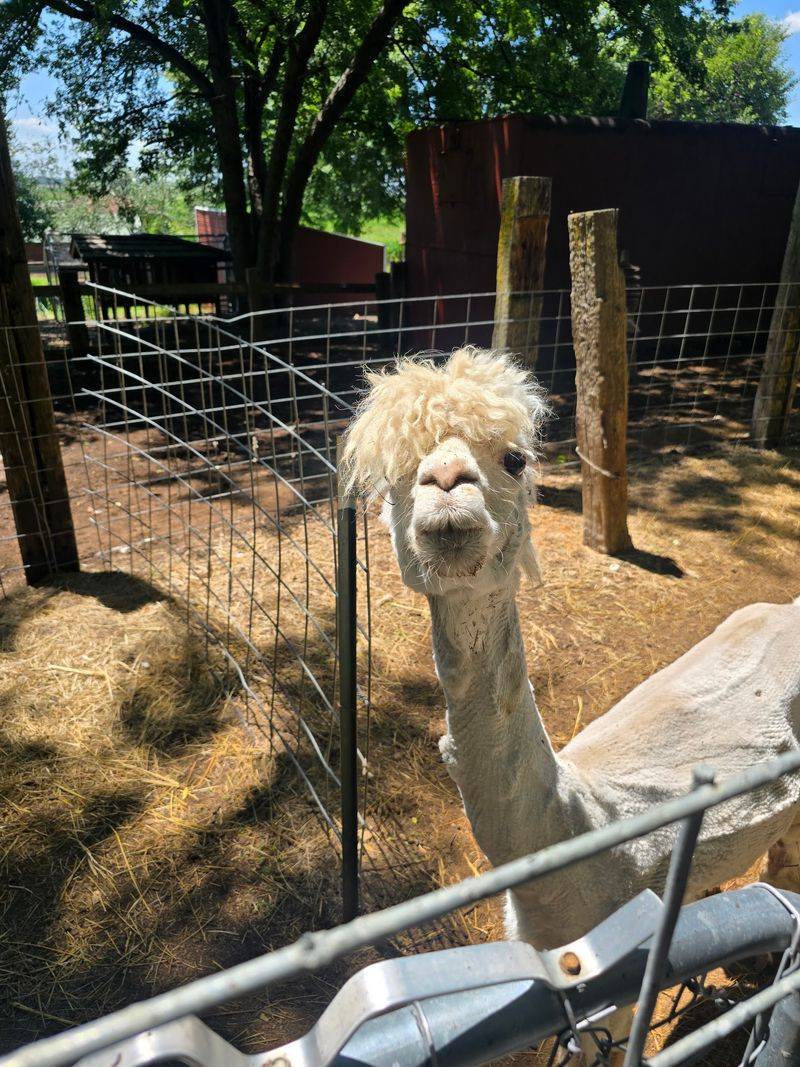
Noise is the first surprise. Geese, goats, and peacocks keep up a running commentary the whole time you’re on the grounds, and the animals are chatty enough that conversation gets interrupted regularly.
Pacing is entirely yours. Nothing is scheduled, nothing is timed, and there’s no scripted show, so an hour can stretch into three without anyone noticing.
The place suits kids, retirees, animal lovers, and anyone curious about Nebraska’s institutional past. Families come back year after year, and some convert to memberships.
Expect a working farm rather than a polished attraction. Sturdy shoes are smart, the ground is uneven in spots, and dust or mud is part of the deal depending on the week.
Staff and volunteers make the difference. They’re generous with time, quick with stories, and clearly attached to the animals in their care.
Anyone hoping for manicured landscaping and interpretive signage every twenty feet will want to recalibrate. What’s on offer instead is unhurried access to animals with genuinely interesting histories, in a setting that hasn’t been prettied up for cameras.
Hours, Admission, and Getting There From Omaha
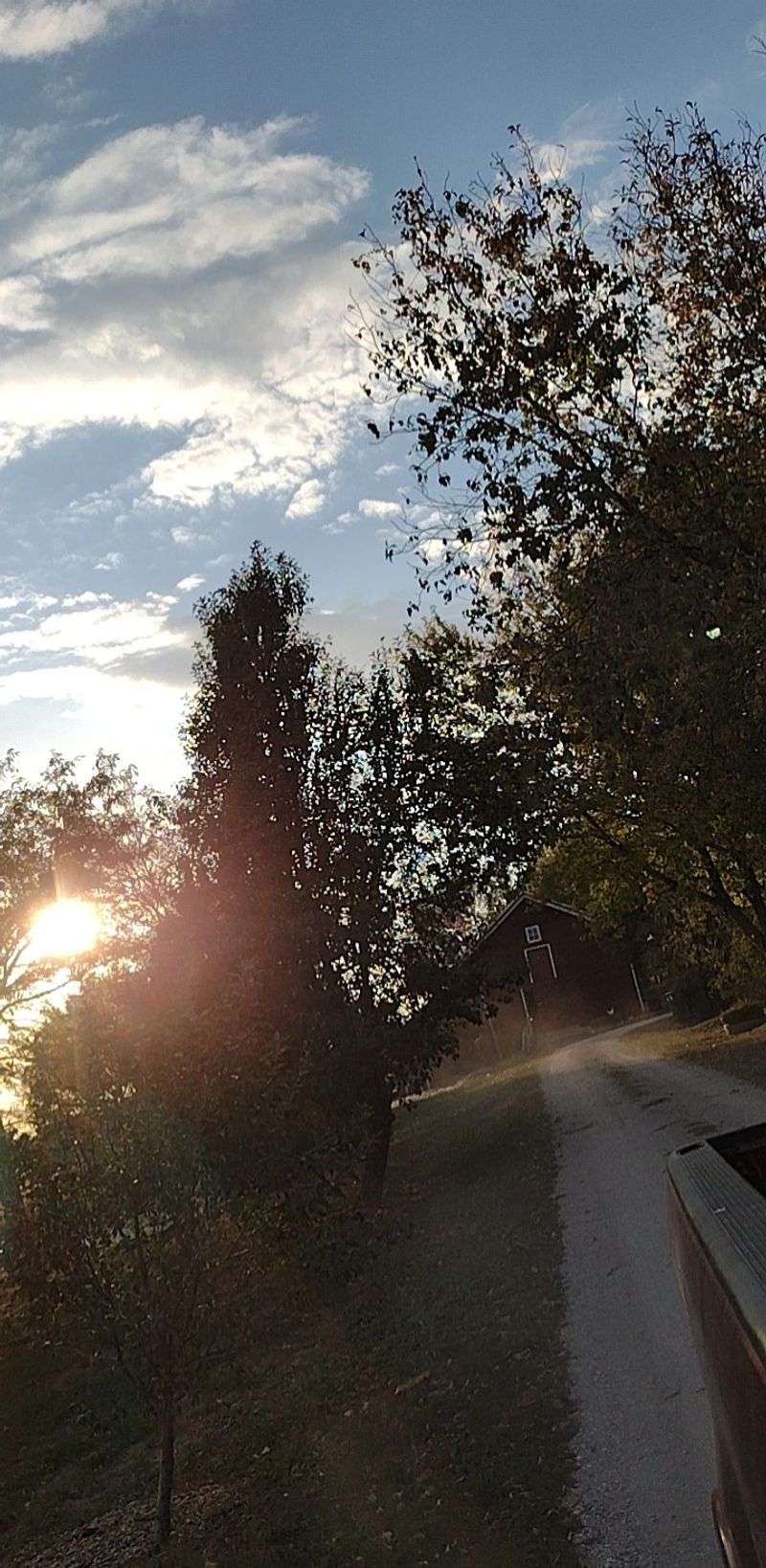
Season matters here. The sanctuary opens to the public from May 1 through October 31, with grounds hours running Wednesday through Sunday, noon to 5 PM, and closures on Mondays, Tuesdays, and holidays.
Admission stays affordable: $10 for adults, $5 for youth, and free for children under five. Historical tours require an appointment, so call ahead at 402-721-8087 if you want one.
Nickerson sits northwest of Omaha and just north of Fremont, making this an easy half-day drive from the metro, Lincoln, or points along the Elkhorn Valley. The address is 1777 County Road 23, and a mapping app is genuinely useful on the final gravel stretch.
Arriving early in the window gives you more daylight and a better shot at unhurried conversation with volunteers before the afternoon winds down.
Cash or a card for the gift shop supports operations directly. Hay and supply donations are welcome too, and the website lists current needs.
Check hours before driving out, since a small volunteer-run operation can adjust its schedule.
A Nebraska Stop That Earns Its Quiet Reputation
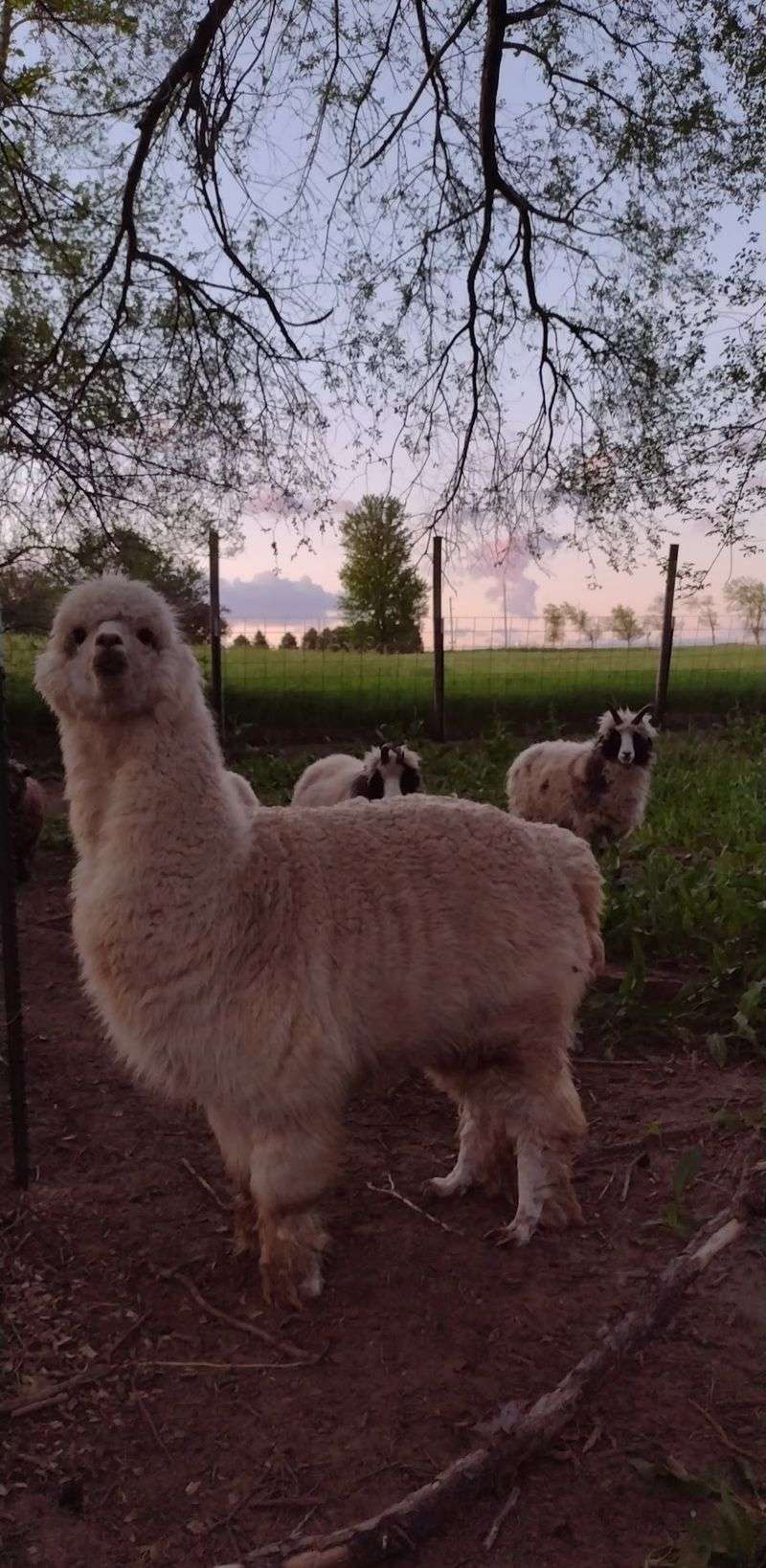
Not every road trip needs a headliner. Some of the better ones end at a four-acre farmstead where an alpaca and a Zebu cow share a fence line and the admission price barely dents a lunch budget.
The Old Poor Farm carries a 4.7-star rating across its Google reviews, with animal rescue, history, and the volunteer crew coming up most often in what people write.
Fair warning: this is a small nonprofit stretched thin, and a few people have noted the property could use more upkeep than its volunteers can manage. That’s an argument for showing up, not staying home.
For Nebraska families hunting an inexpensive fall outing within an easy drive, it delivers something a chain attraction can’t. Real animals with real histories, a homestead that has been sheltering the overlooked since 1872, and people happy to explain both.
Bring curious kids, bring grandparents, bring a bag of feed money for the donation box. Then let the geese have the last word on your way out.