The Tallest Free-Standing Sand Dune In North America Is Hiding Right Here In Idaho
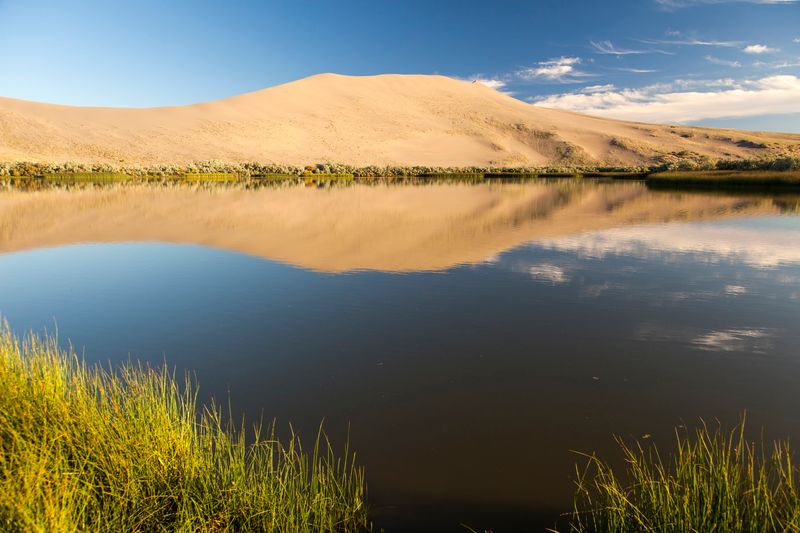
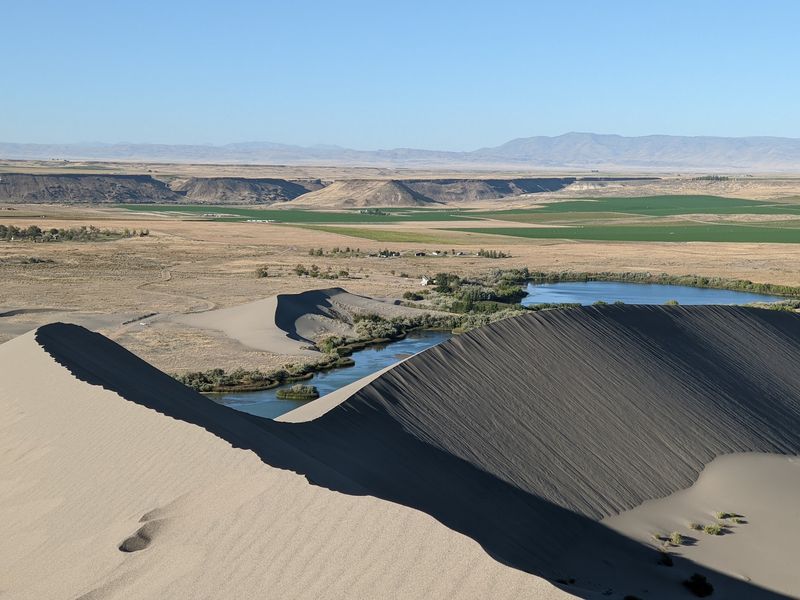
Picture a mountain of sand rising almost 470 feet straight out of the Idaho desert. That giant is real, and it sits inside Bruneau Dunes State Park in Owyhee County, holding the title of the tallest free-standing sand dune on the whole continent.
Most people drive right past it on their way somewhere else, never guessing what is tucked just off the road near Mountain Home. Let’s take a closer look at this southern Idaho wonder and everything waiting at its base.
Where This Giant Sits on the Map
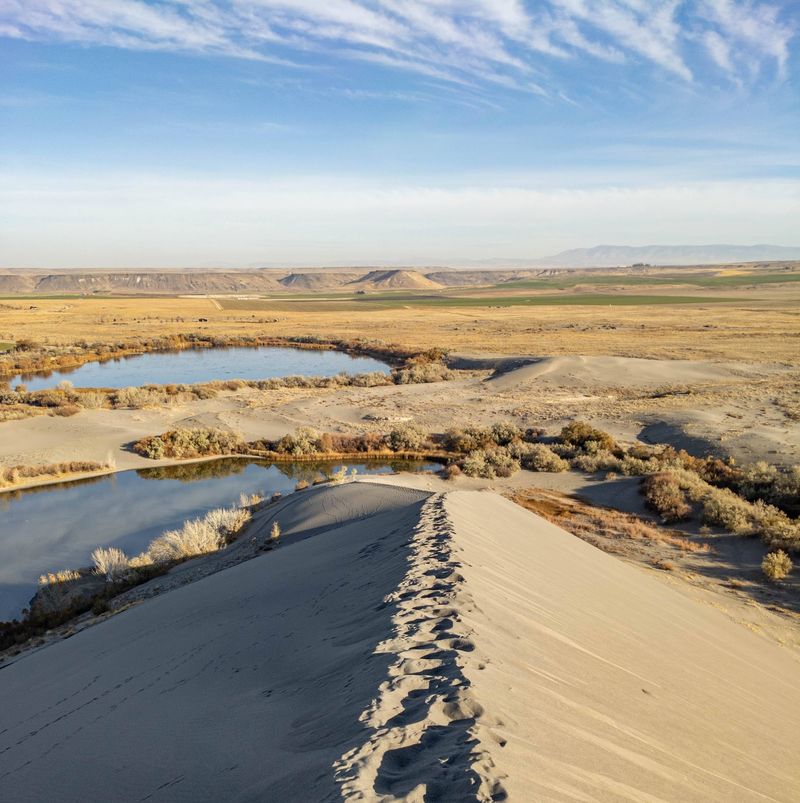
Owyhee County keeps a secret that most travelers zoom past without a second glance. Bruneau Dunes State Park stretches across 4,800 acres of southwestern Idaho, sitting northeast of the small town of Bruneau and roughly 15 miles south of Mountain Home.
Getting there is easier than the remote desert setting suggests. Visitors mention it sits only about an hour from downtown Boise, making it a genuine backroad discovery that Treasure Valley families can reach before lunch.
A short ride off the main road drops you right at the gate.
The park address, 27608 Bruneau Sand Dunes Rd, plugs cleanly into any map app. Once you arrive, the scale hits fast.
The visible dune field alone covers around 576 to 600 acres, spreading out beside two shimmering lakes.
What surprises first-timers most is how the towering sand seems to appear out of nowhere against the flat, sage-dotted plain. One moment you are driving ordinary desert road, the next you are staring up at something that belongs in a postcard from another world.
A 470-Foot Record That Beats Colorado
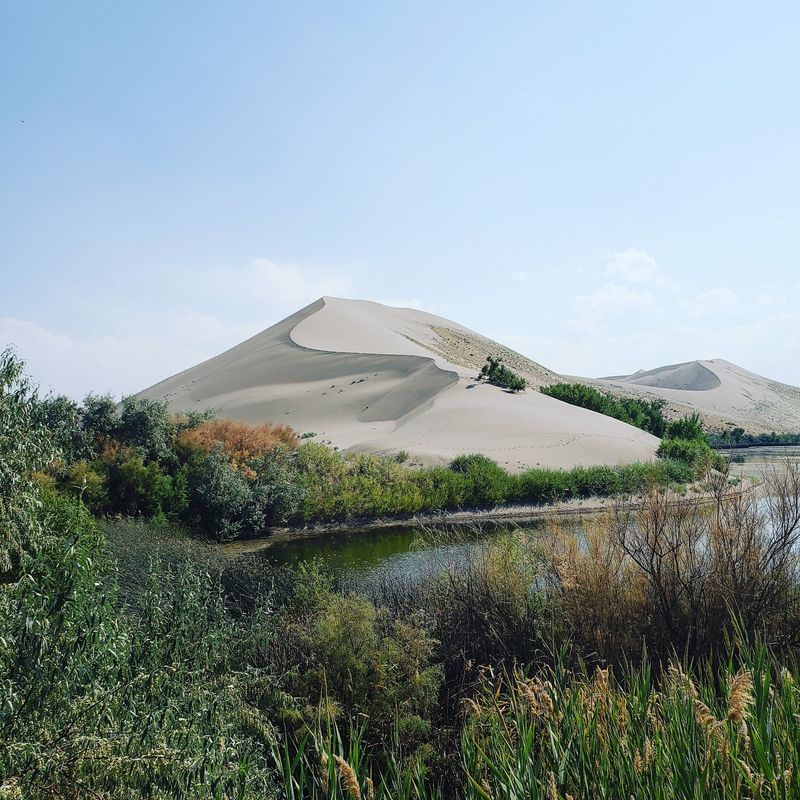
Numbers tell this story better than adjectives can. The main dune climbs approximately 470 feet above the surrounding desert floor, earning it the crown as the tallest single-structured, free-standing sand dune in North America.
That word “free-standing” carries real weight. Colorado’s Great Sand Dunes may cover a wider area overall, but they do not have one lone dune of this soaring magnitude.
Idaho wins this particular contest, and it is not especially close.
Visitors are regularly caught off guard by the sheer size. Many describe the dunes as far bigger than expected, taller and more dramatic than photos suggest, looking like something lifted straight from a great desert.
One person noted how it rises like a proper mountain rather than rolling on for endless miles.
Standing at the base and looking up, you start to understand why folks make the drive just to say they touched a record-holder. It is the kind of stat that makes Idahoans quietly proud of what their state hides in plain sight.
How Ancient Winds Built the Sand Mountain
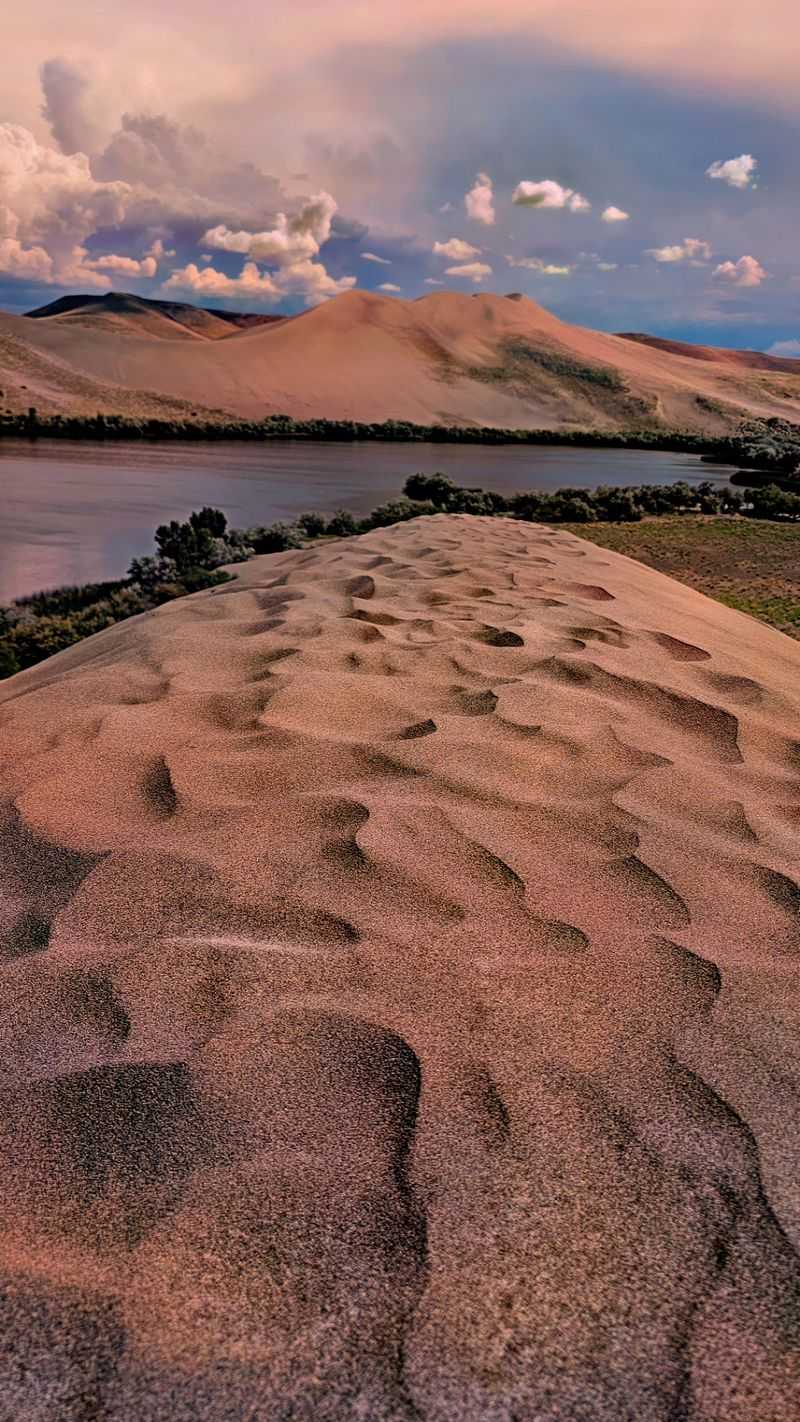
Geology nerds, this one is for you. The Bruneau dunes took somewhere between 12,000 and 15,000 years to build, and their origin story is genuinely unusual.
Most dunes in the Western Hemisphere pile up at the edge of a natural basin. These do the opposite, forming near the center of a basin that acts like a giant sand trap.
Scientists believe the original sand may have been dumped here by the colossal Bonneville Flood around 15,000 years ago.
What keeps the mountain from wandering off is a delicate wind balance. Breezes blow from the southeast about 28 percent of the time and from the northwest about 32 percent of the time, and the tug-of-war holds the sand roughly in place.
Look closely and you will notice a “salt and pepper” texture, a mix of dark basalt and paler rhyolite grains. Even NASA has taken interest, studying the dune’s shape for clues that could help future Mars missions.
Not bad for a pile of sand tucked into rural Idaho.
Sandboarding Down the Slopes
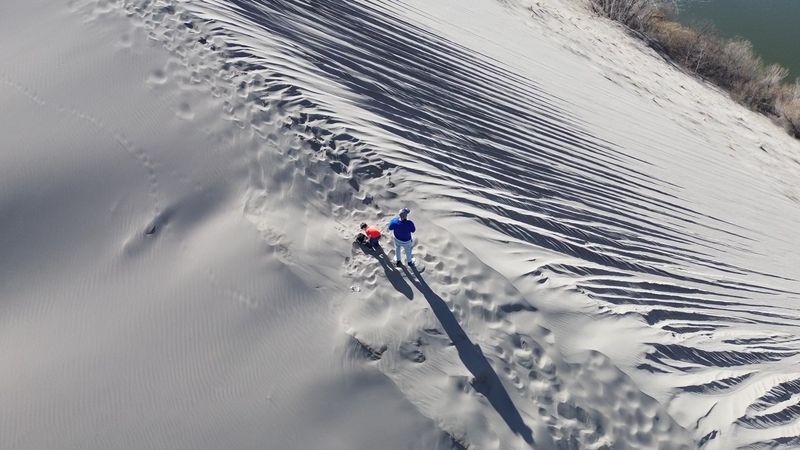
Ever wanted to snowboard without the snow? The dunes deliver exactly that thrill.
Boards and sleds can be rented right at the Visitor Center, and regulars swear renting one in the morning is the highlight of the whole trip.
Rental details are worth planning around. Visitors mention boards and sleds going for roughly fifteen dollars each, or two for around twenty-five, with returns typically due back by late afternoon.
The staff won’t rent gear once temperatures climb past 80 degrees, so early birds get the fun.
The climb up is no joke. People describe the slope as a steep 60-degree incline that demands real leg muscle and a bit of cardio grit to conquer.
Bring plenty of water, because the hike to the top wears folks out fast.
Forgot to rent? Some clever guests have brought their own cardboard and slid down just fine.
Motorized vehicles are not allowed on the dunes, so this is pure human-powered fun, and the payoff at the summit is a view worth every sandy step.
Stargazing Under a Certified Dark Sky
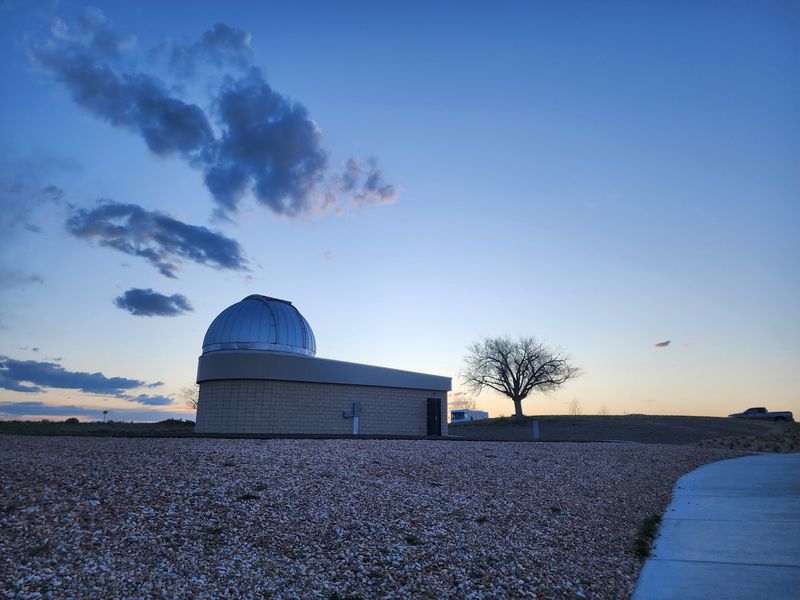
When the sun drops, the real show begins overhead. Bruneau Dunes is a certified International Dark Sky Park, and the darkness here makes the night sky absolutely pop.
The on-site observatory opens on Friday and Saturday evenings from mid-March through mid-October, offering public telescope time and educational presentations. Visitors describe powerful big telescopes, a smaller scope, and even binoculars, plus talks on topics like unmanned spacecraft and their discoveries.
A few insider tips make the evening smoother. The presentation room runs surprisingly cold, so pack a jacket even in summer.
Once it is dark, white flashlights are a no-go near the observatory, though red ones are available to protect everyone’s night vision.
Timing matters, too. August and September draw crowds for meteor activity, and one lucky family even caught faint northern lights during their visit.
Do check ahead, since the observatory stays closed midweek and on Sundays.
Between the telescopes and the glowing overhead canvas, this is the kind of night that reminds you why Idaho’s wide-open spaces are such a treasure.
Lakes, Wildlife, and Glowing Scorpions
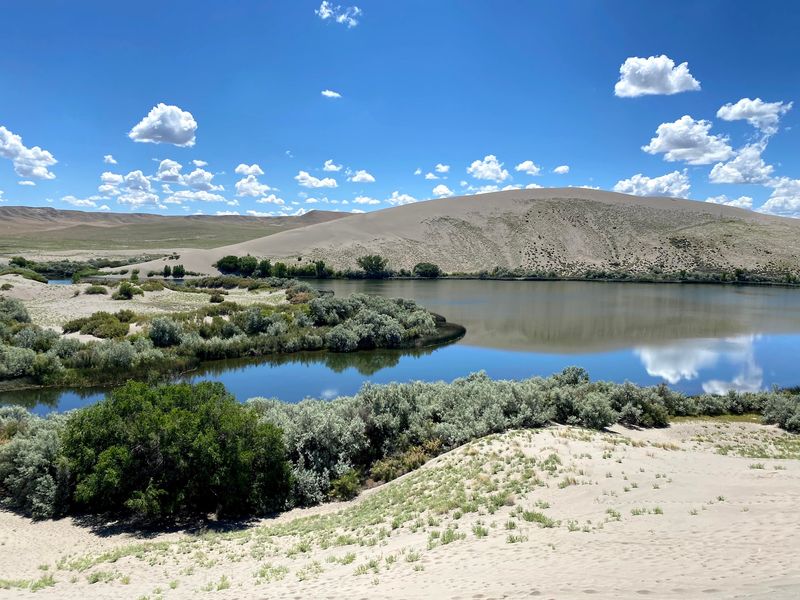
Water in the middle of a desert dune field? It sounds impossible, yet Big Lake and Small Lake sit right at the base of the sand.
Born in the 20th century from rising water tables tied to Snake River irrigation, they add a surprising oasis feel.
Anglers cast for bluegill and bass, while others paddleboard across the calm surface on gentle days. Visitors love picnicking in the shade along the water after a hot climb, and grassy areas welcome pets.
Wildlife keeps things lively. Guests report spotting pronghorn near the campground, hearing coyotes after dark, and crossing paths with harmless gopher snakes and lizards.
Birdwatchers and rockhounds both find plenty to keep them busy.
The strangest attraction glows. Three of Idaho’s four scorpion species live here, and they light up under black light during warm summer nights, making the popular scorpion walk a memorable oddity for brave families.
One honest heads-up from regulars: once the sun sets near the water, mosquitoes arrive in force, so pack repellent and cover up before dusk.
Camping Options From RVs to Cabins
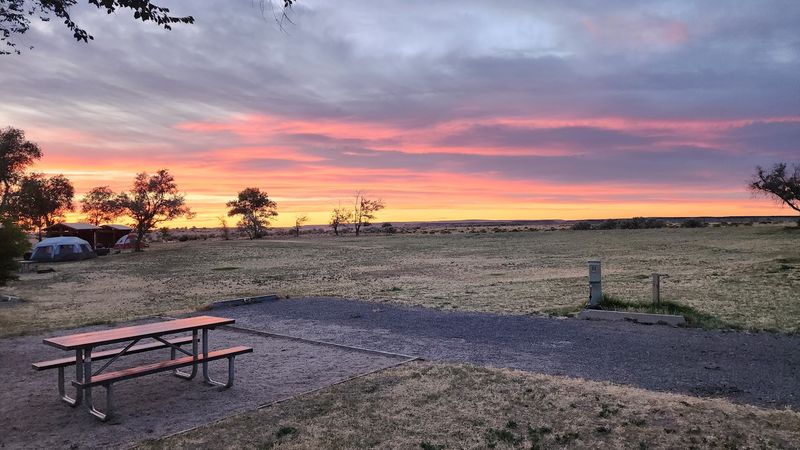
Staying overnight turns a day trip into a whole adventure. The park offers several campgrounds, including spots with 30-amp and 50-amp hookups, water, and handy dump stations, though full sewer hookups are not available.
Sites tend to run decent-sized. One camper described room for two vehicles, up to eight people, two tents, a fire pit, and a pavilion with a picnic table, plus clean communal restrooms and showers nearby.
Cabins and standard sites round out the choices.
Shade is the honest sticking point. Some guests found the Eagle Cove campground newly covered in rock and light on greenery, which pushes daytime heat higher, so tent campers may want air mattresses for comfort.
A couple of practical notes help. Check-in times are enforced fairly strictly, so plan arrival accordingly, and senior discounts on campsites are a welcome bonus.
Nights get cold even after scorching days, so bundle up. Wake early, hike the cooling sand, then settle back at camp for a fire under some of the darkest skies in southern Idaho.
Planning Your Visit and Final Thoughts
Ready to go? A single-day vehicle entrance fee runs about seven dollars, and visitors note it covers Idaho state park access, though fees can range higher depending on the pass.
Cash or check works at the gate when it is unstaffed, and cards are accepted at the Visitor Center.
Timing is everything out here. The sand heats up fast, so early mornings beat the harsh midday sun.
The gate opens early, but checking the website for weekly updates is smart. Pack sunscreen, plenty of water, and expect high winds along with occasional bugs.
The Visitor Center is worth a stop for its fossilized bones, taxidermy displays, friendly rangers, and a gift shop. Nearby, the town of Bruneau has a quaint gas station grill serving up burgers and fries for anyone who worked up an appetite.
Between record-breaking sand, glowing scorpions, dark-sky telescopes, and calm desert lakes, this park packs a stunning amount into one backroad detour. If you have never made the drive south of Mountain Home, put Bruneau Dunes on your Idaho list.
It quietly delivers.