This Old-School Nebraska Pizzeria Has Been Serving Thin Neapolitan Pies Since 1953
I went looking for lunch in Nebraska and ended up in front of a neon sign with a mustachioed cartoon fellow strumming a mandolin. The building looked like somebody’s old house that grew a restaurant around it, which turns out to be exactly what happened.
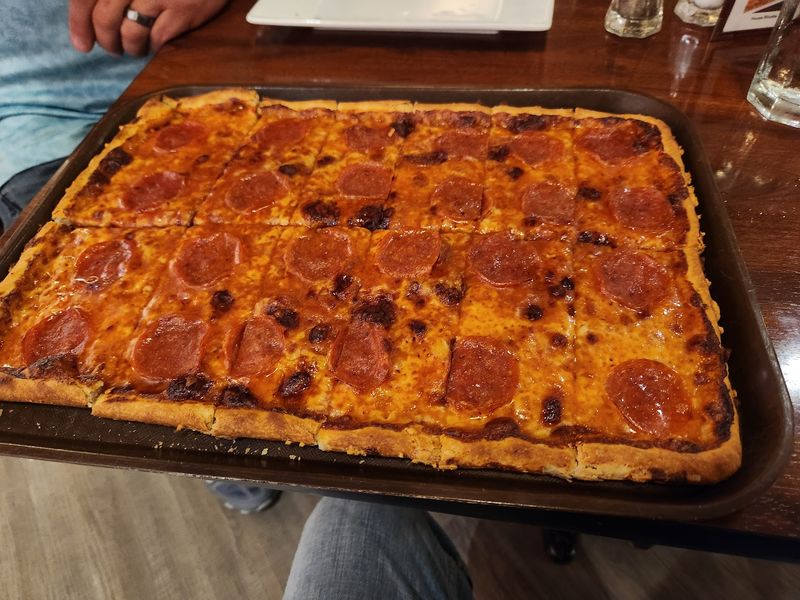
Inside, the pizza came out rectangular, thin as a cracker, dusted with sharp Romano instead of stretchy mozzarella, and I realized I had no idea what I was eating. Seventy-plus years of the same recipe will do that to a person.
A Leavenworth Street Cottage That Became a Pizzeria
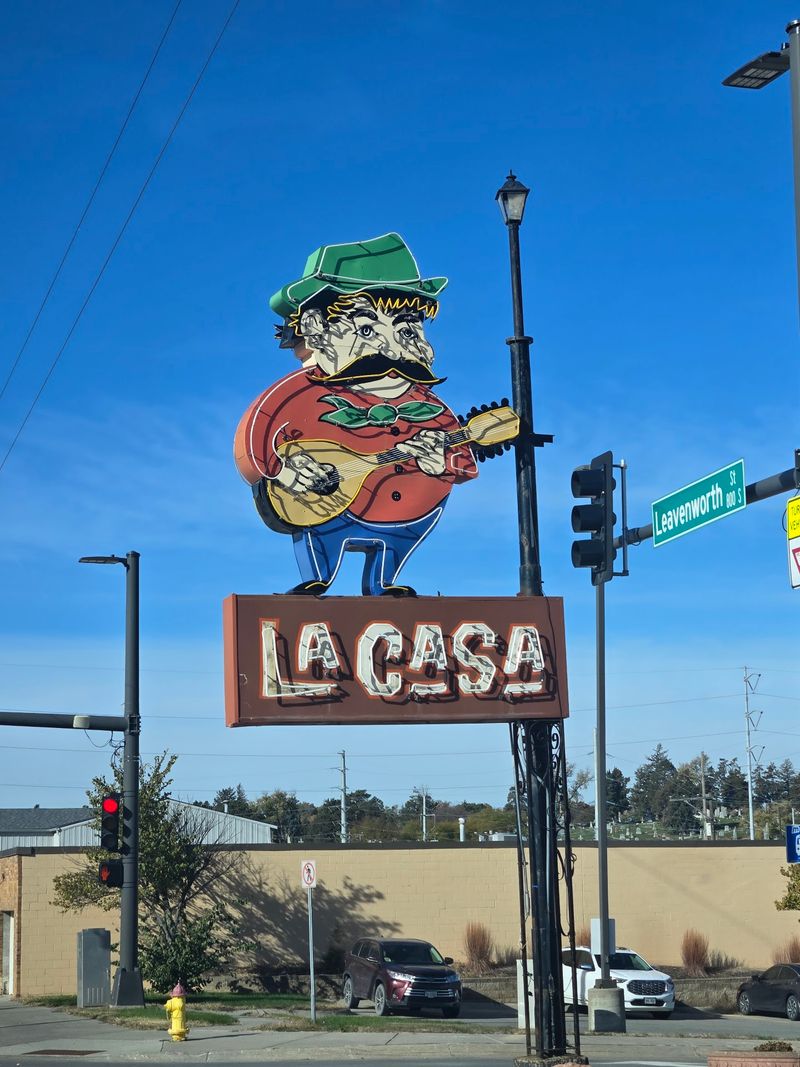
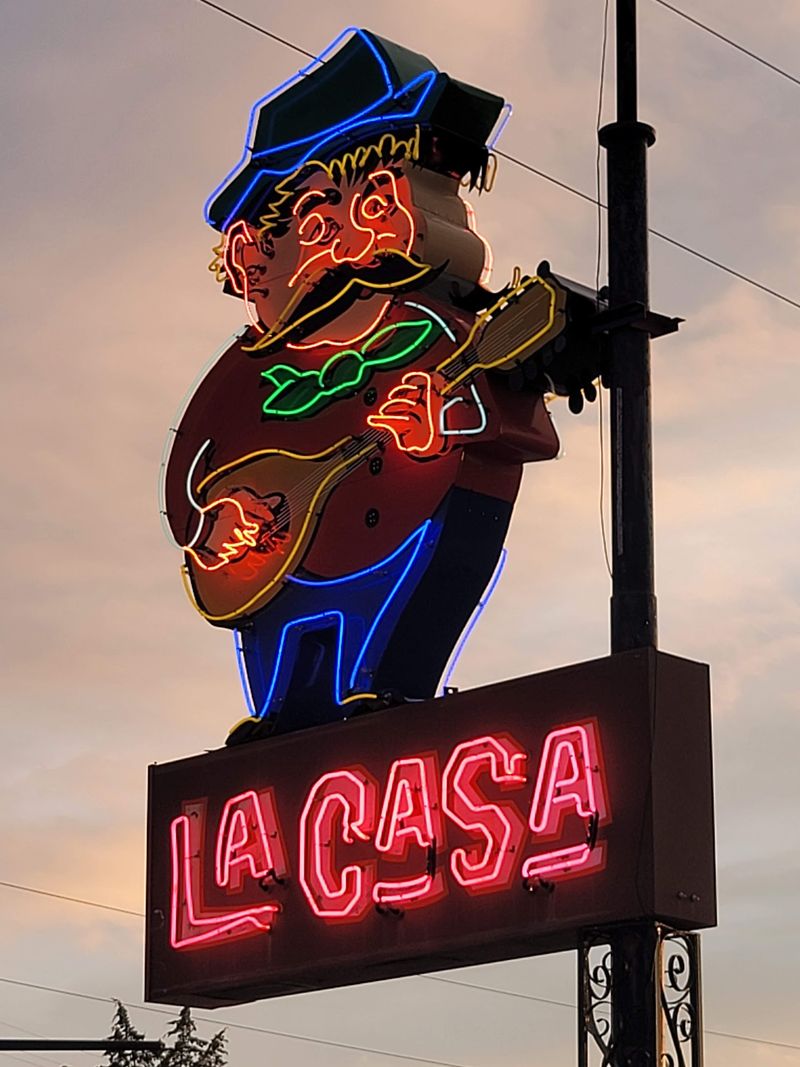
The neon out front gets noticed before the building does. A cartoon character named Peppi, mustache and mandolin included, glows above the entrance on a midtown Omaha corner, and the Omaha Landmarks Heritage Preservation Commission has given that sign official landmark status.
Signs do not usually earn paperwork.
Look closer at the structure and something odd emerges. The original cottage roofline is still in there, with the restaurant built out around it, because the place started as a family home before it started selling pizza.
Douglas County has plenty of Italian-American history, most of it clustered in old South Omaha, but this particular corner near 45th and Leavenworth has held the same pizza operation since the Eisenhower years. It is a pizza restaurant in the plainest sense, no white tablecloths, no reinvention.
What you get instead is a dining room that has been feeding the same neighborhoods for generations, with a menu built on thin crust, Romano cheese, and Italian standards. Nothing about the exterior announces any of that.
The sign is the only clue, and it is enough.
Joe and Nellie Patane Open the House
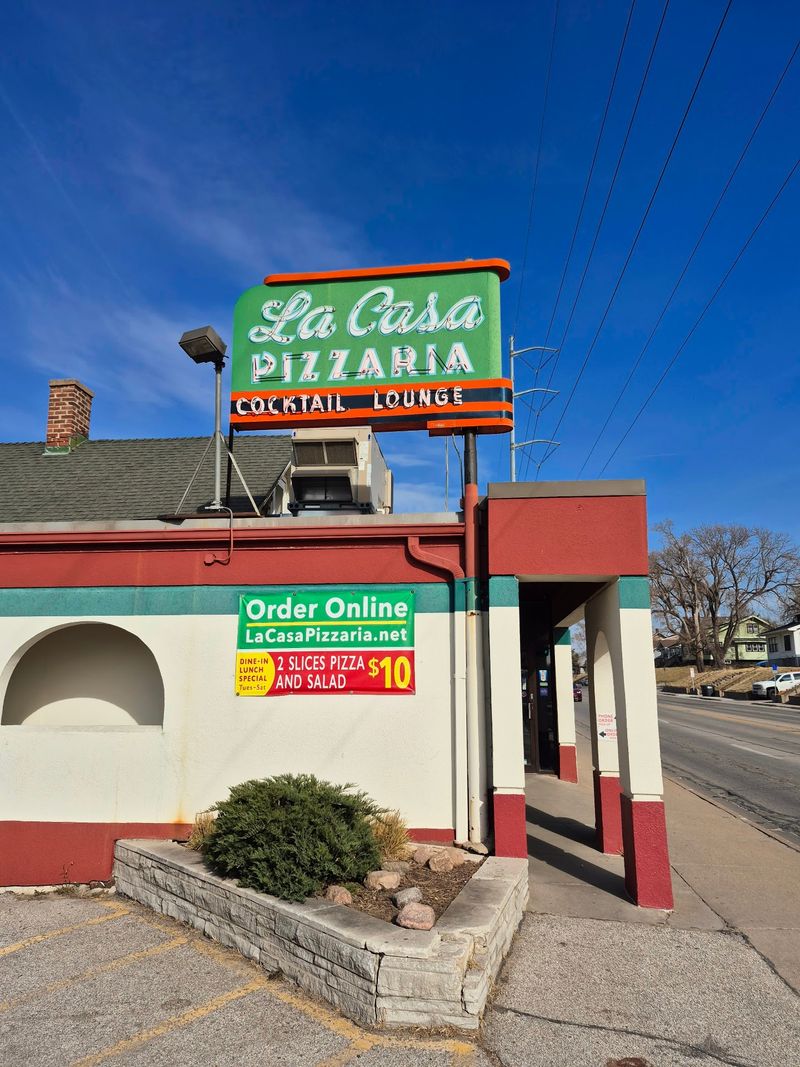
June 8, 1953. Sicilian immigrants Joe and Nellie Patane unlocked the door of their converted home at 4432 Leavenworth Street and started selling pizza to a city that barely knew what pizza was.
By the end of that first night, they had sold out of food.
Joe worked as a carpenter, which explains why the house transformation worked so well. He built the restaurant around his own residence, and the name followed naturally: La Casa, Italian for the house.
The recipes came from Sicilian family cooking, reworked and tested until the couple landed on a flaky, thin crust unlike anything else being sold in Nebraska at the time. That crust is still the foundation of the whole operation.
Think about the timing for a second. Pizza was not yet an American staple in 1953, especially not in a meatpacking town on the Missouri River.
The Patanes were essentially teaching Omaha a new food, one rectangular pie at a time, and the city took to it fast enough to keep the place running ever since.
The Crust That Started an Omaha Style
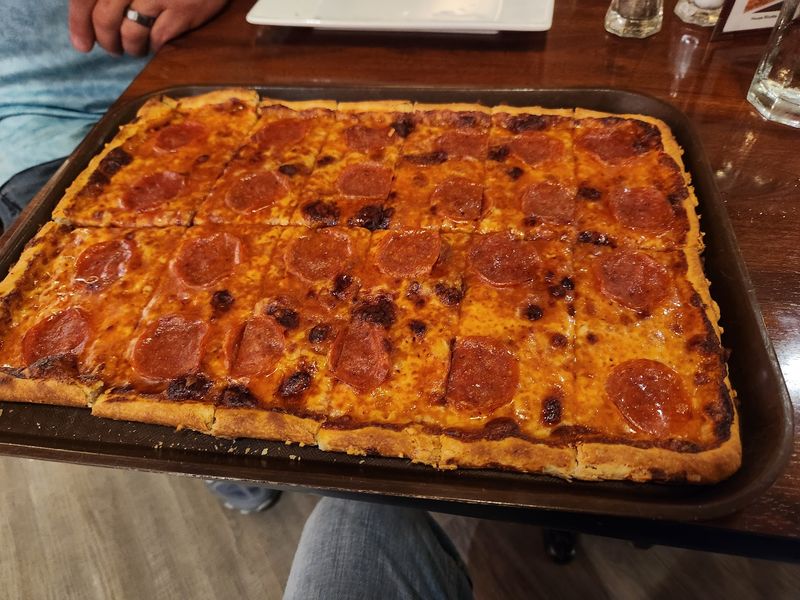
Cracker-thin, pastry-like, almost biscuit-like on the bite. The crust here does not fold, droop, or flop, and it never pretended to be New York or Chicago.
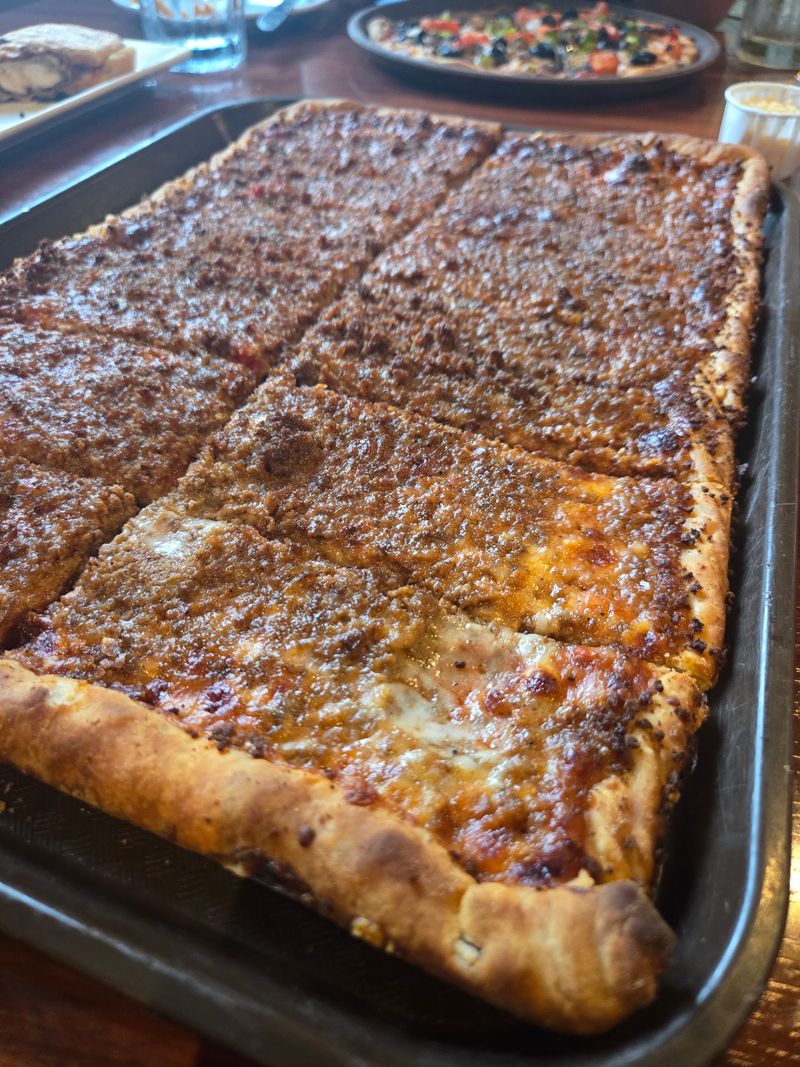
Bakers turn out pies that are typically rectangular rather than round, sliced into manageable squares.
Romano replaces mozzarella as the primary cheese, and that single swap changes everything. Romano is sharper and saltier, browning into golden edges rather than pulling into long stretchy strings.
Food writers have taken to calling the result Omaha-style pizza, a category with a handful of practitioners in the metro and a direct line back to this kitchen. The crust gets baked, then finished on the grill for extra crispness.
Regulars mention the texture contrast most often: crunch on the outside, a little give in the middle, sauce that leans slightly sweet without turning into dessert. Some pies come double-crusted, an option that shows up regularly in conversation about the menu.
It is a distinct style with real conviction behind it. Not everyone who grew up on chain pizza adjusts immediately, and that is part of the charm.
Seasoned Hamburger, Onion Rings, and Toasted Ravioli
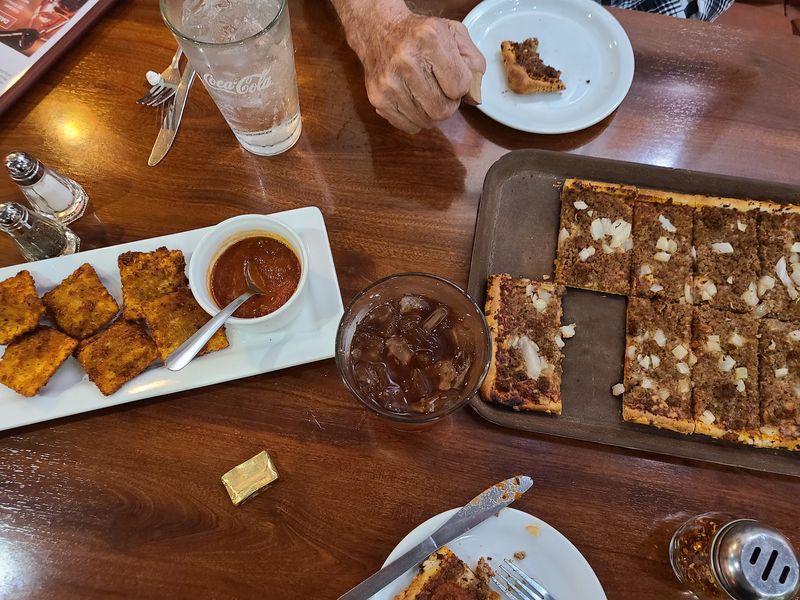
Hamburger on pizza sounds like a diner shortcut until you see how it is handled here. Seasoned ground beef goes on in a fine, granular layer that covers the surface almost edge to edge, and the classic hamburger pie is one of the most-ordered things on the menu.
Appetizers carry serious weight too. Fried ravioli with marinara dip comes up constantly in conversation about the place, alongside onion rings, arancini, and mozzarella triangles.
A ricotta appetizer finished with honey and herbs has quietly become a standout, the kind of dish that converts skeptical teenagers at the table. Lasagna gets mentioned more than almost anything else on the menu, including several variations, and eggplant parmesan holds its own following.
Then there is the creamy Romano dressing, poured over crisp house salads and treated with the reverence usually reserved for entrees. Cheese bread, meatballs, chicken parmesan, cannoli, and tiramisu fill out the rest.
Not every plate lands equally, and pasta dishes draw more mixed responses than the pizza does. The pies and the fried starters are the reliable ground.
Four Generations Behind the Counter
Family businesses rarely make it past the second generation. This one is on its fourth.
Joe Patane’s grandchildren and great-grandchildren run the restaurants today, keeping the recipes and the ownership in the same bloodline since that 1953 opening night.
Continuity like that shows up in small ways. Management responds directly to feedback rather than farming it out, and General Manager Nicole Jesse has publicly addressed service complaints herself, offering to make things right by phone.
Expansion came in 1965 with La Casa West, one of the first take-out-only pizza operations in Omaha, an idea that seems obvious now and was fairly bold then. A west Omaha location still serves the same menu today.
Staff longevity matters in a room like this. Servers know the menu cold, plates come out fast, and the dining room stays notably clean, floors and table legs included.
The original Leavenworth address has never moved, never rebranded, never chased a trend. Seventy-plus years in one building, under one family, in one Nebraska city.
That is the actual accomplishment, not the pizza.
Peppi Goes to the Movies
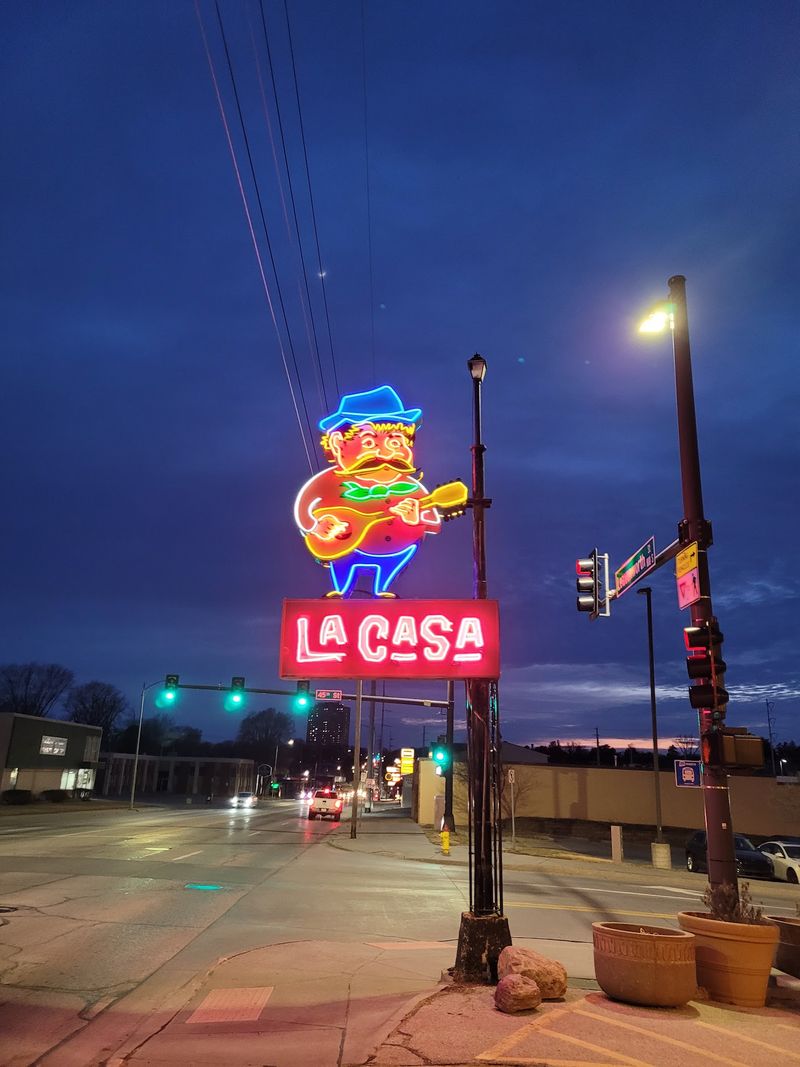
Hollywood came calling, which is not a sentence most midtown Omaha pizzerias get to use. The Peppi sign appeared in the film Downsizing, and the restaurant has turned up in film work more than once.
Television gave it another nod when the place surfaced as a Jeopardy question, a strange kind of validation for a pizzeria built inside a converted house.
Word travels further than you would expect. Stories circulate of Omaha transplants running into strangers halfway across the world who bring up the Romano-topped pies unprompted.
The gift shop angle helps spread it too. T-shirts and gear sell to out-of-state customers who stop in once and want proof they were there, which means Peppi shows up on chests in Colorado and Kansas City and points beyond.
None of this changed the food. The crust is the same crust, the sauce is the same sauce, and the rectangular pies still come out of the same kitchen on the same corner.
A landmark sign, a movie cameo, a trivia answer. For a family pizza shop in Douglas County, that is a respectable resume.
Inside the Dining Room
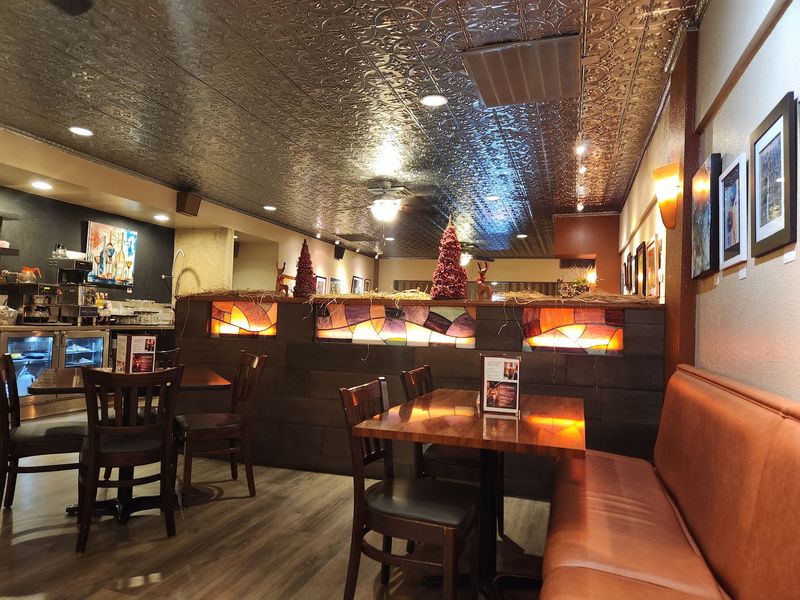
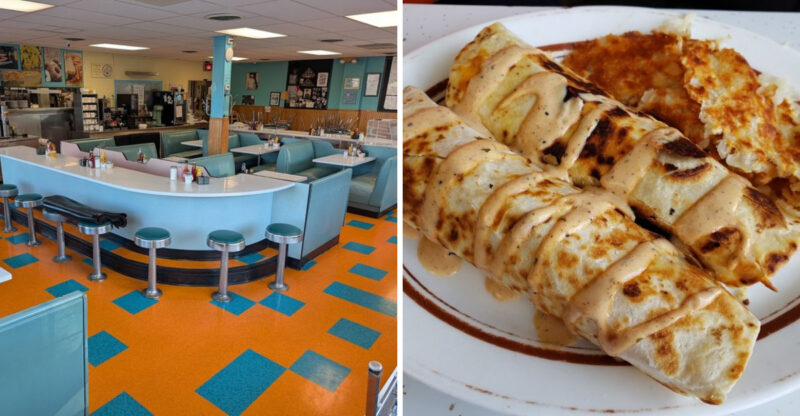
Walk in on a Friday evening and the room hums. A host greets arrivals and works to find tables, booths fill with multi-generational groups, and the smell of Romano browning in the oven reaches the door before you do.
Decor leans vintage without being staged. The heritage and fixtures have been kept through the decades rather than swapped out for the current design trend, which gives the space a bright, lived-in feel instead of a museum atmosphere.
Cleanliness is unusually noticeable. Floors, table legs, restrooms with fresh flowers, all maintained to a standard that stands out in a casual pizza restaurant.
Who fits here? Families with kids who will eat cheese bread and nothing else.
Retirees who have been ordering the same pie since the 1970s. Couples looking for a classic date-night room with zero pretension.
Service moves quickly most nights, though busy weekends can slow things down. Nobody rushes you out of your booth, and the pace stays relaxed even when the parking lot fills.
It is comfortable, noisy in a good way, and thoroughly unbothered by fashion.
Planning Your Drive to Midtown Omaha
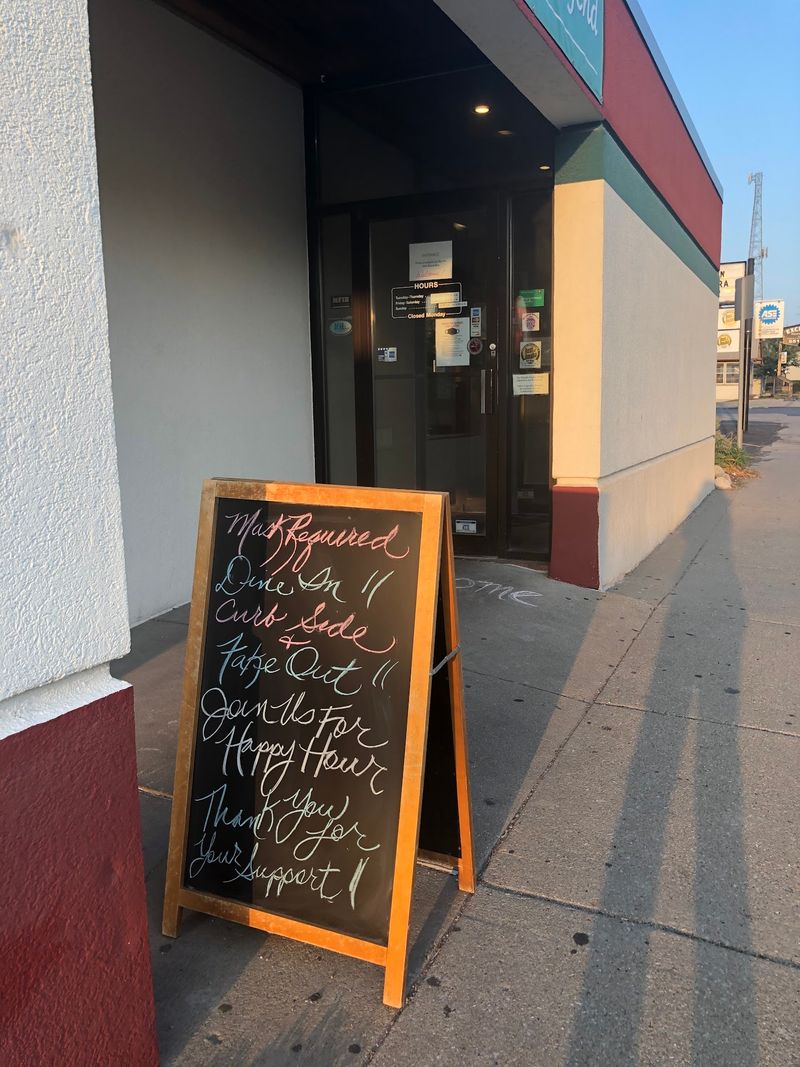
Getting there is simple. The original sits at 4432 Leavenworth Street in Omaha, near 45th, a short hop off Interstate 480 and reachable from most of the metro in under twenty minutes.
Drivers coming in from Lincoln or the Platte valley can make it a lunch stop without much planning.
Mondays are the day to avoid, since the kitchen takes the day off entirely. Sundays open later than the rest of the week, so an early Sunday lunch plan will not work.
Pricing sits in normal sit-down restaurant territory, with a full pie feeding a couple of people and lunch portions available at friendlier numbers. Extra sides of sauce cost a little more, so order what you want up front.
Call ahead for carryout during weekend rushes and give the quoted wait some breathing room. Pies travel reasonably well but taste noticeably better straight from the oven.
A second west Omaha location serves the same menu if midtown parking looks grim. Hours shift occasionally, so a quick check before you leave the house saves disappointment.
Why Nebraska Keeps Coming Back
Seventy-two years is a long time to keep making the same pizza and still fill a dining room on a Friday night. The math works because the product never tried to please everyone.
Romano instead of mozzarella, rectangular instead of round, cracker crust instead of chewy dough. People raised on chain pizza sometimes find it strange, and a handful decide it is not for them, which is honestly what happens with any dish that has a real point of view.
The rest treat it as a fixed point in their lives. Grandparents who ate here in the 1970s bring grandchildren now, ordering lasagna and cheese bread from memory.
Is every plate flawless? No. Pasta dishes draw more debate than the pies, and busy nights can stretch a wait.
But the crust, the fried ravioli, the creamy Romano dressing, and that landmark neon sign add up to something Omaha cannot replicate anywhere else. If you have driven past Peppi a hundred times without stopping, the hundred-and-first trip should probably end in the parking lot.