12 Reasons So Many People Are Packing Up And Moving To Idaho In 2027
Moving trucks with out-of-state plates have become a regular sight on Idaho highways, from the Treasure Valley to the Panhandle. The state now has more than 2 million residents, and most of that growth comes from people who chose to move here.
Some come for jobs, some for mountains, and some just want a quieter street and a yard. Here are twelve real reasons the Gem State keeps pulling people in, and what longtime locals are noticing as their towns change.
1. Sustained Population Growth
Numbers tell the first part of the story. Between 2020 and 2025, migration made up more than 80 percent of Idaho’s population growth, ranking the state third in the nation for its net migration rate.
Idaho crossed the 2 million mark after growing about 1.4 percent between 2024 and 2025. Projections point to roughly 1.5 percent yearly growth through 2034, so the trend shows no sign of fading anytime soon.
Drive through Meridian, Kuna, or Star and you can see it with your own eyes. Fields that grew onions and sugar beets a decade ago now hold rows of rooftops, new schools, and fresh pavement.
Out in the Magic Valley, Twin Falls has added neighborhoods at a steady clip, and Post Falls in the Panhandle keeps stretching toward Spokane.
For longtime residents, the change can feel bittersweet. Old farm stands sit next to brand new shopping centers, and the dirt road you once took to the river may now have a stoplight.
Still, growth brings new restaurants, better medical care, and more job choices. Many newcomers say the momentum itself was part of the appeal, since a growing state often means a place with a future worth betting on.
2. A More Manageable Cost Of Living
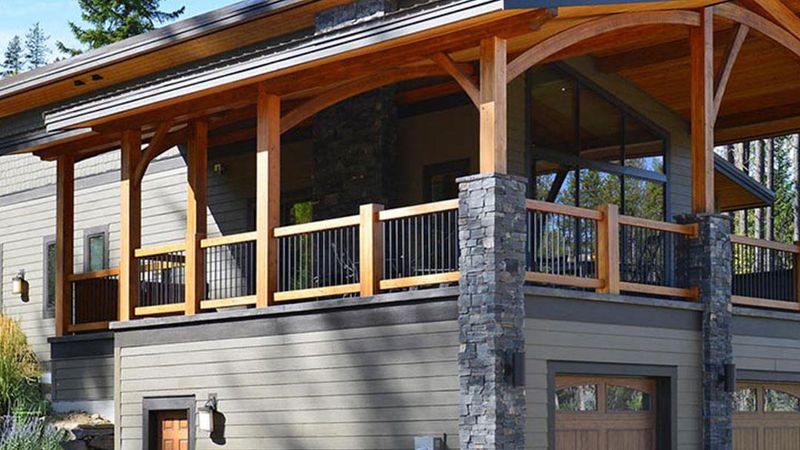
Sticker shock works in reverse for a lot of people arriving from California, Washington, or Oregon. After years of paying coastal prices, many find that an Idaho paycheck simply goes further.
Housing costs have climbed as demand rose, especially around Boise. Even so, home prices in most of the state still sit below those in major metro areas, and smaller towns like Burley, Rexburg, and Lewiston often offer more house for the money.
Utilities are a quiet win. Idaho’s utility costs are estimated at about 25 percent below the national average, thanks in part to hydropower from dams along the Snake River.
That savings shows up every single month, which newcomers tend to notice by their second winter.
Groceries, car insurance, and everyday errands also tend to feel lighter on the wallet than in big coastal cities. A family night out for finger steaks and fry sauce usually costs a few dollars less than the same meal in Seattle.
Of course, rising rents in the Treasure Valley remain a real concern for local families. Smart movers compare several regions before signing anything, because Idaho prices can vary quite a bit from one valley to the next.
3. A Thriving Job Market
Paychecks follow people, and people follow paychecks. Idaho’s economy has been expanding across technology, healthcare, manufacturing, education, and professional services, giving job seekers far more options than a generation ago.
Experts project the state’s workforce will grow more than 13 percent over the next decade. That pace runs well ahead of the national average, which helps explain why so many families are willing to make the leap.
Boise leads the charge with a mixed economy that attracts engineers, nurses, and startup founders alike. Semiconductor work, hospital expansions, and a busy construction trade keep the Treasure Valley humming.
Over in eastern Idaho, Idaho National Laboratory near Idaho Falls employs thousands of scientists and support staff.
Agriculture still matters too. Potatoes, dairy, and trout farming in the Magic Valley support processing plants and trucking jobs that anchor small towns along the Snake River Plain.
Entrepreneurs also like the lower overhead of starting a business here. Opening a bakery or repair shop in Nampa or Coeur d’Alene can cost less than a similar venture in a crowded coastal city, and loyal local customers tend to stick around once they find a favorite.
4. Endless Outdoor Recreation

Twelve million acres. That is how much Bureau of Land Management public land stretches across Idaho, and it does not even count national forests, wilderness areas, and state parks.
For outdoor fans, the math is simple. You can fly-fish the Henry’s Fork in the morning, or paddle whitewater on the Payette River before lunch, then catch a sunset from a hiking trail above town.
Winter brings skiing at Sun Valley, Bogus Basin, Brundage, and Schweitzer. Summer shifts the focus to boating on Lake Coeur d’Alene, backpacking in the Sawtooths, and mountain biking in the Boise foothills.
What surprises many newcomers is how close it all sits. In much of Idaho, trailheads are a short drive from grocery stores and schools.
Families can squeeze a quick camping trip into a regular weekend without burning a vacation day.
Craters of the Moon National Monument offers something completely different, with black lava fields and caves you can explore with a flashlight. Kids tend to remember that place for years.
Wildlife sightings add to the fun. Elk, moose, and bighorn sheep show up often enough that spotting one becomes a small, happy part of daily life.
5. Impressively Low Crime Rates
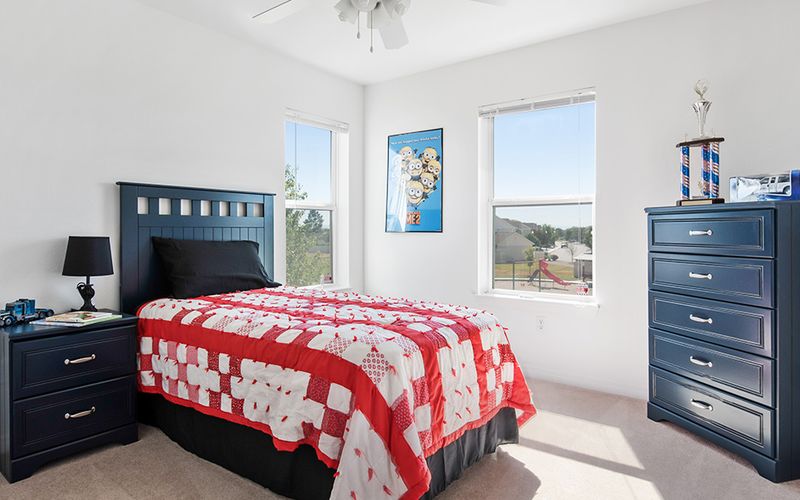
Kids riding bikes until the streetlights flicker on still happens here. Parents moving to Idaho often mention that simple freedom first when asked why they chose the state.
The data backs up the feeling. In 2024, Idaho had the lowest property crime rate in the country, at 736 incidents per 100,000 people, which is 58 percent below the national average.
Serious crime numbers also sit well under national levels. The state recorded about 36 percent fewer violent crime incidents per person than the national rate that same year.
Small towns such as Driggs, McCall, and Sandpoint carry a neighborly rhythm where people wave from porches and notice when something seems off. Even larger cities like Meridian regularly appear on lists of safer places to raise a family.
Safety can shape everyday choices in quiet ways. Many residents feel comfortable walking downtown after dinner, letting teenagers take a first job at the local drive-in, or leaving garden tools out by the fence.
No place is perfect, and locking up remains a smart habit. Still, a strong sense of security ranks high on the list of what keeps new families putting down roots in Idaho.
6. A Friendlier Tax Structure
Tax season looks a little different after a move to Idaho. The state uses a flat income tax rate of 5.3 percent, which many people find simple to understand and easier to plan around.
Homeowners may find extra help through the Property Tax Reduction program. Those who qualify based on income and other rules may see property taxes lowered by about $250 to $1,500 on their home and up to one acre of land.
Groceries come with a bonus too. Residents can claim a grocery tax credit worth roughly $100 to $155 per person each year, which can help offset the sales tax paid at the checkout line.
For retirees and near-retirees, these programs may make a fixed income stretch further. Many folks arriving from Oregon or California compare their old tax bills with their new ones and feel a real sense of relief.
Rules and amounts can shift over time, so it pays to check with the Idaho State Tax Commission or a local tax preparer. A little homework before closing on a house can help families understand exactly what benefits apply and how to claim them each year.
7. A Strong Sense Of Community
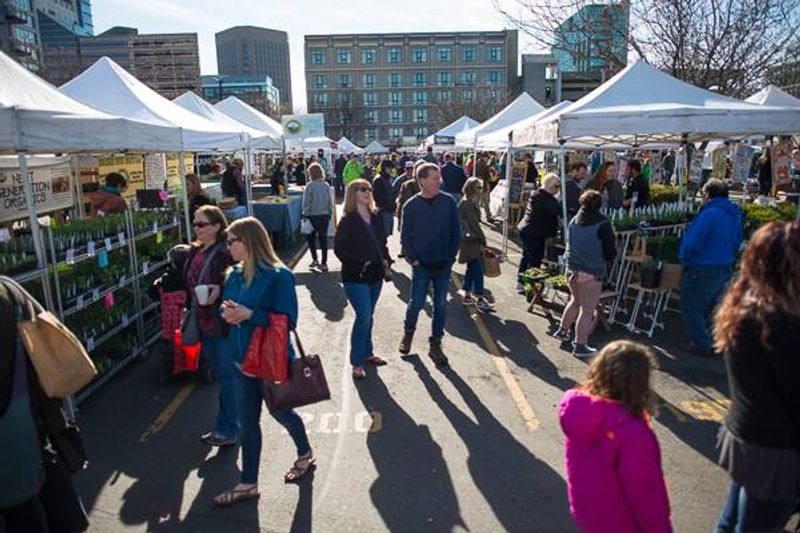
Saturday mornings in downtown Boise smell like kettle corn and fresh peaches. The Capital City Public Market fills the streets with vendors, musicians, and neighbors catching up over coffee.
Gatherings like that happen all over Idaho. Sandpoint hosts summer concerts by the lake, Nampa draws crowds for the Snake River Stampede, and small towns throw county fairs with livestock shows and pie contests.
Friendly faces tend to be a big part of daily life. A cashier might ask about your weekend, and a neighbor may show up with extra zucchini from the garden without being asked.
Newcomers often say they made friends faster here than anywhere else. Church groups, youth sports, volunteer fire departments, and library clubs give people plenty of ways to plug in.
Local pride runs deep, too. Ask anyone whether Idaho Falls or Boise has better fry sauce, and you will get an opinion right away.
Finger steaks and huckleberry shakes can spark friendly debates that last all afternoon.
For many families, that warmth is the reason they stay. A house becomes a home when the people around it make you feel like you belong.
8. A True Four-Season Climate
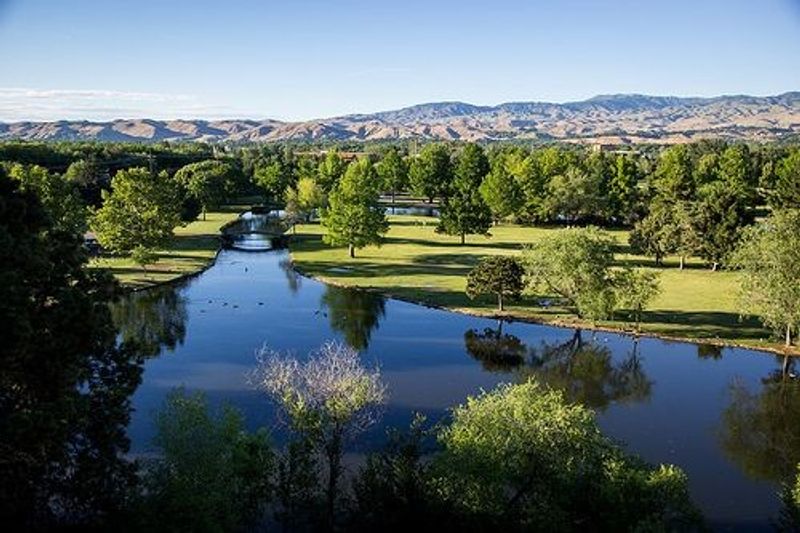
Calendars actually mean something in Idaho. Each season arrives with its own look, sound, and list of things to do.
Summer brings long warm days made for floating the Boise River or swimming at Redfish Lake in the Sawtooths. Evenings cool off nicely, especially in the mountains, so a light jacket at the campfire feels just right.
Autumn paints the cottonwoods gold along the rivers, and orchards near Emmett and the Sunnyslope area fill with apples and pumpkins. Harvest festivals pop up across the Treasure Valley and Magic Valley through October.
Winter delivers snow for skiing, sledding, and snowshoeing, though valley towns often see milder conditions than people expect. Mountain towns like McCall celebrate the cold with a famous winter carnival and giant snow sculptures.
Spring wakes everything up with blooming orchards, rushing rivers, and green hills on the Palouse. Farmers get busy planting while hikers head back to the foothills.
People moving from places with one long season often find this rhythm refreshing. Swapping boots for sandals a few times a year keeps life from ever feeling stale, and each change gives families something new to look forward to.
9. A Focus On Education
School choices weigh heavily on any family planning a move. Idaho offers a range of options, from neighborhood public schools to charter programs and online learning.
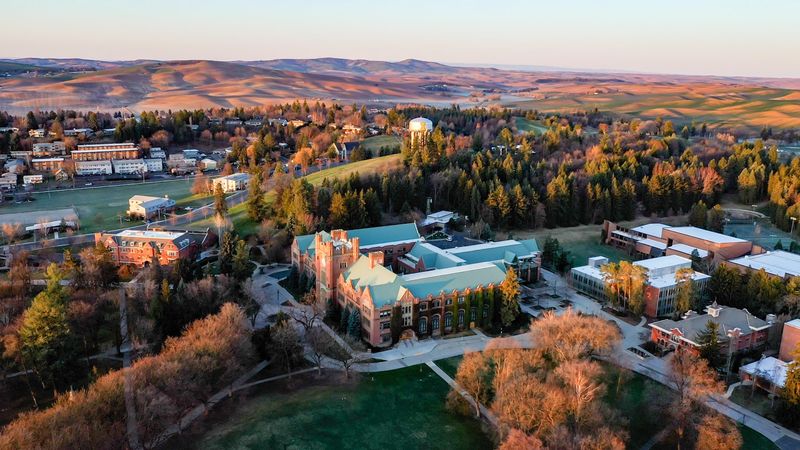
Higher education gives the state a strong backbone. Boise State University, the University of Idaho in Moscow, and Idaho State University in Pocatello each serve thousands of students, while BYU-Idaho in Rexburg adds another big campus in eastern Idaho.
Fun fact: the University of Idaho was founded in 1889, one year before Idaho even became a state. Its campus on the Palouse still features classic brick buildings surrounded by rolling wheat fields.
Community colleges help too. The College of Western Idaho, the College of Southern Idaho in Twin Falls, and North Idaho College in Coeur d’Alene offer job training in nursing, welding, and technology at lower cost.
Families moving to growing areas like Meridian may notice new school buildings rising to keep pace with demand. Smaller towns often have tight-knit schools where teachers know every student by name.
Visiting a school before choosing a neighborhood is always a smart move. Many parents say that small step helped them feel confident about their new Idaho hometown.
10. Lighter Traffic On The Roads
Former Los Angeles commuters sometimes laugh when Idahoans complain about rush hour. After years of crawling freeways, a ten-minute backup on Eagle Road feels almost relaxing.
Across most of the state, getting around is simpler than in crowded metro areas. Many workers in towns like Pocatello, Idaho Falls, and Lewiston reach the office in fifteen minutes or less.
Growth has added pressure, especially in the Treasure Valley. Interstate 84 between Nampa and Boise can slow down at busy times, and road crews stay busy widening lanes and adding interchanges.
Leave the cities, though, and the pace drops fast. Highway 75 through the Sawtooths and Highway 12 along the Lochsa River are known for wide open views and long stretches with barely another car in sight.
Shorter drives give people back hours each week. Parents can make it to soccer practice on time, and weekend road trips feel easy instead of exhausting.
Winter driving deserves respect, especially on mountain passes. Checking road reports before heading out is a habit every new Idahoan picks up quickly, and a good set of tires goes a long way when snow starts falling.
11. Room To Work Remotely
Laptops changed the moving map. Once many jobs stopped requiring a daily trip to a downtown tower, workers started asking a bold question: where do we actually want to live?
For plenty of them, the answer turned out to be Idaho. Remote workers can keep a paycheck from a company in Seattle or San Francisco while enjoying a slower pace and lower living costs.
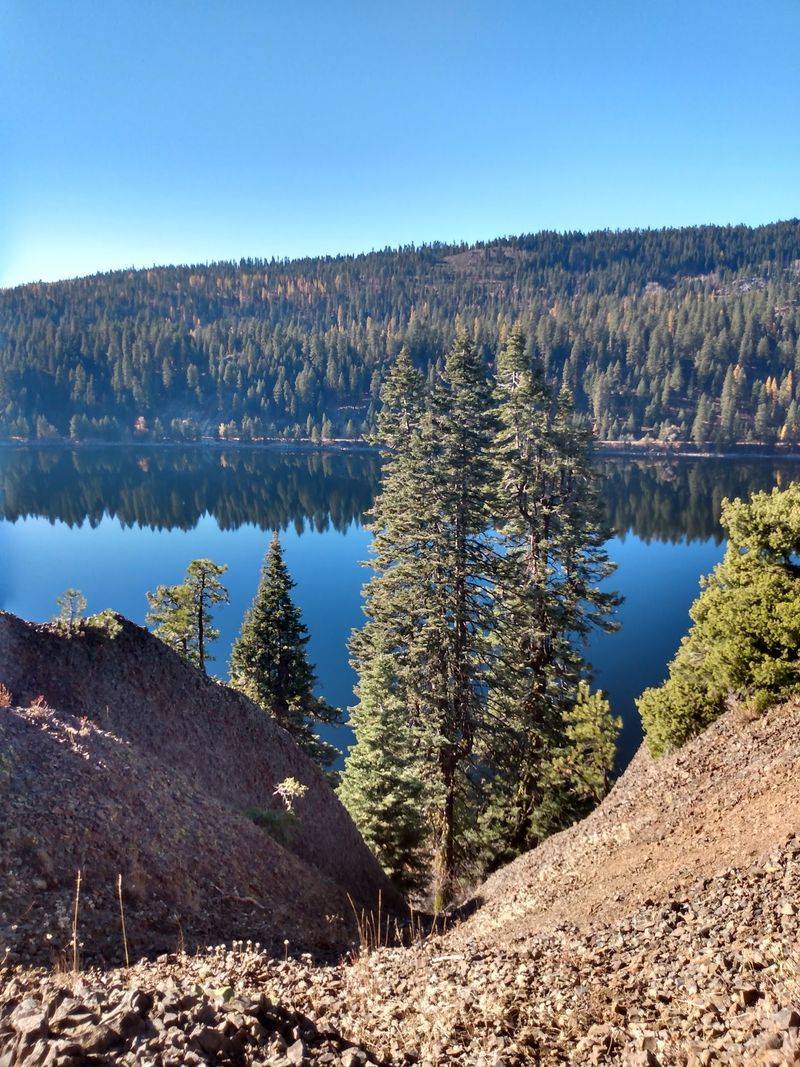
Sandpoint, Hailey, McCall, and Driggs have all drawn people who log off at five and head straight to a trail or lake. Picture finishing a video call and paddling Lake Pend Oreille before dinner.
Internet service has improved in many areas, though rural spots can still be spotty. Checking broadband options before buying a home in a remote valley is a must.
Coworking spaces have also popped up in Boise, Coeur d’Alene, and Idaho Falls. Those shared offices give remote workers a place to meet people and escape the kitchen table now and then.
Some longtime residents worry about rising prices as remote workers arrive. Many newcomers try to give back by shopping local, volunteering, and joining community groups in their new towns.
12. Scenery Around Every Bend
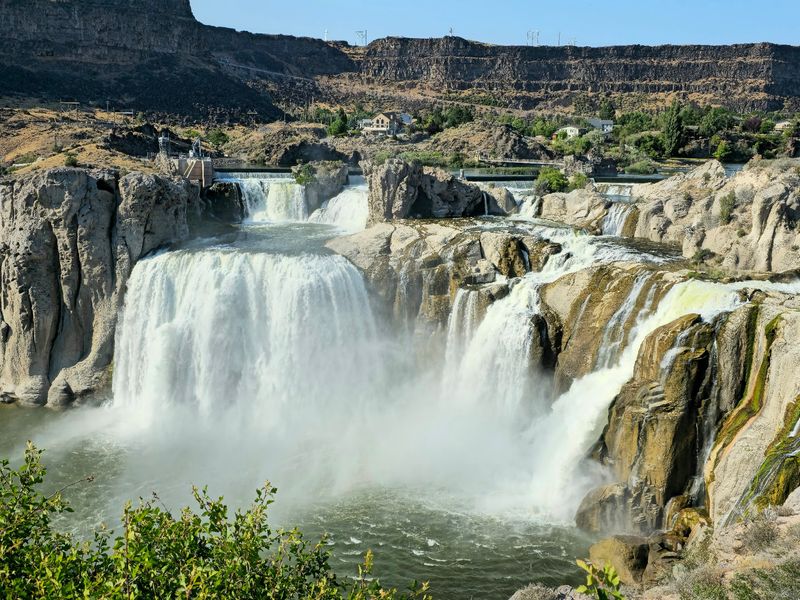
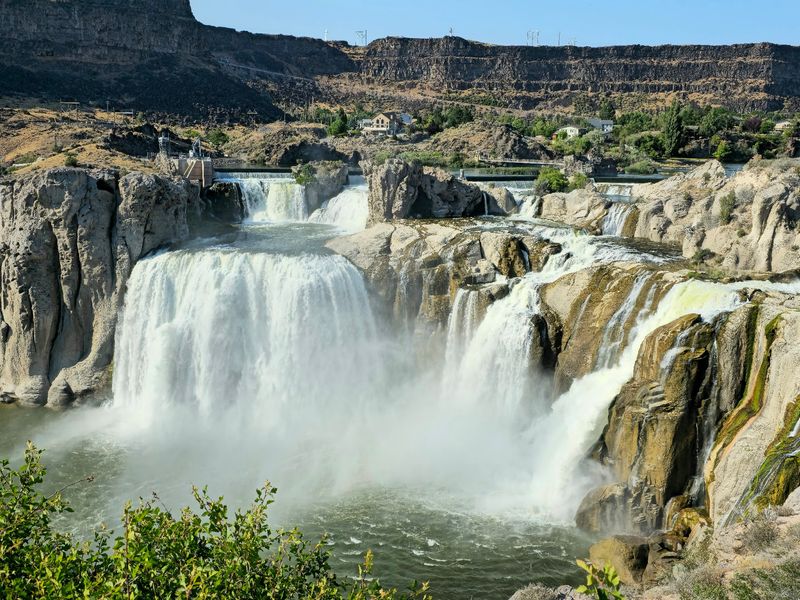
Shoshone Falls drops about 212 feet into the Snake River Canyon, which makes it taller than Niagara Falls. Spring snowmelt usually brings the biggest roar, and rainbows often dance in the mist.
Views like that are part of everyday life across Idaho. Hells Canyon, the deepest river gorge in North America, carves along the western border, while the jagged Sawtooth peaks rise above Stanley, a mountain town with fewer than 100 residents.
Up north, Lake Coeur d’Alene and Priest Lake shine with clear blue water framed by thick forest. Down south, the rolling Palouse hills turn green in spring and golden by late summer.
Craters of the Moon offers a scene that looks like another planet, with cinder cones and rippled lava as far as you can see. Astronauts even trained there before walking on the moon.
Many people who move to Idaho say the landscape gave them a reason to slow down. Watching elk graze in a meadow or stars fill the sky over the Sawtooth dark sky reserve can reset a busy mind.
That quiet, wide open feeling is hard to find elsewhere, and it keeps drawing people home.