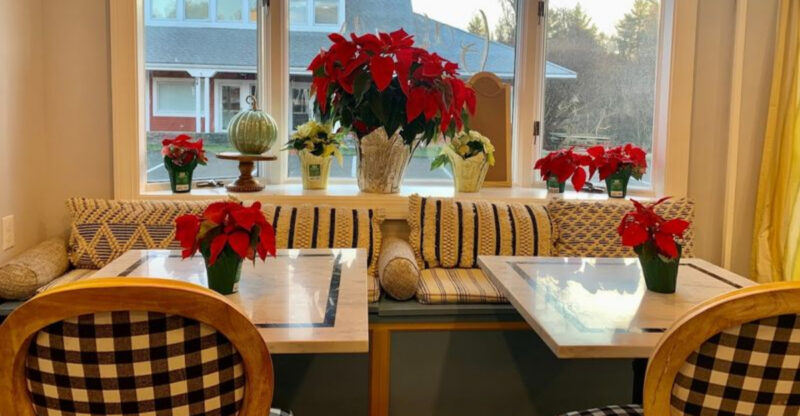
This Connecticut Cat Sanctuary Gives Rescued Kitties A Safe Place While They Wait For Forever Homes
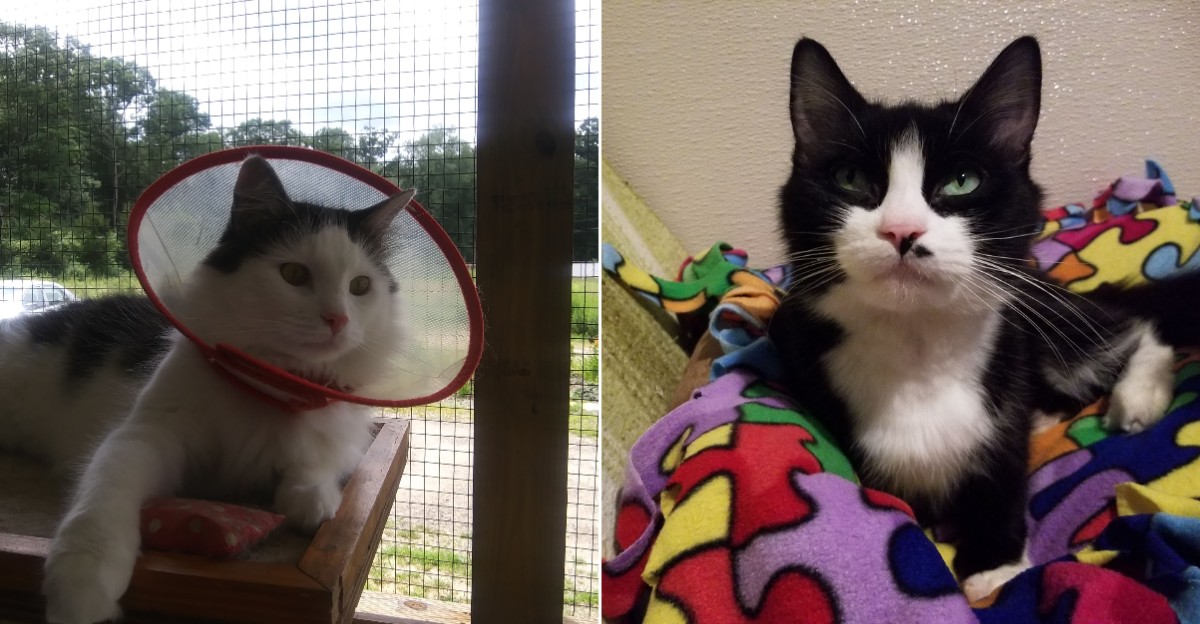
For a rescued cat, the time between losing one home and finding another can be a huge part of its story.
This sanctuary makes sure that chapter feels safe.
Cats waiting for adoption in Connecticut have a peaceful place where they can receive care while the right forever family has time to find them.
The setting is about much more than simply providing somewhere to stay. A calmer environment gives each animal room to settle in and show the personality that may eventually win someone over.
Some will be bold immediately. Others may need patience before deciding humans are worth trusting again.
That progress can make the waiting period meaningful rather than temporary.
Forever homes remain the goal, of course, but life before adoption matters too. Until the right person comes along, these rescued kitties have somewhere designed to give them comfort and the chance to simply be cats.
1. Rescued Cats Get A Home-Like Place To Stay
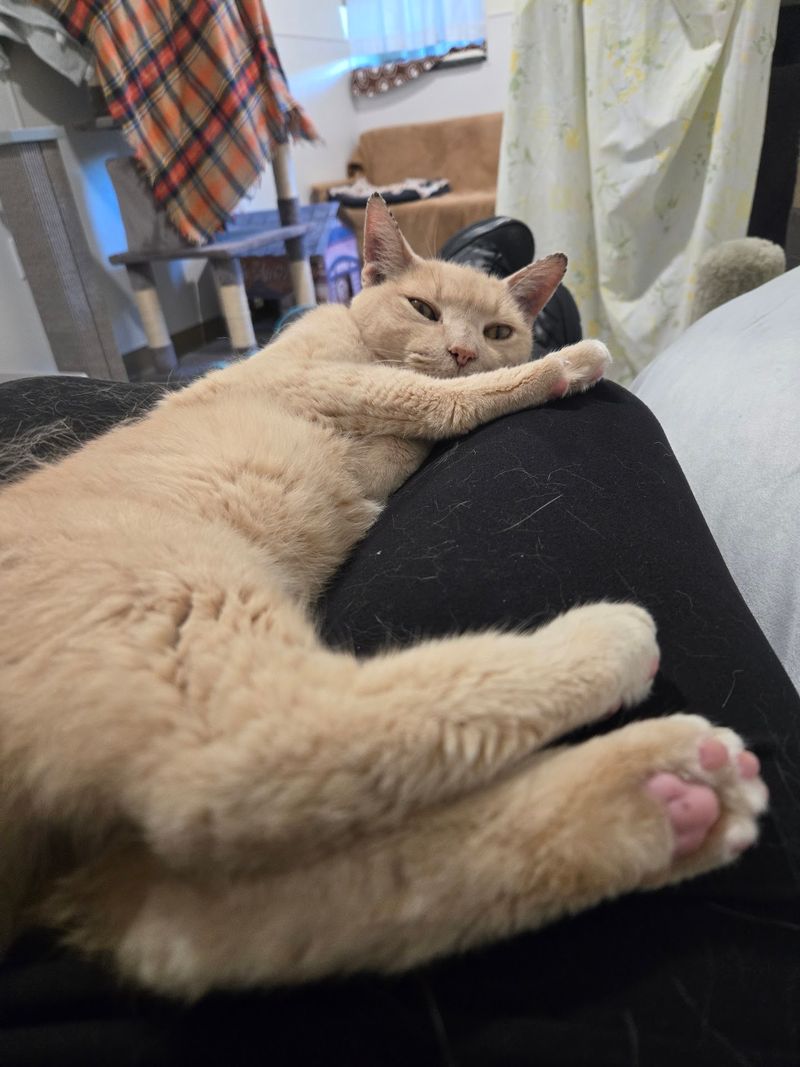
Some cats simply need more time. More patience.
More quiet moments where they can finally learn that people can be trusted.
That gentle approach shapes life at Our Companions Animal Sanctuary in Ashford. Rather than resembling a traditional shelter, the sanctuary was deliberately designed to feel comfortable and home-like.
Cats who need extra medical or behavioral support can stay as long as necessary while receiving individualized care.
The feline cottages give them calm spaces where healing does not have to happen on a deadline. Staff and volunteers spend time learning each cat’s personality, preferences, and boundaries, then adjust their approach to what that individual animal needs.
Some arrive frightened or overwhelmed. Others need medical attention or help becoming comfortable around people again.
The goal is not simply to move them through quickly. It is to help them build confidence and eventually match them with a home that suits their personality.
Adoption receives the same thoughtful attention. Each applicant works with the organization to find a pet whose needs fit their household, and support continues after the adoption.
For the cats waiting in Ashford, that patience can mean everything.
Their next chapter begins only when they are truly ready for it.
2. Quiet Country Roads Surround The Ashford Sanctuary
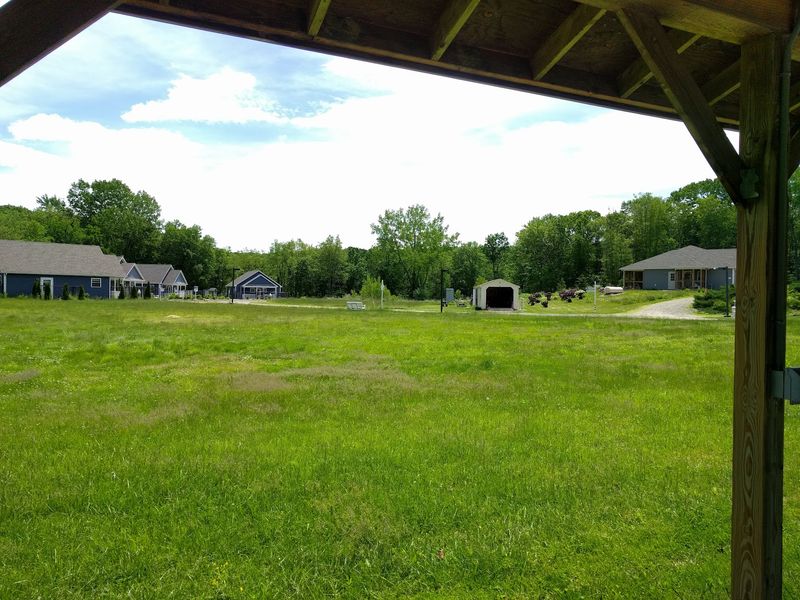
The noise fades quickly out here. Roads grow quieter, trees take over the scenery, and the whole pace of the day seems to slow down.
That peaceful setting is part of what makes Our Companions Animal Sanctuary feel so different. Its Ashford campus spreads across roughly 47 acres in a rural corner of the state, giving rescued animals space away from the constant activity of a busier environment.
For nervous cats, quiet can be especially valuable. An unfamiliar sound or sudden movement may send a frightened animal searching for somewhere to hide.
Having a calmer environment gives residents time to settle in, become comfortable with their surroundings, and gradually build trust with the people caring for them.
The property itself adds to the welcoming atmosphere. Volunteers help maintain the grounds and gardens, contributing to a campus that feels more like a peaceful retreat than an institutional animal facility.
Visitors interested in seeing the sanctuary can look for scheduled tours and other opportunities offered by the organization. Checking current availability beforehand is worthwhile because access and tour schedules can change.
The sanctuary is at 46 Floeting Road in Ashford, surrounded by the woods and open landscapes characteristic of this part of the state.
Even the journey there feels like a change of pace.
For animals learning to relax and trust again, that quiet setting offers something remarkably simple but important: time, space, and room to feel safe.
3. Cozy Rooms Replace Traditional Shelter Cages
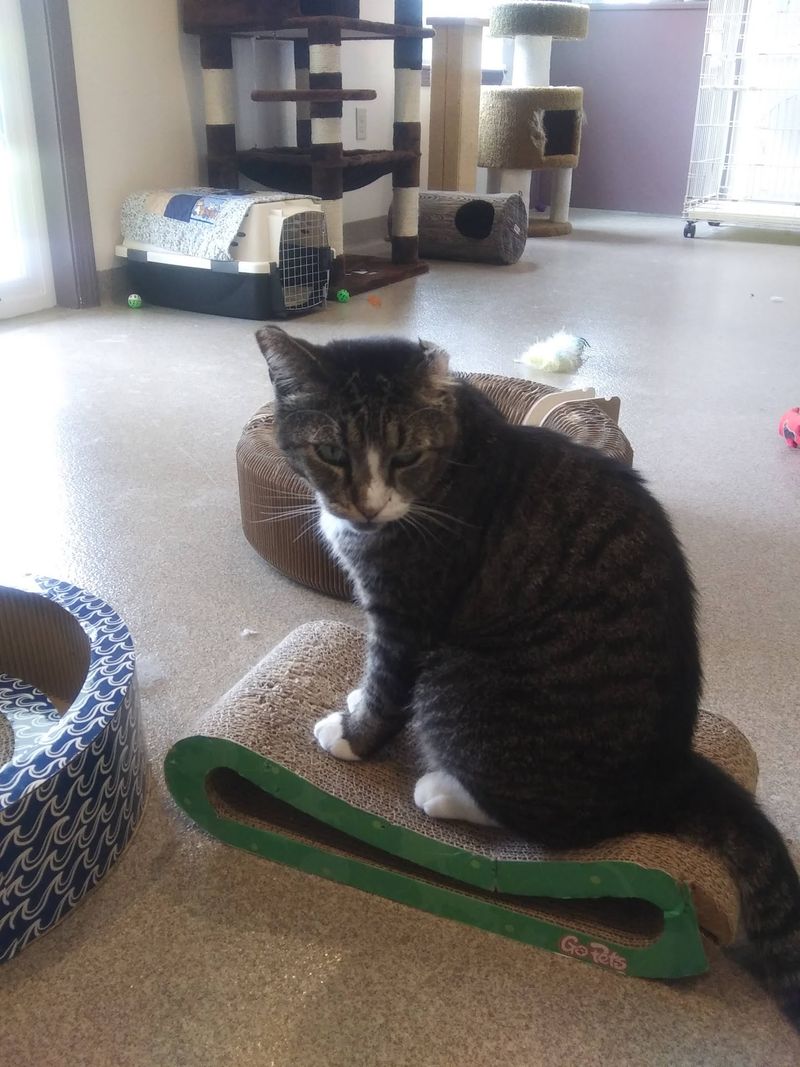
No cages. That simple rule shapes everything about the feline cottage at this sanctuary.
Instead of rows of metal crates, each cat, or sometimes a pair, gets a room of its own. These spaces give them room to play, climb, and stretch out for a long nap.
Many rooms feature vertical wall shelves, which let cats do what they love most: get up high and survey their kingdom.
The real showstopper is the catio. A catio is an enclosed outdoor patio just for cats, and rooms connect to them through a little cat door.
Kitties can sniff fresh air, feel a breeze, and watch birds flutter by, all without any risk of wandering off. The catios add another interesting feature to the feline cottages, giving cats access to fresh air and outdoor sights from a secure space.
Common areas include cat trees too, and some spaces have had screens for playing videos made for cats. Double-entry porches help make sure no curious explorer slips out a door by accident.
Here is a tip you can borrow at home. Even a single wall shelf or a sunny window perch can give your own cat more confidence.
Cats feel safer when they have height and a view, and the sanctuary’s design proves how much those small touches help.
4. Cats Get Time To Settle In At Their Own Pace
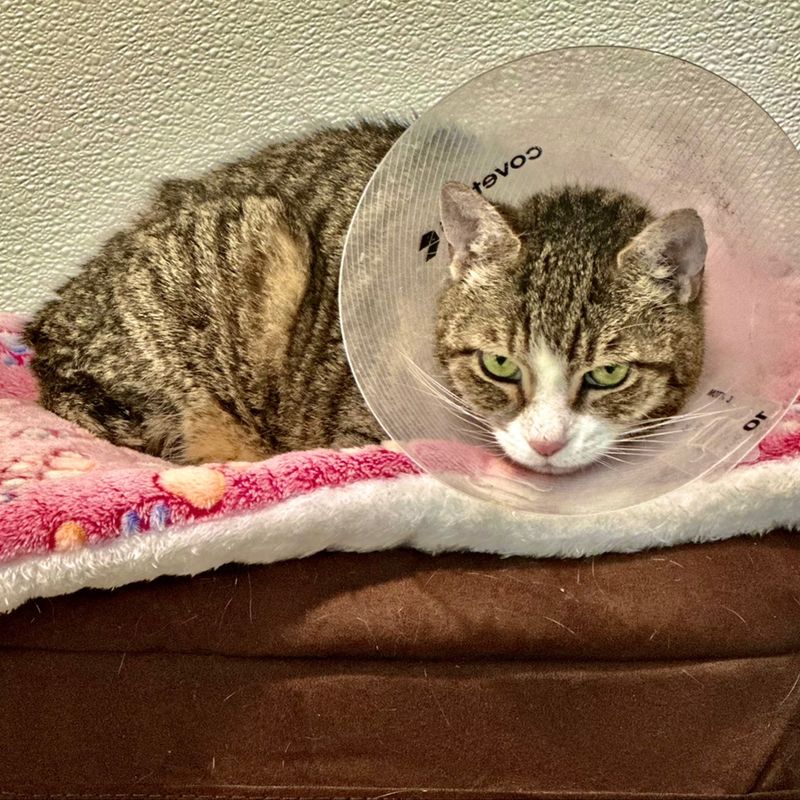
Patience is the secret ingredient here. At many shelters, space is tight and animals must move along quickly, but this sanctuary lets cats stay as long as they need.
That changes everything for a frightened cat. Instead of being rushed toward adoption, each one receives personalized medical and behavioral care in a low-stress setting.
Healing the body matters, but so does healing the heart.
For very fearful cats, the sanctuary uses a clever trick. Special long rooms create a buffer zone, putting extra distance between the cat and any person who walks in.
The cat can watch from far away, decide the visitor seems harmless, and slowly move closer when it feels ready.
Think about how you feel on your first day at a new school. You probably want to look around before chatting with anyone.
Cats are much the same, and giving them control over distance helps them build trust instead of panicking.
Adopters can learn from this approach. When you bring a new cat home, try setting up one quiet room first.
Let the cat explore it for a few days before opening up the whole house. Following the cat’s lead, rather than forcing cuddles, often builds a stronger bond in the long run.
5. Volunteers Bring Extra Attention And Company
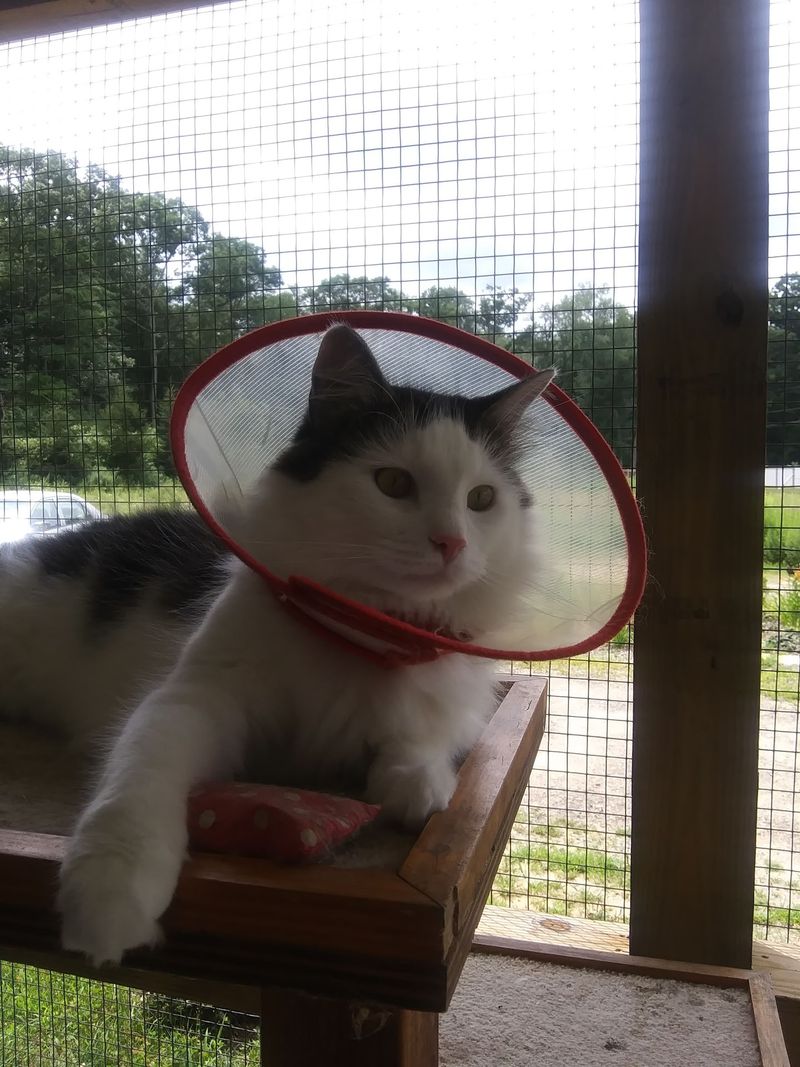
Behind every purring success story, there is usually a volunteer holding a feather toy. People from the community play a big role in daily life at the sanctuary, and the cats clearly enjoy the visits.
Volunteers help with socializing, interactive play, general care, cleaning, and grooming. Each of these jobs gives cats more chances to practice being around people.
Over time, those short, friendly sessions add up to real progress.
Many volunteers say the most rewarding part is watching a timid cat slowly turn into a confident, social companion. A kitty who once hid under the bed might start greeting visitors at the door.
Moments like that keep people coming back week after week.
The work is not only indoors, either. Some volunteers help care for the grounds and gardens, which keeps the whole property looking lovely.
Visitors frequently describe the staff and volunteers as warm, caring, and dedicated to the animals.
Curious about joining? Volunteering is a great fit for animal lovers who cannot adopt right now but still want to help.
It can also teach you a lot about cat body language and behavior. Reach out to the organization to learn about current openings, training, and the kinds of roles available.
6. Individual Personalities Have Room To Come Out
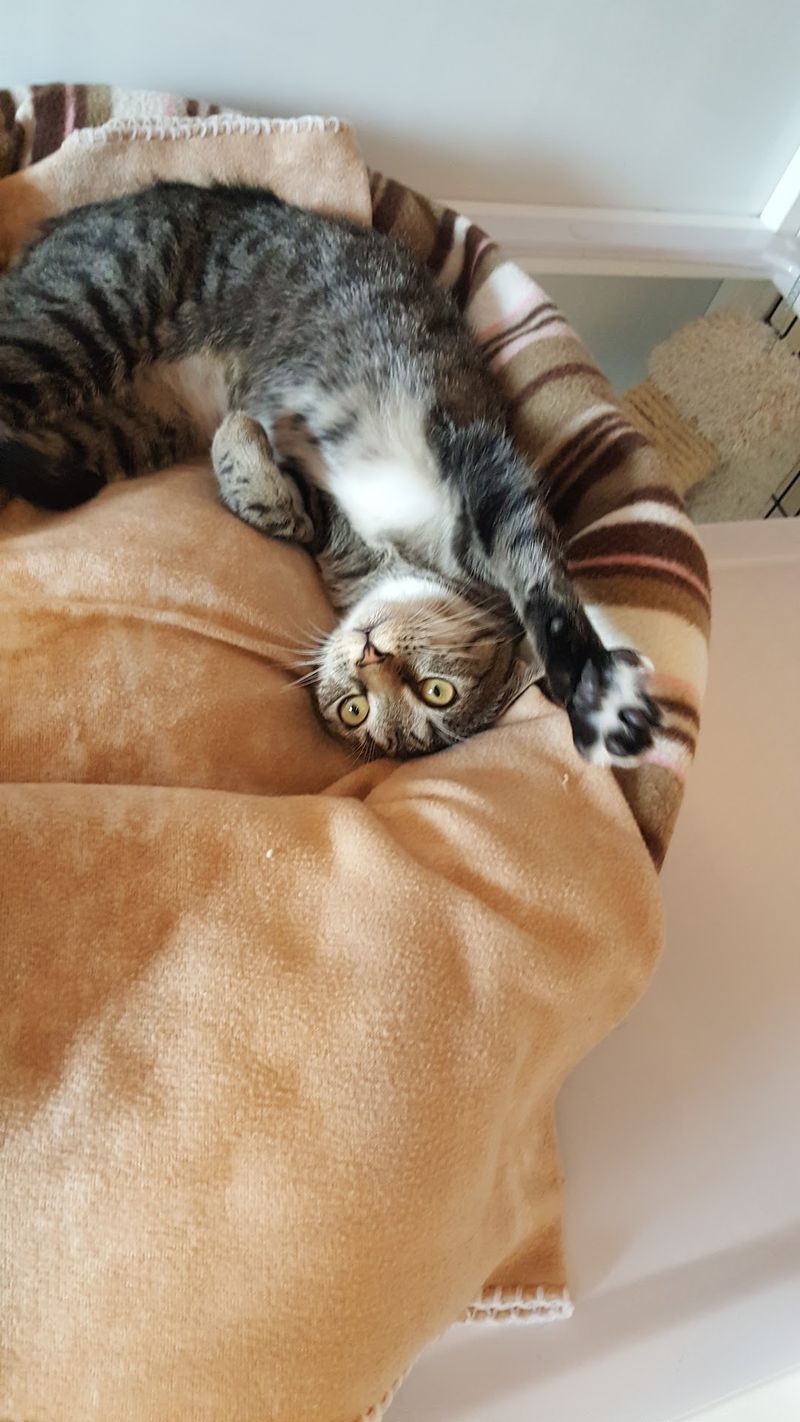
Some cats are clowns. Others are quiet thinkers, and a few are bossy little supervisors who want to know what you are doing at all times.
At the sanctuary, those quirks get a chance to show. When a cat is scared, its true personality often stays hidden behind hissing or hiding.
Once stress drops away, you start to see who that cat really is.
The setup helps a lot. Climbing shelves invite adventurous cats to explore, catios give bird-watchers endless entertainment, and cozy corners suit the nappers.
With choices like these, cats can act naturally instead of just surviving the day.
Volunteers often notice that cats who arrive shy and worried become more outgoing and affectionate over time. That transformation is not magic.
It comes from steady care, a calm environment, and the freedom to stay as long as needed.
Fun fact: cats are famous for being creatures of habit. Predictable routines, like meals and play at similar times each day, help many of them relax and open up.
For adopters, this is great news. Because staff and volunteers get to know each cat so well, they can often describe its habits and preferences in detail.
That knowledge helps you pick a feline friend whose personality fits your household.
7. Adoption Opens The Door To A New Home
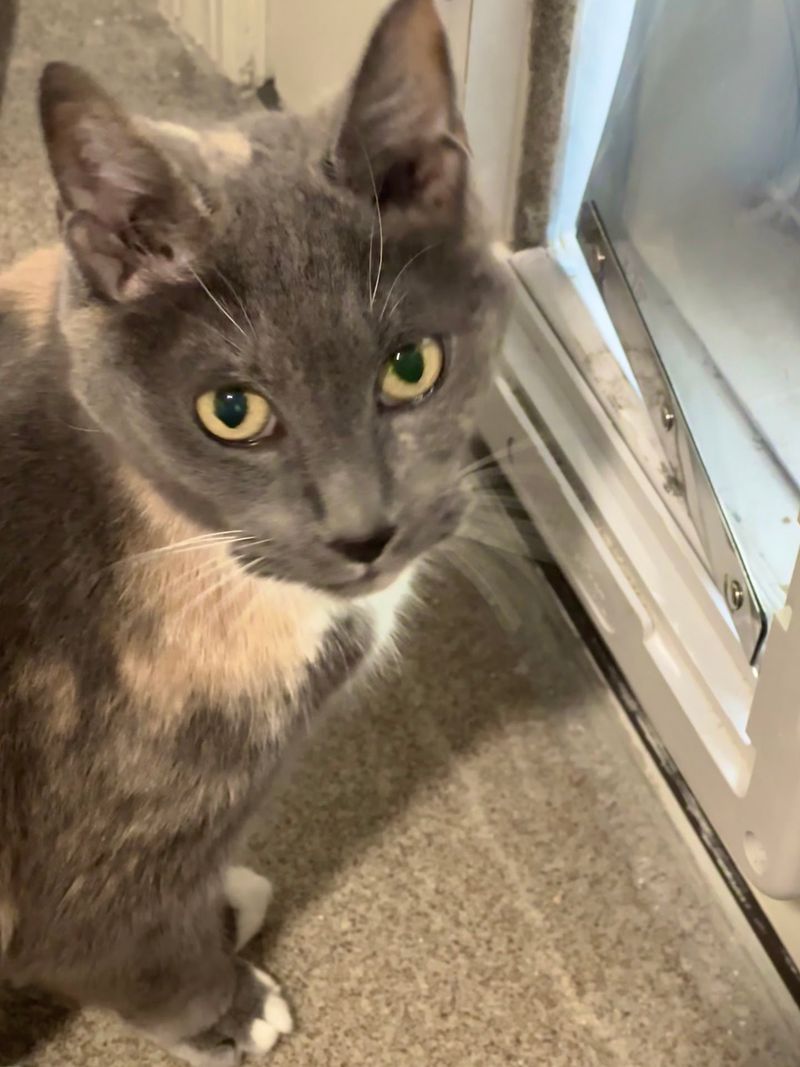
Ready to meet your new best friend? The adoption process here is designed to be personal, not rushed.
It starts when you look through the available cats and fill out an application. From there, an adoption caseworker is assigned to guide you.
That person reviews your application, checks references, and talks with you about what you are hoping for in a pet.
The goal is a match that works for both sides. A playful kitten might be perfect for one family, while a calm older cat suits another.
By learning about your home, schedule, and lifestyle, the team can suggest animals who are likely to thrive with you.
Once a good match is found, a meeting is arranged. For animals living at the Ashford sanctuary, adoption meetings take place there, while meetings for some animals being rehomed from their current homes may take place at the organization’s program center in Manchester, Connecticut. Meeting in person lets you see how the cat reacts to you and ask any last questions.
Here is some practical advice before you apply. Think honestly about how much time, space, and budget you have for a pet.
Adopters often remind others to commit only if they are truly ready. Being upfront with your caseworker helps them find the cat that fits your life best.
8. Every Successful Match Makes Room For Another Cat
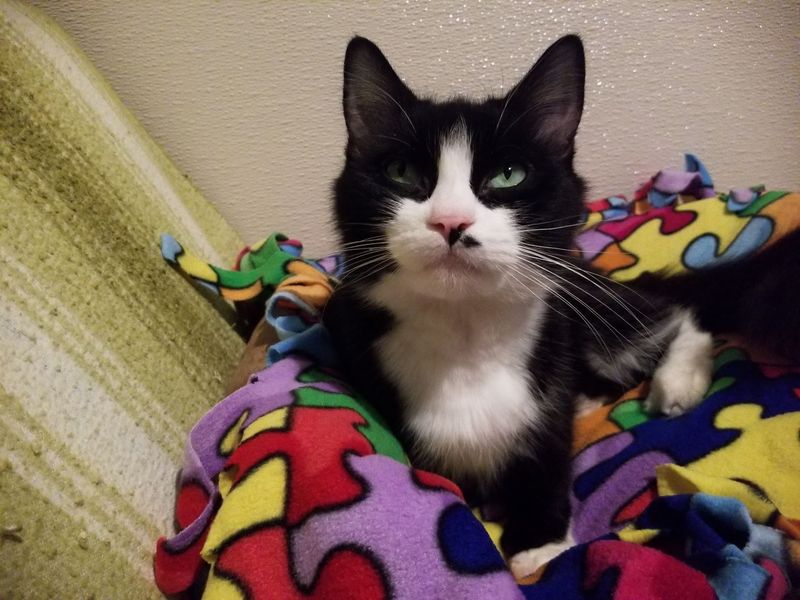
When one cat heads home, a door swings open for the next. That simple cycle sits at the heart of the sanctuary’s mission.
Before leaving, adopted cats receive a veterinary wellness exam, vaccinations, and treatment for parasites. They are spayed or neutered as appropriate and tested for FeLV and FIV, two common feline viruses.
Most are also microchipped, which helps reunite lost pets with their families.
The support does not stop at the front door. The sanctuary offers pre-adoption counseling, help during the transition, and lifelong support for adopters.
Families have shared that staff encourage them to call anytime with questions, which can be a huge comfort during those first weeks.
A sweet touch helps with the move. Pets may go home with a favorite toy, bed, or blanket.
That familiar scent can calm a cat in a brand new place.
Every lasting adoption frees up a room, time, and resources for another animal in need. So adopting does more than change one cat’s life.
It also gives a second cat a chance to heal.
Cannot adopt right now? Donating supplies, volunteering, or simply spreading the word keeps that hopeful cycle turning for the cats still waiting.