This California Gold Rush Town Has Barely Changed Since The 1850s
Modern life feels a little less convincing when the streets around you look ready for a stagecoach.
Old storefronts and historic buildings can make an ordinary walk feel separated from the present by far more than a few blocks.
That atmosphere is especially striking in a town shaped by the Gold Rush.
Instead of leaving its 19th-century character entirely to museums and photographs, much of the historic setting remains part of what visitors experience today.
California’s Gold Rush past feels remarkably close when an entire town still wears the 1850s so well.
There is no need to rush through it. Wandering past preserved buildings and reminders of mining-era life gives the place time to work its charm.
History can sometimes feel distant and neatly packaged behind glass. Here, it feels closer to something you can walk through, one old-fashioned street at a time.
Gold Was Discovered Here In 1850
March 27, 1850, changed everything for a quiet patch of land in the Sierra Nevada foothills. Prospectors found gold here on that spring day, according to California State Parks.
Word traveled fast, and thousands of people arrived within just a few weeks. Think about how quickly that happened without phones or the internet.
News moved by word of mouth, letters, and riders on horseback. Even so, crowds of hopeful miners showed up with picks, pans, and big dreams.
The early camp was first called Hildreth’s Diggings before it took the name Columbia. Many of the newcomers lived in tents and rough cabins at first.
Life was muddy, noisy, and full of hard work from sunrise to sunset. Visitors today can still spot hints of that mining past in the land around town.
Odd limestone rocks poke out of the ground in places where miners washed away the soil to reach the gold.
Those pale, lumpy shapes might look strange at first, but they are part of the story. A good tip is to slow down and look closely at the ground while walking near the edges of the park.
Small details like rock shapes and old ditches can say a lot about what happened here.
Knowing the date of the discovery also makes the rest of the town easier to understand. Every building, street, and shop grew out of that single exciting spring.
More Than 150 Businesses Once Lined The Streets
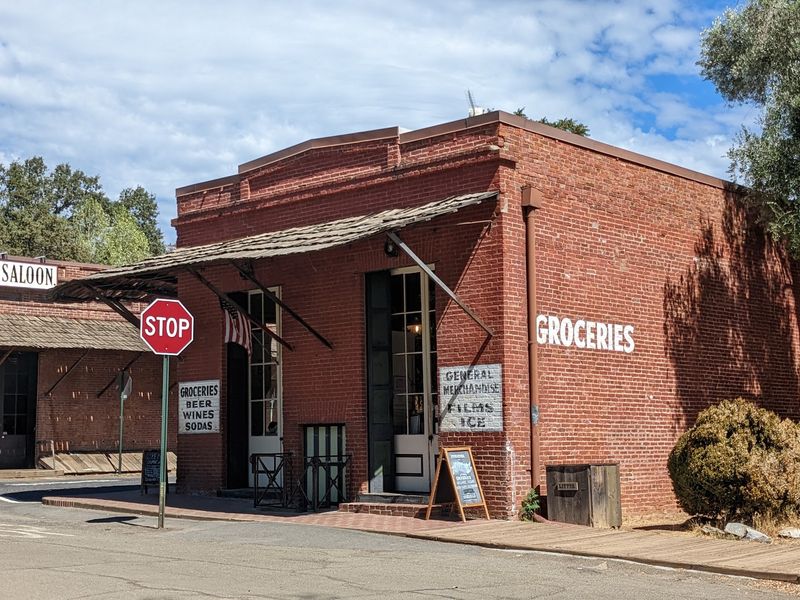
Busy does not even begin to describe the town just two years after gold appeared.
By 1852, more than 150 stores, shops, saloons, and other businesses were operating here, based on California State Parks history. That is a huge number for a place that started as a muddy mining camp.
Miners needed food, tools, boots, and clothing, so merchants rushed in to sell them. Banks, hotels, bookstores, and even a newspaper soon joined the mix.
Churches and firehouses also appeared as families began to settle down.
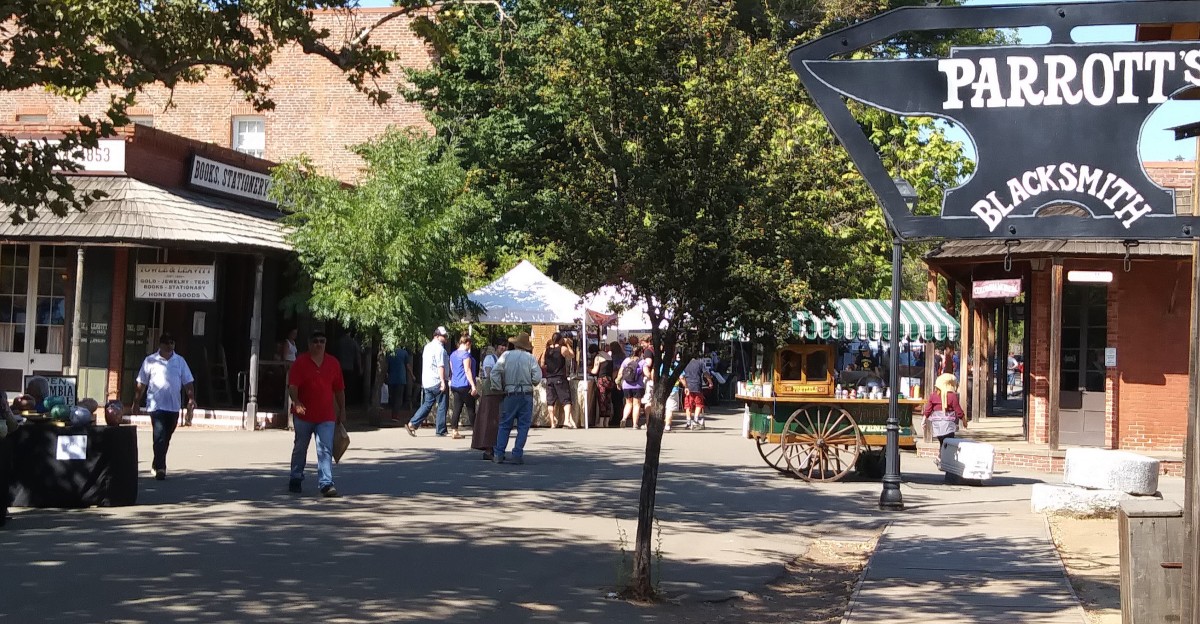
A walk down Main Street today gives a small taste of that busy past. Painted signs hang above doorways, and wooden boardwalks creak softly underfoot.
Many storefronts look much like they did when miners shopped for supplies.
Here is a fun way to explore the street.
Try counting how many different kinds of shops still stand side by side, then think about how crowded the street once felt with 150 businesses competing for attention.
Reading the small plaques and signs near the buildings can also help. They explain what each building was used for long ago.
A Mining Camp That Grew Into A Major City
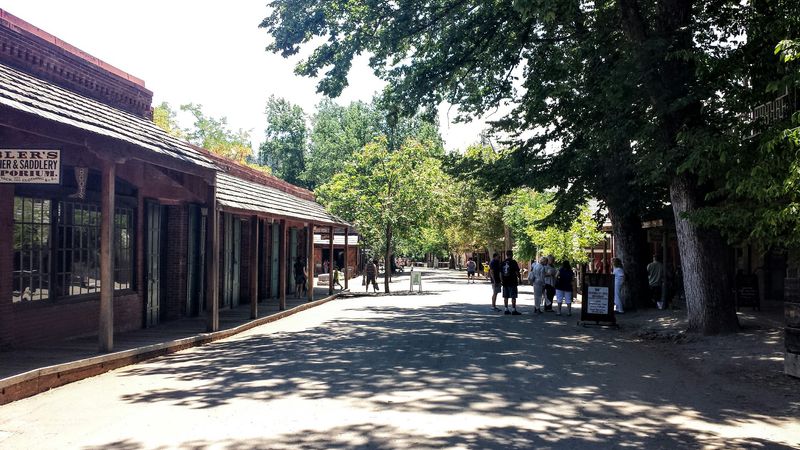
Picture a population bigger than many small cities today, all packed into a gold camp.
By 1853, the estimated population of Columbia had reached somewhere between 25,000 and 30,000 people, according to California State Parks.
That made it one of the largest cities in California during the Gold Rush years. Compare that with the 2020 census, which counted about 2,577 people living in the area.
The difference shows just how wild those early years must have been.
Streets would have been crowded with miners, merchants, wagons, and animals. People came from many parts of the world hoping to strike it rich.
Different languages, foods, and customs mixed together in one busy place. Not everyone found gold, but many found work running shops, cooking meals, or hauling supplies.
Today the town feels calm and quiet by comparison. Birds chirp in the shade trees, and footsteps echo softly on the boardwalks.
That peaceful mood can make the old numbers even harder to believe.
For a fun moment of perspective, stand at one end of Main Street and look down its length. Then try to think of thousands of people squeezed into that space.
It is a simple way to feel the size of the Gold Rush without reading a single textbook.
Real Gold Rush Buildings, Not Copies
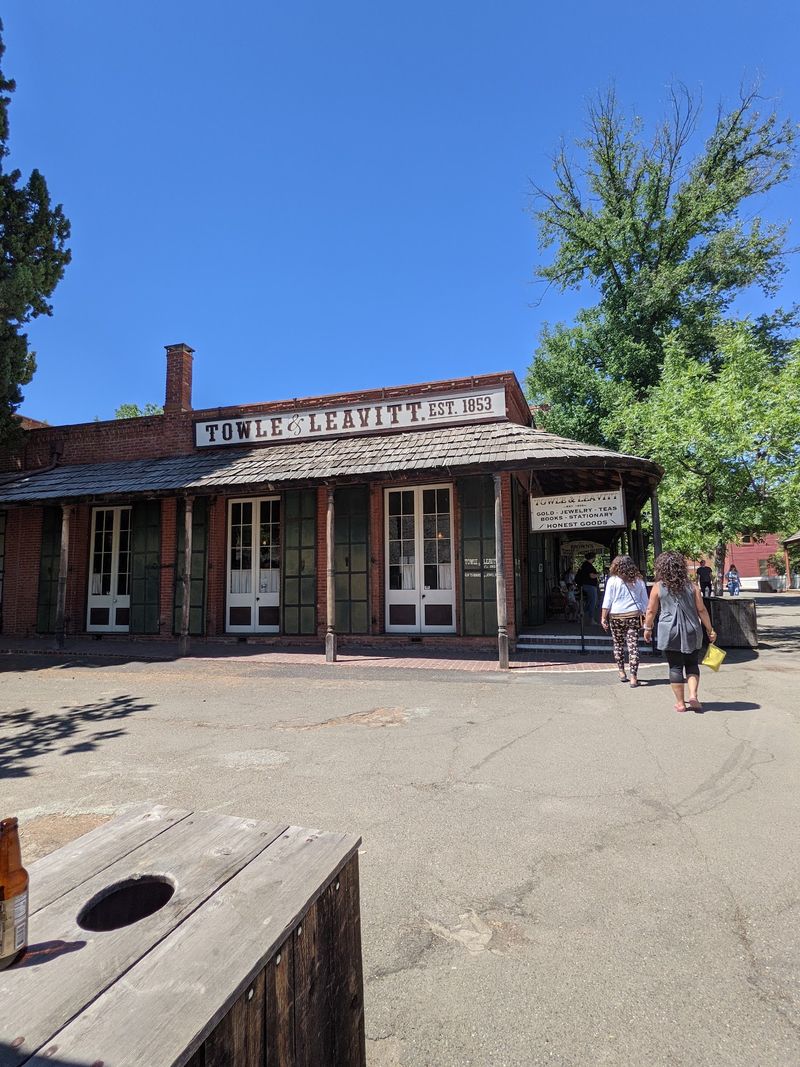
Plenty of theme parks build fake old towns, but the buildings here are the genuine article.
Columbia State Historic Park holds the largest collection of Gold Rush-era structures in California, according to the PORTS program run by California State Parks.
The park sits at 11255 Jackson Street, Columbia, CA 95310, and it wraps around the historic downtown.
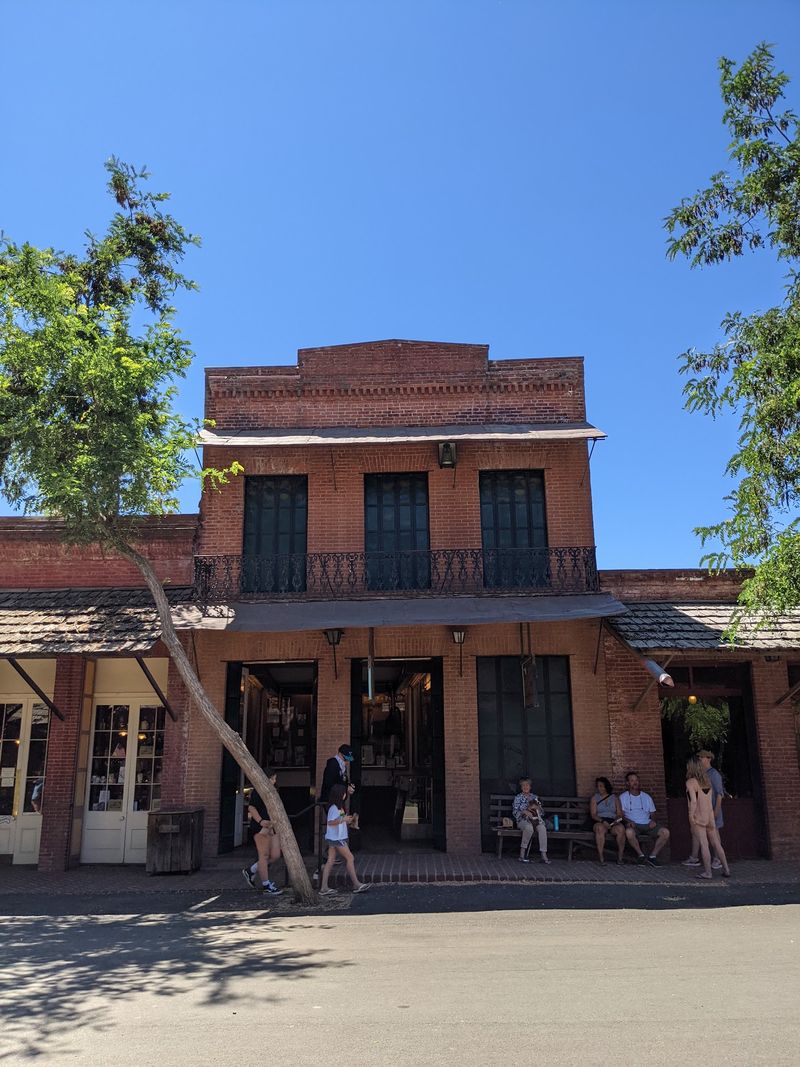
Many of the brick walls, wooden porches, and shutters date back to the 1850s. Touching a rough brick wall here means touching something built during the Gold Rush itself.
Rain, sun, and time have softened the colors, giving the walls a warm, faded look.
Some buildings lean a little, and some floors dip in the middle. Those small quirks are part of what makes them feel honest and real.
Visitors should remember that these structures are old and sometimes fragile. Staying off railings and keeping hands gentle helps protect them for future guests.
Photography lovers might enjoy the way morning or late afternoon light hits the brick. Shadows from iron shutters and porch posts can add nice detail to pictures.
Taking time to notice those textures can make the visit feel richer and more personal.
Stagecoach Rides Still Roll Through Town
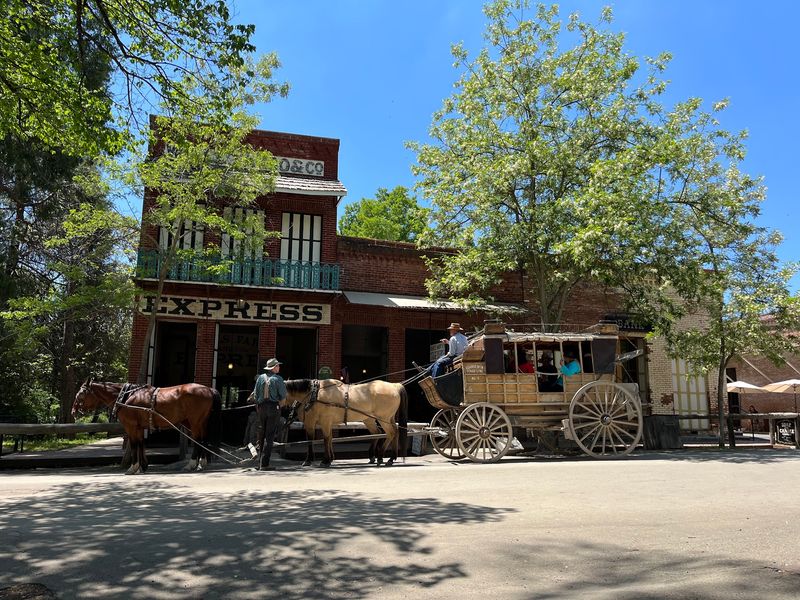
Clip, clop, creak, and sway are the sounds of travel the old-fashioned way.
Columbia Stage Line and Stable offers stagecoach rides in the historic park, according to California State Parks.
Rides depend on the season and the weather, so checking ahead before a trip is a smart move.
Climbing aboard a stagecoach is a fun way to feel what travel was like long ago. The wooden seats are firm, and the coach rocks gently as the horses pull along the dirt road.
Passengers often get a good view of the trees and the countryside as they roll. It can be a little bumpy, which is part of the adventure.
Back in the 1850s, stagecoaches carried passengers, mail, and sometimes gold between mining towns. Trips could take hours or even days over rough roads.
A short ride today offers just a taste of that experience, without the long, dusty journey.
Families with young kids might enjoy watching the horses up close before or after the ride. Remember to stay calm and quiet around the animals, since sudden noises can startle them.
An 1861 Schoolhouse Still Welcomes Students
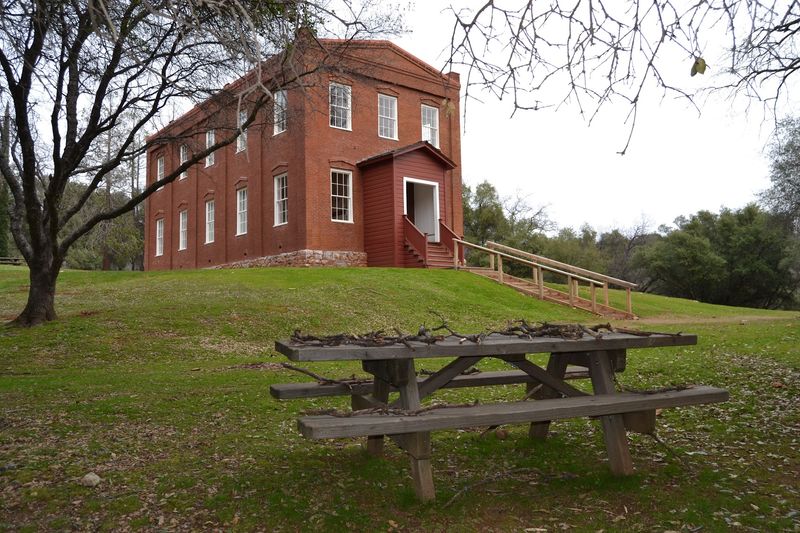
Rows of wooden desks and a chalkboard wait quietly inside a brick building on the edge of town.
The Old Columbia Schoolhouse is a two-story brick school built in 1861, according to California State Parks.
The schoolhouse sits on Schoolhouse Street a short walk from the main business district, inside Columbia State Historic Park at 11255 Jackson Street, Columbia, CA 95310.
Living-history programs here recreate what a nineteenth-century classroom was like.
Kids may get a chance to see how lessons worked long before computers or tablets. Students back then often used slates instead of paper notebooks.
The building feels peaceful compared with the busier streets downtown. Tall trees shade the grounds, and the walk there gives legs a nice stretch.
Visitors who enjoy quiet spots might find this one of the calmest corners of the park.
Program times can vary, so checking the park schedule ahead of time is helpful. Even without a program running, the outside of the schoolhouse is worth seeing.
For families, comparing school then and now can spark fun conversations. Ask kids which rules they would like or dislike from an old classroom. Their answers might be surprisingly funny.
Shops And Treats Keep The Streets Busy
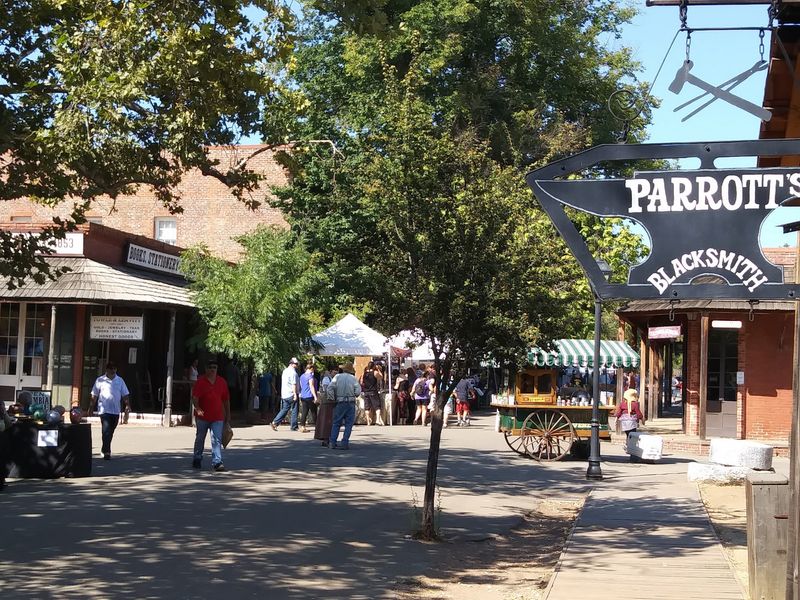
Sweet smells drifting from a candy counter might be the first clue that the old town is still open for business.
Visitors can find candy, coffee, meals, shops, live performances, and more inside the historic district, according to California State Parks.
That mix keeps the streets feeling active instead of empty or museum-like.
Shopping here feels different from a mall. Wooden floors creak, doors may stick a little, and shelves sit inside buildings that are more than 150 years old.
Many shop workers may dress in period clothing, which adds to the old-time feeling.
Grabbing a snack and resting on a shady bench can be a nice way to slow down.
People-watching from the boardwalk is surprisingly relaxing. Horses, families, and the occasional costumed worker often pass by.
Live performances may also be part of the experience at certain times.
Schedules and shop hours can vary by season and day, so some places might be closed during a visit. Bringing a small budget for treats or souvenirs can help avoid surprises.
Supporting these businesses also helps keep the historic district lively. Every purchase is a small part of keeping the town going.
A State Park Helped Save It All
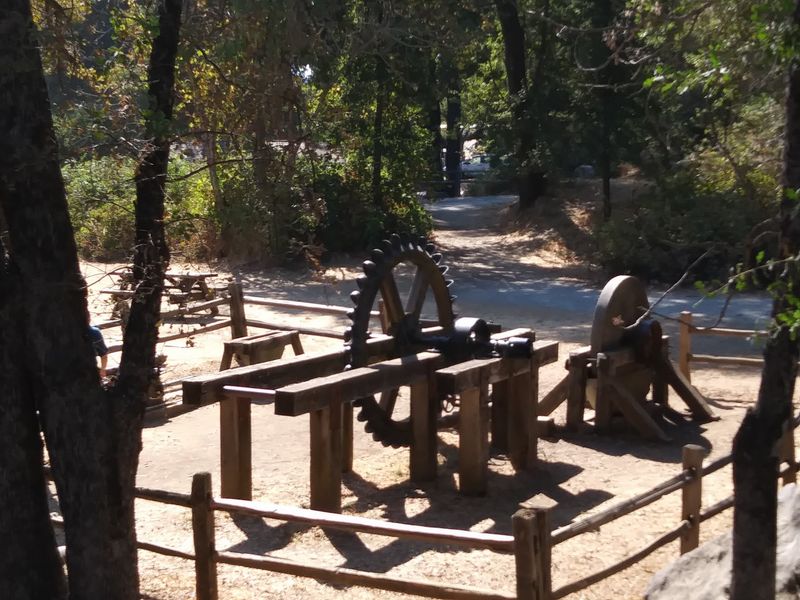
Protection came at just the right time for this old mining town.
California established Columbia State Historic Park in 1945 to preserve a representative Gold Rush town, according to California State Parks.
The park’s address is 11255 Jackson Street, Columbia, CA 95310, and it covers much of the historic downtown.
Without that decision, many buildings might have been torn down or changed over the years. Modern growth often replaces old structures with new ones.
Becoming a state park helped make sure the town kept its Gold Rush look.
Preservation is not a one-time job. Old brick, wood, and iron need regular care to stay safe and standing.
Park staff and volunteers help keep buildings, programs, and grounds in good shape.
Visitors can help too, in simple ways. Following posted rules, staying on paths, and treating buildings gently all make a difference.
Throwing away trash properly also keeps the streets clean for the next guests.
The park was created decades after the Gold Rush ended, yet it still captures that era clearly.
Walking these streets today is possible because people long ago decided this history was worth saving for everyone.