10 North Carolina Towns That Have Lost The Most Residents In Recent Years
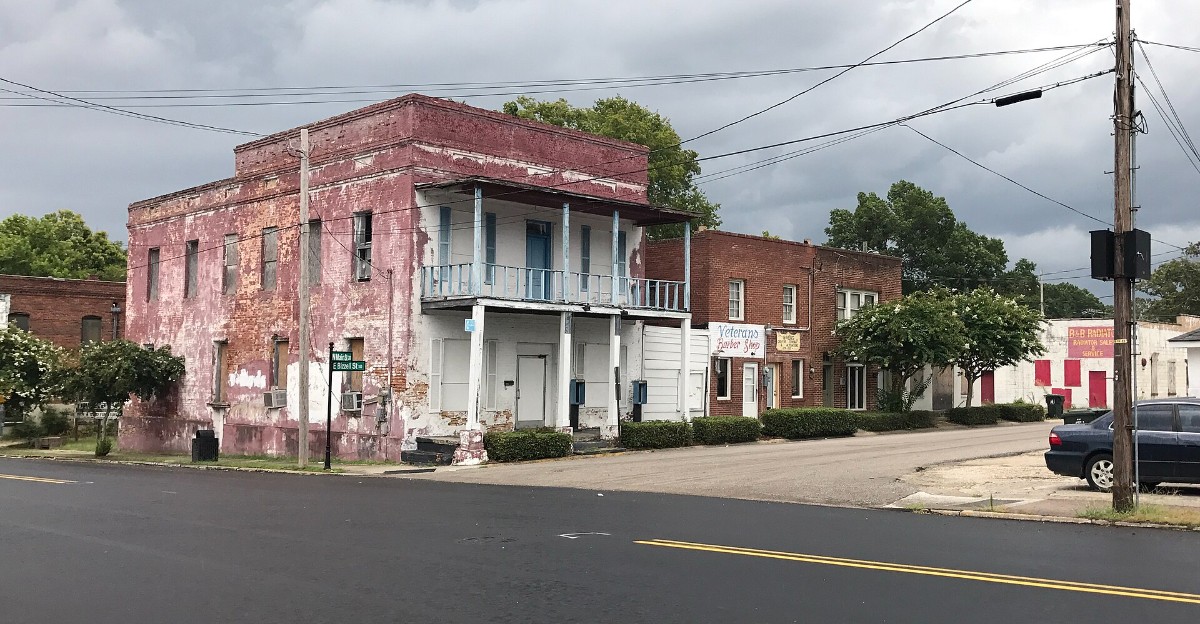
Not every North Carolina town is getting bigger.
Fresh population estimates show that several communities have quietly lost residents in recent years, creating a very different story from the state’s booming suburbs.
The numbers may be shrinking, but that does not mean these places are fading away. Main streets still open for business.
Local traditions still fill the calendar. And plenty of familiar gathering spots keep giving people reasons to stick around.
In a state obsessed with growth, these towns offer a more complicated picture.
Sometimes fewer residents simply mean there is more room to notice what has been there all along.
10. Windsor
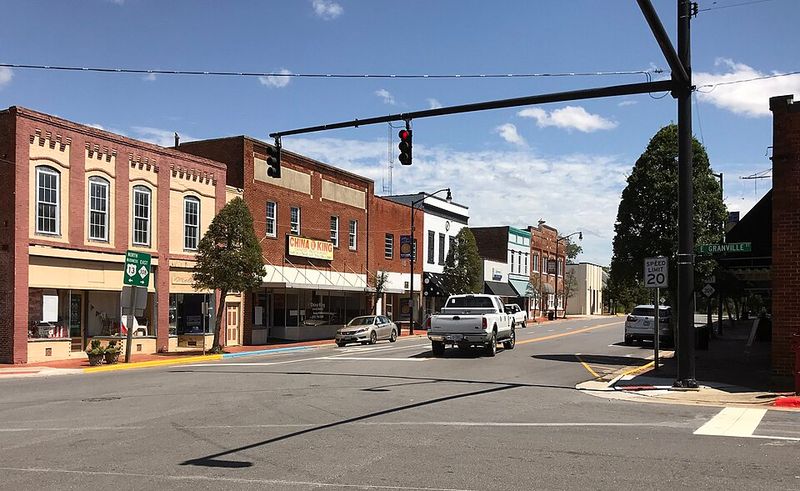
Windsor belongs on this list based on the latest state estimates.
The Bertie County seat fell from 3,575 residents in 2020 to 2,860 in 2025, a drop of 715 people, or 20 percent.
The Cashie River gives the town a scenic outdoor focal point.
Start near the waterfront, where a boardwalk follows the river toward the Roanoke-Cashie River Center. Inside, exhibits explain the ecology and history of the Albemarle estuary.
The town says the center also offers canoe rentals and pontoon boat rides.
Nearby Livermon Park & Mini Zoo adds playground equipment, picnic areas, restrooms, and a small collection of animals.
The park and mini zoo are free to visit. Craving a sit-down meal?
Heritage House Restaurant at 1303 S King St remains a local stop for breakfast and Southern-style comfort food.
History fans can also look beyond downtown.
Historic Hope Plantation sits about five miles from Windsor, while the Sans Souci Ferry offers a scenic Cashie River crossing farther out.
Check current museum, ferry, and boat schedules before building the day around them.
With the river, park, history, and local food close by, Windsor gives travelers several reasons to stop rather than simply pass through.
9. Wadesboro
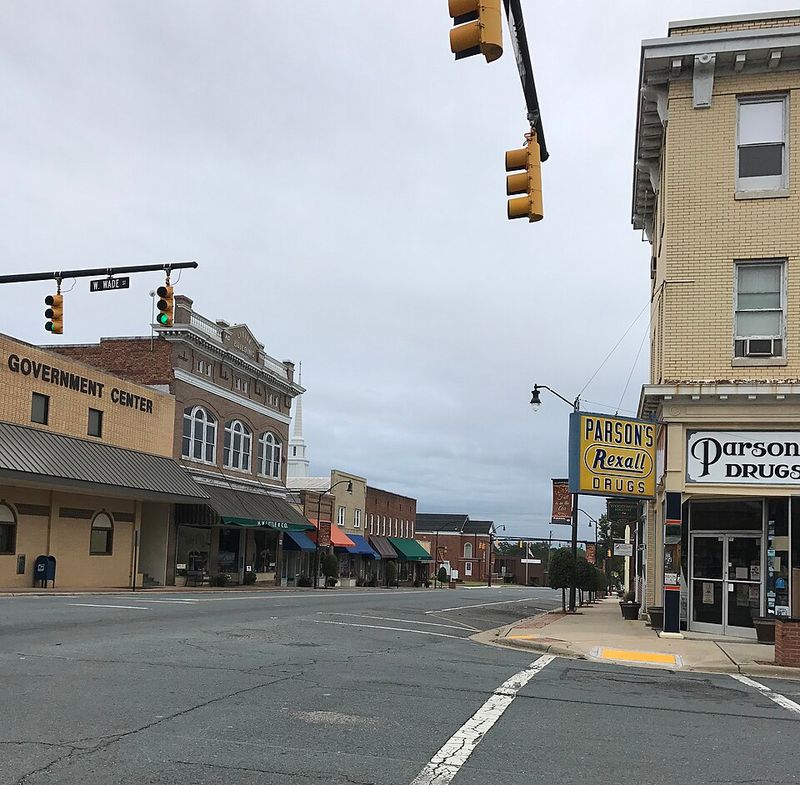
Comfort food practically rules the menu in this Anson County seat.
The town counted 175 fewer people in recent estimates, dropping from 5,031 to 4,856.
Even so, the dining scene feels surprisingly big for a place this size.
Wadesboro’s uptown blocks are lined with quaint buildings that make a slow stroll feel like a trip back in time. Look up and you will spot old cornices, tall windows, and painted trim.
A good place to start your walk is 124 E Wade St.
A short drive away, Oliver’s Hometown Restaurant at 925 S Main St serves a traditional American menu with rotating lunch and dinner specials.
You might find frog legs, oysters, Thai noodles, and double cheeseburgers on the same table, with homemade ranch and gator bites drawing plenty of attention. For soul food, Oasis Kitchen and Cafe dishes up hearty plates and classic breakfasts like creamy grits and eggs.
Mama Noi’s on Salisbury Street offers fresh Asian dishes, wings, and burgers, plus outdoor seating on pleasant days.
Ladybug Family Restaurant at 1208 E Caswell St rounds things out with home-style breakfast, lunch, and dinner.
Come hungry, pace yourself, and save room for a second meal before heading home.
8. Plymouth
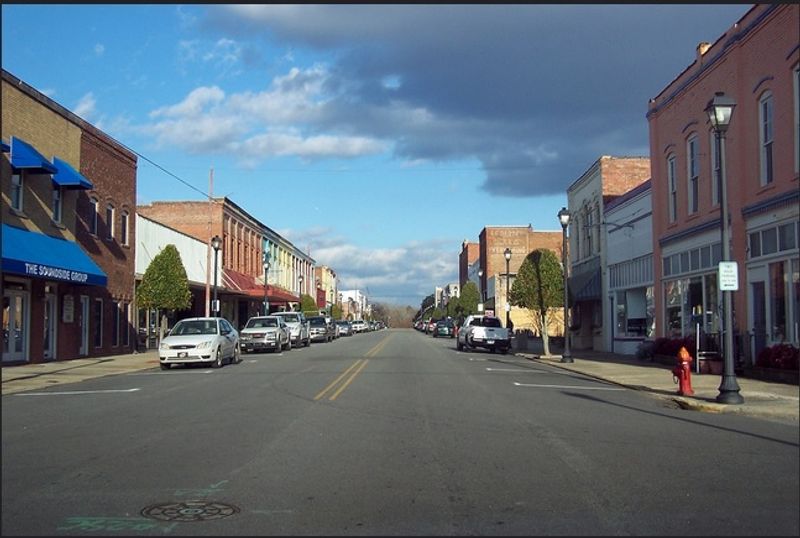
A wide, dark river curls past the quiet waterfront, with cypress trees standing knee-deep along the banks.
That is the scene that greets travelers in this Roanoke River town.
Fewer people live here now, though, as numbers fell by 192, from 3,315 to 3,123.
Plymouth wears its history close to the water. Water Street runs near the river, and its older buildings hint at days when boats carried goods up and down the current.
Begin your visit at 124 E Water St.
Farther east along the waterfront, the Port o’ Plymouth Museum at 302 E Water St preserves Washington County history in a restored 1923 train depot.
Its exhibits focus especially on the Battle of Plymouth, Civil War artifacts, and the CSS Albemarle, including a working scale replica moored behind the museum. Outdoors, the river sets the mood.
Morning fog often lifts slowly off the surface, and herons glide low looking for breakfast.
Pack a picnic, find a bench near the water, and listen to the gentle lap of small waves.
Here is a fun idea for families: bring a notebook and sketch the river at different times of day.
The colors shift from silver to gold to deep blue as the hours pass, and every page will look different.
7. Kinston
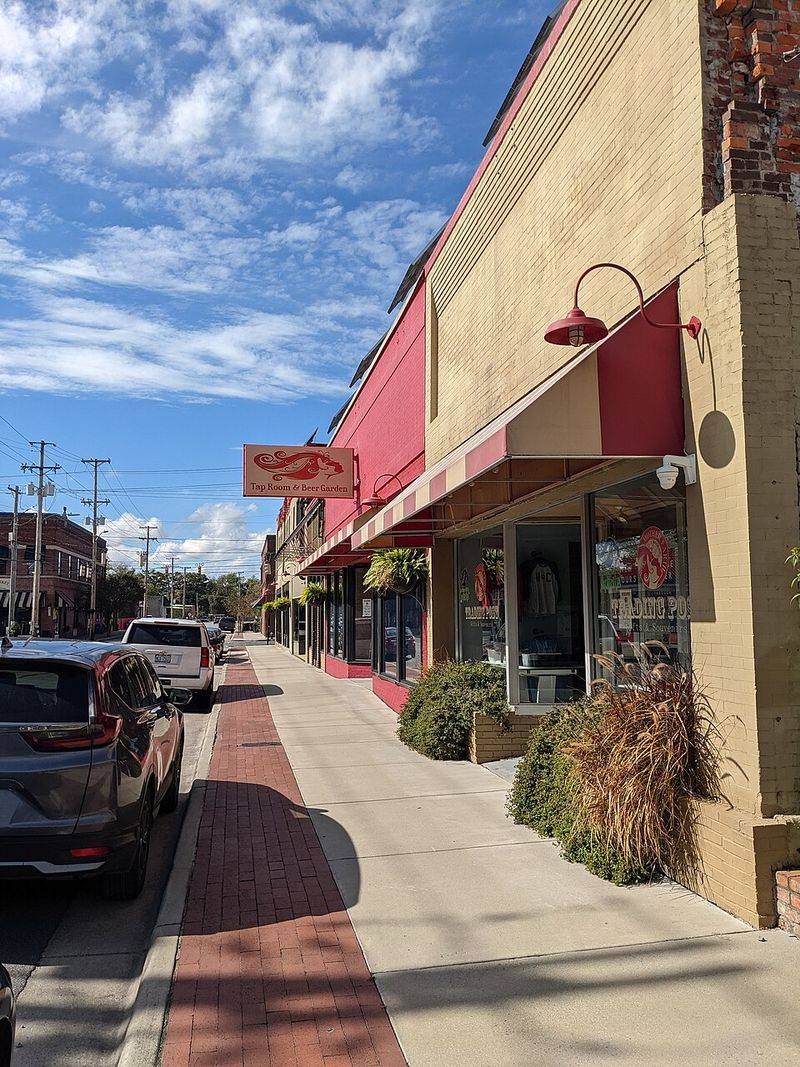
Food lovers have whispered this town’s name for years, and for good reason.
Kinston has become a true culinary hub in eastern North Carolina, even as its population dipped by 201, from 19,808 to 19,607. History runs deep at Lovick’s Cafe, a family-owned spot serving diners since 1941.
Its famous Doughburger and homemade pies taste like a slice of the past, and the cafe sits at 320 N Herritage St. For a downtown starting point, aim for 207 E King St.
Chef and the Farmer brings a modern twist to Southern cooking.
Flash-fried collards arrive crisp and salty, while tomato pie tastes rich and summery.
Over at The Boiler Room Oyster Bar, local oysters and crispy fried chicken keep things relaxed.
Wood-fired pies at Sugar Hill Pizzeria come out bubbly and lightly charred. Middle Grounds Coffeehouse offers an artsy corner for seasonal blends and a quiet break.
Between meals, visit the CSS Neuse Interpretive Center to learn about a Civil War ironclad ship.
Kids can splash around at Lions Water Adventure, and the unusual Flue art installations make for fun photos.
6. Rockingham
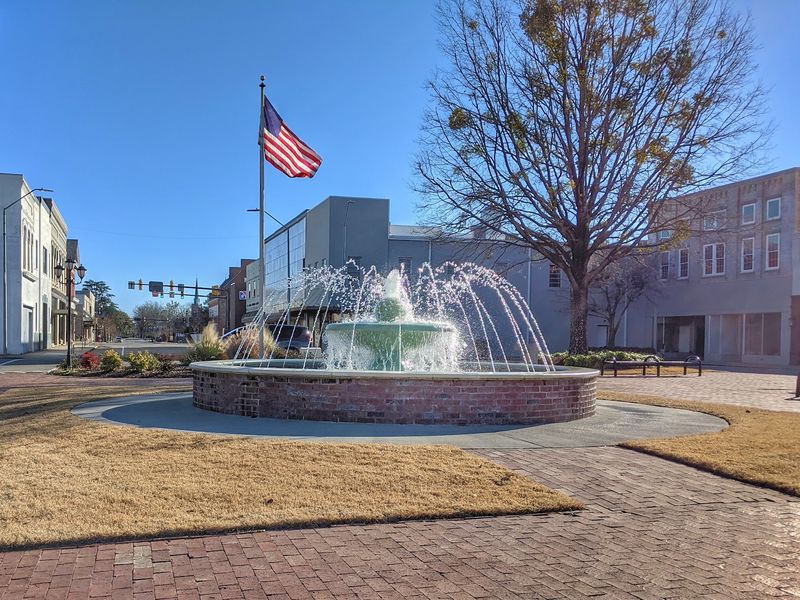
Old textile mills once hummed day and night across the Sandhills, and that working spirit still shapes the streets here.
Recent counts show a loss of 225 residents, sliding from 9,246 to 9,021.
Rockingham mixes small-town comfort with easy outdoor fun. Many travelers head first toward the main road into town, and 514 Rockingham Rd makes a convenient reference point.
From there, local parks and eateries are only a short drive away.
Lunch is simple and satisfying at Hudson Brothers Deli, found at 115 South Lee Street.
Stacked sandwiches with fresh fillings make a great fuel stop.
Around the region, you can also hunt for Southern home cooking, bakeries, pit-cooked barbecue, and fluffy cat head biscuits as big as a fist. Hitchcock Creek is one of the city’s signature outdoor areas.
Its 14-mile Blue Trail is primarily a paddle route, while nearby Hinson Lake offers almost three miles of improved walking trails.
Families can head to Hinson Lake for walking trails, fishing, picnic tables, and a 300-foot footbridge.
Richmond County tourism also lists Castlewood Park among nearby recreation options.
Few places in this corner of North Carolina pack so much open space into such an easy afternoon.
5. Ahoskie
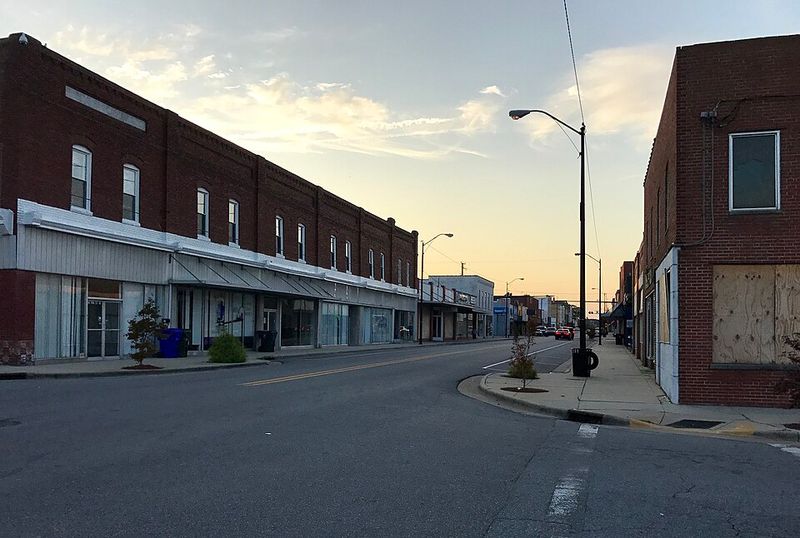
Flat farmland stretches toward the horizon in every direction, and the sky here feels enormous.
This peaceful community sits on the inner coastal plain, where fields of crops roll right up to the edge of town.
Ahoskie lost 284 residents in recent estimates, falling from 4,874 to 4,590. Even with fewer people, the town still has gathering spots that bring neighbors together.
One of the most useful is the Ahoskie Public Library at 210 E Church St.
Libraries in small towns do far more than lend books.
They host story hours, offer free internet, and give kids a cool, quiet place to read on hot summer days.
Stopping in is a great way to learn about upcoming community events. The pace here is slow in the best way.
You might hear tractors humming in the distance, catch the smell of freshly turned soil, or watch the sun sink low and orange behind tall pines.
Planning tip: road trips through the region pair nicely with a stop here.
Use the town as a calm break on the way between the coast and nearby river towns, and bring snacks for the scenic drive.
4. Murfreesboro
Here is a surprising number: about 15.7 percent.
That is how much this little town shrank, dropping 411 residents from 2,614 to 2,203.
For a place so small, that is one of the sharpest percentage declines on this list.
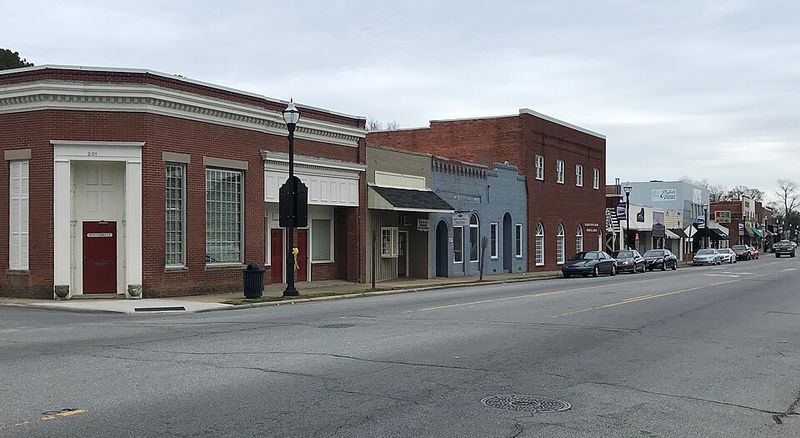
Murfreesboro still holds tight to its past. The Murfreesboro Historical Association works to preserve several old buildings, so walking here can feel like stepping into a living museum.
The B.B. Winborne Law Office & Country Store museum stands at 201 N Fourth St as part of the Murfreesboro Historical Association’s historic-site collection.
General stores were once the heartbeat of rural life.
Families bought flour, fabric, and tools while swapping news with neighbors near the counter.
Browsing one today gives a small taste of that old-fashioned way of shopping. Take time to notice the details.
Weathered wood floors creak underfoot, tall windows let in streams of daylight, and painted signs hint at businesses from long ago.
Visiting in autumn is especially pleasant.
Crisp air, golden leaves, and quiet streets make it easy to wander without hurry.
Wear sturdy shoes, bring a camera, and ask about guided looks at the historic buildings so you can hear the stories behind each doorway.
3. Roanoke Rapids

Who knew a museum could stretch for miles?
The Roanoke Canal Museum and Trail is often called North Carolina’s longest museum, with 7.5 miles of trails showing off 19th-century canal construction and colorful murals.
Roanoke Rapids, a riverside city in Halifax County, dropped 767 residents, from 15,237 to 14,470. Its main avenue still bustles with places to eat and explore.
Start along the strip near 1040 Roanoke Ave.
Just down the road, David’s Restaurant at 1011 Roanoke Ave serves Southern-style home cooking.
Golden fried chicken and meat and three specials fill the plates, and creamy banana pudding finishes the meal on a sweet, cool note.
Breakfast fans should know about Oscar’s Restaurant, open since 1953.
Country fried steak and legendary pork chops keep tables full, and morning plates come hot and hearty.
Need a pick-me-up before hiking? The Daily Grind offers locally roasted coffee and fresh pastries.
Sweet Magnolia Bakery tempts with cupcakes, pies, and cookies that travel well in a backpack.
Then hit the canal trail, where stone ruins and quiet water make history feel close enough to touch.
2. Laurinburg
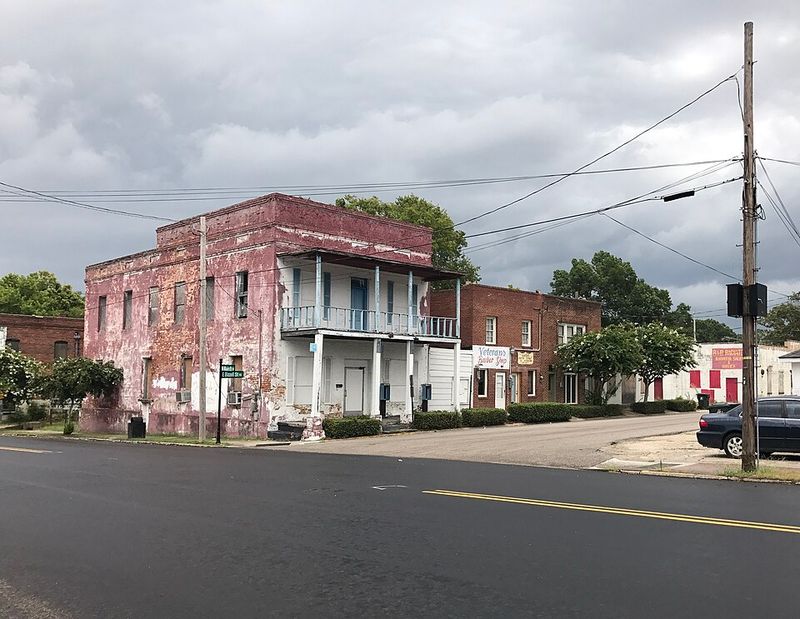
Bagpipes and kilts might not be what you expect in the Carolinas, yet Scottish roots run proudly through this town.
Laurinburg dropped 776 residents in recent counts, from 14,970 to 14,194, but its heritage shines as bright as ever.
Laurinburg’s Scottish heritage reaches beyond a single annual festival. Local history and cultural events continue to make those Highland connections visible around town.
A handy downtown landmark to steer toward is 303 W Church St.
Lunch leans Southern. Fore’s Family Restaurant at 215 S Main Street serves classic sandwiches, barbecue, and salads, while Railroad Bar and Grill at 102 S Main Street offers comfort food for lunch and dinner.
The Scotland County Highland Games are a highlight for many families.
Athletes toss heavy logs called cabers, dancers leap to lively music, and plaid seems to cover every inch of the grounds.
Did you know?
Scotland County earned its name because so many early settlers came from the Scottish Highlands.
Tasting tablet, a crumbly candy a bit like fudge, is a fun way to connect with that history one sweet bite at a time.
1. Jacksonville
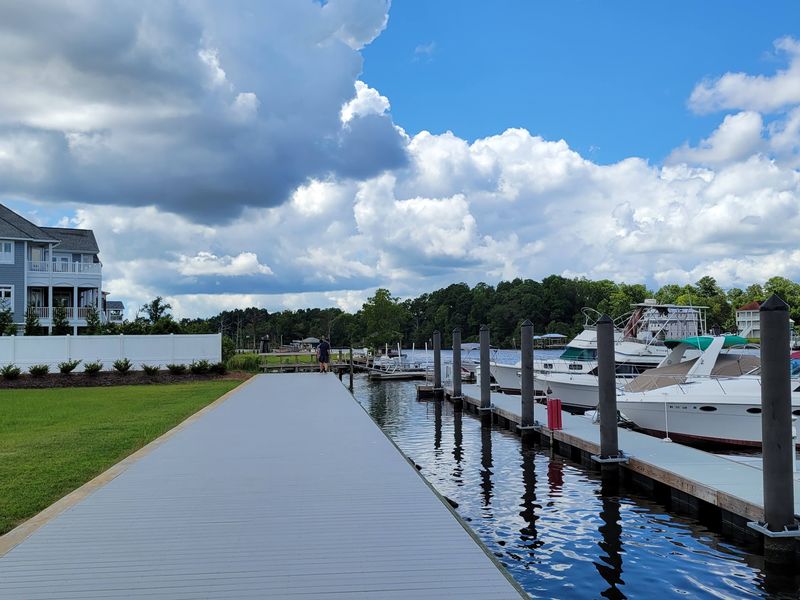
Paddles dip quietly into the New River as the sun drops low, painting the water gold.
Few scenes capture this coastal city better. Jacksonville posted the biggest numeric drop among North Carolina municipalities, losing 1,534 residents and falling from 72,635 to 71,101.
Military families move often, which helps explain such shifts.
Many visitors begin near 815 New Bridge St. Thanks to that military community, the food scene is wonderfully diverse.
The International Food Trail invites travelers to taste flavors from around the world without leaving town.
Jeff’s Burgers, Dogs & Shakes is currently at 2550 Onslow Dr, not its older Lejeune Boulevard location.
The restaurant was featured by Southern Living in 2016 among 50 “Undiscovered Places You’ll Love in the South,” and its current menu still centers on burgers, hot dogs, fries, sandwiches, and shakes.
Marrakesh Mediterranean serves fresh dishes built on locally sourced ingredients, and Southern Harvest Soul Food dishes up hearty homestyle recipes.
For dessert, Ice Cream Shop Paleteria Deya handcrafts Mexican ice cream and popsicles in a rainbow of fruity flavors.
Afterward, rent a kayak or canoe and glide past marsh grass along the river.
Pack sunscreen and water, since coastal sunshine can feel strong even on breezy days.