A Whole Kentucky Town Disappeared Beneath This Lake, And Its Story Still Surfaces Today
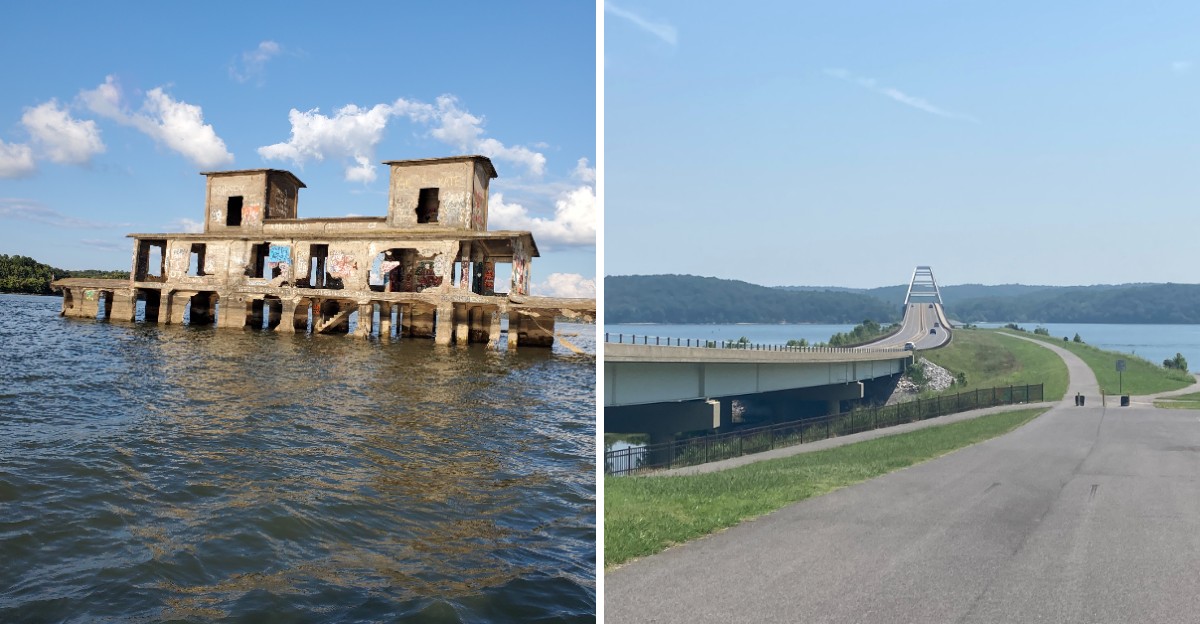
Have you ever stood by a lake and wondered what sits beneath the surface? In one corner of Kentucky, the answer is a whole lot of history.
Long before boats and beach towels arrived, this spot was home to a busy river town. It had churches, schools, hotels, and shops lining its streets.
Families built their lives here for nearly a century. Then a massive dam project came along and changed everything.
By 1944, rising water covered the town completely. Today you can swim, fish, and paddle right above where those streets once ran.
That is a lot to think about while floating on a pool noodle! Former residents and local historians have kept the memories alive for decades.
Their stories make this lake feel a little more magical. So pack your sunscreen, your snacks, and your curiosity.
Let’s dive right into the tale of the town that went underwater.
Meet The Town That Went For A Very Long Swim
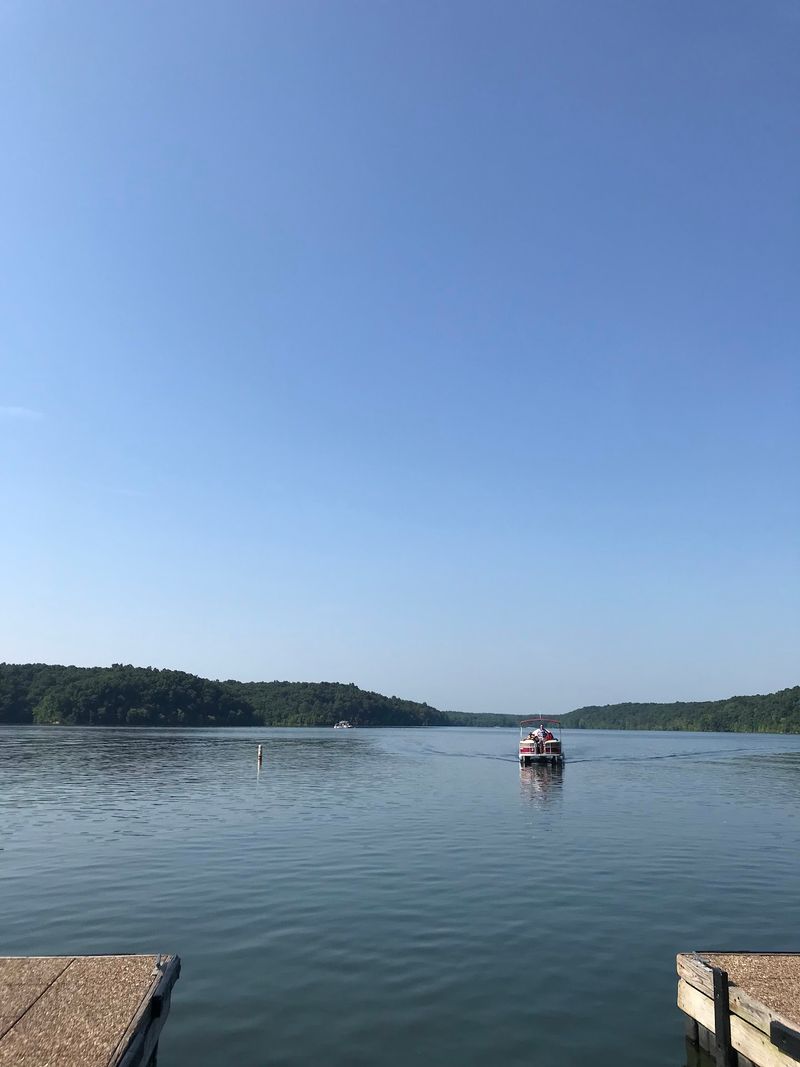
Some towns fade away slowly, but Birmingham chose a far more dramatic exit. The old river port now rests beneath Kentucky Lake.
Founded in 1849, Birmingham sat right on the Tennessee River. Boats came and went, carrying goods and stories up and down the water.
You might expect a forgotten town to be tiny and sleepy. Birmingham was neither of those things for most of its life.
By 1884, it had 322 residents, more than the county seat of Benton. That is a bit like the little sibling outgrowing the big one.
By 1929, about 600 people called Birmingham home. Kids walked to school, families went to church, and neighbors traded news at the general store.
Then the plans for a giant dam changed everything. Within a few short years, the whole town would sit under water.
Today, you can stand on the shore and see only gentle waves. Knowing what lies below makes the view feel a lot more interesting.
So the next time you skip a stone here, think about where it lands. It might settle near an old street where folks once strolled on Sunday afternoons.
A Name Borrowed From Across The Ocean
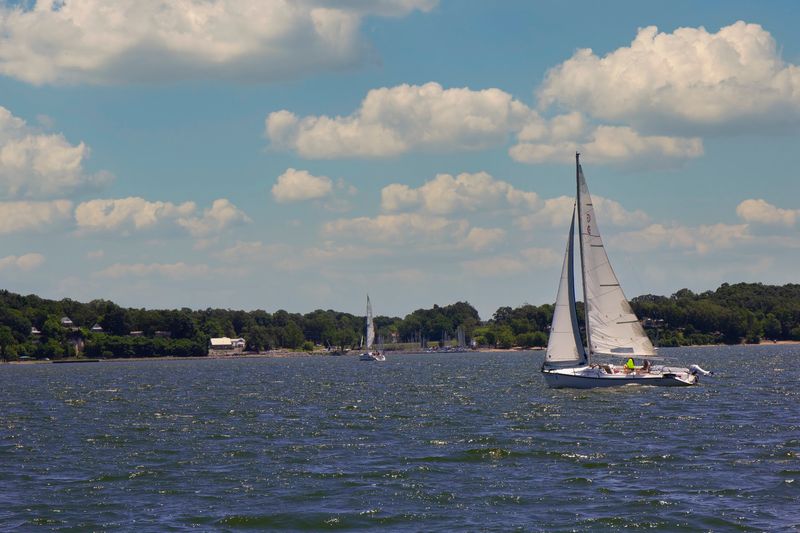
Dreaming big was clearly part of the local culture from day one. British settlers named the town Birmingham, after the famous industrial city in England.
Their hope was simple and bold. They wanted to build a strong iron industry right here along the Tennessee River.
England’s Birmingham was known for factories, metalwork, and plenty of busy workers. Borrowing the name was like wearing a lucky jersey before the big game.
The iron dreams never turned it into a giant city. Still, the town found its own way to thrive as a lively river port.
After the Civil War, Birmingham really started to grow. More families moved in, and more businesses opened their doors along the streets.
The river acted like a highway long before cars took over. Boats brought supplies, carried crops, and connected the town to the wider world.
You can learn a lot about a place from its name. This one tells you the founders were hopeful, hardworking, and not shy about big goals.
Keep that spirit in mind as you explore the lake today. Under the water sits a town that always aimed a little higher than its size.
Main Street Had More Going On Than You Think
Forget the idea of a quiet crossroads with one lonely store. Birmingham’s main streets were packed with places to shop, learn, and gather.
The town had two schools and five churches. For a place of about 600 people, that is a lot of chalkboards and church bells.
Shoppers could choose from four dry goods and general stores. Three grocers kept kitchens stocked with flour, sugar, and everyday basics.
Two millinery shops sold hats, which were a big deal back then. Nobody wanted to show up to church with a plain, boring head.
Two wagon and blacksmith shops kept wheels turning and horses shod. A drug store handled the medicine and probably a few local secrets too.
Visitors had two hotels to pick from. That tells you travelers passed through often, likely thanks to the river traffic.
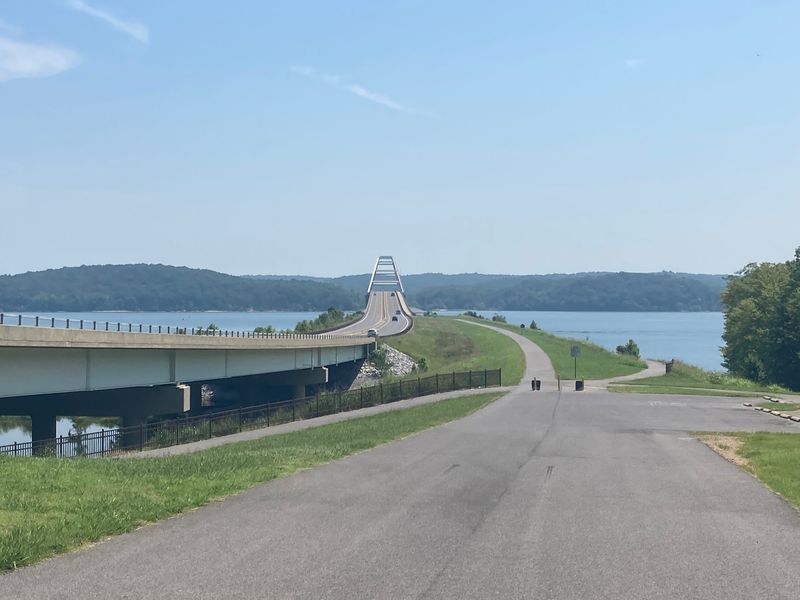
Kentucky Highway 58 ran right through town. It linked up with a ferry that carried people across the Tennessee River.
When you picture all of this now under the lake, it feels almost unreal. A whole busy main street rests quietly where boats now cruise above it.
Five Thousand Workers And One Enormous Faucet
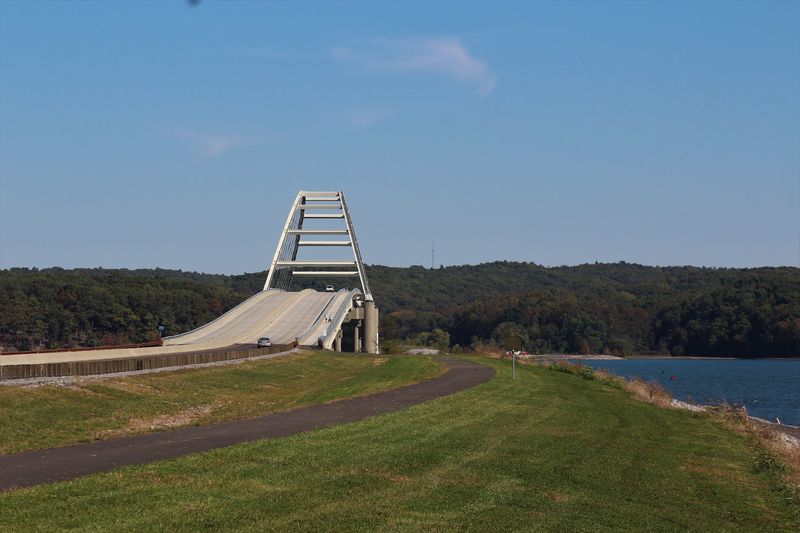
Building a dam this size takes more than a weekend and a few shovels. The Tennessee Valley Authority announced Kentucky Dam in 1938.
Work began on July 1, 1938. It wrapped up on August 30, 1944, when the reservoir started filling with water.
At the busiest point, nearly 5,000 men worked on the project. Imagine the noise, the dust, and the lunch lines.
The dam had three big jobs to do. It would help with flood control, make river travel easier, and produce hydroelectric power.
People often compare Kentucky Dam to a giant faucet. It controls how much water flows downstream, which helps limit flooding on the lower Ohio and Mississippi Rivers.
That faucet keeps working every single day. Towns far away benefit from it, even if they never think about it.
Here is a fun fact to share at dinner. The power that lights homes in the region partly comes from this same water.
When you visit, take a moment to look at the dam itself. It is a reminder that progress sometimes asks a high price from small towns.
Packing Up An Entire Hometown
Moving is hard enough when you only pack one bedroom. Now imagine the whole town getting the same moving notice at once.
Birmingham residents learned they had to relocate before the waters rose. Homes, shops, and churches all sat in the path of the new lake.
Some buildings were torn down. Others were simply left standing, waiting for the water to cover them.
Families also cared deeply about their loved ones’ resting places. Before the lake filled, more than 3,390 graves were carefully moved to higher ground.
Nearby Gilbertsville faced the same problem. The original town sat close to the dam site, so it was moved to higher land west of its old spot.
Birmingham did not get that same fresh start. Officials decided it was too small to relocate as a full community.
So its people spread out to new homes in the region. They took their memories, recipes, and stories with them.
You can still hear those stories from local families today. Many folks in the area have roots that reach back to this lost river town.
Bigger Than Any Lake Anyone Had Built Before
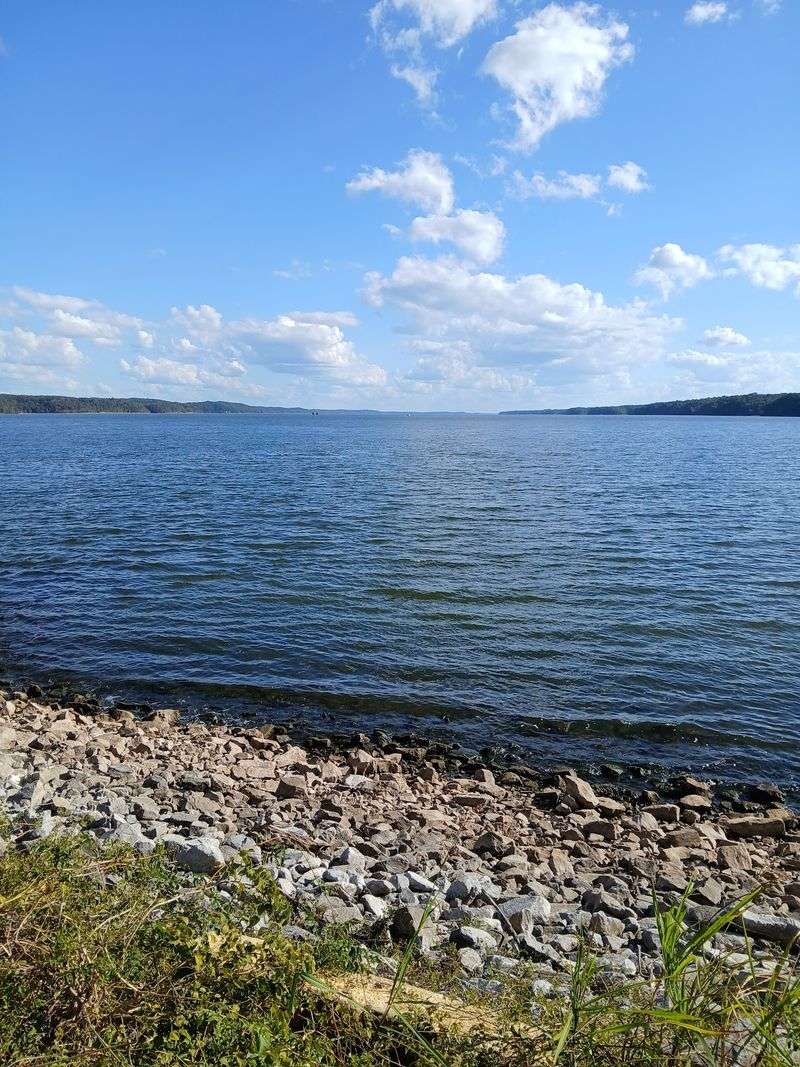
Record books had to make room when this lake filled up. At completion, Kentucky Lake was the largest man-made lake in the world.
It is still described as the largest man-made lake in the eastern United States. That is quite a title for a former river valley.
At its normal top level, the lake covers 160,300 acres. That much water could hold a lot of towns, and it already holds one.
The shoreline stretches about 2,300 miles. You could spend years exploring coves and still find new corners.
The dam backs up the Tennessee River for 184 miles. The lake reaches across western Kentucky and nearly all the way through Tennessee.
For you, this means endless space to play. Kayaks, fishing boats, and swimmers all find plenty of room.
Families love the swimming area near Gilbertsville. Picnics, splashing kids, and dog walks are common sights along the shore.
Sunsets here earn plenty of praise too. The sky turns warm colors and glows across all that open water, making a simple evening feel special.
Winter Pool Is When The Secrets Come Out
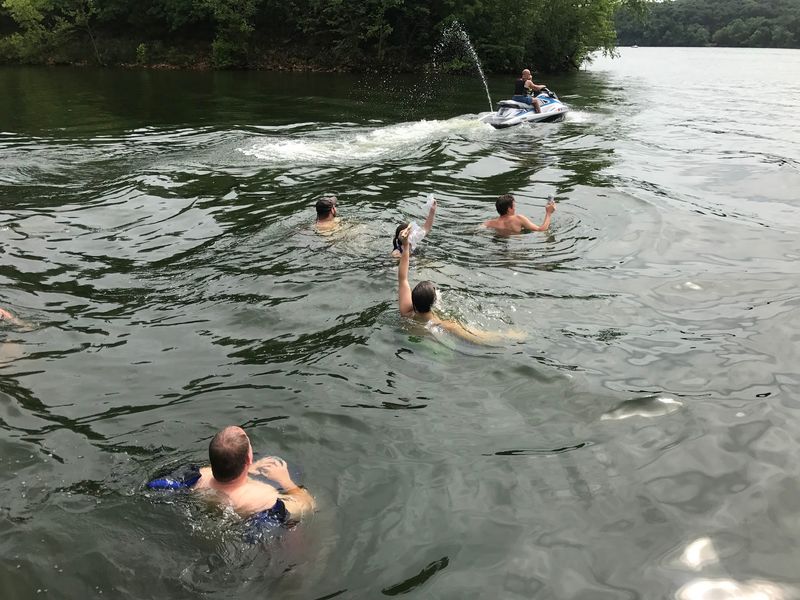
Cold weather brings a surprise that summer swimmers never get to see. Each winter, lake levels drop in what locals call winter pool.
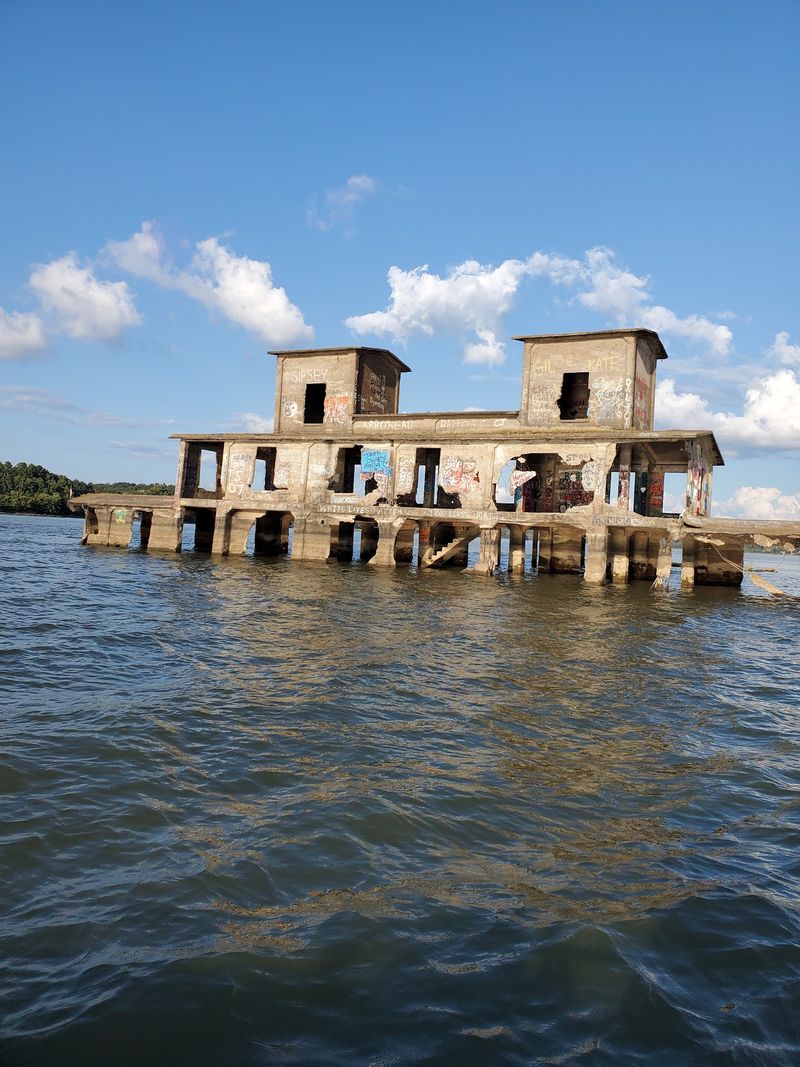
As the water pulls back, old pieces of Birmingham start to appear. Foundations, streets, and access roads slowly rise into view.
Birmingham Point is the best known spot for these sightings. It feels like the town is peeking out for a quick look around.
Since Birmingham was never fully demolished, much of it stayed in place. The water simply rose over it like a heavy blanket.
When levels drop low enough, people can actually walk on the old streets. Few places let you stroll through a town that has been underwater for decades.
Want to try it yourself? Plan your trip for the cooler months and check lake level updates before you go.
Wear sturdy boots, because the ground can be muddy and uneven. Bring a camera too, since the scene feels both eerie and fascinating.
Please leave everything where you find it. These remnants belong to the story, and future visitors deserve the same chance to see them.
Legends Love A Town Under Water
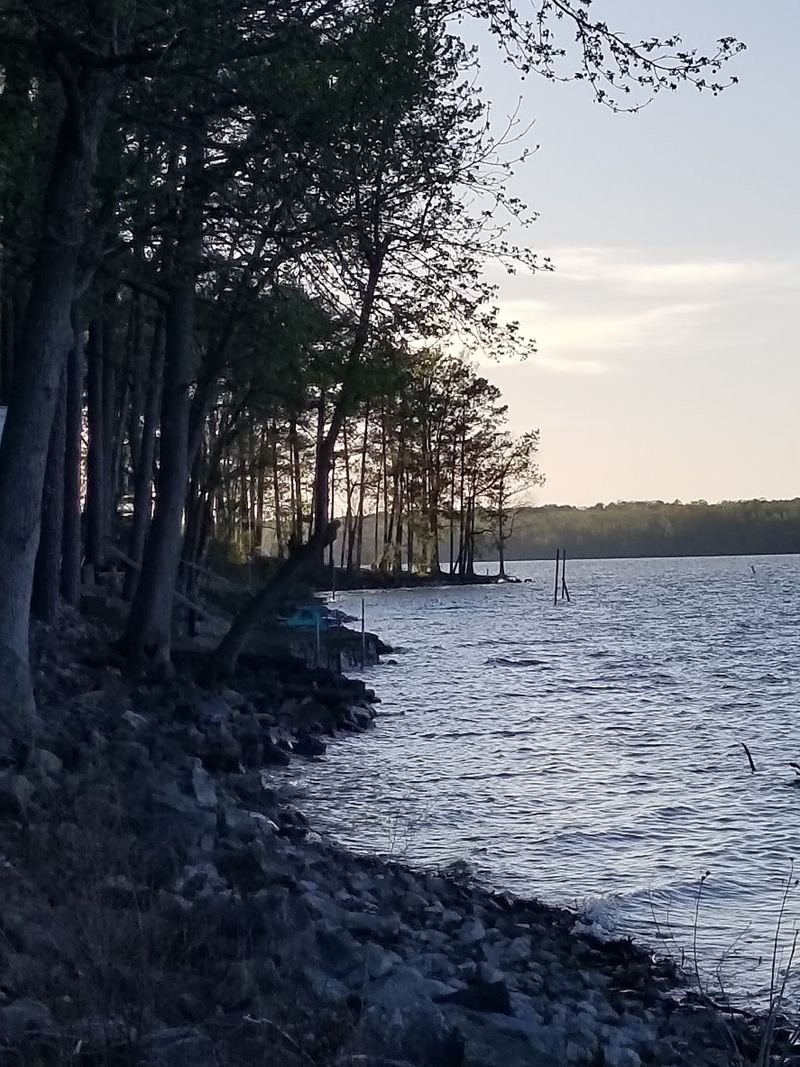
Every good lake needs a great story, and this one has a doozy. Birmingham’s tale adds plenty of lore and legend to the region.
Locals pass down stories about the old town. Some talk about family homes, while others share tales of streets now hidden below.
A foggy morning on the lake makes these stories feel extra real. The mist rolls in, and you can almost picture rooftops beneath the surface.
History buffs enjoy piecing together old maps and photos. They compare them with what shows up during winter pool.
You do not need to be an expert to enjoy the mystery. Just bring curiosity and maybe a good snack for the shoreline.
The lake now offers plenty of everyday fun. Swimming, kayaking, picnics, and peaceful walks keep families coming back year after year.
Visitors give the swimming lake area great ratings. Many simply call it a beautiful spot with lots to do.
So next time you visit, enjoy the water and the views. Just remember a whole town sits below, still quietly sharing its story with anyone who listens.