Locals Say These 10 Connecticut Towns Are Slowly Being Bought Up By Property Investors
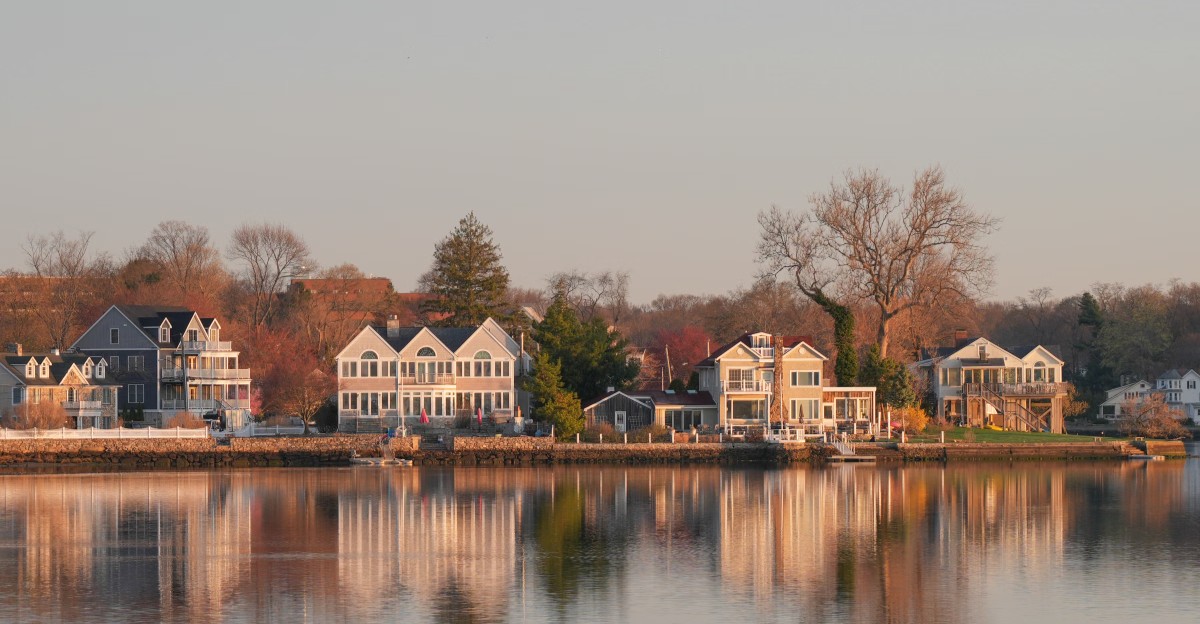
Have you ever noticed how quickly a familiar neighborhood can start looking different? A house goes up for sale, another gets renovated, and suddenly people are wondering who’s buying everything.
It’s a conversation that’s becoming increasingly interesting as property investors look beyond the places you’d normally expect.
In several Connecticut towns, concerns about investor activity are raising questions about who can afford to buy local homes.
What surprised me most was how personal this issue can feel. For longtime residents, it’s not just about property values.
It’s about what their communities might look like in a few years.
Of course, not every property purchase tells the same story. But these ten towns offer an interesting look at why local housing conversations are getting so much attention.
1. Hartford
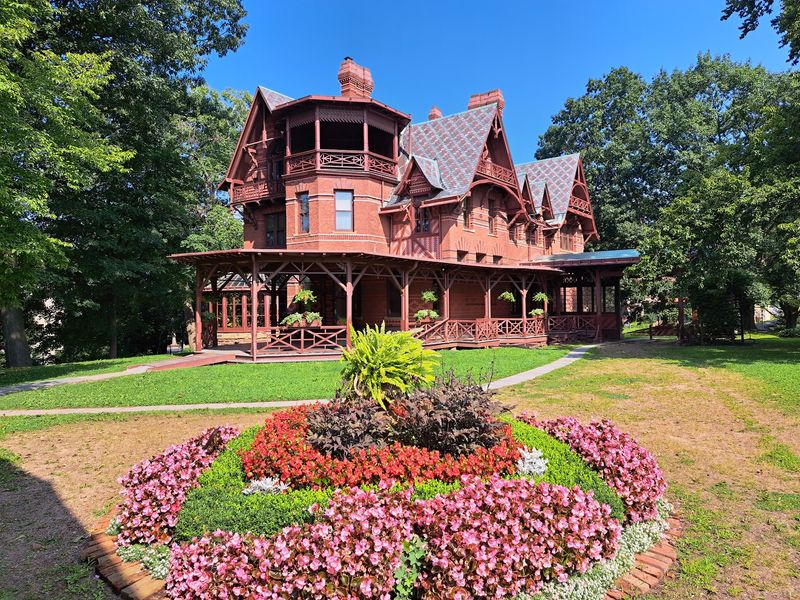
Plenty of Hartford condos have mailboxes here but owners in New York. Some of those owners hold numerous other units across the state.
That detail tells you a lot about how outside money works in the capital city. Out-of-state buyers specifically go after cheapest homes, and Hartford sits right in their sights.
Average home prices landed around $270,000 as of August 2024. That figure makes the city a relatively affordable pick for first-time buyers.
It also puts Hartford in position for real growth as demand for affordable housing keeps climbing.
Now for the twist that makes this story less simple. In the first half of 2026, the Hartford metro area had one of the country’s lowest investor-purchase shares, at just 5.8%.
So how do both things stay true at once? Investors may not dominate the whole metro, yet they cluster around specific condo buildings and bargain listings.
Property taxes add another wrinkle. Tax rates in the Hartford area are known for discouraging new homeowners, which can leave room for buyers with deeper pockets.
If you’re shopping here, look up who owns the other units in a condo complex. A building full of absentee landlords can shape repairs, rules, and your neighbors.
Run the tax math early too. A friendly sticker price can feel different once that yearly bill shows up.
Address: Hartford
2. New Haven

Renters run the show here more than almost anywhere else in the state. In 2024, the New Haven area had a 61% homeownership rate, the lowest among state’s major metropolitan areas.
That number matters for this topic. Fewer owner-occupants usually means more homes held by landlords, and investors love a steady stream of tenants.
Rental options are plentiful too. As of September 2026, the city showed 594 active rental listings, which is a lot of doors for one place.
Prices have been climbing gently rather than sprinting. Forecasts called for a 0.4% rise by September 2024 and a projected 3.5% increase by the end of 2025.
By September 2026, the median listing price reached $334,500. That’s still within reach for many buyers, especially compared with pricier towns nearby.
Urban perks are a big draw. Investors know people want to live close to the action, so city homes tend to rent quickly.
Thinking about buying your first place here? Check whether a home has been a long-term rental, since that history can reveal deferred upkeep.
Also ask how many nearby houses are owner-occupied. A block full of renters isn’t bad, but it changes the feel of a street over time.
Address: New Haven
3. Bridgeport,

Blink and that Bridgeport listing might be gone. The city’s market is competitive, with homes often selling quickly and above list price.
Out-of-state buyers are actively targeting state’s most affordable homes here. When local families and outside investors chase the same small houses, bidding gets intense.
Oddly enough, growth forecasts weren’t flashy. Predictions called for only 0.2% home price growth through November 2024, which means modest returns on paper.
So why the rush? Investors often care less about fast appreciation and more about buying cheaply and collecting rent month after month.
Supply gives you a little breathing room. As of September 2026, Bridgeport had 367 homes listed for sale.
That’s more choice than some smaller towns on this list offer. Still, the good deals tend to vanish fast, so hesitation can cost you.
Get your mortgage preapproval done before you even start touring. Sellers here may pick the buyer who looks ready, and cash investors already look very ready.
Consider writing a clean offer with fewer extra requests. You can’t always outspend an investor, but you can be easier to say yes to.
Bridgeport rewards the prepared buyer. Treat house hunting like a race with paperwork, because in this city it pretty much is.
Address: Bridgeport
4. Waterbury

Here’s a city that loves owning its own front door. Waterbury posted the highest homeownership rate among state metro areas, at 68.8% in 2024.
That makes its spot on this list a little surprising. Out-of-state buyers are still targeting Waterbury’s lowest-value homes, so the two trends are bumping into each other.
Think of it as a tug-of-war. On one side, longtime residents who own and stay.
On the other, outside buyers scooping up the cheapest listings.
The market itself is competitive. Low prices pull in first-time buyers and investors alike, and both groups want the same affordable houses.
Why should you care if you live nearby? Bargain homes are often the ones that turn into rentals, and a few changes can shift a neighborhood’s mix.
For now, Waterbury’s strong ownership rate gives it a solid base. Keeping that base depends on whether local buyers can win those entry-level homes.
Shopping here? Look closely at homes priced near the bottom of the market, since that’s where outside competition shows up most.
Be ready to move quickly on a place you like. In Waterbury, owning still feels like the local tradition, and you can join it if you act fast.
Address: Waterbury
5. New Britain
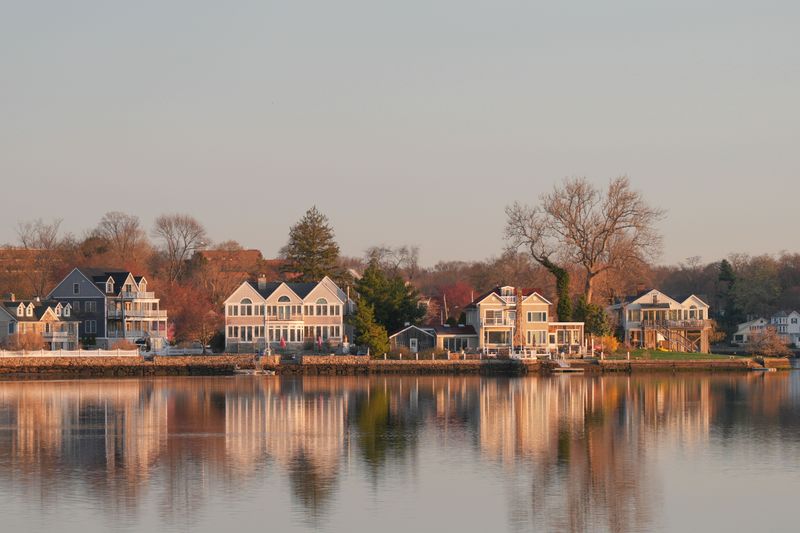
New York has a crush on New Britain. Between April and June 2026, New Yorkers were the most frequent out-of-state searchers looking to move there.
You can see why. The median home price sits about 9% below the overall state median, and that gap looks huge to big-city eyes.
Prices are moving, though. As of September 2026, the median reached $350,000, up 6.0% from a year earlier.
Homes sell after a median of 36 days. It’s a seller’s market, meaning more buyers want homes than there are homes to buy.
The long view is the real eye-opener. From 2015 to 2024, median home prices jumped about 46.0%.
Median household income rose about 29.7% from 2009 to 2025. Paychecks simply haven’t kept pace with house prices.
Rent is climbing too, just more slowly. Home prices are rising about 4.4% a year, while rent is rising about 3.6%.
That gap can make renting look tempting for now. Yet it also means waiting to buy could get more expensive each year.
If you’re a local buyer, set alerts for new listings and tour early. Competing with motivated New York shoppers means being first through the door.
Address: New Britain
6. East Hartford

They call it the crossroads of New England for good reason. Major highways meet near East Hartford, and that easy access draws buyers fast.
How fast? Homes spent a median of just 24 days on the market as of September 2026.
More than 71% of homes sold above list price. That’s the kind of number that makes a buyer’s palms sweat.
Median sale prices rose 8.1% year over year to $330,000 over the three months ending September 2026. The median listing price was $299,900 that same month.
Notice that gap? Homes are listing below where they end up selling, which tells you bidding wars are common.
The town splits fairly evenly between owners and renters. About 60% of residents own, while 40% rent.
That renter share creates steady demand for landlords. Investors watching commuter-friendly towns tend to notice places like this.
Affordability is a mixed bag. A poll found that 45% of residents consider housing in East Hartford affordable, suggesting mixed opinions about local housing costs.
Planning to buy? Budget above the asking price from the start, so a bidding war doesn’t knock you out of your comfort zone.
Address: East Hartford
7. Manchester
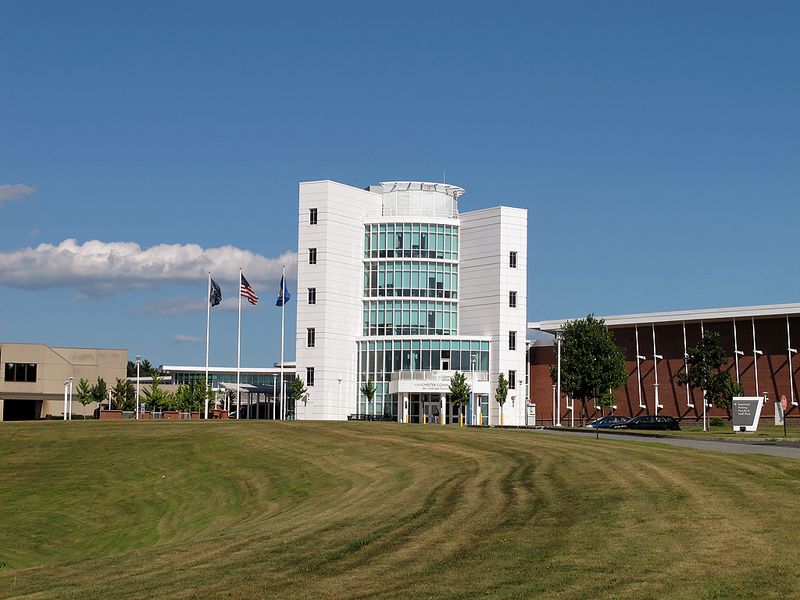
Sixteen days. That’s the median time a Manchester home stayed on the market as of September 2026.
Redfin gave the town a Compete Score of 93 out of 100. Few markets in the state run that hot.
Over 81% of homes sold above list price, and homes receive about three offers on average. Bring your patience, but leave your hesitation at home.
Median sale prices rose 4.3% to $339,000 over the three months ending September 2026. The median list price hit $349,450, up from $324,900 in 2025.
Supply is tightening too. Active listings dipped 1.54% from the month before, giving buyers even fewer choices.
Rentals tell a similar story. Median rent sits at $1,800 a month, up 2.06% year over year, which points to steady demand.
Steady rent is music to an investor’s ears. When tenants keep showing up, rental homes look like reliable income.
For regular buyers, this market takes strategy. Line up your inspector and lender before you start touring.
Be honest with yourself about your limit too. In a three-offer town, knowing when to walk away saves you from buyer’s remorse later.
Address: Manchester
8. Hamden

Hamden is sending mixed signals, and that’s what makes it fascinating. Its median listing price dropped 5.38% to $360,000 as of September 2026.
Yet single-family homes told another story. By February 2026, they reached a median of $451,000, a 17.8% jump from the year before.
Homes are sitting longer now. The median time on market hit 50 days in September 2026, up 77.05% from a year earlier.
Inventory grew 20.7% compared to September 2025. More listings and slower sales usually mean a little more room to negotiate.
Still, it’s officially a seller’s market. Buyer demand continues to outpace available housing, so don’t expect giveaways.
Renters are feeling the heat most. Median rent climbed to $2,400 a month, up 6.67% year over year.
Rising rents attract investors like a porch light attracts moths. Strong rental income can make a slower sales market look like a buying opportunity.
For you, the cooling trend could be helpful. Homes sitting longer may welcome a fair offer below asking.
Ask your agent how long a specific house has been listed. A home past the 50-day mark might have a seller ready to talk.
Address: Hamden
9. West Haven

Renters in West Haven finally caught a break. Median rent dropped 8.58% year over year to $2,100 a month as of September 2026.
Buyers weren’t so lucky. Median sale prices rose 7.8% to $400,000 over the three months ending September 2026.
Nearly 66% of homes sold above list price. The median listing price reached $374,000, a 5.01% increase from the year before.
Affordability is a real concern. In August 2026, the typical home required $28,554 more than the median local income.
The city is nearly split down the middle. About 51% of residents own their homes, while 49% rent.
Supply is tight on both sides. Owner and rental vacancy rates sit below stable targets, and the city needs 1,093 more housing units over five years.
That shortage is a big reason investors take interest. When housing runs short, owning rentals looks like a smart long-term bet.
There’s a small bright spot for shoppers. The for-sale count rose 8.59% in a month, reaching 157 homes in September 2026.
Homes sell after a median of 40 days. That gives you a bit more time to think than in faster Connecticut towns.
Address: West Haven
10. Stratford
Imagine opening your assessment letter to an 80% bump. Stratford’s 2025 revaluation found residential assessments rose by that much on average.
That surge says a lot about demand. Median sale prices climbed 5.0% to $492,000 over the three months ending September 2026.
The median list price jumped too. It reached $497,687 in September 2026, up from $425,000 in 2025.
Sales volume rose 22.5% year over year as of September 2025. More transactions point to an active housing market, although they don’t necessarily reveal how many buyers are investors.
Nearly 60% of homes sold above list price. Homes spend a median of 50 days on the market, so the pace is steady rather than frantic.
It’s still a seller’s market. There are more prospective buyers than available homes.
Inventory offers some hope. Total monthly inventory rose 8.8% compared to September 2025, with 147 active listings and 16 new ones.
Stratford also shows 837 listed properties, including 8 in foreclosure. Foreclosures are rare here, but investors watch them closely.
If you already own, review your new assessment and check how the town’s updated tax rates affect your bill. If you’re buying, Stratford shows how quickly property values and housing costs can change.
Address: Stratford