This Massive Connecticut Nursery Has 35 Greenhouses, Affordable Plants And An Old-School Cash-Only Policy
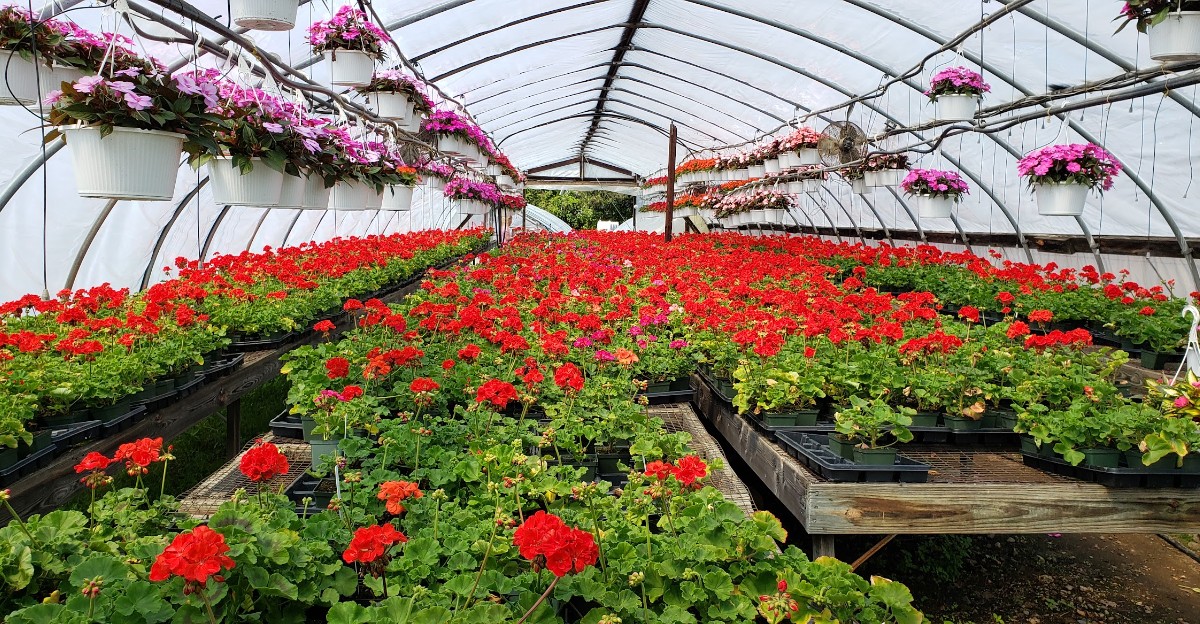
Thirty-five greenhouses. That’s enough to make a plant lover forget what they originally came to buy.
And possibly how much room they actually have at home.
A sprawling Connecticut nursery combines an enormous greenhouse operation with affordable plants and a decidedly old-fashioned cash-only policy.
That last detail is worth remembering before arriving with nothing but a credit card.
But the scale of the place is what really gets me curious.
Think about how many plants can fit into 35 greenhouses. Even a quick browse could become a surprisingly ambitious outing.
And finding reasonably priced greenery makes the temptation to buy another plant considerably harder to resist.
Of course, not every bargain belongs in your garden.
Still, there’s something entertaining about a nursery where your biggest problem might be deciding which plants you can realistically carry home.
1. Thirty-Five Greenhouses Means You Should Wear Comfy Shoes
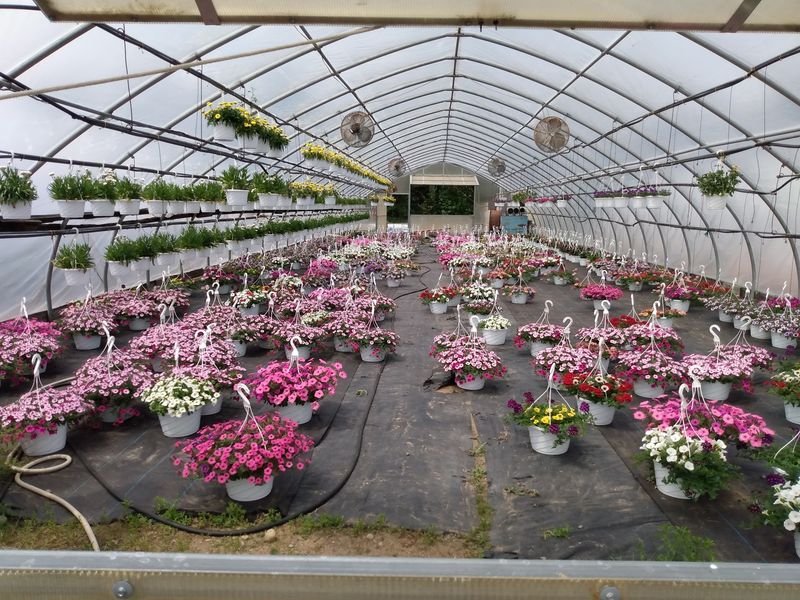
Thirty-five greenhouses. Yes, thirty-five!
That’s a serious amount of space for growing plants, and it’s the kind of number that makes an ordinary garden center seem tiny.
The growing operation here covers an impressive area, with rows of plants waiting for their turn in someone’s garden.
Glendale Farms in Milford has been growing plants for generations, and its greenhouse operation has expanded considerably over the years.
The family-run business dates back to 1917, but its greenhouses are what really catch your attention today. Recent advertisements describe around 200,000 square feet of growing space, filled with hundreds of plant varieties.
That means plenty of choices for gardeners. You can shop for colorful annuals, vegetable plants, hanging baskets, and seasonal flowers without making several stops.
The farm serves individual shoppers and wholesale customers, so its growing operation supports home gardens as well as larger commercial orders.
And there’s no need to squeeze your visit into a Saturday. The advertised greenhouse hours are 8 a.m. to 5 p.m., seven days a week, including holidays.
Bring a shopping list, but leave some room for unexpected discoveries.
One practical tip: carry a sturdy box if you’re buying several plants. Keeping those little pots upright on the drive home makes the whole trip easier.
2. Better Grab Some Cash Before You Head Over
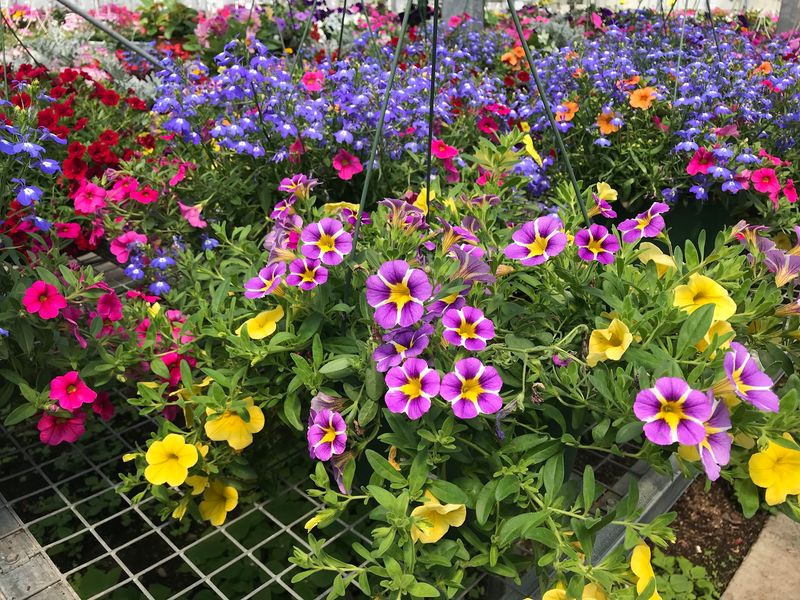
Here’s a rule that feels straight out of your grandparents’ era. Retail purchases at Glendale Farms are cash or check only.
No tapping a card. No phone wallet.
Just good old paper money or a checkbook, if you still own one.
That might sound inconvenient at first. Yet it fits a farm that has stayed in one family for three generations and kept things simple along the way.
A little planning solves everything. Stop at an ATM before you arrive, then set a budget you can stick to.
Cash also helps with a classic garden problem. When you only bring a certain amount, you’re less likely to fill the car with plants you have no room for.
Of course, that plan only works if you resist the sight of hanging baskets. No promises there.
Bring a bit more than you think you’ll spend. Running short at the counter while holding a flat of geraniums is a sad little moment nobody needs.
Consider this your friendly reminder. Wallet first, then the car keys.
3. Your Garden Budget Might Stretch Further Than Expected
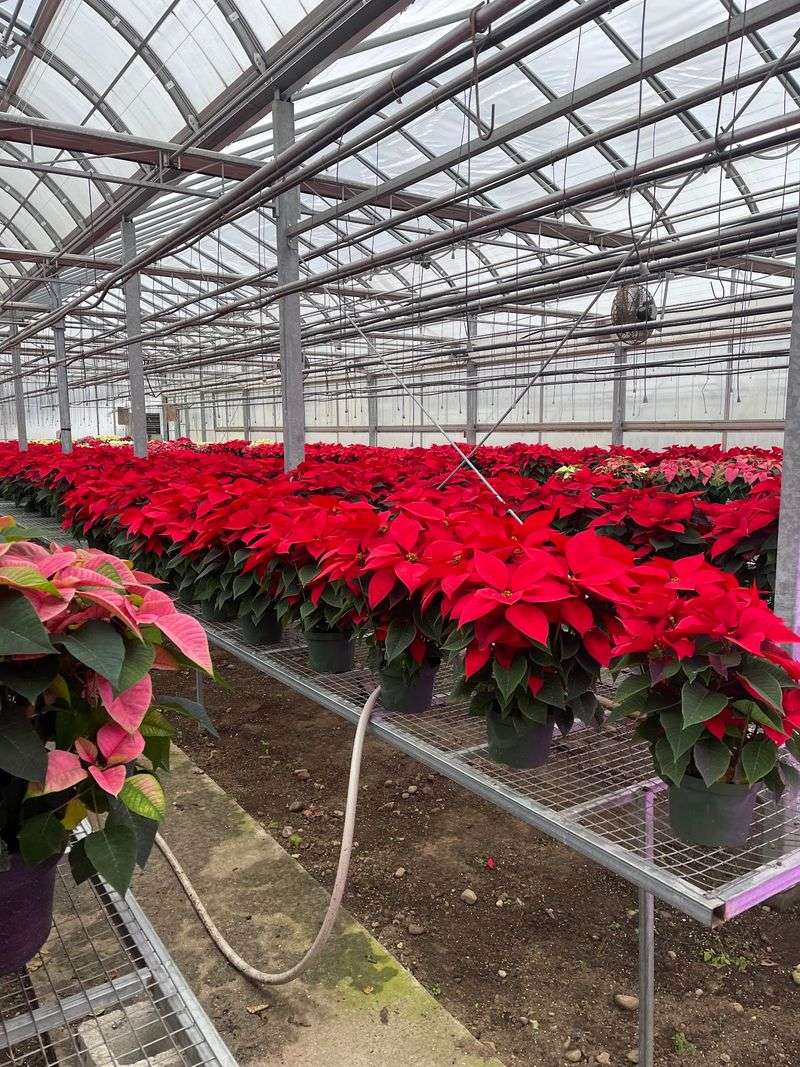
Big box stores may have flashy displays, but Glendale Farms often wins on price. The farm is widely described as inexpensive compared with larger garden centers and chain stores.
Why the difference? The family grows its plants right here in Milford and sells direct, rather than reselling plants grown somewhere else.
Fewer middle steps usually mean friendlier prices. It also means the plants haven’t spent days riding around on a truck before reaching you.
Timing can help even more. The farm sometimes runs seasonal deals, such as half-off annual flowers, so it pays to keep an eye out.
Buying by the flat is one smart move for big projects. If you’re filling long borders or several window boxes, flats make the math work in your favor.
Gardeners on a tight budget get extra breathing room here. You can try new colors without feeling like every experiment costs a fortune.
Just remember the cash rule from earlier. Affordable plants only stay affordable if you don’t buy the whole greenhouse.
4. A Family Story That Began Back In 1917
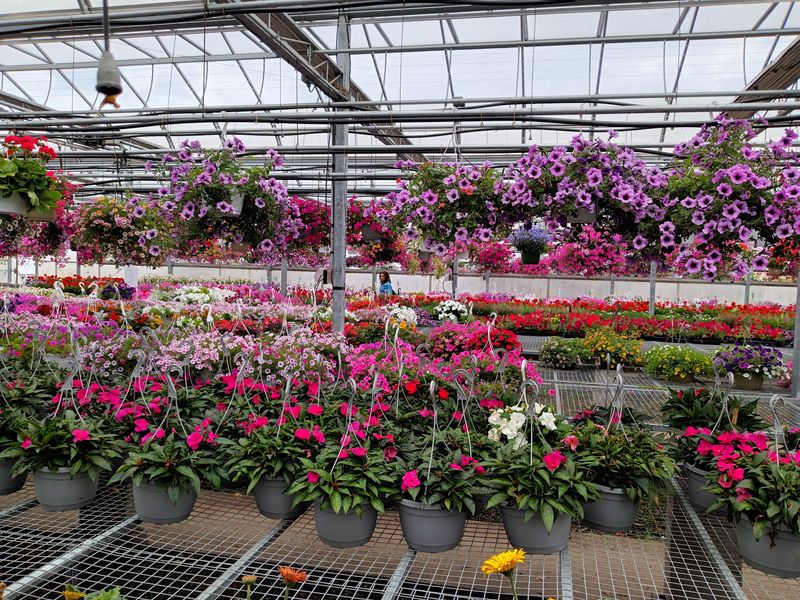
More than a century ago, in 1917, this family farm put down roots in Milford. Today, the third generation keeps it growing.
Back in the 1950s, it worked as a truck farm. The family raised vegetables, tended an apple orchard, and kept various livestock.
The animals were phased out by the late 1950s. Then in 1959, the first plastic-covered greenhouse went up, which turned out to be a big turning point.
Greenhouse growth took off in the 1960s on the old apple orchard site. During that same decade, the farm also became one of state’s largest bean producers.
Bean fame! Not every nursery can say that.
Change came again in the 1980s. Much of the farmland was lost to development, as happened to many farms in the area.
Instead of fading away, the third generation shifted focus. They poured their energy into expanding the greenhouses, which led to the huge operation you see today.
Knowing that history makes each flat of flowers feel a little more special. You’re buying from a farm that adapted and kept going.
5. Over 300 Varieties Could Make Choosing Tough
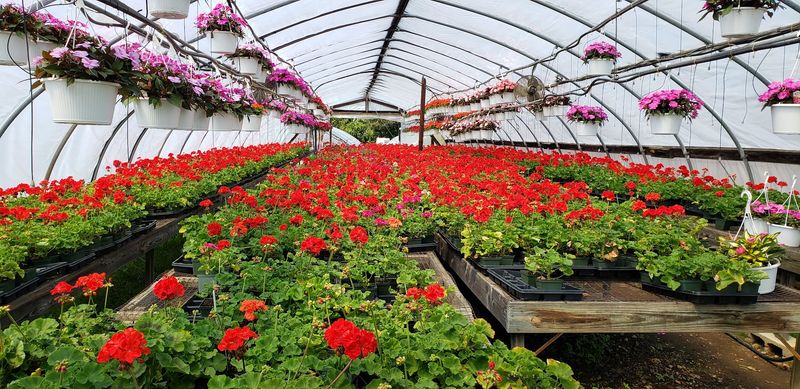
Indecisive shoppers, consider yourselves warned. The growers raise more than 300 varieties of plants every season.
The lineup includes annuals, vegetable plants, and ground covers. You’ll also find hanging baskets, potted plants, and geraniums, a longtime garden favorite.
Vegetable gardeners get plenty to work with too. Picking up seedlings saves you weeks of waiting compared with starting everything from seed.
Ground covers deserve some love as well. They fill bare patches, soften edges, and help a yard look finished without much fuss.
One tip makes shopping easier. Know your sun and shade before you go, since that single fact narrows your choices fast.
Also think about height and color together. A tall plant in back, medium in the middle, and trailing flowers in front creates a full look in pots.
Hanging baskets are an easy win for porches. They give instant color with almost no planning, which is perfect for anyone short on time.
Still stuck after all that? Pick what makes you smile.
That’s never a bad gardening strategy.
6. Fall Color Shows Up In Pots Of Mums
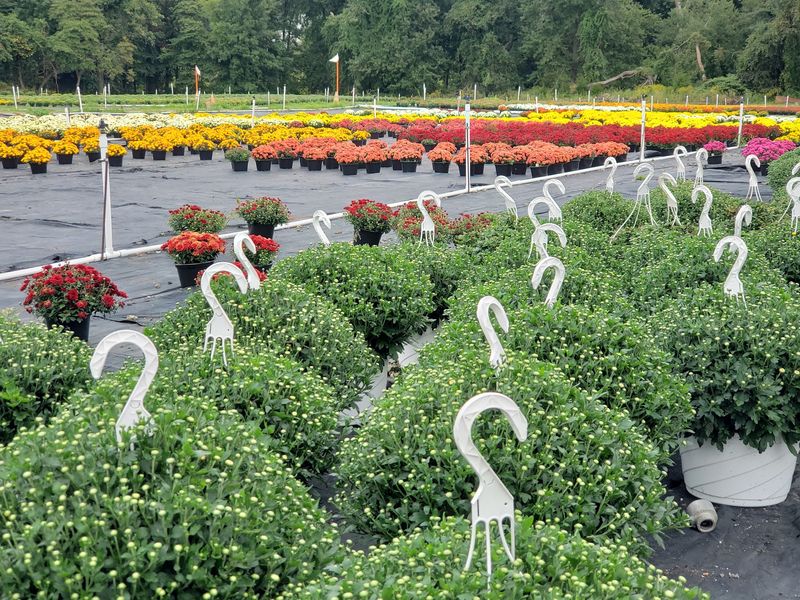
Spring isn’t the only busy season around here. When summer winds down, Glendale Farms turns its attention to mums.
Chrysanthemums are the unofficial flower of autumn porches. They bring rich color right when many summer annuals start looking tired.
A few pots by the front steps can change the whole feel of a house. Pair them with pumpkins and you’ve basically decorated for the season.
Some quick care tips help them last. Water mums well, since they dry out faster than many people expect, especially in sunny spots.
Pick plants with plenty of closed buds. Those buds will open over the coming weeks, so your display lasts longer.
Group different colors together for a bolder look. Or stick with one shade if you prefer something calm and tidy.
Buying mums from a local grower also means fewer miles traveled. That’s good news for plant health and for your conscience.
Fall in Connecticut already brings beautiful leaves. Adding mums simply brings that color down to ground level, right where you’ll see it every day.
7. Holiday Red Fills The Greenhouses Each Winter
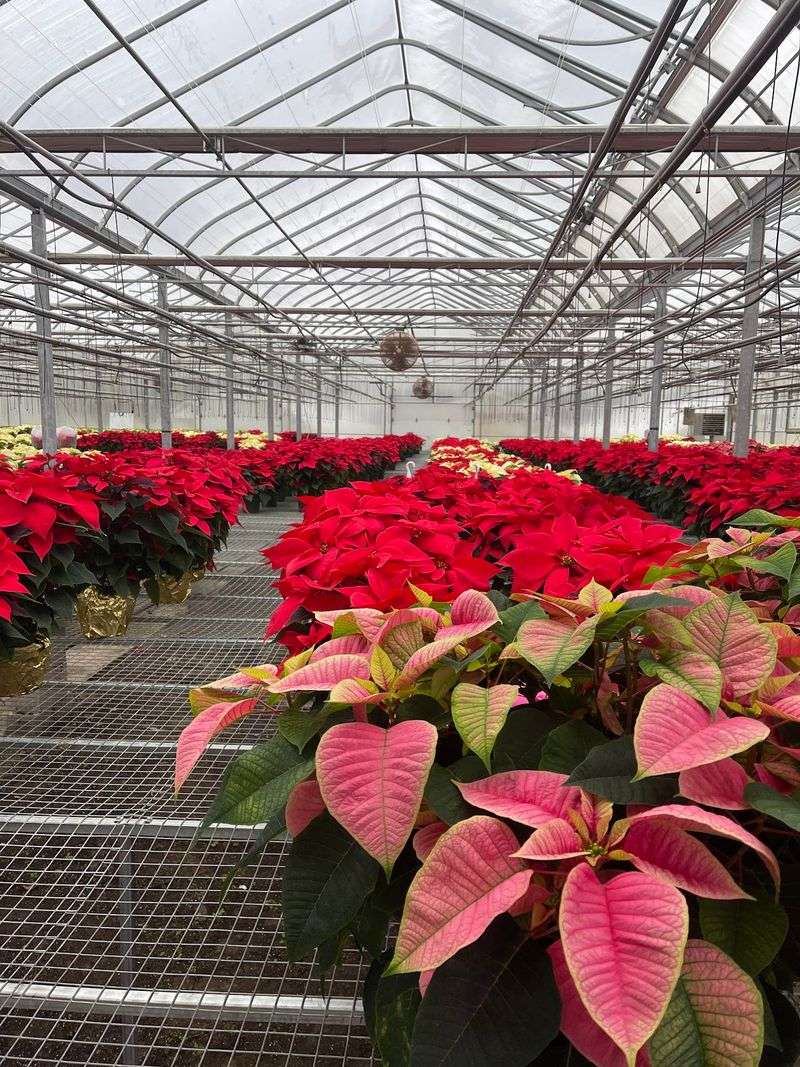
Red leaves everywhere, as far as you can see. During the holidays, poinsettias take center stage at the farm.
They’re available from Black Friday through Christmas Eve. That gives you a solid window for decorating, gifting, or grabbing a last-minute present.
The farm grows its poinsettias right here rather than shipping them in. Easter flowers also join the seasonal lineup when spring rolls back around.
Poinsettias make easy gifts for teachers, neighbors, and hosts. There’s no need to worry about clothing sizes, and their festive colors make them a thoughtful seasonal present.
The farm also promotes them for fundraisers. Schools and groups can use them as a festive alternative to yet another candy sale.
Care is fairly simple. Keep them away from cold drafts and hot vents, and water when the soil feels dry.
Wrap them well for the trip home. Even a short walk through winter air can bother these warm-weather plants.
A greenhouse glowing with red in December is a cheerful sight. It’s a nice reminder that a farm stays busy long after the garden season ends.
8. Horses Share The Property With All Those Plants
Plants aren’t the only residents at Glendale Farms. The property also offers horse boarding.
The setup includes a main barn, outbuildings, a tack room, and a grooming area. There are turnout areas, two pastures, and a sand-bedded riding ring too.
That’s a full equine setup sharing space with a giant nursery. It’s a nice nod to the farm’s livestock roots from decades ago.
For local horse owners, boarding near home is a real plus. Shorter drives mean more time riding and less time stuck in traffic.
The farm also sometimes adds new features for visitors, such as animals to see. Kids who get bored picking petunias may find a fun distraction.
Remember some basic farm manners, though. Don’t feed or touch animals unless staff say it’s okay, since horses have their own diets and moods.
Keep little ones close near fences as well. A calm visit is better for everyone, including the four-legged residents.
It all adds up to something a chain store can’t copy. Where else do you shop for geraniums with a horse nearby?
9. Plan Your Trip Around These Handy Details
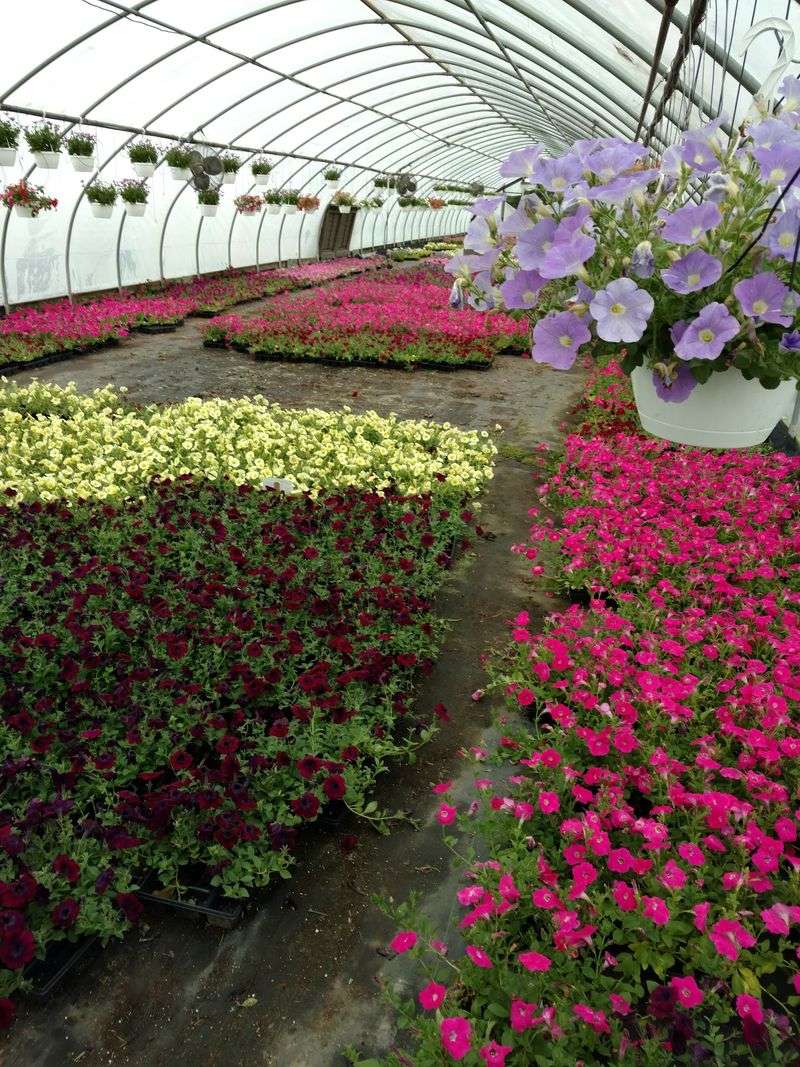
Your trunk might be empty when you arrive. Keeping it that way could be the real challenge.
Especially when colorful flowers start looking like they belong in your garden.
That’s part of the fun of visiting Glendale Farms, where a quick plant-shopping trip can easily turn into a much bigger project.
The greenhouses offer plenty to browse, so give yourself enough time to look around. You might arrive with a shopping list and leave with a few unexpected additions.
Morning visits are particularly helpful during warmer weather. Plants won’t spend as much time sitting in a hot car, and you’ll have the rest of the day to get them settled.
Bring a sturdy box to keep smaller pots upright. An old towel or plastic sheet can also save your car seats from spilled soil and damp containers.
It’s worth checking the accepted payment methods before visiting, too.
The farm welcomes shoppers at 203 Herbert Street, Milford, CT 06461, making it a convenient stop during a day of local errands.
Greenhouse hours are advertised as 8 a.m. to 5 p.m. daily, including holidays.
Once home, give your new plants a good watering and follow their individual planting instructions.
And don’t be surprised if one visit leaves you thinking about your next garden project.