This Connecticut Nature Preserve Protects A Rare Wetland Ecosystem That Feels Like A World Untouched By Time
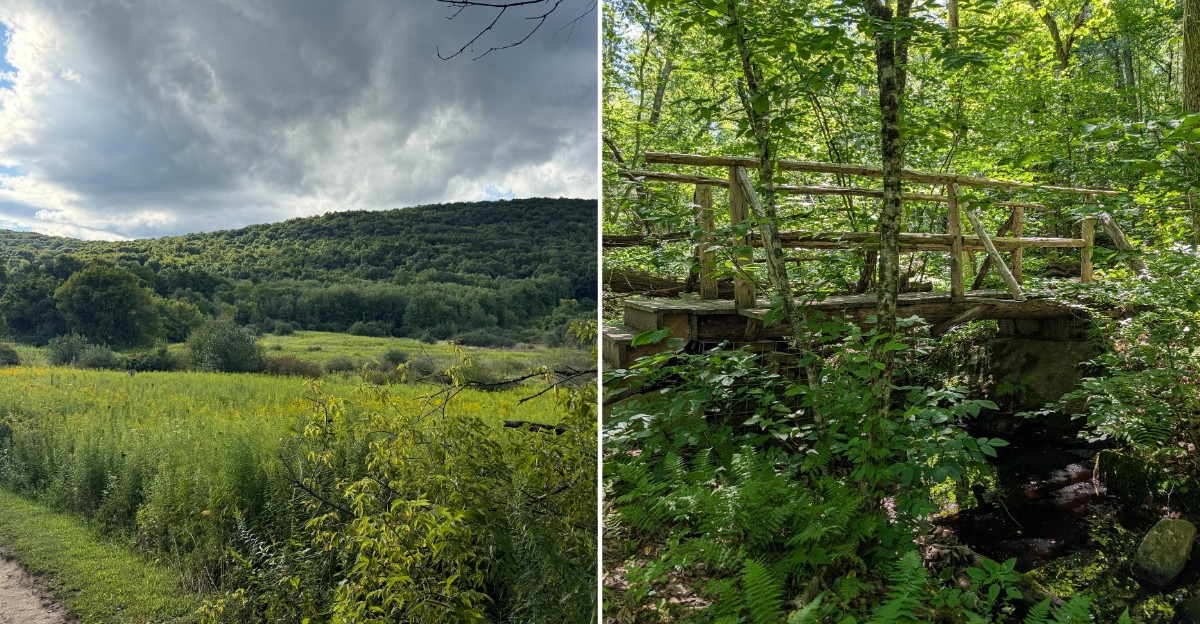
Not every beautiful landscape announces itself with a dramatic mountain summit or a roaring waterfall.
Some places reveal their character much more quietly.
A stretch of wetland might seem ordinary from a distance, but look closer and an entirely different environment begins to emerge.
A remarkable Connecticut nature preserve protects a rare wetland ecosystem, offering visitors an opportunity to appreciate an unusual natural landscape.
And wetlands are far more interesting than their reputation sometimes suggests.
They support specialized plants and wildlife, while their changing water levels help shape the surrounding habitat.
The fascinating part is how different these environments can feel from the forests around them.
A walk through the preserve offers a chance to notice those contrasts without needing a spectacular viewpoint.
There’s no requirement to reach a summit or complete a challenging route to appreciate the scenery.
Sometimes the most interesting part of a nature outing is discovering how much life exists in places that initially seem quiet.
1. A Swamp This Rare Deserves A Standing Ovation
Who knew limestone could make a swamp so interesting? Most people probably wouldn’t give the rocks beneath their feet much thought.
But here, they help create an entire ecosystem that’s surprisingly rare.
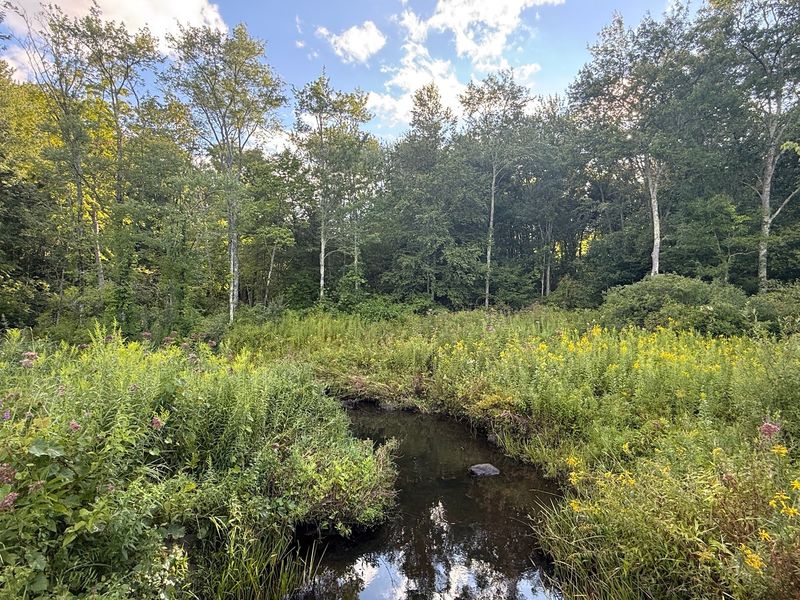
At Macricostas Preserve, Meeker Swamp is one of the most fascinating natural features, thanks to its unusual limestone-rich geology.
The wetland sits over calcium-rich bedrock, which changes the chemistry of the soil and creates conditions that certain plants need to survive.
That’s what makes this place different from an ordinary marsh.
The wider ecosystem covers more than 300 acres, including wet meadows, sections of Bee Brook, and nearby rocky slopes. It’s considered one of the last significant calcareous ecosystems in the Northeast Hills.
And there’s a lovely way to appreciate it without getting your shoes soaked.
An elevated viewing platform overlooks the swamp, offering visitors a chance to watch birds and other wildlife from a comfortable distance.
Bring binoculars if you have them. The surrounding grasses and shrubs provide plenty of places for wildlife to move around.
Even the quieter moments are interesting here.
One minute, you might notice a bird moving through the reeds. The next, a butterfly catches your attention.
It’s a peaceful reminder that some of nature’s most interesting details are easy to overlook.
2. How 265 Planned Houses Turned Into Wide Open Wilderness
Back in 1978, this land almost became The Washington Glen. That development plan pictured 265 homes spread across the area that now hums with wildlife.
Thankfully, the bulldozers never showed up. In 2000, the Steep Rock Association acquired the original 238-acre central parcel, often called Meeker Swamp, from Constantine Macricostas in a bargain sale.
Saving it took a real team effort. Funding came from the State of Connecticut, the Town of Washington’s Open Space and Watershed Land Acquisition Program, and individual donors.
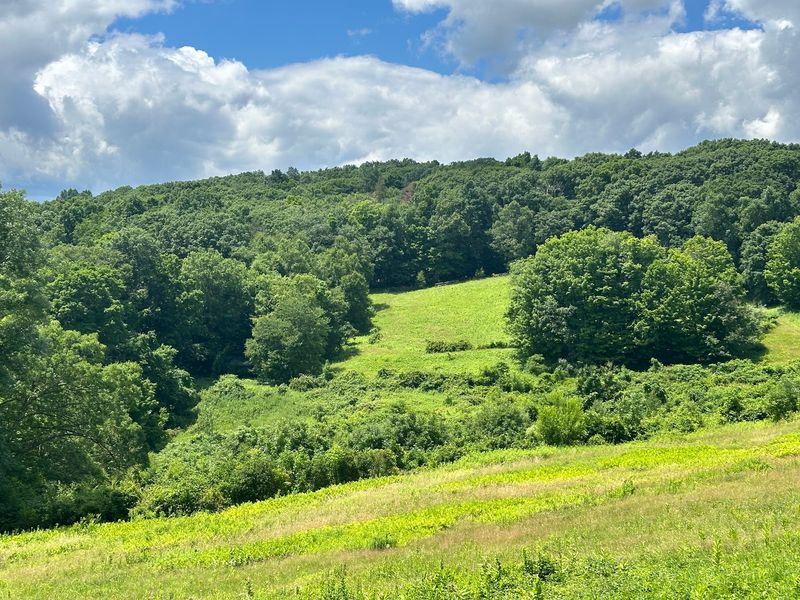
The story kept growing after that first purchase. Neighboring parcels and donations stretched the preserve to its current 547 acres of meadows, farmland, wooded ridges, and wetlands.
The Steep Rock Association still owns and manages it today. This nonprofit land trust protects meaningful landscapes in and around Washington and the Shepaug River Valley.
It also manages three other public preserves, including Steep Rock, Hidden Valley, and West Mountain. So if you fall for this one, you’ve got more exploring waiting nearby.
Honestly, a swamp beat a subdivision, and everyone wins. Especially the frogs, who never had to share their pond with a cul-de-sac.
3. Hidden Under Your Boots Is The Town’s Drinking Water
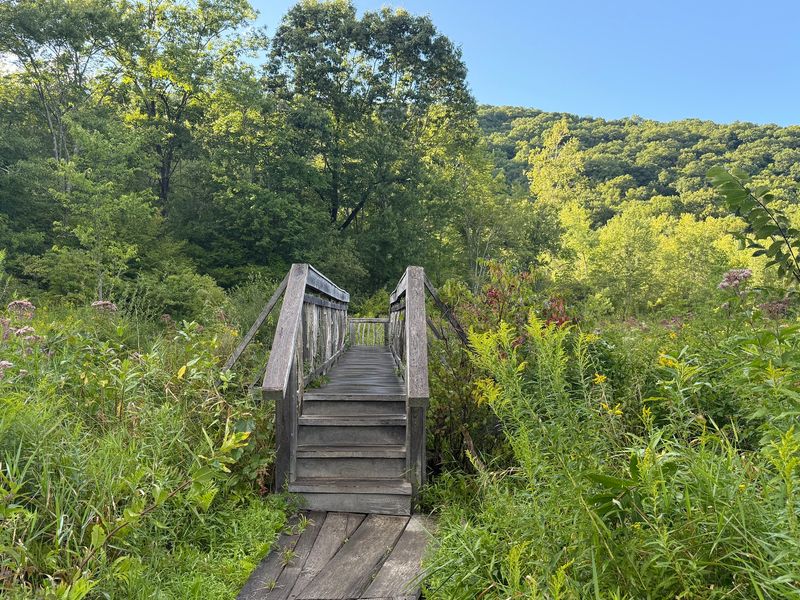
Every step on these trails passes over something pretty important. The preserve sits on top of one of Washington’s largest aquifers, which helps protect the town’s drinking water.
That’s a pretty great job for a quiet patch of meadow and marsh. Keeping this land wild means the water underneath stays cleaner for the people who rely on it.
Meeker Swamp also serves as the headwaters of Bee Brook. This significant stream winds through the southern half of the preserve before it flows into the Shepaug River.
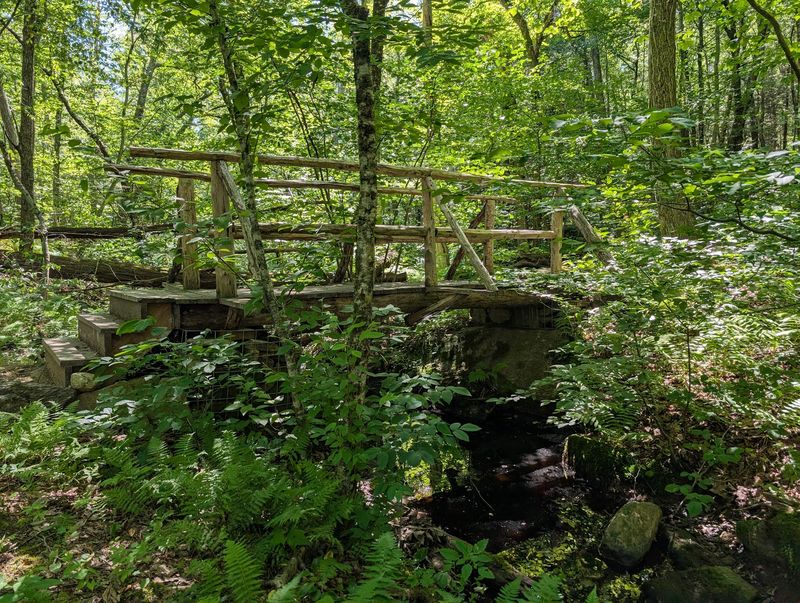
Along the way, scenic bridges and boardwalks help you cross the wet spots. Listen for running water as you go, because the brook likes to announce itself.
The geology here gets even nerdier in the best way. Three bedrock units meet at this spot, including Stockbridge marble, Manhattan schist, and Ratlum mountain schist.
The preserve also marks the eastern edge of carbonate marble bedrock in this part of the state. In other words, you’re hiking along a natural boundary line written in stone.
Trails can get muddy, so wear shoes you don’t mind getting dirty. Your laundry will forgive you eventually.
4. Your Legs Will Complain, But Waramaug’s Rock Pays Them Back
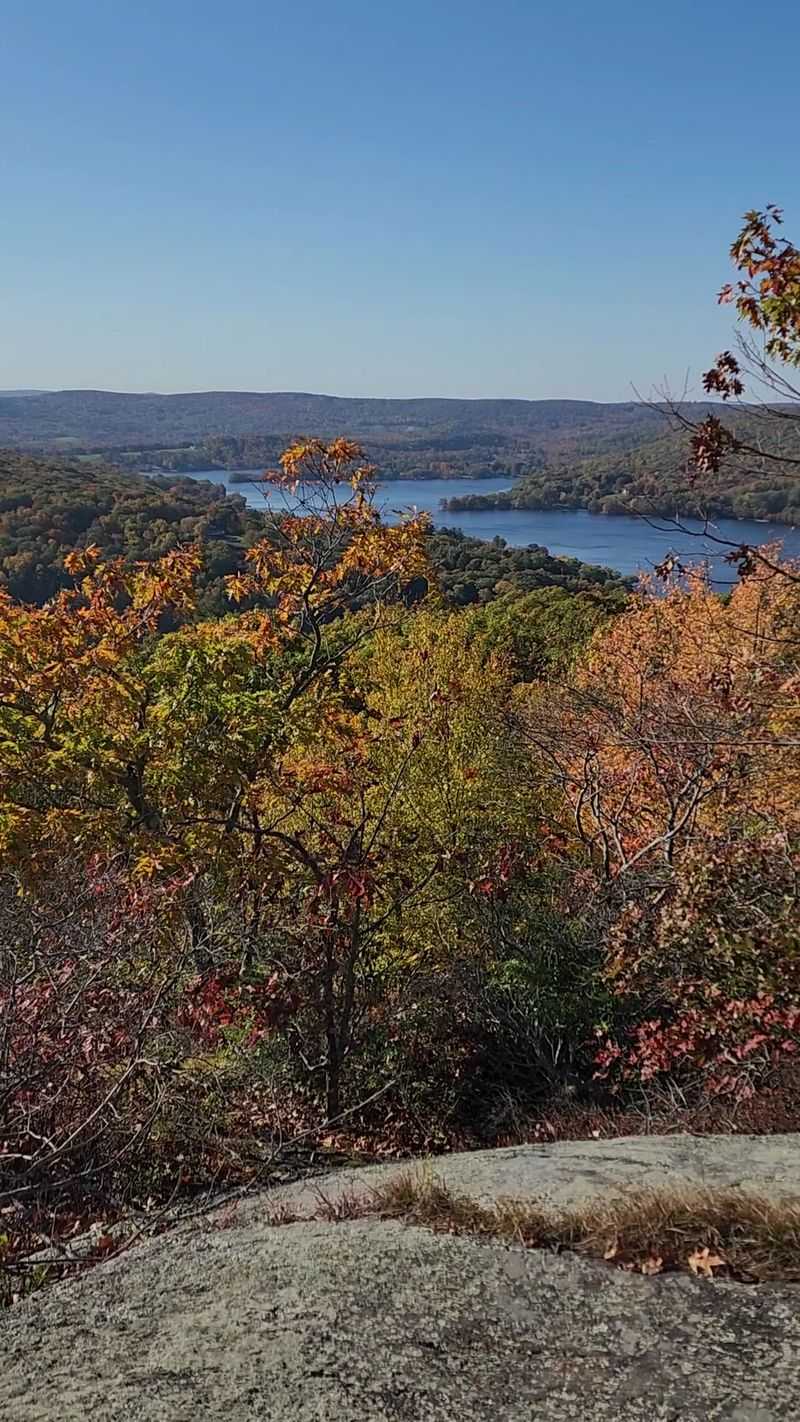
Some views make you earn them, and this one sends a bill. Waramaug’s Rock sits at roughly 1,250 to 1,280 feet, and the climb up is steep in spots.
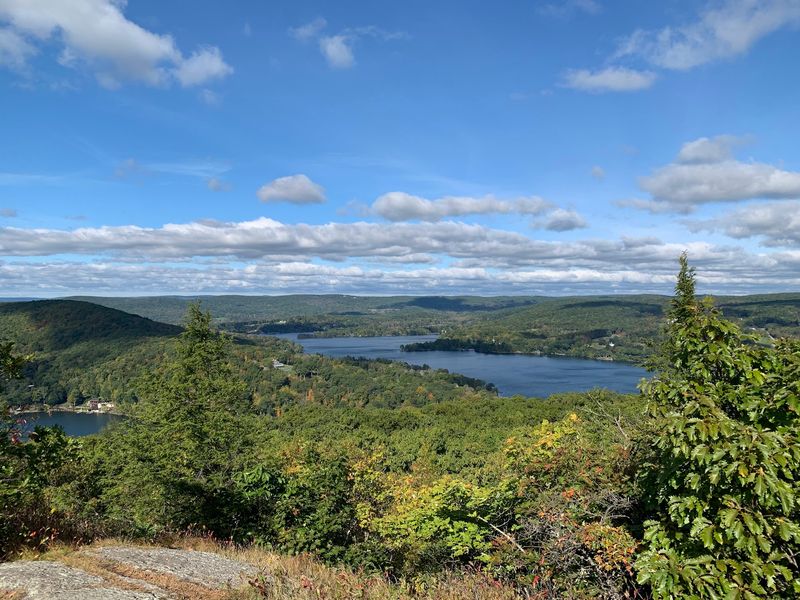
The reward is huge, though. From the top, you get wide panoramic views of Lake Waramaug and the rolling countryside around it.
The Meeker Trail, marked with yellow circle blazes, is a favorite route. It carries you across a boardwalk over marsh, through open fields, and then up into the woods.
Keep your eyes on those yellow blazes at every intersection. Several trails cross here, and it’s easy to drift onto a different color without noticing.
Partway up, the Macricostas Lookout gives you a handy breather. It looks out over the hayfield next to Meeker Swamp, so your rest stop comes with scenery.
Pack water, especially in summer, since there isn’t much along the upper trail. Bug spray and a tick check afterward are smart moves too.
Once you reach the top, sit for a minute. That lake shimmering below makes every huffing step feel totally worth it.
5. Pick A Color, Any Color, And Start Walking
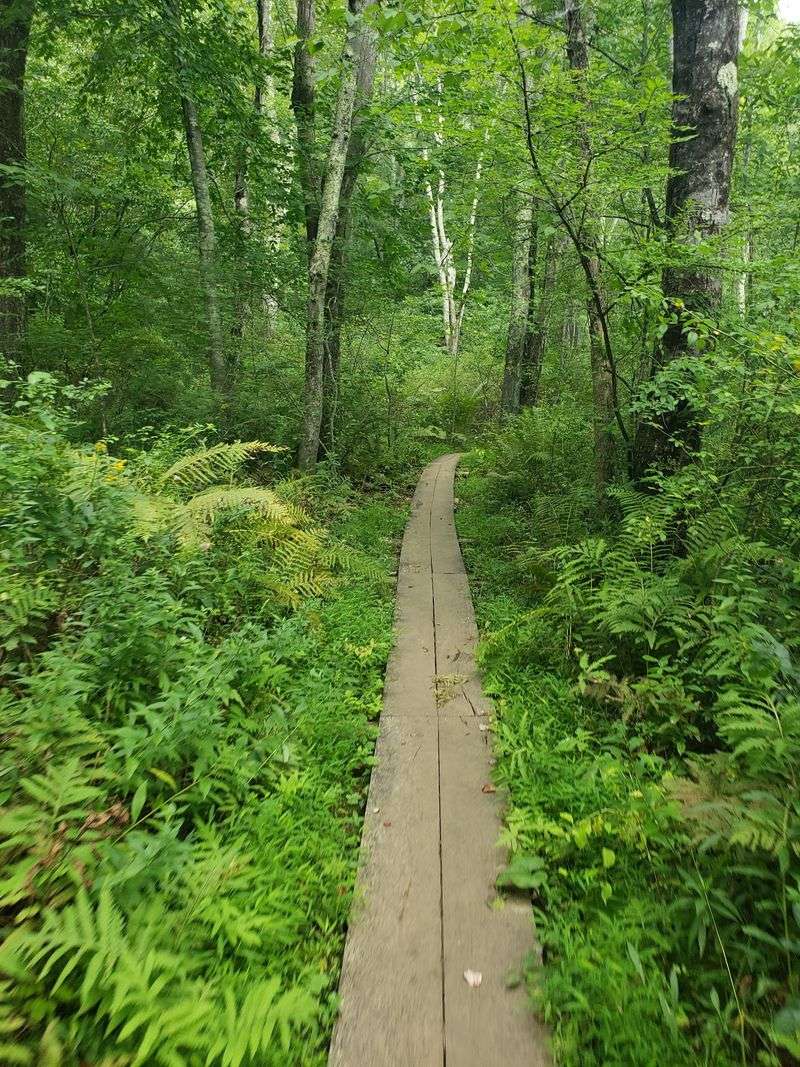
More than six miles of trails loop across Macricostas Preserve. They range from easy strolls to moderate climbs to advanced, rocky sections that really test your legs.
Color-coded blazes help keep you on track. The Ridgeline Trail uses orange circles, while the Pinnacle Valley Trail uses white squares.
A newer red trail, called the Boulders Trail, adds even more options. It’s a fun pick once you’ve done the classic routes and want something fresh.
Not into big climbs? The Hay Field Loop offers easy walking with views all around, plus benches along the way for snack breaks.
Want a challenge? Combine trails into a longer loop or an out-and-back trip to the summit and down again.
A smart plan is to snap a photo of the trailhead map before you start. Maps help when several paths meet in the woods and the arrows start looking suspicious.
Wear sturdy shoes, because some uphill stretches are rocky. Wheelchairs and strollers will struggle on many of the steeper paths here.
Choose your adventure, then go. The trails will handle the rest.
6. Butterflies Outnumber Your Excuses To Stay Home
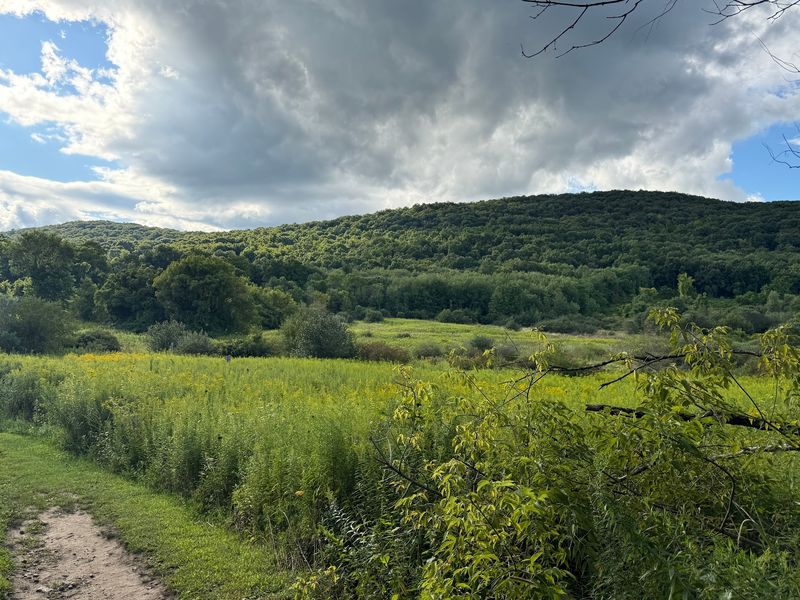
Over 85 species of butterflies have been recorded here. That’s a lot of fluttering for one corner of the state.
The hayfields and meadows are the real party zones. They support songbirds, butterflies, and blooming wildflowers that brighten the open land.
Rare birds show up too. The preserve offers critical habitat for many species of Greatest Conservation Need, including birds, mammals, reptiles, amphibians, and invertebrates.
Bigger picture, the mix of Lake Waramaug and mature forest has earned Important Bird Area recognition from the Audubon Society. Birders, you’ll want those binoculars handy.
Plant lovers get a treat as well. Four plant species of special concern grow here: Giant St. John’s-wort, Violet wood-sorrel, Pale green orchid, and Threadfoot.
Remember that collecting or foraging needs a permit. Leave No Trace rules apply, so plants, rocks, and critters stay right where you found them.
Bring a camera instead of a collection jar. Photos last longer anyway, and the butterflies will appreciate staying put.
Visit on a warm, sunny day for the most action. Slow walking pays off, because the meadow rewards anyone who looks closely.
7. A Garden That Feeds Neighbors Sits Right By The Parking Lot
These vegetables have an important job. They’re growing to help local families put fresh food on the table.
And the garden happens to be right beside a beautiful nature preserve.
Before visitors even reach the trails at Macricostas Preserve, they can spot Judea Garden near the parking area and preserve office.
This community project grows fresh produce for residents facing financial difficulties. It’s a lovely example of how a shared outdoor space can support the surrounding community.
The garden is worth a look on the way in, although visitors should admire the growing beds without disturbing the plants.
Nearby, the Steep Rock Association office provides another useful stop. Check the posted information board for details about upcoming programs and community events.
Parking is free, with additional overflow spaces available farther along the road. Using designated spots helps keep access clear for other visitors.
The preserve’s entrance is at 124 Christian Street in New Preston, part of the town of Washington, just north of Route 202.
Once you’re ready to explore, the trails offer plenty of opportunities to enjoy the surrounding landscape.
And on the way back, that little garden deserves another glance. It’s doing something meaningful long after visitors have headed home.
8. Know The Rules Before Your Boots Hit The Dirt
Good news for early birds and sunset lovers alike. Macricostas Preserve is open every day from sunrise to sunset.
Dogs are welcome, which makes four-legged hikers very happy. They must stay leashed at all times, and you’ll want extra water for them in summer.
Some things are off the table here. Motorized vehicles, bikes, e-bikes, motorbikes, hunting, fires, and camping are all prohibited.
Bringing a crowd? Groups of 15 or more need a group use permit from the Steep Rock Association before showing up.
Leave No Trace principles guide every visit. That means no picking plants, moving rocks, or carrying off any natural treasures.
Plan ahead for comfort too. Fields can be sunny, so sunscreen helps, and some areas get buggy enough to make repellent your best friend.
Long pants and a careful tick check afterward are smart habits. Trails can also turn muddy after rain, so choose shoes wisely.
Follow these simple rules, and this treasure stays wild for the next hiker. That’s a pretty easy trade for such a beautiful afternoon.